Recognizing the importance of aerosol transmission

https://mailchi.mp/13ef4dd36d77/the-weekly-gist-august-27-2021?e=d1e747d2d8

Droplets vs Aerosols: What's More Important in COVID-19 Spread? | MedPage  Today

Droplets, fomites, aerosols…these terms describing the kinds of particles which can spread virus particles rose to the top of our lexicon last year. Initially we focused on fomites, infectious particles deposited on surfaces, and worried that touching our groceries and mail could spread the coronavirus.

Scientists were convinced that most COVID transmission occurred via droplets, large respiratory particles exhaled in a cough or a sneeze that traveled only a short distance from an infected person, which led to the guidance that staying six feet apart would keep us safe. But worrisome case reports of a single individual passing the virus to a roomful of people, and the mitigating effects of ventilation, began to hint at aerosol transmission, a much more insidious type of spread in which the virus is transmitted through much smaller particles, which travel longer distances and can linger in the air for hours.

Aerosol spread is not only worrisome because it makes a pathogen more contagious, but smaller aerosol particles can be inhaled more deeply into the lungs, potentially causing more severe illness. A new review in Science evaluates the current data on COVID transmission and the advances made over the past year in understanding airflow and aerosol spread, making the bold statement that aerosol transmission is not only the main mechanism for COVID-19 spread, but is likely the primary mode of transmission for the vast majority of respiratory diseases.
 
Today, our lack of attention to ventilation, air purification and other means to reduce aerosol spread means that we are woefully unprepared for children to return to school—and underscores the need for extensive masking to mitigate transmission. But in the long run, better understanding the mechanisms for preventing airborne transmission could allow us to reduce susceptibility to a host of respiratory diseases. Take complications from asthma, which dropped dramatically during the pandemic—leading researchers to posit that viral infections, rather than environmental triggers, could be the more common cause behind exacerbations. 

Harnessing this new knowledge will require further research to quantify the effects of spread and mitigation—and the willingness to invest in preventive measures in schools and other public spaces, yet another domain in which bolstering public health could have a meaningful long-term impact on our lives.
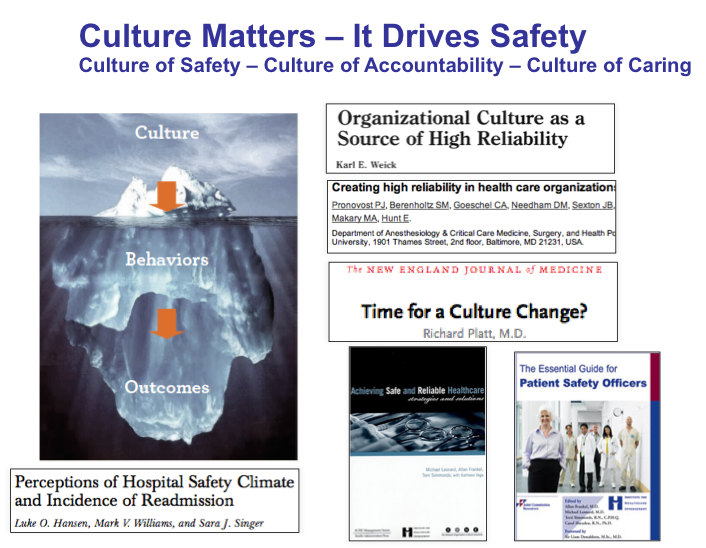
Is the perception of safety in healthcare settings declining?

https://mailchi.mp/13ef4dd36d77/the-weekly-gist-august-27-2021?e=d1e747d2d8

Improving Patient Safety—Why Data Matters

When COVID volumes waned in the spring and early summer, most health systems “de-escalated” dedicated COVID testing and triage facilities. But with the Delta variant surging across the country, consumers are now once again looking for services like drive-through testing, which is perceived as more convenient and safer.

One physician leader told us patients in the ED are asking why the hospital got rid of the “COVID tent”, which provided a separate pathway for patients with respiratory and other COVID symptoms—and a highly visible signal that the rest of the department was as COVID-free as possible.

Another system is now fielding questions from the media about whether they’ll bring back their dedicated COVID hospital: “We spent a lot of time last year convincing the community that the dedicated hospital was key to safely managing care during the pandemic. Now we’ve got almost as many COVID admissions spread across our hospitals.” 

Over the past year, providers have learned how to safely manage COVID care and prevent spread in healthcare settings—but consumers may perceive the lack of dedicated facilities as a decline in safety. 

Unlike last year, hospitals are full of non-COVID patients, as those who delayed care reemerge. And with the current surge likely to continue into flu season, emergency rooms will only get more crowded, necessitating a new round of communication describing how hospitals are keeping patients safe, and reassuring patients that healthcare settings remain one of the safest places to visit in the community. 

Explained: The 3 Major COVID-19 Variants

Explained: The 3 Major COVID-19 Variants

As billions of people gear up for widespread vaccination against COVID-19, another issue has reared its head. Three major COVID-19 variants have emerged across the globe—and preliminary research suggests these variants may be cause for concern.

But what makes them different from the original strain?

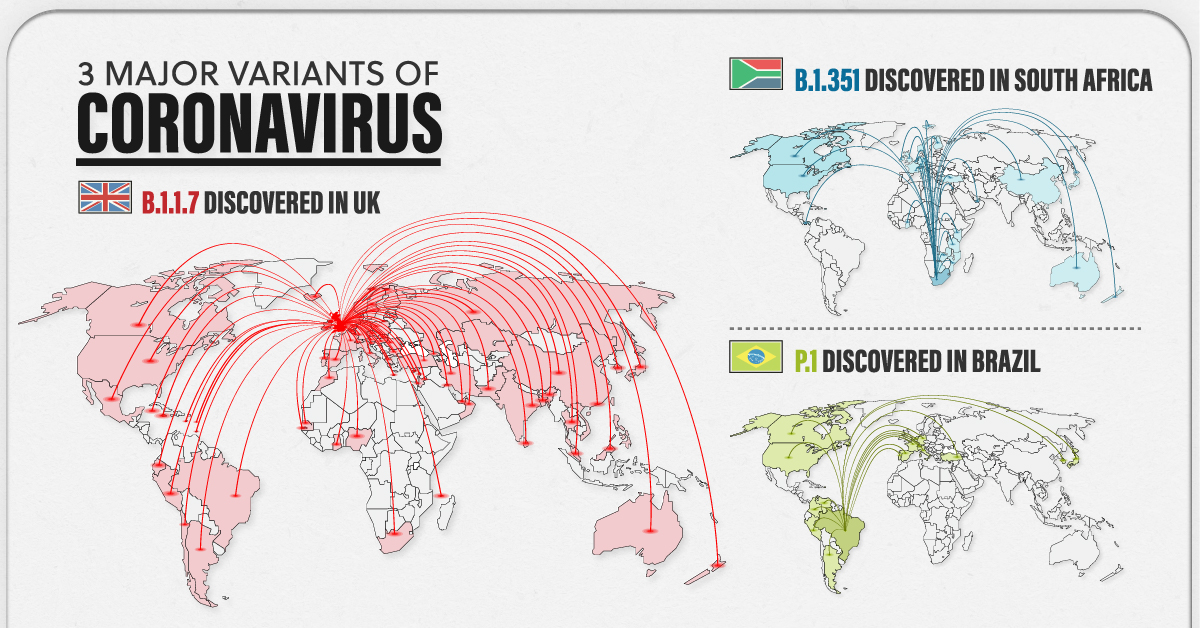
The following visualizations answer some key questions, including when these variants were first discovered, how far they’ve spread worldwide, and most importantly, their potential impact on the population.

Some Context: What is a Variant?

Before diving in, it’s important to understand why viruses mutate in the first place.

To infect someone, a virus takes over a host cell and uses it to replicate itself. But nature isn’t perfect, and sometimes, mistakes are made during the replication process—those mistakes are called mutations.

A virus with one or more mutations is referred to as a variant. Most of the time, variants do not affect a virus’s physical structure, and in those instances, they eventually disappear. However, there are certain cases when a mutation impacts part of a virus’s genetic makeup that does change its behavior.

According to the U.S. Centers for Disease Control (CDC) a change in behavior can alter:

  • Rate of transmission
  • Deadliness
  • Ability to potentially infect someone with natural or vaccine-induced immunity

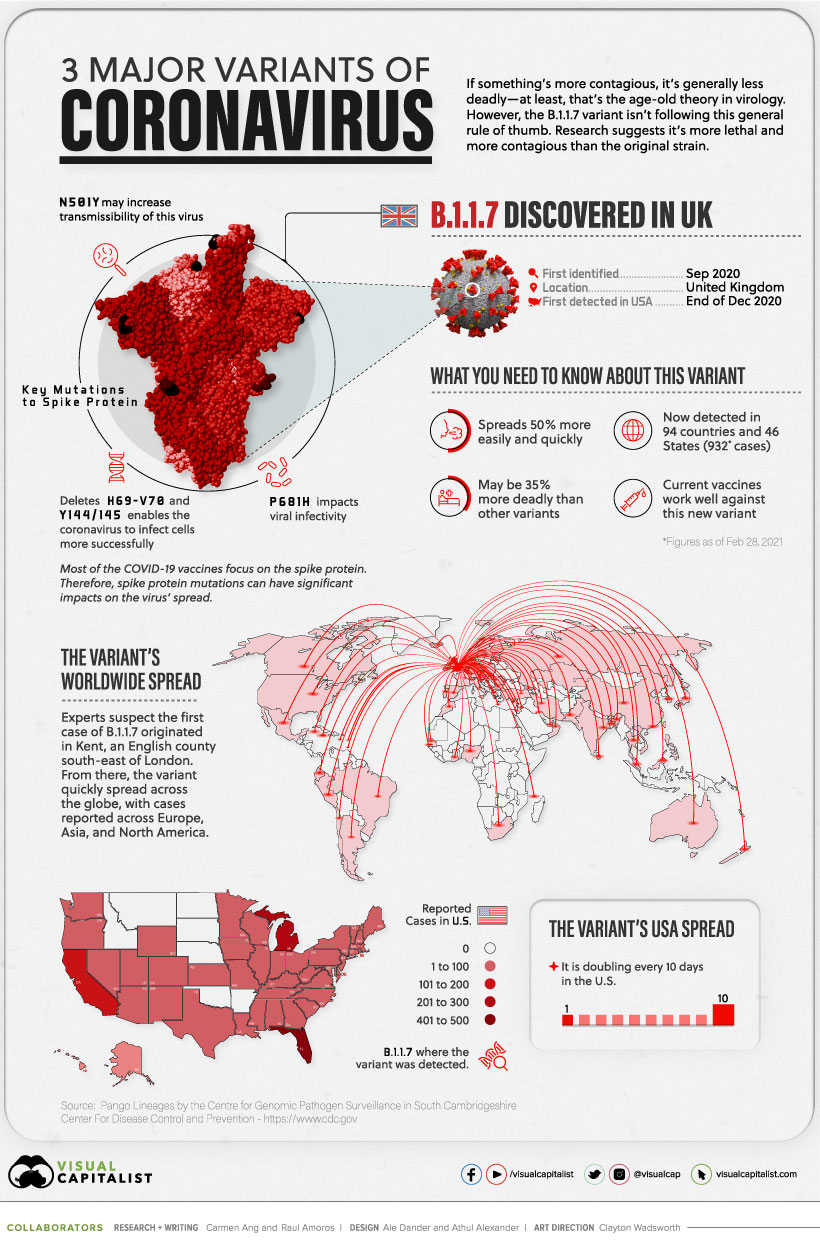
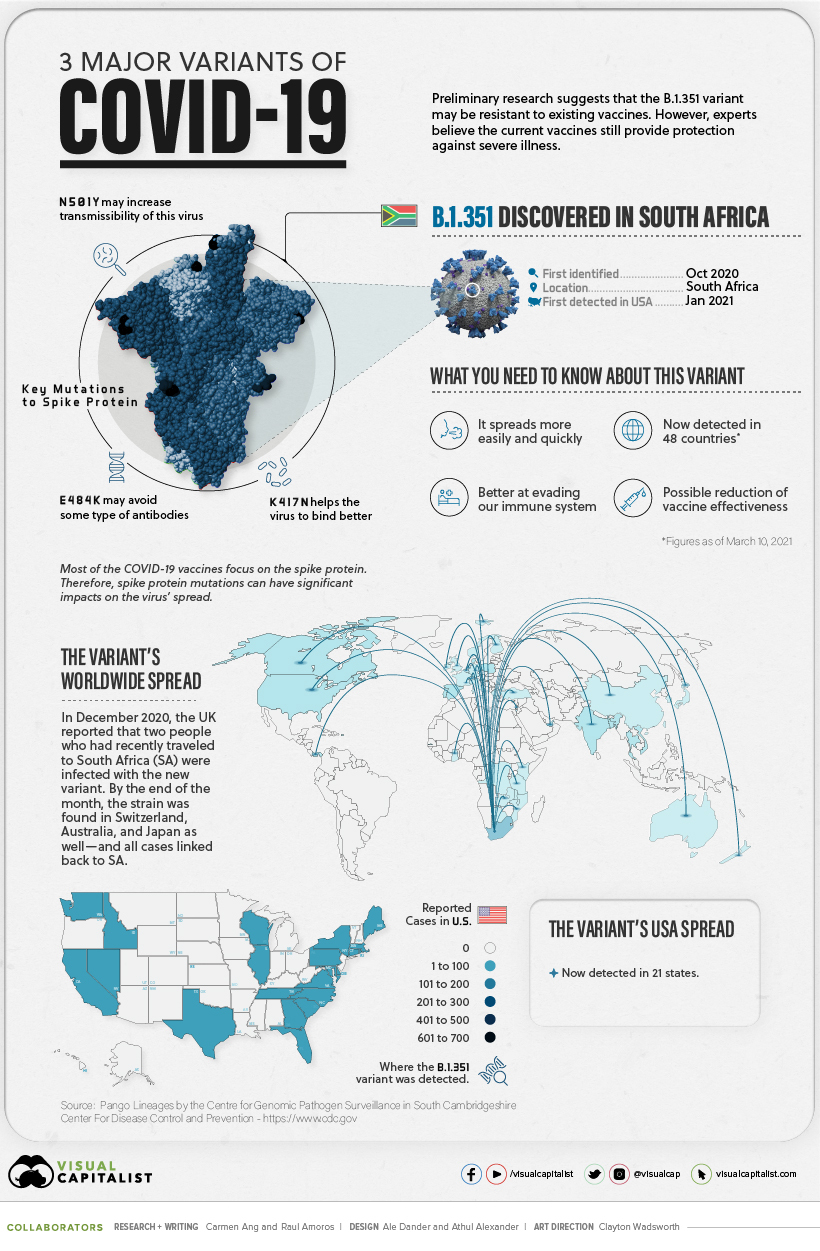
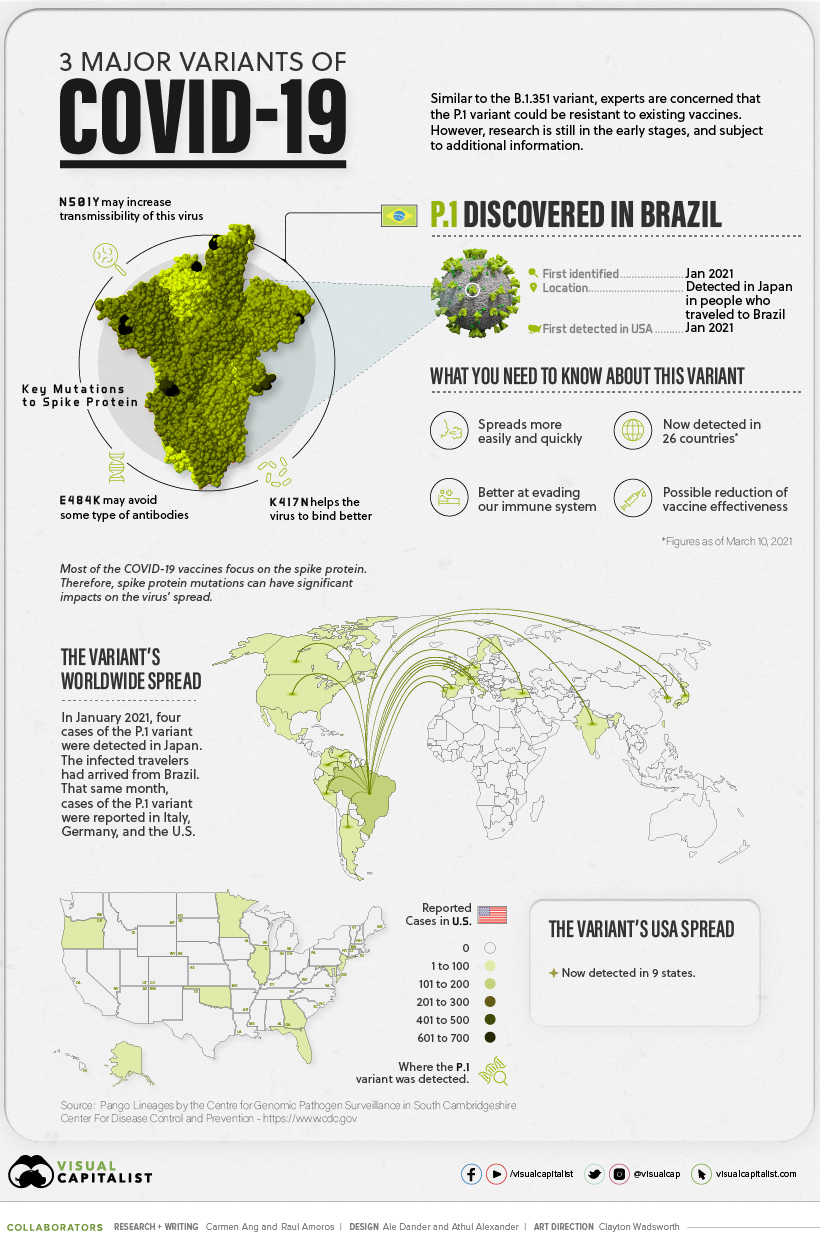
Preliminary research has detected some of these changes in the three major COVID-19 variants—B.1.1.7B.1.351, and P.1.

The 3 Major COVID-19 Variants

The three major variants emerged at different times, and in different parts of the world. Here’s an overview of each variant, when they were discovered, and how far they’ve spread so far.

B.1.1.7

The B.1.1.7 variant was detected in the UK in the fall of 2020. By December 2020, it had spread across the globe, with cases emerging across Europe, North America, and Asia.

Currently, the variant has been reported in roughly 94 countries.

Early research suggests it’s 50% more transmissible than other variants, and potentially 35% more deadly than the standard virus. Luckily, studies suggest that some of the existing vaccines work well against it.

B.1.351

In October 2020, the second major variant was discovered—B.1.351. It was first identified in South Africa, but by end of the year, it had spread to the UK, Switzerland, Australia, and Japan.

There are approximately 48 countries with reported cases, and research suggests several of the existing COVID-19 vaccines may not be as effective against this variant.

P.1

The P.1 variant was the last to arrive on the scene.

It was first discovered in January 2021, when Japan reported four cases of the variant, which was found in travelers who had arrived from Brazil.

Approximately 25 countries have reported cases of the P.1 variant, and early research suggests this variant is not only more contagious, but could also have the ability to infect people with natural immunity who had already recovered from the original strain.

Still Early Days

While there have been preliminary studies showing a dip in vaccine effectiveness, some experts emphasize that it’s too early to tell for certain. More data is needed to gain a deeper and more accurate understanding.

In the meantime, experts are emphasizing the importance of following our current public health strategies, which include physical distancing, vaccination, washing your hands, and using masks.

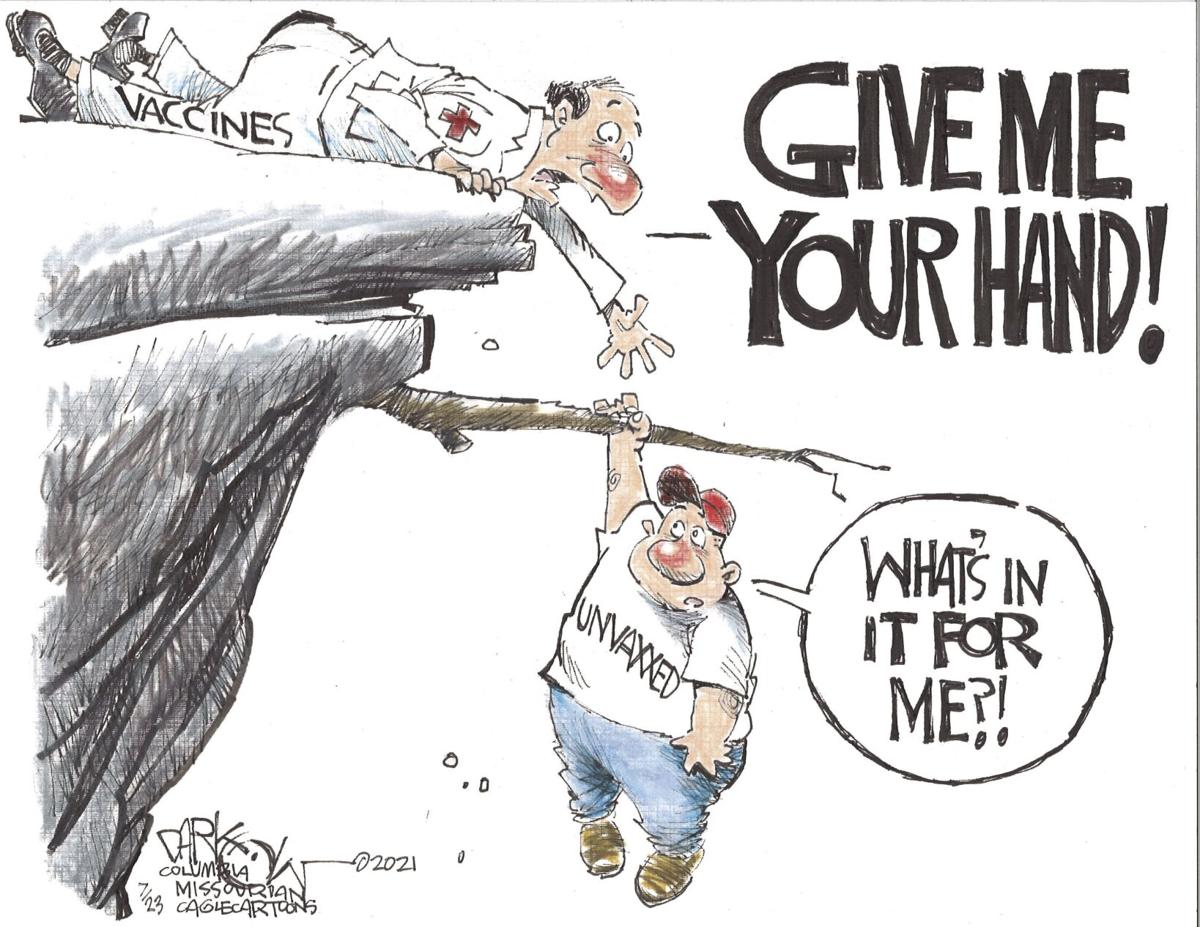
Cartoon – What’s in it for ME?

Editorial Cartoon: The unvaccinated | Opinion | dailyastorian.com

Cartoon – State of the Union (On Science)

New York City to Require Proof of Coronavirus Vaccination for Indoor  Activities | Health News | US News

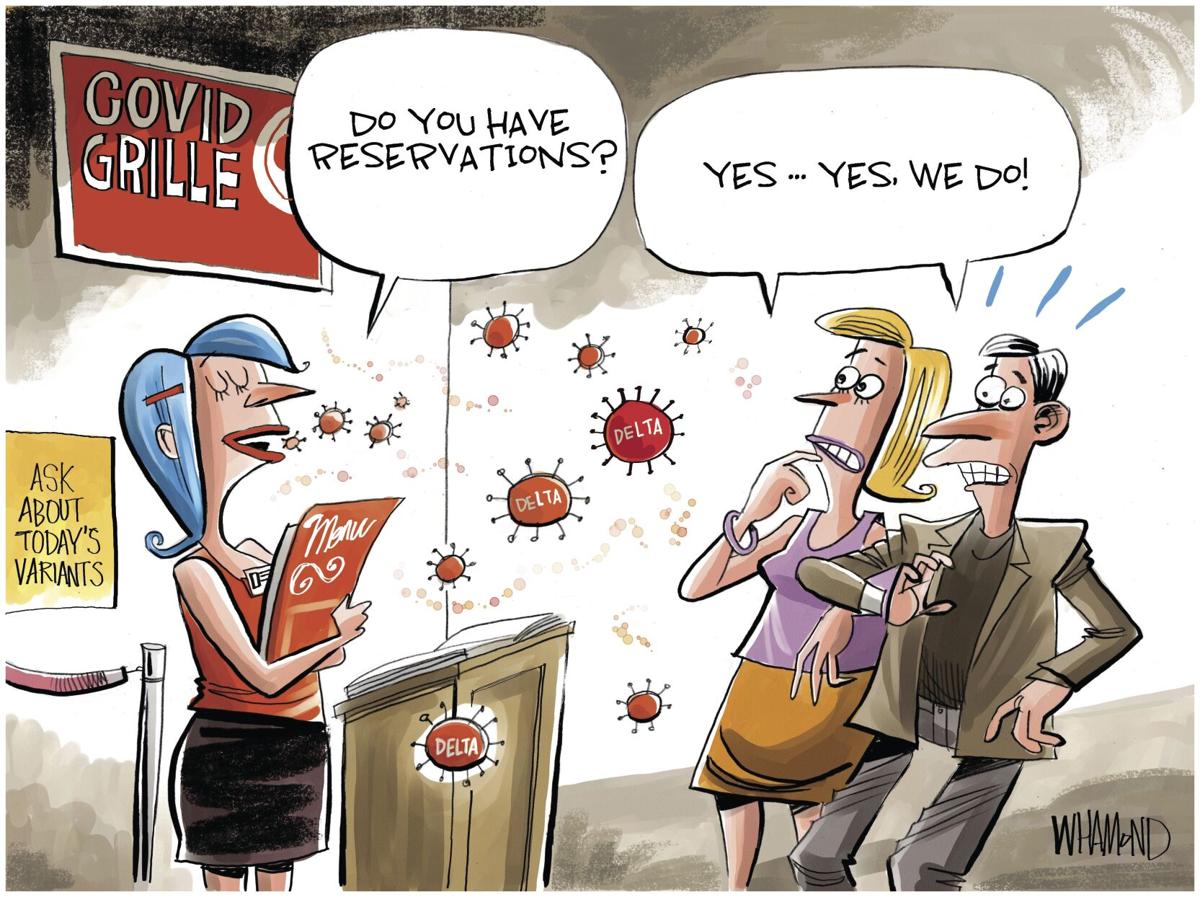
Cartoon – The Covid Grille

Noah Smith: Why the delta variant threatens to undermine the economic  recovery | Columnists | wacotrib.com

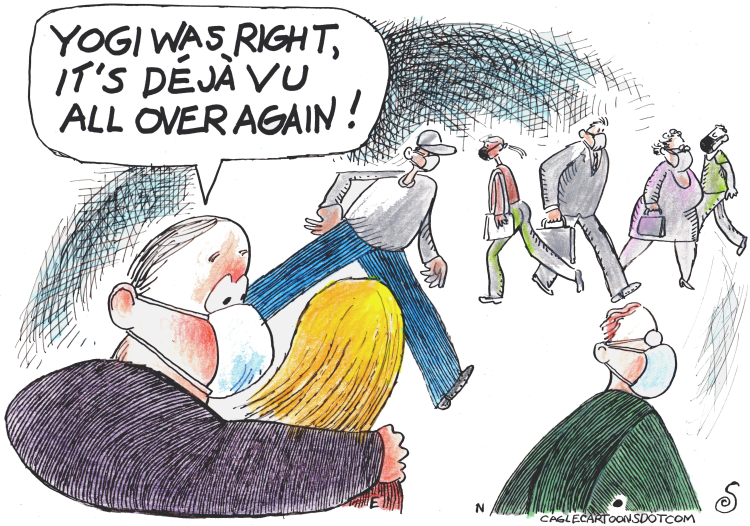
Cartoon – Yogi was Right

Covid Delta

The Delta variant is a monster and our last weapon is the unvaccinated

An illustration of coronavirus spike proteins

Oh, how the tide has turned. Three months ago, COVID was ravaging my homeland, India. The Delta variant was burning through the country like an uncontrolled wildfire. People carted dying relatives town to town, desperately seeking hospital beds or a whiff of oxygen. A cousin in India said, “COVID is not taking lives, just the beds. Lack of oxygen is taking lives.”

I watched India’s suffering unfold and felt guilty for living in one of the world’s most resourceful and scientifically advanced countries. My homeland was floundering, but at least my other homeland — the U.S. — was finally on track.

104 million Americans had been vaccinated. The Pfizer vaccine alleviated the worst outcomes of the B.1.1.7 and B.1351 variants. Adolescents aged 12-15 were gearing up for vaccine eligibility within days, and the CDC was reporting the U.S. could see a sharp decline in COVID cases by July if nationwide vaccinations continued. Health care workers had proper PPE, millions of people were getting vaccinated each week, and infection rates were declining steadily. We could finally see Spring’s light at the end of the year’s tortuous dark tunnel. Our country was in the home stretch.

Now the Delta variant is here and I have to wonder, Who were we kidding? We don’t live in a world where vertical borders prevent airborne particles from crossing time zones. Planes and boats carry viruses from one country to the next like microscopic stowaways. The virus doesn’t abandon ship. It mutates, and adapts, and colonizes.

We had a real chance to strangle this monster, to show the rest of the world how it was done, to help them all in the process. We let that chance slip away. Not everyone and not everywhere, but enough people got complacent. Some waited for herd immunity to carry the load—a number that crept from 60 to 70 to 85 percent, depending on what you read and when you read it—and others just figured it would pass. Now the Delta variant, the same one that tore through India and Great Britain, has twisted out of our flimsy grip and is roaring with laughter.

How did this happen?

Misinformation. Political discord. Vaccine hesitancy. The bottom line is our vaccination rate faltered. The CDC reported that on August 1, 2021, approximately 400,000 Americans received their first COVID dose. While that seems high, it’s less than a quarter of the peak in mid-April. We haven’t maxed out eligible people (only 58.1 percent of eligible people were fully vaccinated as of a week ago). We’re maxing out the number of people who know COVID’s real repercussions are far worse than the vaccine’s feared ones.

The U.S now has the third-highest rate of vaccine skepticism among 15 of the world’s largest economies. Our vaccine surplus is so large the FDA extended Johnson & Johnson’s vaccine expiration dates to avoid throwing out perfectly good doses. Less than a week ago, President Biden announced the U.S. has donated and shipped more than 110 million doses to 60 countries. While I applaud the humanitarian effort, I question the fate of those doses if the 41.9 percent unvaccinated eligible people in our country had wanted them.

It makes me wonder: Why does science take a backseat to unsubstantiated pseudoscientific claims?

Spreaders of vaccine disinformation fill their social media accounts with statements questioning COVID’s existence and purporting unproven treatments (never mind the fact that we wouldn’t need treatments if COVID didn’t exist) with little to no peer-reviewed scientific research to support their anti-vaccine claims. According to Imran Ahmed, CEO of the Center for Countering Digital Hate, twelve people — the “disinformation dozen” — produce 65 percent of the shares of anti-vaccine misinformation on social media platforms.”

Is it easier for some to believe that a science-backed treatment is inherently more dangerous than an unknown herb plucked from a field? Perhaps. But what do they say to the approximately 216 kids hospitalized daily in the U.S. over the past week, particularly in areas where vaccine coverage is low? Bad luck? You weren’t strong enough? What would have made them stronger?

Yes, there are measures underway to increase vaccinations—full FDA approval, social media crackdowns on misinformation, and government, companymilitary, and college mandates. But let’s be honest, many Americans are fighting these measures, as they will fight future mandates, and the next vaccine.

Only two things can change how non-vaxxers perceive COVID vaccines: education and trust. We need to sincerely hear their reasons, and then gently clarify misinformation—vaccines don’t introduce disease into our bodies. They stimulate our immune systems to obtain immunity without getting the disease. Vaccines don’t alter our DNA. Their safety has been tested. Medicines have potential side effects, but illnesses have definite ones. COVID kills indiscriminately; vaccines don’t.

Trust is harder. How can we help people trust these vaccines? I suppose on a deeper level, it’s more about trusting the people that make the vaccines. Big pharma, for-profit companies—sure, they are the money makers. But behind the scenes, the vaccines are created by men and women who’ve accepted the charge to make this world—not just individuals—safer and healthier. They’ve spent years studying, researching, and testing potential vaccines with dedication and patience, including the mRNA technology in COVID vaccines. Just because the COVID vaccine’s rollout was fast-tracked to combat the pandemic doesn’t mean the scientists cut corners in designing and testing it.

Unfortunately, we don’t have the luxury of slowly educating and gradually building trust. COVID is terrorizing our planet now. The world is shaking its heads at the U.S., wondering what happened. We were supposed to be the leader. This morning, an aunt in a small town in India sent me a WhatsApp message: “I have taken the vaccine … the positivity rate has gone down … I am worried for America … how r u?” I don’t know. America, how are we? It’s not too late to destroy this monster, but if the unvaccinated remain unmoved, it will be soon.

FDA just fully approved the Pfizer vaccine. Here’s what it means for you.

What full FDA approval means for Covid-19 vaccines: Pfizer, Moderna, and  Johnson & Johnson - Vox

FDA on Monday issued its full approval for the Pfizer-BioNTech vaccine, making it the first Covid-19 vaccine to receive approval from the agency.

Up until now, the vaccine—which FDA said will be marketed under the brand name Comirnaty—was authorized for use under an emergency use authorization (EUA). Now, however, the vaccine is fully approved for the prevention of Covid-19 in individuals ages 16 and older.

FDA said the vaccine will remain available under an EUA for individuals ages 12 to 15. A third dose of the vaccine is also still available under the EUA for certain immunocompromised individuals.

Peter Marks, director of FDA’s Center for Biologics Evaluation and Research, said FDA “evaluated scientific data and information included in hundreds of thousands of pages, conducted our own analyses of Comirnaty’s safety and effectiveness, and performed a detailed assessment of the manufacturing process, including inspections of the manufacturing facilities.”

“The public and medical community can be confident that although we approved this vaccine expeditiously, it was fully in keeping with our existing high standards for vaccines in the U.S.,” Marks added.

What does FDA’s approval mean for you?

This new FDA approval, new guidance from the federal government, and new regulations from schools and private business have the potential to shift the posture of the currently unvaccinated. Today, just over 70% of American adults have had at least one dose Covid-19 vaccines. The question now is, how far can we get? The answer is up to you.

It may feel like decisions about the treatment and prevention of Covid-19 are out of your control. And while federal agencies and private businesses are making decisions quickly, every one of you has a vital role to play in this next phase of the pandemic. But there are three constituencies I want to speak to directly.

Employers

Many employers have been hesitant to come down hard on vaccine mandates or implementing clear consequences for the unvaccinated (such as submitting to weekly tests). Much of that fear had to do with the fact that vaccines were only approved for emergency use. Today’s announcement of the full approval of the Pfizer-BioNTech vaccine should offer many employers enough comfort to move forward with vaccine mandates. In fact, on the heels of announcing full approval, New York City announced that it would require all education staff to be vaccinated. I expect to see more employers inside and outside of health care following suit. If you are still questioning whether a vaccine mandate is appropriate, we recommend asking yourselves these five questions:

  1. Are you complying with federal and state guidance?
  2. Is a Covid-19 vaccine mandate the best way to achieve your goals?
  3. How will you manage individuals who have legitimate exemptions if you impose a Covid-19 vaccine mandate?
  4. How will you collect ‘proof of vaccination’?
  5. How will you address workforce retention concerns?

Provider executives

Since the start of the Covid-19 crisis, we’ve recommended that providers adopt a single source of truth mentality to combat misinformation associated with the virus, it’s treatment, and concerns over vaccination. Today, vaccine skepticism is largely why adults continue to pass on their shot, and while the FDA’s full approval of the Pfizer-BioNTech vaccine isn’t going to appease all of their fears, full approval really does matter to some vaccine hesitant patients, at least according to polling from the Kaiser Family Foundation.

Your job is to identify those patients, offer custom outreach that shares the good news of full approval, and direct patients to the right next steps. The more customized the communication can be, the better. But there are some common principles everyone can take when developing strong Covid-19 vaccine communication strategies. In fact, we’ve built a readiness assessment for this purpose. And while this readiness assessment was built for initial rollout, the questions within should continue to guide your organization in addressing key factors such as patient navigation, equity in vaccine access, public health messaging, and vaccine hesitancy and mistrust.

The best communication strategy generates action—action for the patient (e.g., making an appointment for their first dose) but also action steps for frontline providers. Leaders must make sure that their staff is equipped to recognize vaccine hesitancy vs. skepticism, which is rooted in misinformation. Leaders must train staff to listen to personal narratives and not merely default to scientific facts, and leaders must make sure clinicians feel equipped to ease potential patient concerns.

Frontline clinicians

Doctors must also be equipped to handle individual conversations with patients and discuss what this full approval means. Since patients typically turn to their doctors as a top, trusted source of insight, frontline clinicians are more important than ever in driving vaccine confidence. Yet in a recent poll from SymphonyRM, 41% of patients lost trust in their doctors amid the pandemic—and among those individuals, just over half noted it was because their provider rarely or never communicated with them about Covid-19. To regain trust and communicate the importance of the full approval, frontline clinicians should be prepared to proactively communicate and answer the following questions: 

  1. How does full approval differ from an emergency use authorization? Under what conditions is a full approval granted?
  2. Why did the FDA decide to grant this approval? What data or evidence led to their increased confidence in the vaccine?
  3. How should patients view this approval? What concerns, fears, or questions about the vaccine should this approval counter?
  4. How might this full approval lead to increased mandates or pushes for vaccination, and what does that mean for patients?   

Doctors should also continue to be prepared to answer any skepticism or misinformation about the full approval, which may come up during these discussions. In a July poll from KFF, 34% of unvaccinated adults were not at all confident about the safety of Covid vaccines, and 31% were not too confident. Today’s full approval should be used as an opportunity to help increase patient confidence in the safety of the vaccine.

The best defense we have against this virus is vaccination, and full approval of the Pfizer-BioNTech vaccine gives employers, providers, and frontline clinicians the shot in the arm they need to keep motivating Americans to get vaccinated (pun intended). It’s up to you to capitalize on the momentum of the FDA announcement, whether through your own vaccine regulations or through direct communication to the “watchful waiters” who have been waiting for this moment to get vaccinated. 

Do Covid-19 ‘booster’ shots really work? Here’s what early data shows.

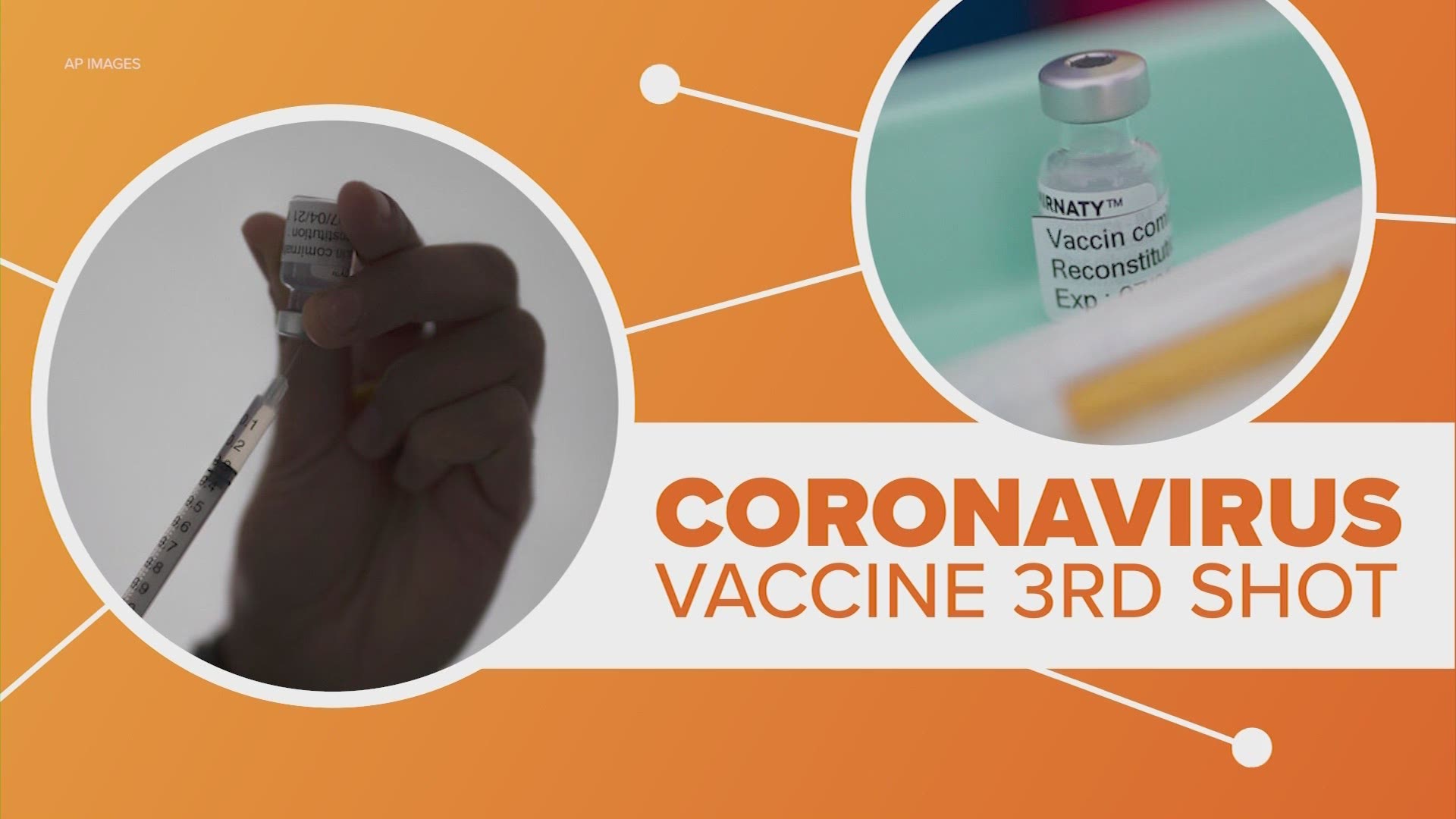
Booster shots for COVID-19: Will we need to get one every year? | khou.com

As Israel faces a surge in Covid-19 cases due to the delta variant, data from the Israeli Health Ministry shows that a third dose of Pfizer-BioNTech’s Covid-19 vaccine significantly improved protection against hospitalization or serious disease.

Background

The rollout of Covid-19 vaccines in Israel was one of the fastest and most comprehensive in the world. By March 25, more than half of Israel’s population was fully vaccinated, and by June, the country had lifted all coronavirus-related restrictions.

However, in the summer, Israel saw a surge in Covid-19 cases, which experts believe was fueled by two factors: waning protection from the vaccine and the spread of the highly contagious delta variant.

“The most influential event was so many people who went abroad in the summer—vacations—and brought the delta variant very, very quickly to Israel,” Siegal Sadetzki, a former public health director in Israel, said.

Even so, the rate of severe Covid-19 cases among the vaccinated remains low. As of Thursday, according to data from the Health Ministry, the rate of severe Covid-19 cases was nine times higher among unvaccinated people over the age of 60 than among vaccinated people in the same age range.

Similarly, the rate of severe Covid-19 cases among unvaccinated people under 60 was about twice the rate of severe cases among vaccinated people under 60.

But because so many people in the country have been vaccinated, even a low rate of severe breakthrough infections has led to a significant surge in hospitalizations. NPR reports that half of the seriously ill patients in Israel hospitalized with Covid-19 had been fully vaccinated at least five months ago, and the majority of them are over the age of 60 with comorbidities.

Data shows booster shots provide significantly increased protection

On July 30, Israel began administering booster shots of the Pfizer-BioNTech vaccine to those over the age of 60. On Thursday, the country dropped that age eligibility to 40.

Data from the Health Ministry indicate that a third dose of the Pfizer-BioNTech vaccine provided four times the protection against infection as two doses in people aged 60 and over, Reuters reports. (According to Reuters and NPR, the findings are similar to data released by Israel’s HMO Maccabi Healthcare Services last week, which found that among 149,144 people, a third Pfizer shot among recipients above age 60 reduced the odds of infections by 86% and cut the risk of severe infection by 92%.)

Similarly, a third dose offered about five to six times the protection of two doses against serious illness and hospitalization in people aged 60 and over, according to the Health Ministry data.

According to Reuters, the data underlying these figures was presented at a health ministry panel meeting on Thursday and later published on the ministry’s website. Full details of the study, however, still have not been released.

The debate over booster shots continues

The news comes as experts in the United States continue their debate over the necessity of booster shots. On Wednesday, the Biden administration announced that Americans who had received an mRNA vaccine would be able to get a booster shot beginning in September, pending approval by FDA and a recommendation by CDC.

However, health experts are divided on whether booster shots are necessary, a debate that prompted CDC’s Advisory Committee for Immunization Practices (ACIP) to push back its meeting to discuss booster shots by one week, Bloomberg reports.

“The data [is] coming in rapidly, and we want to make sure we follow our process for review and to ensure we can have a robust deliberation at the next open meeting,” Grace Lee, chair of ACIP, said.

Joshua Barocas, associate professor of medicine at the University of Colorado, said he believes the “federal government is simply trying to stay ahead of the curve.” However, Barocas said, “I have not seen robust data yet to suggest that it is better to boost Americans who have gotten two vaccines than invest resources and time in getting unvaccinated people across the world vaccinated.”

The World Health Organization has also called for wealthier countries to not offer booster shots to their population and instead help poorer countries get vaccinated.

Surgeon General Vivek Murthy said the United States’ efforts to provide boosters to its population won’t interfere with efforts to provide other countries with shots.

“We have to protect American lives and we have to help vaccinate the world, because that is the only way this pandemic ends,” Murthy said.

He did acknowledge that providing booster shots to Americans could “take away” from the supply of vaccines for the rest of the world, but added that the United States has been working to improve the global vaccine supply and production recently to make sure that doesn’t happen.

“We don’t have a choice,” Murthy said. “We have to do both.”