Respiratory virus activity is high and rising across the United States, CDC data shows

https://www.yahoo.com/lifestyle/respiratory-virus-activity-high-rising-192815114.html
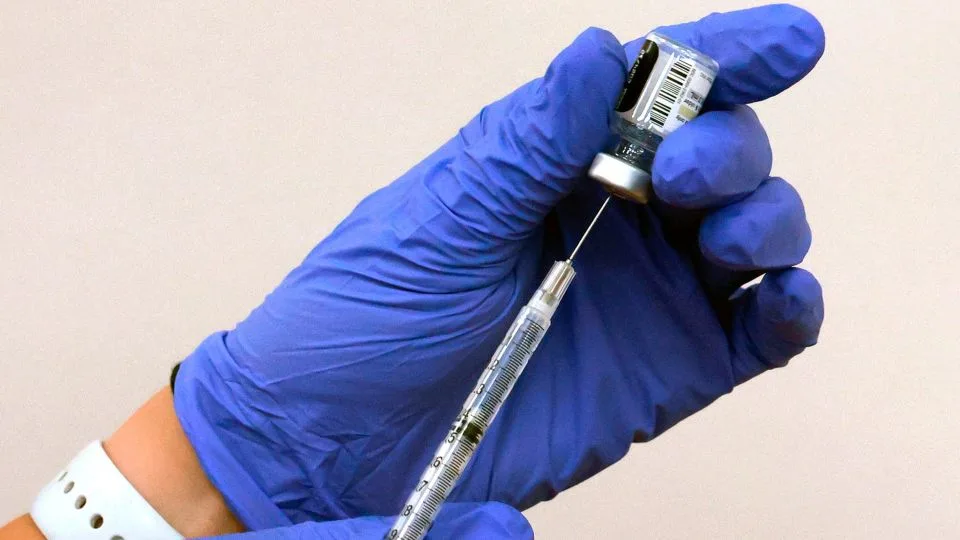
As seasonal virus activity surges across the United States, experts stress the importance of preventive measures – such as masking and vaccination – and the value of treatment for those who do get sick.

Tens of thousands of people have been admitted to hospitals for respiratory illness each week this season. During the week ending December 23, there were more than 29,000 patients admitted with Covid-19, about 15,000 admitted with the flu and thousands more with respiratory syncytial virus, or RSV, according to data from the US Centers for Disease Control and Prevention.

Nationally, Covid-19 levels in wastewater, a leading measure of viral transmission, are very high – higher than they were at this time last year in every region, CDC data shows. Weekly emergency department visits rose 12%, and hospitalizations jumped about 17% in the most recent week.

And while Covid-19 remains the leading driver of respiratory virus hospitalizations, flu activity is rising rapidly. The CDC estimates that there have been more than 7 million illnesses, 73,000 hospitalizations and 4,500 deaths related to the flu this season, and multiple indicators are high and rising.

RSV activity is showing signs of slowing in some parts of the US, but many measures, including hospitalization rates, remain elevated. Overall, young children and older adults are most affected.

“It’s a wave of winter respiratory pathogens, especially respiratory viruses. So it’s Covid, it’s flu, and we can’t diminish the importance of RSV,” said Dr. Peter Hotez, dean of the National School of Tropical Medicine at the Baylor College of Medicine. “So it’s a triple threat, and arguably a fourth threat because we also have pneumococcal pneumonia, which complicates a lot of these virus infections.”

Respiratory virus activity has been on the rise for weeks. Now, flu-like activity is high or very high in two-thirds of the United States, including California, New York City and Washington, as well as throughout the South and Northeast, according to the CDC.

“Remember, all of these numbers are before people got together for the holidays,” Hotez said. “So don’t be disappointed or surprised that we even see a bigger bump as we head into January.”

Vaccines can help prevent severe illness and death, but uptake remains low this season – despite a historic first, with vaccines available to protect against each of the three major viruses. Just 19% of adults and 8% of children have gotten the latest Covid-19 vaccine, and 17% of adults 60 and older have gotten the new RSV vaccine, CDC data shows. Less than half of adults and children have gotten the flu vaccine this season.

“We have, as a population, underutilized both influenza and the updated Covid vaccines, unfortunately,” said Dr. William Schaffner, an infectious disease expert at Vanderbilt University. “But it’s not too late to get vaccinated, because these viruses are going to be around for a while yet.”

According to the CDC, hospital bed capacity remains “stable” nationally, including within intensive care units. But with high levels of respiratory viruses, hospitals in at least five states are returning to requiring masks.

Mass General Brigham spokesman Timothy Sullivan said it will require masking for health-care staff who interact directly with patients starting Tuesday, and patients and visitors will be “strongly encouraged to wear a facility-issued mask.”

In Wisconsin, UW Health and UnityPoint Health – Meriter have expanded mask policies to cover more people. UW requires all staff, patients and visitors to wear a mask for patient interactions in clinic settings, including waiting areas and exam rooms.

UnityPoint Health – Meriter says masks continue to be required for team members and visitors in patient rooms.

Bellevue, a public hospital in New York City, said on social media last week that it had reinstated its mandatory masking policy due to an uptick in respiratory illnesses.

In Pennsylvania, the University of Pittsburgh Medical Center has required everyone to wear a mask when entering or inside since December 20. The systemwide masking policies were adjusted to “address the increase of respiratory virus cases” but may change when there is a “marked decrease in respiratory health cases,” according to the health care system.

An order posted last week by the Los Angeles County Health Officer requires all health-care personnel and visitors to mask while in contact with patients or in patient-care areas, based on the CDC’s categorization of Covid-19 hospital admission levels.

During the week ending December 23, more than 230 US counties were considered to have “high” levels of Covid-19 hospital admissions, defined by the CDC by at least 20 new hospital admissions for every 100,000 people. Nearly a thousand other counties, about a third of the country, have “medium” Covid-19 hospital admission levels, with at least 10 admissions for every 100,000 people.

Vaccines and masks can help reduce the risk of severe illness before getting sick, but treatments are also available to help prevent people from getting very sick if they do become infected.

Antiviral treatments for Covid-19, such as Paxlovid, and flu, such as Tamiflu, can be especially helpful for people who are more likely to get very sick, including people who are 50 or older and those with certain underlying conditions, such as a weakened immune system, heart disease, obesity, diabetes or chronic lung disease.

“If more people at higher risk for severe illness get treatment in a timely manner, we will save lives,” the CDC said in a recent blog post. But “not enough people are taking them.”

Seasonal respiratory virus activity can be hard to predict, but CDC forecasts suggest that hospitalization rates will continue at elevated levels for weeks and that this season, overall, will probably result in a similar number of hospitalizations as last season.

“One of the ways to help us all go into a happy new year is for us to be as protected as we can against these viruses,” Schaffner said.

“Of course, I continue to recommend vaccination, prudent use of the mask by high-risk people and, should you become sick, do not go to work and spread the virus further. Call your health care provider, because you may have some treatment available that will get you healthier sooner.”

COVID, RSV and flu cases rising as Americans gather for the holidays

Virus activity is picking up again as millions of Americans crisscross the country for Thanksgiving, taking fewer precautions to protect themselves against illness as concerns about COVID-19 fade away.

Why it matters: 

Indoor holiday gatherings are expected to fuel a spike in cases of COVID-19, RSV and the flu — and with vaccinations against all three respiratory viruses lagging, health experts worry hospitals could be slammed again this winter.

What they’re saying: 

“The concern here with this vaccination gap is: Could this get worse as the number of transmissions increases from November, December, into January?” Marc Watkins, chief medical officer for Kroger Health, told Axios.

State of play: 

Health officials are urging vaccinations to head off a repeat of last winter’s “tripledemic,” when particularly nasty RSV and flu seasons collided with a COVID surge.

  • About 15% of adults have received the updated COVID vaccine two months after it became available, according to the Centers for Disease Control and Prevention. That includes about a third of seniors, who are at highest risk from COVID.
  • Most adults aren’t planning to get the updated COVID shot, according to a recent KFF survey that also found small shares were worried about COVID affecting their holiday plans.
  • About half said they would take at least one precaution this fall and winter to limit their risk of getting COVID, such as avoiding large gatherings (35%) or masking in crowded places (30%).
  • The vast majority of Americans have some form of immunity against COVID — from past infection, vaccination or both — but the updated shots can help protect against the latest circulating variants.

Meanwhile, flu vaccinations for adults and kids are slightly behind last year’s pace.

  • Experts are hoping that new shots protecting older adults and infants against RSV will help keep patients out of the hospital. However, supplies have been limited, and some patients have run into hurdles getting insurers to pay for them.
  • To help ease the supply strain, the CDC last week announced the release of 77,000 additional doses of a monoclonal antibody that protects against RSV in infants.
  • 14% of adults 60 and older have received an RSV shot so far, according to the CDC. There isn’t yet data on pediatric vaccination rates.

Zoom in: 

Texas is among the states that have been hit particularly hard by RSV early on, as emergency departments filled up with young patients in recent weeks.

  • “We really were hoping that after two years of getting hit harder again with these viruses, it would kind of naturally be a milder season,” said Victoria Regan, a pediatrician at Children’s Memorial Hermann Hospital in Houston. “But it hasn’t happened yet.”
  • There’s been a sharp rise in RSV cases in the last two weeks, according to CDC data.
  • Flu cases rose 4% last week, and there’s high flu activity in several Southeastern states, as well as Washington, D.C., and Puerto Rico, according to CDC tracking.
  • Though COVID isn’t being tracked as intensely since the pandemic ended, Midwestern and Western states have recently seen the highest rates of positive tests.
  • And nationwide, COVID hospitalizations were up 8.6% in the most recent week for which the CDC has data, but still far below pandemic levels.

Be smart: 

Those who are traveling should mask up in crowded areas like airports, have a game plan for getting tested or treated, and skip gatherings if feeling sick, recommended Mary Jacobson, chief medical officer at primary care company Alpha Medical.

The bottom line: 

Expect a post-Thanksgiving spike in illness as respiratory virus season picks up and fewer people take precautions.

  • “I think people are just fatigued you know, and they just want to go back to pre-COVID,” Jacobson said. “But this is here to stay.”

Signs of a summer COVID bump could signal a tougher fall.

https://mailchi.mp/377fb3b9ea0c/the-weekly-gist-august-4-2023?e=d1e747d2d8

After experiencing steadily declining numbers across 2023, the country is currently seeing an uptick in COVID-19 hospitalizations, which increased 12 percent week-over-week, to approximately 8,000 in the week ending July 22. This rise, the largest since December, follows an increase in national wastewater levels of COVID across the past month, particularly in the Northeast and South. Given that most health agencies are no longer tracking COVID case levels, and many Americans are no longer getting tested or testing themselves, actual case counts are unclear. 

The Gist: Though COVID hospitalizations are up, weekly totals are still among the lowest the nation has seen since the pandemic began. And while COVID deaths are a lagging indicator, the most recent Centers for Disease Control and Prevention (CDC) data charts them at their lowest level since the start of the pandemic. 

Nonetheless, if this COVID uptick continues into fall, we could once again be facing a “tripledemic” of COVID, flu, and respiratory syncytial virus (RSV) circulating at high levels all at once, straining hospital resources. 

Fortunately, an updated COVID vaccine is coming this fall. Urging Americans, particularly older and vulnerable patients, to get vaccinated for all three viruses will be critical—although convincing individuals to get three separate shots will increase the challenge.

The flu continues to surge throughout the US.

Many different respiratory viruses are circulating throughout the United States, but the flu is responsible for a “significant proportion” of that circulation, according to CDC, all while many hospitals are dealing with surges of pediatric respiratory syncytial virus (RSV) patients.

Flu cases continue to surge

According to CDC, 15 states reported very high activity of influenza-like illnesses (ILI) for the week ending in Nov. 5, while eight states reported high activity and six states reported moderate activity.

In addition, for the week ending in Nov. 5, 6,465 lab-confirmed flu patients were hospitalized, according to CDC, and the current percentage of outpatient provider visits for an ILI was 5.5%, above the national baseline of 2.5%.

So far this season, CDC estimates there have been at least 2.8 million flu cases, 1.4 million flu medical visits, 23,000 flu hospitalizations, and 1,300 flu deaths.

Three pediatric flu deaths occurred during the week ending in Nov. 5, bringing the total number of pediatric flu deaths for the 2022-23 season up to five.

While flu cases may be surging early, Lynette Brammer, an epidemiologist who leads CDC’s domestic influenza surveillance team, said there’s no evidence yet that the flu virus circulating is causing more severe cases than normal.

“The picture is pretty consistent across our different pieces of surveillance. There’s nothing there that makes me think that this virus is really different and causing more severe disease than we see typically with flu,” she said. “Flu can cause severe outcomes, but it’s not out of proportion this year compared to previous years. It’s not like we’re seeing a lot of hospitalizations without a lot of illness.”

In addition, Samuel Scarpino, director of life sciences at the Institute for Experiential AI at Northeastern University, said this year’s flu vaccine, “is a good match, which isn’t the case every year.” So, if considering whether or when to get a flu shot, “Now is a great time to do that,” he added.

Hospitals deal with surges of RSV patients amid rising flu cases

As the flu surges nationwide, many pediatric hospitals are dealing with surges of RSV patients. According to federal data, more than 75% of pediatric hospital beds and pediatric ICU beds have been in use for the past few weeks, up from an average of roughly two-thirds full over the past two years.

Brian Cummings, medical director of the Department of Pediatrics at Mass General for Children, said they’ve seen around 2,000 RSV cases in October and more than 1,000 in the first week of November.

“It’s been escalating and been quite severe,” he said, adding that, as of Thursday, his hospital’s pediatric ICU is full and seven patients are waiting to be transferred in.

Most RSV infections have been treated in urgent care facilities and the ED and patients are sent home, Cummings said. “But even if just 10% of those need hospitalization, it creates a lot of stress on health care facilities, and so what we are seeing is we’ve had over 250 hospitalizations for RSV alone on top of the other circulating viruses.”

Many doctors’ offices have started asking parents to treat their sick children at home if they’re otherwise healthy.

“The things that would lead to us encouraging a family to come in would be the very young children, particularly under the age of 2, specifically under the age of 6 months with high fevers,” said Rhonda Patt, from Atrium Health. “If the child is lethargic, isn’t able to eat or drink very well, or if they see any signs the child is having a hard time breathing.”

Patt added that families should visit their doctor if a child gets better and then spikes with another fever or starts having other symptoms.

“With the flu, there’s a risk for secondary infection, meaning ear infections or pneumonia or things that would need antibiotics,” she said. 

A mother’s harrowing RSV story ends with a simple lesson

I began to wonder if this trip to a pediatric urgent care with my son was even necessary.  

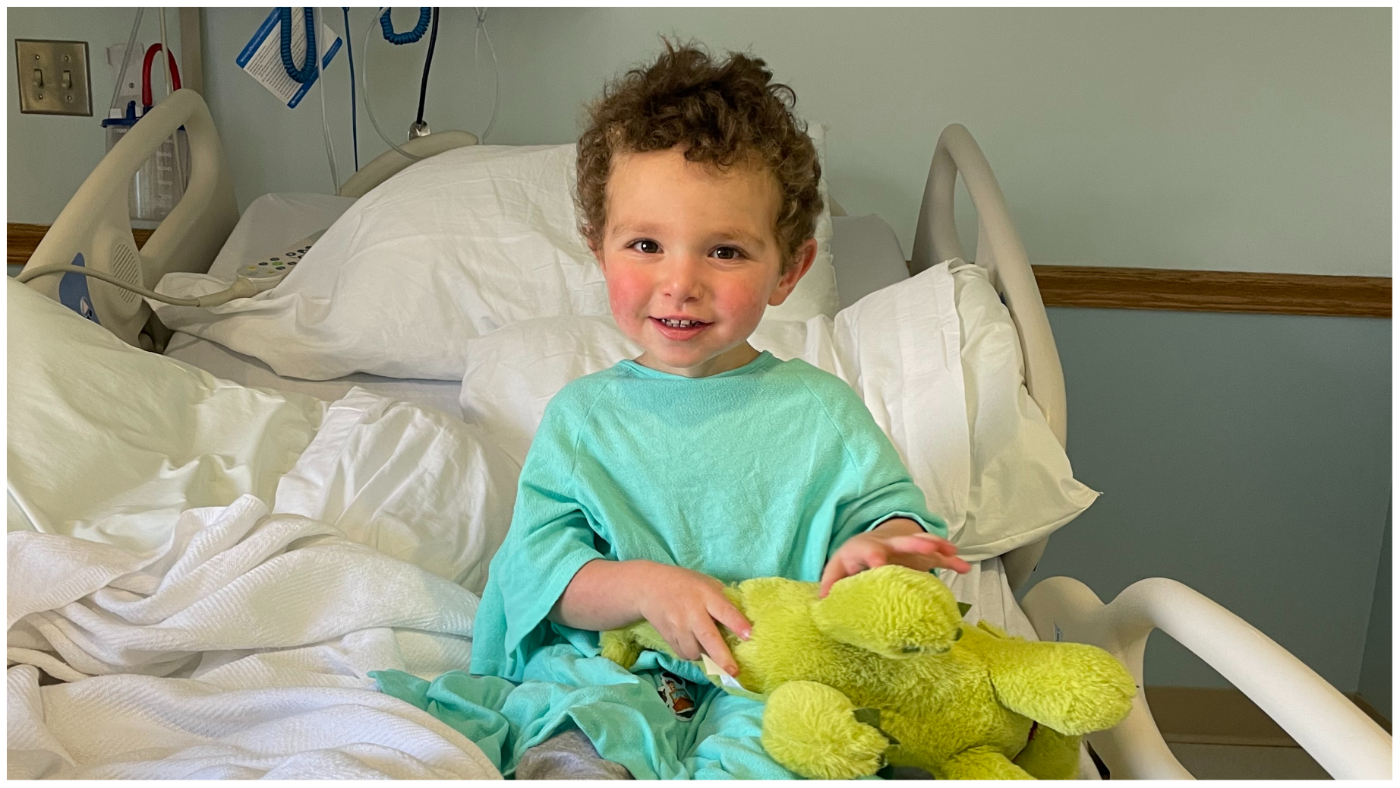
Sure, he had been diagnosed with pneumonia a week ago and didn’t seem to be getting better. His cough sounded uglier. But here Ethan was in classic two-and-a-half-year-old mode: running in big circles around the waiting room chairs and causing the kind of ruckus only a toddler can.  

He’d stuff some Pirate’s Booty I had hastily thrown into my purse in his mouth, before returning to his wild banshee ways and dashing around in circles again. 

Our pediatrician said their office was too swamped with sick kids to see us, and referred us to this place. We had been told the wait to see a doctor would be a minimum of an hour. We struggled to find a seat in the packed waiting room as far as possible from other coughing kids. 

We finally graduated from the waiting room to the doctor’s office, only for Ethan to continue his marathon by scooting a rolling chair back and forth, roaring with laughter every time it hit the examining table. When the physician walked in, I felt like I needed to defend wasting her time with this visit with my seemingly A-OK, albeit destructive, son. 

But Ethan wasn’t OK.  

The doctor listened to his chest with her stethoscope and didn’t like what she heard: wheezing, some crackling.

She showed me how Ethan’s Pirate’s Booty-stuffed stomach moved heavily each time he inhaled and exhaled. 

They had Ethan complete a nebulizer treatment in the office, which meant slipping a device on his face that resembled an oxygen mask, while medicated air meant to open up his lungs flowed through a frightfully loud machine. I held him in my lap while the nebulizer was on, scrambling to find 100 different versions of “Wheels on the Bus” videos on YouTube to try to distract him from the vacuum-like whirring of the machine. 

The doctor listened to his lungs again. His breathing still didn’t sound great, but she said the hospitals were too inundated right now.  

I knew all too well what she meant. A few days before our urgent care visit, I had flagged a report for editors at The Hill that said children’s hospitals in the Washington area were at capacity, flooded with young kids suffering from RSV, a potentially life-threatening respiratory illness that has no vaccine. 

After a three-hour visit, she gave Ethan a steroid and told us to follow up with his pediatrician the next day. 

By the time we got to the pediatrician’s office the following morning, my happy-go-lucky, playful little guy was anything but. He curled up in my lap, as we went through a similar routine that the urgent care doctor had done just the night before. His oxygen levels were too low, and our pediatrician had him do another nebulizer treatment. 

“Our goal is to keep you from going to the hospital,” our pediatrician told us.

It seemed like an unusual “goal” from a doctor, but I understood her reasoning. But after Ethan’s oxygen levels dipped lower still after the nebulizer, she said we should rush him straight to the hospital after all. 

My “Blue’s Clues” and vehicle-obsessed son, usually the epitome of toddler “I can do it myself!” independence, wouldn’t let me put him down for even a moment as we waited in the emergency room lobby. Surprisingly, a separate waiting area in the ER just for children wasn’t completely full, and I wondered if maybe news reports of endless waits were overblown.  

Not so. 

“He’s so cute,” a young mother in the waiting room told me, as she motioned to Ethan’s head of curls. She cradled her two-month-old in her arms, patiently rocking the baby after telling me she had waited three hours so far. 

I held Ethan as my husband rushed from work to the hospital, meeting us there and with us as we were brought to an ER triage area. They ran more oxygen tests on Ethan, got some of his history, and then sent us back to the waiting room. 

Finally, they called Ethan’s name and we were in the ER. My vibrant, otherwise-healthy kid was lethargic, laying on me with a glazed look in his eyes. We struggled to fit the two of us on an exam table meant for a single adult. They draped a lead apron over me and Ethan as they took X-rays of his tiny lungs. The nurse placed a cannula in Ethan’s nose for supplemental oxygen and put an IV in his arm to give him fluids, before wrapping it with a diaper so he wouldn’t try to take out the tube.  

My husband and I, loopy from what was happening, laughed at the sight of a diaper being used MacGyver-style. “Hey, it works!” the nurse said, explaining that he’d done the maneuver with kid after kid in recent weeks. 

The ER doctor finally came in our room and delivered a crash course in what might be to come. “Everywhere is full. The entire Eastern seaboard,” he said of hospitals. 

“We’ve been airlifting kids to Pittsburgh, sometimes to Richmond,” he added. This hospital had a pediatric unit, but not an intensive care geared towards kids. So if Ethan’s condition became even more dire, they wouldn’t be able to treat him there. Our only hope was that the pediatric unit, which had just a few remaining beds, accepted him. 

It was a gut punch. As the doctor left, my husband looked at Ethan, who had fallen asleep with a mask on as the nebulizer loudly buzzed away for another treatment. 

“He’s just a baby. He’s not supposed to be here,” my husband said, defeated. 

The pediatric unit doctor finally came into our room. She examined Ethan, and briefed us on how they’ve been dealing with case after case of the same thing: RSV.  

But she offered us hope: he could head to the pediatric unit at the hospital. We wouldn’t need to travel for his care, as long as he didn’t worsen. Ten hours after we first entered the hospital, we had a bed for Ethan. 

We’re among the lucky ones. We were told beyond airlifting, plenty of families had been spending multiple nights in the ER because there were no beds.  

In Maryland, Gov. Larry Hogan (R) announced last week that that hospitals would receive $25 million in additional funding from the state to prioritize pediatric intensive care unit staffing. Children from birth to age two comprised 57 percent of hospitalizations last week, according to Hogan’s office. 

Next to the ghost decorations for Halloween adorning the doors of the pediatric unit, room after room had the same notice taped up: isolation guidelines. The rooms were all filled with kids facing the exact same thing as Ethan. RSV was everywhere. 

There’s no cure for RSV. Every two hours on the dot, the nurses would give Ethan the nebulizer treatment.

A monitor affixed to his foot would alert nurses if his oxygen dipped dangerously low, which it did several times throughout the first night. I thought at one point to ask what happens if Ethan stopped responding to the treatments, but then didn’t ask because I didn’t want to know the answer.  

The goal was to get him going without the need for additional oxygen, and breathing well for at least four hours between treatments, two times in a row. 

That seemingly simple goal proved elusive for two full days. I originally thought it would be a nightmare trying to get a two-year-old to stay in a hospital bed for more than five minutes, but Ethan was in such bad shape that he barely made a fuss. Then, after midnight on our second night in the hospital, Ethan suddenly perked up. 

He sat up and rolled over in the hospital bed. Then, he rolled onto my head, spreading his arms and legs out as far as he could stretch, and giggled. 

“Should I sleep here?” he said, cracking himself up. 

It was like someone hit the power button on my kid, and suddenly he snapped back to himself. I didn’t care that it was midnight and we needed to get some extremely interrupted sleep before the next nebulizer treatment. My son was back. 

A nurse later told me that she enjoyed working with kids because for as quickly as their health can deteriorate, they can just as speedily bounce back. 

After that, the doctor advised us to try stretching out his time between treatments. Finally, we were told he was stable enough to go home. I somehow hadn’t shed a tear the entire time we were at the hospital, but when the doctor signed off on us leaving, I bawled.  

As nightmarish an experience as it was, I realize how incredibly fortunate my family is.  

My husband and I have jobs that allowed us to drop everything when our son needed help, we have health insurance policies, and resources to get through spending days at the hospital.  

Perhaps most importantly, we had access to an incredible team of doctors and nurses and the sheer fortune of being able to get a bed for our son during an unprecedented and unthinkable time for hospitals. 

At the risk of repeating one of those parenting cliches that I would’ve rolled my eyes at a week ago, I’m thankful that I trusted my gut. Even when Ethan was being a wild child at urgent care, I knew something just wasn’t right. What I didn’t know was how much he had been struggling to breathe. 

At the hospital after being discharged, Ethan and I waited in the lobby as my husband went to get our car from the parking lot to pick us up. Ethan spotted some empty wheelchairs in the corner of the lobby, and immediately ran over to them. He giggled as he tried to roll one of the chairs into the automatic opening and closing doors. As I looked on as he laughed and laughed at the pint-sized commotion he created, I breathed a sigh of relief. 

RSV: A pediatric disease expert answers 5 questions about the surging outbreak of respiratory syncytial virus

Respiratory syncytial virus, more commonly known as RSV, sends thousands of children to the hospital every year in the U.S. But during September and October 2022, health professionals across the country have watched an unprecedented spike in the number of cases of this usually mild, but occasionally dangerous, respiratory infection in children. Jennifer Girotto is a pharmacist who studies pediatric infectious diseases. She explains how RSV infects the human body, who is most at risk and what might be causing this year’s outbreak to be worse than normal.

1. What is respiratory syncytial virus?

RSV is a common, RNA respiratory virus that affects about 2 million children under 5 years old annually nationwide. Researchers think that most children have been infected by age 2. Like the flu, in most areas of the U.S., RSV usually circulates from November through March and then mostly disappears during the summer months, with only sporadic cases being seen.

2. Who is most at risk?

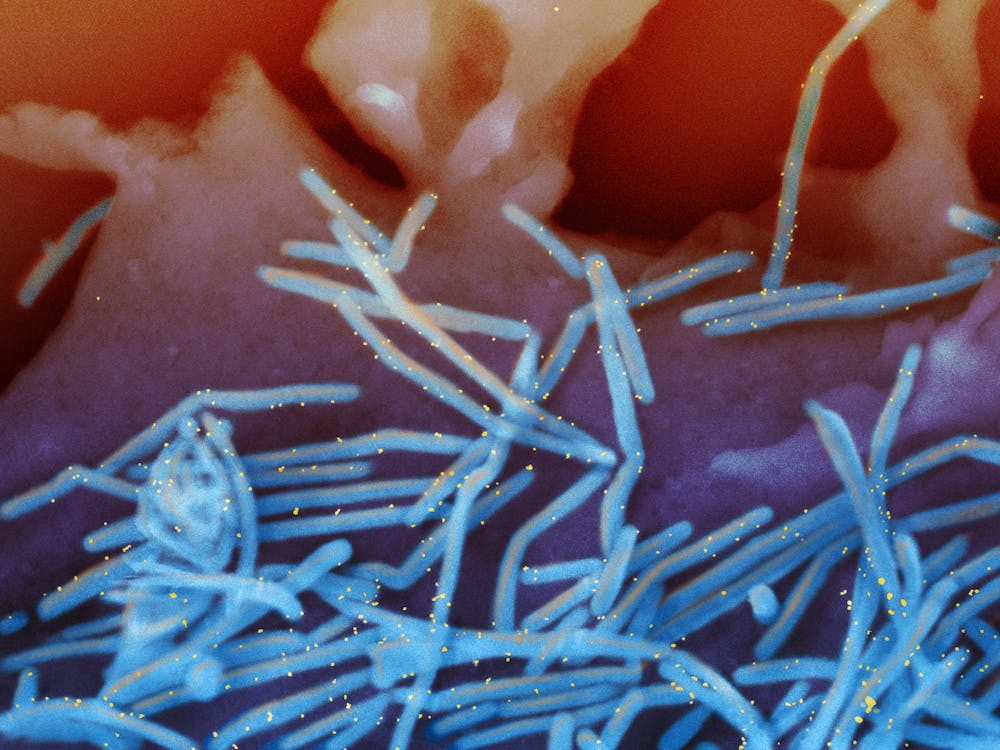
A microscope image of thin blue lines among cells.
Respiratory syncytial virus – highlighted in blue – infects cells in a person’s lungs, throat and nose and can lead to anything from a mild cold to pneumonia and croup in more severe cases. National Institute of Allergy and Infectious Diseases/Wikimedia CommonsCC BY

For most people, especially those who have had an RSV infection in the past, the virus only causes mild symptoms like cough, runny nose and fever, with instances of wheezing and decreased appetite more common in young children.

But young infants, especially those under 6 months old, born prematurely or with congenital heart, lung or other health issues are at increased risk for more severe symptoms. The U.S. Centers for Disease Control and Prevention estimates that 1% to 2% of infants younger than 6 months who get infected with RSV require hospitalization. In an average year, around 250 children die from the disease.

In recent years, researchers have found that RSV can also cause severe disease in high-risk adults and people older than 65..

3. How does RSV make people sick?

The main reason RSV sends babies and young children to the hospital is because the virus infects and kills surface cells within small sacs of the lungs. The body responds by increasing the production of mucus and fluid in these areas. But the extra mucus can plug up and obstruct these parts of the lung and make it so that an infant doesn’t get enough oxygen.

A second common cause for hospitalization due to RSV is pneumonia, where a person’s lungs fill up with fluid. The pneumonia can either be triggered by the virus itself or by a secondary, bacterial infection. Finally, some infants get so sick that they struggle to eat and are unable to take in sufficient nutrients, eventually landing them in the hospital.

4. How concerning is this year’s outbreak?

On average, RSV sends about 60,000 young children to the hospital each year in the U.S. In 2022, however, the virus has hit early and hard. According to the CDC, doctors have found more cases in each week of October than any week in the prior two years.

Health officials aren’t yet sure why the outbreak is so bad this year, but the COVID-19 pandemic may have something to do with it. Some research has shown that seasonality of RSV has shifted. In 2021, RSV infections started much earlier than normal, and over the summer of 2022, they never quite went away. One theory as to why RSV season is starting earlier and hitting harder is that, due to social distancing measures since 2020, an unusually high number of infants and children are experiencing their first exposures and infections at once.

5. How can you protect against catching RSV?

Like colds and the flu, RSV infections spread when people touch dirty surfaces or from respiratory droplets, when an infected person coughs or sneezes.

Health professionals recommend that premature infants and infants with certain medical conditions take a monthly monoclonal antibody medication, called Palivizumab, during the RSV season to help keep them out of the hospital. There are a few RSV vaccines under development, but none are yet approved. For now, preventative measures are the best way to avoid an infection.

If someone is sick with symptoms that look like a cold, it may be best to avoid close contact until they feel better, especially if you have young children or high-risk people around.

Surging flu and RSV cases suggest difficult winter ahead

https://mailchi.mp/f1c5ab8c3811/the-weekly-gist-october-28-2022?e=d1e747d2d8

Early into flu season, nationwide flu activity is ten times higher than at the same point last year. Meanwhile, cases of respiratory syncytial virus (RSV), a virus most severe in young children and the elderly, have tripled in the past two months, with some children’s hospitals reporting “unprecedented” admissions for the virus. And most experts expect at least some winter COVID surge, possibly involving several different variants. The combined threat of these viruses circulating together has been labeled a potential “tripledemic.” 

The Gist: Across the past two winters, the widespread adoption of COVID prevention measures, including masking and social distancing, kept the spread of other viruses at bay. But with return to normal life for most Americans, other viruses have returned to circulation—and with a vengeance, as population immunity toward flu and RSV has weakened. 

While it’s hard to predict when and where local surges will occur, hospitals struggling with staffing shortages may be forced to hire more contract labor to care for an influx of patients—making this a potentially challenging winter for already stretched facilities.