How Merck’s antiviral pill could change the game for COVID-19

https://www.nationalgeographic.com/science/article/how-mercks-antiviral-pill-could-change-the-game-for-covid-19?cmpid=org=ngp::mc=crm-email::src=ngp::cmp=editorial::add=SpecialEdition_20211001::rid=C1D3D2601560EDF454552B245D039020

Coronavirus: 'Game-changing' oral pill molnupiravir reduces COVID-19  hospitalisations by half in trial | Newshub

A new drug by Merck significantly reduces the risk of hospitalization and death in people who take it early in the course of their COVID-19 illness, according to the interim results of a major study released today. It is the first oral antiviral found to be effective against this coronavirus.

People who took this drug, called molnupiravir—four pills twice a day for five days—within five days of showing symptoms were about half as likely to be hospitalized as those taking the placebo. They were also less likely to die, with eight deaths in the placebo group reported within a month of treatment and none in those who received the medicine.

“Having a pill that would be easy for people to take at home would be terrific. If this was available through a drug store, more people could get it,” says Albert Shaw, an infectious diseases specialist at Yale Medicine in New Haven, Connecticut, who was not involved with the research. All of the antiviral medicines available today, including remdesivir and the monoclonal antibodies, must be administered through an IV in a medical setting. Monoclonal antibodies are much more effective against COVID-19 and cut the risk of hospitalization and death by up to 85 percent, but this treatment costs almost three times as much as molnupiravir.

How the antiviral works

Antiviral drugs are used against many viruses, including for herpes and the flu. These drugs take advantage of the fact that viruses need to replicate inside a person’s cells in order to sicken them. Antivirals stop the replication process so the illness doesn’t progress.

The Merck drug works by introducing RNA-like building blocks into the virus’s genome as it multiplies, which creates numerous mutations, disrupts replication, and kills the virus.

Keeping the virus from multiplying is important because the more it replicates, destroying cell after cell, the sicker a person usually becomes, says Waleed Javaid, an epidemiologist and director of infection prevention and control at Mount Sinai Downtown in New York, who was not involved in the study. Additionally, when enough virus is inside the body the immune system may go into overdrive. “At a certain point the body detects a virus it has never seen and will throw everything against it, like a tank coming at a small target.” he says. This helps the body eliminate the virus but can cause sometimes deadly collateral damage throughout the body in its wake.

The research, which was conducted in numerous sites around the world, was stopped early because the results were so promising, Merck says. The drug was even effective against variants like Delta and Mu. Based on this interim analysis in 775 people, the company plans to submit an application for Emergency Use Authorization (EUA) to the U.S. Food and Drug Administration as well as regulatory bodies in other countries in hopes the drug can be made available. When that will happen is not clear, but the U.S. government has already agreed to purchase 1.7 million courses of treatment at $700 each, Merck notes.

Who can get the drug?

It’s also not known who would ultimately be authorized to take the medicine. The study included only people who were sick and unvaccinated and had at least one risk factor for developing a severe case of COVID-19, says Aaron Weinberg, national director of clinical research at Carbon Health, a for-profit provider of primary and urgent care, and a principal investigator of the study. This includes people who are older than 60, obese, immunocompromised from another condition, or have underlying heart or pulmonary disease, among others.

If the FDA does authorize the drug, it could limit who gets it to people like those in the research, Javaid says.

Although this drug looks promising, it’s a treatment but not a prophylactic like the vaccine. The medicine does not negate the need for unvaccinated people to get their shot, Shaw says. Some people taking the pills still got sick enough to be hospitalized. And while side effects in this study were mild—generally gastrointestinal issues, Weinberg says, and at comparable rates in the treatment and placebo groups—safety issues might emerge when the drug is given more broadly, Shaw says. Meanwhile, hundreds of millions of people have already gotten the vaccines with no major consequences.

Still, the results of this study should be celebrated, Javaid says. “Saving eight lives is huge, as is halving hospitalization,” he says. Perhaps another drug being studied will later prove to be more effective, reducing hospitalization by 80 or even 100 percent, he says. “But this is better than any oral antivirals we have right now, which is none,” he says.

Researchers stop COVID-19 drug trial after 11 patients die

https://bigthink.com/coronavirus/covid-treatment-deaths

COVID-19 chloroquine trial cut short after 11 patients die - Big Think

  • Scientists around the world are currently experimenting with chloroquine and hydroxychloroquine as potential treatments for COVID-19.
  • Despite some early reports suggesting that these antimalarial drugs may help prevent and treat the disease, there’s still no solid evidence showing that they’re a safe and effective treatment.
  • The recent trial in Brazil suggests that high doses of chloroquine are toxic and should be avoided.

A small clinical trial in Brazil suggests that one potential treatment for COVID-19 comes with life-threatening side effects.

As the world searches for effective COVID-19 treatments, some nations have authorized doctors to give patients antimalarial drugs as part of experimental clinical trials. These trials show some indication that the drugs, chloroquine and the closely related hydroxychloroquine, may be effective at treating and preventing COVID-19.

Early reports from China and France, for example, suggested that the drugs may help improve patients’ conditions. But health experts have cautioned against overhyping the results, flagging methodological issues in the research like not including a control group or having a small sample size. To date, there’s no solid evidence showing that these drugs effectively treat COVID-19 or block coronaviruses from infecting cells.

What is clear, based on previous research and the new trial in Brazil, is that these drugs can cause serious side effects, particularly among those with heart conditions.

“The antimalarial medication hydroxychloroquine and the antibiotic azithromycin are currently gaining attention as potential treatments for COVID-19, and each have potential serious implications for people with existing cardiovascular disease,” the American Health Association notes in a statement.

“Complications include severe electrical irregularities in the heart such as arrythmia (irregular heartbeat), polymorphic ventricular tachycardia (including Torsade de Pointes) and long QT syndrome, and increased risk of sudden death.”

In the recent Brazil trial, researchers gave chloroquine to 81 COVID-19 patients in a hospital in Manaus. The study involved two groups: One received a high dose of 12 grams of chloroquine over 10 days, the second group received 2.7 grams over five days. Both groups also received the antibiotic azithromycin, which poses its own heart risks.

By the sixth day of the trial, 11 patients had died, and the researchers decided to stop giving the drug to the high-dose group.

“Preliminary findings suggest that the higher chloroquine dosage (10-day regimen) should not be recommended for COVID-19 treatment because of its potential safety hazards. Such results forced us to prematurely halt patient recruitment to this arm,” the team wrote in a preprint paper.

The high-dose group had an especially high risk of suffering heart arrhythmias, a finding also observed in a separate trial on hydroxychloroquine conducted in a hospital in France, which cut the trial short.

“To me, this study conveys one useful piece of information, which is that chloroquine causes a dose-dependent increase in an abnormality in the ECG that could predispose people to sudden cardiac death,” Dr. David Juurlink, an internist and the head of the division of clinical pharmacology at the University of Toronto, told The New York Times.

Still, it’s possible that some combination of chloroquine, hydroxychloroquine and azithromycin may be effective at preventing and treating COVID-19. The researchers behind the Brazil trial said more research is “urgently needed,” but warned doctors against using high dosages.

“We therefore strongly recommend that this dosage is no longer used anywhere for the treatment of severe COVID-19, especially because in the real world older patients using cardiotoxic drugs should be the rule.”

One major problem in searching for COVID-19 treatments is that it’s currently difficult to conduct clinical trials in a normal and methodologically sound manner. Despite increasing demand for drugs like chloroquine, many health experts are warning that more research is needed to understand their effects and risks.

“The urgency of COVID-19 must not diminish the scientific rigor with which we approach COVID-19 treatment,” Robert A. Harrington, M.D., FAHA, president of the American Heart Association said in a recent statement. “While these medications may work against COVID-19 individually or in combination, we recommend caution with these medications for patients with existing cardiovascular disease.”


Hydroxychloroquine for COVID-19 needs more data

https://globaldata.com/hydroxychloroquine-for-covid-19-needs-more-data/

Henry Ford Health begins enrollment in hydroxychloroquine study to ...

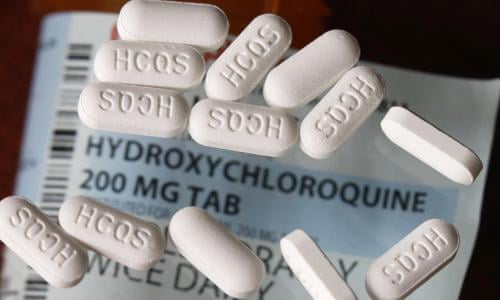
As COVID-19 spreads, the search for a treatment is ramping up. The antimalarial and immunosuppressant hydroxychloroquine has received some attention, including that of President Trump. There are currently around 60 planned or in-progress clinical trials to test its efficacy as a treatment for COVID-19. However, the results of recently completed clinical trials indicate there are not enough data to support hydroxychloroquine use for COVID-19 treatment at the level of expectations set by President Trump, says GlobalData, a leading data and analytics company.

Angad Lotay, MPharm, Infectious Diseases Analyst at GlobalData commented: “As the initial results for the hydroxychloroquine clinical trials do not provide sufficient data, larger and more robust randomized clinical trials are needed to inform clinical guidance on the use, dosing, or duration of hydroxychloroquine for prophylaxis or the treatment of SARS-CoV-2 infection.”

Hydroxychloroquine, which is sold by Concordia Pharmaceuticals under the brand name Plaquenil, and chloroquine are oral prescription drugs that have been used for many years to prevent and treat malaria and certain inflammatory conditions. Although these agents are well-established, they possess the potential to cause numerous side effects and should be used with caution in those who are diabetic, those with neurological disorders, and those with vision disorders. Recent data highlights how hydroxychloroquine retinopathy is more common than previously reported. Other side effects include cardiomyopathy and bone marrow suppression, but these are not commonly reported.

“Other studies have suggested that a combination of hydroxychloroquine with azithromycin may be beneficial to prevent severe respiratory tract disease in those diagnosed with COVID-19. However, further data is required, as these studies were small (n <36) and there is not enough evidence to convincingly implement guidance on this. Furthermore, azithromycin is associated with prolonged cardiac repolarization and QT interval, imparting a risk of developing cardiac arrhythmias. Therefore, extra caution is required when considering this combination.”


Why medical experts worry about President Trump touting chloroquine

https://www.politifact.com/article/2020/apr/07/why-medical-experts-worry-about-president-trump-to/?fbclid=IwAR2mxG7HzUAZgmfrwsC9cZtNL2-q8_xQSj6jbdjF45Aod7x8848A3voRYVw

Trump touts hydroxychloroquine as a cure for Covid-19. Don't ...

IF YOUR TIME IS SHORT

• Already, an Arizona man died and his wife was hospitalized after self-administering a variant of chloroquine, prompting the Centers for Disease Control and Prevention to send out a warning.

The American Medical Association says it “strongly opposes” prophylactically prescribing chloroquine as well as pharmacies and hospitals “purchasing excessive amounts” of the medication.

• Some people have health conditions that mean they shouldn’t take chloroquine because of potential side effects. 

• Putting too much focus on one specific treatment could make Americans lax about following social distancing guidelines.

In more than half a dozen public events since March 19, President Donald Trump has touted a possible treatment for coronavirus infection — using the malaria drug chloroquine or a related drug hydroxychloroquine, sometimes in combination with the antibiotic azithromycin.

“I hope they use the hydroxychloroquine, and they can also do it with Z-Pak (azithromycin), subject to your doctor’s approval and all of that,” Trump said at an April 4 briefing. “But I hope they use it, because I’ll tell you what: What do you have to lose?”

Trump reiterated praise for chloroquine in his April 5 briefing: “A lot of people are saying that … if you’re a doctor, a nurse, a first responder, a medical person going into hospitals, they say taking it before the fact is good.”

When a reporter asked Trump for “the conclusive medical evidence” to support his optimism, Trump dismissed the question as “fake news.”

Trump isn’t wrong that this drug combination might prove helpful, at least based on preliminary evidence. The treatment is currently being studied in clinical trials, according to the Centers for Disease Control and Prevention.

But randomized tests — the gold standard of medical evidence — have not been completed, and the lack of rigorous testing as a treatment against coronavirus has led many medical experts to be more cautious than the president. The drug has significant side effects, including damage to the heart and nervous system and suicidal thoughts. And a run on chloroquine could harm patients with lupus and other diseases that the drug is already used for.

Some medical experts are concerned that the president’s words from a White House lectern may be skewing Americans’ perceptions of the best way to fight coronavirus.

Not long after Trump began touting chloroquine, an Arizona man died and his wife was hospitalized after they ingested a fish-tank solvent that includes chloroquine phosphate. The woman told NBC News that they thought the compound was the same as the one Trump cited. Fish-tank cleaners are not the same as the drugs used for malaria, nor are they suitable for human consumption.

A few days later, the CDC released a warning, not just against using the fish-tank cleaner but also the malaria drug itself without a doctor’s orders.

In a statement to PolitiFact, the American Medical Association seconded such concerns, saying that no medication has yet been approved by the Food and Drug Administration for patients with coronavirus, also known as COVID-19. The association said it “strongly opposes” prescribing chloroquine as a preventive measure and also opposes pharmacies and hospitals “purchasing excessive amounts” of the medication.

On several occasions, Trump has reminded viewers of his briefings to consult with doctors about treatments. But at other times, he has trumpeted his own confidence in chloroquine as a treatment.

“I’ve seen things that I sort of like,” he has said. “So what do I know? I’m not a doctor. I’m not a doctor. But I have common sense.”

Experts said Trump’s high-profile endorsement risked overshadowing the views of medical experts.

“The evidence just isn’t there yet to prove that these drugs work, and while the risks from inappropriately prescribing them are rare, they can be serious,” said Joel F. Farley, associate head of the department of pharmaceutical care and health systems at the University of Minnesota College of Pharmacy.

Farley said he even worries about patients going through proper channels.

“Even if prescribed by a physician, I am not convinced that patients are being adequately screened or monitored for some of the more serious side effects, like cardiotoxicity,” he said. “I have heard anecdotal reports of physicians prescribing these medications for friends and family members, which doesn’t always come with an appropriate physical or health screening.”

Another worry among medical specialists is the possible stockpiling of chloroquine. This could harm patients with lupus or rheumatoid arthritis, who depend on the drug to treat their own conditions. “Being just stewards of limited resources is essential,” the American Medical Association said in its statement.

Finally, focusing on one potential treatment could overshadow the nitty-gritty things Americans need to do on a daily basis to stay safe.

“My biggest concern is that people will believe there’s some magic cure and not follow social distancing and other normal precautions in the belief that there’s a drug to ‘fix this,’” said Ally Dering-Anderson, a clinical associate professor at the University of Nebraska College of Pharmacy.


Special Report: Doctors embrace drug touted by Trump for COVID-19, without hard evidence it works

https://www.reuters.com/article/us-health-coronavirus-usa-hydroxychloroq/special-report-doctors-embrace-drug-touted-by-trump-for-covid-19-without-hard-evidence-it-works-idUSKBN21O2VO

Special Report: Doctors embrace drug touted by Trump for COVID-19 ...

The decades-old drug that President Donald Trump has persistently promoted as a potential weapon against COVID-19 has within a matter of weeks become a standard of care in areas of the United States hit hard by the pandemic — though doctors prescribing it have no idea whether it works.

Doctors and pharmacists from more than half a dozen large healthcare systems in New York, Louisiana, Massachusetts, Ohio, Washington and California told Reuters they are routinely using hydroxychloroquine on patients hospitalized with COVID-19. At the same time, several said they have seen no evidence that the drug, used for years to treat malaria and autoimmune disorders, has any effect on the virus.

Use of hydroxychloroquine has soared as the United States has quickly become the epicenter of the pandemic. More than 355,000 people in the United States have tested positive for the novel coronavirus, and more than 10,000 have died. The federal government estimates that as many as 240,000 people in the country may die from the disease before the outbreak is over.

Facing those numbers, and in the absence of any known effective treatments, doctors on the frontlines said they began using hydroxychloroquine and the related chloroquine on patients who are deteriorating based on a few small studies suggesting a possible benefit. Some said they had come under pressure from patients to use the therapies widely touted by Trump and other supporters.

“I may take it,” Trump said on Saturday, referring to hydroxychloroquine, though he has twice tested negative for coronavirus, according to the White House. “We’re just hearing really positive stories, and we’re continuing to collect the data.”

Potential side effects of hydroxychloroquine include vision loss and heart problems. But doctors interviewed by Reuters say they are comfortable prescribing the drug for a short course of several days for coronavirus patients because the risks are relatively low and the therapies are inexpensive and generally available.

However, protocols directing how these drugs should be used vary from one hospital to another, including when to introduce them and whether to combine them with other drugs. In addition, some studies showing promise involve patients who took the therapies for mild or early-stage illness. Many of those people are likely to recover from the virus on their own.

Patients admitted to the hospital in the United States are generally much sicker than the mildly ill cases cited in such studies when they receive therapy. These factors, doctors said, have made it difficult for them to determine whether the drugs are making a difference. “I have seen hundreds of patients with severe COVID and most of these people are on hydroxychloroquine,” Dr Mangala Narasimhan, regional director of critical care at Northwell Health, a 23-hospital system in New York, said in an email. “In my opinion, although it is very early, I do not see a dramatic improvement from the hydroxychloroquine in these patients.” Dr Daniel McQuillen, an infectious disease specialist at Lahey Hospital & Medical Center in Burlington, Massachusetts, said he has prescribed a course of hydroxychloroquine for about 30 COVID-19 patients so far because the drug has shown “a little bit of antiviral activity.” But he has not seen “marked improvement for patients.”

“Anecdotally, it may have had limited effect in patients with milder disease,” McQuillen said. The therapy “has had no effect in limiting or slowing progression of our patients that have been at or near ICU level when they arrived.”

‘SEE WHAT STICKS’

The experience of David Lat, a legal recruiter and commentator who founded the blog Above the Law, reflects the mixture of hope and uncertainty surrounding the drugs now being pursued as possible coronavirus treatments.

Since early March, the 44-year-old New Yorker has chronicled his near-fatal infection with coronavirus in social media posts followed by thousands of people. Lat’s case has resonated with a U.S. audience that has begun to recognize the risk that coronavirus poses not only to elderly patients with serious medical conditions, but also to generally healthy younger adults.

After more than a week of worsening symptoms, Lat was admitted to NYU Langone Medical Center on March 16 and later placed on a ventilator. On March 28, he shared on Facebook that his doctors had taken him off of the ventilator and had moved him out of intensive care after his condition improved dramatically.

In an exchange of text messages with Reuters, Lat said he was treated with hydroxychloroquine and the antibiotic azithromycin. He also received the experimental therapy clazakizumab, which aims to regulate an overreaction by the body’s immune system thought to trigger the respiratory distress seen in severe COVID-19. After the story was published, Lat clarified that he received a fourth therapy, the antiviral Kaletra, not Kevzara, as he had initially recalled.

“The doctors haven’t concluded what caused my recovery,” Lat said. “The state of coronavirus research is very much ‘throw stuff against a wall and see what sticks’ – but when something does stick, in terms of a good patient outcome, you’re not sure what stuck.” Lat’s doctors were not immediately available to comment on his treatment.

Some doctors have been vocal in advocating the drug. Dr Vladimir Zelenko, a general practitioner in upstate New York, has claimed that a three-drug cocktail of hydroxychloroquine, azithromycin and zinc sulfate has helped mitigate the infection in nearly 200 hundred of his patients before they became sick enough to require hospitalization. His recommendations have attracted the attention of Trump’s supporters. Zelenko wasn’t immediately available for comment.

Despite such encouraging reports, hard evidence that any of the therapies now under study will work is weeks and possibly months way.

Early, but mixed, data has emerged from COVID-19 trials of the malaria drugs in China. A research team in Marseilles, France, has published data showing that out of 80 mild COVID-19 patients treated with hydroxychloroquine and azithromycin, 93 percent had no detectable levels of the virus after eight days.

Doctors have questioned the value of the Marseille study and several papers from China as being too small or poorly designed to offer hard evidence of benefit. Most do not compare outcomes of patients who received the malaria therapies with people who did not, considered the most reliable measure of a drug’s effectiveness. Last week, doctors in Paris reported that they tried to replicate the results of the Marseille study and failed. Results from a trial conducted in Wuhan, China, were released that included a control group of patients who did not receive the anti-malarial therapy for comparison. But critics questioned why information on the trial’s main goal — detecting viral load — was not disclosed, and said data was missing for some patients. More rigorous U.S.-led trials are now underway. But most focus on whether the drugs can help prevent illness in people exposed to the coronavirus, such as healthcare workers or relatives of confirmed patients, and not people who are already sick. Randomized, controlled trials of the drugs are being conducted in other countries, including China, Brazil and Norway.

Until the evidence is in, “each institution is setting their own treatment guidelines,” said Dr Otto Yang, an infectious disease specialist at the University of California, Los Angeles Medical Center. “There is simply no data,” he said. “It is a matter of opinion, and opinions differ.”

GAME-CHANGER?

Trump is deeply invested in the idea that the malaria drugs will show a benefit, and personally pressured federal health officials to make them available, Reuters reported on Saturday. The president announced on Twitter last month that hydroxychloroquine, when combined with azithromycin, has the potential to become “one of the biggest game changers in the history of medicine.”