When It’s Time To Split Up The Family

When It’s Time To Split Up The Family

Businessman hand drawing an umbrella above a family concept for protection, security, finance and insurance

All five members of the Wadstein family have Covered California’s most comprehensive — and expensive — level of health insurance, even though the two youngest children are the only ones who need that kind of plan.

Zachariah, 8, and Zoey, 2, have a serious metabolic disorder, but the El Cajon family was told it couldn’t purchase a benefit-rich plan for them and a separate, cheaper policy for the other three, said their mom, Christine Wadstein.

That’s about to change. This month, Covered California began making it easier for families like the Wadsteins to choose different health plans for different members of the family.

Will Your Prescription Meds Be Covered Next Year? Better Check!

http://www.npr.org/sections/health-shots/2016/08/15/489790412/will-your-prescription-meds-be-covered-next-year-better-check

Express Scripts assures patients it has a policy of not putting cancer medicine or mental health drugs on the list of products it excludes from its formulary.

The battle continues to rage between drug companies that are trying to make as much money as possible and insurers trying to drive down drug prices. And consumers are squarely in the middle.

That’s because, increasingly, prescription insurers are threatening to kick drugs off their lists of approved medications if the manufacturers won’t give them big discounts.

Healthcare, holding politicians accountable among top concerns for US Hispanics

http://www.dailynews.com/social-affairs/20160816/healthcare-holding-politicians-accountable-among-top-concerns-for-us-hispanics?utm_campaign=CHL%3A+Daily+Edition&utm_source=hs_email&utm_medium=email&utm_content=33045560&_hsenc=p2ANqtz–sDlffUnvzl4kd2HbOJpvdFMdiYOIiKusnuv4i_Q7cZizQGgs7326JwDMZ_6RNsry6HDY1Ndf5Ieypa7IROhZPMbEqAg&_hsmi=33045560

One of several panel discussions at the Aspen Institute Latinos and Society second annual “America’s Future: Reimagining Opportunity in a Changing Nation” summit at the California Endowment on Tuesday, Aug. 16, 2016 in Los Angeles.

Quality affordable healthcare and holding elected officials accountable for their decisions are among the highest priorities for Hispanics in the U.S., according to a new Harris Poll survey.

Seventy-seven percent of Hispanics surveyed rated quality affordable healthcare as “absolutely essential/extremely important” to improving opportunity in their community while 76 percent rated holding elected officials accountable as “absolutely essential/extremely important,” said Abigail Golden-Vazquez, executive director of The Aspen Institute’s Latinos and Society Program, at the institute’s second annual America’s Future Summit on Tuesday at the California Endowment in downtown Los Angeles.

WHY IT MATTERS: Health Care

http://bigstory.ap.org/article/a6c6a83bd9f7435ca6f79423f1240c4d/why-it-matters-health-care

About 9 in 10 Americans now have health insurance, more than at any time in history. But progress is incomplete, and the future far from certain. Millions remain uninsured. Quality is still uneven. Costs are high and trending up again. Medicare’s insolvency is two years closer, now projected in 2028. Every family has a stake.

Patients from all over the world come to America for treatment. U.S. research keeps expanding humanity’s ability to confront disease. But the U.S. still spends far more than any advanced country, and its people are not much healthier.

Obama’s progress reducing the number of uninsured may be reaching its limits. Premiums are expected to rise sharply in many communities for people covered by his namesake law, raising concerns about the future.

The health care overhaul did not solve the nation’s longstanding problem with costs. Total health spending is picking up again, underscoring that the system is financially unsustainable over the long run. Employers keep shifting costs to workers and their families.

No one can be denied coverage anymore because of a pre-existing condition, but high costs are still a barrier to access for many, including insured people facing high deductibles and copayments. Prescription drug prices — even for some generics — are another major worry.

The election offers a choice between a candidate of continuity — Clinton — and a Republican who seems to have some core beliefs about health care, but lacks a coherent plan.

If the presidential candidates do not engage the nation in debating the future of health care, it still matters.

Are insurers ditching PPOs?

http://www.healthcaredive.com/news/are-insurers-ditching-ppos/423291/

Insurers that have been offering PPO plans in the healthcare marketplace appear to be cutting back on the number of offerings or eliminating PPOs from the marketplace altogether, leaving consumers with fewer options. Is this becoming an industry-wide trend?

“In the large group market, traditional PPO offerings have been on the decline for the last several years as Consumer Driven Health Plans have gained popularity,” says John Greenbaum, senior vice president and employee benefits practice leader at national insurance brokerage Risk Strategies Company. “In the group market, the move has largely been driven by market concern over the now-delayed Cadillac tax.”

According to Greenbaum, insurers offering products on the public exchanges have curtailed their PPO offerings in favor of high-deductible plans. “Their motivation has been the difficulty of achieving profitability in a regulated market with no ability to underwrite the quality of risk,” he says.

Teri Mullaney, President and CEO of DST Health Solutions, says there are benefits to both payers and consumers to moving away from PPOs:

Seven healthcare questions the candidates aren’t answering

http://managedhealthcareexecutive.modernmedicine.com/managed-healthcare-executive/news/seven-healthcare-questions-candidates-aren-t-answering?cfcache=true

Hillary Clinton is quick to tout that she will defend the Affordable Care Act (ACA) and build on it to slow the growth of out-of-pocket healthcare costs while Donald Trump vows to repeal the ACA and have a series of reforms ready for implementation that follow free-market principles.

But when taking a closer look at their proposals, Clinton and Trump are keeping mum about some healthcare issues, and that’s raising some critical questions. Managed Healthcare Executive asked industry experts to comment on what topics presidential candidates are being quiet about, and why they suspect they’re not talking about them.

Five Health Issues Presidential Candidates Aren’t Talking About — But Should Be

http://khn.org/news/five-health-issues-presidential-candidates-arent-talking-about-but-should-be/

5 things_770

References to the Affordable Care Act — sometimes called Obamacare — have been a regular feature of the current presidential campaign season.

For months, Republican candidates have pledged to repeal it, while Democrat Hillary Clinton wants to build on it and Democrat Bernie Sanders wants to replace it with a government-funded “Medicare for All” program.

But much of the policy discussion stops there. Yet the nation in the next few years faces many important decisions about health care — most of which have little to do with the controversial federal health law. Here are five issues candidates should be discussing, but largely are not:

Physician group: High cost-sharing undermines insurance protections

http://www.fiercehealthcare.com/payer/physician-group-high-cost-sharing-undermines-insurance-protections?mkt_tok=eyJpIjoiTXpVMk1HRm1NRE5pWW1JMSIsInQiOiIrM3BwTVBRRXorTzl3NjQxOWNPOUh1UUxUT0ZcL2xNTGdleWQzKzRFRzIwZzhHYTg2T0c3TWlZV1BjUEsxd0JBRmNJaGk0WU9NMTRvWmFyZndPVit2SzZmUDFxM1dWSm1OV2l4Rnd1YlBMWTQ9In0%3D&mrkid=959610&utm_medium=nl&utm_source=internal

closeup of a person holding a credit card

Increased cost-sharing, particularly high deductibles, lead patients to neglect necessary healthcare, according to a position paper from the American College of Physicians (ACP).

“The effects are particularly pronounced among those with low incomes and the very sick,” said Nitin S. Damle, M.D., president of the ACP in an announcement that accompanied the paper.

By exposing individuals to the full cost of certain expenses, cost-sharing undermines the primary function of insurance, says the ACP, noting that underinsurance may be a more challenging problem than lack of insurance.

More than 40 percent of marketplace plan enrollees and more than 20 percent of those insured through employers who report being in fair or poor health or having a chronic condition express confidence that they can afford necessary care, the paper says. But those with high-deductible plans have less confidence in their ability to afford a serious illness than those with low-deductible plans.

The ACP notes that rising premiums have led many employers to shift costs to employees in the form of higher average deductibles, which more than doubled between 2005 and 2015, even as wages remained largely flat.

How health care creates wage inequality

https://www.washingtonpost.com/opinions/how-health-care-creates-wage-inequality/2016/06/22/7d6974ae-3885-11e6-9ccd-d6005beac8b3_story.html?_hsenc=p2ANqtz-8vYCgTydHwYstwKLMGcojFFxInfu511ZO2gKjiviG0olgNel-V8f5RkeIaELQ94TQxWBT8n2D5uYJiMYrJhUVtizdVPQ&_hsmi=30930741&utm_campaign=KHN%3A%20Daily%20Health%20Policy%20Report&utm_content=30930741&utm_medium=email&utm_source=hs_email

You can add health care to the causes of growing wage inequality in America. There’s a largely unknown paradox at work. Companies that try to provide roughly equal health insurance plans for their workers — as many do — end up making wage and salary inequality worse. A new economic study shows how this perverse bargain works.

It’s simple arithmetic, writes Mark Warshawsky of the Mercatus Center at George Mason University, author of the study. Paying for expensive health insurance squeezes what’s left for wage and salary raises. Economic inequality increases, because health insurance typically represents a larger share of total compensation for lower-paid than higher-paid workers. Their wages are squeezed the most.

Questions to Ask About the House Republican Health Reform Proposal

http://blogs.wsj.com/washwire/2016/06/20/questions-to-ask-about-the-house-republican-health-reform-proposal/?utm_campaign=KFF-2016-Drew-WSJ-Jun20-HouseGOP&utm_medium=email&_hsenc=p2ANqtz-_NbfoCIZCQG6kGUv8vUld3vokzSuvVI9VWa9kHidYn8XYKLqHjC9eueS2Fqt39v_03tgl-QzorxDZgvw5Gkw7Fo5VqJA&_hsmi=30791782&utm_content=30791782&utm_source=hs_email&hsCtaTracking=092901de-a8d1-4b84-8ccf-2a923a6826ad%7C85e450b8-093a-4acd-840b-c16aa780d05c

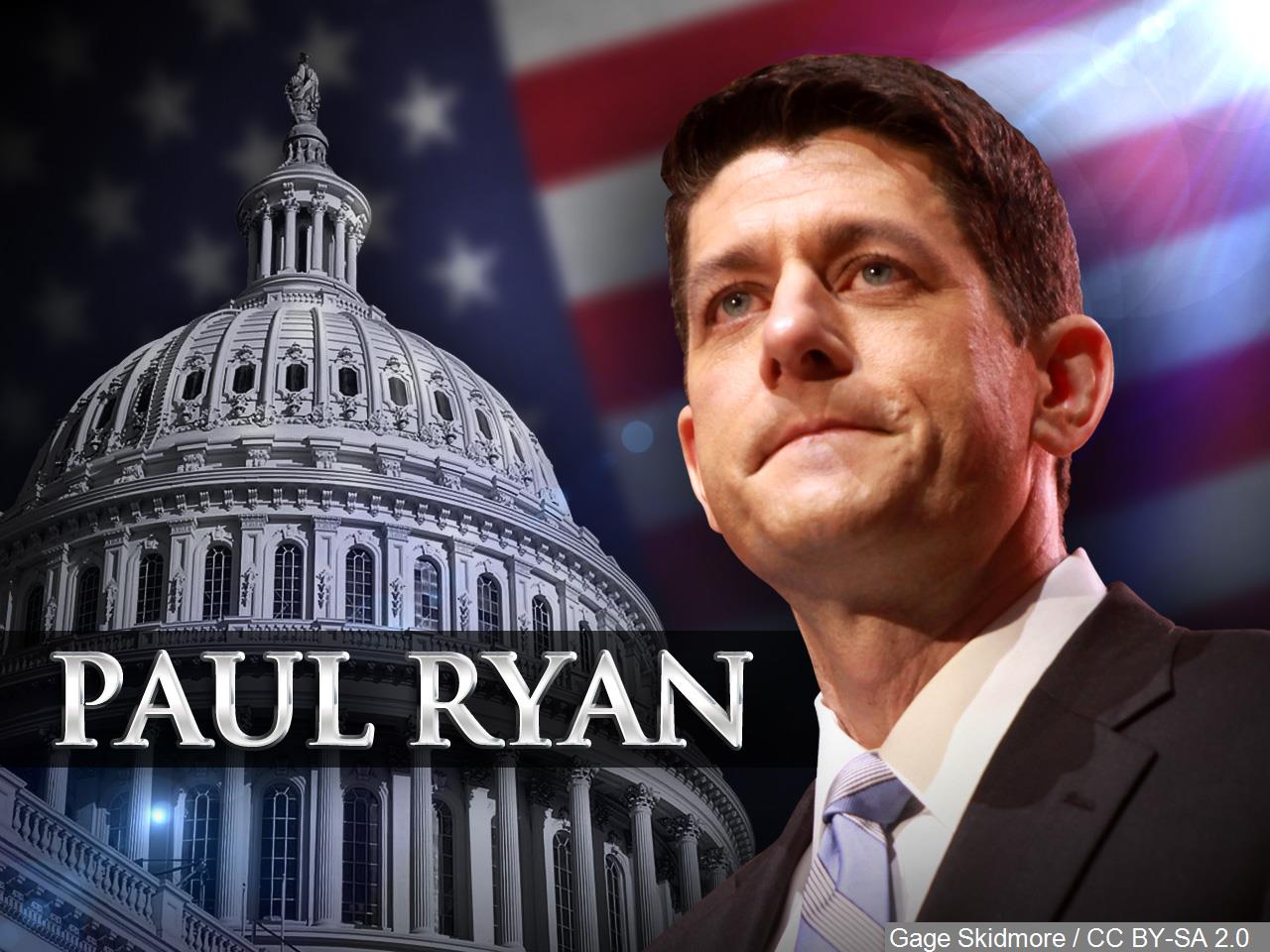
Paul+Ryan21

House Speaker Paul Ryan’s health-care task force is expected to outline its alternative to Obamacare this week. The outline reportedly will not include the level of detail that would allow much external analysis of its impact by health-care experts and the media, though Democrats are likely to attack its concepts, most of which will be familiar proposals that Republicans favor and that Democrats have opposed in the past. The outline is part of Mr. Ryan’s effort to add Republican policy ideas to the election debate, in particular to the presidential campaign, and seems aimed at helping down-ticket Republicans as a part of an agenda that can appeal to their base. Details will be needed to understand whether the plan is more progressive or regressive and how many uninsured people would be covered. Another big question is how Donald Trump will respond.