


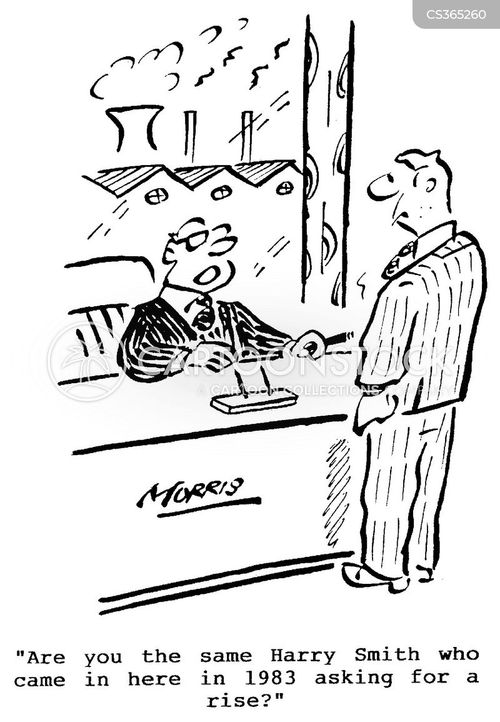
Cartoon – Trying to Remain Relevant

Despite the health benefits, fewer Americans have a primary care provider, according to a new study.
The number of patients in the U.S. who have a primary care provider declined by 2% in a little over a decade, according to the study published in JAMA Internal Medicine.
While that may not sound like much, that decline translates to millions of Americans who do not have primary care, the researchers said.
In the study, researchers from Harvard Medical School looked at primary care use from 2002 to 2015, which raises concerns given that primary care is associated with better health among patients.
“Primary care is the thread that runs through the fabric of all healthcare, and this study demonstrates we are potentially slowly unweaving that fabric,” said the lead author David M. Levine, M.D., a Harvard Medical School instructor in medicine at Brigham and Women’s Hospital in Boston, where he practices internal medicine and primary care, in an announcement about the study.
“America is already behind the curve when it comes to primary care; this shows we are moving in the wrong direction,” Levine said.
The study found that in 2002, 77% of adult Americans had an identified primary care physician, a level that dropped to 75% in 2015. In addition, the study found a particularly marked decline in primary care among younger Americans and those without complex medical issues.
Having a primary care provider decreased across the board for Americans in their 30s, 40s, and 50s. Among 30-year-olds, the number dropped from 71% to 64% from 2002 to 2015.
Among those with no complex conditions, having primary care declined in every decade of age through their 60s. The exception to the decline were less healthy patients. People with three or more chronic health conditions having a primary care physician remained relatively stable, the study found.
Patients who are male, Latino, black or Asian without insurance and lived in the South were much less likely to have a primary care doctor, the study found.
The researchers suggested several steps to stop the decline and increase the rates of Americans with primary care providers, including changes in the primary care payment system, a move toward value-based care and investments in new technology. They also called for creating incentives to encourage more physicians to choose primary care, particularly in rural areas, and increasing the number of Americans with health insurance.
“To improve Americans’ health, we should prioritize investments to reinvigorate the American primary care system,” said senior author Bruce E. Landon, M.D., professor of healthcare policy in the Blavatnik Institute at Harvard Medical School and professor of medicine at Beth Israel Deaconess Medical Center, where he practices internal medicine.
A study released earlier this year from the Patient-Centered Primary Care Collaborative found states that spend more on primary care have better patient outcomes, including fewer hospitalizations and emergency department visits. A separate study found a direct link between the number of primary care doctors and an increase in life expectancy.

The problem of large and unexpected surprise healthcare bills dominated health headlines in 2019.
Now, a new study to be published in the January print issue of Health Affairs put a figure on how much it’s costing when patients are unwittingly treated by out-of-network providers in in-network hospitals: $40 billion annually.
Led by Zack Cooper, a researcher in the Yale School of Public Health and the department of economics, the study found at in-network hospitals, nearly 12% of anesthesiology care, more than 12% of care involving a pathologist, 5.6% of claims for radiologists and 11.3% of cases involving an assistant surgeon were billed out of network.
“When physicians whom patients do not choose and cannot avoid can bill out of network for care delivered within in-network hospitals, it exposes patients to financial risk and undercuts the functioning of health care markets,” the authors wrote in the study. “The ability to bill out of network allows these specialists to negotiate artificially high in-network rates.
The researchers’ estimates show that if these specialists were not able to bill out of network, it would lower physician payments for privately insured patients by 13.4% and reduce total healthcare spending for people with employer-sponsored insurance by 3.4%. That works out to about $40 billion a year, they said.
The authors used 2015 data from a large commercial insurer for their analysis. The study was funded by the Laura and John Arnold Foundation and the Tobin Center for Economic Policy at Yale University.
Out-of-network billing is more prevalent at hospitals in concentrated hospital and insurance markets and at for-profit hospitals, the authors said.
“Any policy addressing out-of-network billing must achieve two aims: protect patients from financial harm and introduce a competitively set price for physician services or identify the amount insurers must pay providers if a policyholder is treated by an out-of-network physician,” the authors said in a statement. “Our proposed policy solution—requiring hospitals to sell a package of facility and physician services—would protect patients, restore a competitively determined price for physician services, and lower commercial health spending.”

With 2020 shaping up to be another big year for health care, executives at Providence, one of the largest health systems in the country, today released their annual New Year’s predictions.
External forces will continue to bear down on health care, Providence leaders said. Politics, technology, social issues, labor shortages and heightened consumer expectations will all play a role. As a result, providers will feel more intense pressure to accelerate the transformation of health care.
“The question is whether providers can pivot fast enough,” said Rod Hochman, M.D., president and CEO of Providence. “In 2020, health systems that can get ahead of the major trends will be best positioned to meet the future needs of their communities.”
What can you expect next year? Here are Providence’s top 10 predictions.
One of the most important reasons health systems have consolidated in recent years is to improve clinical quality and spread best practice across scale. Because clinical integration takes time, this will be the year that significant results begin coming to fruition. For example, Providence has leveraged its seven-state system to reverse the alarming national rise in U.S. mothers dying in childbirth. Thanks to collaboration among its clinical teams, Providence is one of the safest places for moms to give birth, having nearly eliminated preventable maternal deaths over the last three years. At the same time, Providence has reduced the cost of caring for moms covered by Medicaid, as well as the cost of NICU care. Expect more examples of improved outcomes and costs to emerge in 2020 as proven practices in other clinical areas begin bearing fruit on a large scale.
More companies will partner with health systems, government agencies, social services and other nonprofits to take action on the social determinants of health. Be Well OC is one example of the type of coalition that will make a significant impact in 2020. The public-private partnership in Orange County, Calif., brings diverse organizations together to meet the urgent need for mental health and addiction services in the community. Meanwhile, in cities like Seattle, Wash., health systems like Providence are partnering with the business community and other not-for-profits to address the growing homelessness epidemic.
The path to a healthier nation will be accelerated by treating both the unique needs of the individual down to the DNA level, as well as common issues shared by people in similar demographics. Health systems like Providence, for example, are using genomics to pinpoint a person’s biologic age, as well as tailor medical interventions to the individual. At the same time, Providence is coordinating care and resources across broad segments of people through steps such as cancer screenings and improving access to housing and nutrition. Combining the power of these two disciplines will help catapult the health of the nation.
Delivering same-day access to care – how, when and where people want it – will be a burning priority for health systems in 2020. New entrants will continue to disrupt the space and raise consumer expectations. Leading health systems like Providence will stay ahead of the curve with digital platforms that integrate telehealth, its in-store clinics at Walgreens and its vast network of specialty, primary care and urgent care clinics across the Western U.S. To help patients navigate these care options, Providence will also continue to develop its artificial intelligence capability, making its AI bot, “Grace,” more pervasive, helpful and capable. Providence will also continue to engage patients between episodes of care by providing personalized content and services to keep them healthy while developing a long-term, digitally engaged relationship with patients.
Machine learning and artificial intelligence will raise the potential for new breakthroughs in medicine and care delivery, and data will be key to this level of innovation. But whether tech companies are prioritizing the best interest of patients will remain a lingering question for the American public. Patients will look to providers to be their voice and advocates when it comes to protecting their health information. Expect providers to stand up for data privacy and security and take the lead in ensuring data is used responsibly for the common good.
Just as Alexa and Siri are transforming the way we live our personal lives, voice and natural language processing are the future of health care. Expect innovation to accelerate around smart clinics and hospitals that make it easier for clinicians to treat and care for patients. Voice commands that process and analyze information will support clinical decision making at the bedside and the exam room. As part of a new partnership between Providence and Microsoft to build the “care site of the future,” clinical communications and voice-activated technology will be a central feature.
With burnout on the rise among physicians, nurses and other caregivers, reducing the time it takes to chart in the electronic medical record will be key to improving the work environment for clinicians. Shifting the national conversation from EMR “interoperability” to “usability” will take on greater urgency. A simplified, more intuitive EMR means clinicians can spend less time on the computer and more time focused directly on patients, creating a better experience for clinicians and the patients they serve.
As the sector changes at a rapid pace, the health care workforce will need to add new skill sets to keep up with innovations in medicine and care delivery. Clinicians will also need to become more proficient in managing the social determinants of health and caring for the whole person, not just physically, but also mentally and emotionally. Health systems will seek to stay competitive in a tough labor market by offering attractive pay and benefit packages. A commitment to investing in education and career development, as well as creating engaging work environments, will also be a key focus for retaining and recruiting top talent.
Patients deserve to know what their health care costs will be up front, so they can make informed decisions as they shop for care. Rather than inundating them with a deluge of prices and negotiated rates for hundreds of services that may or may not be relevant to their personal situation, more emphasis needs to be placed on helping them understand what their specific out-of-pocket costs will be. The amount individuals pay is typically based on their insurance coverage. That’s why health systems like Providence are actively developing price estimator tools and self-service portals, based on blockchain and AI technology, to help patients more quickly and easily access this information.
In the 2020 elections, concerns will be raised over whether Americans will lose their private commercial or employer-sponsored insurance under a Medicare for All plan. A new campaign platform — free primary care for all — should be considered as a more effective, affordable alternative. By guaranteeing access to primary care, the nation can focus on prevention, chronic disease management and helping Americans live their healthiest life possible. Providence is participating in the current administration’s innovative primary care pilots, which are showing positive results in terms of better outcomes and reduced costs.


https://www.sacbee.com/news/local/health-and-medicine/article238378533.html

Kaiser Permanente’s behavioral health clinicians will be picketing Monday outside the health care giant’s Sacramento Medical Center on Morse Avenue, joining in a weeklong labor strike that will affect services at more than 100 facilities around California.
Roughly 4,000 psychologists, psychiatric nurses and other behavioral health workers — members of the National Union of Healthcare Workers — say they want the company to shorten wait times for return appointments and reduce therapist caseloads.
“I know of nowhere else but in the Kaiser system that there is literally no definition of a caseload or maximum number of patients for which one is responsible,” said Susan Whitney, a Kaiser therapist in Kern County. “There are about 35 therapists and social workers that serve Kaiser’s Kern County population of 109,000 members, only one mental health worker for every 3,000 members. In contrast, Kaiser primary care physicians have a panel, or caseload, of 1,500 patients, and also have staff such as nurses and medical assistants that support them.”
Kaiser executive Michelle J. Gaskill-Hames said that proposals made to the union would keep Kaiser therapists among the highest paid in California, with excellent benefits, as well as offering them more time in their schedules for patient appointments and to take care of administrative tasks. Rather than strike, she said, the company has asked the union’s leadership continue to work with a mediator and Kaiser Permanente.
“Like every other health care provider, we are seeing a significant demand for mental health care in the face of a national shortage of qualified professionals,” said Gaskill-Hames, Kaiser’s senior vice president for Northern California hospital and health plan operations. “Despite this shortage, we have hired nearly 500 new therapists in California this year alone.”
The clinicians had initially planned the strike for mid-November but postponed it out of respect for the family of the late Kaiser CEO Bernard Tyson, who died unexpectedly last month.
The strike is to compel Kaiser to make mental health care as much of a priority as physical health care, Whitney said. Treating mental health issues also improves physical health, she said, as numerous studies have shown.
Since Kaiser was fined several years ago for lengthy waits for first appointments, the company has worked under state supervision to improve its performance in this area, Whitney said, but as it has improved in that metric, return appointments have become more difficult to schedule.
Vicki Hoskins, a therapist in Orange County, said that if a patient completed an intake appointment today and wanted to return to see her, that patient would have to wait until March. There is a backlog of vacant positions in some offices, she said, so new hires are often filling those rather than adding to the workforce.
Kaiser has been jointly working with an external mediator to help reach a collective bargaining agreement with the union, Gaskill-Hames said.
She said the mediator recently delivered a proposed compromise to both sides, but the union has rejected it and announced plans to strike instead of working through the mediated process.
This is union’s sixth noticed strike within a single year, and the repeated call for short strikes is disruptive to patient access, operational care and service, said Gaskill-Hames, who described the union’s action as irresponsible.
A strike puts patients in the middle of bargaining, which is not fair to them, especially during the holidays when rates of depression can spike, she said.
Kaiser Permanente will try to minimize patient disruption, Gaskill-Hames said, but the company may be forced to reschedule appointments and devote resources from elsewhere in the organization to address the continuity of care.
In the Sacramento area, pickets will be out from 6 a.m. to 2 p.m. at Kaiser’s Sacramento Medical Center, 2025 Morse Ave., on Monday; at the Roseville Medical Center, 1600 Eureka Road, on Wednesday; and at the South Sacramento Medical Center, 6600 Bruceville Road, on Friday. On Thursday, they will rally at the State Capitol at 10th and L streets at 10:30 a.m. and at the Department of Managed Health Care, 990 Ninth St., at 11:30 a.m. Elsewhere in the Central Valley, pickets will be at Fresno Medical Center, 7300 N. Fresno St., Monday through Friday.
 HENRY KOTULA