Higher labor costs put pressure on Trinity Health’s margins in the first nine months of fiscal year 2022, according to financial documents released May 20.
Livonia, Mich.-based Trinity Health posted revenue of $15.13 billion in the nine months ended March 31, up from $15.12 billion in the same period a year earlier. The health system said net patient service revenue was up 3.3 percent year over year, primarily because of increased volume and payment rates.
“Patient volumes continue to fluctuate with COVID-19 pandemic surge and recovery waves and patient volumes are returning but have yet to return to pre-pandemic levels,” the system said in an earnings release.
Trinity Health’s operating expenses for the first nine months of fiscal year 2022 increased by 4.8 percent year over year to $15.12 billion. The increase was attributed to a $679.8 million increase in labor costs. Contract labor expenses increased 154.2 percent during the nine-month period.
Trinity Health reported operating income of $139.7 million in the first nine months of fiscal year 2022, down 79 percent from operating income of $653.9 million in the same period a year earlier. Operating income in the first nine months of the current fiscal year included a $128.7 million gain on the sale of Gateway Health Plan.
After factoring in investments and nonoperating items, Trinity posted net income of $43 million for the first nine months of fiscal year 2022, down from $3.19 billion in the same period a year earlier.
Six health system and hospital deals have been canceled so far this year, whether it be a scrapped merger or acquisition or the unwinding of a partnership.
1. Proposed Dartmouth Health, GraniteOne Health merger canceled Lebanon, N.H.-based Dartmouth Health and Manchester, N.H.-based GraniteOne Health are canceling their proposed merger after the state Attorney General’s Office said the move would violate the New Hampshire constitution, according to VTDigger.
2. Hackensack Meridian, Englewood withdraw merger plans Edison, N.J.-based Hackensack Meridian Health and Englewood (N.J.) Health have dropped their merger plans, a spokesperson for Hackensack Meridian told Becker’s.
4. Lifespan, Care New England withdraw merger application The boards of Lifespan and Care New England — both based in Providence, R.I. — have decided to withdraw their merger application after the Federal Trade Commission made an announcement Feb. 17 it would file suit to block the deal.
5. Hoag, Providence to split: 5 things to know Hoag Memorial Hospital Presbyterian in Newport Beach, Calif., and Providence, a Catholic health system based in Renton, Wash., said they would end their affiliation in January.
6. Trinity Health won’t buy Tower Health hospital Trinity Health Mid-Atlantic has abandoned its plan to buy Tower Health’s Chestnut Hill Hospital in Philadelphia, according to the Philadelphia Inquirer.
U.S. hospitals performed more than 100,000 surgeries on older patients during the first year of the pandemic, according to a new Lown Institute analysis.
The healthcare think tank relied on Medicare claims data and analyzed eight common low-value procedures. It called the 100,000 procedures unnecessary and potentially harmful in a press release. It found that between March and December 2020, among the most-performed surgeries were coronary stents and back surgeries.
The procedures either offered little to no clinical benefit, according to the institute, or were more likely to harm patients than help them.
“You couldn’t go into your local coffee shop, but hospitals brought people in for all kinds of unnecessary procedures,” Vikas Saini, M.D., president of the Lown Institute, said in a statement. “The fact that a pandemic barely slowed things down shows just how deeply entrenched overuse is in American healthcare.”
Here is the volume of each procedure analyzed, for a total of 106,474 procedures identified:
1. Stents for stable coronary disease: 45,176 2. Vertebroplasty for osteoporosis: 16,553 3. Hysterectomy for benign disease: 14,455 4. Spinal fusion for back pain: 13,541 5. Inferior vena cava filter: 9,595 6. Carotid endarterectomy: 3,667 7. Renal stent: 1,891 8. Knee arthroscopy: 1,596
Among the “U.S. News & World Report” 20 top-ranked hospitals, all had rates of coronary stent procedures above the national average in what the Lown Institute called “overuse.” Four had at least double the national average, including the Cleveland Clinic, Houston Methodist Hospital, Mt. Sinai and Barnes Jewish Hospital. The procedures and overuse criteria were based on previous Lown research.
“We’ve known for over a decade that we shouldn’t be putting so many stents into patients with stable coronary disease, but we do it anyway,” Saini said. “As a cardiologist, it’s frustrating to see this behavior continue at such high levels, especially during the pandemic.”
In response to the Lown analysis, the American Hospital Association said in a statement Tuesday that delays or cancelations in non-emergency care may have negative outcomes on patients. “Lown may define these services as ‘low value,‘ but they can be of tremendous value to the patients who receive them,” the statement read.
It also pointed to its response to last year’s Lown analysis, which it criticized as being based “on data that are not only incomplete, but also not current.” The organization argued the services surveyed only represent a portion of the care hospitals provide. It added that procedures are determined by physicians based on an evaluation of the patient’s medical needs.
Despite substantial operating margin declines during the first year of COVID-19, U.S. hospitals were able to keep their finances on track thanks to billions in government relief funds, Johns Hopkins researchers wrote in a new study published Friday in JAMA Health Forum.
Per their analysis of Centers for Medicare and Medicaid Services (CMS) Hospital Cost Reports data, researchers found that thousands of hospitals broadly maintained their overall profit margins thanks to a boost in “other nonoperating income,” the category under which hospitals recorded the collective $175 billion in subsidies Congress allocated to support healthcare facilities and clinicians.
This was particularly the case for government, rural and smaller hospitals that typically run on tighter margins, the researchers wrote. Because they, by design, received more targeted relief than other types of hospitals, these facilities were able to record higher overall profit margins in 2020 than in prior years.
“Hospital operations were really hit hard during the pandemic,” Ge Bai, professor in the Bloomberg School’s Department of Health Policy and Management, a professor of accounting at the Johns Hopkins Carey Business School and an author of the study, said in a statement.
“Our study shows that the relief funds provided an important lifeline to keep financially weak hospitals up and running.”
Among the study’s sample of 1,378 hospitals, mean operating margin declined from –1.0% in 2019 to –7.4% in 2020, representing the hit facilities took to their operations prior to the relief funding.
Those hospitals’ mean overall profit margin during the first year of the pandemic was 6.7%, which the researchers wrote was stable in light of the preceding four years and across all ownership types, geographic locations and hospital sizes.
The difference-maker, they wrote, was an increase in other nonoperating income as a share of a hospital’s total revenue. While that mean share was 4.4% in 2019, it jumped to 10.3% in 2020 thanks to the government relief funds.
Additionally, certain types of hospitals with traditionally lower overall profit margins saw significant improvements in 2020. These included government hospitals (3.7% to 7.2%), rural hospitals (1.9% to 7.5%) and hospitals with fewer admissions (3.5% to 6.7%).
“Hospitals that tend to serve socioeconomically disadvantaged patients and more who are uninsured are the most vulnerable to financial losses,” Yang Wang, a doctoral student in the Bloomberg School’s Department of Health Policy and Management and the study’s first author, said in a statement. “But the extra federal funding helped them stay operational.”
The researchers’ study included hospitals with fiscal years beginning in January whose financial data were compiled and processed as part of RAND Hospital Data, which in turn pulls its data from CMS’ Medicare Cost Reports. The findings persisted among a second sample of 785 hospitals from the database with fiscal years beginning in July.
The government’s distribution of COVID-19 relief funds to providers has faced some critique from healthcare policy researchers, some of whom suggested that the methodology led to funding skewed toward hospitals serving well-insured communities.
Much of the relief set aside for hospitals has since run dry or is on its last legs as of early 2022. With COVID hospitalizations again ticking upward and earlier surges still unaccounted for, industry groups and the Biden administration alike are pushing Congress for more relief support.
RWJBarnabas Health (RWJBH) and Saint Peter’s Healthcare System’s proposed integration has received the blessing of New Jersey regulators, a key step forward as the systems look to form what they describe as the state’s “first premier academic medical center,” according to a Monday announcement.
The organizations are now awaiting a final approval from the Federal Trade Commission (FTC) before moving ahead with the deal.
“State approval now puts us on the cusp of being able to create New Jersey’s first multi-campus premier academic medical center that will draw top talent, increased research funding and more opportunities for groundbreaking clinical trials, while also enhancing specialized services and improving overall patient care,” Saint Peter’s President and CEO Leslie Hirsch said in a statement.
“New Jersey deserves to have a premier academic medical center of national distinction like many other states that will serve as a destination for patients from all walks of life to get lifesaving treatment for complex illnesses and as an anchor for medical innovation, educational opportunity and economic development,” Hirsch said.
The organizations said that in addition to increasing services and strengthening patient access, the premier academic medical center’s location in New Brunswick, New Jersey, would play a role in attracting more academic talent and research to nearby Rutgers University.
The systems’ announcement also cited affirmation from Superior Court Judge Lisa Vignuolo, who said when authorizing the transaction that the deal “will serve in the public interest and the public good.”
RWJBH is the larger of the pair, providing care to more than 3 million patients annually across 11 hospitals, four children’s hospitals and dozens of other centers. It’s already the largest academic health system in New Jersey thanks to a collaboration with Rutgers Robert Wood Johnson Medical Schools to train over 1,000 medical residents and interns across RWJBH hospitals yearly.
Formed in 2007, Saint Peter’s Healthcare System is a Catholic organization headlined by the 478-bed Saint Peter’s University Hospital in New Brunswick. It also operates a children’s hospital, primary and specialty care networks and a surgical center.
Under the previously announced terms of the agreement, Saint Peter’s would remain a full-service acute healthcare provider in New Jersey and continue to adhere to its Catholic healthcare mission. RWJBH would make significant strategic capital investments in St. Peter’s facilities, technology and innovation.
“This is a tremendous milestone in a years-long journey towards fulfilling our shared vision to bring transformative care to New Jersey,” RWJBH CEO Barry Ostrowsky said in a statement.
Regulators’ green light for RWJBH’s moves contrasts with the recent opposition to Hackensack Meridian Health and Englewood Health’s now-nixed merger plans. The FTC and half of the country’s state attorneys general fought the proposal due to concerns that it would remove competition and harm residents in New Jersey’s Bergen County.
Private insurance plans paid hospitals on average 224% more compared with Medicare rates for both inpatient and outpatient services in 2020, a new study found.
Researchers at RAND Corporation looked at data from 4,000 hospitals in 49 states from 2018 to 2020. While the 224% increase in rates is high, it is a slight reduction from the 247% reported in 2018 in the last study RAND performed.
“This reduction is a result of a substantial increase in the volume of claims in the analysis from states with prices below the previous average price,” the study said.
The report showed that plans in certain states wound up paying hospitals more than others. It found that Florida, West Virginia and South Carolina had prices that were at or even higher than 310% of Medicare.
But other states like Hawaii, Arkansas and Washington paid less than 175% of Medicare rates.
“Employers can use this report to become better-informed purchasers of health benefits,” study lead author Christopher Waley said in a statement. “The work also highlights the levels and variation in hospital prices paid by employers and private insurers, and thus may help policymakers who may be looking for strategies to curb healthcare spending.”
The data come as the federal government has explored ways to lower healthcare costs, including going toe-to-toe with the hospital industry. The Centers for Medicare & Medicaid Services (CMS) has in recent years sought to cut payments to off-campus outpatient clinics in order to bring Medicare payments in line with payments paid to physicians’ offices but has met with stiff legal and lobbying opposition from the hospital industry that argues the extra payments are needed.
CMS has also published regulations that call on hospitals to increase transparency of prices, including a rule that mandates hospitals publish online the prices for roughly 300 shoppable services.
The hospital industry pushed back against RAND’s findings, arguing that the study is based on incomplete data. The industry group American Hospital Association said researchers only looked at 2.2% of overall hospital spending, a small portion of overall expenses.
“Researchers should expect variation in the cost of delivering services across the wide range of U.S. hospitals – from rural critical access hospitals to large academic medical centers,” said AHA CEO Rick Pollack in a statement to Fierce Healthcare. “Tellingly, when RAND added more claims as compared to previous versions of this report, the average price for hospital services declined.”
Hospital systems can employ artificial intelligence to reduce the types of health inequities that have made communities of color more vulnerable to COVID-19, the leader of one of the nation’s largest health systems says.
“At Northwell Health, New York’s largest health system, we know health disparities will only grow worse if we don’t move more quickly to identify and correct them,” Michael Dowling, president and CEO of New Hyde Park-based Northwell Health, wrote in a May 11 news release with Tom Manning, chair of Ascertain, an AI venture between Northwell and Aegis Ventures. “To do that, we have turned to AI to disrupt this future.”
For instance, health systems can utilize AI to forecast which expectant mothers could benefit from early intervention and specialized care to treat preeclampsia, a pregnancy complication characterized by high blood pressure that affects Black women at three times the rate of white women, the executives wrote.
Organizations can also use health screenings and predictive models to determine which patients are most likely to develop chronic health conditions such as obesity, diabetes and hypertension, the men wrote. In addition, systems should diligently research AI health care applications, such as the National Institutes of Health’s All of Us initiative, which seeks to obtain health data from a representative sample of the U.S. population.
Dowling and Manning noted that health systems must also commit to high standards of data integrity outlined by the U.S. Food and Drug Administration and apply the Hippocratic oath to AI to make sure it does not widen health inequities.
Citing inflation and labor cost pressures, Renton, Wash.-based Providence recorded an operating loss of $510.16 million in the first quarter of 2022, according to financial documents released May 13. In the same quarter one year prior, Providence posted an operating loss of $221.91 million.
In the quarter ended March 31, the 51-hospital health system saw its operating revenue hit $6.29 billion. In the same quarter one year prior, Providence recorded operating revenue of $6.44 billion.
Providence’s expenses grew about 2 percent year over year to $6.8 billion. In the comparable quarter in 2021, Providence recorded expenses of $6.67 billion. Providence attributed the expense increase to added costs of agency staff, overtime, retention and wage increases, as well as supply cost boosts.
Providence also said that excluding from the 2021 comparison the assets of Hoag Memorial Hospital Presbyterian in Newport Beach, Calif. — which split from Providence in January — the health system’s expenses grew 9 percent year over year.
After factoring in nonoperating items, including investment losses of $359 million and a $3.41 billion disaffiliation cost tied to the Hoag Memorial split, Providence recorded a net loss of $4.25 billion in the first quarter of 2022.
“With the pandemic, the last two years were challenging for many in healthcare. However, 2022 may be the biggest challenge yet,” Providence CFO Greg Hoffman said. “Rising costs due to inflation and the health care labor crisis are putting significant pressure on major U.S. health systems, some of whom have reported significant operating losses this quarter.”
CommonSpirit Health, a 142-hospital system based in Chicago, reported an operating loss for the three months ended March 31, according to financial documents released May 13.
CommonSpirit, formed through the 2019 merger of San Francisco-based Dignity Health and Englewood, Colo.-based Catholic Health Initiatives, saw revenues decline 6.6 percent year over year to $8.3 billion in the third quarter of fiscal year 2022, which ended March 31.
The health system also saw expenses rise. Total operating expenses reached nearly $8.9 billion in the three months ended March 31, up from $8.3 billion in the same period a year earlier. Expenses tied to salaries and benefits increased from $4.2 billion in the third quarter of fiscal year 2021 to nearly $4.7 billion in the most recent quarter.
CommonSpirit recorded an operating loss of $591 million in the three-month period ended March 31, compared to operating income of $539 million in the same period a year earlier.
CommonSpirit closed out the third quarter of fiscal year 2022 with a net loss of $592 million. In the same period of 2021, the health system reported net income of $1.7 billion.
Looking at the nine-month period ended March 31, CommonSpirit posted a net loss of $205 million on revenue of $25.7 billion. In the same period a year earlier, the system reported net income of $4.4 billion on revenue of $24.8 billion.
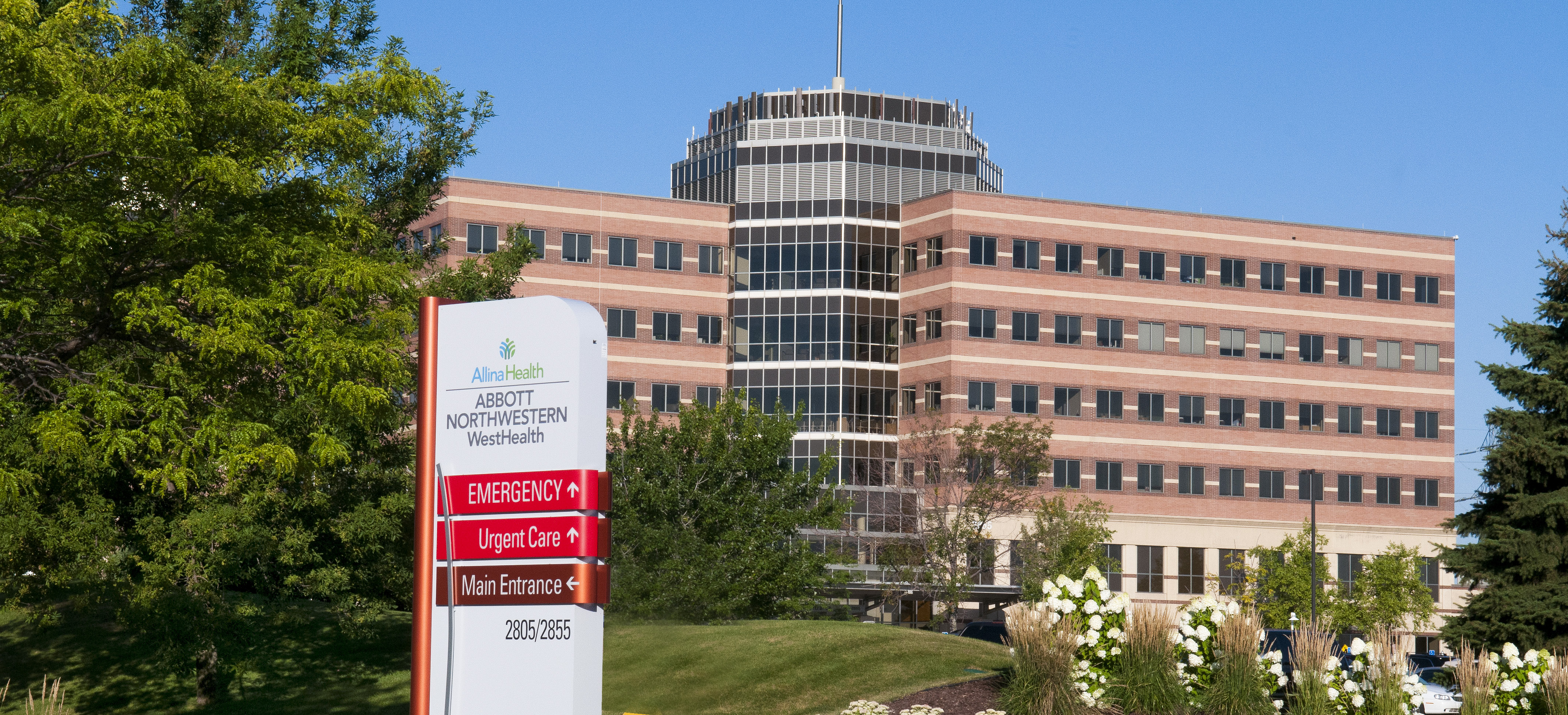
Minneapolis-based Allina Health posted an operating income of $128.8 million for the year ended Dec. 31, up from the $36.3 million loss in 2020, according to its financial results.
The 10-hospital system saw its net income jump 400.8 percent in 2021 to $381.1 million, compared to $76.1 million the year prior.
Allina’s total revenue increased by 11.3 percent, or $493 million, in 2021 compared to 2020. This was directly related to reduced volumes because of the mandatory shutdown in 2020, Allina said in the report. The system’s total patient revenue reached $4.5 billion in 2021, a 14.5 percent increase from the year before at $3.9 billion.
The health system’s operating expenses rose 7.5 percent for the 12 months months ended Dec. 31 to $4.7 billion, compared to $4.4 billion in 2020.







 HENRY KOTULA