

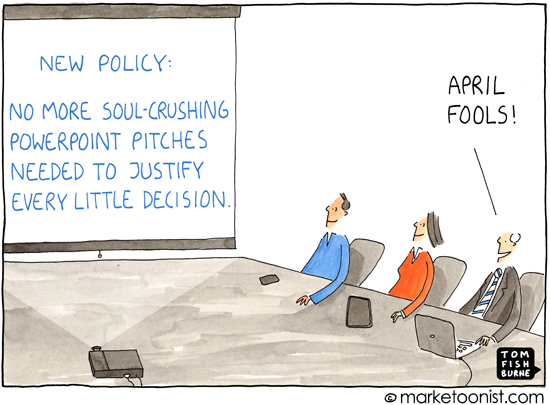
Cartoon – New Policy

Houston Methodist will make the COVID-19 vaccine mandatory for employees, with the first phase including managers and new hires, the health system said March 31.
In an email, Marc Boom, MD, president and CEO, told managers new hires are already required to be vaccinated as a condition to joining Houston Methodist, and management is now also required to do the same.
“When we choose to be vaccinated against COVID-19, we are prioritizing safety by helping stop the spread of this deadly virus and keeping our patients, visitors and colleagues safe,” Dr. Boom wrote to managers. “As we move closer to announcing mandatory vaccinations for all employees, we need you to go first — to lead by example and show our employees how important getting vaccinated is.”
At Houston Methodist, 95 percent of management and all executives have already received at least one dose of a COVID-19 vaccine. Dr. Boom said managers who have not done this have until April 15 to receive at least one dose or get an approved exemption. Those who do not comply would first have a discussion with their supervisor, then could face suspension then termination.
All 26,000 Houston Methodist employees and employed physicians soon will be required to receive at least one shot.
Overall, about 83 percent of the health system’s employees have been vaccinated.

https://mailchi.mp/3e9af44fcab8/the-weekly-gist-march-26-2021?e=d1e747d2d8

In our work over the years advising health systems on M&A, we’ve been struck by how often “social issues” cause deals that are otherwise strategically sound to go off the rails.
Of course, it’s an old chestnut that “culture eats strategy for breakfast”, but what’s been notable, especially recently, is how early in the process hot-button governance and leadership issues enter the discussions.
Where is the headquarters going to be? Who’s going to be the CEO of the combined entity? And most vexingly, how many board seats is each organization going to get? That last issue is particularly troublesome, as it’s often where negotiations get bogged down. But as one health system board member recently pointed out to us, getting hung up on whether board seats are split 7-6 or 8-5 is just silly—in her words, “If you’re in a position where board decisions turn on that close of a margin, you’ve got much bigger strategic problems.”
It’s an excellent point. While boards shouldn’t just rubber stamp decisions made by management, it’s incumbent on the CEO and senior leaders to enfranchise and collaborate with the board in setting strategy, and critical decisions should rarely, if ever, come down to razor-thin vote tallies.
If a merger makes sense on its merits, and the strategic vision for the combined organization is clear, quibbling over how many seats each legacy system “gets” seems foolish. No board should go into a merger anticipating a future in which small majorities determine the outcome of big decisions.



 HENRY KOTULA