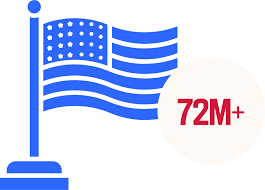
Medicaid is critical to our nation’s healthcare system, providing necessary care for more than 72 million Americans – including our neighbors and friends.
Who it Affects
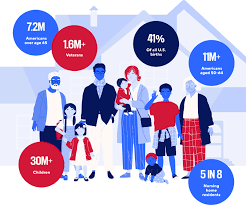
Medicaid covers children, seniors in nursing homes, veterans, people with long-term chronic illnesses, those with mental health issues and working families.
The program helps keep Americans healthy at all stages of life, providing healthcare to families in need — especially as the country continues to recover from record-high inflation.
The Problem
Some policymakers are considering Medicaid cuts that would undermine coverage for countless patients and threaten Americans’ access to comprehensive, 24/7 hospital care.
Medicaid covers health services for patients who otherwise wouldn’t be able to pay for care. Coverage of services is essential for hospitals, and helps ensure all Americans have access to high-quality, 24/7 care, no matter where they live.
Who Medicaid covers
Providing Lifesaving Healthcare Services
Medicaid covers patients with complex and chronic illnesses in need of long-term care, as well as emergency services and prescription coverage.
As the nation faces a growing mental health crisis, Medicaid also ensures millions of Americans — including veterans — have access to mental healthcare and substance abuse services.
Without access to affordable mental healthcare through Medicaid, veterans often lack the long-term support they deserve, and are left to deal with complex health issues years after their service.
In these areas, where primary care providers are few and far between, hospitals become even more vital sites of care — and in some cases, the only sites of care available.
Rural hospitals, already more likely to be at risk of closure, rely on Medicaid funding to stay open and to continue providing lifesaving care to their patients. Nearly 150 rural hospitals have closed or converted since 2010 alone. Further cuts to care would eliminate a lifeline for Americans across the country — with devastating consequences for rural communities.
The Solution
Cuts to Medicaid funding will create irreparable harm for our nation’s most vulnerable communities, including millions of children, veterans, those with chronic illnesses, seniors in nursing homes, and working families. Medicaid helps provide security to these Americans, keeping them healthy at every stage of life.
Congress should vote against efforts to reduce Medicaid funding and instead focus on policies that strengthen access to 24/7 care, rather than take it away.
Most Americans believe their healthcare is private, and the majority prefers it that way. Gallup polling shows more Americans favor a system based on private insurance rather than government-run healthcare.
But here’s a surprising reality: 91% of Americans receive government-subsidized healthcare.
Unless you’re among the uninsured or the few who receive no subsidies, government dollars are helping pay your medical bills — whether your insurance comes from an employer, a privately managed care organization or the online marketplace.
Now, as lawmakers face mounting budget pressures, those subsidies (and your coverage) could be at risk. If the government scales back its healthcare spending, your medical costs could skyrocket.
Here’s a closer look at the five ways the U.S. government funds healthcare. If you have health insurance, you’re almost certainly benefiting from one of them:
Medicare, the government-run healthcare program for those 65 and older, covers 67 million Americans at a cost of more than $1 trillion annually. Approximately half of enrollees are covered through the traditional fee-for-service plan and the other half in privately managed Medicare Advantage plans.
Medicaid and CHIP provide health coverage for around 80 million low-income and disabled Americans, including tens of millions of children. Even though 41 states have turned over their Medicaid programs over to privately managed care organizations, the cost remains public. Total Medicaid spending is $900 billion annually — the federal government pays 70% with states footing the rest.
The online healthcare marketplace is for Americans whose employer doesn’t provide medical coverage or who are self-employed. This Affordable Care Act program offers federal subsidies to 92% of its 23 million enrollees, which help lower the cost of premiums and, for many, subsidize their out-of-pocket expenses. The Congressional Budget Office projects that a permanent extension of these subsidies, which are scheduled to end this year, would cost $383 billion over the next 10 years.
Veterans and military families also benefit from government healthcare through TRICARE and VA Care, programs covering roughly 16 million individuals at a combined cost of $148 billion for the federal government annually.
Employer-sponsored health insurance comes with a significant, yet often overlooked, government subsidy. For nearly 165 million American workers and their families, U.S. companies pay the majority of their health insurance premiums. However, those dollars are excluded from employees’ taxable income. This tax break, which originated during World War II and was formally codified in the 1950s, subsidizes workers at an annual government cost of approximately $300 billion. For a typical family of four, this translates into approximately $8,000 per year of added take-home pay.
With 91% of Americans receiving some form of government healthcare assistance, the idea that U.S. healthcare is predominantly “private” is an illusion.
Now, as the new administration searches for ways to rein in the growing federal deficit, all five of these programs (collectively funding healthcare for 9 in 10 Americans) will be in the crosshairs.
Twelve percent of the federal budget already goes toward debt interest payments, and this share is expected to rise sharply. Many of the bonds used to finance existing debt were issued back when interest rates were much lower. As those bonds mature and are refinanced at today’s higher rates, federal interest payments are projected to double within the next decade, according to the Congressional Budget Office.
With deficits mounting and borrowing costs soaring, most economists agree this trajectory is unsustainable. Lawmakers will eventually need to rein in spending, and healthcare subsidies will almost certainly be among the first targets. Policy experts predict Medicaid, which the House has already proposed cutting by $880 billion over the next decade, and ACA subsidies for out-of-pocket costs will likely be the first on the chopping block. But given the CBO’s projections, these cuts won’t be the last.
A Better Way: Three Solutions To Lower Healthcare Costs Without Cuts
Cutting some or all of these healthcare subsidies may seem like the simplest way to reduce the deficit. In reality, it merely shifts costs elsewhere, making medical care more expensive for everyone and increasing future government spending. Here’s why:
Eliminating subsidies doesn’t eliminate the need for care. Under the Emergency Medical Treatment and Labor Act (EMTALA), hospitals must treat emergency patients regardless of their ability to pay. When millions lose insurance, more turn to ERs for medical care they can’t afford. The cost of that uncompensated care doesn’t vanish. It gets passed on to state governments, hospitals and privately insured patients through higher taxes, inflated hospital bills and rising insurance premiums.
Delaying care drives up long-term costs. People who can’t afford doctor visits skip preventive care, screenings and early treatments. Manageable conditions like high blood pressure and diabetes then spiral into costly, life-threatening complications including heart attacks, strokes and kidney failures, which ultimately increase government spending.
The solution isn’t cutting coverage. It’s fixing the root causes of high healthcare costs. Here are three ways to achieve this:
1. Address The Obesity Epidemic
Obesity is a leading driver of diabetes, heart disease, stroke and breast cancer, which kill millions of Americans and cost the U.S. healthcare system hundreds of billions annually. Congress can take two immediate steps to reverse this crisis:
Tax high-calorie, highly processed foods and use the revenue to subsidize healthier options, making nutritious food more affordable for all Americans.
2. Enhance Chronic Disease Management With Technology
In every other industry, broad adoption of generative AI technology is already increasing quality while reducing costs. Healthcare could do the same by applying generative AI to more effectively manage chronic disease. According to the Centers for Disease Control and Prevention, improved control of these lifelong conditions could cut the frequency of heart attacks, strokes, kidney failures and cancers by up to 50%.
With swift and reasonable Food and Drug Administration approval, generative AI and wearable monitors would revolutionize how these conditions are managed, providing real-time updates on patient health and identifying when medications need adjustment. Instead of waiting months for their next in-office visit, patients with chronic diseases would receive continuous monitoring, preventing costly and life-threatening complications. Rather than restricting AI’s role in healthcare, Congress can streamline the FDA’s approval process and allocate National Institutes of Health funding to accelerate these advancements.
3. Reform Healthcare Payment Models
Under today’s fee-for-service system, doctors and hospitals are paid based on the how often they see patients for the same problem and the number of procedures performed. This approach rewards the volume of care, not the best and most effective treatments. A better alternative is a pay-for-value model like capitation, in which providers do best financially when they help keep patients healthy. To encourage participation, Congress should fund pilot programs and create financial incentives for insurers, doctors and hospitals willing to transition to this system. By aligning financial incentives with long-term health, this model would encourage doctors to prioritize prevention and effective chronic disease control, ultimately lowering medical costs by improving overall health.
The Time For Change Is Now
If Congress slashes healthcare subsidies this year, restoring them will be nearly impossible. Once the cuts take effect, the financial and political pressures driving them will only intensify, making reversal unlikely.
The voices shaping this debate can’t come solely from industry lobbyists. Elected officials need to hear from the 91% of Americans who rely on government healthcare assistance for some or all of their medical coverage. Now is the time to speak up.
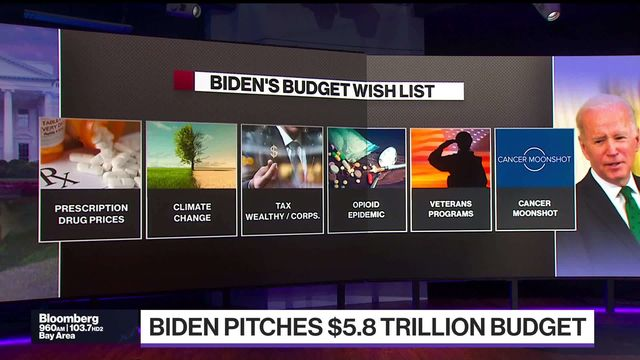
President Joe Biden proposed a $5.8 trillion budget March 28 for fiscal year 2023, which includes funding for healthcare.
Nine healthcare takeaways:
1. Pandemic preparedness. The budget calls for a five-year investment of $81.7 billion to plan ahead for future pandemics. The funding would help support research and development of vaccines, improve clinical trial infrastructure and expand domestic manufacturing.
2. Mental health parity. Under the proposed budget, federal regulators would get the power to levy fines against health plans that violate mental health parity rules. The budget calls for $275 million over 10 years to increase the Labor Department’s capacity to ensure health plans are complying with the requirements and take action against those plans that do not. The budget also proposes funding to bolster the mental healthcare workforce and boost funding for suicide prevention programs.
3. Vaccines for uninsured adults. The proposed budget calls for establishing a new Vaccines for Adults program that would provide uninsured adults access to recommended vaccines at no cost.
4. Title X funding. The budget proposes providing $400 million in funding for the Title X Family Planning Program, which provides family planning and other healthcare services to low-income individuals.
5. Cancer Moonshot initiative. The budget proposes several investments across the FDA, CDC, National Cancer Institute and Advanced Research Projects Agency for Health to advance President Biden’s Cancer Moonshot initiative. The initiative aims to reduce the cancer death rate by 50 percent over the next 25 years.
6. Spending to reduce HIV. The proposed budget includes $850 million to reduce new HIV cases by increasing access to HIV prevention services and support services.
7. Veterans Affairs medical care. President Biden’s proposed budget allocates $119 billion, or a 32 percent increase, to medical care for veterans. The money will fully fund inpatient, outpatient, mental health and long-term care services, while also investing in training programs for clinicians to work in the VA.
8. Discretionary funding for HHS. President Biden is asking Congress to approve $127.3 billion in discretionary funding for HHS in fiscal 2023, representing a $26.9 billion increase from the department’s allotment for fiscal 2021.
9. Mandatory spending for the Indian Health Service. The budget request for the Indian Health Service calls for shifting the healthcare agency from discretionary to mandatory funding. The budget calls for $9.1 billion in funding, a 20 percent increase from the amount allocated in fiscal 2021.
One of the most important initiatives for President Biden since taking office in 2021 has been to pass a sweeping infrastructure bill to improve roads, bridges, water systems, and to make affordable housing more available to Americans in need, to name a few key components. While a bill has not yet been passed, initial estimates range from $2.5 – 3.5 Trillion in total spending across all sectors. How will the proposed infrastructure bill affect healthcare for Americans? Healthcare remains the largest component of household spending in the U.S. In 2019, Americans spent approximately $3.8 Trillion on healthcare, or about 18% of the Gross Domestic Product. More importantly, we learned from the pandemic that healthcare service providers are a critical infrastructure support network to our nation. What does the infrastructure bill provide to assist with this going forward? The largest healthcare components in the infrastructure bill are estimated to be:
$400 Billion for Home and Community Based care for the disabled and elderly. According to census, an estimated 20% of the U.S. population will be over 65 by
Caring for elderly relatives or living independently will become a top concern for most Americans. Home care is projected to grow by 22.6% in the next decade.
Lowering the Medicare eligibility age from 65 to 60. If it passes, this will increase the participants in the Medicare program by an estimated 20 million.
$18 Billion for needed upgrades to VA hospitals. The average age of a VA hospital is 58 years. The private-sector hospitals median age is 11 years old. There are 1,700 VA hospitals and clinics with 69% are more than 50 years old. Additionally, nearly 100 VA sites, mostly in the western part of the country, need seismic correction. Other President Biden Healthcare Priorities There are several other healthcare topics that President Biden has added to his Agenda. • Expand coverage to Medicaid at the state level to provide access to almost 5 million additional individuals • Lowering drug costs for consumers by requiring drug companies to negotiate with Medicare, limiting drug price increases and import drugs to save costs • Ending surprise billing
Expand funding for mental health care through the ACA and bring parity between mental health and other healthcare services
Tax credits for eligible families who enroll in coverage through the Marketplace
Unfortunately, while these estimates may continue to change between now and when a final bill is passed, healthcare is not a meaningful part of the infrastructure bill. Given our recent experience during the pandemic with hospital capacity being overloaded, one would have thought that the infrastructure bill would have addressed this critical shortfall.
As the nation takes a day to memorialize its military dead, those who are living are facing a deadly risk that has nothing to do with war or conflict: the coronavirus.
I have spent the past four years studying veterans with substance use and mental health disorders who are in the criminal justice system. This work revealed gaps in health care and financial support for veterans, even though they have the best publicly fundedbenefits in the country.
Here are eight ways the pandemic threatens veterans:
Age and respiratory illnesses are both risk factors for COVID-19 mortality. As of May 22, there have been 12,979 people under Veterans Administration care with COVID-19, of whom 1,100 have died.
2. Dangerous residential facilities
Veterans needing end-of-life care, those with cognitive disabilities or those needing substance use treatment often live in crowded VA or state-funded residential facilities.
When a person transitions from active military service to become a veteran, they receive a Certificate of Discharge or Release. This certificate provides information about the circumstances of the discharge or release. It includes characterizations such as “honorable,” “other than honorable,” “bad conduct” or “dishonorable.” These are crucial distinctions, because that status determines whether the Veterans Administration will give them benefits.
Research shows that some veterans with discharges that limit their benefits have PTSD symptoms, military sexual trauma or other behaviors related to military stress. Veterans from Iraq and Afghanistan have disproportionately more of these negative discharges than veterans from other eras, for reasons still unclear.
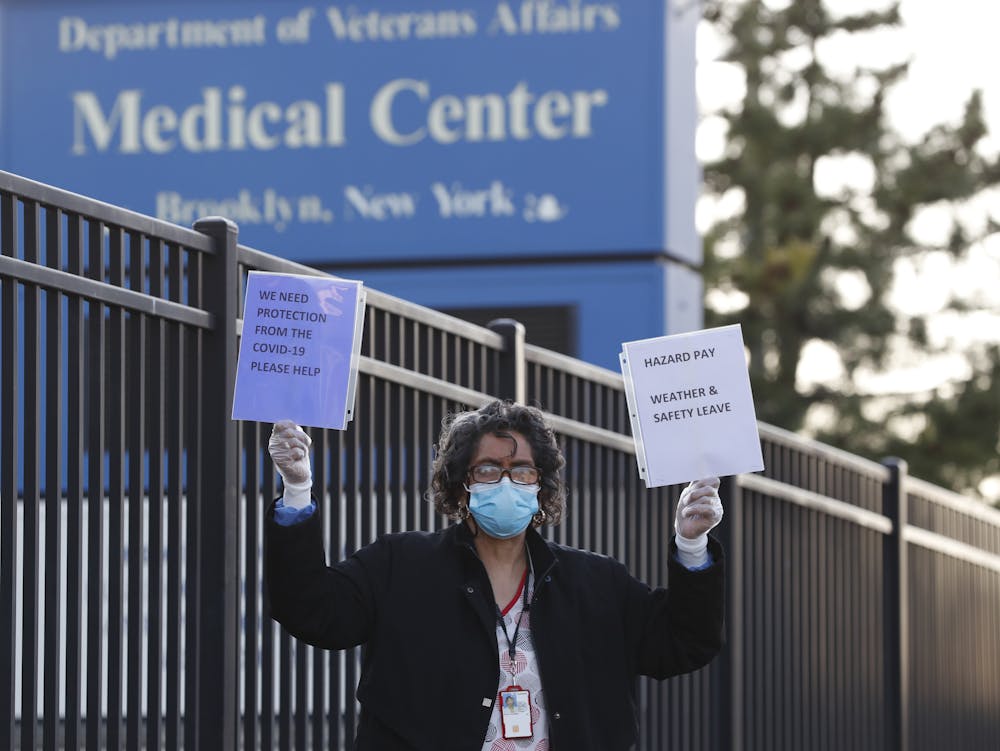
VA hospitals across the country are short-staffed and don’t have the resources they need to protect their workers.AP/Kathy Willens
The Veterans Administration frequently and perhaps unlawfully denies benefits to veterans with “other than honorable” discharges.
Many veterans have requested upgrades to their discharge status. There is a significant backlog of these upgrade requests, and the pandemic will add to it, further delaying access to health care and other benefits.
4. Diminished access to health care
Dental surgery, routine visits and elective surgeries at Veterans Administration medical centers have been postponed since mid-March. VA hospitals are understaffed – just before the pandemic, the VA reported 43,000 staff vacancies out of more than 400,000 health care staff positions. Access to health care will be even more difficult when those medical centers finally reopen because they may have far fewer workers than they need.
As of May 4, 2020, 2,250 VA health care workers have tested positive for COVID-19, and thousands of health care workers are under quarantine. The VA is asking doctors and nurses to come out of retirement to help already understaffed hospitals.
5. Mental health may get worse
An average of 20 veterans die by suicide every day. A national task force is currently addressing this scourge.
6. Complications for homeless veterans and those in the justice system
An estimated 45,000 veterans are homeless on any given night, and 181,500 veterans are in prison or jail. Thousands more are under court-supervised substance use and mental health treatment in veterans treatment courts. More than half of veterans involved with the justice system have either mental health problems or substance use disorders.
As residential facilities close to new participants, many veterans eligible to leave prison or jail have nowhere to go. They may stay incarcerated or become homeless.
Courts have moved online or ceased formal operations altogether, meaning no veteran charged with a crime can be referred to a treatment court. It is unclear whether those who were already participating in a treatment program will face delays graduating from court-supervised treatments.
Further, some veterans treatment courts still require participants to take drug tests. With COVID-19 circulating, those participants must put their health at risk to travel to licensed testing facilities.
As veterans’ facilities close to new participants, many veterans eligible to leave prison or jail have nowhere to go and may become homeless, like this Navy veteran in Los Angeles.Getty/Mario Tama
7. Disability benefits delayed
In the pandemic’s epicenter in New York, tens of thousands of veterans should have access to VA benefits because of their low income – but don’t, so far.
The pandemic has exacerbated existing delays in finding veterans in need, filing their paperwork and waiting for decisions. Ryan Foley, an attorney in New York’s Legal Assistance Group, a nonprofit legal services organization, noted in a personal communication that these benefits are worth “tens of millions of dollars to veterans and their families” in the midst of a health and economic disaster.
All 56 regional Veterans Administration offices are closed to encourage social distancing. Compensation and disability evaluations, which determine how much money veterans can get, are usually done in person. Now, they must be done electronically, via telehealth services in which the veteran communicates with a health care provider via computer.
But getting telehealth up and running is taking time, adding to the longstanding VA backlog. Currently, more than 100,000 veterans wait more than 125 days for a decision. (That is what the VA defines as a backlog – anything less than 125 days is not considered a delay on benefit claims.)
A disproportionately high number of post-9/11 veterans live in some of the hardest-hit communities that depend on these industries. Veterans returning from overseas will face a dire economic landscape, with far fewer opportunities to integrate into civilian life with financial security.
In addition, severely disabled veterans living off of VA benefits were initially required to file a tax return to get stimulus checks. This initial filing requirement delayed benefits for severely disabled veterans by at least a month. The IRS finally changed the requirements after public outcry, given that many older and severely disabled veterans do not have access to computers or the technological skills to file electronically.
There are many social groups to pay attention to, all with their own problems to face during the pandemic. With veterans, many of the problems they face now existed long before the coronavirus arrived on U.S. shores.
But with the challenges posed by the situation today, veterans who were already lacking adequate benefits and resources are now in deeper trouble, and it will be harder to answer their needs.






 HENRY KOTULA