


Cartoon – Gut Decision Making


The pace of change in healthcare is not slowing down; in fact, it is accelerating. Healthcare organizations that are most successful in 2019 will know what challenges and changes are coming down the pipeline, and they will prepare accordingly.
To help ensure you don’t get left behind, we’ve assembled the top six challenges the industry will face in 2019.
1. Shifting the focus from payment reform to delivery reform. For the past few years, C-suite leaders at healthcare organizations have been focused on navigating healthcare payment reform—attempting to preserve, improve, and maintain revenue. Amidst those efforts, delivery reform has sometimes taken a back seat.
That will need to change in 2019. Organizations that are the most successful will focus more on patient care than revenue, and they will see improved outcomes and reduced costs as a result.
Many organizations are already exploring delivery reform with initiatives that focus on:
In 2019, however, they will need to bring all of these initiatives together to implement sustainable improvements in how healthcare is delivered.
An added bonus? Organizations that accomplish this will see enhanced revenue streams as value-based reimbursement accelerates.
2. Wrestling with the evolving healthcare consumer. Healthcare consumers are demanding more convenient and more affordable care options. They expect the same level of customer service they receive from other retailers—from cost-estimation tools and online appointment booking to personalized interactions and fast and easy communication options such as text messaging and live chats.
Organizations that don’t deliver on these expectations will have a difficult time retaining patients and attracting new ones.
That’s not the only consumer-related challenge healthcare organizations will face. In 2019, millennials (between the ages of 23 and 38), will make up nearly a quarter of the U.S. population.
This generation doesn’t value physician-patient relationships as highly as previous generations. In fact, nearly half of them do not have a personal relationship with their physician, according to a 2015 report by Salesforce.
Finding ways to maintain or increase the level of humanity and interaction with millennials will be a key challenge in 2019. Patient navigator solutions and other engagement tools will be critical to an organization’s success.
3. Clinician shortages. Physician and nurse shortages will continue to intensify in 2019, creating significant operational and financial challenges for healthcare organizations.
The most recent numbers from the Association of American Medical Colleges predict a shortage of up to 120,000 physicians by 2030. On the nursing side, the Bureau of Labor Statistics projects a need for 649,100 replacement nurses by 2024.
The implications of the shortages, combined with the fact that healthcare organizations face a number of new challenges in the coming years, are many. Fewer clinicians can lead to burnout, medical errors, poorer quality, and lower patient satisfaction.
Healthcare organizations that thrive amidst the shortages will find new ways to scale and leverage technology to streamline work flows and improve efficiencies.
4. Living with EHR choices. Despite the hype and hopes surrounding EHRs, many organizations have found that they are failing to deliver on their expectations.
A recent Sage Growth Partners survey found that 64 percent of healthcare executives say EHRs have failed to deliver better population health management tools, and a large majority of providers are seeking third-party solutions outside their EHR for value-based care.
The survey of 100 executives also found that less than 25% believe their EHRs can deliver on core KLAS criteria for value.
As we recently told Managed Healthcare Executive, that statistic is striking, considering how important value-based care is and will continue to be to the industry.
Despite the dissatisfaction surrounding EHRs, switching EHRs may be a big mistake for healthcare organizations. A recent Black Book survey found 47% of all health systems who replaced their EHRs are in the red over their replacements. A whopping 95% said they regret the decision to change systems.
Hospitals and physician may not be entirely happy with their EHR choices, but the best course may be to stick with their system. Highly successful hospitals and health systems will find ways to optimize workflow and patient care which may involve additional IT investments and best of breed investment approaches, rather than keeping all of the proverbial eggs in the EHR basket.
5. Dealing with nontraditional entrants and disruptors. In 2018, several new entrants entered and/or broadened their reach into healthcare.
Amazon acquired online pharmacy retailer PillPack, and partnered with JPMorgan Chase and Berkshire Hathaway to create a new healthcare partnership for their employees. Early in 2018, Apple announced it was integrating EHRs onto the iPhone and Apple watch, and recently, Google hired Geisinger Health CEO David Feinberg for a newly created role, head of the company’s many healthcare initiatives.
New partnerships have also arisen between traditional healthcare entities that could result in significant healthcare delivery changes. Cigna and Express Scripts received the go-ahead from the DOJ for their merger in September, and CVS and Aetna formally announced the completion of their $70 billion merger November 28.
Read more about the top two ways the CVS-Aetna merger could change healthcare.
All of these new industry disruptors and mergers will impact healthcare organizations, likely creating new competition, disrupting traditional healthcare delivery mechanisms, creating price transparency and pressures, and fostering higher expectations from consumers in 2019. Keeping an eye on these potential disrupters will be important to ensuring sustained success in the long term.
6. Turning innovation into an opportunity. From new diagnostic tests and machines to new devices and drug therapies—the past few years in healthcare have seen exciting and lifesaving developments for many patients. But these new devices and treatment approaches come with a cost.
One of biggest 2018 developments that best exemplifies the challenge between innovation and cost is CAR T-cell therapy. This new cancer treatment is already saving lives, but it racks up to between $373,000 and $475,000 per treatment. When potential side effects and adverse events are accounted for, costs can reach more than $1 million per patient.
Finding the best way to incorporate new treatments like this one, while balancing outcomes, cost, and healthcare consumer demands, will be a top challenge for healthcare organizations in 2019.

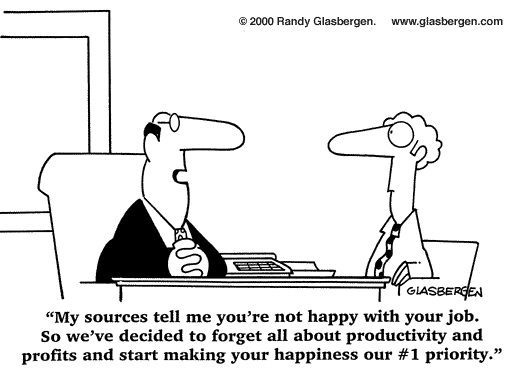


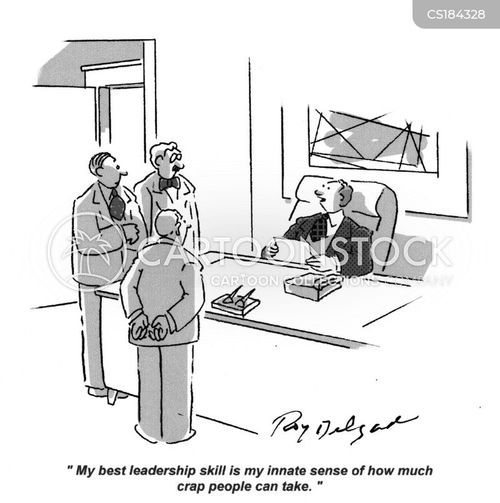
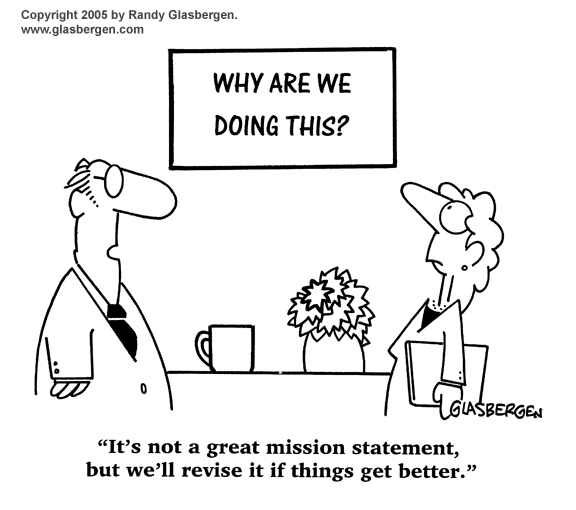
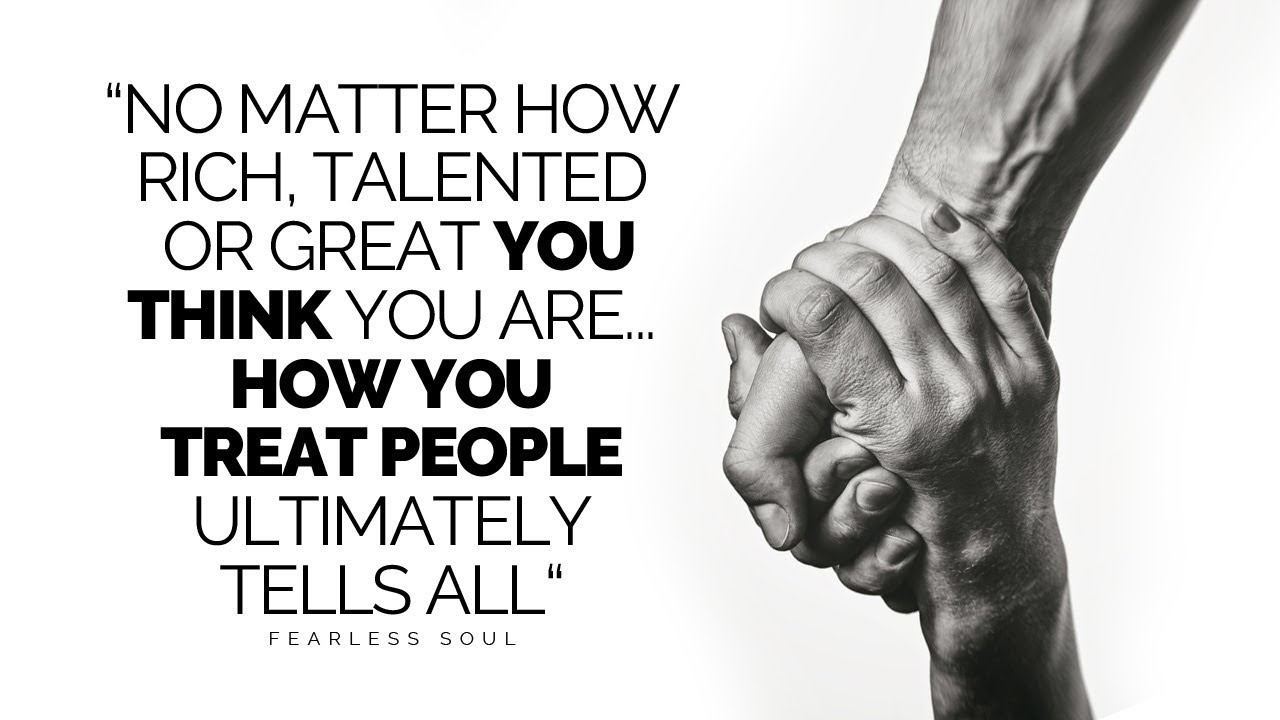
One of the mentors I feel very fortunate to have had in my life was the late Richard Neustadt, a founding professor of the Kennedy School of Government at Harvard and author of the classic book Presidential Power. When I was a student at the Kennedy School in the mid-80’s, I had Dr. Neustadt for a couple of classes, got to work with him on some special projects and was part of a group of students he’d occasionally have over to his house to teach us about the subtleties of scotch whiskey.
There are a lot of insights that Dick Neustadt is remembered for but the one that is probably the most cited is that, in spite of the awesome resources at his (and, someday soon, her) command, the true power of the President of the United States is the power to persuade. To really be effective in accomplishing their agenda, the President must influence different stakeholders and constituencies to work with him or her.
Note the key preposition in that last sentence. It’s with. As an executive I was talking with recently reminded me, great leaders work with people, not through people. You may, at first, think that the dichotomy between with and through is a distinction without a difference. Not so fast, my friend. Let’s dig a little deeper on the difference between these two prepositions, with and through, and the impact they have on effective leadership.
We can start with definitions. The primary definition of with is “accompanied by.” The primary definition of through is “moving in one side and out of the other side of.” Maybe I could end this post right here. If you’re the colleague, the follower or some other stakeholder, would you rather be accompanied by or moved through one side and out the other? My guess is that for most people the answer is self-evident. You’d rather be accompanied. That’s likely at the essence of the power of persuasion that Dr. Neustadt wrote and talked about.
So, what are other markers of a leader who works with people instead of through people?
As the executive I was recently talking with told me, when you’re working with people, you start with respect for your colleagues. Unless proven otherwise, you assume that they, like you, are acting in the similar best interests of the enterprise. You assume that they’re highly motivated and qualified until proven otherwise.
You also have a focus on what they need as much as on what you need. If you only come in with what you need and what you have right and everyone else has wrong, over the long run you lose your effectiveness.
When you don’t have total control, you have to have influence. Influence – the power to persuade – takes root when you work with people rather than through them.
 HENRY KOTULA