Healthcare as a zero-sum game: 7 key points

https://www.beckershospitalreview.com/hospital-management-administration/healthcare-as-a-zero-sum-game-7-key-points.html?origin=cfoe&utm_source=cfoe

This article sets out seven thoughts on healthcare systems.

The article discusses:

  1. Types of Healthcare Systems
  2. Mergers and Key Questions to Assess Mergers
  3. Headwinds Facing Systems
  4. The Great Fear of Systems
  5. What has Worked the Last 10 Years
  6. What is Likely to Work the Next 10 Years
  7. A Few Other Issues

Before starting the core of the article, we note two thoughts. First, we view a core strategy of systems to spend a great percentage of their time on those things that currently work and bring in profits and revenues. As a general rule, we advise systems to spend 70 to 80 percent of their time doubling down on what works (i.e., their core strengths) and 20 to 30 percent of their time on new efforts.

Second, when we talk about healthcare as a zero-sum game, we mean the total increases in healthcare spend are slowing down and there are greater threats to the hospital portion of that spend. I.e., the pie is growing at a slower pace and profits in the hospital sector are decreasing.

I. Types of Healthcare Systems

We generally see six to eight types of healthcare systems. There is some overlap, with some organizations falling into several types.

1. Elite Systems. These systems generally make U.S. News & World Report’s annual “Best Hospitals” ranking. These are systems like Mayo Clinic, Cleveland Clinic, Johns Hopkins Hospital, NewYork-Presbyterian, Massachusetts General, UPMC and a number of others. These systems are often academic medical centers or teaching hospitals.

2. Regionally Dominant Systems. These systems are very strong in their geographic area. The core concept behind these systems has been to make them so good and so important that payers and patients can’t easily go around them. Generally, this market position allows systems to generate slightly higher prices, which are important to their longevity and profitability.

3. Kaiser Permanente. A third type of system is Oakland-based Kaiser Permanente itself. We view Kaiser as a type in and of itself since it is both so large and completely vertically integrated with Kaiser Foundation Health Plan, Kaiser Foundation Hospitals and Permanente Medical Groups. Kaiser was established as a company looking to control healthcare costs for construction, shipyard and steel mill workers for the Kaiser industrial companies in the late 1930s and 1940s. As companies like Amazon, Berkshire Hathaway and JPMorgan Chase try to reduce costs, it is worth noting that they are copying Kaiser’s purpose but not building hospitals. However, they are after the same goal that Kaiser originally sought. Making Kaiser even more interesting is its ability to take advantage of remote and virtual care as a mechanism to lower costs and expand access to care.

4. Community Hospitals. Community hospitals is an umbrella term for smaller hospital systems or hospitals. They can be suburban, rural or urban. Community hospitals are often associated with rural or suburban markets, but large cities can contain community hospitals if they serve a market segment distinct from a major tertiary care center. Community hospitals are typically one- to three-hospital systems often characterized by relatively limited resources. For purposes of this article, community hospitals are not classified as teaching hospitals — meaning they have minimal intern- and resident-per-bed ratios and involvement in GME programs.

5. Safety-Net Hospitals. When we think of safety-net hospitals, we typically recall hospitals that truly function as safety nets in their communities by treating the most medically vulnerable populations, including Medicaid enrollees and the uninsured. These organizations receive a great percentage of revenue from Medicaid, supplemental government payments and self-paying patients. Overall, they have very little commercial business. Safety-net hospitals exist in different areas, urban or rural. Many of the other types of systems noted in this article may also be considered safety-net systems.

6. National Chains. We divide national chains largely based on how their market position has developed. National chains that have developed markets and are dominant in them tend to be more successful. Chains tend to be less successful when they are largely developed out of disparate health systems and don’t possess a lot of market clout in certain areas.

7. Specialty Hospitals. These are typically orthopedic hospitals, psychiatric hospitals, women’s hospitals, children’s hospital or other types of hospitals that specialize in a field of medicine or have a very specific purpose.

II. Mergers and Acquisitions

There have seen several large mergers over the last few years, including those of Aurora-Advocate, Baylor Scott & White-Memorial Hermann, CHI-Dignity and Mercy-Bon Secours, among others.

In evaluating a merger, the No. 1 question we ask is, “Is there a clear and compelling reason or purpose for the merger?” This is the quintessential discussion piece around a merger. The types of compelling reasons often come in one of several varieties. First: Is the merger intended to double down and create greater market strength? In other words, will the merger make a system regionally dominant or more dominant?

Second: Does the merger make the system better capitalized and able to make more investments that it otherwise could not make? For example, a large number of community hospitals don’t have the finances to invest in the health IT they need, the business and practices they need, the labor they need or other initiatives.

Third: Does the merger allow the amortization of central costs? Due to a variety of political reasons, many systems have a hard time taking advantage of the amortization of costs that would otherwise come from either reducing numbers of locations or reducing some of the administrative leadership.

Finally, fourth: Does the merger make the system less fragile?

Each of these four questions tie back to the core query: Does the merger have a compelling reason or not?

III. Headwinds

Hospitals face many different headwinds. This goes into the concept of healthcare as a zero-sum game. There is only so much pie to be shared, and the hospital slice of pie is being attacked or threatened in various areas. Certain headwinds include:

1. Pharma Costs. The increasing cost of pharmaceuticals and the inability to control this cost particularly in the non-generic area. Here, increasingly the one cost area that payers are trying to merge with relates to pharma/PBM the one cost that hospitals can’t seem to control is pharma costs. There is little wonder there is so much attention paid to pharma costs in D.C.

2. Labor Costs. Notwithstanding all the discussions of technology and saving healthcare through technology, healthcare is often a labor-intensive business. Human care, especially as the population ages, requires lots of people — and people are expensive.

3. Bricks and Mortar. Most systems have extensive real estate costs. Hospitals that have tried to win the competitive game by owning more sites on the map find it is very expensive to maintain lots of sites.

4. Slowing Rises in Reimbursement – Federal and Commercial. Increasingly, due to federal and state financial issues, governments (and interest by employers) have less ability to keep raising healthcare prices. Instead, there is greater movement toward softer increases or reduced reimbursement.

5. Lower Commercial Mix. Most hospitals and health systems do better when their payer mix contains a higher percentage of commercial business versus Medicare or Medicaid. In essence, the greater percentage of commercial business, the better a health system does. Hospital executives have traditionally talked about their commercial business subsidizing the Medicare/Medicaid business. As the population ages and as companies get more aggressive about managing their own healthcare costs, you see a shift — even if just a few percentage points — to a higher percentage of Medicare/Medicaid business. There is serious potential for this to impact the long-term profitability of hospitals and health systems. Big companies like JPMorgan, Amazon, Berkshire Hathaway and some other giants like Google and Apple are first and foremost seeking to control their own healthcare costs. This often means steering certain types of business toward narrow networks, which can translate to less commercial business for hospitals.

6. Cybersecurity and Health IT Costs. Most systems could spend their entire budgets on cybersecurity if they wanted to. That’s impossible, of course, but the potential costs of a security breach or incident loom large and there are only so many dollars to cover these costs.

7. The Loss of Ancillary Income. Health systems traditionally relied on a handful of key specialties —cardiology, orthopedics, spine and oncology, for example — and ancillaries like imaging, labs, radiation therapy and others to make a good deal of their profits. Now ancillaries are increasingly shifted away from systems toward for-profits and other providers. For example, Quest Diagnostics and Laboratory Corporation of America have aggressively expanded their market share in the diagnostic lab industry by acquiring labs from health systems or striking management partnerships for diagnostic services.

8. Payers Less Reliant on Systems. Payers have signaled less reliance on hospitals and health systems. This headwind is indicated in a couple of trends. One is payers increasingly buying outpatient providers and investing in many other types of providers. Another is payers looking to merge with pharmaceutical providers or pharmacy and benefit managers.

9. Supergroups. Increasingly in certain specialties and multispecialty groups, especially orthopedics and a couple other specialties, there is an effort to develop strong “super groups.” The idea of some of these super groups is to work toward managing the top line of costs, then dole out and subcontract the other costs. Again, this could potentially move hospitals further and further downstream as cost centers instead of leaders.

IV. The Great Fear

The great fear of health systems is really twofold. First: that more and more systems end up in bankruptcy because they just can’t make the margins they need. We usually see this unfold with smaller hospitals, but over the last 20 years, we have seen bankruptcies periodically affect big hospital systems as well. (Here are 14 hospitals that have filed for bankruptcy in 2018 to date. According to data compiled by Bloomberg, at least 26 nonprofit hospitals across the nation are already in default or distress.)

Second, and more likely, is that hospitals in general become more like mid-level safety net systems for certain types of care — with the best business moving away. I.e., as margins slide, hospitals will handle more and more of the essential types of care. This is problematic, in that many hospitals and health systems have infrastructures that were built to provide care for a wide range of patient needs. The counterpoint to these two great fears is that there is a massive need for healthcare and healthcare is expensive. In essence, there are 325,700,000 people in the United States, and it’s not easy to provide care for an aging population.

V. The Last 10 Years – What Worked

What has worked over the last five to 10 years is some mix of the following:

  1. Being an elite system has remained a recipe for financial success.
  1. Being regionally dominant has been a recipe for success.
  1. Being very special at something or being very great at something has been a recipe for success.
  1. Being great in high paying specialties like orthopedics, oncology, and spine has been a recipe for success.
  1. Systems have benefited where they provide extensive ancillaries to make great profits.

VI. The Next 10 Years

Over the next 10 years, we advise systems to consider the following.

  1. Double down on what works.
  1. Do not give up dominance where they have it. Although it may be politically unpopular and expensive to maintain, dominance remains important.
  1. Systems will need a new level of cost control. For years hospitals focused on expanding patient volume, expanding revenue and enlarging their footprint. Now cost control has surpassed revenue growth as the top priority for hospital and health system CEOs in 2018.
  1. Systems will have to be great at remote and virtual care. More and more patients want care where and when they want it.
  1. Because there will be so much change, systems must continue to have great leadership and great teams to adjust and remain successful.
  1. As systems become more consumer-centric, hospitals will have to lead with great patient experience and great patient navigation. These two competencies have to become systemwide strengths for organizations to excel over the next decade.

VII. Other Issues

Other issues we find fascinating today are as follows.

1. First, payers are more likely to look at pharma and pharma benefit companies as merger partners than health systems. We think this is a fascinating change that reflects a few things, including the role and costs of pharmaceuticals in our country, the slowly lessening importance of health systems, and payers’ disinterest in carrying the costs of hospitals.

2. Second, for many years everyone wanted to be Kaiser. What’s fascinating today is how Kaiser now worries about Amazon, Apple and other companies that are doing what Kaiser did 50 to 100 years ago. In essence, large companies’ strategies to design their own health systems, networks or clinics to reduce healthcare costs and provide better care is a force that once created legacy systems like Kaiser and now threatens those same systems.

3. Third, we find politicians are largely tone deaf. On one side of the table is a call for a national single payer system, which at least in other countries of large size has not been a great answer and is very expensive. On the other hand, you still have politicians on the right saying just “let the free market work.” This reminds me of people who held up posters saying, “Get the government out of my Medicare.” We seem to be past a true and pure free market in healthcare. There is some place between these two extremes that probably works, and there is probably a need for some sort of public option.

4. Fourth, care navigation in many elite systems is still a debacle. There is still a lot of room for improvement in this area, but unfortunately, it is not an area that payers directly tend to pay for.

5. Fifth, we periodically hear speakers say “this app is the answer” to every problem. I contrast that by watching care given to elderly patients, and I think the app is unlikely to solve that much. It is not that there is not room for lots of apps and changes in healthcare — because there is. However, healthcare remains as a great mix of technology and a labor- and care-intensive business.


 

Financial updates from Banner, Kaiser, Mayo + 3 other health systems

https://www.beckershospitalreview.com/finance/financial-updates-from-banner-kaiser-mayo-3-other-health-systems.html?origin=cfoe&utm_source=cfoe

The following six health systems recently released their financial statements for the nine-month period ended Sept. 30:

1. Phoenix-based Banner Health’s revenue climbed 7.2 percent year over year to $6.3 billion in the first nine months of 2018. The system ended the first nine months of this year with operating income of $122.1 million, down 37 percent from $192.9 million in the same period a year earlier.

2. Oakland, Calif.-based Kaiser Permanente’s revenue climbed to $59.7 billion in the first nine months of 2018, up 9.6 percent from revenue of $54.5 billion in the same period of 2017. Kaiser ended the first nine months of this year with operating income of $2.03 billion, compared to $2.33 billion in the same period of 2017.

3. Rochester, Minn.-based Mayo Clinic ended the first nine months of 2018 with revenue of $9.5 billion, compared to $8.8 billion in the same period of 2017. The system reported operating income of $601 million in the nine months ended Sept. 30, up 32 percent from the same period of 2017.

4. Bronx, N.Y.-based Montefiore Health System recorded revenue of $4.4 billion in the nine months ended Sept. 30, up from $4.1 billion in the same period a year earlier. The system ended the first nine months of this year with operating income of $59.6 million, up from $37.7 million in the same period of the year prior.

5. Arlington-based Texas Health Resources recorded revenue of $3.5 billion in the first nine months of 2018, up from $3.4 billion in the same period a year earlier. The system ended the first nine months of this year with operating income of $168.7 million, down from $174.5 million in the same period of 2017.

6. Pittsburgh-based UPMC reported revenue of $13.9 billion in the first nine months of this year, up from $11.4 billion in the same period of 2017. The system ended the first nine months of 2018 with operating income of $190 million, down from $196 million in the same period of 2017.


12 health systems with strong finances

https://www.beckershospitalreview.com/finance/12-health-systems-with-strong-finances-120618.html?origin=rcme&utm_source=rcme

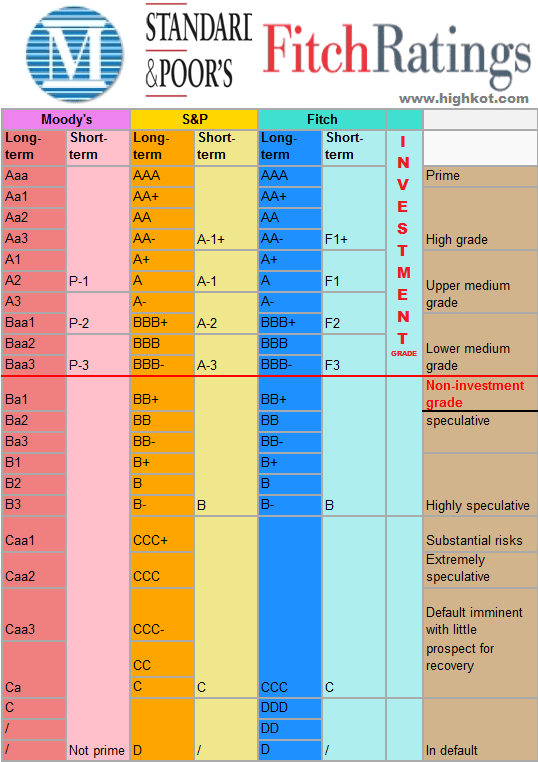
Here are 12 health systems with strong operational metrics and solid financial positions, according to recent reports from Moody’s Investors Service, Fitch Ratings and S&P Global Ratings.

Note: This is not an exhaustive list. Health system names were compiled from recent credit rating reports and are listed in alphabetical order.

1. St. Louis-based Ascension has an “Aa2” senior debt rating and stable outlook with Moody’s. The health system has a large diversified portfolio of sizable hospitals and strong liquidity. Moody’s expects Ascension’s margins to improve in fiscal year 2019.

2. Wausau, Wis.-based Aspirus has an “AA-” rating and stable outlook with S&P. The health system has solid debt and liquidity metrics, according to S&P.

3. Morristown, N.J.-based Atlantic Health System has an “Aa3” rating and stable outlook with Moody’s. The system has a strong market position, favorable balance sheet ratios and strong operating performance, according to Moody’s.

4. Charlotte, N.C.-based Atrium Health has an “AA-” rating and stable outlook with S&P. The health system has a strong operating profile, favorable payer mix, healthy financial performance and sustained volume growth, according to S&P.

5. Durham, N.C.-based Duke University Health System has an “Aa2” rating and stable outlook with Moody’s. The health system is a leading provider of tertiary and quaternary services and has solid margins and cash levels, according to Moody’s.

6. Inova Health System has an “Aa2” rating and stable outlook with Moody’s. The Falls Church, Va.-based health system has consistently strong cash-flow margins, a leading market position and a good investment position, according to Moody’s.

7. Baltimore-based Johns Hopkins Health System has an “Aa2” rating and stable outlook with Moody’s. The health system has favorable liquidity metrics, strong fundraising capabilities, a healthy market position and regional brand recognition, according to Moody’s.

8. St. Louis-based Mercy Health has an “Aa3” rating and stable outlook with Moody’s. The health system has favorable cash-flow metrics, a solid strategic growth plan, a broad service area and improving operating margins, according to Moody’s.

9. Traverse City, Mich.-based Munson Healthcare has an “AA-” rating and positive outlook with Fitch. The health system has a leading market share in a favorable demographic area and a healthy net leverage position, according to Fitch.

10. Vancouver, Wash.-based PeaceHealth has an “AA-” rating and stable outlook with Fitch. The health system has a leading market position, robust reserves and strong cash flow, according to Fitch.

11. St. Louis-based SSM Health Care has an “AA-” rating and stable outlook with Fitch. SSM has a strong financial profile, and Fitch expects the system to continue growing unrestricted liquidity and to maintain improved operational performance.

12. Appleton, Wis.-based ThedaCare has an “AA-” rating and stable outlook with Fitch. The health system has a leading market share in a stable service area and strong operating performance, according to Fitch.


Partners HealthCare’s annual operating income soars 489%

https://www.beckershospitalreview.com/finance/partners-healthcare-s-annual-operating-income-soars-489.html?origin=rcme&utm_source=rcme

Related image

Boston-based Partners HealthCare saw its operating income rise in fiscal year 2018 despite a decline in revenues, according to financial documents released Dec. 7.

Partners saw operating revenues dip 0.5 percent year over year to $13.31 billion in fiscal year 2018, which ended Sept. 30. The health system’s significant growth in provider revenues was partially offset by a decline in insurance revenue. Partners said the decrease in insurance revenue was attributable to the transition of members from Medicaid managed care programs into the new MassHealth ACO program in March.

After accounting for a 2.4 percent decrease in expenses, Partners ended fiscal 2018 with operating income of $309.9 million. That’s up 489 percent from a year earlier, when the health system posted operating income of $52.57 million.

Partners reported a 2.3 percent operating margin for fiscal 2018, up from a 0.4 percent operating margin in the year prior.

“While a 2-3 percent margin is slim compared to our peers across the nation, it enables us to reinvest in patient care and provide for the future capital needs of our hospitals and facilities,” said Peter K. Markell, treasurer and CFO of Partners.

After factoring in nonoperating income, Partners ended fiscal 2018 with net income of $826.6 million, up from $659.1 million in fiscal 2017.


Outlook is negative for nonprofit hospital sector, Moody’s says

https://www.beckershospitalreview.com/finance/outlook-is-negative-for-nonprofit-hospital-sector-moody-s-says.html

Image result for negative outlook

Moody’s Investors Service has issued a negative outlook on the nonprofit healthcare and hospital sector for 2019. The outlook reflects Moody’s expectation that operating cash flow in the sector will be flat or decline and bad debt will rise next year.

Moody’s said operating cash flow will either remain flat or decline by up to 1 percent in 2019. Performance will largely depend on how well hospitals manage expense growth, according to the credit rating agency.

Moody’s expects cost-cutting measures and lower increases in drug prices to cause expense growth to slow next year. However, the credit rating agency said expenses will still outpace revenues due to several factors, including the ongoing need for temporary nurses and continued recruitment of employed physicians.

Hospital bad debt is expected to grow 8 to 9 percent next year as health plans place greater financial burden on patients. An aging population will increase hospital reliance on Medicare, which will also constrain revenue growth, Moody’s said.


Kaufman Hall: Hospitals saw profitability bump in October, boosted by rise in volume

https://www.fiercehealthcare.com/hospitals-health-systems/kaufman-hall-hospitals-saw-profitability-surge-october-boosted-by-rise?mkt_tok=eyJpIjoiTVdGaU5XVmlZelZsTVRNMSIsInQiOiI4Umh2ZWxjOExQVFBIM1RxT2RuRHM5RUFBOGhmUjVncU0zTitQUGtYVjhzd2ltZkpYT05Zd1plUElBNlh5OXlwYWpLeXViM2pxWHJJMVpQbEo5aGpNdklNVFdzaFJLa1B3XC9pejgxTVJGNUJjRng3cHlYUzBiMERDNnE5ODRTXC96In0%3D&mrkid=959610

A bar chart showing positive business growth

Hospitals saw a profitable October, spurred by a boost in volume and length of stays, according to a new report. 

Kaufman Hall’s latest flash report, based on financial data from 600 hospitals in October, showed improved performance in both operating margin and EBITDA compared to September and to October 2017.

Year-over-year EBITDA margin improvements were reported across the country, aside from the Northeast and mid-Atlantic, with the greatest gains reported in the Midwest. Midsized hospitals with between 200 and 300 beds made the greatest profitability gains, while large hospitals with 500 or more beds struggled to manage costs as effectively, according to the report.

“For Halloween, October delivered a treat rather than a trick for hospitals,” Jim Blake, managing director and publisher at Kaufman Hall, wrote in the report.

A major source of the improvement, according to the report, was a 15.8% month-over-month increase in operating room minutes. Kaufman Hall’s team found a 5.2% increase in discharges and a 3.6% increase in emergency department visits. 

Though October’s results were positive, the analysts say it’s hard to determine whether one month of gains portends a longer-term rebound. But in the short term, Kaufman Hall does predict a strong December compared to the year before, though it could trail October and November’s figures.

As increased volume also means increased labor and supply costs, the report additionally spotlights the role the Centers for Medicare & Medicaid Service’s expansion of cuts to 340B discounts could play in the profitability discussion for 2019.  

In late 2017, the agency finalized changes to the drug discount program’s payment rate, cutting it to 22.5% less than the average sales price for a drug. For 2019, CMS will expand those changes from hospitals to off-campus provider facilities, which will naturally tighten belts further, according to the report. 

The decrease in payments is likely to be less than the $1.6 billion culled from the program in 2018, according to the report, but it does mean hospitals should be paying close attention to how their outpatient and ambulatory facilities prescribe 340B drugs. 

It’s especially crucial to be vigilant, according to the report, as it’s likely CMS is considering other changes in this vein, and commercial payers follow the feds’ lead.

“The new CMS rule on 340B drugs is a sign of things to come, and healthcare leaders should be alert to such changes,” according to the report. “The federal government is likely to challenge any lines of business in which hospitals and health systems make significant margins.” 


14 recent hospital, health system outlook and credit rating actions

https://www.beckershospitalreview.com/finance/14-recent-hospital-health-system-outlook-and-credit-rating-actions.html?origin=cfoe&utm_source=cfoe

Related image

The following hospital and health system credit rating and outlook changes or affirmations occurred in the last week, beginning with the most recent:

1. Fitch affirms ‘AA-‘ rating for SSM Health

Fitch Ratings affirmed St. Louis-based SSM Health’s “AA-” issuer default rating and “AA-“/”F1+” rating where applicable on outstanding rated bonds.

2. Moody’s affirms Cook Children’s Medical Center’s ‘Aa2’ rating

Moody’s Investors Service affirmed its “Aa2” and “Aa2/VMIG 1” ratings for Fort Worth, Texas-based Cook Children’s Medical Center, affecting $356 million of outstanding revenue bonds.

3. Moody’s affirms ‘Baa2’ rating for Children’s Hospital Los Angeles

Moody’s Investors Service affirmed its “Baa2” rating for Children’s Hospital of Los Angeles, affecting $438 million of rated debt.

4. Moody’s affirms ‘A1’ rating for Lucile Packard Children’s Hospital

Moody’s Investors Service affirmed its “A1” revenue bond rating for Palo Alto, Calif.-based Lucile Packard Children’s Hospital.

5. Moody’s affirms ‘A2’ rating for Mary Greeley Medical Center

Moody’s Investors Service affirmed its “A2” rating for Ames, Ia.-based Mary Greeley Medical Center, affecting $64 million of outstanding revenue bonds.

6. Moody’s downgrades Marion County Health and Hospital to ‘Aa2’

Moody’s Investors Service downgraded Marion County (Ind.) Health and Hospital Corp.’s rating from “Aa1” to “Aa2.”

7. Moody’s assigns ‘A2’ rating to HonorHealth

Moody’s Investors Service assigned an “A2” rating to Scottsdale, Ariz.-based HonorHealth’s revenue bonds and affirmed its “A2” rating for the system’s outstanding parity debt.

8. Moody’s upgrades Gainesville Hospital District rating to ‘Ba1’

Moody’s Investors Service upgraded Gainesville (Texas) Hospital District issuer and general obligation limited tax debt ratings from “Ba2” to “Ba1.”

9. Moody’s downgrades Monroe County Health Care Authority rating to ‘Ba1’

Moody’s Investors Service downgraded Monroe County (Ala.) Health Care Authority’s rating from “A3” to “Ba1,” affecting $3.6 million in general obligation limited tax bonds.

10. Moody’s affirms ‘A2’ rating for MedStar Health

Moody’s Investors Service affirmed its “A2” rating on Columbia, Md.-based MedStar Health, affecting $1.4 billion of debt.

11. Moody’s assigns ‘A2’ rating to Mercy Health

Moody’s Investors Service assigned an “A2” rating to Cincinnati-based Mercy Health’s proposed taxable bond and also affirmed its “A2” and “A2/VMIG 1” ratings on the system’s outstanding bonds.

12. S&P revises Spartanburg Regional Health’s outlook to negative

S&P Global Ratings revised its outlook for Spartanburg (S.C.) Regional Healthcare System from stable to negative.

13. S&P affirms ‘A+’ rating for Rush University Medical Center

S&P Global Ratings affirmed its “A+” long-term rating for Chicago-based Rush University Medical Center’s outstanding revenue bonds.

14. S&P raises rating for Columbus Regional Healthcare to ‘A+’

S&P Global Ratings raised its rating for Whiteville, N.C.-based Columbus Regional Healthcare System from “BBB-” to “A+.”


Hospital Operating Income Falls for Two-Thirds of Health Systems

https://revcycleintelligence.com/news/hospital-operating-income-falls-for-two-thirds-of-health-systems?eid=CXTEL000000093912&elqCampaignId=7597&elqTrackId=e8b767871da64811acdd5707ff64a771&elq=8c464455b5764b358a94a8541d0fc832&elqaid=8029&elqat=1&elqCampaignId=7597

Hospital operating income and health systems

Hospital expenses are rising faster than revenue growth for health systems, resulting in declining operating income.

Health system operating income is deteriorating as hospital expenses continue to grow, according to a recent Navigant analysis.

In the three-year analysis of the financial disclosures for 104 prominent health systems that operate almost one-half of US hospitals, the healthcare consulting firm found that two-thirds of the organization saw operating income fall from FY 2015 to FY 2017. Twenty-two of these health systems had three-year operating income reductions of over $100 million each.

Furthermore, 27 percent of the health systems analyzes lost revenue on operations in at least one of the three years analyzed and 11 percent reported negative margins all three years.

In total, health systems facing operating earnings reductions lost $6.8 billion during the period, representing a 44 percent reduction.

Rapidly growing hospital expenses as the primary driver of declining operating margins, Navigant reported. Hospital expenses increased three percentage points faster hospital revenue from 2015 to 2017. Top-line operating revenue growth decreased from seven percent in 2015 to 5.5 percent by 2017.

Hospital revenue growth slowed during the period because demand went down for key hospital services, like surgery and inpatient admissions, Navigant explained.

Many of the revenue-generating services hospitals rely on are under the microscope. Policymakers and healthcare leaders are particularly looking to decrease the number of hospital admissions and safely shift inpatient surgeries to less expensive outpatient settings.

In exchange, Medicare and other leading payers are reimbursing hospitals for decreasing admissions or readmissions and their performance on other value-based metrics.

The shift to value-based reimbursement, however, is slow and steady, with just over one-third of healthcare payments currently linked to an alternative payment model. Hospitals and health systems are still learning to navigate the new payment landscape while keeping their revenue growing.

Value-based contracts also failed to deliver sufficient patient volume to counteract the discounts given to payers, Navigant added.

According to the firm, other factors contributing to a slowdown in hospital revenue growth included a decline in collection rates for private accounts and reductions in Medicare reimbursement updates because of the Affordable Care Act and the 2012 federal budget sequester.

“Because of reductions in Medicare updates from ACA and the sequester, hospital losses in treating Medicare patients rose from $20.1 billion in 2010 to $48.8 billion in 2016, according to American Hospital Association analyses,” the report stated. “The sharp $7.2 billion deterioration in Medicare margins that occurred from 2015 to 2016 surely contributed to the reduction in hospital operating margins in the same year of this analysis.”

While hospital revenue growth slowed, hospital expenses sharply rose as healthcare organizations invested in new technologies. Value-based reimbursement, federal requirements, and other components of the Affordable Care Act prompted hospitals to make strategic investments in EHRs, physicians, and population health management, causing expenses to increase, Navigant stated.

Key strategic investments made by hospitals and health systems included:

  • Compliance with the 2009 Health Information Technology for Economic and Clinical Health (HITECH) Act, which requires certified EHR implementation in hospitals and affiliated physician practices
  • Compliance with Medicare payment reform initiatives, such as accountable care organizations (ACOs) or pay-for-performance programs
  • Participation in new value-based contracts with payers
  • Establishment of employed physician groups or clinically integrated networks to develop the capabilities needed for compliance with performance- or value-based initiatives

“In addition to these strategic investments, other factors drove up routine patient care expenses, including a nursing shortage that increased nursing wages and agency expenses; specialty drug costs, particularly for chemotherapeutic agents; and, for some systems, recalibration of retirement fund costs,” the report stated.

The shift to value-based reimbursement and all of its accompanying policies will be the “new normal,” and hospitals should expect the low rate of revenue growth to persist, Navigant stated.

But hospitals and health systems can withstand the economic downturn by achieving strategic discipline and operational excellence, the firm advised.

“Systems must be disciplined to invest their growth capital in areas of actual reachable demand; that is, matched to the growth potential in the specific local markets the system serves,” the report stated. For example, creating a Kaiser-like closed panel capitated health offering in markets where there is no employer or health plan interest in buying such a product is a waste of scarce capital and management bandwidth.”

In line with strategic discipline, organizations will need to “prune” their owned assets portfolio by improving the utilization of their clinical capacity and growing patient throughput. Health systems can achieve this by focusing on scheduling and staffing, ensuring adherence to clinical pathways, streamlining discharges and care transitions, and adjusting physical capacity to actual demand.

The tools used to succeed in value-based contracts should also be applied to Medicare lines of business to reduce Medicare operating losses.

Additionally, vertical alignment will be key to weathering falling operating earnings, Navigant explained.

“Revenue growth is more likely to occur around the edges of the hospital’s core services — inpatient care, surgery, and imaging — rather than from those services themselves,” the report stated. “Creatively repackaging services like care management that is presently imbedded in every aspect of clinical operations, and finding retail demand for services presently bundled as part of the hospital’s traditional service offerings, represent such edge opportunities.”

Reducing patient leakage in multi-specialty groups and systems through improved referral patterns, scheduling, or care coordination will help to grow revenue and keep it within the system.

“To achieve better performance, health system management and boards must take a fresh look at their strategy considering local market realities. They need to look closely at the markets they serve, and size and target their offerings to actual market demand,” the report concluded. “They must re-examine and rationalize their portfolio of assets and demand marked improvements in efficiency and effectiveness, and measurable value creation for those who pay for care, particularly their patients. Since much of this should have been done five years ago, time is of the essence.”

Kaiser’s net income dips 23% in first 9 months of 2018

https://www.beckershospitalreview.com/finance/kaiser-s-net-income-dips-23-in-first-9-months-of-2018.html

Related image

Oakland, Calif.-based Kaiser Permanente reported higher revenue for its nonprofit hospital and health plan units in the first nine months of this year, but the system ended the period with lower net income.

Here are four things to know:

1. Kaiser’s operating revenue climbed to $59.7 billion in the first nine months of 2018, according to recently released bondholder documents. That’s up 9.6 percent from revenue of $54.5 billion in the same period of 2017.

2. Kaiser’s health plan membership increased from 11.8 million members in December 2017 to 12.2 million members as of Sept. 30, 2018.

3. During the first nine months of this year, Kaiser’s operating expenses totaled $57.7 billion. That’s up from $52.2 billion in the first nine months of 2017. In the third quarter of 2018 alone, Kaiser’s expenditures included capital spending of $760 million, which includes investments in upgrading and opening new facilities, as well as in technology.

4. Kaiser ended the first nine months of 2018 with net income of $2.9 billion, down 23 percent from net income of $3.8 billion in the same period of 2017.


‘It remains to be seen’ whether acute care, nonprofit hospital profitability has peaked, Fitch says

https://www.beckershospitalreview.com/finance/it-remains-to-be-seen-whether-acute-care-nonprofit-hospital-profitability-has-peaked-fitch-says.html?origin=cfoe&utm_source=cfoe

Fitch Ratings has released a new report in response to questions from U.S. investors about whether acute care, nonprofit hospitals’ operating profitability has peaked or can be improved.

Four takeaways:

1. Fitch said acute care, nonprofit hospitals experienced across-the-board deterioration of operating margins in 2017, and the trend is expected to repeat this year. But acute care, nonprofit hospitals’ balance sheet metrics, such as days cash on hand, cash to debt and debt to capitalization, are at an all-time high.

2. Amid declining operating margins, large system providers plan to reduce costs and inefficiencies and are rethinking care delivery, according to Fitch Senior Director Kevin Holloran. He said smaller providers face greater challenges because they “are characteristically less able to trim expenses and typically unable to negotiate higher rates from commercial insurers in their markets.”

3. Fitch concluded: “It remains to be seen whether we are at a peak or if there is further room to improve.”

4. However, the ratings agency is certain of one thing: Nonprofit hospital systems will continue to consolidate. Fitch said investors have asked it whether increased size and scale through consolidation is advantageous as far as credit ratings.

“Size and scale are ‘better’ for a hospital’s rating if its enhanced size and scale means improved operations, stronger balance sheets and more market essentiality,” said Mr. Holloran.”Conversely, a hospital getting bigger just for the sake of getting bigger at times can lead to an initial dip in operating profitability as the two or more organizations come together.”

Access the full report here.