Stanford Health Care’s operating income more than doubles in Q1

https://www.beckershospitalreview.com/finance/stanford-health-care-s-operating-income-more-than-doubles-in-q1.html

Related image

Stanford (Calif.) Health Care saw revenues and operating income rise in the first quarter of fiscal year 2018, which ended Nov. 30, 2017, according to recently released bondholder documents.

The health system reported revenues of $1.16 billion in the first quarter of fiscal year 2018, up from revenues of $1.07 billion in the same period of the year prior. The system’s net patient revenue and premium revenue climbed 6 percent and 12 percent year over year, respectively.

Stanford Health Care kept expenses in check in the first quarter of this fiscal year. The system reported operating expenses of $1.08 billion, up 3.7 percent from the same period a year earlier.

The system ended the first quarter of fiscal year 2018 with operating income of $74.3 million, more than double the operating income of $28 million it reported in the first quarter of fiscal year 2017.

Stanford Health Care is part of Stanford Medicine, which also includes the Stanford University School of Medicine and Stanford Children’s Health.


8 health systems with strong finances

https://www.beckershospitalreview.com/finance/8-health-systems-with-strong-finances-122117.html

Here are eight health systems with strong operational metrics and solid financial positions, according to recent reports from Fitch Ratings, Moody’s Investors Service and S&P Global Ratings.

Note: This is not an exhaustive list. Health system names were compiled from recent credit rating reports and are listed in alphabetical order.

1. Lincoln, Neb.-based Bryan Health has an “AA-” rating and stable outlook with Fitch. The system has a strong market position, healthy balance sheet metrics and growing patient volume, according to Fitch.

2. Mercy Health in Cincinnati has an “Aa3” rating and stable outlook with Moody’s and an “AA-” rating and stable outlook with S&P. The health system has solid debt service coverage and strong balance sheet metrics, according to Moody’s.

3. Chicago-based Northwestern Memorial HealthCare has an “Aa2” rating and stable outlook with Moody’s. The system has a prominent and growing market position in the Chicago region, a strong investment position, good margins and manageable leverage, according to Moody’s.

4. San Diego-based Sharp HealthCare has an “Aa3” rating and stable outlook with Moody’s. The system has strong balance sheet measures and a fundamentally stable and strong strategic position, according to Moody’s.

5. Stanford (Calif.) Health Care has an “Aa3” rating and stable outlook with Moody’s. The system has a strong market position as one of two major academic medical centers in the Bay Area, a reputation for clinical excellence and research, and is in a service area with strong population growth and high wealth levels, according to Moody’s.

6. Iowa City-based University of Iowa Hospitals & Clinics has an “Aa2” rating and stable outlook with Moody’s. The health system has a broad market with growing patient volumes and geographic reach for its high-acuity services, according to Moody’s.

7. Philadelphia-based University of Pennsylvania Health System has an “Aa3” rating and stable outlook with Moody’s. The system has a strong and growing market position, good liquidity, and a history of beating budgets and managing capital spending relative to operating performance, according to Moody’s.

8. Yale New Haven (Conn.) Health System has an “Aa3” rating and stable outlook with Moody’s. The system has a leading market position in Connecticut, solid liquidity, moderate capital needs and manageable leverage, according to Moody’s.

Tax bill has major downside for heavily indebted healthcare companies

https://www.beckershospitalreview.com/finance/tax-bill-has-major-downside-for-heavily-indebted-healthcare-companies.html

Image result for declining money

The Republicans’ tax overhaul plan, which is expected to become law soon, will cause many healthcare organizations to reassess their debt levels.

The tax bill will limit the tax deduction companies take for the interest they pay on their debt to 30 percent of earnings before interest, taxes, depreciation and amortization. This change will put pressure on healthcare companies with heavy debt loads. In 2022, interest expense deductions would be further reduced, which could cause companies’ tax bills to increase further, according to The Wall Street Journal.

Franklin, Tenn.-based Community Health Systems and Dallas-based Tenet Healthcare, which carry about $14 billion and $15 billion of debt, respectively, could be negatively affected by the tax bill’s limit on interest expense deductions. On Tuesday, Tenet said it expects the change to lower its 2018 earnings forecast, according to the report.

In a report issued earlier this month, Moody’s Investors Service said many speculative-grade companies across several sectors, including healthcare, would be negatively affected if deductibility were limited.


Illinois hospitals’ financial struggles likely to continue into 2018

http://www.chicagotribune.com/business/ct-biz-hospital-financial-struggles-20171215-story.html
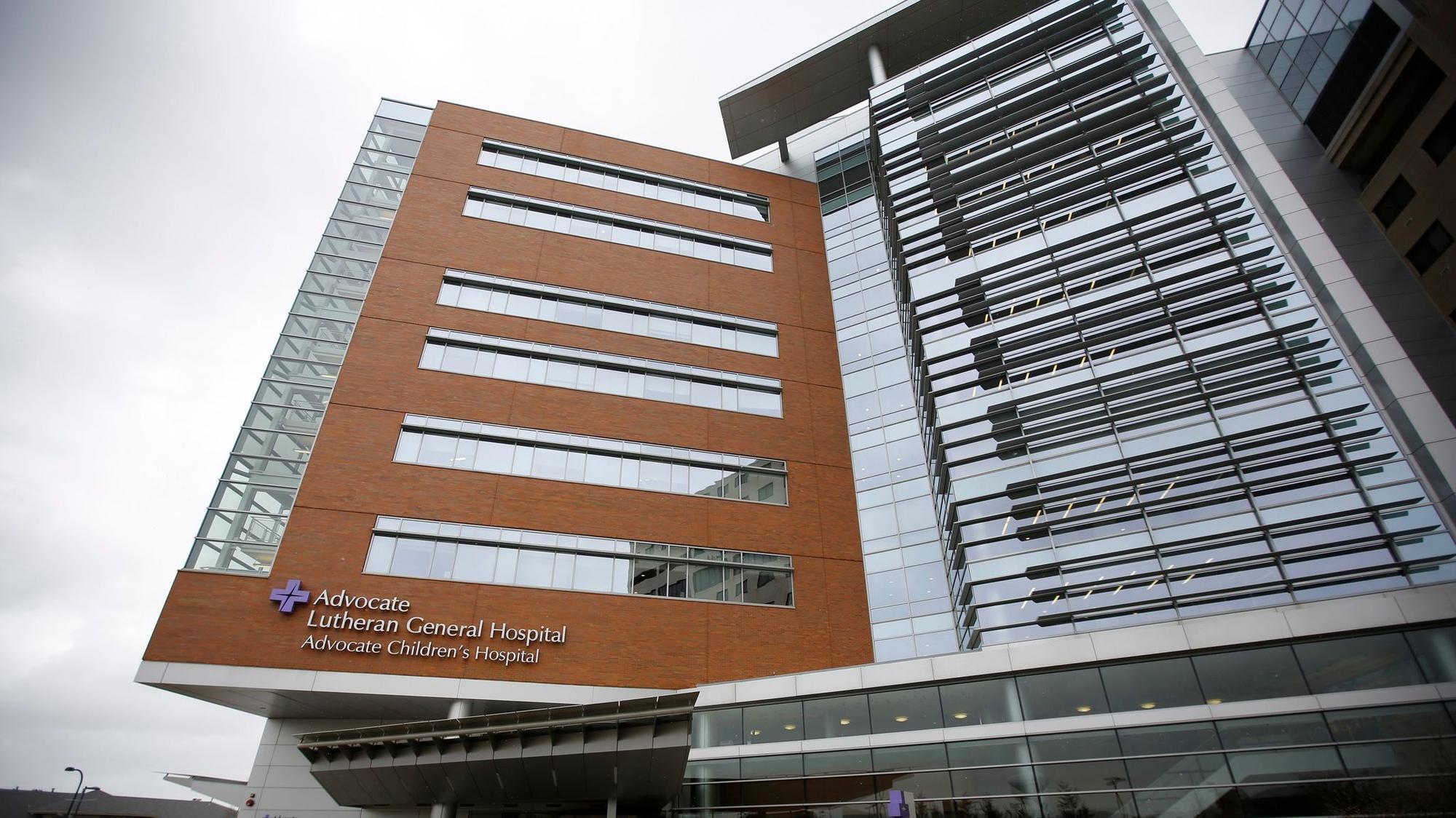
Image result for Illinois hospitals' financial struggles likely to continue into 2018

he list reads like a who’s who of hospital systems in the Chicago area: Advocate Health Care, Edward-Elmhurst Health, Centegra Health System.

But it’s a list of hospitals systems that cut jobs this year to deal with financial pressures — not a list any hospital is eager to join.

Hospitals in Illinois and across the country faced financial stresses this year and are likely to continue feeling the squeeze into 2018 and beyond, experts say. Those pressures could fuel more cuts, consolidation and changes to patient care and services.

“We have many hospitals doing their best just to survive,” said A.J. Wilhelmi, president and CEO of the Illinois Health and Hospital Association.

Moody’s Investors Service recently downgraded its outlook for not-for-profit health care and public health care nationally from stable to negative, with the expectation that operating cash flow will fall by 2 percent to 4 percent over the next 12-18 months. About three-fourths of Illinois hospitals are not-for-profit.

“(For) almost every hospital and health system we talk to, (financial pressure) is at the top of their list in terms of ongoing issues,” said Michael Evangelides, a principal at Deloitte Consulting.

A number of factors are to blame.

Leaders of Illinois systems say reimbursements from government insurance programs, such as Medicaid and Medicare, don’t cover the full cost of care. And with baby boomers growing older, many hospitals’ Medicare populations are on the rise. It doesn’t help that payments to hospitals from the state were delayed amid Illinois’ recently resolved, two-year budget impasse, Wilhelmi said.

Unpaid medical bills, known as bad debt, are also increasing as more patients find themselves responsible for large deductibles. Payments from private insurers are no longer helping hospitals as much as they once did. Though those payments tend to be higher than reimbursements from Medicare and Medicaid, they’re not growing as fast as they used to, said Daniel Steingart, a vice president at Moody’s.

Growing expenses, such as for drugs and information technology services, also are driving hospitals’ financial woes. And hospitals are spending vast sums on electronic medical record systems and cybersecurity, Steingart said.

Many also expect that the new federal tax bill, passed Wednesday, may further strain hospital budgets in the future. That bill will do away with the penalty for not having health insurance, starting in 2019. Hospital leaders worry that change will lead to more uninsured people who have trouble paying hospital bills and wait until their conditions become dire and complex before seeking care.

With so much going on, it can be tough for hospitals to meet revenue goals.

“You’re talking about a phenomenon taking place across the country,” said Advocate President and CEO Jim Skogsbergh. Advocate announced in May that it planned to make $200 million in cuts after failing to meet revenue targets. In March, Advocate walked away from a planned merger with NorthShore University HealthSystem after a federal judge sided with the Federal Trade Commission, which had challenged the deal. Advocate is now hoping to merge with Wisconsin health care giant Aurora Health Care, although the hospital systems say financial issues aren’t driving the deal.

“Everybody is seeing declining revenues, and margins are being squeezed. It’s a very challenging time,” Skogsbergh said.

Hospitals in Illinois have responded to the pressures in a number of ways, including with job reductions. Advocate laid off about 75 workers in the fall; Centegra announced plans in September to eliminate 131 jobs and outsource another 230; and Edward-Elmhurst laid off 84 employees, eliminating 234 positions in all, mostly by not filling vacant spots.

Hospitals also are changing some of the services they offer patients and delaying technology improvements, said the Illinois hospital association’s Wilhelmi.

Centegra Hospital-Woodstock earlier this year stopped admitting most overnight patients, one of a number of changes meant to save money and increase efficiency. As a result, the system “achieved our goal of keeping much-needed services in our community,” spokeswoman Michelle Green said in a statement.

Many Illinois hospitals have also cut inpatient pediatric services, citing weak demand, and are instead investing in outpatient services.

The challenge is saving money while improving care and patient outcomes, said Evangelides of Deloitte. Hospitals are striving to do both at the same time.

Advocate, for example, opened its AdvocateCare Center in 2016 on the city’s South Side to treat Medicare patients with multiple chronic illnesses and conditions. The clinic offers doctors, pharmacists, physical therapists, social workers and exercise psychologists. It has helped reduce hospital admissions and visits among its patients, said Dr. Lee Sacks, Advocate executive vice president and chief medical officer.

Advocate didn’t open the clinic primarily to help its bottom line. The goal was to improve patient care while also potentially reducing some costs.

But such moves are becoming increasingly important to hospitals.

“It really does impact everyone,” Evangelides said of the financial pressures facing hospitals. “We all have a giant stake in helping and hoping that the systems across the country … can ultimately survive and thrive.”


Trinity Health’s operating income nearly doubles in most recent quarter

https://www.beckershospitalreview.com/finance/trinity-health-s-operating-income-nearly-doubles-in-most-recent-quarter.html

Image result for trinity health headquarters

Livonia, Mich.-based Trinity Health ended the first quarter of fiscal year 2018 with operating income of $80 million, nearly double the operating income of $43.3 million the 93-hospital health system recorded in the same period of the year prior, according to recently released bondholder documents.

Trinity Health said revenues increased 2.9 percent year over year to $4.4 billion in the first quarter of fiscal year 2018. The revenue growth was largely attributable to higher patient volumes and payment rates. Trinity Health said patient volume increased year over year in 11 of its 20 regional markets.

After factoring in expenses, which increased 2.1 percent year over year, as well as losses on interest rate swaps and lower investment income, Trinity ended the first quarter of fiscal year 2018 with net income of $399 million. That’s compared to the first quarter of fiscal year 2017, when the health system posted net income of $467.5 million.


Moody’s assigns ‘Aa3’ to University of Pennsylvania Health System

https://www.beckershospitalreview.com/finance/moody-s-assigns-aa3-to-university-of-pennsylvania-health-system.html

Related image

Moody’s Investors Service assigned its “Aa3” rating to Philadelphia-based University of Pennsylvania Health System’s proposed $200 million series 2017 taxable bonds as well as its proposed $400 million series A of 2017 revenue bonds.

At the same time, Moody’s affirmed the “Aa3” rating on UPHS’ outstanding bonds.

The affirmation is a result of several factors, including the health system’s strong market position, favorable reputation, close affiliation with the University of Pennsylvania and healthy liquidity. Moody’s also acknowledged UPHS’ limited debt burden and effective management of capital spending.

The outlook is stable, reflecting Moody’s expectation that UPHS will maintain solid operating margins to absorb some of the decline in liquidity as construction projects progress.

Fitch revises Prime Healthcare Foundation’s outlook to negative

https://www.beckershospitalreview.com/finance/fitch-revises-prime-healthcare-foundation-s-outlook-to-negative.html

Image result for prime healthcare


Fitch Ratings assigned its “BB-” rating to Ontario, Calif.-based Prime Healthcare Foundation’s proposed $123 million series 2017A and $127 million series 2017B.

The assignment was a result of PHF’s strong liquidity metrics relative to its debt burden and its experienced senior management team.

The outlook was revised to negative from stable, reflecting PHF’s unexpected decline in profitability and an increased debt burden.

8 hospitals with strong finances

https://www.beckershospitalreview.com/finance/8-hospitals-with-strong-finances-112117.html

Here are eight hospitals and health systems with strong operational metrics and solid financial positions, according to recent reports from Fitch Ratings, Moody’s Investors Service and S&P Global Ratings.

Note: This is not an exhaustive list. Hospital and health system names were compiled from recent credit rating reports and are listed in alphabetical order.

1. Downers Grove, Ill.-based Advocate Health Care has an “Aa2” rating and stable outlook with Moody’s. The health system has a strong market position, healthy liquidity, moderate leverage and good debt metrics, according to Moody’s.

2. Phoenix-based Banner Health has an “AA-” rating and stable outlook with Fitch. The health system has a solid market position, adequate liquidity and healthy capital spending, according to Fitch.

3. Milwaukee-based Children’s Hospital and Health System has an “Aa3” rating and stable outlook with Moody’s. The system has a strong balance sheet and is the dominant provider of tertiary and quaternary pediatric services in southeastern Wisconsin, according to Moody’s.

4. Cook Children’s Medical Center in Fort Worth, Texas, has an “Aa2” rating and stable outlook with Moody’s. The hospital has a strong market position, favorable leverage metrics and a solid liquidity position, according to Moody’s.

5. Mercy Health in Cincinnati has an “Aa3” rating and stable outlook with Moody’s and an “AA-” rating and stable outlook with S&P. The health system has solid debt service coverage and strong balance sheet metrics, according to Moody’s.

6. Nationwide Children’s Hospital in Columbus, Ohio, has an “Aa2” rating and stable outlook with Moody’s. The hospital has a strong market position, solid cash flow and healthy revenue growth, according to Moody’s.

7. Iowa City-based University of Iowa Hospitals & Clinics has as “Aa2” rating and stable outlook with Moody’s. The health system has a broad market with growing patient volumes and geographic reach for its high-acuity services. Moody’s expects the health system’s expense control initiatives to continue to gain traction through fiscal year 2018.

8. Philadelphia-based University of Pennsylvania Health System has an “Aa3” rating and stable outlook with Moody’s. The health system has a strong market position, solid operating margins and limited debt burden, according to Moody’s.


CHS in negotiations to extend nearly $2B in debt

https://www.beckershospitalreview.com/finance/chs-in-negotiations-to-extend-nearly-2b-in-debt.html

Image result for ship taking on water

Franklin, Tenn.-based Community Health Systems is in talks with a group of bondholders led by Franklin Resources, an asset management company, to extend approximately $2 billion in bonds due in 2019, people familiar with the matter told the Wall Street Journal.

The company is in talks to swap the 2019 unsecured notes for debt secured by its assets, one person familiar with the matter told WSJ. This type of transaction would be difficult for CHS to complete, as the company can only issue about $1 billion in new secured debt without permission from its lenders to waive a covenant in its revolver loans.

Extending the debt due in 2019 is only a short-term solution because CHS faces billions of dollars in debt maturities from 2020 to 2023, according to the report.

CHS put a financial turnaround plan into place last year, which included selling 30 hospitals to reduce its heavy debt load. The company completed the divestiture plan earlier this month. With the help of proceeds from the hospital sales, CHS brought down its long-term debt load to $13.9 billion in the third quarter of this year, from $14.8 billion in the same period of 2016.

CHS ended the most recent quarter with a net loss of $110 million on revenues of $3.67 billion. That’s compared to the third quarter of 2016, when the company posted a net loss of $79 million on revenues of $4.38 billion.


Medicaid Expansion Has Improved the Financial Outlook for Safety-Net Hospitals

http://www.commonwealthfund.org/publications/issue-briefs/2017/nov/financial-impact-state-medicaid-expansion-safety-net-hospitals

Abstract

  • Issue: Safety-net hospitals play a vital role in delivering health care to Medicaid enrollees, the uninsured, and other vulnerable patients. By reducing the number of uninsured Americans, the Affordable Care Act (ACA) was also expected to lower these hospitals’ significant uncompensated care costs and shore up their financial stability.
  • Goal: To examine how the ACA’s Medicaid expansion affected the financial status of safety-net hospitals in states that expanded Medicaid and in states that did not.
  • Methods: Using Medicare hospital cost reports for federal fiscal years 2012 and 2015, the authors compared changes in Medicaid inpatient days as a percentage of total inpatient days, Medicaid revenues as a percentage of total net patient revenues, uncompensated care costs as a percentage of total operating costs, and hospital operating margins.
  • Findings and Conclusions: Medicaid expansion had a significant, favorable financial impact on safety-net hospitals. From 2012 to 2015, safety-net hospitals in expansion states, compared to those in nonexpansion states, experienced larger increases in Medicaid inpatient days and Medicaid revenues as well as reduced uncompensated care costs. These changes improved operating margins for safety-net hospitals in expansion states. Margins for safety-net hospitals in nonexpansion states, meanwhile, declined.

Background

Through their missions or legal mandate, safety-net hospitals provide care to all patients, regardless of their ability to pay.1 They include public hospitals, which are often providers of last resort in their communities; academic medical centers, which combine their teaching function with a mission to serve vulnerable populations; and certain private hospitals.

Safety-net hospitals deliver a significant level of care to low-income patients, including Medicaid enrollees and the uninsured, typically providing services that other hospitals in the community do not offer — trauma, burn care, neonatal intensive care, and inpatient behavioral health, as well as education for future physicians and other health care professionals. They are also an important source of care to uninsured individuals who are ineligible for Medicaid or subsidized marketplace coverage because of their citizenship status.2

Several studies have suggested major reductions in uncompensated care and improved financial status at safety-net institutions in states that expanded Medicaid compared to those in states that did not expand.3,4 However, these results were based on interviews with a limited number of safety-net health system executives and staff. Our analysis expands on this research by examining changes in key financial metrics — that is, uncompensated care, Medicaid costs and revenues, and total hospital margins–across safety-net hospitals nationally using standardized data.

When compared to other short-term acute care hospitals, hospitals that met our safety-net hospital criteria had substantially higher Medicaid revenue and uncompensated care levels than non-safety-net hospitals. Safety-net hospitals, however, had lower operating margins (Exhibit 1).

Below we discuss findings on the impact of the Affordable Care Act’s (ACA) Medicaid expansion on safety-net hospitals’ financial status. The ACA allowed states to expand Medicaid eligibility to nonelderly adults with incomes up to 138 percent of the federal poverty level. The reduction in the number of uninsured under the ACA coverage expansions was expected to reduce the uncompensated care that hospitals provide, thus improving their financial status. As of 2015, 31 states and the District of Columbia had expanded Medicaid, while 19 states had not.5

We measure changes in the financial status of safety-net hospitals in states that expanded Medicaid prior to 2015 (326 hospitals) versus safety-net hospitals in states that did not expand or expanded in 2015 or after (268 hospitals). (See “How We Conducted This Study” for complete methods.)

Key Findings

Our analysis of Medicare cost report data for federal fiscal years 2012 and 2015 shows a sizable contrast in financial performance between safety-net hospitals in states that expanded Medicaid under the ACA and those in states that did not. Performance metrics included the following:

    • Hospital operating margins.6 Operating margins improved for safety-net hospitals located in Medicaid expansion states compared with declines for those in states that did not expand. From 2012 to 2015, operating margins for safety-net hospitals in Medicaid expansion states increased from –3.2 percent to –2.1 percent in 2015 (Exhibit 2, Appendix A). In contrast during the same period, operating margins for safety-net hospitals in nonexpansion states declined from 2.3 percent to 2.0 percent. Largely accounting for this difference were increased Medicaid revenues and reduced uncompensated care costs. Even after expansion, safety-net hospitals’ operating margins in Medicaid expansion states were lower than those in nonexpansion states.
    • Medicaid inpatient days. From 2012 to 2015, safety-net hospitals in Medicaid expansion states experienced larger growth in Medicaid utilization than those in nonexpansion states (Exhibit 3). During the study period, Medicaid inpatient days in expansion states rose 13.5 percent. In comparison, Medicaid inpatient days in nonexpansion states fell slightly, by 0.9 percent.
    • Medicaid revenues and costs.7 The rise in use of safety-net hospitals in Medicaid expansion states resulted in these hospitals’ increased Medicaid revenue and costs compared to a slight decline in nonexpansion states (Exhibit 4). From 2012 to 2015, safety-net hospitals’ Medicaid revenues as a share of net patient revenues rose 12.7 percent in Medicaid expansion states. In contrast, during the same period, safety-net hospitals’ Medicaid revenues as a share of net patient revenues declined 1.8 percent in nonexpansion states. However, safety-net hospitals’ profit margins on Medicaid patients fell from 6.8 percent to 0.7 percent in expansion states, suggesting that the revenues received for newly eligible patients did not keep pace with the higher cost of treating these patients.
    • Uncompensated care costs.8 In 2012, safety-net hospitals’ uncompensated care costs as a percent of total hospital operating costs equaled 6.7 percent in expansion states compared to 5.7 percent in nonexpansion states (Exhibit 5). By 2015, however, the safety-net hospitals’ share of uncompensated care declined to 3.5 percent in expansion states, or a reduction of 47.4 percent. By comparison, in nonexpansion states that year, uncompensated care costs as a share of total hospital operating costs fell to 5.3 percent, a 7.8 percent reduction.

Discussion

These data suggest that the Medicaid expansion created by the ACA had a significant positive financial impact on safety-net hospitals in states that expanded Medicaid eligibility relative to those in states that did not expand. Safety-net hospitals in expansion states saw larger increases in Medicaid patient volume and revenue, reduced uncompensated care, and improved financial margins compared to safety-net hospitals in nonexpansion states. Although our study’s results are specific to safety-net hospitals, other studies have found similar trends across all hospitals in expansion and nonexpansion states.9

The improved financial stability of safety-net hospitals could allow these hospitals to continue expanding outpatient capacity, invest in strategies to improve care coordination, hire new staff, and develop better infrastructure to monitor costs.10 Such investments can also help prepare hospitals for new payment arrangements that may require them to assume more financial risk for patient care and outcomes. Improvements not only benefit the institutions and Medicaid patients but the communities these hospitals serve.

Current attempts to repeal the ACA aim to eliminate the Medicaid expansions over time and curtail Medicaid spending by more than $800 billion over 10 years. The Congressional Budget Office estimates that about 14 million people could lose their Medicaid coverage by 2026, which would have an adverse effect on safety-net hospitals in those states. Specifically, safety-net hospitals’ gains in reduced uncompensated care and improved overall financial margins could be lost in the future.