



Fear is insidious. It changes how we see the world and how we treat others. Here are 5 important reasons why fear has no place in our workplaces, our families or our communities:
5 Reasons Fear Has No Place in Leadership
Diagnosing why innovation hasn’t stopped healthcare productivity declines

Autonomous vehicles. Augmented reality. Artificial Intelligence.
The world is undergoing radical transformation via technological innovation. Healthcare is not immune to this trend and has lately unleashed its own wonders from CRISPR to 3D-printed prosthesis to sensor-enabled pills. We can truly transform lives in ways unimaginable even just 10 years ago.
In other ways, however, healthcare lags.
In transportation, Google’s first “driverless” Street View cars were on the road a scant few years after the DARPA Grand Challenges of the mid-2000s that paved the way for them, and Uber become a verb in the same amount of time it takes to implement a current EHR system. Furthermore, Amazon’s chatty Alexa now interacts with you in your home, having arrived just a short time after Siri became the personal assistant in your pocket.
Healthcare innovation has been incapable of gaining similar traction even with profound technological advances.
There is an unmentionable dark side of healthcare innovation.
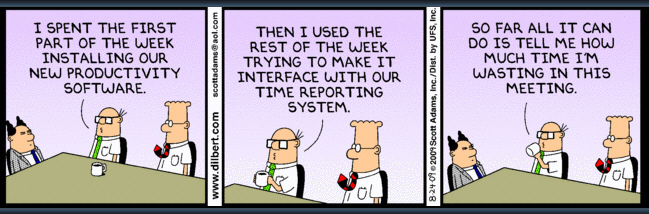
Advances in productivity via utilization of new tools and technologies has been anemic. Healthcare is struggling to keep pace with other industries. In fact, in a recent McKinsey study, healthcare is one of only two industries (construction is the other) that has shown a productivity decline. Read that again: Despite IT spending growth increasing by over 5 percent per year over the last 10 years, we’ve actually seen the healthcare labor pool and service environment become less efficient!
http://www.healthcaredive.com/news/9-ways-hospitals-can-reduce-debt/430488/

Healthcare reform has had a dramatic impact on hospital reimbursement. While millions of Americans are now insured under the Affordable Care Act, high-deductible health plans can leave patients cash-strapped after expensive episodes of care. Sometimes, patients can’t pay for the services they receive, pushing up bad debt at hospitals. At the same time, hospitals are dealing with lower reimbursements and a shift from inpatient to outpatient care, leaving some with property and beds that are no longer financially productive.
Take Community Health Systems for example. Burdened with $15 billion in debt , the Franklin, TN-based hospital chain sold a four-hospital joint venture and spun off 38 hospitals into a separate entity, Quorum Health Corp., earlier this year. Recently, the system inked deals to sell an additional 17 hospitals.
According to Patrick Pilch, head of BDO Consulting’s healthcare advisory practice, many hospitals and health systems don’t have a complete handle on what their costs of care are and they’re losing money as a result. “Understanding your costs of care as well as your cost of capital is imperative,” he tells Healthcare Dive. “Then align that to a future strategy. That’s where you’re going to pull your way out of debt.”
Hospitals should look at their assets, business plan, market and supply chain and then see how those align with their capital strategy, Pilch says. With interest rates expected to rise, non-investment grade hospitals will have a harder time getting capital. “If you have a lot of capital that’s not performing well, you’re in a bit of a state right now,” he adds.
Here are nine ways hospitals can work on debt:


https://www.cbo.gov/publication/51920

Our analysis of hospitals’ profit margins incorporates the effects of the cuts in Medicare’s hospital payment updates specified in the ACA, other reductions in federal payments to hospitals specified in the ACA and in other recent laws, and demographic changes (which will put downward pressure on hospitals’ margins as more patients shift from higher-paying commercial insurance to lower-paying Medicare coverage). The analysis also incorporates the effects of the expansion of insurance coverage under the ACA, which will improve hospitals’ finances by reducing the number of patients who are uninsured. The analysis focuses on about 3,000 hospitals that provide acute care to the general population and are subject to the reductions in Medicare’s payment updates; it thus excludes most rural hospitals and all of Medicare’s “critical access” hospitals.
As a starting point, we estimated that the average profit margin of the hospitals included in the analysis was 6.0 percent in 2011 and that 27 percent of them had negative profit margins (in other words, they lost money) in that year. That share may be surprisingly high but is similar to the shares of hospitals with a negative annual profit margin over the past two decades. Although some hospitals have closed over that period, others have opened, overall access to care remains good (as measured by indicators such as service use and hospital capacity), and the quality of care may have improved.

 HENRY KOTULA