Tenet Healthcare and Steward Health Care System are battling in Delaware Chancery Court over whether Tenet can end information technology and data services to hospitals it sold to Steward last year, according to Law360.
Tenet entered into an agreement to sell five Florida hospitals to Steward last June, and the $1.1 billion deal closed less than two months later. Since the transaction closed, Tenet and Steward have been involved in litigation, with both Dallas-based organizations arguing they’re owed money.
Tenet claims Steward owes nearly $18.2 million and is insolvent, while Steward alleges Tenet owes more than $16.3 million and is obligated to continue providing the data and IT services to the hospitals now owned by Steward, according to Law360.
Vice Chancellor Sam Glasscock III ruled Aug. 1 that Steward and the five Florida hospitals must pay Tenet $2.8 million a month pending a final ruling in the case. The amount is based on the judge’s assessment of the likelihood Tenet will prevail in the case, according to Law360.
Mr. Glasscock wrote in his opinion that he finds it “readily conceivable” that Tenet will ultimately prevail on the issue of whether it has a right to terminate the services for nonpayment.
The Florida hospitals included in the sale were Coral Gables Hospital, Florida Medical Center in Lauderdale Lakes, Hialeah Hospital, North Shore Medical Center in Miami and Palmetto General Hospital in Hialeah.
Members of the Michigan Nurses Association are accusing the University of Michigan of unlawfully refusing to negotiate over nurses’ workloads in its bargaining with the University of Michigan Professional Nurse Council.
The union, an affiliate of National Nurses United and AFL-CIO, represents about 13,000 registered nurses and healthcare professionals in Michigan, including workers employed by the University of Michigan. The University of Michigan regents hold the contract with the University of Michigan Professional Nurse Council, the largest bargaining unit of the Michigan Nurses Association.
A total of 6,200 University of Michigan Health nurses have been working without a new contract since July 1, and they are working under the terms of the expired agreement, according to hospital and union statements. The University of Michigan Health, the clinical division of Ann Arbor-based Michigan Medicine, told Becker’s in a statement that during negotiations, it has offered a 21 percent base pay increase for nurses over the life of the contract, as well as a new salary step program for nurse practitioners and the safe elimination of mandatory overtime.
The union contends the University of Michigan has refused to bargain over safe workloads regarding the number of patients assigned per nurse, which it says is tied directly to nurses’ patient safety concerns. As a result, it filed a lawsuit Aug. 15 in the Michigan Court of Claims.
“When nurses are forced to take care of too many people at once, patient care gets compromised and nurses are put in danger of injury or burnout, and that’s happening far too often at our hospital,” said Renee Curtis, RN, president of the University of Michigan Professional Nurse Council, said in a news release.
“University of Michigan Health makes staffing determinations with patient safety at the forefront of its decisions, and this has produced outstanding safety results,” the health system said in its statement. “The health system continuously receives recognition as Michigan’s safest hospital with recent recognitions by top agencies.”
University of Michigan Health also said it “plans to vigorously defend itself” against the union lawsuit.
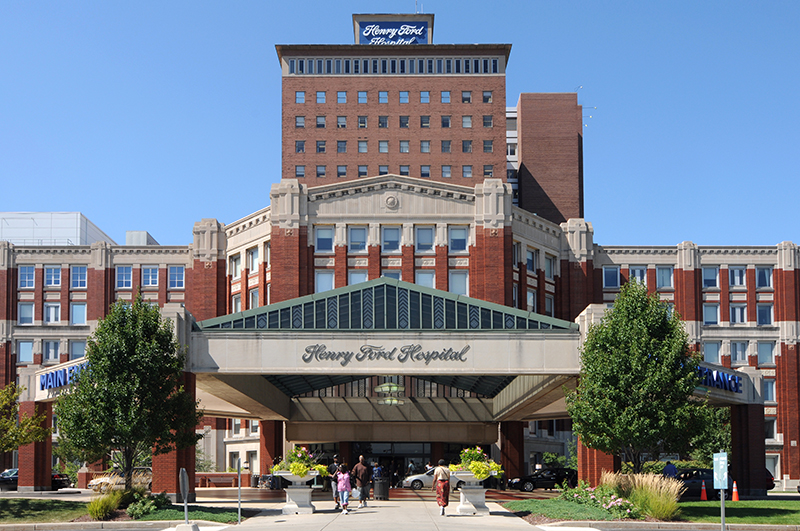
Detroit-based Henry Ford Health ended the first half of this year with an operating loss, according to financial documents released Aug. 15.
In the first two quarters of this year, Henry Ford Health reported revenue of $3.41 billion, up from $3.36 billion in the same period a year earlier. Net patient service revenue and healthcare premium revenue were up year over year. The health system attributed the increase in patient service revenue to higher pharmacy and outpatient volume.
After factoring in expenses, which grew 4.4 percent year over year, the health system ended the first six months of this year with an operating loss of $74.77 million and an operating margin of -2.2 percent. Henry Ford Health reported operating income of $19.29 million in the first half of 2021.
Henry Ford Health’s nonoperating loss totaled $272.53 million in the first six months of this year, which was primarily attributed to a significant loss on investments. In the first half of 2021, the health system reported nonoperating income of $134.65 million.
Henry Ford Health closed out the first half of this year with a net loss of $347.98 million, compared to a net income of $153.18 million in the same period of 2021.
U.S. market volatility erased $3.4 trillion from 401(k)s and IRAs in the first half of 2022, making for an anxious time for many workers trying to plan their retirements.
The 2022 losses suggest the retirement savings shortfall among U.S. households is worsening from its $7.1 trillion valuation in 2019, an estimate that came out of Boston College. At that time, half of working families faced were at risk of not being able to maintain their standard of living once they retired.
This proportion likely hasn’t changed much since, Alicia Munnell, director of Boston College’s Center for Retirement Research, told Bloomberg. The people who profited from gains to stock and housing prices over the past three years “were people who weren’t at risk in the first place,” she said.
“Living standards are going to decline for a large portion of the population who are in retirement — that’s the concern,” Richard Johnson, a retirement expert at the Urban Institute, told Bloomberg. “For people who are not in that age group, it’s still concerning because it could strain the social safety net.”
Boston College’s 2019 report on the national retirement risk index concluded that “the only way to make a dramatic dent in the retirement risk problem is to combine saving more with working two years longer.”
The average age for retirement is the highest it has been for the past 30 years, sitting at 61. Nonretirees’ target retirement age has increased from 60 in 1995 to 66 today, meaning the average retirement age will increase even further in coming years if active workers retire when they plan to.
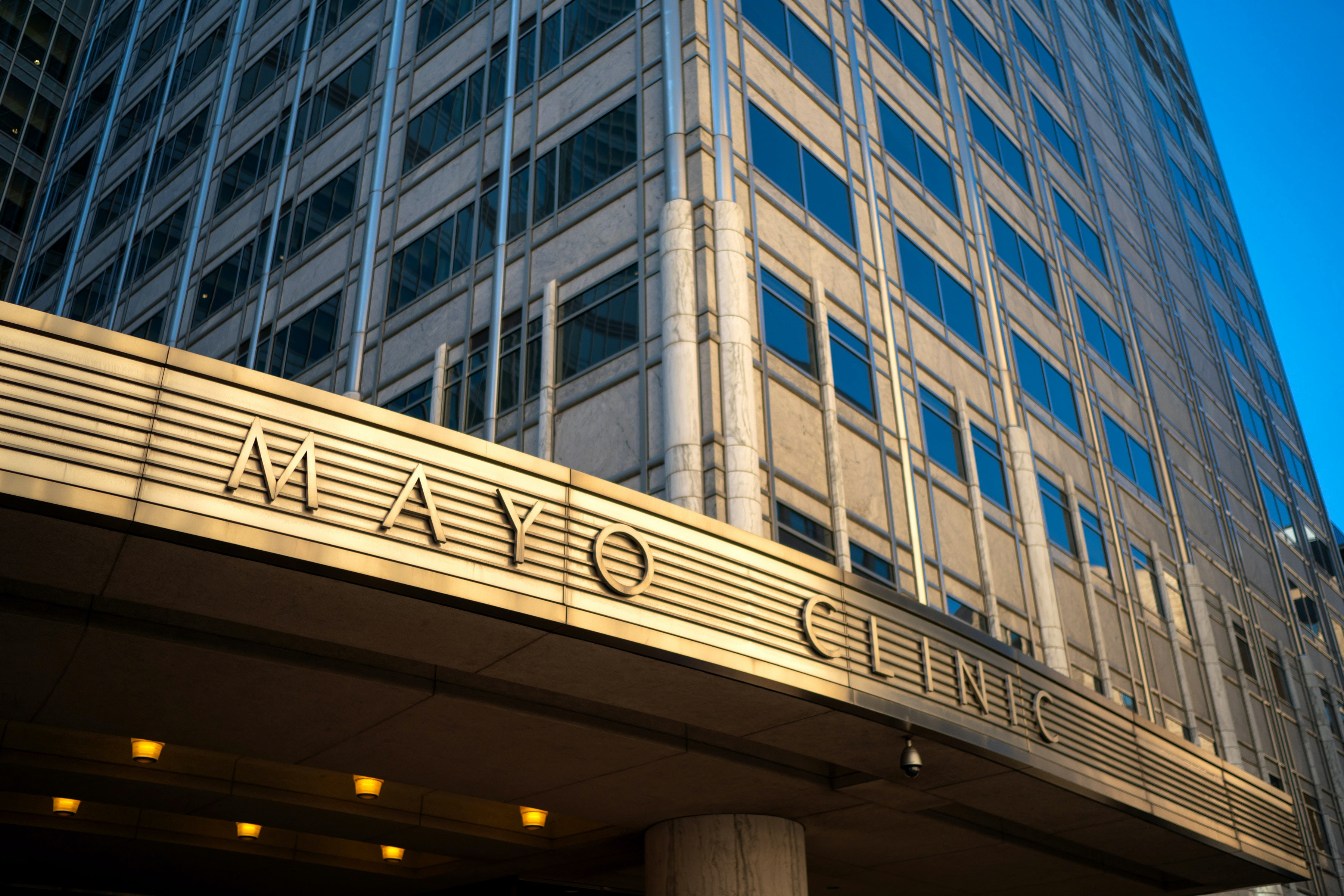
Mayo Clinic’s revenue and expenses were higher in the second quarter of this year, according to financial documents released Aug. 18.
Rochester, Minn.-based Mayo Clinic’s revenue totaled $4.03 billion in the second quarter of this year, up from $3.94 billion in the same period a year earlier.
The nonprofit health system’s expenses climbed 11 percent year over year to $3.88 billion in the second quarter of 2022. Mayo Clinic saw expenses increase across all categories, including salaries and benefits.
Mayo Clinic ended the second quarter of this year with operating income of $155 million, down 66 percent from $451 million in the same quarter of 2021.
Mayo Clinic has major campuses in Rochester, Jacksonville, Fla., and Scottsdale and Phoenix, Ariz.
Nonprofit hospitals’ median financial metrics showed improvement last year, but Fitch Ratings is projecting declines for next year and beyond.
The credit rating agency analyzed 2021 audited data and reported that “AA” rated hospital medians showed a 20 percent increase in cash to adjusted debt. “BBB” rated health systems had an 8 percent increase.
“The deceptively strong numerical improvements over prior years’ medians are less a sign of sector resiliency and more a cautionary calm before the storm,” Fitch Ratings senior director Kevin Holloran said in the Aug. 18 report. “Additional expenses, primarily labor, have become part of the permanent fabric of hospital operations, that when combined with ongoing incremental challenges will exert tremendous pressure on providers through calendar 2022 and beyond.”
Fitch predicts hospital medians will flip this time next year due to inflationary pressures, a challenging operational start to 2022 and additional omicron sub-variants.
Fitch also highlighted staffing as a concern for hospital medians.
“We are likely two years before some level of ‘normal’ returns to the sector,” Mr. Holloran said in the report. “For many hospitals, their ‘value journey’ will be on temporary hold until expenses stabilize and become more predictable.”
ChristianaCare signed a letter of intent in February to acquire Crozer Health from Prospect Medical Holdings. The health systems announced Aug. 18 that the deal will not move forward.
Wilmington, Del.-based ChristianaCare and Los Angeles-based Prospect Medical Holdings said significant changes in the economic landscape since the letter of intent was signed in February impacted the ability of the deal to move forward.
“Both organizations worked very hard to reach a final agreement and have significant respect for each other, and remain committed to caring for the health of those in Delaware County,” ChristianaCare and Prospect Medical Holdings said in a joint news release.
Springfield, Pa.-based Crozer Health includes four hospitals and was acquired by Prospect Medical Holdings in 2016.
Here are eight health systems with strong operational metrics and solid financial positions, according to reports from Fitch Ratings and Moody’s Investors Service.
1. Advocate Aurora Health has an “AA” rating and stable outlook with Fitch. The health system, dually headquartered in Milwaukee and Downers Grove, Ill., has a strong financial profile and a leading market position over a broad service area in Illinois and Wisconsin, Fitch said. The health system’s fundamental operating platform is strong, the credit rating agency said.
2. Banner Health has an “AA-” rating and stable outlook with Fitch. The Phoenix-based health system’s core hospital delivery system and growth of its insurance division combine to make it a successful highly integrated delivery system, Fitch said. The credit rating agency said it expects Banner to maintain operating EBITDA margins of about 8 percent on an annual basis, reflecting the growing revenues from the system’s insurance division and large employed physician base.
3. Lincoln, Neb.-based Bryan Health has an “AA-” rating and stable outlook with Fitch. The health system has a leading and growing market position, very strong cash flow and a strong financial position, Fitch said. The credit rating agency said Bryan Health has been resilient through the COVID-19 pandemic and is well-positioned to accommodate additional strategic investments.
4. Gundersen Health System has an “AA-” rating and stable outlook with Fitch. The La Crosse, Wis.-based health system has strong balance sheet metrics and a leading market position and expanding operating platform in its service area, Fitch said. The credit rating agency expects the health system to return to strong operating performance as it emerges from disruption related to the COVID-19 pandemic.
5. Hackensack Meridian Health has an “AA-” rating and stable outlook with Fitch. The Edison, N.J.-based health system has shown consistent year-over-year increases in market share and has a solid liquidity position, Fitch said.
6. Falls Church, Va.-based Inova Health System has an “Aa2” rating and stable outlook with Moody’s. The health system has a consistently strong operating cash flow margin and ample balance sheet resources, Moody’s said. Inova’s financial excellence will remain undergirded by its favorable regulatory and economic environment, the credit rating agency said.
7. Salt Lake City-based Intermountain Healthcare has an “Aa1” rating and stable outlook with Moody’s. The health system has exceptional credit quality, which will continue to benefit from its leading market position in Utah, Moody’s said. The credit rating agency said the health system’s merger with Broomfield, Colo.-based SCL Health will give Intermountain greater geographic reach.
8. UnityPoint Health has an “AA-” rating and stable outlook with Fitch. The Des Moines, Iowa-based health system has strong leverage metrics and cash position, Fitch said. The credit rating agency expects the health system’s balance sheet and debt service coverage metrics to remain robust.