


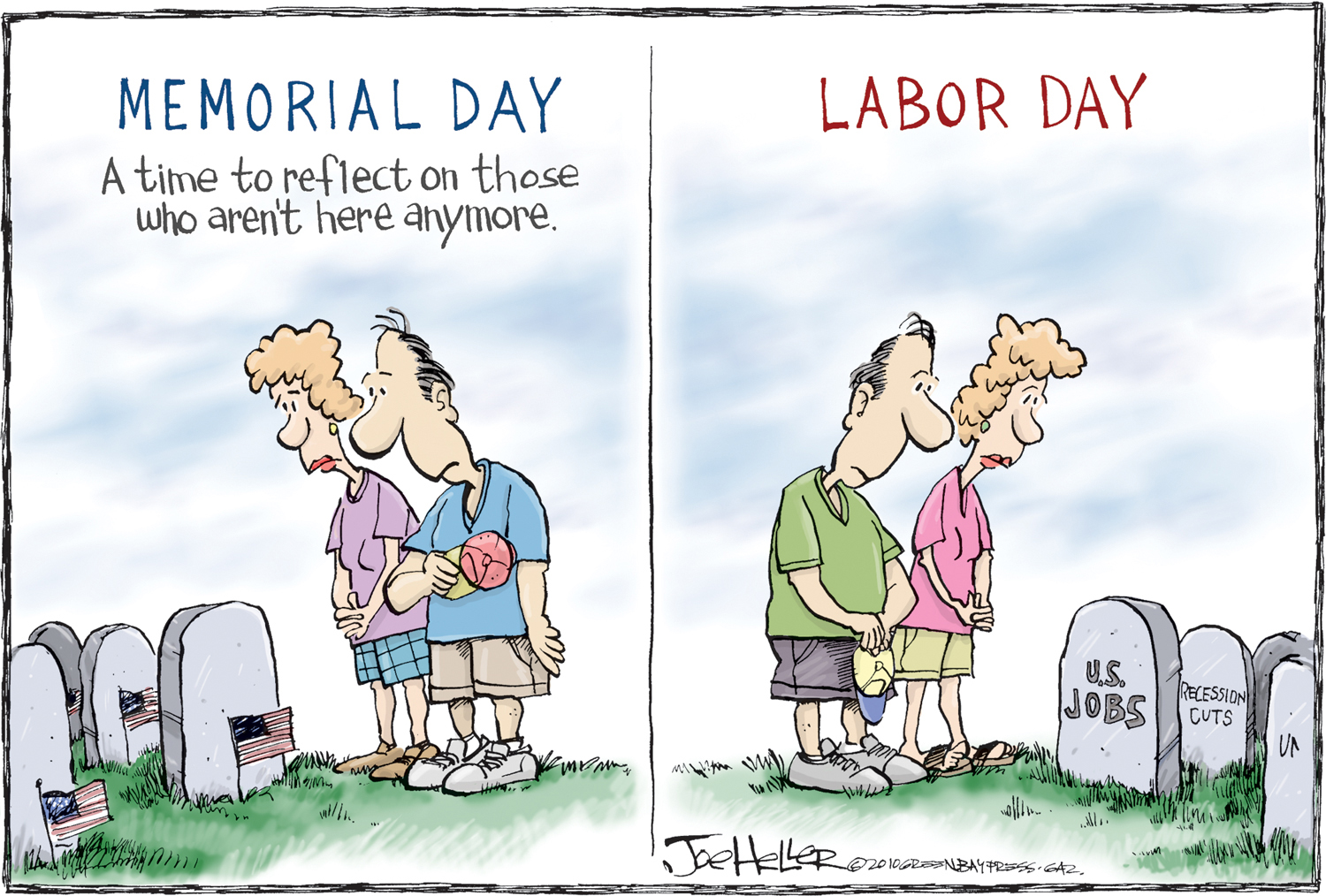
Cartoon – Things to Remember on Memorial Day




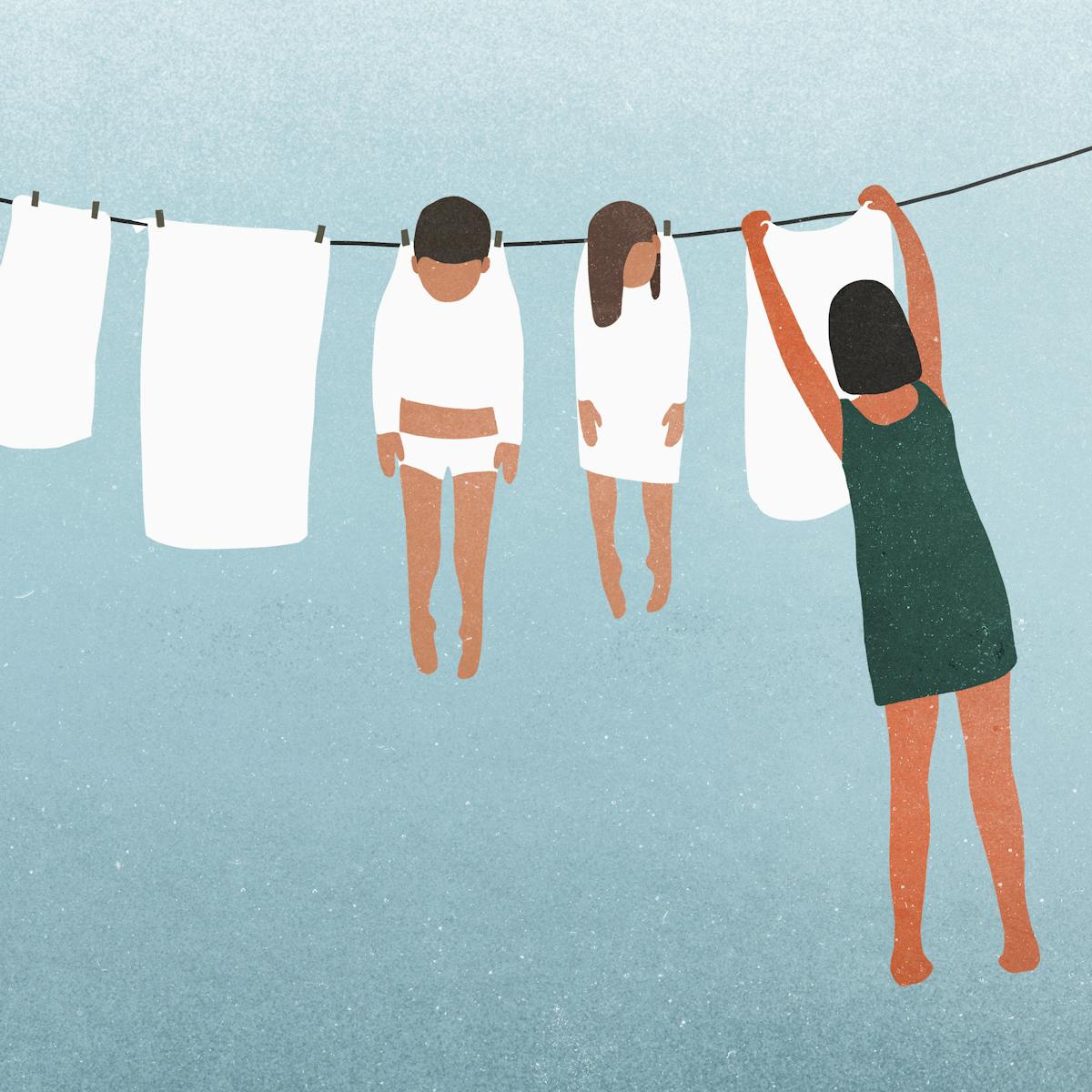
I have a Ph.D. from Harvard and a 20-month-old child.
Without child care, life revolves around the toddler.
I am a political science professor and researcher, but lacking child care, I count myself lucky to work a few hours each day.
I am increasingly aware there is no such thing as the so-called work/family conflict. This is not only a personal observation. Scholars have found that good jobs – full-time, with benefits – and family, without help, are simply incompatible.
The concept is also wrong. If three-quarters of American women become mothers, and also most women do paid work, then doing both is, well, life; it’s not some existential, context-free choice.
Work and family are both full-time pursuits. If the problem is framed as a choice between them, the battle is lost, since family will usually win. Telecommuting and “workplace flexibility” are important but do not make up for a lack of time and space to think and work.
Those who need care, especially little children, are needy and adorable, and mothers are evolutionarily disposed to focus on them.
(Whoops, excuse me, the toddler is trying to kill herself again … OK, child saved, with minimal screaming on both of our parts. Now what was I thinking? Did I reorder all our prescriptions? Hold on, I’ll be back.)
The national shift to home-based work and schooling has had challenging consequences for parents, especially mothers. Sometimes these effects are lovely, like giving us more time with family, but if your goal is getting work done, good luck to you.

Working at home these days without child care is incredibly difficult unless I can escape to another room and close a door. This inevitably triggers screaming, but oh well.
She’s worse than a cat; she climbs on me, presses things on the computer, sucks its edges and screams for attention, in addition to the normal baby bodily functions that comprise a disproportionate section of my thinking – when did she last poop? Is that a rash?
It’s not just me.
Submissions from women to academic journals have plummeted since COVID-19 hit.
One geography professor tweeted, “It’s hard enough to keep my head barely above the water with the kids at home and interruptions every 2 min … I can’t imagine writing a paper now.”
Another scholar said the data on diminished submissions from women made her cry because it wasn’t just her.
It turns out that someone has to supervise – and sometimes force – children’s learning, even if online, and this takes actual work. With parks, museums, sports, pools and movie theaters closed, and with kids mostly unable to hang out with friends, someone also has to do the physical and emotional labor of keeping children busy, engaged and upbeat. This too is work.
Then there is the simple fact that family members are eating, working and playing in houses most of the time, which means more cooking, more cleaning, more grocery shopping and, yes, more toilet paper.
(OMG the baby took a two-hour nap. I got to exercise and even shower. No time for leg-shaving but I’m still a new woman. Now what was I thinking…)
Because it is not just time, you see. Sometimes the child is playing quietly, and theoretically I could sit down and bang out a research article, but my brain is fuzzy as hell.
I used to wonder what cows thought, standing there chewing their cud in a field. Now I know. They are thinking nothing. Especially with the nursing, I have great sympathy with cows lately.
Before the baby, and before COVID-19, I had great plans for composing scholarly articles in my head during all that nursing downtime. But I forgot that hormones can change your brain and behavior.

Feminist theory and research finds that much of what people think of as “biological sex” – female or male – is socially constructed, as in, strongly based on culturally contingent assumptions about women and men as groups. I firmly believe, and teach, this as evidence-based truth.
Hormones, though, have undeniable physical and mental effects. If they are turning your body into a milk-production and child-protection facility, there can be some side effects on brain function. Many of these changes (increased empathy and vigilance) are useful evolutionarily, and the physical alterations appear to be short-lived. But there can also be negative effects on memory and focus. If your brain is your job, as mine is, this can cause some serious work disruption.
Pat Schroeder had two young children when first elected to Congress as a Democrat from Colorado in the 1970s. When asked how she could do both jobs, she famously replied, “I have a brain and a uterus, and I use them both.”
I try to live up to Schroeder’s standard, but lately I’ve found I have to qualify it; I tell myself she meant sequentially, not simultaneously.
Sequential is fine, as long as I have time and space to switch gears – I’m a first-time mom at 40 and the gears sometimes stick or stall out – and the peace of mind to focus beyond the child and the never-ending housework. We don’t call this “women’s work” anymore, and men do more than they used to, but it’s essential work and still mostly done by women.
With luck and science, COVID-19 will recede soon, and we can trickle back to offices, for which I have a newfound respect.
Will the U.S. take something positive from this crisis by learning an enduring lesson about the power of child care?
Americans tend to think of having children as an expensive, private choice. The alternative is to think of it as a public good.
Other countries offer far more generous parental leave and low-cost, high-quality daycare, knowing that “work versus family” is a false formulation. The U.S. is losing serious talent and promoting gender inequality by continuing to misunderstand the problem.
There are many potential options when child care is made a priority in a society.
Government subsidies for child care centers would help low-income workers have access to good care. The U.S. almost managed this in 1971, when Congress passed, on a bipartisan vote, a bill to establish child care centers across the country, funded in part by the federal government. President Richard Nixon vetoed the bill.
Universal pre-K starting at age 3, as in New York City, is another option to advance the interests of working parents and children.
And because working parents are drowning in high child-care costs, the government could offer subsidies and tax relief for curriculum-based care – which encourages child development and learning as well as safety – for those early years. I make a pretty good salary, but still, an extra US$1,000 a month or more to ensure my child is safe and well cared for while I work is painful.
It’s not a work-family conflict; it is a lack of high-quality, low-cost child care. Framing the problem otherwise damages the ability to enact good solutions.
It also makes a lot of good, hardworking parents feel enduring guilt over a problem that isn’t theirs alone to solve.
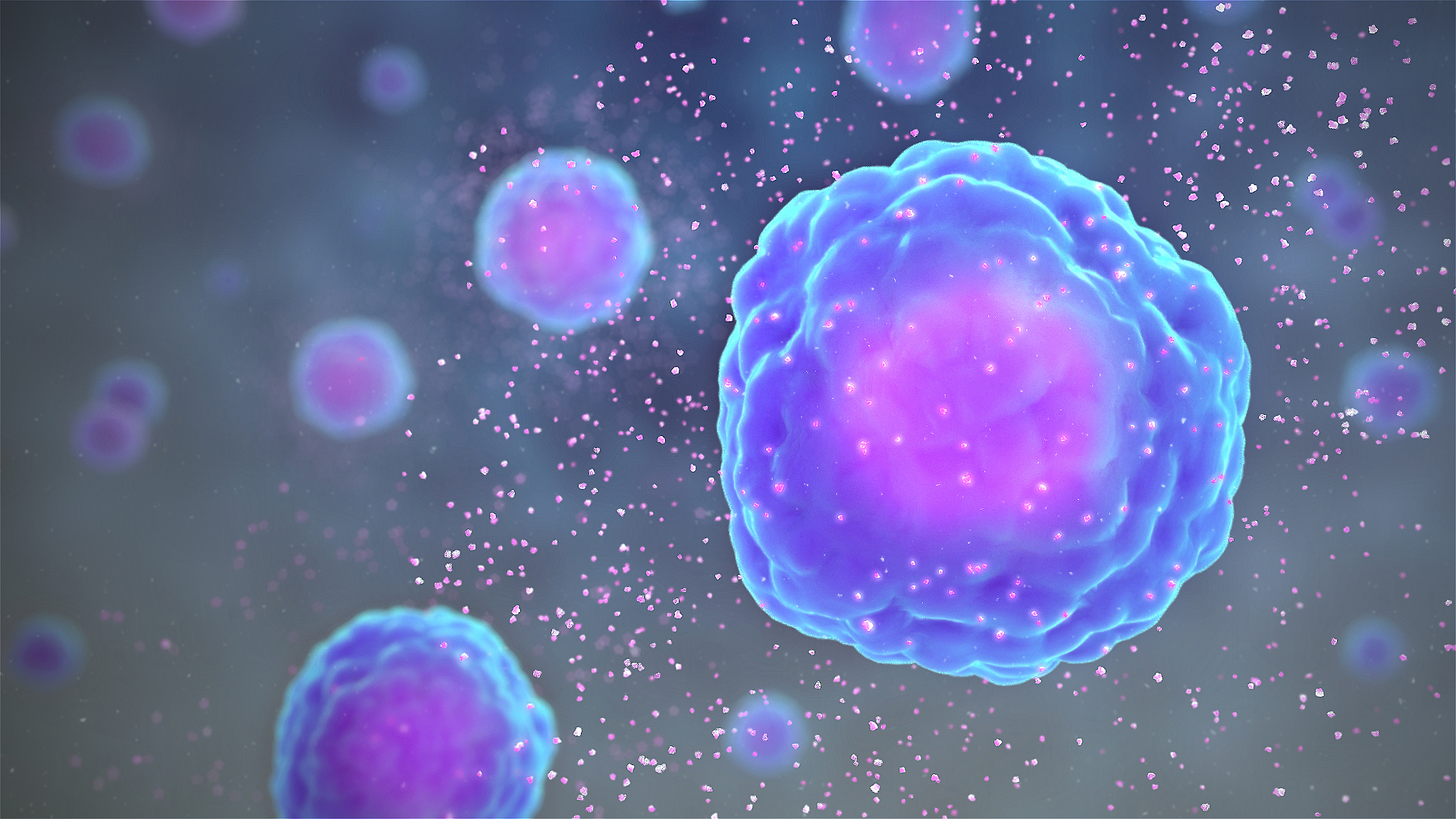
The killer is not the virus but the immune response.
The current pandemic is unique not just because it is caused by a new virus that puts everyone at risk, but also because the range of innate immune responses is diverse and unpredictable. In some it is strong enough to kill. In others it is relatively mild.
My research relates to innate immunity. Innate immunity is a person’s inborn defense against pathogens that instruct the body’s adaptive immune system to produce antibodies against viruses. Those antibody responses can be later used for developing vaccination approaches. Working in the lab of Nobel laureate Bruce Beutler, I co-authored the paper that explained how the cells that make up the body’s innate immune system recognize pathogens, and how overreacting to them in general could be detrimental to the host. This is especially true in the COVID-19 patients who are overreacting to the virus.
I study inflammatory response and cell death, which are two principal components of the innate response. White blood cells called macrophages use a set of sensors to recognize the pathogen and produce proteins called cytokines, which trigger inflammation and recruit other cells of the innate immune system for help. In addition, macrophages instruct the adaptive immune system to learn about the pathogen and ultimately produce antibodies.
To survive within the host, successful pathogens silence the inflammatory response. They do this by blocking the ability of macrophages to release cytokines and alert the rest of the immune system. To counteract the virus’s silencing, infected cells commit suicide, or cell death. Although detrimental at the cellular level, cell death is beneficial at the level of the organism because it stops proliferation of the pathogen.
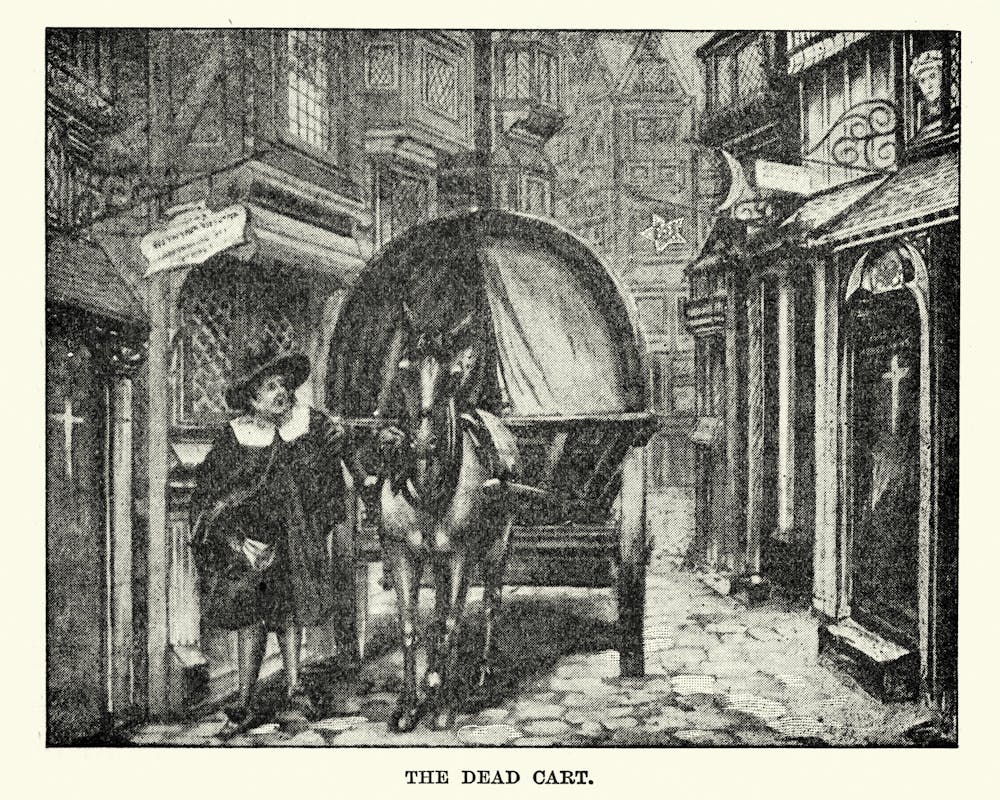
For example, the pathogen that caused the bubonic plague, which killed half of the human population in Europe between 1347 and 1351, was able to disable, or silence, people’s white blood cells and proliferate in them, ultimately causing the death of the individual. However, in rodents the infection played out differently. Just the infected macrophages of rodents died, thus limiting proliferation of the pathogen in the rodents’ bodies which enabled them to survive.
The “silent” response to plague is strikingly different from the violent response to SARS-CoV-2, the virus that causes COVID-19. This suggests that keeping the right balance of innate response is crucial for the survival of COVID-19 patients.
Here’s how an overreaction from the immune system can endanger a person fighting off an infection.
Some of the proteins that trigger inflammation, named chemokines, alert other immune cells – like neutrophils, which are professional microbe eaters – to convene at the site of infections where they can arrive first and digest the pathogen.
Others cytokines – such as interleukin 1b, interleukin 6 and tumor necrosis factor – guide neutrophils from the blood vessels to the infected tissue. These cytokines can increase heartbeat, elevate body temperature, trigger blood clots that trap the pathogen and stimulate the neurons in the brain to modulate body temperature, fever, weight loss and other physiological responses that have evolved to kill the virus.
When the production of these same cytokines is uncontrolled, immunologists describe the situation as a “cytokine storm.” During a cytokine storm, the blood vessels widen further (vasolidation), leading to low blood pressure and widespread blood vessel injury. The storm triggers a flood of white blood cells to enter the lungs, which in turn summon more immune cells that target and kill virus-infected cells. The result of this battle is a stew of fluid and dead cells, and subsequent organ failure.
The cytokine storm is a centerpiece of the COVID-19 pathology with devastating consequences for the host.
When the cells fail to terminate the inflammatory response, production of the cytokines make macrophages hyperactive. The hyperactivated macrophages destroy the stem cells in the bone marrow, which leads to anemia. Heightened interleukin 1b results in fever and organ failure. The excessive tumor necrosis factor causes massive death of the cells lining the blood vessels, which become clotted. At some point, the storm becomes unstoppable and irreversible.
One strategy behind the treatments for COVID is, in part, based in part on breaking the vicious cycle of the “cytokine storm.” This can be done by using antibodies to block the primary mediators of the storm, like IL6, or its receptor, which is present on all cells of the body.
Inhibition of tumor necrosis factor can be achieved with FDA-approved antibody drugs like Remicade or Humira or with a soluble receptor such as Enbrel (originally developed by Bruce Beutler) which binds to tumor necrosis factor and prevents it from triggering inflammation. The global market for tumor necrosis factor inhibitors is US$22 billion.
Drugs that block various cytokines are now in clinical trials to test whether they are effective for stopping the deadly spiral in COVID-19.
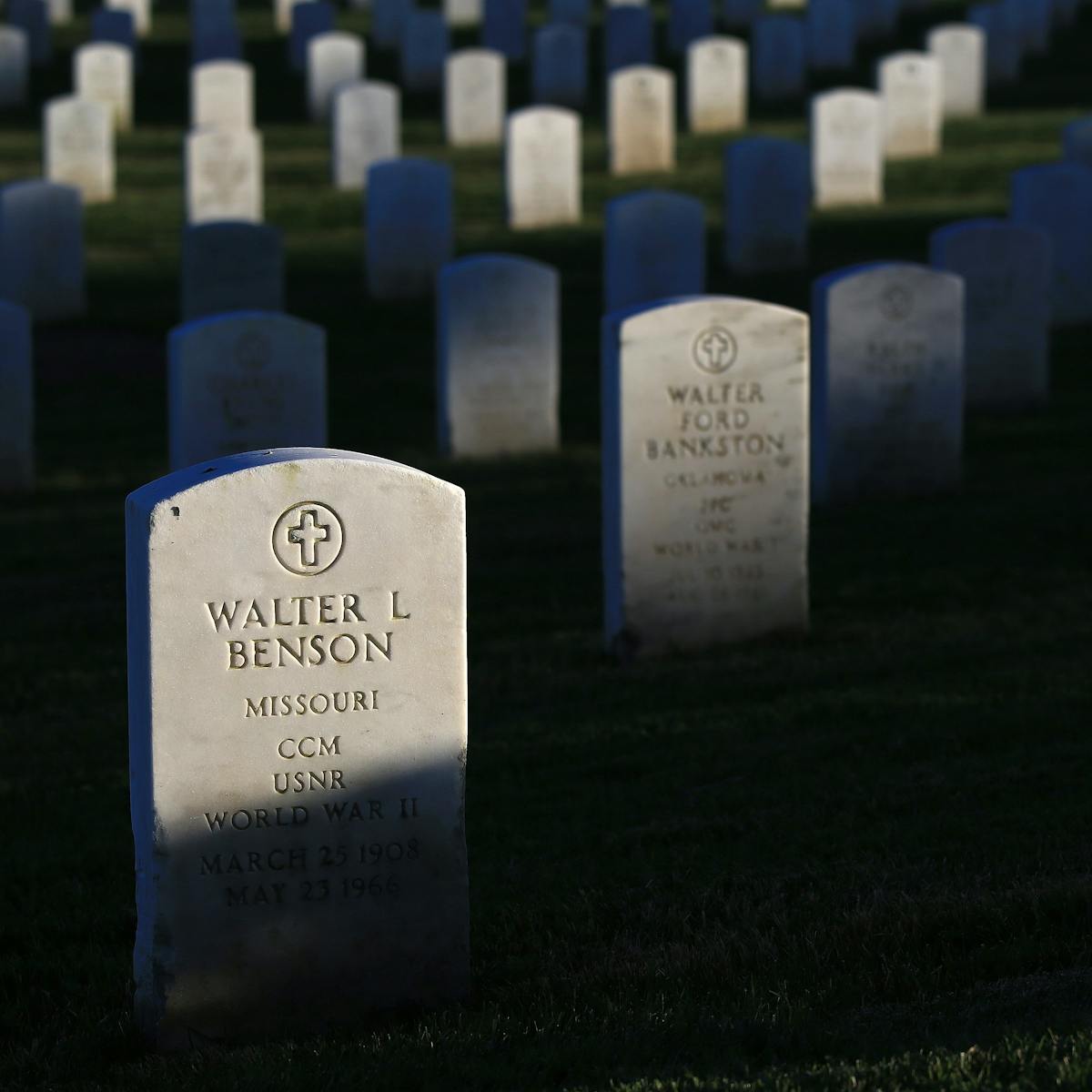
As the nation takes a day to memorialize its military dead, those who are living are facing a deadly risk that has nothing to do with war or conflict: the coronavirus.
Different groups face different degrees of danger from the pandemic, from the elderly who are experiencing deadly outbreaks in nursing homes to communities of color with higher infection and death rates. Veterans are among the most hard-hit, with heightened health and economic threats from the pandemic. These veterans face homelessness, lack of health care, delays in receiving financial support and even death.
I have spent the past four years studying veterans with substance use and mental health disorders who are in the criminal justice system. This work revealed gaps in health care and financial support for veterans, even though they have the best publicly funded benefits in the country.
Here are eight ways the pandemic threatens veterans:
In 2017, veterans’ median age was 64, their average age was 58 and 91% were male. The largest group served in the Vietnam era, where 2.8 million veterans were exposed to Agent Orange, a chemical defoliant linked to cancer.
Younger veterans deployed to Iraq and Afghanistan were exposed to dust storms, oil fires and burn pits with numerous toxins, and perhaps as a consequence have high rates of asthma and other respiratory illnesses.
Age and respiratory illnesses are both risk factors for COVID-19 mortality. As of May 22, there have been 12,979 people under Veterans Administration care with COVID-19, of whom 1,100 have died.
Veterans needing end-of-life care, those with cognitive disabilities or those needing substance use treatment often live in crowded VA or state-funded residential facilities.
State-funded “soldiers’ homes” are notoriously starved for money and staff. The horrific situation at the soldiers’ home in Holyoke, Massachusetts, where more than 79 veteran residents have died from a COVID-19 outbreak, illustrates the risk facing the veterans in residential homes.
When a person transitions from active military service to become a veteran, they receive a Certificate of Discharge or Release. This certificate provides information about the circumstances of the discharge or release. It includes characterizations such as “honorable,” “other than honorable,” “bad conduct” or “dishonorable.” These are crucial distinctions, because that status determines whether the Veterans Administration will give them benefits.
Research shows that some veterans with discharges that limit their benefits have PTSD symptoms, military sexual trauma or other behaviors related to military stress. Veterans from Iraq and Afghanistan have disproportionately more of these negative discharges than veterans from other eras, for reasons still unclear.
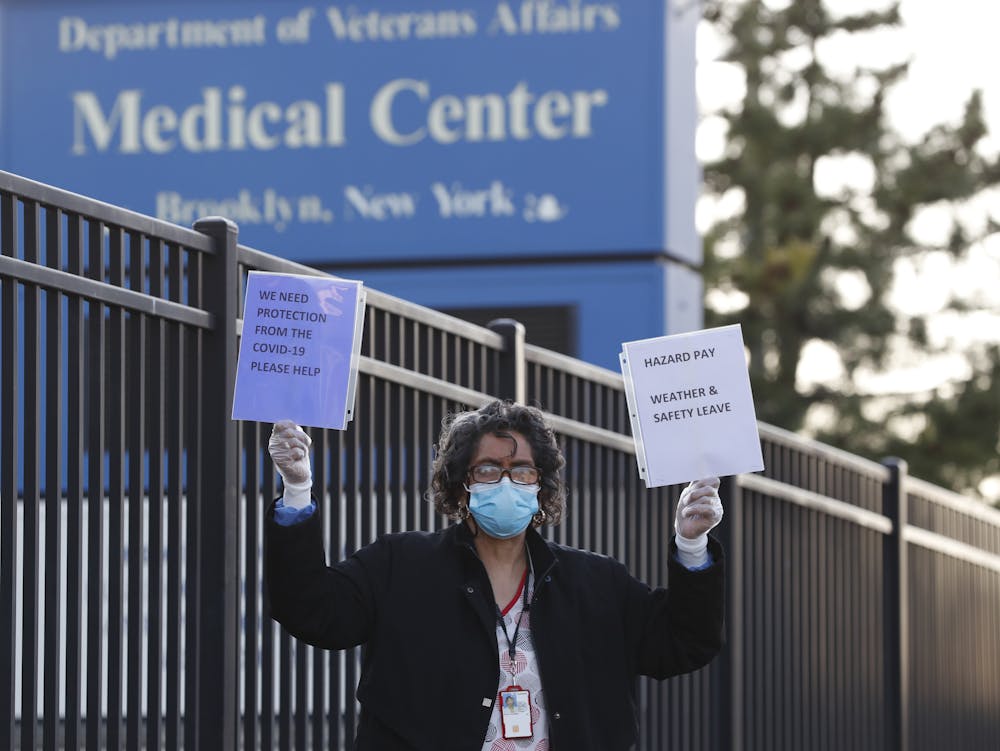
The Veterans Administration frequently and perhaps unlawfully denies benefits to veterans with “other than honorable” discharges.
Many veterans have requested upgrades to their discharge status. There is a significant backlog of these upgrade requests, and the pandemic will add to it, further delaying access to health care and other benefits.
Dental surgery, routine visits and elective surgeries at Veterans Administration medical centers have been postponed since mid-March. VA hospitals are understaffed – just before the pandemic, the VA reported 43,000 staff vacancies out of more than 400,000 health care staff positions. Access to health care will be even more difficult when those medical centers finally reopen because they may have far fewer workers than they need.
As of May 4, 2020, 2,250 VA health care workers have tested positive for COVID-19, and thousands of health care workers are under quarantine. The VA is asking doctors and nurses to come out of retirement to help already understaffed hospitals.
An average of 20 veterans die by suicide every day. A national task force is currently addressing this scourge.
But many outpatient mental health programs are on hold or being held virtually. Some residential mental health facilities have closed.
Under these conditions, the suicide rate for veterans may grow. Suicide hotline calls by veterans were up by 12% on March 22, just a few weeks into the crisis.
An estimated 45,000 veterans are homeless on any given night, and 181,500 veterans are in prison or jail. Thousands more are under court-supervised substance use and mental health treatment in veterans treatment courts. More than half of veterans involved with the justice system have either mental health problems or substance use disorders.
As residential facilities close to new participants, many veterans eligible to leave prison or jail have nowhere to go. They may stay incarcerated or become homeless.
Courts have moved online or ceased formal operations altogether, meaning no veteran charged with a crime can be referred to a treatment court. It is unclear whether those who were already participating in a treatment program will face delays graduating from court-supervised treatments.
Further, some veterans treatment courts still require participants to take drug tests. With COVID-19 circulating, those participants must put their health at risk to travel to licensed testing facilities.
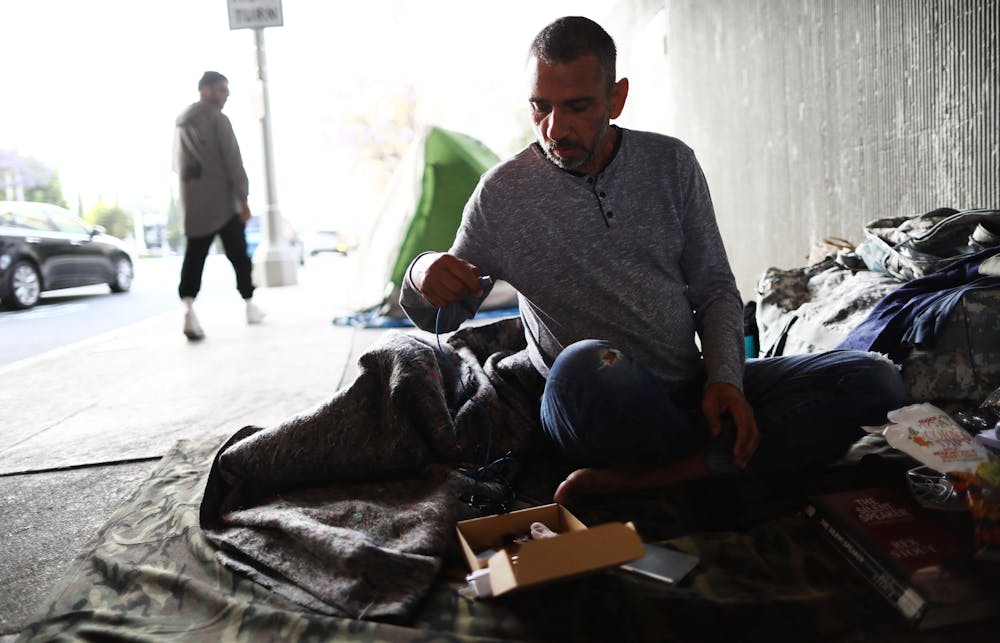
In the pandemic’s epicenter in New York, tens of thousands of veterans should have access to VA benefits because of their low income – but don’t, so far.
The pandemic has exacerbated existing delays in finding veterans in need, filing their paperwork and waiting for decisions. Ryan Foley, an attorney in New York’s Legal Assistance Group, a nonprofit legal services organization, noted in a personal communication that these benefits are worth “tens of millions of dollars to veterans and their families” in the midst of a health and economic disaster.
All 56 regional Veterans Administration offices are closed to encourage social distancing. Compensation and disability evaluations, which determine how much money veterans can get, are usually done in person. Now, they must be done electronically, via telehealth services in which the veteran communicates with a health care provider via computer.
But getting telehealth up and running is taking time, adding to the longstanding VA backlog. Currently, more than 100,000 veterans wait more than 125 days for a decision. (That is what the VA defines as a backlog – anything less than 125 days is not considered a delay on benefit claims.)
There are 1.2 million veteran employees in the five industries most severely affected by the economic fallout of the coronavirus.
A disproportionately high number of post-9/11 veterans live in some of the hardest-hit communities that depend on these industries. Veterans returning from overseas will face a dire economic landscape, with far fewer opportunities to integrate into civilian life with financial security.
In addition, severely disabled veterans living off of VA benefits were initially required to file a tax return to get stimulus checks. This initial filing requirement delayed benefits for severely disabled veterans by at least a month. The IRS finally changed the requirements after public outcry, given that many older and severely disabled veterans do not have access to computers or the technological skills to file electronically.
There are many social groups to pay attention to, all with their own problems to face during the pandemic. With veterans, many of the problems they face now existed long before the coronavirus arrived on U.S. shores.
But with the challenges posed by the situation today, veterans who were already lacking adequate benefits and resources are now in deeper trouble, and it will be harder to answer their needs.
 HENRY KOTULA