https://www.beckershospitalreview.com/strategy/the-top-10-questions-from-the-2020-j-p-morgan-healthcare-conference-that-every-ceo-must-answer.html

As we enter a new decade, everyone is searching for something to truly change the game in healthcare over the next 10 years. To find that answer, an estimated 50,000 people headed to San Francisco this week for the prestigious J.P. Morgan Healthcare Conference. Every one of them is placing big bets on who will win and lose in the future of healthcare. The shortcut to figuring this out is actually a question — or 10 questions to be more precise. And what matters most is whether or not the right people are asking and answering those questions.
While the prophets are ever present and ever ready to pitch their promises in every corner of the city, the pragmatists head up to the 32nd floor of the Westin St. Francis Hotel to hear from the CEOs and CFOs of close to 30 of the largest and most prestigious providers of care in the country. Why? Remember, this is an investor conference and if you want to understand any market, the first rule is to follow the money. And if you want to understand the future business model of healthcare, you better listen closely to the health providers in that room and take notes.
What providers are saying matters to everyone in healthcare
Healthcare is the largest industry in our economy with over $4 trillion spent per year. Healthcare delivery systems and healthcare providers account for over $2 trillion of that spend, so that feels like a pretty good place to start, right? For that reason alone, it’s critical to listen closely to the executives in those organizations, as their decisions will affect the quality, access and cost of care more than any other stakeholder in healthcare.
Some will say that what they saw this year from healthcare providers was more of the same, but I encourage you to ignore that cynicism and look more closely. As the futurist William Gibson once said, “The future is already here — it’s just not evenly distributed.” The potential for any health system to drive major change is certainly there and the examples are everywhere. The biggest blocker is whether they are asking the right questions. One question can change everything. Here’s proof.
The stunning power of and need for good questions
Last year I titled my summary “The #1 Takeaway from the 2019 JP Morgan Conference – It’s the Platform, Stupid.” The overwhelming response to the article was pretty surprising to me — it really resonated with leaders. One example was Jeff Bolton, the chief administrative officer of Mayo Clinic, who told me that the article had inspired their team to ask a single question, “Does Mayo need to be a platform?” They answered the question “yes” and then took aggressive action to activate a strategy around it. Keep reading to learn about what they set in motion.
Soon after, I had a discussion with John Starcher, CEO of Cincinnati-based Bon Secours Mercy Health, one of the largest health systems in the country, who shared with me that he is taking his team off site for a few days to think about their future. It occurred to me that the most helpful thing for his team wouldn’t be a laundry list of ideas from the other 30 healthcare delivery systems that presented, but rather the questions that they asked at the board and executive level that drove their strategy. Any of those questions would have the potential to change the game for John’s team or any executive team. After all, if you’re going to change anything, the first thing you need to do is change is your mind.
The wisdom of the crowd
So, I set out to figure this out: If you were having a leadership or board retreat, what are the 10 questions you should be asking and answering that may change the future of your organization over the next 10 years? I didn’t have the answers, so I decided to tap into the wisdom of the crowd, listening to all 30 of the nonprofit provider presentations, spending additional time with a number of the presenters and reaching out to dozens of experts in the market to help define and refine a set of 10 questions that could spark the conversation that fires up an executive team to develop to the right strategy for their organization.
A special thank you to a number of the most respected leaders in healthcare who took their time to contribute to and help think through these questions:
- Mike Allen, CFO of OSF Healthcare (Peoria, Ill.)
- Jeff Bolton, CAO of Mayo Clinic (Rochester, Minn.)
- Robin Damschroder, CFO of Henry Ford Health System (Detroit)
- JP Gallagher, CEO of NorthShore University HealthSystem (Evanston, Ill.)
- Kris Zimmer, CFO of SSM Health (St. Louis)
- Wright Lassiter, CEO of Henry Ford Health System (Detroit)
- Mary Lou Mastro, CEO of Edwards-Elmhurst Health (Warrenville, Ill.)
- Dominic Nakis, CFO of Advocate Aurora Health (Milwaukee and Downers Grove, Ill.)
- Dr. Janice Nevin, CEO of ChristianaCare (Newark, Del.)
- Randy Oostra, CEO or ProMedica (Toledo, Ohio)
- John Orsini, CFO of Northwestern Medicine (Chicago)
- Lou Shapiro, CEO of Hospital for Special Surgery (New York City)
- John Starcher, President & CEO, Bon Secours Mercy Health (Cincinnati)
- Vinny Tammaro, CFO, Yale New Haven Health (New Haven, Conn.)
- Bert Zimmerli, CFO of Intermountain Healthcare (Salt Lake City)
Here are the top 10 questions from the 2020 J.P. Morgan Healthcare Conference
Based on the wisdom of the crowd including the 30 nonprofit provider presentations at the 2020 JP Morgan Healthcare Conference, here are the Top 10 Questions that every CEO needs to answer that may make or break their next 10 years.
1. Business model: Will we think differently and truly leverage our “platform?” As referenced earlier in this article, this was the major theme from last year — health systems leveraging their current assets to build high-value offerings and new revenue streams on top of the infrastructure they have in place. Providers are pivoting from the traditional strategy of buying and building hospitals and simply providing care toward a new and more dynamic strategy that focuses on leveraging the platform they have in place to create more value and growth. Mayo Clinic is an organization that all health systems follow closely. Mayo adopted the platform model around their ‘digital assets’ into what they refer to as Mayo Clinic Platform, which initially targets three game-changing initiatives: a Home Hospital to deliver more health in the home even for high acuity patients, a Clinical Data Analytics Platform for research and development and an Advanced Diagnostics Platform focused on predictive analytics, using algorithms to capture subtle signals before a disease even develops. Children’s Hospital of Philadelphia, one of the top pediatric hospitals in the world, is leveraging their platform to drive international volume, where revenue is 3.5x more per patient. They are also making investments in cell and gene therapy, where their spinoff of Spark Therapeutics returned hundreds of millions of dollars back to their organization. Both organizations were clear that any returns that they generate will be re-invested back into raising the bar on both access to care and quality of care.
2. Market share: Are we leveraging a “share of cup” strategy? Starbucks had dominant share in the market against Caribou Coffee, Peet’s Coffee and Dunkin’ Donuts. Instead of solely focusing on how to grab a little more market share, they reframed the definition of their market. They called it “share of cup” meaning that anywhere and any time a cup of coffee was consumed, they wanted it to be Starbucks. In that definition of the market, they had very little share, but enormous growth potential. Hospital for Special Surgery in New York is the largest and highest volume orthopedic shop in the world. Their belief is that wherever and whenever a musculoskeletal issue occurs, they should be part of that conversation. This thinking has led them to build a robust referral network, which 33 percent of the time leads to no surgical treatment. So instead of fighting for share of market in New York, they have a very small share and a very big opportunity in a “share of cup” approach. NorthShore University Health System in Illinois has taken a similar approach on a regional level, converting one of their full-service hospitals into the first orthopedic and spine institute in the state. The results have exceeded expectations on every measure and they already have to increase their capacity due to even higher demand than they originally modeled.
3. Structure: Are we a holding company or an operating company? There has been a tremendous amount of consolidation over the last few years, but questions remain over the merits of those moves. The reality is that many of these organizations haven’t made the tough decisions and are essentially operating as a holding company. They are not getting any strategic or operational leverage. You can place all health systems on a continuum along these two endpoints — being a holding vs. an operating company — but the most critical step is to have an open conversation about where you’re at today, where you intend to be in the future, when you’re going to get there and how you’re going to make it happen. Bon Secours Mercy Health’s CEO John Starcher shared, “It makes sense to merge, but only if you’re willing to make the tough decisions.” His team hit the mark on every measure of their integration following their merger. They then leveraged that same competency to acquire the largest private provider of care in Ireland, as well as seven hospitals in South Carolina and Virginia. Northwestern Medicine has leveraged a similar approach to transform from a $1 billion hospital into a $5 billion health system in a handful of years. Both of these organizations prioritized and made tough decisions quickly and each has created an organizational competency in executing efficiently and effectively on mergers and acquisitions.
4. Culture: Do we have employees or a team? Every organization states that their employees are their most important asset, but few have truly engaged them as a team. Hospitals and healthcare delivery systems can become extraordinarily political, and it’s easy to see why. These are incredibly complex businesses with tens of thousands of employees in hundreds of locations and thousands of departments. Getting that type of organization to move in the same direction is incredibly challenging in any industry. At the same time, the upside of breaking through is perhaps the most important test of any leadership team. JP Gallagher, CEO of North Shore University Health System, shared his perspective that, “Healthcare is a team sport.” The tough question is whether or not your employees are truly working as a team. Christiana Care provides care in four states — Delaware, Maryland, Pennsylvania and New Jersey. They have taken a unique approach that they frame as “for the love of health,” incorporating the essence of what they do in every communication both internally and externally, in their values and in their marketing. In a multi-state system, it is tricky to create a caring and collaborative culture, but it’s critical and they’ve nailed it. Their CEO shared that, “If you lead with love, excellence will follow.” That’s not only well said but spot-on. Creating a world-class team requires not only loving what you do, but the team you’re part of.
5. Physicians: Are our physicians optimistic or pessimistic? There’s a lot of concern about “physician burnout” with a reflex to blame it on EHRs, cutting off the needed conversation to dive deeper into where it really comes from and how best to address it. The challenge over the next decade is to create an optimistic, engaged and collaborative culture with physicians. In reading this, some will react with skepticism, which is exactly why leadership here is so important. One suggestion I was given was to make this question edgier and ask, “Are our physicians with us or not?” However the question is asked, the bottom line is that leadership needs to find a way to turn this into a dynamic, hyper-engaged model. A little while back I spent the day with the leadership team at Cleveland Clinic. At the end of the day, their CEO Dr. Tom Mihaljevic was asked what he would tell someone who was thinking of going to medical school. He said he would tell them that, “This is absolutely the best time to be a doctor.” His answer was based on the fact that there has never been a time when you could do more to help people. He wasn’t ignoring the challenges, he was simply reframing those issues as important problems that smart people need to help solve in the future. Those who adopt that type of optimism and truly engage and partner with their physicians will create a major competitive advantage over the next decade.
6. Customer: Do we treat sick patients or care for consumers? Words matter here – patients vs. consumers. Most hospitals are in a B2B, not B2C, mindset. Patients get sick, they try to access care, they check into an ER, they get admitted, they are treated, they get discharged. People get confused, anxious and concerned, then they seek not only care, but simplicity, compassion and comfort. With half of America coming through their stores every week, Walmart is already the largest provider organization that no one thinks of as they provide ‘consumer’ care, not ‘patient’ care. But they are starting to broaden their lens, and health systems will need to make moves as well. Competing with Walmart, CVS and other consumer-centric models will require a different mindset. I think Dr. Janice Nevin, the CEO ChristianaCare, captured this really well when she said, “Our mindset is that our role is to ensure everything that can be digital will be digital. Everything than can be done in the home will be done in the home.” Henry Ford Health System CEO Wright Lassiter commented, “Trust is the fundamental currency in healthcare.” Building that trust will require a digital experience in the future that is just as compassionate and caring as what health systems strive to deliver in person in the past.
7. Data: Will we make data liquid? The most undervalued and misunderstood asset of health systems may be their data. While some at the conference refer to this as having the economic equivalent of being the “oil of healthcare,” the real and more practical question is whether or not your organization will make data liquid, available and accessible to the right players on your team at the right time. Jeff Bolton from Mayo commented that, “The current model is broken. Data and tech can eliminate fragmentation.” In a recent Strata survey, we asked leaders in health systems whether they had access to the information they needed to do their job, and 90 percent said no. For many health systems, data is a science project, hidden behind the scenes primarily used for research and impossible to access for most stakeholders. The call to action is activating that data to improve clinical outcomes, operations and/or financial performance.
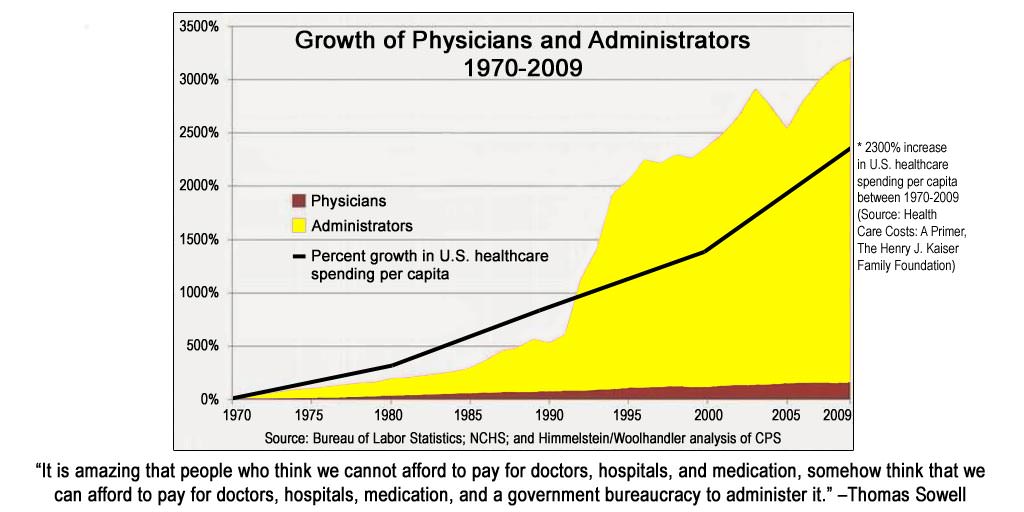
8. Cost: Are we serious about reducing the cost of care and delivering value? Affordability is a hot topic, and for good reason, as high deductible plans, price transparency and other factors have accelerated its urgency. As Intermountain Healthcare CEO Dr. Marc Harrison shared, “We have an absolute responsibility to make healthcare affordable.” While the consumer side will be a moving target for some time, the No. 1 challenge for hospitals right now is to lower their cost structure so they can compete more effectively in the future. Advocate Aurora Health, Baylor Scott & White Health, CommonSpirit Health and many others are targeting cost reductions of over $1 billion over the next few years. As most hospitals are now in a continuous process to reduce cost in order to compete more effectively in the future, organizations like Yale New Haven Health in Connecticut have implemented advanced cost accounting solutions to better understand both cost and margins. Yale is using this data to understand variation, supporting an initiative that drove over $150 million in savings. Additionally, they have combined cost data with clinical feeds from their EHR to understand the cost of harm events, which turn out to be 5x more expensive. As more providers take on risk, having a “source of truth” on the cost of care will be essential. Advocate Aurora Health CFO Dominic Nakis shared that, “We believe the market will continue to move to taking on risk.” Many of the presenting organizations shared that same perspective, but they won’t be able to manage that risk unless they understand the cost of care for every patient at every point of care across the continuum every day.
9. Capital: Do we have an “asset-light” strategy? Traditional strategy for health systems was defined primarily by what they built or bought. Many hospitals still maintain an “if you build it, they will come” strategy at the board level. Yet, Uber has become the biggest transportation company in the world without owning a single car and Airbnb has become the biggest hospitality company in the world without owning a single room. These models are important to reflect upon as healthcare delivery systems assess their capital investment strategy. Intermountain Healthcare CFO Bert Zimmerli refers to their overall thought process as an “asset-light expansion strategy.” In 2019, they opened a virtual hospital and they have now delivered over 700,000 virtual interactions. The number of virtual visits at Kaiser Permanente now exceeds the number of in-person visits at their facilities. With that said, there will be a balance. I really like how Robin Damschroder the CFO of Henry Ford Health System framed it: “We believe healthcare will be more like the airline and banking industry, both of which are fully digitally enabled but have a balance of ‘bricks and clicks’ with defined roles where you can seamlessly move between the two. Clearly, we have a lot of ‘bricks’ so building out the platform that integrates ‘clicks’ is essential.”
10. Performance: Do we want our team to build a budget or improve performance? The most significant barrier to driving change that many organizations have baked into their operating model is their budget process. The typical hospital spends close to five months creating a budget that is typically more than $100 million off the mark. After it’s presented to the board, it is typically thrown out within 90 days. It creates a culture of politics, entitlement and inertia. According to a Strata survey of 200 organizations, close to 40 percent are now ditching the traditional budget process in favor of a more dynamic approach, often referred to as Advanced Planning. OSF HealthCare leverages a rolling approach, radically simplifying and streamlining the planning process while holding their team accountable for driving improvement vs. hitting a budget. When it comes to driving performance, SSM Health CEO Laura Kaiser captured the underlying mindset that’s needed: “We have a strong bias toward purposeful action.” Well said, and it certainly applies to all of the questions here among the top 10.
5 additional questions to consider
As you would imagine or might suggest, the questions above can and in some cases should be replaced with others. Additional critical questions to answer that came from the group included the following:
- Competition: Who else will we compete with in the future and are we positioned to win?
- Digital health: Are we going to be a “digital health” company, providing tech-enabled services?
- Affordability: How are we making care more affordable and easier to understand and access?
- Social determinants: Is this a mission, marketing or operations strategy?
- Leadership: Have we made the tough decisions we need to make, and will we in the future?
Start asking questions
The point here isn’t to get locked into a single list of questions, but rather to force your team to ask and answer the most important and challenging ones that will take you from where you are today to where you want to be in the future. After reviewing these questions with your team, the one additional question you need to consider is one of competency: Do you have the ability and bandwidth to execute on what you’ve targeted? In the end, that’s what matters most. While there are many interesting opportunities, too many teams end up chasing too much and delivering too little.
The next 10 years can and should be the best 10 years for every health system and every healthcare provider, but making it happen will require some really tough questions. “The current path we’re on will leave us with a healthcare delivery model that is completely unsustainable,” stated Randy Osstra, CEO of ProMedica Health System. “We need to take meaningful action toward creating a new model of health and well-being — one that supports healthy aging, addresses social determinants of health, encourages appropriate care in the lowest cost setting, and creates funding and incentives to force a truly integrated approach.”
Strong leaders are needed now more than ever. The rest of healthcare is watching, not just professionally but personally. We are all grateful to you for the extraordinary and often heroic care that you deliver without hesitation to our family and friends every day both in our communities and across our country. But now we all need you to not only deliver care, but a new and better version of healthcare. So, ask and answer these and other tough questions. We know you will do everything that you can to help make healthcare healthier for all of us over the next 10 years.



 HENRY KOTULA