America Doesn’t Have a Coherent Strategy for Asymptomatic Testing. It Needs One.

https://www.propublica.org/article/america-doesnt-have-a-coherent-strategy-for-asymptomatic-testing-it-needs-one?utm_source=sailthru&utm_medium=email&utm_campaign=dailynewsletter&utm_content=feature

While it battles a virus that can spread quickly via silent carriers, the United States has yet to execute a strategy for testing asymptomatic people. This is a problem — and ProPublica health reporter Caroline Chen explains why.

Dr. Sara Cody, health officer of Santa Clara County, California, was tired of seeing the same thing over and over again. Her contact tracers were telling people exposed to COVID-19 that they needed to get tested, but when some went to testing sites, health care providers turned them away because they didn’t have any symptoms.

This posed a problem for Cody’s work. Knowing if a contact was infected would help her department keep an accurate count of her county’s coronavirus infection rate; also, if a contact tested positive, it’d spur a new round of contact tracing from her staff, to help stop any further transmission from that asymptomatic carrier.

Cody decided to issue a countywide health officer order in June requiring certain health care facilities to provide testing for all close contacts, and also all front-line workers, such as mass transit drivers and retail workers, whether or not they had symptoms.

Then last week, the U.S. Centers for Disease Control and Prevention quietly changed guidelines on its website to say that people without symptoms did not necessarily need to be tested, even if they had been in contact with someone who had COVID-19. Cody was confused. ”Was it because there isn’t enough testing capacity?” she initially wondered. But there was no such explanation from the agency.

The CDC was met with a degree of pushback that was notable in its intensity; several states flat-out said they would not follow the guidelines, including California, where Gov. Gavin Newsom said, “I don’t agree with the new CDC guidance. Period. Full stop.”

The controversy surrounding the CDC guideline change is all just a symptom of a deeper issue that has plagued America’s coronavirus response: Even though we have spent more than half a year battling a virus whose insidious hallmark is its ability to spread through those with no symptoms, the country has not yet articulated a coherent strategy to test these silent carriers.

“The fact that we’re this far into the pandemic and we’re still talking about how to do asymptomatic testing and going back and forth on this is a major part of the reason why we’re struggling to open schools and colleges, and why people are still dying in prisons,” said Dr. Ashish Jha, dean of the Brown University School of Public Health.

The lack of consistent asymptomatic testing guidelines means that from state to state, county to county, a hodgepodge of strategies are being used with varying standards, testing methods and levels of access. Decisions are being made sometimes by people who have been thrust into the role of public-health officer with no training — school principals and college deans, leaders of companies and daycares and churches, who are just trying to do right by the people they are responsible for.

It’s unfair to ask them to have to come up with their own testing strategies, or to have to navigate the maze of their local health authority’s often shifting recommendations. There may be pros and cons to various strategies experts have proposed, with variables to consider like testing technologies, supply chains and federal funding, but perhaps the more urgent need at this point is picking a plan and actually seeing it through.

To understand why, we need to start with a clearer understanding of the pivotal role asymptomatic testing plays in containing this virus, particularly in the absence of a vaccine.

Why Asymptomatic Testing Is Important

Let’s start with the most basic question: Why do we bother testing in the first place? There are, broadly speaking, two reasons to use a test. The first is as a clinical diagnostic; the other is as a public health tool. Both are important, but for different reasons.

Doctors use a clinical diagnostic like a strep test to tell whether a patient is sick with a disease that can be treated with particular medicines. “The purpose of the test is based around doing one thing when it’s negative and doing another thing when it’s positive,” said Dr. Patrick O’Carroll, head of health systems strengthening at the Task Force for Global Health, who previously worked at the CDC for 18 years.

From this perspective, it seems pointless for an asymptomatic person who might have COVID-19 to take a test, because there’s not going to be any difference in how they will be treated — there are no symptoms to medicate. You might have even heard your doctor say, “Don’t bother taking a test if you only have mild symptoms, because I’m not going to tell you do anything different besides drinking fluids, taking Tylenol and resting.”

But from a public health standpoint, testing asymptomatic people can yield actionable information. COVID-19 is unlike many other diseases, in which a patient’s peak contagiousness coincides with the height of their symptoms. With COVID-19, about 40% of patients do not show any symptoms or have such mild ones that it would never have occurred to them that they had been infected. In a recent study of 192 young people with suspected COVID-19 in Boston, only half who tested positive had a fever.

Furthermore, studies have shown that among patients who do develop symptoms, viral load, which correlates with a patient’s contagiousness, is highest right before or at the time when symptoms start appearing. Put together, these features have explained why the coronavirus has been able to spread so perniciously across the globe. It’s one sneaky virus.

If an asymptomatic person tests positive, public health officials can ask them to isolate from others and begin the process of contact tracing in order to break chains of transmission. In the bigger picture, it also helps them keep tabs on where the virus is spreading in their city. (This is what’s known as “surveillance” in public health parlance: They’re not spying on you. They’re tracking the virus.)

“Since the beginning, testing has been the foundation of our response, because it tells us who is positive, where they are, in which demographic, and what the patterns are,” said Dr. Umair Shah, executive director for Harris County Public Health in Texas.

Understanding population prevalence also helps guide public health actions. For example, said O’Carroll, “if testing shows that only 2% of the population is positive, I’m going to call all of those people, interview them, put all of the contacts in quarantine and really try to stamp it out. But if I find that 30% are positive, then I really don’t have the resources to interview and chase down thousands and thousands of people — that’s when spread is too high for contact tracing to be useful.”

When testing is restricted to symptomatic patients, health officials will only have limited signals about the extent of the virus’s spread, leaving them to operate partially blind.

Standards Vary From State to State

There are two categories of asymptomatic people to consider: The first includes those who had close contact with someone who has already tested positive for the virus. The second includes people who don’t have any reason to believe they have been exposed. The first group is a higher testing priority, because there’s a far greater chance that they have been infected and can be spreading the virus.

In an ideal world, if testing were abundant and cheap and results were fast, we would test everyone daily and catch all of the asymptomatic carriers. But when there aren’t enough tests to go around, public health officials need to triage.

In the earliest stages of the pandemic, when there were hardly any tests available across the country, public health officials had to limit tests to the most urgent need — people with severe symptoms in hospitals. As tests became more available, they started to widen the criteria, first to people with symptoms, then to asymptomatic people with known exposure. Finally, in some areas of the country, anyone who wanted a test could get one, whether or not they had symptoms.

But to this day, the decisions have been made piecemeal. I reached out to health departments around the country, and found that testing criteria still vary depending on where you live.

In Delaware, close contacts are asked to get tested once, at the end of their 14-day quarantine period. The state lets anyone get tested, whether or not they were exposed or have symptoms. Maryland recommends that people who suspect they’ve been exposed to the virus get a test, whether they are symptomatic or not. Arkansas says it works to facilitate testing for all close contacts of positive cases, and also tries to provide testing for anyone in the state who wants a test, asymptomatic or not.

But Oregon and Wisconsin don’t recommend testing for asymptomatic people who have not had close contact with a confirmed case. (Oregon makes an exception for people in a high-risk category, such as agricultural workers.)

Some states have more nuance to their recommendations. New Jersey said testing is available to all, but noted that if you are asymptomatic, testing is recommended if you are a front-line worker, if you were in a large crowd with difficulty social distancing, if you are a member of a vulnerable population or if you recently traveled somewhere with a high COVID-19 infection rate.

Effective Contact Tracing Can’t Happen Without Efficient Testing

Within each state, however, guidelines aren’t always followed consistently by test providers. Cody, the health officer in California, isn’t the only one whose contact tracers are unable to get asymptomatic people tested.

Rebecca Fischer, an assistant professor at Texas A&M University School of Public Health, said she’s seen the same thing happen in Brazos County. “We call them and say, ‘How did the test go? And they’ll say, ‘They sent me away because I don’t have symptoms.’ and we’ll say, ‘You need to go back and say the health department sent you,’ and often they get turned away again.” Sometimes, Fischer said, the health department would have to give the person a letter to verify that they needed a test.

“We get on the local news station and plead with test providers to help us facilitate widespread testing,” Fischer said.

It’s unclear why providers are turning down asymptomatic patients. It may be, in part, due to the perceived purpose of the test. Dr. Michael Hochman, a primary care doctor and director of the Gehr Family Center for Health Systems Science and Innovation at the University of Southern California, said he thinks the value of testing contacts without symptoms is “modest” and would rather make them stay home for 14 days instead of come into a clinic for a test, “which is bringing them together with other people, the opposite of what you want.”

He worries that a false negative could give patients a misguided sense of security and prompt contacts to leave quarantine before they’re supposed to. Hochman says he sometimes has patients calling who say they have potential exposure and want a test, but when he explains to them that regardless of the result, they still will need to quarantine, the patients often then decide they won’t bother with a test.

Cody countered that many people don’t always adhere to the 14-day guidelines. “We’re not doing legal orders, so there’s not going to be perfect compliance,” she said. Given the opportunity to test and find out that an asymptomatic contact is positive is always preferable, she said, because people are more likely to take precautions and isolate properly, particularly around family members.

Without a Clear National Strategy, Confusion Abounds

Into this already chaotic environment came the CDC’s guidance change on Aug. 24.

Normally, when the agency updates its guidances, it gives a heads-up to state and local health departments, so they can decide how to adjust their own recommendations or how to communicate to the public, said Chrissie Juliano, executive director of the Big Cities Health Coalition, which represents large metropolitan health departments.

“Usually at minimum, there’s a big tent call … and normally at the top of the call, they say, we’re going to update this.”

But this time, it didn’t happen. “It was buried in an email,” she said. “If you hadn’t clicked on it, you wouldn’t have known.”

Previously, the CDC recommended testing for all close contacts of people with known COVID-19 infection, specifically noting that “because of the potential for asymptomatic and pre-symptomatic transmission, it is important that contacts … be quickly identified and tested.” The new guidance, however, said, “If you have been in close contact … you do not necessarily need a test unless you are a vulnerable individual or your health care provider or state or local public health officials recommend you take one.”

The new guidance for asymptomatic people who had no known exposure conveyed a number of different messages, depending on which part of the website you read. On one hand, it said, “If you do not have COVID-19 symptoms and have not been in close contact with an infected person: You do not need a test.”

But farther down the page, the site also said, “If there is significant spread of the virus in your community, state or local public health officials may request to test more asymptomatic ‘healthy people.’”

In the absence of explanation or context, confusion ensued.

Calling the new guidelines “vexing and hard to interpret,” Dr. Jeff Duchin, health officer for public health for Seattle & King County said in a statement that “testing asymptomatic close contacts of COVID-19 cases is important to identify cases and interrupt transmission and we intend to continue to do that pending additional information that would lead us to reconsider.”

When I asked the CDC to explain the change in guidance, it didn’t respond, instead pointing me toward the Department of Health and Human Services.

HHS sent me a statement from Adm. Brett Giroir, the federal testing czar, saying that the updated guidance “places an emphasis on testing individuals with symptomatic illness, those with a significant exposure or for vulnerable populations, including residents and staff in nursing homes or long term care facilities, critical infrastructure workers, healthcare workers and first responders, and those individuals (who may be asymptomatic) when prioritized by public health officials.”

The revised guidance did not appear to be generated internally by the CDC. Giroir later told reporters that the recommendations were approved by members of the White House coronavirus task force, saying, “We all worked together to make sure that there was absolute consensus that reflected the best possible evidence.” Dr. Anthony Fauci, however, said he was undergoing surgery and was not part of the discussion.

A few days later, CDC director Dr. Robert Redfield verbally softened the changes, saying that testing “may be considered” for asymptomatic contacts, though the guidelines online were not changed.

“Ultimately, it may not actually be a huge change,” said Juliano, but in practice it means that the federal government “is really pushing the decision down to states and local.”

“It means when public health says you should get tested, someone could say, ‘well, the CDC says it’s not necessary.’ It leads to public confusion, and you’re really putting state and local in a line of fire that’s not necessary.”

Use the Right Test for the Right Situation

Now that we’ve talked about the reasons it’s important to do asymptomatic testing, it’s time to think about resources. In recent months, many experts have been advocating that different types of tests be used for different purposes, in order to optimize available supplies and avoid testing delays.

The idea goes like this: We should save the most sensitive tests — known as PCR tests — for diagnostic purposes, when we need to be absolutely sure that a patient has COVID-19, because we’re going to be treating them or asking them to isolate, based on the results. So these tests should be used for people with COVID-19 symptoms and people who were known to be exposed to the virus.

But for public health purposes, when it comes to keeping tabs on how broadly the virus is spreading, we could instead be using slightly less sensitive — though not poor quality — rapid tests, known as antigen tests, which typically can provide results in minutes to hours. Such tests should be used for screening people en masse in settings like nursing homes, essential workplaces, and communities that have limited testing resources, proposes a team at Duke University’s Margolis Center for Health Policy. Any positives that turn up could then be confirmed with a PCR test.

The goal is to avoid the long testing turnaround times that the country was plagued with this summer. PCR tests, while highly accurate, usually require at least a day or two to return results even under optimal conditions, and require more specialized equipment, labs and staff. This summer, when the majority of tests were being shoved into the PCR queue, turnaround times stretched out, with some people waiting more than two weeks for test results.

This is not just an annoyance for individuals. It’s a massive public health problem, because a test that takes more than two days to come back is pretty much useless.

“Patients don’t know what to do in those two weeks, and guess what, we can’t do our contact tracing, so we can’t fight the pandemic — all of that gums up the system.” said Shah, of Harris County. Such long turnaround times are “shameful. It makes no sense.”

Dr. Mark McClellan, one of the authors of the Duke paper, said the government must set aside funding to pay for antigen tests in at-risk populations, including low-income, minority and immigrant communities, and public schools and colleges.

The University of Illinois is requiring all faculty, staff and students to participate in screening testing twice a week, using a rapid saliva-based test. Not every college has the resources to perform these routine tests, but advocates for this kind of testing point to the university to show that it isn’t a fantasy.

“It is feasible,” said Carl Bergstrom, a computational biologist at the University of Washington. “It’s just a matter of will.”

McClellan and his co-authors estimate that about 14 million people are in high-risk settings that need regular screening testing, requiring an average of two tests per week. “There needs to be a lot more financial support to get that capacity up, something like Operation Warp Speed, with the government going in jointly with manufacturers,” he said.

What We Need to Do: Pick a Plan, and See It Through

For now, though, the federal government doesn’t appear to embrace this vision. Testing czar Giroir told reporters in a call on Aug. 13, “I’m really tired of hearing, by people who are not involved in the system, that we need millions of tests every day. … You don’t need this degree of testing. You need strategic testing combined with smart policies.”

Giroir explained that the administration’s focus was testing symptomatic patients as well as vulnerable populations, such as nursing home residents, coupled with policies including mask wearing, social distancing and hand washing. “That plan is being implemented and that plan is working,” he told reporters.

Some public health experts say that approach won’t be enough to curb the pandemic.

“Masks are a very powerful tool for virus control, and they’re not completely off the table, but a lot of our population has not been able to adhere to them because it’s become politicized,” said Dr. Michael Mina, assistant professor of epidemiology at the Harvard T.H. Chan School of Public Health.

And while social distancing is important, said Jha, he doesn’t think that alone will work in places where people are regularly congregating, like schools. “It’s not the real world,” he said. “Do we really think kids will never get close to each other?”

Mina argues for an audacious plan that calls for far more testing than the U.S. has been capable of to date. His testing strategy, particularly when it comes to how it approaches asymptomatics, seems directly at odds with Giroir’s.

Mina envisions tests so cheap ($1 apiece) and so widely available (over the counter) that every American can test themselves at least twice a week. The tests we’d use are paper strips that require only a saliva sample. They would certainly be less sensitive than PCR tests, but sensitive enough to catch people when their viral load is highest, which is exactly when they are most infectious.

The technology for a cheap, rapid antigen test certainly exists: Abbott Laboratories’ $5 test, authorized by the U.S. Food and Drug Administration last week, goes a long way to prove this point. But Abbott’s test is intended to be used on symptomatic patients, and needs to be performed by a doctor. Mina wants people to be able to test themselves.

Mina’s vision has gained broad support in recent weeks by numerous public health experts, but would need buy-in from the federal government, particularly the FDA, to become reality.

Many other plans have been proposed, but at this point, more time has been spent talking about what we should be doing and debating the various options, rather than mustering the necessary regulatory, financial and political power to get any one of the plans fully executed.

“Choosing not to test those who are asymptomatic is like saying we won’t fight the fire until it reaches the second floor,” said Brian Castrucci, chief executive officer of health philanthropy the de Beaumont Foundation.

The pandemic has been raging across America for more than half a year. It’s past time we had a coherent national plan to put out the fire.


U.S. says it won’t join WHO-linked effort to develop, distribute coronavirus vaccine

https://www.washingtonpost.com/world/coronavirus-vaccine-trump/2020/09/01/b44b42be-e965-11ea-bf44-0d31c85838a5_story.html?utm_campaign=wp_main&utm_medium=social&utm_source=facebook&fbclid=IwAR31G0QRSO-t6-OnkJxpPFGyIv5d9EW7Zmq4nLVs63OzYf2yR5v1RJ5MtNA

The Trump administration said it will not join a global effort to develop, manufacture and equitably distribute a coronavirus vaccine, in part because the World Health Organization is involved, a decision that could shape the course of the pandemic and the country’s role in health diplomacy.

More than 170 countries are in talks to participate in the Covid-19 Vaccines Global Access (Covax) Facility, which aims to speed vaccine development and secure doses for all countries and distribute them to the most high-risk segment of each population.

The plan, which is co-led by the WHO, the Coalition for Epidemic Preparedness Innovations and Gavi, the vaccine alliance, was of interest to some members of the Trump administration and is backed by traditional U.S. allies, including Japan, Germany and the European Commission, the executive arm of the European Union.

But the United States will not participate, in part because the White House does not want to work with the WHO, which President Trump has criticized over what he characterized as its “China-centric” response to the pandemic.

“The United States will continue to engage our international partners to ensure we defeat this virus, but we will not be constrained by multilateral organizations influenced by the corrupt World Health Organization and China,” said Judd Deere, a spokesman for the White House.

The Covax decision, which has not been previously reported, is effectively a doubling down by the administration on its bet that the United States will win the vaccine race. It eliminates the chance to secure doses from a pool of promising vaccine candidates — a potentially risky strategy.

“America is taking a huge gamble by taking a go-it-alone strategy,” said Lawrence Gostin, a professor of global health law at Georgetown University.

Kendall Hoyt, an assistant professor at Dartmouth’s Geisel School of Medicine, said it was akin to opting out of an insurance policy.

The United States could be pursuing bilateral deals with drug companies and simultaneously participating in Covax, she said, increasing its odds of getting some doses of the first safe vaccine. “Just from a simple risk management perspective, this [Covax decision] is shortsighted, she said.

The U.S. move will also shape what happens elsewhere. The idea behind Covax is to discourage hoarding and focus on vaccinating high-risk people in every country first, a strategy that could lead to better health outcomes and lower costs, experts said.

U.S. nonparticipation makes that harder. “When the U.S. says it is not going to participate in any sort of multilateral effort to secure vaccines, it’s a real blow,” said Suerie Moon, co-director of the Global Health Center at the Graduate Institute of International and Development Studies in Geneva.

“The behavior of countries when it comes to vaccines in this pandemic will have political repercussions beyond public health,” she added. “It’s about, are you a reliable partner, or, at the end of the day, are you going to keep all your toys for yourself?”

Some members of the Trump administration were interested in a more cooperative approach but were ultimately overruled.

Health and Human Services Secretary Alex Azar and Deputy Secretary of State Stephen Biegun had interest in exploring some type of role in Covax, a senior administration official said, speaking on the condition of anonymity because they were not authorized to discuss the decision-making.

But there was resistance in some corners of the government and a belief that the United States has enough coronavirus vaccine candidates in advanced clinical trials that it can go it alone, according to the official and a former senior administration official who learned about it in private discussions.

The question of who wins the race for a safe vaccine will largely influence how the administration’s “America first” approach to the issue plays out.

An unlikely worst-case scenario, experts said, is that none of the U.S. vaccine candidates are viable, leaving the United States with no option since it has shunned the Covax effort.

Another possibility is that a U.S. vaccine does pan out, but the country hoards doses, vaccinating a large number of Americans, including those at low risk, while leaving other countries without.

Experts in health security see at least two problems with this strategy: The first is that a new vaccine is unlikely to offer complete protection to all people, meaning that a portion of the U.S. population will still be vulnerable to imported cases — especially as tourism and trade resume.

The second, related problem is that a U.S. recovery depends on economic recovery elsewhere. If large parts of the world are still in lockdown, the global economy is smarting and supply chains are disrupted, the United States will not be able to bounce back.

“We will continue to suffer the economic consequences — lost U.S. jobs — if the pandemic rages unabated in allies and trading partners,” said Thomas J. Bollyky, a senior fellow at the Council on Foreign Relations and the director of its global health program.

Proponents of a multilateral approach to global public health would like to see all countries coordinate through Covax. Perhaps unsurprisingly, interest is strongest from poor countries, while some larger economies are cutting deals directly with drugmakers.

WHO officials have argued that countries need not choose — they can pursue both strategies by signing bilateral deals and also joining Covax.

“By joining the facility at the same time that you do bilateral deals, you’re actually betting on a larger number of vaccine candidates,” Mariângela Simao, a WHO assistant director for drug and vaccine access, said at an Aug. 17 briefing.

If nothing else, the United States could pledge surplus vaccine doses to Covax to ensure they are distributed in a rational and equitable way, experts said.

Some cautioned against a focus on “winning” the race. Given the complexity of supply chains, vaccine development will necessarily be a global effort, regardless of whether countries want to cooperate.

The decision to steer clear of Covax comes at a time of tremendous change for health diplomacy.

The United States has long been the biggest donor to the WHO and a major funder of vaccine initiatives.

In the early days of the coronavirus pandemic, Trump praised both China and the WHO for their handling of the outbreak. But as the crisis intensified in the United States, he turned on the U.N. health agency.

In April, he announced a freeze on new U.S. funding. Not long after, the State Department started stripping references to the WHO from fact sheets and rerouting funds to other programs.

By July, the administration had sent a letter signaling its intent to withdraw from the WHO.

But untangling the United States from the agency it helped found and shape is not simple — and the terms of the separation are still being assessed.

It is not yet clear, for instance, whether a U.S. withdrawal means the United States will just stop its contributions to the WHO or whether it will stop funding any initiative linked to the agency in any way.

For instance, the White House no longer wants to work with the WHO, but the United States is a major supporter of Gavi, which co-leads the Covax project.

Asked to comment on the Covax decision, a State Department spokeswoman pointed to U.S. funding for Gavi, as well as money for such programs as UNICEF and the Global Fund to Fight AIDS, Tuberculosis and Malaria.

J. Stephen Morrison, director of the Global Health Policy Center at the Center for Strategic and International Studies, said the White House could still reverse course and join Covax, or at least let the Senate fund through Gavi — a political workaround.

“This just shows how awkward, contradictory and self-defeating all of this,” he said. “For the U.S. to terminate its relationship with the WHO in the middle of a pandemic is going to create an endless stream of self-defeating moments.”


U.S. advisory group lays out detailed recommendations on how to prioritize Covid-19 vaccine

U.S. advisory group lays out detailed recommendations on how to prioritize Covid-19 vaccine

A new report that aims to prioritize groups to receive Covid-19 vaccine lays out detailed recommendations on who should be at the front of the line, starting with health care workers in high-risk settings, followed by adults of any age who have medical conditions that put them at significantly higher risk of having severe disease.

Also toward the front of the line would be older adults living in long-term care homes or other crowded settings.

The draft report, which runs 114 pages, was released Tuesday by the National Academies of Sciences, Engineering, and Medicine, which was tasked with the work by Francis Collins, director of the National Institutes of Health, and Robert Redfield, director of the Centers for Disease Control and Prevention.

A virtual public meeting on the recommendations will be held Wednesday afternoon, and the committee’s final report will be submitted later in September.

When Covid-19 vaccines are approved for use, initial supplies will be tight — potentially in the tens of millions of doses. Most of the vaccines under development will require two doses per person: a priming dose followed by a booster either three or four weeks later.

The report suggests that a second phase of vaccinations should involve critical risk workers — people in industries essential to the functioning of society — as well as teachers and school staff; people of all ages with an underlying health problem that increases the risk of severe Covid-19; all older adults not vaccinated in the first phase; people in homeless shelters and group homes, and prisons; and staff working in these facilities.

Young adults, children, and workers in essential industries not vaccinated previously would make up the third priority group. Remaining Americans who were not vaccinated in the first three groups would be offered vaccine during a fourth and final phase.

The report is meant to serve as a guide for more detailed prioritization plans on the order in which Americans will be offered vaccine. That more granular work is already being conducted by the Advisory Committee on Immunization Practices, an expert panel that crafts vaccination guidance for the CDC, and by state, local, and tribal health authorities, who must identify the actual people in their regions who fall into the priority groups.

There has been discussion of prioritizing people of color, who have been disproportionately badly hit in this pandemic. But the report does not recommend that Black, Hispanic, Latinx people, or American Indians or Alaskan natives be treated as a distinct priority group.

The committee suggested that there does not appear to be a biological reason for why these communities are more seriously affected by the pandemic. Instead, it argues, the high rates of infections and deaths in these communities are due to systemic racism that leads to higher levels of poor health and socioeconomic factors such as working in jobs that cannot be done from home or living in crowded settings.

The report therefore prioritized other factors — people with underlying medical problems, people living in crowded environments, for instance — rather than creating priority categories for racial or ethnic groups.

The ACIP’s recommendations will go to the CDC. It remains unclear, however, whether the CDC, Operation Warp Speed — the task force set up to fast-track development of Covid-19 vaccines, drugs and diagnostics — or the White House will make the final determinations on who will be vaccinated first.

The task of determining who should be at the front of the vaccines line is not an easy one, and must be made without key pieces of information. It’s not yet known how many vaccines will prove to be successful, when they will be approved for use and in what quantities. Critically, some vaccines may prove to be more effective in key groups — the elderly, for instance — than others. Knowing that in advance could influence the recommendations, but people working on the priority groups cannot wait for that information to become available.

Initial discussions suggest large numbers of Americans would qualify as members of priority groups, a reality that will likely require additional tough decisions to be made.

CDC estimates that there are between 17 million and 20 million health care workers in the country, and roughly 100 million people with medical conditions that put them at increased risk of severe illness if they contract Covid-19. There are roughly 53 million Americans aged 65 and older and 100 million people in jobs designated as essential services. There is some overlap among these groups — health workers, for instance, are also essential workers.

report released last month by the Johns Hopkins Center for Health Security recommended dividing priority groups into two tiers, with health workers and others essential to the Covid-19 response in the first tier and other health workers in the second.

In that report, people at greatest risk and their caregivers, and workers most essential to maintaining core societal functions would also be designated to be in the first tier.


Administration’s new pandemic adviser pushes controversial ‘herd immunity’ strategy, worrying public health officials

https://www.washingtonpost.com/politics/trump-coronavirus-scott-atlas-herd-immunity/2020/08/30/925e68fe-e93b-11ea-970a-64c73a1c2392_story.html?utm_campaign=wp_post_most&utm_medium=email&utm_source=newsletter&wpisrc=nl_most


One of President Trump’s top medical advisers is urging the White House to embrace a controversial “herd immunity” strategy to combat the pandemic, which would entail allowing the coronavirus to spread through most of the population to quickly build resistance to the virus, while taking steps to protect those in nursing homes and other vulnerable populations, according to five people familiar with the discussions.

The administration has already begun to implement some policies along these lines, according to current and former officials as well as experts, particularly with regard to testing.

The approach’s chief proponent is Scott Atlas, a neuroradiologist from Stanford’s conservative Hoover Institution, who joined the White House earlier this month as a pandemic adviser. He has advocated that the United States adopt the model Sweden has used to respond to the virus outbreak, according to these officials, which relies on lifting restrictions so the healthy can build up immunity to the disease rather than limiting social and business interactions to prevent the virus from spreading.

Sweden’s handling of the pandemic has been heavily criticized by public health officials and infectious-disease experts as reckless — the country has among the highest infection and death rates in the world. It also hasn’t escaped the deep economic problems resulting from the pandemic.

But Sweden’s approach has gained support among some conservatives who argue that social distancing restrictions are crushing the economy and infringing on people’s liberties.

That this approach is even being discussed inside the White House is drawing concern from experts inside and outside the government who note that a herd immunity strategy could lead to the country suffering hundreds of thousands, if not millions, of lost lives.

“The administration faces some pretty serious hurdles in making this argument. One is a lot of people will die, even if you can protect people in nursing homes,” said Paul Romer, a professor at New York University who won the Nobel Prize in economics in 2018. “Once it’s out in the community, we’ve seen over and over again, it ends up spreading everywhere.”

Atlas, who does not have a background in infectious diseases or epidemiology, has expanded his influence inside the White House by advocating policies that appeal to Trump’s desire to move past the pandemic and get the economy going, distressing health officials on the White House coronavirus task force and throughout the administration who worry that their advice is being followed less and less.

Atlas declined several interview requests in recent days. After the publication of this story, he released a statement through the White House: “There is no policy of the President or this administration of achieving herd immunity. There never has been any such policy recommended to the President or to anyone else from me.”

White House communications director Alyssa Farah said there is no change in the White House’s approach toward combatting the pandemic.

“President Trump is fully focused on defeating the virus through therapeutics and ultimately a vaccine. There is no discussion about changing our strategy,” she said in a statement. “We have initiated an unprecedented effort under Operation Warp Speed to safely bring a vaccine to market in record time — ending this virus through medicine is our top focus.”

White House officials said Trump has asked questions about herd immunity but has not formally embraced the strategy. The president, however, has made public comments that advocate a similar approach.

“We are aggressively sheltering those at highest risk, especially the elderly, while allowing lower-risk Americans to safely return to work and to school, and we want to see so many of those great states be open,” he said during his address to the Republican National Convention Thursday night. “We want them to be open. They have to be open. They have to get back to work.”

Atlas has fashioned himself as the “anti-Dr. Fauci,” one senior administration official said, referring to Anthony S. Fauci, the nation’s top infectious-disease official, who has repeatedly been at odds with the president over his public comments about the threat posed by the virus. He has clashed with Fauci as well as Deborah Birx, the White House coronavirus response coordinator, over the administration’s pandemic response.

Atlas has argued both internally and in public that an increased case count will move the nation more quickly to herd immunity and won’t lead to more deaths if the vulnerable are protected. But infectious-disease experts strongly dispute that, noting that more than 25,000 people younger than 65 have died of the virus in the United States. In addition, the United States has a higher number of vulnerable people of all ages because of high rates of heart and lung disease and obesity, and millions of vulnerable people live outside nursing homes — many in the same households with children, whom Atlas believes should return to school.

“When younger, healthier people get the disease, they don’t have a problem with the disease. I’m not sure why that’s so difficult for everyone to acknowledge,” Atlas said in an interview with Fox News’s Brian Kilmeade in July. “These people getting the infection is not really a problem and in fact, as we said months ago, when you isolate everyone, including all the healthy people, you’re prolonging the problem because you’re preventing population immunity. Low-risk groups getting the infection is not a problem.”

Atlas has said that lockdowns and social distancing restrictions during the pandemic have had a health cost as well, noting the problems associated with unemployment and people forgoing health care because they are afraid to visit a doctor.

“From personal communications with neurosurgery colleagues, about half of their patients have not appeared for treatment of disease which, left untreated, risks brain hemorrhage, paralysis or death,” he wrote in The Hill newspaper in May

The White House has left many of the day-to-day decisions regarding the pandemic to governors and local officials, many of whom have disregarded Trump’s advice, making it unclear how many states would embrace the Swedish model, or elements of it, if Trump begins to aggressively push for it to be adopted.

But two senior administration officials and one former official, as well as medical experts, noted that the administration is already taking steps to move the country in this direction.

The Department of Health and Human Services, for instance, invoked the Defense Production Act earlier this month to expedite the shipment of tests to nursing homes — but the administration has not significantly ramped up spending on testing elsewhere, despite persistent shortages. Trump and top White House aides, including Atlas, have also repeatedly pushed to reopen schools and lift lockdown orders, despite outbreaks in several schools that attempted to resume in-person classes.

The Centers for Disease Control and Prevention also updated its testing guidance last week to say that those who are asymptomatic do not necessarily have to be tested. That prompted an outcry from medical groups, infectious-disease experts and local health officials, who said the change meant that asymptomatic people who had contact with an infected person would not be tested. The CDC estimates that about 40 percent of people infected with covid-19, the disease caused by the coronavirus, are asymptomatic, and experts said much of the summer surge in infections was due to asymptomatic spread among young, healthy people.

Trump has previously floated “going herd” before being convinced by Fauci and others that it was not a good idea, according to one official.

The discussions come as at least 5.9 million infections have been reported and at least 179,000 have died from the virus this year and as public opinion polls show that Trump’s biggest liability with voters in his contest against Democratic nominee Joe Biden is his handling of the pandemic. The United States leads the world in coronavirus cases and deaths, with far more casualties and infections than any other developed nation.

The nations that have most successfully managed the coronavirus outbreak imposed stringent lockdown measures that a vast majority of the country abided by, quickly ramped up testing and contact tracing, and imposed mask mandates.

Atlas meets with Trump almost every day, far more than any other health official, and inside the White House is viewed as aligned with the president and White House Chief of Staff Mark Meadows on how to handle the outbreak, according to three senior administration officials.

In meetings, Atlas has argued that metropolitan areas such as New York, Chicago and New Orleans have already reached herd immunity, according to two senior administration officials. But Birx and Fauci have disputed that, arguing that even cities that peaked to potential herd immunity levels experience similar levels of infection if they reopen too quickly, the officials said.

Trump asked Birx in a meeting last month whether New York and New Jersey had reached herd immunity, according to a senior administration official. Birx told the president there was not enough data to support that conclusion.

Atlas has supporters who argue that his presence in the White House is a good thing and that he brings a new perspective.

“Epidemiology is not the only discipline that matters for public policy here. That is a fundamentally wrong way to think about this whole situation,” said Avik Roy, president of the Foundation for Research on Equal Opportunity, a think tank that researches market-based solutions to help low-income Americans. “You have to think about what are the costs of lockdowns, what are the trade-offs, and those are fundamentally subjective judgments policymakers have to make.”

It remains unclear how large a percentage of the population must become infected to achieve “herd immunity,” which is when enough people become immune to a disease that it slows its spread, even among those who have not been infected. That can occur either through mass vaccination efforts, or when enough people in the population become infected with coronavirus and develop antibodies that protect them against future infection.

Estimates have ranged from 20 percent to 70 percent for how much of a population would need to be infected. Soumya Swaminathan, the World Health Organization’s chief scientist, said given the transmissibility of the novel coronavirus, it is likely that about 65 to 70 percent of the population would need to become infected for there to be herd immunity.

With a population of 328 million in the United States, it may require 2.13 million deaths to reach a 65 percent threshold of herd immunity, assuming the virus has a 1 percent fatality rate, according to an analysis by The Washington Post.

It also remains unclear whether people who recover from covid-19 have long-term immunity to the virus or can become reinfected, and scientists are still learning who is vulnerable to the disease. From a practical standpoint, it is also nearly impossible to sufficiently isolate people at most risk of dying due to the virus from the younger, healthier population, according to public health experts.

Atlas has argued that the country should only be testing people with symptoms, despite the fact that asymptomatic carriers spread the virus. He has also repeatedly pushed to reopen schools and advocated for college sports to resume. Atlas has said, without evidence, that children do not spread the virus and do not have any real risk from covid-19, arguing that more children die of influenza — an argument he has made in television and radio interviews.

Atlas’s appointment comes after Trump earlier this summer encouraged his White House advisers to find a new doctor who would argue an alternative point of view from Birx and Fauci, whom the president has grown increasingly annoyed with for public comments that he believes contradict his own assertions that the threat of the virus is receding. Advisers sought a doctor with Ivy League or top university credentials who could make the case on television that the virus is a receding threat.

Atlas caught Trump’s attention with a spate of Fox News appearances in recent months, and the president has found a more simpatico figure in the Stanford doctor for his push to reopen the country so he can focus on his reelection. Atlas now often sits in the briefing room with Trump during his coronavirus news conferences, even as other doctors do not. He has given the president somewhat of a medical imprimatur for his statements and regularly helps draft the administration’s coronavirus talking points from his West Wing office as well as the slides that Trump often relies on for his argument of a diminishing threat.

Atlas has also said he is unsure “scientifically” whether masks make sense, despite broad consensus among scientists that they are effective. He has selectively presented research and findings that support his argument for herd immunity and his other ideas, two senior administration officials said.

Fauci and Birx have both said the virus is a threat in every part of the country. They have also put forward policy recommendations that the president views as too draconian, including mask mandates and partial lockdowns in areas experiencing surges of the virus.

Birx has been at odds with Atlas on several occasions, with one disagreement growing so heated at a coronavirus meeting earlier this month that other administration officials grew uncomfortable, according to a senior administration official.

One of the main points of tension between the two is over school reopenings. Atlas has pushed to reopen schools and Birx is more cautious.

“This is really unfortunate to have this fellow Scott Atlas, who was basically recruited to crowd out Tony Fauci and the voice of reason,” said Eric Topol, a cardiologist and head of the Scripps Research Translational Institute in San Diego. “Not only do we not embrace the science, but we repudiate the science by our president, and that has extended by bringing in another unreliable misinformation vector.”


US surpasses 6 million coronavirus cases nationwide

https://thehill.com/policy/healthcare/public-global-health/514364-us-passes-6-million-coronavirus-cases-nationwide

US surpasses 6 million coronavirus cases nationwide | TheHill

The United States has passed six million confirmed cases of the coronavirus since the beginning of the pandemic, according to Johns Hopkins University.

The country has also passed 183,000 deaths nationwide.

President Trump and his 2020 Democratic opponent, former Vice President Joe Biden, have battled for months over the U.S.’s coronavirus response, with allies of the Democratic nominee hammering the administration over the U.S.’s status as the country with the most confirmed COVID-19 cases in the world.

In July, Biden accused Trump of giving up on the U.S.’s efforts to control the disease’s spread, claiming that the president “raised the white flag.”

“He has no idea what to do. It’s zero. It’s only one thing he has in mind — how does he win reelection? And it doesn’t matter how many people get COVID and or die from COVID because he fears that if the economy is strapped as badly as it is today that, in fact, he is going to be in trouble,” the former vice president told MSNBC.

Trump, meanwhile, has struck an optimistic tone on the virus when addressing it in recent months and claimed that he believes a vaccine could be available before the election. He also claimed in a recent Axios interview that the virus is “under control as much as you can control it” in the U.S.

“They are dying, that’s true. And you have — it is what it is,” Trump said earlier in August. “But that doesn’t mean we aren’t doing everything we can. It’s under control as much as you can control it. This is a horrible plague.”


Cartoon – Covid Dining

Political Cartoon on Twitter: "Dave Brown's @Independent cartoon...  #RishiSunak #SummerStatement #EatOutToHelpOut #COVID19 #Coronavirus # SuperSpreader - political cartoon gallery in London  https://t.co/dePcTdnXF6… https://t.co/XDxWE1jDGh"

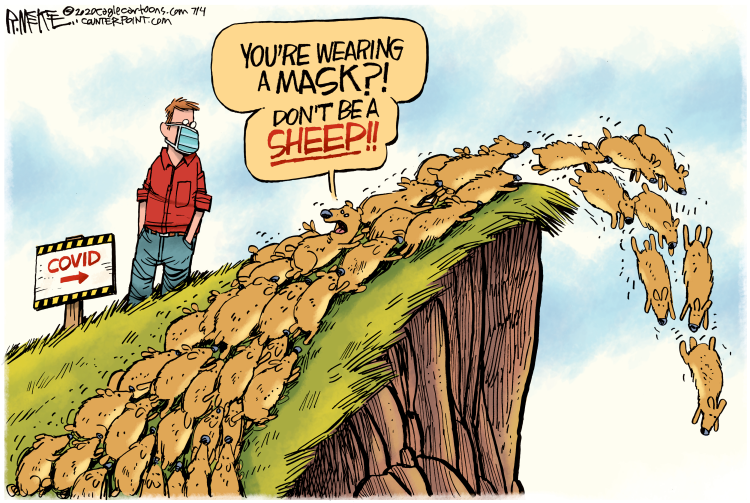
Cartoon – Sheep will be Sheep

Covid Lemmings

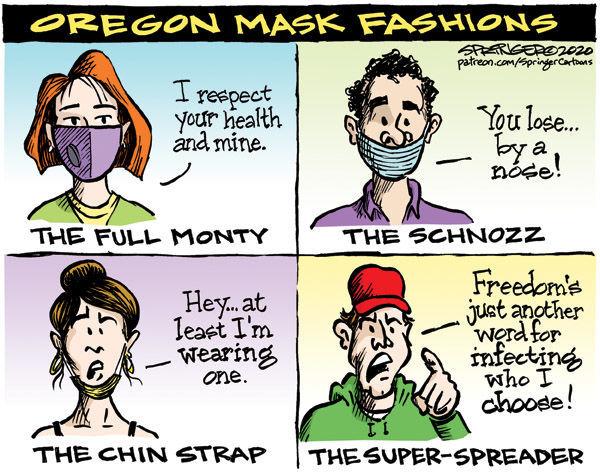
Cartoon – Coronavirus Mask Fashions

5-27 cartoon | Cartoons | heraldandnews.com

A single conference may have seeded 20,000 COVID cases

https://mailchi.mp/95e826d2e3bc/the-weekly-gist-august-28-2020?e=d1e747d2d8

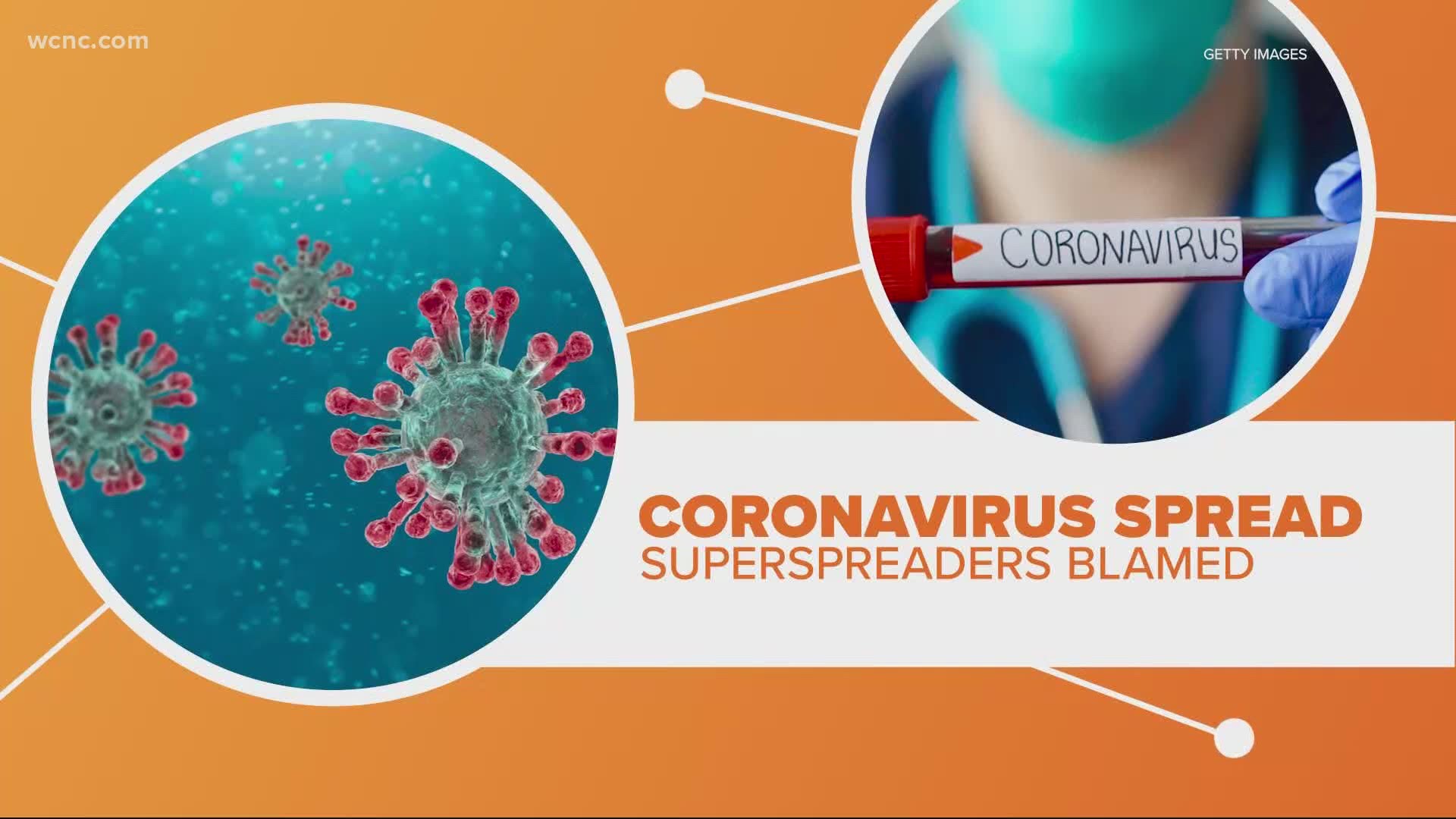
COVID-19 'superspreaders' behind most new cases, researchers say | wcnc.com

A conference bringing together 175 Biogen leaders in Boston during the last week of February demonstrated the anatomy of a superspreader event: attendees from all over the world working, eating and drinking together, at a time when little was known about COVID-19 and few precautions were taken.

A new study reveals the magnitude of spread of this single event: 20,000 COVID infections may have been linked to the conference by early May, orders of magnitude greater than the previously reported 99 cases. A group of researchers evaluated the viral genomes from 772 patients across the greater Boston area, finding over 80 separate introductions of the virus, primarily from Western Europe or elsewhere in the US.

But the Biogen event was far and away the largest source of infections, accounting for 37 percent of investigated cases, which extrapolates to an estimated 20,000 cases across the area (the event also seeded clusters in several states and overseas).

Many patients with the Biogen virus had no direct connection with the event, including a large number of homeless individuals.

As college campuses reopen and states flirt with allowing larger gatherings, the study provides an important lesson of the potential for exponential spread of the virus when left unchecked by preventive measures, and the need for testing and contact tracing to quickly stop the chain of transmission. 


COVID-related controversy and hope amid a week of politics

https://mailchi.mp/95e826d2e3bc/the-weekly-gist-august-28-2020?e=d1e747d2d8

Democracy vs. disease: the role of freedom in facing pandemics | University  of Nevada, Reno

Week two of the 2020 Pre-Recorded Virtual Presidential Convention-thon wrapped up Thursday night, albeit with a decidedly less Zoom-Webex-FaceTimey feel for this week’s Republicans compared to last week’s Democrats. As delegates and VIPs sat cheek-by-jowl at several in-person events, with scarce masking and plenty of loud cheering, the viewer was left hoping that a rigorous attendee COVID testing protocol was being used.

That hope may have been dashed by a significant change to testing guidelines from the Centers for Disease Control and Prevention (CDC), which reversed course on Monday by recommending asymptomatic people who have been exposed to the coronavirus should no longer be tested.

The altered guidance drew sharp rebukes from doctors and infectious disease experts, who worried that it would undermine the ability to track the spread of the virus, which has now claimed more than 181,000 American lives. The flap over testing guidelines came at the same time as Food and Drug Administration (FDA) commissioner Stephen Hahn was forced to apologize for misleading claims he made over the weekend about the efficacy of convalescent plasma in treating COVID patients. In announcing an Emergency Use Authorization (EUA) for the treatment, Hahn dramatically overstated evidence supporting the lifesaving ability of the therapy. The missteps by CDC and FDA officials were undoubtedly an unwelcome distraction for the Trump administration, overshadowing the president’s bold promise in his acceptance speech that a COVID vaccine would be available before the end of the year.

There was hopeful news on the COVID front this week as well. In what was quickly hailed as a “game changer” in solving the nation’s faltering ability to deliver timely test results, Abbott Laboratories was granted its own EUA for a 15-minute, $5 rapid antigen test, which does not require laboratory analysis. The company plans to produce tens of millions of the new BinaxNOW test kits in the next month, and the US government has agreed to acquire nearly all of the 150M tests the company will produce by the end of the year, at a $760M purchase price. Although some antigen tests have been cited for accuracy problems, the FDA said that the new Abbott test delivers correct positive tests 97.1 percent of the time, and correct negative tests 98.5 percent of the time.

Rapid, reliable point-of-care testing could allow for safer return to schools, workplaces, and public gatherings, and if successfully deployed will be an essential tool in managing the impact of the virus until effective vaccines are fully developed, launched, and administered. A genuine ray of hope as the nation looks ahead to the fall and winter.

US coronavirus update: 5.9M cases; 181K deaths; 81.8M tests conducted.