Consumer Financial Protection Bureau proposes ban on medical bills from credit reports

The proposal would attempt to stop credit reporting companies from sharing medical debts with lenders.

The Consumer Financial Protection Bureau (CFPB) has proposed a rule intended to remove medical bills from most credit reports, increase privacy protections, help to increase credit scores and loan approvals and prevent debt collectors from using the credit reporting system to coerce people to pay.

The proposal would attempt to stop credit reporting companies from sharing medical debts with lenders and prohibit lenders from making lending decisions based on medical information. 

CFPB framed the proposed rule as part of its efforts to address the burden of medical debt and what it called manipulative credit reporting practices.

WHAT’S THE IMPACT?

In 2003, Congress restricted lenders from obtaining or using medical information, including information about debts, through the Fair and Accurate Credit Transactions Act. But federal agencies then issued a special regulatory exception to allow creditors to use medical debts in their credit decisions.

The CFPB is proposing to close the regulatory loophole it said has kept vast amounts of medical debt information in the credit reporting system. The proposed rule is intended to ensure that medical information does not unjustly damage credit scores, and would help keep debt collectors from coercing payments for inaccurate or false medical bills.

Internal research from CFPB shows that a medical bill on a person’s credit report is not a good predictor of whether they will repay a loan. In fact, the analysis shows that medical debts penalize consumers by making underwriting decisions less accurate and leading to thousands of denied applications on mortgages that consumers would repay.

Since these are loans people will repay, the CFPB expects lenders will also benefit from improved underwriting and increased volume of safe loan approvals. In terms of mortgages, the CFPB expects the proposed rule would lead to the approval of approximately 22,000 additional, safe mortgages every year.

In December 2014, the CFPB released a report  showing that medical debts provide less predictive value to lenders than other debts on credit reports. Then in March 2022, it released a report estimating that medical bills made up $88 billion of reported debts on credit reports. In that report, the CFPB announced that it would assess whether credit reports should include data on unpaid medical bills.

Since the March 2022 report, the three nationwide credit reporting conglomerates – Equifax, Experian and TransUnion – announced they would take many of those bills off credit reports, and FICO and VantageScore, the two major credit scoring companies, have decreased the degree to which medical bills impact a consumer’s score.

Despite these voluntary industry changes, 15 million Americans still have $49 billion in outstanding medical bills in collections appearing in the credit reporting system.

The complex nature of medical billing, insurance coverage and reimbursement, and collections means that medical debts that continue to be reported are often inaccurate or inflated, CFPB said.

Additionally, the changes by FICO and VantageScore have not eliminated the credit score difference between people with and without medical debt on their credit reports. CFPB expects that Americans with medical debt on their credit reports will see their credit scores rise by 20 points, on average, if the proposed rule is finalized.

Specifically, the proposed rule would remove the exception that broadly permits lenders to obtain and use information about medical debt to make credit eligibility determinations. Lenders would continue to be able to consider medical information related to disability income and similar benefits, as well as medical information relevant to the purpose of the loan, so long as certain conditions are met.

The rule would also prohibit credit reporting companies from including medical debt on credit reports sent to creditors when creditors are prohibited from considering it. Additionally, it would prohibit lenders from taking medical devices as collateral for a loan, and bans lenders from repossessing medical devices, like wheelchairs or prosthetic limbs, if people are unable to repay the loan.

THE LARGER TREND

The CFPB began its rulemaking in September 2023 with the goals of ending coercive debt collection practices and limiting the role of medical debt in the credit-reporting system. 

The CFPB also published in 2022 a report describing the effects of medical debt, along with a bulletin on the No Surprises Act to remind credit reporting companies and debt collectors of their legal responsibilities under that legislation.

Trauma center hospitals charged above-market prices for non-trauma care

Prices for non-trauma inpatient admissions were 4.4 percent higher at trauma center hospitals than at hospitals without a trauma designation.

Hospitals designated as trauma centers charged higher prices for non-trauma inpatient admissions and emergency department visits compared to non-trauma center hospitals, a Health Affairs study found.

Hospital prices are the largest driver of rising healthcare spending in the commercial market and are often influenced by the structure of hospital markets. Trauma centers are a critical aspect of the hospital market as they are highly regulated and endowed by regulators with monopoly power over trauma patients in their service areas.

In most states, regulations are designed to encourage the entry of new trauma centers in areas that do not already have one and restrict new entry into areas that already have a trauma center. Additional regulations often require all trauma patients within an area to be transported or transferred to the designated hospital serving the area.

These restrictions create local monopolies for hospitals that are designated as trauma centers. Those in favor of the regulations argue that the monopolies are necessary to ensure each trauma center has sufficient volume to support high-quality and low-cost care. However, this structure could allow hospitals with market power over trauma services to raise prices for non-trauma services.

Researchers used claims data from 2011 to 2018 to assess whether hospitals designated as trauma centers use their market power for trauma services to receive above-market rates for non-trauma services. The sample included 2,000 hospitals with more than two million inpatient admissions and ten million emergency department visits over the study period.

The share of hospitals included in the sample serving as trauma centers increased from 21 percent in 2012 to 28 percent in 2018, resulting in a net addition of 138 trauma centers. The share of non-trauma inpatient admissions and emergency department visits at hospitals serving as trauma centers also increased between 2012 and 2018.

Hospitals serving as trauma centers every year from 2012 to 2018 were categorized as an always trauma center. Opened trauma centers were those not serving as a trauma center in 2012 but serving as one by 2018. Hospitals serving as a trauma center in 2012 but not in 2018 were closed trauma centers, and hospitals that did not serve as a trauma center at all during the study period were called “never trauma centers.”

The average price for non-trauma inpatient admissions among all hospitals was $21,112. Always trauma center hospitals had a higher average price of $22,568 per inpatient admission. The average price per admission was $22,097 at opened centers, $20,589 at closed centers, and $19,769 at never centers. Emergency department prices were similar, with always and opened center hospitals having higher prices than closed and never trauma center facilities.

Always trauma center hospitals were generally larger compared to the other hospital types and were more likely to be in more concentrated hospital markets. The average new injury severity score among emergency department visits in never trauma center hospitals was smaller compared to scores at other hospitals. The average MS-DRG weight for always trauma center hospitals was 1.61 compared to 1.54 for opened and never trauma center hospitals.

Holding these patient and hospital characteristics constant, prices for non-trauma inpatient admissions were 4.4 percent higher in hospitals with trauma center designation than at non-trauma center hospitals. Prices for non-trauma emergency department visits were 5.2 percent higher in trauma center hospitals.

“The results presented here provide an example of an important challenge: How to ensure access to specialized services and protect public health while also accounting for and possibly managing the effects of concomitant market failure,” researchers wrote.

“Our findings provide empirical support for the notion that provider market power in one area can be leveraged to affect prices in other areas.”

The No Surprises Act limits the amounts that hospitals can charge to out-of-network patients for emergency services, including trauma services. This may help limit trauma emergency cross-service leverage pricing, researchers said.

For-profit hospital operators strained by physician fees, payer relations in Q3

The nation’s largest for-profit hospital systems by revenue — HCA Healthcare, Community Health Systems, Tenet Healthcare and Universal Health Services — reported mixed results during the third quarter of 2023, despite announcing strong demand for patient services.

With the exception of HCA, each operator reported lower profits in the third quarter compared with the same period last year. Health systems CHS and HCA reported earnings that fell short of Wall Street expectations for revenue.

Major operators posted declining profits in the third quarter compared to the same period in 2022

Q3 net income in millions, by operator

Health SystemProfitPercent Change YOY
Community Health Systems$−91−117%
HCA Healthcare$1,80059%
Tenet Healthcare$101−23%
Universal Health Services$167−9%

Admissions rose across the board compared to the same period last year: Same facility equivalent admissions rose 4.1% at HCA , 3.7% at CHS and 0.6% at Tenet, and adjusted admissions at acute hospitals rose 6.8% at UHS. 

Although the for-profit operators began cost containment strategies earlier this year — recognizing that rising expenses, including costs of salary and wages, were pressuring hospital profitability post-pandemic — expenses also rose, with growth in salaries and benefit costs once again pressuring most operators’ revenue.

Hospital operators faced new challenges this quarter, executives said, including increased physician staffing fees and what hospital executives characterized as aggressive behavior from payers.

Hospitals highlight rising physician fees

Rising physician fees were a topic of concern on earnings calls this quarter, with executives reporting fees that were 15% to 40% higher compared with the same period last year.

Third-party staffing firms charge hospitals physician fees, a percentage of physicians’ salaries, on top of the salaries themselves. Physician fees are separate but related to contract labor costs, which plagued hospitals during the COVID-19 pandemic as they attempted to stem staffing shortages.

Hospitals typically contract specialty hospitalist roles — like anesthesiologists, radiologists and emergency department physicians — and incur associated staffing costs.

Physician fees at HCA, the country’s largest hospital chain, grew 20% year over year in the third quarter, according to CFO Bill Rutherford.

Physician fees were up by as much as 40% at UHS — making up 7.6% of total operating expenses this quarter and surpassing the company’s initial projections for the year, CEO Marc Miller said during an earnings call. Historically, physician fees accounted for about 6% of UHS’ total expenses.

Likewise, Franklin, Tennessee-based CHS attributed some of its third-quarter losses to “increased rates for outsourced medical specialists,” according to a release on the operator’s earnings.

Tenet CEO Saum Sutaria noted that physician fee expenses were up 15% year over year, but said on an earnings call that the operator had spied rising physician fees during the pandemic, and had begun efforts to contain costs — including restructuring staffing contracts and in-sourcing critical physician services.

As a result, physician fee costs at Tenet had remained “relatively flat” from the second quarter to the third quarter this year, according to the Sutaria.

Physician fee increases may be a delayed consequence of the No Surprises Act, which went into effect in January of last year, experts say.

On an earnings call, UHS CFO Steve Filton said “the industry has largely had to reset itself” in wake of the law. Tenet and CHS executives echoed the sentiment, noting that the law had disrupted staffing firms’ business models and complicated payment processes.

The No Surprises Act prevents patients who unknowingly receive out-of-network care at an in-network facility from being stuck with unexpected bills. However, the act has had unintended ripple effects, experts say.

Staffing firms and hospitals allege that the arbitration process created to resolve disputes between providers and insurers is unbalanced and incentivizes insurers to withhold reimbursement for care. In an August survey, over half of doctors reported insurers have either ignored decisions made by arbitrators or declined to pay claims in full.

In other cases, a backlog prevents claims from being adjudicated at all. Last year, the CMS found the federal arbitration process had only reached a payment determination in 15% of cases. Federal regulators have been forced to pause and restart the arbitration process multiple times in the wake of federal court decisions challenging arbitration methodology.

Although the act went into effect more than a year ago, many hospitals are just now feeling the strain, said Loren Adler, associate director at the Brookings Institute’s Schaeffer Initiative on Health Policy.

That’s because most insurers, hospitals and medical groups operate on three-year contracts, according to Adler. Staffing firms, which have struggled since the No Surprises Act was enacted, have passed on costs to hospitals as contracts come up for negotiation and insurers charge firms higher rates.

In the face of rising costs, some hospitals may opt to follow Tenet and CHS and in-source physicians — either to retain contracts with physicians who worked with firms that have folded or because the passing of the No Surprises Act makes outsourcing less attractive.

CHS hired 500 physicians from staffing firm American Physician Partners after the company collapsed in July. CFO Kevin Hammons said on an earnings call that hiring the physicians had saved CHS “approximately $4 million sequentially compared to the subsidy payments previously paid” to the staffing firm. 

However, in-sourcing may not be an effective cost containment strategy for all operators. HCA reported it was hemorrhaging money following its first-quarter majority stake purchase of staffing firm Valesco, which brought about 5,000 physicians onto its payroll. HCA CEO Sam Hazen said the system expects to lose $50 million per quarter on the venture through 2024, citing low payments as the primary issue.

Payer problems

Hospital executives also tied quarterly losses to aggressive behavior from insurers during third-quarter earnings calls.

UHS executives said payers were improperly denying high volumes of claims and disrupting payments to its hospitals, with UHS’ Miller characterizing insurers as “increasingly aggressive” during the third quarter. Though insurers had reduced their number of claims audits, denials and patient status changes during the early stages of the pandemic, payers were increasing denials and reviews, according to UHS’ Filton.

Tenet’s Sutaria said that claims denials were “excessive and inappropriate” during a third-quarter earnings call, adding that the hospital system was working to push back on the volume of claims denials.

Their number one strategy is to provide “excellent documentation” to refute denials quickly, Sutaria said.

Still, excessive claims denials can drive up administrative costs for hospitals, according to Matthew Bates, managing director at Kaufman Hall.

“That denial creates a lot more work, because now I have to deal with that bill two, three, four times to get through the denial process,” Bates said. “It starts to rapidly eat into the operating margins… [becoming] both a cashflow problem and an administrative costs burden.”

Executives across the four for-profit operators said they planned to negotiate with insurers to receive more favorable rates and limit the number of denials in subsequent quarters.

HCA’s Hazen said that it was important for HCA to maintain its in-network status with insurers “to avoid the surprise billing and that [independent dispute resolution] process,” but that it would work with its payers to get “reasonable rates” going forward.

Latest court order pauses No Surprises Act’s Independent Dispute Resolution (IDR) process once again

https://mailchi.mp/27e58978fc54/the-weekly-gist-august-11-2023?e=d1e747d2d8

This week, the Centers for Medicare and Medicaid Services (CMS) for the second time suspended the arbitration process, outlined in the No Surprises Act, for new out-of-network payment disputes between providers and payers.

Federal judge Jeremy Kernodle in the Eastern District of Texas once again sided with the Texas Medical Association (TMA) in the lawsuit, which challenged CMS’s 2023 increase in administrative fees for arbitration (from $50 to $350), as well as restrictions on batching claims, which require providers to go through a separate IDR process for each claim related to an individual’s care episode. While CMS said that it made these changes to increase arbitration efficiency, TMA argued that the changes made the IDR process cost-prohibitive for providers, particularly smaller practices.

The Gist: Implementing the No Surprises Act has been a huge headache for CMS. Since it went into effect last spring, the IDR has seen a case load nearly 14 times greater than initially estimated, and has been hampered with delays. Insurers have blamed providers for overloading the system with frivolous claims, while providers have accused insurers of ignoring payment decisions determined by third-party arbiters or declining to pay in full. 

The silver lining amid all this infighting is that the No Surprises Act is successfully preventing surprise bills for many consumers, despite the intra-industry turf war over its implementation.

Is a ‘cash pay revolution’ coming for hospitals?

https://www.advisory.com/daily-briefing/2022/10/19/cash-pay-hospitals

Amid new price transparency laws and growing consumer demand, more hospitals are adding cash pay options for certain health care services instead of just accepting insurance, Nora Tepper writes for Modern Healthcare—and some hospital officials say these offerings are “only going to go up” in the future.

How an ‘anomaly’ is becoming more common

Providers advertising cash pay rates for their services used to be considered an “anomaly,” Tepper writes. Now, the No Surprises Act, the federal price transparency law, and changing consumer expectations may make cash-only payments for health care services more common.

“The market is going there,” said Larry Van Horn, associate professor of management, law, and health policy and executive director of health affairs at Vanderbilt University. “You’ve got direct primary care, you’ve got physicians going and moving into cash pay. You’re gonna have to sit there at some point and say, ‘Wait a minute, they’re taking my business.'”

Although some hospitals and health systems that serve certain populations—such as Pomerene Hospital in Ohio with Amish and Anabaptist patients and the University of Texas MD Anderson Cancer Center with medical tourists—have long had cash-pay systems, it is still a relatively new concept for most providers in the United States.

According to data from Medscape, which surveyed more than 17,000 clinicians, just 17% of clinicians used cash-only, concierge, or direct-pay primary care models in 2020. Primary care providers (PCPs) made up the largest proportion of providers accepting cash pay, with 10% of practices charging patients a flat monthly fee for unlimited services.

“[S]ome providers embracing the cash pay revolution say their bottom line benefits from faster reimbursement, lower administration costs and higher patient retention,” Tepper writes.

In a 2020 report from the Society of Actuaries, almost all PCPs who operated under self-pay models reported “better or much better” personal and professional satisfaction compared to those under a traditional fee-for-service system. In addition, 34% of respondents reported “better or much better” earnings under a direct payment model.

How patients could benefit from cash-pay systems

According to Tepper, hospitals generally offer self-paying patients, who have typically been uninsured individuals or those with high-deductible health plans, lower rates for services compared to commercial insurers since they don’t have to handle administrative work or collections.

In a 2021 study published in JAMA Network Open, researchers analyzed rates for “shoppable” services at 922 hospitals and found that the proportion of hospitals that had lower cash prices than their median commercial negotiated rate ranged from 38.4% for liver tests to 68.5% for C-sections.

During the pandemic, more insured patients began to inquire about what services they could pay cash for, leading some health systems to create new payment models for certain procedures.

For example, Deaconess Health System launched an in-house bundled payment program, which includes cardiology, radiology, and urgent care services, in July 2020. The first year, the health system sold 130 bundled services, which increased to 351 in 2021, and 489 as of August 2022.

For any services not covered by the program, Deaconess offers a 50% discount on cash payments compared to its insurer rate. However, self-paying patients are required to pay the full cost of a procedure upfront.

“The patient has decided to take a bet on themselves,” said Steve Russell, VP and chief revenue cycle officer at Deaconess. “They have a high deductible, they don’t think they’re going to reach that threshold and their thought is, ‘If I don’t use my insurance, what kind of discount can you give me?'”

Separately, CommonSpirit Health‘s Catholic Health Initiatives (CHI) launched its own bundled cash price program in 2018 after noticing that many patients with high-deductible plans would defer care due to affordability concerns. The health system also advertises and sells its services on MDsave, an online marketplace that allows consumers to shop for health care procedures.

“With the No Surprises Act and the price transparency regulations, this has to be something that we offer,” said Jeanette Wojtalewicz, SVP and CFO at CHI Health’s Midwest division. “You’ll see more of this coming.”

The future of cash-pay systems in hospitals

According to Aaron Miri, SVP and chief digital and information officer at Baptist Health South Florida, although few patients are currently paying directly for health care services, the industry is heading towards that direction, which means health systems need to be prepared to meet the demand.

“When you look at the directionality of demand, this is only going to go up,” Miri said. “Patients are going to start seeing their total estimated bill and say, ‘I want to spend my $500 at a health system that was really transparent with me, and made me feel comfortable, versus the health system down the road that I’ve always gone to, but that simply can’t tell me what my actual amount due is.”

To make it easier for patients to directly pay for procedures, some health systems, including Baptist Health, have updated their payment options by adding Apple Pay, Google Pay, or other online payment systems instead of just accepting payment in-person or by phone.

However, even as direct payment models become more common, some insurers are “using their leverage to slow adoption of cash pay,” Tepper writes.

Kimberly Scaccia, VP of revenue management at MercyHealth, said some of the health system’s contracts with insurers prohibit it from offering cash discounts to insured patients.

“Some of the smaller payers, they’re fine with removing [cash pay restrictions],” Scaccia said. “Some of the very, very large payers, they simply will not allow it.”

In addition, Matthew Fiedler, a senior fellow of economic studies at the USC-Brookings Schaeffer Initiative for Health Policy, said clinicians may also be concerned about insurers asking to pay the lower cash rate during contract renewals or jeopardizing a provider’s network position.

“An insurer could say, ‘We’re gonna put this provider out-of-network, but we’re gonna put them in a preferred out-of-network position in our benefit design, where the cost-sharing is not that onerous, because we know they have this really good cash price,'” Fiedler said.

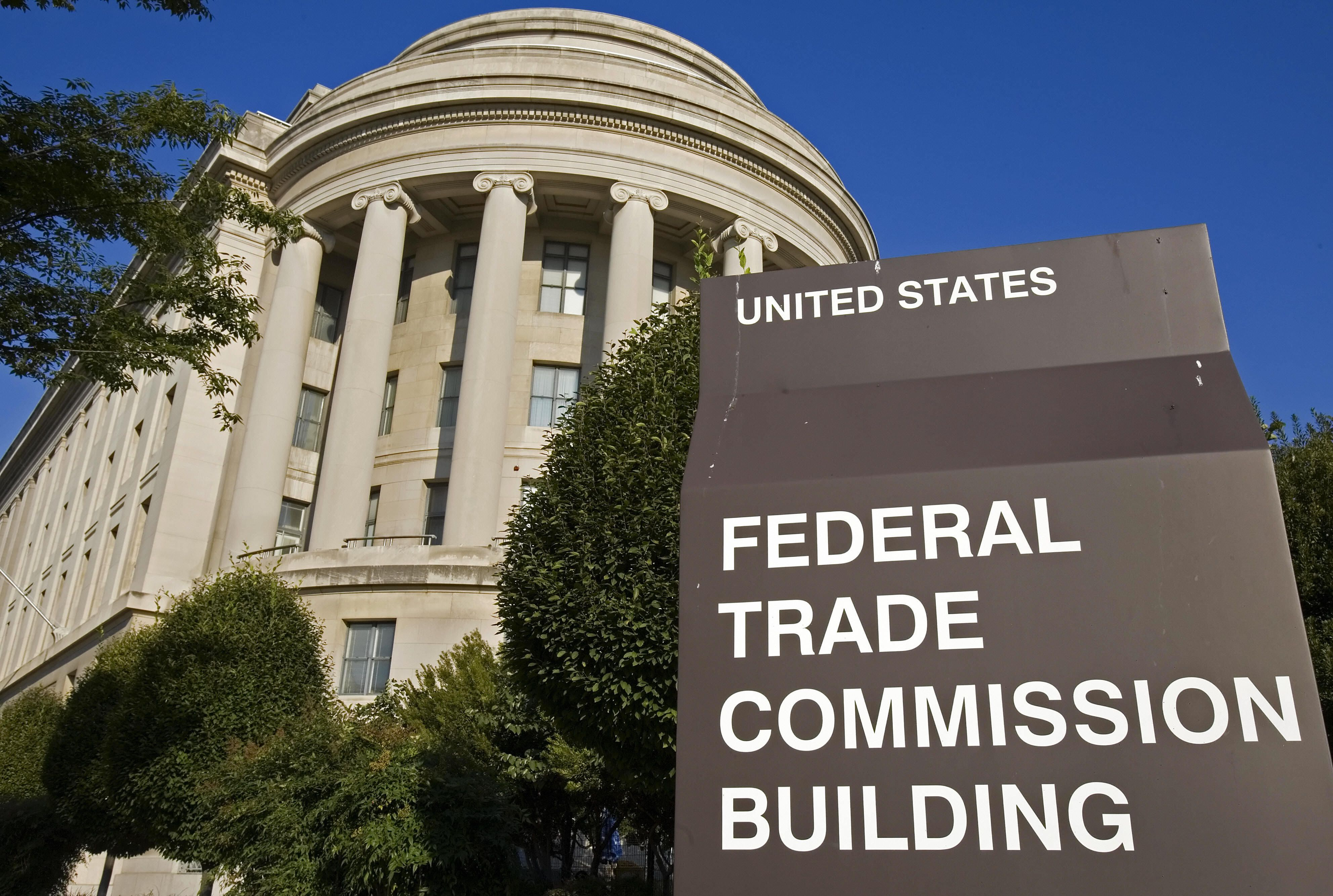
Federal Trade Commission (FTC) probing large anesthesia group

https://mailchi.mp/b1e0aa55afe5/the-weekly-gist-october-7-2022?e=d1e747d2d8

The FTC is investigating US Anesthesia Providers (USAP), a private equity (PE)-backed group with 4.5K physicians working in nine states, over concerns of monopoly power in certain markets. The inquiry is focused on USAP’s acquisition history, which has followed the PE “playbook” of rolling up small anesthesiology groups into a single entity large enough to exert leverage in contract negotiations. USAP’s presence in Texas and Colorado is likely to be of particular interest, as it controls at least 30 percent of the anesthesiology market in both states. 

The Gist: Like many other PE-backed physician groups, USAP achieved market power mostly through myriad acquisitions too small to warrant regulatory attention on their own. The probe is in line with recent government scrutiny of private equity influence in the healthcare sector, and will no doubt be closely watched by investors and PE-backed groups.

If USAP is forced to divest from certain markets, the precedent could prove especially damaging to other rapidly growing investor-backed physician groups, particularly those staffing hospital functions, who are already being rocked by ramifications of the No Surprises Act

Biden Administration Releases Final Surprise Billing Rules

 The Biden Administration has released final surprise billing rules implementing the No Surprises Act, a federal law enacted in January 2021 that protects patients from out-of-network medical bills when they seek care at in-network facilities.

The new surprise billing rules detail the process for payers and providers to settle on payment for those out-of-network services. Previously, payers and providers would submit payment rates to an independent arbiter, selected by the government. The arbiter would choose the rate closest to the area’s median in-network payment for the services, otherwise known as the qualifying payment amount (QPA), while considering other factors, such as provider training and experience, the provider’s market share, and how difficult it was to provide the service, after the fact.

Provider groups have criticized the use of the QPA as the primary factor in an arbiter’s decision, arguing that the added weight to the QPA amount favors payers over providers.

Notably, the Texas Medical Association challenged the surprise billing arbitration process over the QPA issue and won. A district court vacated the requirement that arbiters select payment offers closest to the QPA unless the additional information warrants a closer review.

The American Hospital Association (AHA) and the American Medical Association (AMA) have also filed a lawsuit challenging the interim final rule implementing the dispute process, arguing that lawmakers did not intend for rules implementing the No Surprises Act to place that much emphasis on the QPA. The lawsuit is ongoing.

In light of the district court’s decision, the latest final surprise billing rules roll back the “rebuttable presumption” that favors the QPA. The rules state that arbiters are to consider the QPA “and then must consider all additional information submitted by a party to determine which offer best reflects the appropriate out-of-network rate.”

The final rules specify that arbiters “should select the offer that best represents the value of the item or service under dispute after considering the QPA and all permissible information submitted by the parties.”

The final rules also cover situations where payers have “downcoded” a claim. According to previous rulemaking, downcoding occurs when payers change service codes or change, add, or remove a modifier, which can lower the QPA for the service code or modifier billed by a provider.

The rules will create new requirements related to what information payers must share with providers when downcoding occurs. The information includes a statement that the service code or modifier was downcoded, an explanation of why the claim was downcoded, and the amount that would have been the QPA had the service code or modifier not been downcoded.

The Biden Administration—through the Departments of Labor, Health and Human Services, and Treasury, which officially released the final surprise billing rules—said that the rules “will help providers, facilities and air ambulance providers engage in more meaningful open negotiations with plans and issuers and will help inform the offers they submit to certified independent entities to resolve claim disputes.”

But whether the updated language is enough to tip the balance for providers remains to be seen. AHA said in a news release late last week that it is closely reviewing the final surprise billing rules.

New York judge dismisses surgeon’s lawsuit challenging surprise billing law

A New York federal judge on Wednesday dismissed a surgeon’s legal challenge that sought to roll back key pieces of a federal law that protects patients from surprise out-of-network bills.

Judge Ann Donnelly ruled against the surgeon, finding that the law is constitutional, and dismissed the case for lack of standing and dismissed the surgeon’s request for a preliminary injunction.

Katie Keith, a lawyer and health policy expert at Georgetown University who tracks surprise billing litigation, called the ruling good news for consumers.

The lawsuit threatened to once again expose millions of patients to surprise out-of-network bills, Keith previously said in a Health Affairs report on the litigation.

Daniel Haller, a surgeon, and his private practice filed suit in December against federal regulators alleging that the ban on surprise billing was unconstitutional along with the independent dispute resolution process, the way in which providers and payers are supposed to resolve payment disagreements.

Haller said the law deprives physicians the right to be paid a reasonable value for their services, according to the complaint.

Under the law, physicians and insurers can enter into an independent dispute resolution process to come to an agreement on the payment for services. The process was intended to keep patients out of the middle of these payment disputes.

Haller argued the process favored insurers — not providers.

However, a key part of that process was struck down by a Texas judge, who ruled in favor of providers in February.

Donnelly said Haller and his team did not show that they even went through the arbitration, or IDR, process, “much less that the IDR process resulted in a payment amount below the reasonable value,” according to Wednesday’s opinion.

“At the time of oral argument — almost six months after the Act went into effect — the plaintiffs could not say whether they had participated in the IDR process. They do not allege that the IDR process has caused any concrete harm, so their claims of constitutional injury are speculative,” Donnelly said.

Haller’s practice, Long Island Surgical, and its team of six physicians perform procedures on patients who are admitted after an emergency department visit.

Almost 80% of Long Island Surgical’s patients have an insurance plan that does not have a contractual relationship with the surgical group. In other words, Haller and his colleagues are almost always out-of-network, potentially putting patients at risk of a surprise medical bill.

The No Surprises Act tried to solve this problem, and it bans surprise billing in most cases.

The law aimed to tackle one of the most frustrating issues in healthcare, which could ensnare even savvy patients. Patients could be unknowingly treated by out-of-network providers, and then get bills their insurers refused to pay in full or part, leaving them stuck to pay the remaining balance.

No Surprises Act implementation includes telehealth

https://www.healthcarefinancenews.com/news/no-surprises-act-implementation-includes-telehealth

Independent physician groups, which include telehealth docs, must now accept a rate that someone else has negotiated, expert says. 

The No Surprises Act has providers scrambling to understand the implications of a law that went into effect earlier this month.

Under the law, patients treated by an out-of-network physician can only be billed at the in-network rate. It protects patients from receiving surprise medical bills from the ER or air ambulance providers or for non-emergency services from out-of-network physicians at in-network facilities.

Patients can no longer receive balance bills – the difference between what the provider charges and what the insurer pays – or be charged a larger cost-sharing amount.

The congressional intent was to save patients sometimes thousands of dollars in unexpected, or surprise, medical bills. But applying the No Surprises Act to clinical care is being left to providers to sort out. 

A big question is the definition of an emergency and the benchmark used to determine when it ends, according to Kyle Faget, a partner at Foley who is co-chair of the firm’s Health Care and Life Sciences Practice Groups. She asked: Does the emergency end when the patient is stabilized, or should another standard apply? This includes emergency services for mental health and substance-use disorders.

Another question is around pre-planned services. Patients have to be notified who is providing the care and whether the physician is in-network. If the physician is out-of-network, patients must provide consent. But that can be tricky, for instance, if a patient scheduled for a planned C-section gets an out-of-network doctor who was not scheduled at the time the appointment was made.

At some hospitals, a new layer of administration is needed to comply with the law, Faget said.

Another area not well understood is how the law affects telehealth consults in the ER.

TELEHEALTH AND THE NO SURPRISES ACT

The law states that if treated by a telehealth clinician, the patient can only be billed the in-network rate, said Faget, who specializes in telehealth law.

Telehealth is often used in the ER, according to Faget. Most ER visits require a physician consultation, with hands-on medical care provided by a clinician other than the physician.

Pre-COVID-19, providers were in the embryonic stage of providing virtual emergency care, she said. The pandemic, and a shortage of physicians, spurred virtual care in the ER. 

These telehealth providers often work on a contracted basis. They are likely credentialed at the hospital but are not hospital employees, Faget said.

This means they are not credentialed with the insurer. Under the No Surprises Act, they are now subject to the in-network rates negotiated by the hospital. 

Telehealth ER physicians could negotiate their own contracts with insurers, but as a small group, they are not likely to get the higher rates they had prior to the implementation of the No Surprises Act.

“It’s an arduous contracting process, and small-group bargaining power is low,” Faget said. “The big hospital system has bargaining power. Those groups providing telehealth services won’t necessarily have agreements in place and, by definition, are out-of-network.”

Independent physician groups, which include telehealth docs, must now accept a rate that someone else has negotiated, Faget said. This fact can be more of an issue than the lower rate they’re now being paid, she said.

“I think telehealth will adapt,” Faget said. “I think it will become the way of doing business.”

WHY THIS MATTERS

The bottom line is that the No Surprises Act is doing what it promised to do – saving patients from getting a large bill not covered by insurance.

Surprise bills are a moral and ethical issue, Faget said. Patients, at their most vulnerable in the ER, are sent home only to get a $5,000 bill they never saw coming.

“It’s like kicking a person when they’re down,” Faget said.

However, in the larger healthcare ecosystem, ending surprise medical bills will ultimately result in cost-shifting, she said. 

“Think about the system globally: somebody is paying for something somewhere,” Faget said. “At the end of the day, somebody’s going to have to pay.”

THE LARGER TREND

Providers have told her that the No Surprises Act incentivizes insurance companies to lower their payments, Faget said.

The American Society of Anesthesiologists has accused BlueCross BlueShield of North Carolina of doing this. A letter sent by BCBS of North Carolina to anesthesiology and other physician practices this past November threatens to terminate physicians’ in-network status unless they agree to payment reductions ranging from 10% to over 30%, according to ASA. 

The ASA saw this as proof of its prognostication to Congress upon passage of the No Surprises Act: that insurers would use loopholes in the law to leverage their market power.

The AHA and AMA have sued the Department of Health and Human Services  over implementation of a dispute-resolution process in the law they say favors the insurer. The arbitrator must select the offer closest to the qualifying payment amount. Under the rule, this amount is set by the insurer, giving the payer an unfair advantage, according to the lawsuit. 

Air Ambulance Costs Are Soaring

Air ambulance transport costs have skyrocketed in recent years, according to a new report from FAIR Health.

Notably, the average estimated in-network allowed amount for air ambulance transport increased 76.4%, from $8,855 in 2017 to $15,624 in 2020.

The jump was part of a general rise in costs for both airplane and helicopter air ambulance transport during this time period, FAIR Health said, which included increases in charge amounts (the amount charged to a patient who is uninsured or obtaining an out-of-network service), estimated in-network allowed amounts for privately insured patients (the total fee negotiated between an insurance plan and a provider for an in-network service), and Medicare reimbursement amounts.

The average charges associated with a fixed-wing air ambulance rose 27.6%, from $19,210 in 2017 to $24,507 in 2020, according to the report, and the average Medicare reimbursement amount increased by 4.7%, from $3,071 to $3,216.

For helicopter transport, the average charges associated with a rotary-wing air ambulance rose 22.2%, from $24,924 in 2017 to $30,446 in 2020. The average estimated in-network allowed amount increased 60.8%, from $11,608 to $18,668, and the average Medicare reimbursement amount again rose 4.7%, from $3,570 to $3,739.

Air ambulance services have been the subject of substantial policy focus,” said Robin Gelburd, president of FAIR Health, in a statement. “We hope that this study of air ambulance transport proves productive to policy makers, researchers, payors, providers, and consumers seeking to better understand this corner of the healthcare system.”

FAIR Health’s report also found that air ambulance claims increased 30% from 2016 to 2020 (0.7% to 0.9%) as a percentage of all ambulance (ground and air) claims.

In 2020, the most common diagnoses associated with fixed-wing air ambulance transport were chronic respiratory diseases, including chronic obstructive pulmonary disease and chronic respiratory failure, and the second most common was COVID-19, which accounted for 7% of fixed-wing air ambulance claims.

Because air ambulance transport is often used for patients in life-threatening situations, they generally have no control over type of transport or provider used, FAIR Health said. As a result, surprise bills occur frequently.

A number of states have made efforts to regulate air ambulance charges, but these attempts have been overturned by court rulings that state that such efforts are preempted by the Airline Deregulation Act of 1978, the report noted.

However, the federal No Surprises Act, signed into law in December 2020, contained provisions to protect consumers from surprise bills, including those from out-of-network air ambulance service providers.

On September 30, HHS held a press call on one of its surprise billing rules, which would require companies to give patients “good faith estimates” of charges upfront and to submit a dispute resolution for out-of-network surprise bills.

Asked by MedPage Today whether air ambulances would be included, a senior administration official responded, “Yes, air ambulances are covered by this rule. They will go through a very, very similar independent dispute resolution process [as other providers]. I think the only thing different about the air ambulance process is the list of allowable information that the parties can bring to be considered in addition to the qualifying amount.”