The Sudden Departures of CFOs

https://www.kornferry.com/insights/articles/the-sudden-departures-of-cfos?utm_source=marketo&utm_medium=email&utm_campaign=2020-08-twil&mkt_tok=eyJpIjoiWlRFMk16bG1OamczTVRrdyIsInQiOiI5aitPUVlWMjlGbDlWTDhneWpcL0VCeEMyNzAzMjErNVd4SUtSNkRFaktCTkg0SEs3RHg5M0RteVhkd2FyZVAxWUpXZGhBNERwNldZRUd4Y2R3XC9tekcrOG1pRjBXWTcrbkZkMEg3SVN2Y0htV3dSY1A4NGhBWEM4T1wvanp0WWJ4aSJ9

The Sudden Departures of CFOs

Though critical to operations, chief financial officers are finding new roles or retiring at a blistering pace. What that means to firms.

Rewriting corporate budgets seemingly daily. Bargaining with banks over broken loan covenants. Answering constant calls from investors and board directors. And, in extreme cases, figuring out how to make payroll. All while working with no colleagues around. Is it any wonder now that so many chief financial officers have recently said, “It’s time to do something else”?

The number of CFOs—usually the second in command at a corporation—who are leaving their current job or looking for something new has surged over the summer. In just one week in early August, the high-profile CFOs at General Motors, Cisco Systems, and Avis Budget Group announced they were departing. According to one survey, 80 finance chiefs of S&P 500- or Fortune 500-listed firms left their positions through the start of August, compared with 84 at this point last year–a remarkable figure, experts say, because there was a period of about six weeks during the spring when there were almost no CFO changes.

It’s a trend that experts believe will likely continue as the pandemic continues to disrupt the finances of organizations in every industry everywhere. “This crisis will create a demand for radical, creative thinking that has often been lacking from finance leaders,” says Beau Lambert, a Korn Ferry senior client partner in the firm’s Financial Officers practice.

Experts attribute the surge in movement to a variety of reasons. Some CFOs, after helping their companies get through the period where lockdowns crippled revenues, have decided they’ve had enough. “They’re saying, ‘I have an amazing career—I’m taking the chips off the table and going home,’” Lambert says.

The lockdown period was a time when CFOs were working nonstop just to keep their organizations afloat, or if that was impossible, guide them into bankruptcy. Now these top finance leaders have had a chance to self-reflect, something they may have never done before because they’ve always been “knee-deep in the mess,” says Barry Toren, leader of Korn Ferry’s Financial Officers practice. The process has left some energized and looking for a new challenge at a different organization.

That recent career decision hasn’t always been in the CFO’s hands, however. Some company CEOs, recognizing that the financial road ahead is not going to look like it did before the pandemic, are looking for new financial talent they think is better suited to the task. “We see seasoned CFOs stepping down—of their own volition or otherwise—in order to allow a new, perhaps better-equipped, generation of finance leaders to navigate through the uncertain present and future,” says Katie Gleber, an associate in Korn Ferry’s Financial Officers practice.

Experts say the pandemic has accelerated some trends impacting CFOs that were already in place. Organizations were already looking for CFOs who could do more than just sit in the back office and handle the money. Modern-day CFOs need to be as well or more skilled in business partnering as they are in financial engineering, Lambert says. Today’s CFOs also need to have a much higher tolerance for ambiguity and the ability to inspire others.

One of the offshoots of the pandemic pushing millions to work remotely is that it has made it easier for CFOs to explore the job market. In the past, CFOs usually had to travel for a couple of days to their prospective employer to meet the senior leaders of the organization. Now, Toren says, those job-hunting CFOs can talk to CEOs and directors at two organizations in one day without leaving their house. 


An optimistic view from health system workforce leaders

https://mailchi.mp/9f24c0f1da9a/the-weekly-gist-june-5-2020?e=d1e747d2d8

Aldous Huxley and Brave New World: The Dark Side of Pleasure

Continuing our series of Gist member convenings to discuss the “Brave New World” that awaits in the post-pandemic era, we brought together a group of senior human resources and nursing executives this week for a Zoom roundtable.

Several themes emerged from the discussion. First, there was general consensus that the COVID crisis exposed a workforce that had become over-specialized and inflexible. Said one chief nursing officer, “Our workforce is much more brittle than we thought.” A key lesson learned is the need for increased cross-training—especially for nurses, and especially in critical care. Systems should work now to increase the supply of nurses comfortable in an ICU environment to enable hospitals to flex staff across settings and roles to deal with future waves of the virus.

Not surprisingly, layoffs were top-of-mind for many. Executives were of one mind on the need to safeguard clinical staff as much as possible, and many systems are now considering deep cuts to management and administrative ranks: “It’s easier to stand in front of your clinical staff and be able to say you’ve stripped millions from administration before turning to clinical cuts.”

There was broad consensus for the potential for artificial intelligence and robotic process automation to enable greater reliability and productivity at lower cost in areas such as billing, coding, and even some clinical functions—and that the pandemic will accelerate plans to implement these solutions.

On a more optimistic note, one executive shared that “relationships between clinicians and administrators have never been stronger. The pandemic has forced us to have difficult and constructive conversations we would have never had the courage to have before.”

Another noted the pandemic has spotlighted new leadership talent who might otherwise have been overlooked, and plans are now in place to formally recognize and retain newly crisis-tested talent for the work of restructuring the system.

On the whole, the discussion was far more upbeat that we had expected—as difficult as the crisis has been for many teams, the opportunity to rethink old ways of doing business seems to have created renewed enthusiasm even in the face of daunting financial and operational challenges ahead.


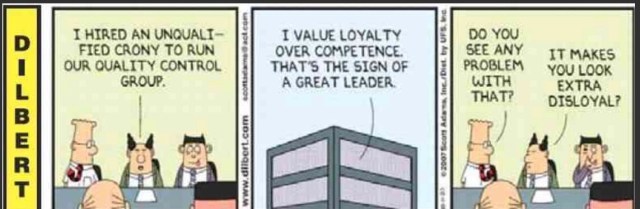
Cartoon – Modern Governance

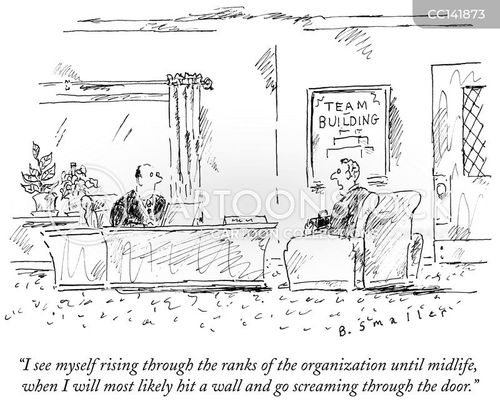
How to Manage Incompetence at Work - Paul Zhao - Medium

The Four P’s of Talent Identification and Management at Your Company

https://www.leadershipdigital.com/edition/daily-career-leadership-2019-09-30?open-article-id=11666676&article-title=talent-identification-and-management&blog-domain=careeradvancementblog.com&blog-title=career-advancement

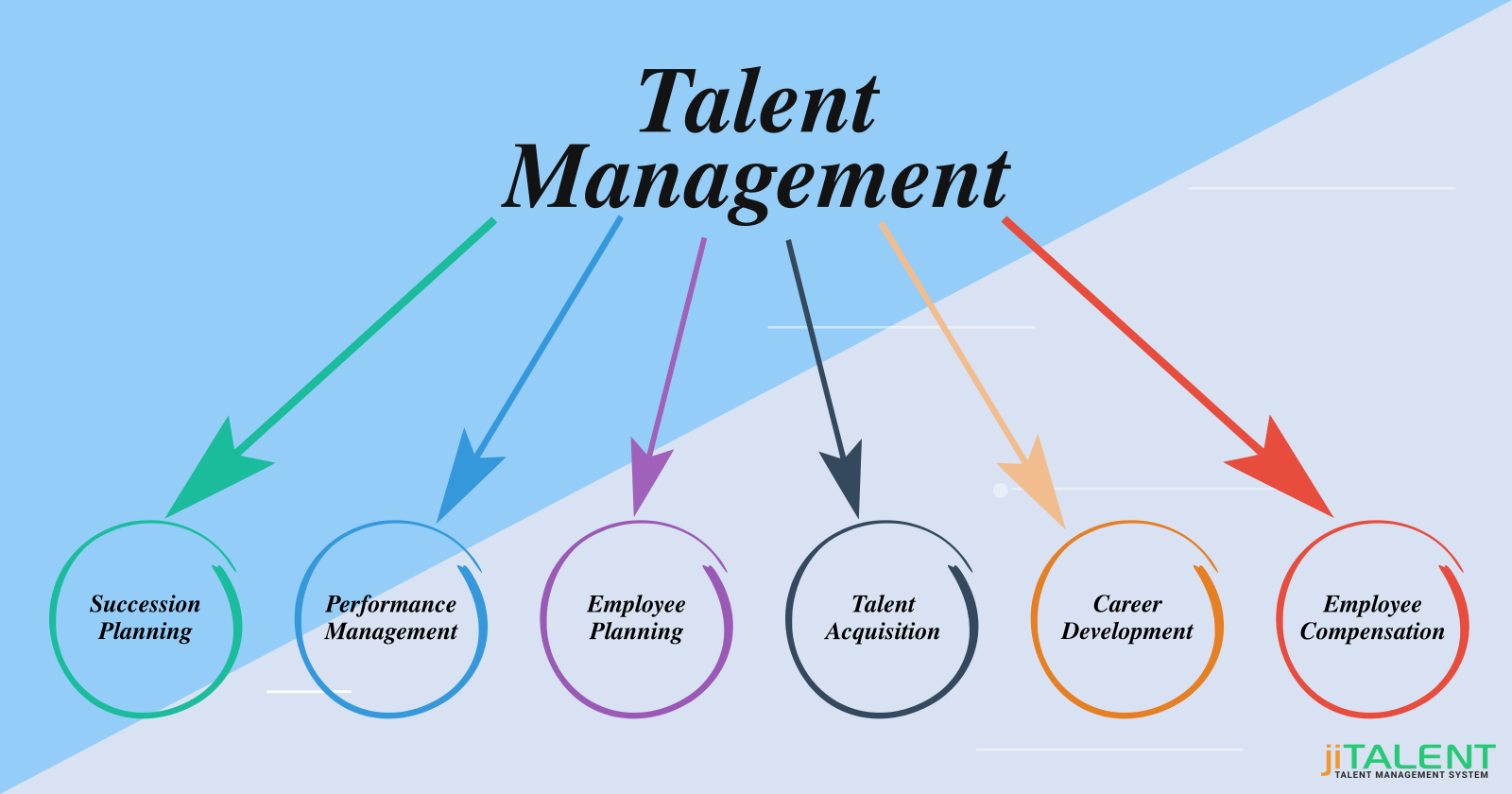
Image result for talent management

“Talent management deserves as much focus as financial capital management in corporations.”
~ Jack Welch

One of the best ways to strengthen your company as a whole is to devote attention to developing your employee talent. If your staff isn’t given the proper encouragement or assistance needed to help them move forward within your company, it can be more challenging for the company itself to continue growing in its capabilities. There are several ways that you, as a leader, can help to develop the talent at your company. Talent identification and management begin with The Four P’s.

    1. Pinpoint individual strengths
      While specific roles at any company often require a specific set of skills, your employees will likely have additional strengths within those skill sets that can be utilized and honed whenever possible. Assess your staff in order to pinpoint each employee’s individual talents and areas of expertise, then find ways to incorporate those abilities into their daily workflow. This will not only make employees stronger contributors to your team, but will also likely provide them with greater job satisfaction, as they’ll be performing tasks using skills that can bring greater value to their team’s output.
    2. Practice engaging leadership
      Truly great leaders possess characteristics that encourage and inspire their staff. In order to bring yourself to a higher level of greatness as a leader, explore your existing strengths and see how you might be able to improve upon them and add new motivational elements into your leadership style. Above all, be a leader who provides adequate support for your team. Regularly engage with each of your employees and ensure their needs are being met so they can be better equipped to perform their jobs at an optimized level.
    3. Prioritize talent management
      Another way to ensure the continued development of your staff is to incorporate effective talent identification and management tools and practices into your business structure. A human capital management solution, for example, can have modules specifically geared toward optimizing your talent management practices. These kinds of software services can simplify the creation of career development plans for your current talent and improve your ability to monitor their progress throughout them. These tools can also automate components of your recruiting operations, like sending out application notifications, in order to speed up the process of cultivating and developing new talent alongside seasoned employees. By improving your company’s talent management practices, you may find it easier to determine what additional steps you can take to aid your employees in continuing to grow.
    4. Provide opportunities for growth
      In order to truly develop into more skilled and knowledgeable employees, your staff must be provided with opportunities to exercise their own leadership and to strengthen skills that might be important in the roles they aspire to. Sit down with individual team members and help them set work performance goals for themselves. Once they’ve established concrete, attainable goals for both the short and long terms, do what you can to aid them in achieving their objectives each step of the way.

For instance, if one of their goals is to expand their understanding of the daily responsibilities of your company’s executive team, create an opportunity for them to shadow you or another company leader so they can gain insight into whether an executive career path could be a good fit for them. The more your employees are able to broaden their comprehension of your company’s functionality beyond their own duties, the greater the likelihood that they’ll be able to develop into well-informed and well-rounded contributors.