For Hospitals, the Future’s not a Repeat of the Past

Last week was quite a week:

  • The U.S. announced a peace deal with Iran to which Iranian officials denied knowledge.
  • The strait of Hormuz opened, then closed.
  • The stock market soared then fell.
  • The President signed an Executive Order to loosen restrictions on psychedelic drugs.
  • Vax skeptic HHS Secretary Kennedy nominated vax supporter Erica Swartz, MD, to head the CDC.
  • The Centers for Medicare and Medicaid Services (CMS) announced its proposed Medicare inpatient hospital services reimbursement would increase 2.4% in fiscal 2027.
  • Two members of the House of Representatives announced their resignations—both due to sexual impropriety (stupidity).
  • And pundits were busy justifying or challenging polling showing a Trump Slump.

That’s the context for meetings this week in DC between hospital leaders and Members of Congress as part of the American Hospital Association’s Annual Meeting. Though much of the legislative agenda for hospitals has shifted to states, federal issues still matter, especially funding in the FY 2027 federal budget and appropriations to key departments and programs.

Hospitals are on the defensive in DC. On behalf of its members and in concert with its peers (FAH, CHA, AEH, et al) they’re seeking…….

  • Protection against 340B cuts.
  • Protection against site neutral payments.
  • Protection against competition from physician owned hospitals.
  • Protection against “corporate insurer” business practices.
  • Protection against unwanted regulation that disrupt their “normal” business practices
  • Protection against price gauging by drug companies.
  • Protection against reduced tax exemptions for not-for-profit hospitals.
  • Protection against funding cuts in the FY2027 federal budget.

And others.

Per AHA President and CEO: “The timing of our presence and voice in Washington is especially important this year. Health care affordability remains in the spotlight. Congress is discussing the prospects of one or two more reconciliation packages this year, even as we are asking them to examine the overreach and mitigate certain health care provisions from last year’s package. And we are 199 days from the midterm elections…” (AHA Today April 17, 2026)

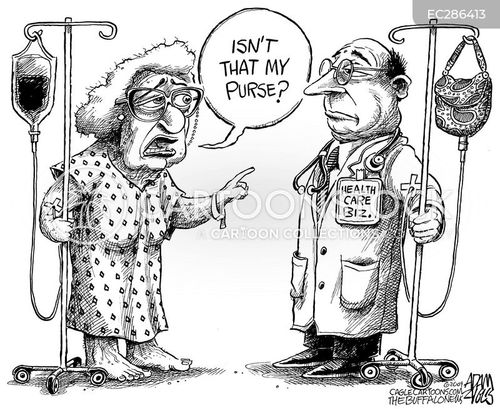
The reality is this: hospitals have lost much of the good will they earned during the pandemic. Pushback by AHA against hospital price transparency, site neutral payments, 340B changes et al. have been successful. But heightened visibility about executive compensation, profitability, tax exemptions, private equity ownership concerns and for-profit venture-development has eroded Congressional favor, exacerbated nurse and physician burnout and lessened community support. AHA is aware.

In 2024, AHA and its coalition changed the name of its public-relations campaign from the Coalition to Protect America’s Health Care to Coalition to Strengthen America’s Healthcare to “… support the Coalition’s expanded capacity as a proactive, always-on organization dedicated to positively shaping public perception of hospitals and health systems, neutralizing opposition attacks, and holding corporate payers accountable for their role in delaying and denying care while driving up overall health care costs.” For AHA and most hospitals, it’s been an uphill battle against think tanks (West Health, Lown et al), investigative journalists (WSJ, NYT, STAT, Modern Healthcare) and competing interests, especially insurers and private investors, who see hospitals as protectors of the past rather than designers of healthcare’s future.

To restore trust and garner good will among employees, employed physicians, local and national employers, elected officials and community leaders, hospital leaders in DC should engage Congress in several areas usually not discussed:

Proactive education targeted to key constituents explaining how hospitals operate including actual costs, AI applications, et al and notable inefficiencies. Asking for money or regulatory relief is not enough. The public’s ignorant about how hospitals operate!

Long-range planning: Hospital boards tend to plan for NOW and NEAR to but spend inadequate time on FAR. Understanding long-term changes in clinical care, technology, regulatory and economic realities are keys to preparedness. And, like capital and facility plans, executive compensation should be linked directly to organizational readiness for long-term changes along with short-term financials). Long-term planning is not a luxury or distraction; it’s necessary.

Systemness: Hospitals should lead in the design of local/regional “systems of health” that provide a full range of needed health services affordably, rationalizes resources appropriately, is connected includes health, social services and funding programmatically. They’re the logical partner with government to integrate health and social services and, as a result, reduce fragmentation and waste. No excuses.

Workforce: Hospitals should modernize workforce plans to maximize technology-enabled consumer self-care, expand mid-level opportunities, facilitate AI-enabled administrative and clinical process improvements and compensate based on merit and performance.

Consumers including patients: Hospitals and AHA should embrace “healthcare consumerism” actualize its centricity in interactions with individuals who use its services. Competition in a value-based system of health depends on customized engagement with consumers.

Positioning: And hospitals must temper the “blame and shame” game against insurers, drug companies and demonstrate leadership in affordability, administrative waste reduction and optimal resource rationalization. Being their target is understandable: hospitals are 31% of direct spending and, with employed physicians, ancillaries and diversified interests, responsible for at least 55% of the U.S. health economy.

I acknowledge hospitals are uniquely complex organizations—labor intense, capital intense and highly regulated by states and the federal government. Events like last week’s add to uncertainty about their future but efforts to “protect” their status quo are ill-conceived. It’s time for AHA and its followers to plan beyond clinical innovations, technologies and the current regulatory and political environment. Otherwise, most hospitals will be public utilities.

I do not think the future of the U.S. health system will be a repeat of its past. That’s good news and bad news for hospitals.

Paul

PS: Each week, I try to distill lag and lead indicators from the Clinical Care, Technology, Capital, Funding, Consumer and Regulatory environments of consequence to healthcare insiders. What’s abundantly clear is that outside forces—economic, political, global—will impact U.S. healthcare future more than its internal dynamics. The future for hospitals is not a repeat of their past: that’s clear. What’s unclear is who will shape that future and what role hospitals will play.

Why Those Outside Healthcare Control its Future

I study the future of the U.S. health system. The framework I use is based on monitoring trends, lag and lead indicators in five zones of unique relevance in the health industry at home and abroad:

  • Clinical innovations that produce new diagnostics, therapeutics & methods of care.
  • Technologies that improve how processes and decision-making (clinical/administrative) are made, by whom and where.
  • Regulations (and politics) that set boundaries, define roles, appropriate public funds, protect public interests and facilitate (or not) competition.
  • Capital markets (public and private) that enable funding, define access (credit) and determine costs of capital (monetary & fiscal policies, interest rates).
  • Consumers who use and purchase health products and services and vote on health issues.

Based on 30 years-plus years of applying this framework to my industry surveillance process, it’s clear that traditional lag indictors like enrollment, utilization, spending, workforce supply-demand et al are less useful in predicting its future. Instead, indicators from outside healthcare seem more aligned to its future than indicators from within. Why?

  • Technologies developed outside healthcare now control the system’s processes and pace of adoption. Technologies are solving problems that legacy healthcare has struggled to address. AI-enabled point solutions are reducing administrative cost and inappropriate clinical variation. Private capital is funding cheaper, and better remedies without permission of insiders.
  • The public’s receptive. Public satisfaction with the status quo has plummeted. Expectations have changed. Affordability concerns have been neglected by insiders. Non-healthcare employers are fed-up. And voters are receptive to solutions insiders fear.
  • Regulators are changing the rules. Partisan brinksmanship on most contentious healthcare issues has intensified. The Trump administration’s health apparatus (legislative priorities, executive orders, judicial appointments) embraces price transparency, competition, and necessary spending cuts due years of fraud, waste and abuse. And it is facilitating a dramatic increase in state responsibility for implementing and funding its policies.

Objectively, the reality is this: the players outside healthcare including Big Tech, Big Banks and Big Employers are forcing changes faster than healthcare insiders are comfortable and the health system’s future is uncertain as a result. Boards of most healthcare organizations inadequately evaluate future state options due to urgent issues that require attention and/or lack of CEO interest. And in many, long-range planning is relegated to 5-year capital plans and program portfolio updates. Radical change is dismissed, and executive compensation is set accordingly.

Will the health system change radically? Or will it incrementally evolve? To facilitate meaningful discussion,  at least three future state possibilities merit deliberation by leaders:

Big Public-Small Private: By 2040, federal and state governments fund 85% of health services funds contracting with private hospitals, medical groups and other providers based on evidence-based performance standards of quality, costs and access. Funding will be sourced from individual and employer taxes while a small percentage of the population will purchase services in a separate, smaller private market. Medicare, Medicaid, CHIP and Social Security programs will be combined (eventually) and budgets will be capped. Note: this model already in place in many developed systems i.e. Canada, UK, et al and is considered an incremental change to the status quo akin to “Medicare for Most” proponents.

Retail health: By 2040, employer tax deductions for employee health benefits are eliminated as a result of employer dissatisfaction with costs and cost shifting by providers based on underpayments by Medicaid and Medicare. Individuals are responsible for purchasing individual insurance and choosing and paying for the doctors, hospitals, medications and ancillary services they use. Note: many economists believe the unintended consequence of third-party health insurance is unnecessary waste, costs and marginalization of consumer choice in healthcare. Forced consumerism, they argue, would bring discipline to health spending. Critics (including most physicians) counter consumers are incapable of smart shopping for their health needs. This option represents a transformational change to the health system wherein its economy is based on retail health.

Restructure: By 2040, system restructuring to reset its focus.  The health system’s structure is its major barrier to change. Horizontal consolidation dominant now in most sectors represents a defensive maneuver whereby insiders protect against restructure by imposing its muscle-strength. Current incentives reward specialty providers, inpatient and outpatient services, patent protected specialty drugs, institutional senior care and separate financing and delivery systems. At the same time, they discourage needed investment in behavioral health, enabling of mid-level providers, incentives based on value (costs + outcomes), community-based integration of health and social services programs and guided self-care. Systemic restructure is necessary but unlikely until and unless demanded by community leaders, elected officials and private investors. In the interim, vertically integrated community health organizations will be surrogates for wider adoption.

No one knows for sure what healthcare’s future will be, but all recognize the status quo is not sustainable. Ownership status (for-profit vs. not-for-profit) will matter less and affordability will matter more.  Regulation will increase and states will play a larger role. And base rates for reimbursement will decreasingly be based on Medicare rate setting.

Protecting the status quo is not a solution. Failure to seriously evaluate future state options is professional malpractice. Outsiders want results, not excuses.

In US Healthcare, It’s Incrementalism before Transformation by Necessity

This will be a quiet week for healthcare in DC with major hearings, confirmations and legislative votes not scheduled.

Last week was relatively calm as well. The House Ways and Means Committee heard testimony from hospital CEOs of HCA, ECU Health, Common Spirit and NY Presbyterian featuring accusations of price gauging and unnecessary costs. And a study that found an OpenAI model outperformed doctors in diagnostic reasoning stirred attention in the physician and healthcare tech worlds where AI’s a dirty word to some and salvation to others.

But, for healthcare, it was an uncharacteristic quiet week. No shutdown announcements akin to Spirit’s 2 a.m. Saturday advisory “winding down all operations.”  No strikes by nurses or new megadeal announcements. No public announcements from CMS on new alternative payment models or final rules on reimbursement. But It’s a temporary calm before the tsunami building offshore. It’s the cumulative result of four convergent forces each capable of destabilizing the health economy on its own:

  • The One Big Beautiful Bill (HR1) Medicaid cuts and work requirements start January 1, 2027: states are scrambling to be ready.
  • Economists expect prices for gas, food and energy to be high into next year as a result of the war in Iran. Consumer confidence is at a modern-era low.
  • The labor market is shifting toward the AI economy where server farms and worker displacement are immediate foci.
  • And polling shows public erosion of trust and confidence in America’s major institutions at a 40-year low including its health system, Congress and even organized religion.

U.S. healthcare has much to be proud of: we justifiably tout our breakthrough meds and devices, Star Ratings, Top 100 lists and modern buildings. We remind legislators we’re the biggest private sector employer in the U.S. economy and, at every opportunity, our economic impact on communities. And, in every sector of our $5.6 trillion industry, we’re now talking about affordability (without defining it).

In April, I met with several health system Boards, limited partners in 2 healthcare investment funds and health officials in 3 states. The sentiments are the same: they’re concerned about the future and preparing for the worst. They’re asking their leaders and corporate strategists to do the impossible—avert the storm, at least for a little while. They’re confident public funds for healthcare are already stretched with no relief in sight. And they’re attempting contingency planning knowing their efforts might be moot given political volatility in DC and states.

Understandably, the appetite for risk taking in organizations and government agencies like these is relatively low. It’s safer to consolidate horizontally than vertically, cut costs, change incentives, modify reg’s slightly than attempt “newer, better, cheaper” solutions to well-known problems. Old playbooks are dependable. And, for healthcare’s operators, radical incrementalism disguised as transformation has served its interests well for 50 years as spending grew from 9% of the GDP in 1980 to 18% today. Bigger players in each sector have done well and pay their executives to keep it that way while the smaller players are collapsing.

Transformation of the system, and a clear destiny for its future are secondary to self-preservation in US healthcare today. Our investors and lenders expect it, Board compensation committees reward it, and our workforce depends on it.

Thus, until and unless elected officials, large (non-healthcare) employers and concerned community leaders act, it will not happen. And if neglected, the entire system will collapse in the next 10 years.

It’s a possibility few Boards of healthcare organizations seriously consider but growing numbers of concerned citizens fear. Like Spirit Airlines passengers and its 17,000 employees are experiencing, they’re SOL.

Paul

PS: I am in Alaska this week with the Southcentral Foundation, the Alaska Native-owned 501(c)(3) nonprofit that provides comprehensive outpatient and inpatient services to more than 70,000 Alaska Native and American Indian peoples living in the Indian Health Service’s Anchorage Service Unit. Two features of how SCF operates impress me: its purposeful blending of physical, mental, emotional and spiritual wellness in care management, and its Nuka System of Care ownership model in which individuals are customer owners, not patients. There are lessons to be learned from both.

Is Private Equity a Friend or Foe to Physicians? The Devil Is in the Details

The pace at which private equity firms acquire physician practices is picking up, affecting nearly all medical specialties. There’s evidence the consolidation of physician practices into larger organizations reduces competition, leading to higher prices for patients and payers. But how do these deals play out for the providers themselves?

To understand how private equity, or PE, may be reshaping the way physicians experience the practice of medicine and their relationships with hospitals, insurers, and patients, we interviewed six doctors who have worked for PE-backed practices and four advisers who guide physicians through the partnership process.

We wanted to know if an infusion of capital from private investors with plans for expanding or restructuring a practice makes it easier for physicians in private practice to maintain a sense of independence and even lessens burnout. Or instead, if these transactions convert once-independent doctors into employees with less agency than before.

The physicians we interviewed included two urologists who ran one of the largest PE-backed specialty practices in the United States before it sold to Cardinal Health; two orthopedic surgeons and one obstetrician/gynecologist (ob/gyn) whose practices were acquired; and an anesthesiologist who saw his own practice disrupted when two PE-backed staffing companies shook up the local market. All but one agreed to speak on the record about their experiences. The other asked to remain anonymous because his comments focused largely on former colleagues.

When Investors View Doctors as Partners, Satisfaction with Private Equity Deals Is Higher

For physicians, the value of private equity investment is very much in the eye of the beholder, and it’s largely contingent on whether physicians are treated by the investors as employees or as business partners. The PE deals that go awry — sometimes publicly, due to litigation or physician departures — often involve ventures where PE firms extract profit by changing productivity standards, staffing models, and hours of operations. When profits are achieved by expanding a practice’s services or its geographic reach, there’s more opportunity, if not incentive, for partnership.

Specialties in which changes in technology or treatment protocols are redefining the role of physicians can create growth opportunities for PE firms and the practices themselves. Urology provides an instructive example. Over the past three decades, as treatment modalities for prostate cancer have evolved, urologists have assumed a more sizeable role in cancer care. While it can be lucrative to provide radiation therapy, immunotherapy, and oral oncolytics or infusions in outpatient settings, or establish ancillary businesses such as pharmacies, these require upfront capital and management expertise. Practices with 10 or fewer urologists, once the norm in the U.S., may lack the resources to take advantage of these opportunities. They also may struggle to compete with nearby health systems that command higher payments from insurers and larger discounts from suppliers.

Add in the difficulty of recruiting younger urologists to replace retiring doctors and administrative burdens such as managing payer contracting and cybersecurity threats and PE begins to look more like a savior than a threat. Indeed, while nearly half of urologists were employed by hospitals or other institutions as of 2019, PE acquisitions of urology practices have become a dominant form of practice consolidation in recent years.

Upfront Payment Leads to Practice Changes and a Big Payday

Solaris Health, at one point the largest of at least six PE-backed urology practices in the United States, scaled quickly — from 130 physicians when it was launched in 2020 to almost 800 in August 2025. It did so by pitching itself as a national practice controlled by physicians but backed by Lee Equity, a firm with investments in many specialties. Those who signed on received stock and a lump-sum payment that, in keeping with the conventions of PE transactions, was a multiple of a practice’s future income that physicians were willing to forgo. Although the cash is an advance on future earnings, the payment is often taxed at a capital gains rate, enabling physicians to reduce their tax burden and begin investing.

“I always tell doctors if you’re tempted to buy a boat with the money, don’t. Take the cash and invest it,” says Gary Kirsh, MD, cofounder of Solaris Health. He served as the company’s CEO until Cardinal Health, a pharmaceutical and medical products supplier, paid $1.9 billion for the business in 2025.

In the lead-up to such sales, PE firms recoup their investment through what’s known as “the scrape” — taking a percentage of practice profits, typically between 20 percent and 30 percent. While this makes a sizeable dent in physicians’ take-home pay, many PE firms promise to restore income to previous levels by increasing practice revenues or reducing expenses. Known as “income repair,” it’s a process that can take a few years to play out.

Raj Patel, MD, a urologist from Homewood, Ill., who joined Solaris Health in 2021 and served on its corporate board, was initially skeptical of promises of revenue growth because he was already so entrepreneurial. He also valued his independence. “I would tell my partners, our group doesn’t need private equity,” Patel says.

Over time, however, Patel began to see that joining a large PE-backed practice, with more than 120 urologists in the Chicago area alone, might be a way to enhance access for patients and professional satisfaction for doctors. Instead of everyone performing the same procedures and sending advanced cases to large health systems, they could begin to subspecialize and refer patients to one another.

While the MSO took a share of profits, it also assumed an equal share of an individual practice’s expenses, including the cost of hiring advanced practice providers to handle low-acuity cases and manage calls from staff in local emergency departments — a pain point for Patel’s practice, as this support was expected by hospitals but not reimbursed. Solaris also hired navigators to support patients as they explored different options for treatment. And it had the financial resources to invest in a laboratory for genetic testing, a pharmacy, and the data analytics to determine why some practices had better clinical outcomes or financial performance than others. Although clinicians are expected to follow clinical pathways, Patel says those are determined by clinicians that advise the MSO. “Physicians really need to lead that,” he says.

After he joined, Patel was also able to begin enrolling his patients in clinical trials, another income stream. As revenues increased, Patel achieved income repair in just one year. While some might worry this may lead to higher health care costs, Kirsh believes the opposite is true — that consolidation of physician practices enables clinicians to steer patients to outpatient settings, which, he says, can be significantly cheaper than hospital-based care due to lower fixed costs and the avoidance of facility fees. 

Our business model is not to acquire scale and hold insurance companies hostage on rates. We’re creating a national network that shares best practices, professional management, and ancillary services, and doing it in a way that streamlines care for patients.

Gary Kirsh, MDcofounder, Solaris Health

Cardinal Health says it hasn’t made changes to Solaris’s operations or pricing since the acquisition; whether that holds true remains to be seen. Its management services organization, The Specialty Alliance, formed in 2025, now has a stake in the practices of roughly 3,000 providers specializing in gastroenterology and urology. The company also has acquired practices affiliated with Integrated Oncology Network, which has 50-plus community-based oncology centers and more than 100 providers. Sen. Elizabeth Warren (D–Mass.) has raised concerns that the company is buying physician practices as a means of locking customers and physicians into restrictive contracts for drugs and other supplies, reducing competition among wholesalers, and driving up costs. She’s also concerned that practice acquisitions will reduce competition between hospitals and nonhospital providers and has called on the Federal Trade Commission to scrutinize pending sales.

Soon after the deal was announced, Kirsh retired as CEO, handing the reins to James Weber, MD, a gastroenterologist from Southlake, Texas, who became CEO of Specialty Care Alliance after Cardinal acquired a majority stake in GI Alliance in November 2024 for $2.8 billion. Weber says Cardinal’s investment enabled his group to get off the private equity “merry-go-round” and begin partnering with urologists and other specialists who aren’t solely dependent on hospitals for delivering care. Instead of buying a stake in the MSO only to sell it again, as a private equity investor might, Cardinal sees value in building a long-term relationship with physicians as this diversifies its customer base and opens up the possibility of selling higher-margin products and services, Weber says. Rather than forcing such supplies and services upon doctors, Cardinal competes with other vendors in an open-bidding process and profits when the MSO gets the best deal it can — even if it’s from a competitor, he says.

Where Growth Is Harder to Achieve, Tensions Are Magnified

Partnering with private equity firms may have less upside for specialists who have reduced practice expenses to the bare minimum; have maximized their income from ancillary services like imaging, physical therapy, and durable medical equipment; or are working at full tilt. In these instances, income repair may be impossible, especially if the firm tacks on new charges or takes away benefits.

Two orthopedic surgeons we spoke with, one in Pennsylvania and the other in Florida, said partnering with PE had cost them financially. Both had worked in what they described as well-respected practices that faced competition from large academic medical centers intent on expanding, in one case by buying up primary care practices that influenced local referrals patterns. As nonprofits, the systems had several advantages: a lower tax rate and access to the federal 340B Drug Pricing Program, which allows safety-net providers to purchase drugs at a discount and receive reimbursement from insurers at market rates.

Adrienne Towsen, MD, an orthopedic surgeon from West Chester, Pa., says that after her 75-physician practice was sold in 2022 to a management company backed by PE, promised changes to back-office functions never materialized, and the accounting grew more opaque. Then came cuts. Doctors were told they needed to start paying for their own cellphone plans, as well as life and disability insurance. Management fees also increased, and the ancillary income physicians once earned from physical therapy and MRIs — worth as much $100,000 a year to each doctor — was carved out of their compensation.

While she had received an upfront payment, she found it didn’t make up for the cuts in her take-home pay. Towsen says part of the problem was that the revenue target she and her colleagues needed to hit to bring fees down was set at an all-time high, the year of the sale.

Towsen says she started to feel like she was caught in a bad relationship. Problematic behavior was followed by unfulfilled promises from management to do better. She wanted to exit, but the contract required her to pay back the lump sum if she left before three years. Leaving also would trigger a noncompete clause, severing relationships with patients she’d built over two decades. She resigned the first day she could, giving up her shares in the company.

Equally painful was the disruption in her relationships with patients. “I had very frank discussions with patients and told them exactly why I was leaving. They were upset,” she says. Many reported experiencing similar problems with other specialists. 

I kept hearing, ‘I’m losing all my good doctors.’ It makes you feel so guilty.

Adrienne Towsen, MDorthopedic surgeon

When the Math Doesn’t Add Up

R. James Toussaint, MD, an orthopedic surgeon in Florida who worked in investment banking before going to medical school, chose to join The Orthopaedic Institute in Gainesville because it had a reputation for high-quality care and was large enough for him to subspecialize in foot and ankle surgery. When PE firms came calling in 2017, he had a hard time persuading his partners that it would be the PE firm that benefited, not them. “I had structured deals like this myself and knew what the benefits and drawbacks were. I also knew once you sell your house, it’s nearly impossible to buy it back,” he says.

Once the sale went through, he says the firm added new layers of management overhead, including executives tasked with business development and marketing. “These aren’t positions generating revenue the way surgeons do. They’re essentially cost centers,” Toussaint says.

Since he had already maximized the hours he worked, as well as opportunities to earn income from ancillary services like MRIs, physical therapy, and durable medical equipment, there wasn’t a way to offset these expenses and other management fees by working longer hours. “There’s no eighth day in the week to work,” he says.

He says the lump-sum payment he’d received wasn’t sufficient to cover the loss of income. After a couple of years, he decided to resign and negotiated a settlement to release him from the noncompete clause. He then joined the academic medical center that was once viewed as a competitor, a move he wishes he made sooner. “Looking back, the whole transaction just made no sense. I should have just left immediately because there literally was no upside.”

Toussaint says in some cases patients are left in the dark when physicians leave. “It’s embarrassing for the group,” he says. “So they just say they left or they retired and the patients are left trying to figure out where their doctor is. It’s unfortunate.”

We reached out to the private equity–backed ventures that help run the two orthopedic surgery practices for comment. Both offered to connect us to physicians with a different perspective.

John Stevenson, MD, a neurosurgeon who’s been at The Orthopaedic Institute for three decades, agreed the early days of partnering with a private equity–backed firm had its ups and downs, in part because they were the first orthopedic practice to do so and it took time to develop and execute a growth strategy. But over the long run, he says he’s come out ahead because he’s been able to see more patients with the help of midlevel clinicians and gained access to better insurance contracts, lower-cost supplies, and other resources that help patients, including staff with pain management expertise.

Jason Sansone, MD, an orthopedic surgeon in Madison, Wis., found it helpful to partner with the private equity–backed venture Towsen did — Healthcare Outcomes Performance Company (HOPCo). He’d been employed by a multistate health system but found its bureaucracy and the inability to innovate stifling. “We wanted more autonomy and offered to assume financial risk in exchange for it,” he says, but the health system insisted on an employment model.

In 2023, he and 10 other doctors struck out on their own, betting they could negotiate contracts with payers that would reward them based on the value of services they provided rather than the volume. “Sometimes that means more conservative treatments and other times, it’s just doing surgery instead of requiring patients to go through physical therapy and steroid injections that you know aren’t going to help,” he says. Having fought for their independence, he and his partners were reluctant to give up equity in their practice, so they hired HOPCo to provide management services and built an ambulatory surgery center as a joint venture. Sansone says he’d only consider giving up equity in the practice itself to fund an expansion. “We view private equity as a source of capital for growth rather than a means of generating liquidity,” he says.

From Boutique to Big Box Store

The ob/gyn we spoke with, now working in North Carolina, joined a large obstetrics practice just three months before its partners voted to sell it to a PE-backed venture. As a new hire, Dr. M (who asked for anonymity because his comments focused largely on former colleagues) wasn’t eligible for the lump-sum payment, but he figured that banding together with other doctors in his state would improve payer contracts and make it easier to participate in value-based contracts.

Dr. M didn’t anticipate how hard it would be to lose the ability to make business decisions — like choosing a vendor or launching an infusion clinic so pregnant patients experiencing nausea didn’t seek emergency care. Merging practices brings standardization that tends to lift low performers but restricts the flexibility of high performers, he says. “It’s like going from being a boutique specialty store to being bought out by Walmart. We were doing everything in-house and doing things well. It cheapened our brand.”

Dr. M also didn’t like having salaries capped. He figured his fellow physicians were leaving as much as $200,000 on the table each year despite seeing as many as 35 patients per day. 

I think there are people who are happy just going to work and getting a paycheck, but if you are in medicine to take care of patients and be in business, private equity ownership is a frustrating thing.

Dr. MOb/gyn

After three years, Dr. M left to become a “locum tenens” provider, a temporary worker paid at a premium by a hospital to fill a critical workforce gap. While there is a baseline level of job insecurity inherent in being a locum provider, they usually command high hourly rates for short-term work, giving providers flexibility but potentially disrupting relationships between patients and providers. “Locums is inherently bad for obstetrics,” he says, and some doctors may avoid it because they can’t foster long-term relationships with patients, but he believes younger patients view doctors more interchangeably and prioritize having timely access to any doctor rather than a specific one. “They’re not necessarily as sentimental as their parents were,” he says.

Dr. M thinks locums jobs may be increasingly attractive to physicians with young families who want substantial time off and to new residency graduates who don’t want to work as employees in large provider groups but have trouble identifying smaller independent practices. As for his old colleagues, he says, “I’m not mad at them that they joined with private equity. I am more frustrated by the fact that they felt like they had to.”

Trying to Sidestep Private Equity

Not all medical specialties draw interest or upfront cash from private equity firms. Since the No Surprises Act went into effect in 2021, preventing hospitals from charging out-of-network rates for the services of emergency physicians, anesthesiologists, and other emergency care providers who opt out of insurance networks, PE firms have had less incentive to invest in their practices.

Marco Fernandez, MD, an anesthesiologist and former president of Midwest Anesthesia Partners, the largest group of independent anesthesiologists in Illinois, turned down such offers when they came in because he doesn’t like how PE-backed anesthesia groups tend to assign cases to certified nurse anesthetists and make physicians their supervisors. “We wanted to do our own cases and take care of our own patients,” he says. “If we’d sold or joined a staffing company, we’d be managing as many as 10 surgeries at once. It would make us glorified rescuers, running in for emergencies and filling out paperwork,” he says. “It’s a different level of stress.”

Retaining hospital contracts for the then-300-physician group became much harder when PE-backed staffing companies using such models stepped into the market, offering a less expensive service. “Within a two-week span, we lost two contracts,” Fernandez says. Some physicians in the group opted to join PE-backed ventures or become hospital employees. The remaining 100, who wanted to retain their model, now primarily serve ambulatory surgery centers or work in three hospitals as locum providers. Similar disruptions are playing out in other markets, leading to delays in surgeries.

Fernandez worries that not having the same anesthesia staff in facilities will impede communication and quality improvement, but he hasn’t found hospitals willing to subsidize a physician-centric approach. In 2022, he joined three other anesthesia groups in forming the Association for Independent Medicine, an advocacy organization that’s been calling for greater regulatory oversight of PE ventures and protections of clinicians’ decision-making. Another organization, the Coalition for Patient-Centered Care, is pursuing a similar mission, in part by asking state and federal lawmakers to apply antikickback and fraud and abuse laws to PE acquisitions of physician practices.

Partnership Is Crucial

The experiences of these physicians, while purely anecdotal, suggest private equity investment can be advantageous if the partnership is structured in a way that aligns physician and investor interests. “A lot of the bad case studies you see involve private equity firms turning physicians into employees whose income is tied to what they generate, mirroring what health systems do,” says Robert Aprill, a partner with Physician Growth Partners, an investment banking and advisory firm that represents physicians in transactions with PE firms. There’s higher satisfaction when investors tie compensation to practice profitability and add value by helping clinicians gain access to data and discounts on supplies, he says. “Private equity can become a vehicle to create super groups across state lines.”

Physicians have to be flexible, Patel says. “Whenever you sell to private equity, it’s not a lifetime achievement award where you walk away with a check. It’s a growth model. That’s where I see private equity deals fail. Both sides aren’t willing to grow together.”

If a partnership goes awry, there can be severe consequences for physicians. Toussaint says that half of the partners at his former practice were gone at the time he spoke with us, and that there was a “mind-boggling” amount of litigation happening. While MSOs typically pick up the cost of a defense, such expenses cut into the profitability, and thus the resale value, of the business. Towsen has also seen instances in which doctors departing from PE-backed ventures had to hire lawyers and forensic accountants to protect their interests.

Keep the Exit Pathway Clear and Well Lit

Too often physicians get distracted by the lump sum that private equity firms offer and sign away rights via letters of intent before showing them to a lawyer, says Randal Schultz, JD, CPA, a health care lawyer with Lathrop GPM in Kansas City. He encourages his clients to capture what matters most to them in contracts, including the hours and years they are expected to work, the terms of compensation that can and cannot be altered, and, perhaps most important, the circumstances under which they can exit without being subject to a noncompete clause or a clawback of the initial payment. “If you get terminated without cause, or they breach the contract, you should be able to walk away without any restrictions,” he says.

PE firms often understand and will try to exploit physicians’ risk aversion, Toussaint says. They know that clinicians with children and tuition bills in their future may be hesitant to start practicing in a new area. In addition to uprooting a family, they’d be subjecting themselves to additional background checks and licensing paperwork. “It’s really time-consuming and draining,” he says.

Ericka Adler, JD, LLM, who leads the health law practice at Roetzel and Andress in Chicago, encourages physicians to think about how they will continue to practice if things go south. “I’ve seen doctors who were terminated from their practices after selling it be subject to a noncompete clause,” she says. Adler also sees a lot of young doctors who are very opposed to working with a PE firm. They want an exit pathway written into their contracts if the practice they join decides to sell to one, so they can move on to a practice that isn’t PE-owned or PE-managed.

Invest in Yourself

Toussaint hopes physicians will consider a third way: capitalizing themselves. “If you have a good management team for your practice, tell them to borrow money to pay partners who want to retire. Then use some of that money to stay true to your growth strategy,” he says.

Now in academia, Toussaint warns the residents he trains to preserve their freedom at all costs. “I tell them your entire life as a doctor has been trying to get in — to the best high school, the best college, and the best medical school. Now your goal when you are negotiating these contracts is to figure out how the hell to get out.”

Truman on Leadership Integrity

“In 1953, Harry Truman left the White House with $0 in pension. He moved into his mother-in-law’s house and drove himself to work. He turned down job offers worth millions. Why? Because he believed the presidency was not for sale.”

Cigna’s “Transparency Report” is Just a PR Stunt

After public outrage and political pressure, insurers like Cigna are rolling out “reforms” and glossy reports but the same opaque systems of denial, delay and self-policing remain.

On the morning of December 4, 2024, Brian Thompson, the CEO of UnitedHealthcare, was shot and killed outside a Manhattan hotel. What happened next stunned the health insurance industry — and, I suspect, haunts its communications teams to this day.

The public reaction wasn’t what anyone expected. Yes, there was shock and grief. But alongside it (in some corners overwhelming it) came something the industry had never quite experienced at that scale: a torrent of personal testimony. On social media, millions of people shared their own stories. Denied claims. Delayed treatments. Coverage that evaporated precisely when it was needed most. Loved ones who died waiting for approvals that never came. The posts spread faster than any industry crisis communications team could track. What should have been a moment of straightforward public sympathy became, almost immediately, a referendum on the entire business model of private health insurance in America.

Within weeks, Cigna, where I used to work, announced what it called a “multi-year effort” to transform the health care experience for its customers — framed around five aspirational priorities: easier access to care, better support, better value, accountability, and transparency. In March, the company published its first Customer Transparency Report. Last week, just days before Cigna’s first-quarter earnings call this Thursday, it joined UnitedHealthcare, Aetna, Elevance, Humana, and dozens of other insurers in an industry-wide pledge, coordinated by the trade association AHIP, to standardize electronic prior authorization submissions.

The pledges sound real. The question is whether they represent genuine reform or a carefully constructed substitute for it — one designed to satisfy a restless public, reassure a new administration and protect the industry from the legislation and regulation that would actually change how it operates.

You won’t be surprised that I view the pledge as a carefully constructed substitute for real reform.

The deal with the administration

The current pledge didn’t emerge organically from a suddenly conscience-stricken industry. It clearly was negotiated.

On June 23, 2025, HHS Secretary Robert F. Kennedy Jr. and CMS Administrator Dr. Mehmet Oz hosted a roundtable with insurance industry leaders — Cigna, UnitedHealthcare, Aetna, Elevance, Humana, Centene, and others — where the companies pledged six key reforms to streamline prior authorization. The administration praised the voluntary commitments. Federal health officials told reporters they were prepared to issue new regulations if insurers didn’t abide by the agreement. The implicit message: play ball, and we won’t legislate you.

Dr. Oz was blunt about why. As NPR reported at the time, Oz said, “There’s violence in the streets over these issues,” alluding directly to the killing of Brian Thompson. “This is not something that is a passively accepted reality anymore — Americans are upset about it.”

He was certainly right about that. .But I can assure you, the industry was not moved by conscience. It was moved by fear: fear of public rage, fear of bipartisan legislation gaining momentum in Congress, fear that the social media firestorm after Thompson’s murder had permanently altered the political calculus around health insurance regulation. The voluntary pledge was the solution. Give the administration a win it could announce at a press conference. Show the public that reform was underway. Preserve the right to self-define what “reform” means.

Oz called the pledge “a step in the right direction toward restoring trust” and praised it as the kind of issue that “should be solved” by the private sector rather than government. That’s the deal. Voluntary commitments in exchange for regulatory forbearance. The industry gets to write the rules of its own accountability. The administration gets a headline.

What the “Transparency Report” actually reports

Cigna’s Customer Transparency Report, released in March, is the most polished piece of this campaign I’ve come across. It states that Cigna removed prior authorization requirements for 345 tests, procedures, and services — a change the company says decreased overall prior authorization volume by approximately 15%.

Which 345 services? The report doesn’t say. We are asked to take Cigna’s word that these were not 345 low-utilization, rarely-contested procedures that were essentially rubber-stamped anyway — that the company didn’t selectively prune the easy cases to manufacture a favorable headline number.

Here is what I know from my years in this industry: the vast majority of claims have been automatically adjudicated electronically for decades. Routine, low-cost, uncontested procedures flow through the system without human review. What gets flagged — what actually gets held up, scrutinized and frequently denied — are the expensive requests. The chemotherapy regimen. The advanced imaging when a patient’s symptoms suggest something serious. The specialty biologic that costs $80,000 a year. The complex surgery requiring detailed documentation and specialist review.

Dr. Wendy Dean, who joined us on the third episode of the HEALTH CARE un-covered Show, has a name for what this does to physicians: moral injury. Not frustration, not inconvenience — injury. The repeated experience of knowing what your patient needs and being systematically blocked from providing it, by a process controlled not by medicine but by a business calculation made somewhere far from the examining room. Prior authorization is the machine that produces that injury every single day in America.

Prior Authorization: Care, Delayed | EP 3

Prior Authorization: Care, Delayed | EP 3

A deep dive into prior authorization’s toll — from doctors to federal policy—featuring Dr. Wendy Dean, Dr. Seth Glickman and Rep. Suzan DelBene (D-WA) on CMS’s new AI-driven WISeR model.

A 15% reduction in prior authorization volume almost certainly didn’t come from those cases. It came from removing procedures that weren’t generating significant friction in the first place. The cases that destroy lives when they’re denied — those are precisely the cases most likely to remain fully subject to prior authorization review, now increasingly conducted not by a physician but by an algorithm.

And last week’s industry pledge, announced through AHIP, is careful to acknowledge as much. The new standardization framework “does not impact individual plans’ clinical policies or coverage determinations.” That sentence, buried deep in the press release, is the most important one. The pledge standardizes the form a doctor’s office uses to submit a prior authorization request. It does not change what happens after the form is submitted. It does not change Cigna’s criteria for approval or denial. It does not change who reviews the request, or how quickly, or what standards they apply.

Who verifies any of this?

The “accountability” mechanism Cigna touts in its Transparency Report is tying executive compensation to Net Promoter Score — a customer satisfaction survey the company administers itself. The company’s NPS “increased compared to 2024,” the report says, without disclosing the actual numbers or the methodology.

The report is a document Cigna wrote, about Cigna, measuring metrics Cigna selected, verified by no one outside Cigna. When I was VP of corporate communications at Cigna, my job — part of it — was to help construct narratives like this one. We knew which statistics would travel well in a press release. We knew how to frame progress in ways that sounded accountable without actually being accountable. I’m not describing bad faith, necessarily. I’m describing the ordinary logic of institutional communications, which optimizes for favorable presentation, not complete disclosure.

So here is the question I most want Cigna to answer: Would you open your actual claims data — denial rates by procedure, by condition, by demographic, by market — to independent review? Not to a consultant you hired. Not to an auditor who depends on your future business. To researchers. To journalists. To Congress. To me.

The industry reported through AHIP an 11% reduction in prior authorizations, representing 6.5 million fewer requests. That number covers dozens of health plans across hundreds of markets. There is no way to verify it: The methodology isn’t public, the baseline isn’t specified, and the mix of commercial, Medicare Advantage, and Medicaid business isn’t broken out. The denial rate — the number that actually matters — isn’t mentioned at all.

11% sounds like progress. But 11% of what, measured how, against what baseline, with what effect on patient outcomes? We don’t know, because we are not allowed to know. That’s not a transparency report.

The timing is not a coincidence

Cigna will report its first-quarter earnings tomorrow. Wall Street will scrutinize the numbers. Analysts will ask pointed questions about medical cost ratios, about Evernorth’s performance, about the trajectory toward the company’s projected $8 billion-plus in adjusted income from operations for the year. By the end of the call, investors will know roughly what they need to know about how the business is performing. The rest of us are being handed a PDF of a so-called transparency report.

The sequencing of this campaign — voluntary pledge negotiated with the administration last June, Transparency Report released in March, industry standardization announcement last week — is not a coincidence. I know what a communications strategy built around an earnings calendar looks like because my name was on Cigna’s earnings reports for 10 years. I also know what it looks like when an industry has correctly read a political moment and moved to get ahead of it.

The social media firestorm after Brian Thompson’s murder was real. The public anger it reflected is real. The industry recognized that the old business and communications strategies — deny, delay, deflect — were endangered in a world where every patient with a denied claim has a platform and an audience. The response has been sophisticated: genuine enough to be defensible, incomplete enough to be sustainable.

On Thursday, Cigna’s executives will take questions from the analysts who follow their stock. They will speak with precision about earnings, margins, and growth because Wall Street demands it.

Patients deserve the same, but they’re not getting it. What Cigna has published isn’t a transparency report. It’s a press release with better production values.

Hospitals are stuck in a deadly doom loop

https://www.economist.com/international/2026/04/09/hospitals-are-stuck-in-a-deadly-doom-loop

The diagnosis is simple: “Our health-care system broke in 2020,” says Dr Tom Dolphin, an anaesthetist in London and boss of the British Medical Association. “We like to pretend it didn’t, but it really did.” In the early months of 2020, hospitals paused normal activity to free up beds as they braced for a wave of covid-19 patients. The strategy helped in a moment of crisis. But, several years on, it is becoming clear that those measures did lasting damage to health-care systems. Understanding why is less straightforward.

From admission to discharge, hospital care is now harder to access, takes longer and is of worse quality. The resulting toll includes avoidable deaths. Almost everyone is affected: across 18 rich democracies, satisfaction with health-care quality fell sharply after the pandemic and remains well below the pre-pandemic norm (see chart). Few data sets track hospital performance across countries, so The Economist collected data on health-care systems from all over the world to identify where things are going awry.

Chart: The Economist

The ordeal begins outside the emergency room, or the accident-and-emergency department (A&E).Waiting times have become longer in America, Europe and elsewhere. Hospital entry halls are more crowded and their staff more overstretched than they were before the pandemic, says Dr Alex Janke, an emergency physician at the University of Michigan.

In some parts of Australia almost half of patients arriving by ambulance wait more than 30 minutes outside A&E before space can be found for them. About a quarter of patients experience such delays in Britain, double the level in 2019. In Canada a record number of sick and injured simply give up and leave emergency rooms before they are seen by staff.

Once in A&E, care is slow. More than a quarter of patients in England spend over four hours there, roughly twice the level in 2019. In Massachusetts, a state with good data, more than two in five endure such waits. In Australia, nearly half of patients do so. There has also been a steep rise in “trolley waits”, the time between a doctor’s decision to admit a patient from A&E to the hospital and when a patient gets a bed. Last year nearly one in ten emergency admissions in England, or some 550,000 people, had waited more than 12 hours on a trolley—a 67-fold increase since 2019.

The real trolley problem

The Royal College of Emergency Medicine estimates that trolley waits contributed to almost 5,000 avoidable deaths in Britain’s hospitals last summer (health authorities have disputed such figures in the past).

Millions are stuck on waiting lists. Waits for hip replacements, to take one example, were above pre-pandemic levels in 2024 in nine out of 11 OECD countries, for which data exist. Canada is perhaps the worst hit. The median waiting time for specialist treatment was 29 weeks in 2025, more than a third higher than the 2019 baseline, according to the Fraser Institute, a think-tank in Vancouver. That is the second-worst result since the survey began in 1993; the record of 30 weeks was set in 2024. France’s main hospital union says access to health care in the country is undergoing an “unprecedented deterioration”.

In many countries the challenges of hospitals are viewed as the product of domestic policy choices. Britain’s government, like Giorgia Meloni’s in Italy, was elected in part on a promise to reduce waiting lists; Australian voters have punished politicians for ambulances delayed outside A&E; and in France, where staffing shortages have forced the closure of some clinics, there is talk of déserts médicaux.

But the long-term effects of the pandemic on hospitals are consistent across countries. A paper published in January by Luigi Siciliani of the University of York and his co-authors finds no relationship between a health-care system’s characteristics, be it public or private, and the effect of covid on its function. How much funding a system had, its bed capacity and how many physicians it employed, had little to no relation with big jumps in waiting lists for elective surgeries between 2020 and 2023, which occurred across the board.

Hospitals are jammed up despite being well-resourced. Funding for health care is the highest it has ever been, outside covid. After stabilising in the 2010s, spending in the OECD rose to nearly 10% of GDP following the pandemic. Median spending per person in Europe has risen 13% in constant prices since 2019. There are also more helping hands. Hospitals added nearly 140,000 jobs in America last year, more than the entire rest of the economy. Hiring by England’s National Health Service has increased sharply: its headcount has grown by 25% since 2019 to employ some 1.4m people—or 2% of the population.

All this presents a productivity puzzle. Some hospitals seem to be faring worse with more resources. In Australia, where the hospital workforce grew by almost 20% from 2019-24, elective surgeries are basically flat—the only difference is that the sick are waiting longer to be seen. Though there has been a gradual recovery, “On any measure you want to use in England, productivity is below where it was pre-pandemic,” says Max Warner of the Institute for Fiscal Studies, a think-tank in London.

Hospital productivity is hard to measure, but a good rule of thumb for spotting any decline in productivity is when spending grows faster than output, or revenue. Even in Germany, where the public system is considered to be in good shape, three out of four hospitals lost money in 2024, up from a third in 2019, according to a recent report by Roland Berger, a consultancy. In America operating costs for hospitals increased by 7.5% in 2025, about twice as fast as prices, says Aaron Wesolowski of the American Hospital Association, an industry body. Accordingly operating-profit margins have stagnated since 2019, even as profits in the rest of America’s economy recovered and grew.

Experts differ on the reasons why hospitals, as big, complex systems, have never fully recovered. One explanation lies in the hospital workforce. About half of the growth last year in the operating expenses of American hospitals came from inputs such as labour costs, which grew by 5.6% in nominal terms. Pandemic-era stresses increased churn as doctors and nurses resigned, or retired early. Those who stayed have reduced their “discretionary effort”, voluntary overtime work that helped frail health-care systems surge in peak periods. Burnout remains high, says Dr Margot Burnell of the Canadian Medical Association.

Is there a manager in the house?

Both factors have created an acute need for staff, and spurred a big hiring drive. The knock-on effect is that health-care workers today are less experienced and perhaps less productive. In Britain the share of nurses with less than one year of experience has doubled since 2015, a trend explained also by efforts to improve nurse-to-patient ratios. Moreover, though doctors and nurses have been added quickly, in some countries hiring for other jobs vital to productivity, such as theatre assistants and hospital managers, has not kept pace.

The other half of rapidly rising costs comes from having more, and sicker, patients. Four factors apply across rich countries: longer waits have left patients sicker, sicker patients take longer to treat, longer treatments clog capacity, reduced capacity creates longer waits. It is a doom loop.

First, in many places the queue has never been longer. Across the OECD, a group of mostly rich countries, elective-surgery activity dipped in 2020 by 19%. This has left hospitals with a long to-do list on top of their ordinary flow of new patients. More than 3m missed hospital stays accumulated in France between 2019 and 2024, according to estimates by the country’s health-care unions. In January nearly 40% of those waiting for treatment in Britain—or 2.8m people—had been languishing for more than 18 weeks. That was up from 570,000 in the same month of 2019. Mr Siciliani says that in order to cut those lists, hospitals need not only to return to their pre-pandemic productivity, but also to “support a big surge in activity”.

That task is made harder by a second big change: patients are sicker now. Long waits for treatment have made patients’ conditions more complex. Some diseases, such as cancers, stayed undiagnosed for longer because people avoided hospitals and clinics during the pandemic. (In America this effect was compounded by a rising avoidance of treatment due to expense.) In addition, populations are older than they were a few years ago. All this has seen chronic conditions, such as heart disease, cancer and liver disease rise as a share of hospital workloads. Death rates, not adjusted for age, are higher than before the pandemic. “Patients are staying longer and cost more to treat,” says Dr Richard Leuchter, an acute-medicine specialist at the University of California, Los Angeles.

Patients who stay longer take up precious bed capacity. Bed occupancy is further inflated by poorly performing general-practitioner services and chock-full care homes for the elderly, both of which funnel a growing number of sick and infirm into hospitals. Research by Dr Leuchter shows that prior to the pandemic about 64% of American hospital beds were occupied at any given time; during the pandemic that figure shot up to and remained at 75%. In some states, the average is as high as 88% (85% is considered “safe”).

American hospitals look positively capacious next to public systems, which run much leaner. In Ireland more than 94% of beds were occupied in 2019; that went up to 96% in 2025. In Britain beds are often 90% occupied and delays in discharging patients have grown. That worsens the initial problem, delays at the A&E door.

Hospitals are trying to break free from the cycle. Many are demanding more money and staff. A few are trying novel approaches to make room for the sickest patients. Some American hospitals, such as Dr Leuchter’s, are trying “avoidance” strategies that refer stable A&E patients to clinics without overnight beds. Many countries are trying types of “community care” in which treatment occurs outside hospitals, sometimes in patients’ homes. In ageing societies, it was inevitable that hospital care would change: there would be relatively fewer nails in thumbs, and relatively more chronically ill. The pandemic simply made people sicker, sooner. 

In OMB’s FY 2027 Proposed Budget, Healthcare is the Big Loser

In 1970 before there was ESPN Sports Center, there was ABC’s “Wide World of Sports” and its iconic montage opening featuring a disastrous ski jump attempt by Yugoslavia’s Vinko Bogataj and Jim Kay’s voice-over “the thrill of victory and agony of defeat.” It’s an apt framework for consideration of current affairs in the U.S. today and an appropriate juxtaposition for consideration the winners and losers in the White House Office of Management and Budget FY2027 released Friday.

  • Last week’s “Thrill of Victory” includes the recovery of Dude 14, the F-15E Strike Eagle pilot shot down over Iran Friday, the college basketball men’s and women’s’ Final 4 contests, the successful launch of Artemis II by NASA and, for some, the additional funding ($441 billion/+44% vs. FY 2026) for the Department of War in the President’s proposed budget.
  • And last week’s “Agony of Defeat” includes continued anxiety about the economy, especially fuel prices, growing concern the war in Iran begun February 28 might extend at a heavy cost in lives and money, and for health industry supporters, a $15 billion (-12% vs. FY 2026) cut to HHS and the 10-year, $911 billion Medicaid reduction in federal funding for Medicaid enacted in 2025 (HR1 The Big Beautiful Bill).

In its current form, this budget is unlikely to be enacted October 1, 2026: it’s best viewed as a signal from the White House about priorities it deems most important to the MAGA faithful in Congress, 28 state legislatures and 26 Governors’ offices controlled by Republicans. Though its explosive growth in of War Department funding to $1.5 trillion is eye-popping, cuts to healthcare are equally notable. Both are calculated bets as the mid-term election draws near (6 months) and clearly OMB is betting healthcare cuts will be acceptable to its base. Its view is based on three assumptions:

1- Healthcare cost cutting is necessary to fund other priorities important to its base. And there’s plenty of room for cuts in Medicaid, prescription drugs and hospitals because waste, fraud and abuse are rampant in all.

  • Medicaid: Medicaid is a state-controlled insurance program that covers 76 million U.S. women, children and low-income seniors primarily through private managed care plans that contract with states. In HR1, a mandatory work requirement was applied to able-bodied adult enrollees with the expectation enrollment will drop and state spending for Medicaid services will be less. But its enrollees are less inclined to vote than seniors in Medicare and its funding burden can be shifted to states.
  • Prescription Drugs: The White House asserts its “favored nation” pricing program will bring down drug costs but the combination of voluntary participation by drug companies and impenetrable patent protections in U.S. law neutralize hoped-for cost reductions. The administration wants to lower drug spending using its blunt instruments it already has: accelerated approvals, price transparency, pharmacy benefits manager restrictions et al. while encouraging states to go further through price controls, restrictive formularies and, in some, importation. In tandem, the administration sees CMMI modifications of alternative payment models (i.e. LEAD) as a means of introducing medication management and patient adherence in new chronic care pilots. Recognizing prescription drug prices are a concern to its base and all voters, the administration will use its arsenal of regulatory and political tools to amp-up support for increased state and federal pricing constraints without imposing price controls—a red line for conservatives.
  • Hospitals: Hospital consolidation is associated with higher prices and increased spending with offsetting community benefits debatable. Hospitals represent 43% of total U.S. health spending (31% inpatient and outpatient services, 12% employed physician services). In 4 of 5 U.S. markets, 2 hospital systems control hospital services. And hospital cost increases have kept pace with others in healthcare (+8.9% in 2024 vs. +8.1% for physician services and 7.9% for prescription drugs) but other household costs, wage increases and inflation. Lobbyists for hospitals have historically favored hospital-friendly legislation like the Affordable Care Act preferred by Democrats. The Trump administration sees site neutral payments, 340B reductions, expanded price transparency, limits on NFP system tax exemptions et al. and Medicaid cuts necessary curtailment of wasteful spending by hospitals. They believe voters agree.

Backdrop: Per the National Health Care Fraud Association, 10% of health spending ($560 billion) was spent fraudulently in 2024: the majority in the areas above.

2- The public is dissatisfied by the status quo and supports overhaul of the U.S. healthcare system to increase its affordability and improve its accessibility.

  • Consolidation: Through its Federal Trade Commission and Department of Justice, the White House has served notice it believes healthcare affordability and unreasonable costs are the result of hyper consolidation among hospitals, insurers, and key suppliers in the healthcare supply chain. It has appointed special commissions, task forces, and filed lawsuits to flex its muscle believing the industry has pursued vertical and horizontal consolidation for the purpose of reducing competition and creating monopolies. It shares this view with the majority of voters.
  • Corporatization: In tandem with consolidation, the White House asserts that Big Pharma, Big Insurer, and Big Hospital have taken advantage of the healthcare economy at the expense of local operators and mom and pop services. It presumes they’re run as corporate strongarms that access capital and leverage aggressive M&A muscle to drive out competitors and bolster their margins and executive bonuses. The administration treads lightly on corporate healthcare, seeking financial and political support while voicing populist concerns about Corporate Healthcare. Photo ops with CEOs is valued by the White House; corporatization is recognized as a necessary plus with a few exceptions.  By contrast, most voters see more harm than good. Thus, the administration courts corporate healthcare purposely and carefully.

Backdrop: Intellectually, the majority of voters understand healthcare is a business that requires capital to operate and margins to be sustainable. But many think most healthcare organizations put too much emphasis on short-term profit and inadequate attention on their mission and long-term performance.

3-The U.S. healthcare industry will be an engine for economic growth domestically and globally if regulated less and consumers play a more direct role.

  • The administration is resetting its trade policies in response to suspension of at-will tariff policies that dominated its first year. At home, it seeks improved market access for U.S. producers of healthcare goods and services. It will associate this effort with US GDP growth and expanded privatization in healthcare. And it will assert that expansion of global demand for U.S. healthcare products and services is the result of the administration’s monetary policy geared to innovation and growth. And it will play a more direct role in oversight of foreign-owned/controlled health products and services and impose limits of their use of U.S. data.
  • The administration also seeks to protect intellectual property owned by U.S. inventors and companies by increasing its policing at home and abroad. In this regard, the administration will play a more direct role in the application of AI-enabled solution providers and expedite technology-enabled interoperability.

Backdrop: U.S. healthcare is the world’s most expensive system, so protections against IP theft are important, but the administration’s legacy in healthcare will be technology-enabled platforms that enable scale, democratize science and shift the system’s decision-making (and financial risk) consumer self-care.

Final thought:

The U.S. healthcare system does not enjoy the confidence of the White House: its proposed FY27 budget illustrates its predisposition to say no to healthcare and yes to other pursuits. It bases its position on three assumptions geared to support from its conservative base.

This budget proposal clearly illustrates why state legislators and Governors will play a bigger role in its future at home and abroad. And it means consumer (voter) awareness and understanding on key issues will be key to the system’s future, lest it is remembered for the agony of its defeat than the thrill of its victory.

Patients are often left ‘out of network’ as hospitals, insurers clash over cost

No one wants to see health insurance premiums rise. Individuals, small businesses and large employers are already under inflationary pressures. But it will be far worse if health insurance companies fail to help address rising costs facing healthcare providers

Lengthy contract negotiations between health insurers and healthcare providers are becoming the norm, leaving patients — our shared customers — in a confusing and concerning ‘out-of-network’ status, while health insurers and providers point fingers at each other.

An overused but accurate phrase applies: healthcare providers are facing a perfect storm of pressures, particularly in California, and especially systems that serve large shares of Medi-Cal and Medicare patients. 

Among our nation’s 6,000 hospitals, our flagship hospital, Community Regional Medical Center in Fresno, serves the fourth highest percentage of Medicaid patients and is fifth for overall government reimbursement. 

While being one of America’s most essential hospitals is rewarding, recent federal changes designed to slow the growth of healthcare spending have resulted in a 15% reduction in Medicaid funding — roughly $1 trillion in cuts nationally over the next decade.

At the same time, California legislation increased the minimum wage for healthcare workers to $25 per hour. While there is none more deserving of this than healthcare professionals, the ripple effects are significant. At our organization these adjustments add $100 million annually in labor costs and will only grow. 

Further constraining hospitals are the legal requirements to treat anyone who arrives in their emergency departments, regardless of ability to pay. What other industry is required to provide service first and figure out how to get paid for it later? 

Our health system absorbed a $231 million reimbursement shortfall last year for the care of government-insured patients, and we must brace ourselves for more. Higher numbers of ER visits from underinsured patients, as well as higher levels of charity care and bad debt will further widen the gap between our cost for providing care and how much we’re reimbursed. 

In the meantime, insurance companies want hospitals to agree to rates that don’t keep pace with rising costs. While government payers offer predictable approval processes and payment timelines, private health insurers increasingly rely on cumbersome prior authorizations, payment denials, paying less for services and slow reimbursement. These practices add administrative costs, strain cash flow, reduce overall reimbursement and threaten our fiscal stability.

Insurers face pressure from employers and members to limit the growth of premiums. But too often, that pressure is used to resist necessary and reasonable rate increases for providers. Health insurers often blame providers for the high cost of care, but hospitals like ours are keenly focused on greater efficiency. In fact, we’re a low-cost leader when compared to the average California hospital. 

In some cases, insurance companies propose quality incentive programs as a substitute for adequate reimbursement, then publicly criticize health care providers when we find this unacceptable. I wholeheartedly support performance incentives as a tool for improvement, but not when these programs are used as a mechanism to transfer greater financial burden to hospitals.

As stalled negotiations become increasingly common, regulators and policymakers should take a broader view of healthcare costs by examining health insurer reserves, and their administrative and marketing expenses. 

For safety-net healthcare providers like us, modest profit margins are not just about staying afloat, they are critical to reinvestment in technology, facilities, our workforce, and public health initiatives that are essential to the communities we serve.

There is much at stake if payers win the war of words over contract rates. Access to healthcare services, healthcare jobs and the stability of institutions that communities rely on will diminish. 

When providers are forced to make deeper cuts to manage this convergence of pressures, patients ultimately pay the price.

Why affordability will be a key issue in the 2026 midterm elections

Since the pandemic, Americans have ranked the cost of living (often labeled “affordability”) as the top problem they want America’s leaders to address. The typical household budget has many different components, of course. Some of them, such as health care, have been pressuring families for several decades. Problems in other areas, such as housing, have become acute only in recent years. But the rapid rise in overall prices since the beginning of the pandemic has merged these areas into a broader public concern. Although average hourly wages have risen by 30.8% since then1, costs for many core elements of household budgets have risen even more, and most Americans feel that they are at best running in place.2 Because the rate of price increases remains well above the Federal Reserve Board’s target of 2%, this concern shows no sign of abating, and the effects of the war with Iran will make matters worse.

Health care

Between 1999 and 2024, health care rose from 13% to 18% as a share of GDP, an increase that has serious consequences for family budgets. While wages rose by 119% during this period, workers’ contributions to family health care insurance premiums surged by 308%, almost three times the pace of wages. This increase was not the result of employers shifting the burden of health insurance to workers; the overall cost of insurance premiums rose even faster, by 342%—more than five times as much as the economy-wide rate of inflation. Since the pandemic began, the burden on average families has accelerated: Out-of-pocket expenses per person rose by nearly one-third, from $1,239 to $1,652, in just five years.

Against this backdrop, it is not surprising that health care has risen to the top of Americans’ concerns about affordability.recent survey found that 32% of respondents were “very worried” about health care costs, compared to 24% for food and groceries, 23% for rent or mortgage payments, 22% for utilities, and 17% for gas and other transportation.

Because the problems of health care in the U.S. are structural and deeply rooted, the prospects for quick relief are not bright.

Housing

Unlike health care, the housing affordability crisis mostly began with the pandemic. Since early 2020, the cost of median-priced housing has risen by 28%, from $317,000 to $405,000, while mortgage interest rates surged from 3.45% to 6.11%.

These increases have disrupted the long-established balance between housing prices and household incomes. Until 2020, a median-income household could afford mortgages to buy median-priced homes. Now, households need incomes of $120,000 to qualify for such mortgages, but the median income stands at only $85,000. Otherwise put, families in the middle of the income distribution can afford houses that cost about $330,000, 20% below the sales price of the median home. The result: the majority of homes are now beyond the reach of average families.

This development has hurt young families trying to buy their first homes especially hard. For decades, the median age for first home purchases moved in a narrow range between 29 and 31 years—about when young adults were getting married and starting families. Today, the median age for first home purchases stands at 40 years. Families headed by young adults in their 30s are stuck in apartments that are too small, many in locations that no longer meet their changing needs.

Mounting evidence suggests that the receding prospect for homeownership has troubling ripple effects. Because home ownership is the most reliable source of wealth accumulation for average families, lower rates of homeownership will diminish the assets on which many families can draw as they move through the life cycle. Young adults who have given up on homeownership have no incentive to save for a down payment, reducing their savings rate and encouraging an outlook focused on the present, not the future. Some are plunging into sports betting, while others are turning to risky investments that are hard to distinguish from gambling. When traditional paths to economic mobility seem blocked, the calculus that leads working-class Americans to buy lottery tickets spreads to educated young people. Homeownership has positive externalities that will be hard to replace.

Groceries

For most Americans, trips to the grocery store provide the most regular and vivid indication of what is happening to prices. Since the beginning of the pandemic, the news has been mostly bad. Overall grocery prices have risen by 31% since February 2020, and for some high-profile items—ground beef, for example—the increase has been much steeper.

Even short-term changes are noticeable. The government’s inflation report for February 2026 showed grocery prices rising by 0.4% during the month, an annual pace of roughly 5%. There was bad news for salad-eaters: Lettuce prices rose by 12.2% during the month, and tomatoes, 6.4%. Coffee prices, which rose by 18.4% in 2025, increased by another 1.7% in February.

The surge in energy prices resulting from the war in Iran will probably ratchet grocery prices up another notch. Much of the food U.S. consumers buy is transported long distances from the point of production, and many of the factories that produce fertilizer for U.S. farmers are located in the Persian Gulf.

Other key elements of the affordability issue

Utilities

Household utility costs have risen by 41% in the five years after the beginning of the pandemic. Electricity is up 32%, water 43%, and natural gas 60%, and 17% of households have fallen behind on their monthly electricity bills. These figures help explain the political sensitivity of AI data centers, which consume large amounts of water and put upward pressure on household electricity rates.

Automobiles

Since the onset of the pandemic, the average price of a new car has risen from $38,000 to $50,000, an increase of 32%. Hard-pressed consumers who turned to used cars found little respite; used cars rose by 28% during this period. And auto purchasers have been hit by an array of rising fees, such as “destination charges” for moving purchased autos to the point of sale. Meanwhile, auto insurance premiums have risen by a stunning 55% since the pandemic began.

Child care

Between 2020 and 2024, the average cost of child care rose by 29%, 7 points more than the overall inflation of 22% during these years. Starting in mid-2024, the pace of child care inflation accelerated to twice the rate of overall inflation, a trend that persisted through 2025. Parents are increasingly likely to cite the costs of child-rearing as hard to manage and as a reason to have fewer children than they otherwise would have.

The politics of affordability

The political power of affordability became undeniable when Zohran Mamdani won an improbable victory last November in the contest for mayor of New York, while Mikie Sherrill and Abigail Spanberger won the governorships of New Jersey and Virginia by surprisingly wide margins. Since then, Democratic candidates have continued to press their Republican opponents on the issue, and the inflationary effects of the war in Iran may make the midterms even tougher for the GOP.

The affordability issue has affected President Trump’s standing as well. Most Americans believe that his priorities do not align with theirs, and they want him to focus more on the bread-and-butter challenges they face every day. Whatever the merits of the president’s claim that he inherited these challenges, Americans reject it by a margin of 2-to-1. It is Mr. Trump’s economy now, and Americans want him to do more to fix it than he has so far.

The electorate’s judgment matters because President Trump’s job approval affects his party’s prospects in the forthcoming midterm election. Right now, his dismal approval rating of 34% for his handling of inflation is endangering the survival of Republican House candidates in swing districts and is raising the odds (which are still low) that Democrats will take control of the Senate. With the war in Iran raising energy prices, which will flow through much of the economy, the time for the administration to turn this around is growing shorter.