


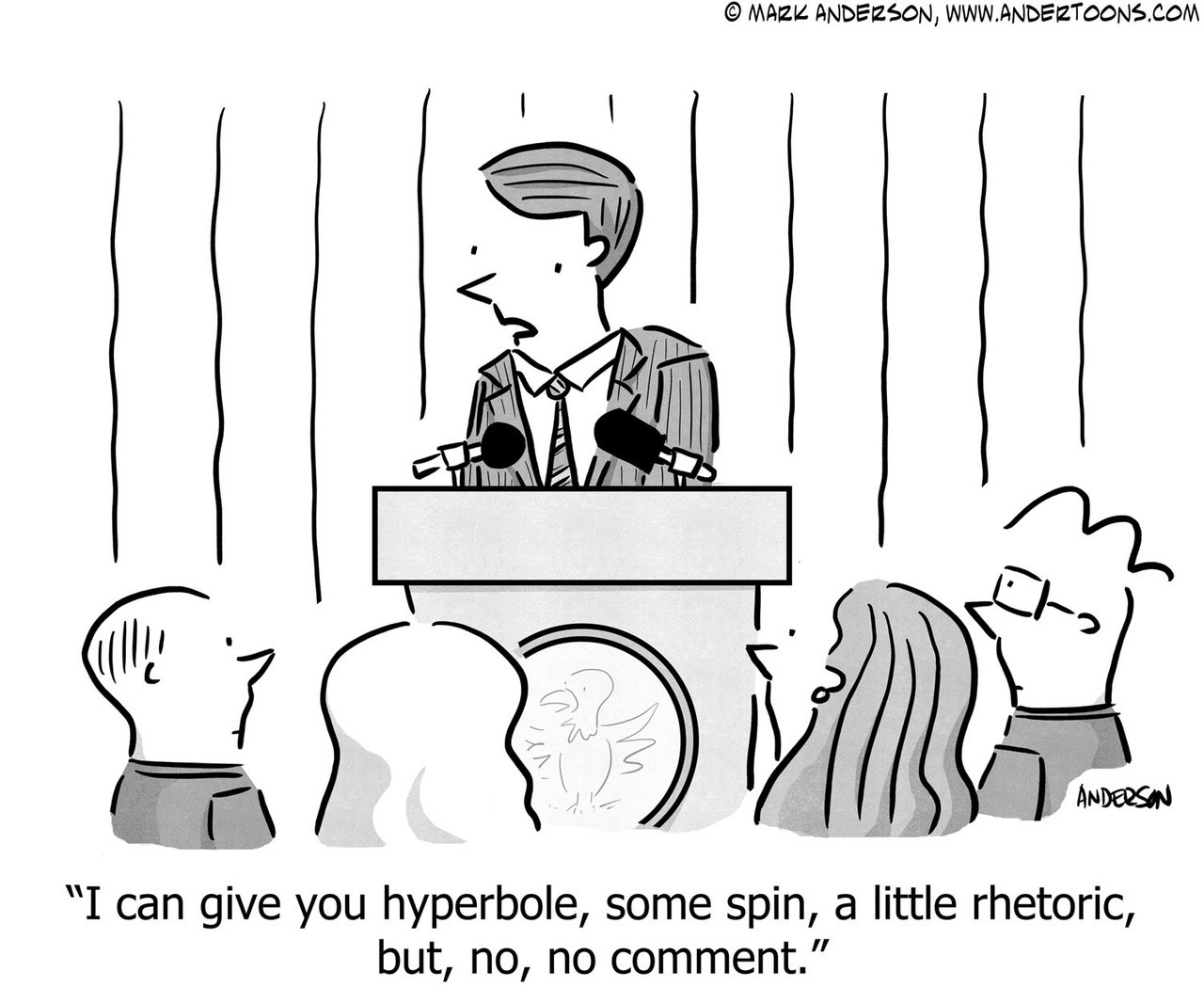
Cartoon – Modern Debate Philosophy



Alignment between CEOs and CFOs has become even more essential during the pandemic.
Many health systems halted elective surgeries earlier this year at the height of the pandemic to conserve resources while caring for COVID-19 patients. Now, in many areas, those procedures are returning and hospitals are slowly resuming more normal operations. But damage has been done to the hospital’s bottom line. Moving forward, the relationship between top executives will be crucial to make the right decisions for patients and the overall health of their organizations.
During the Becker’s Healthcare CEO+CFO Virtual Forum on Aug. 11, CEOs and CFOs for top hospitals and health systems gathered virtually to share insights and strategies as well as discuss the biggest challenges ahead for their institutions. Click here to view the panels on-demand.
Here are six takeaways from the event:
1. The three keys to a strong CEO and CFO partnership are trust, transparency and communication.
2. It’s common for a health system CEO and CFO to have different priorities and different opinions about where investments should be made. To help come to an agreement, they should look at every decision as if it’s a decision being made by the organization as a whole and not an individual executive. For example, there are no decisions by the CFO. There are only decisions by the health system. The CFOs said it’s important to remember that the patient comes first and that health systems don’t exist to make money.
3. Technology has of course been paramount during the pandemic in terms of telehealth. But so are nontraditional partnerships with other health systems that have allowed providers to share research and education.
4. When it comes to evaluating technology, there’s a difference between being on the cutting edge versus the bleeding edge. Investing in new technology requires firm exit strategies. If warning signs show an investment is not going to give the return a health system hoped for, they need to let go of ideals and stick to the exit strategy.
5. Communication and transparency with staff and the public is key while making challenging decisions. Many hard decisions, including furloughs or personnel reductions, were made this spring to protect the financial viability of healthcare organizations. These decisions, which were not made lightly, were critiqued highly by the public. One of the best ways to ensure the message was not getting lost in translation and to help navigate the criticism included creating a communication plan and sharing that with employees, physicians and the public.
6. The pandemic required hospitals to think on their feet and innovate quickly. Many of the usual ways to solve a problem could not be used during that time. For example, large systems had to rethink how to acquire personal protective gear. Typically, in a large health system amid a disaster, when a supply item is running low, organizations can call up another hospital in the network and ask them to send some supplies. However, everyone in the pandemic was running low on the same items, which required innovation and problem-solving that is outside of the norm.
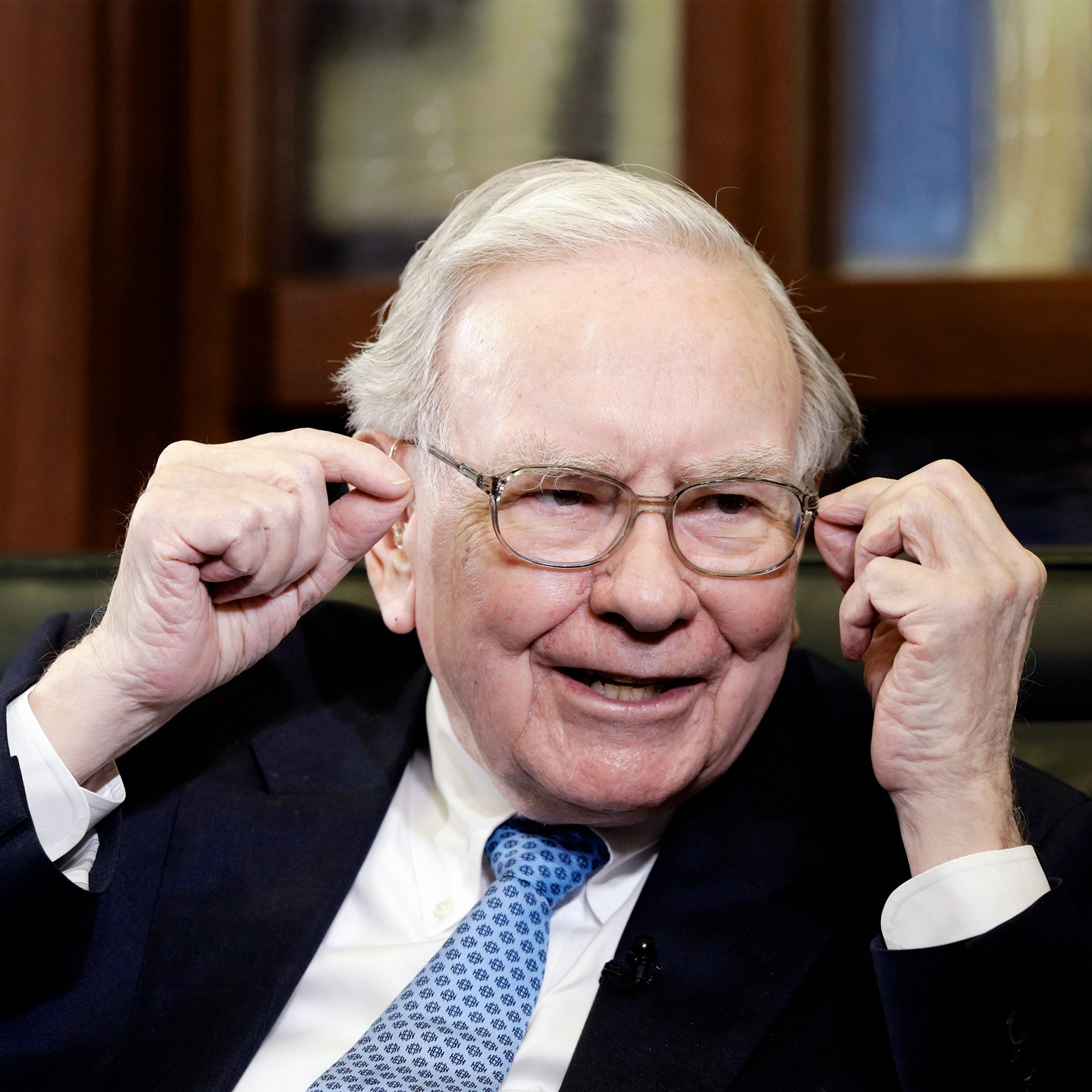
As Warren Buffett turns 90, the story of one of America’s most influential and wealthy business leaders is a study in the logic and discipline of understanding future value.
Patience, caution, and consistency. In volatile times such as these, it may be difficult for executives to keep those attributes in mind when making decisions. But there are immense advantages to doing so. For proof, just look at the steady genius of now-nonagenarian Warren Buffett. The legendary investor and Berkshire Hathaway founder and CEO has earned millions of dollars for investors over several decades (exhibit). But very few of Buffett’s investment decisions have been reactionary; instead, his choices and communications have been—and remain—grounded in logic and value.
Buffett learned his craft from “the father of value investing,” Columbia University professor and British economist Benjamin Graham. Perhaps as a result, Buffett typically doesn’t invest in opportunities in which he can’t reasonably estimate future value—there are no social-media companies, for instance, or cryptocurrency ventures in his portfolio. Instead, he banks on businesses that have steady cash flows and will generate high returns and low risk. And he lets those businesses stick to their knitting. Ever since Buffett bought See’s Candy Shops in 1972, for instance, the company has generated an ROI of more than 160 percent per year —and not because of significant changes to operations, target customer base, or product mix. The company didn’t stop doing what it did well just so it could grow faster. Instead, it sends excess cash flows back to the parent company for reinvestment—which points to a lesson for many listed companies: it’s OK to grow in line with your product markets if you aren’t confident that you can redeploy the cash flows you’re generating any better than your investor can.
As Peter Kunhardt, director of the HBO documentary Becoming Warren Buffett, said in a 2017 interview, Buffett understands that “you don’t have to trade things all the time; you can sit on things, too. You don’t have to make many decisions in life to make a lot of money.” And Buffett’s theory (roughly paraphrased) that the quality of a company’s senior leadership can signal whether the business would be a good investment or not has been proved time and time again. “See how [managers] treat themselves versus how they treat the shareholders .…The poor managers also turn out to be the ones that really don’t think that much about the shareholders. The two often go hand in hand,” Buffett explains.
Every few years or so, critics will poke holes in Buffett’s approach to investing. It’s outdated, they say, not proactive enough in a world in which digital business and economic uncertainty reign. For instance, during the 2008 credit crisis, pundits suggested that his portfolio moves were mistimed, he held on to some assets for far too long, and he released others too early, not getting enough in return. And it’s true that Buffett has made some mistakes; his decision making is not infallible. His approach to technology investments works for him, but that doesn’t mean other investors shouldn’t seize opportunities to back digital tools, platforms, and start-ups—particularly now that the COVID-19 pandemic has accelerated global companies’ digital transformations.
Still, many of Buffett’s theories continue to win the day. A good number of the so-called inadvisable deals he pursued in the wake of the 2008 downturn ended paying off in the longer term. And press reports suggest that Berkshire Hathaway’s profits are rebounding in the midst of the current economic downturn prompted by the global pandemic.
At age 90, Buffett is still waging campaigns—for instance, speaking out against eliminating the estate tax and against the release of quarterly earnings guidance. Of the latter, he has said that it promotes an unhealthy focus on short-term profits at the expense of long-term performance.
“Clear communication of a company’s strategic goals—along with metrics that can be evaluated over time—will always be critical to shareholders. But this information … should be provided on a timeline deemed appropriate for the needs of each specific company and its investors, whether annual or otherwise,” he and Jamie Dimon wrote in the Wall Street Journal.
Yes, volatile times call for quick responses and fast action. But as Warren Buffett has shown, there are also significant advantages to keeping the long term in mind, as well. Specifically, there is value in consistency, caution, and patience and in simply trusting the math—in good times and bad.


 HENRY KOTULA