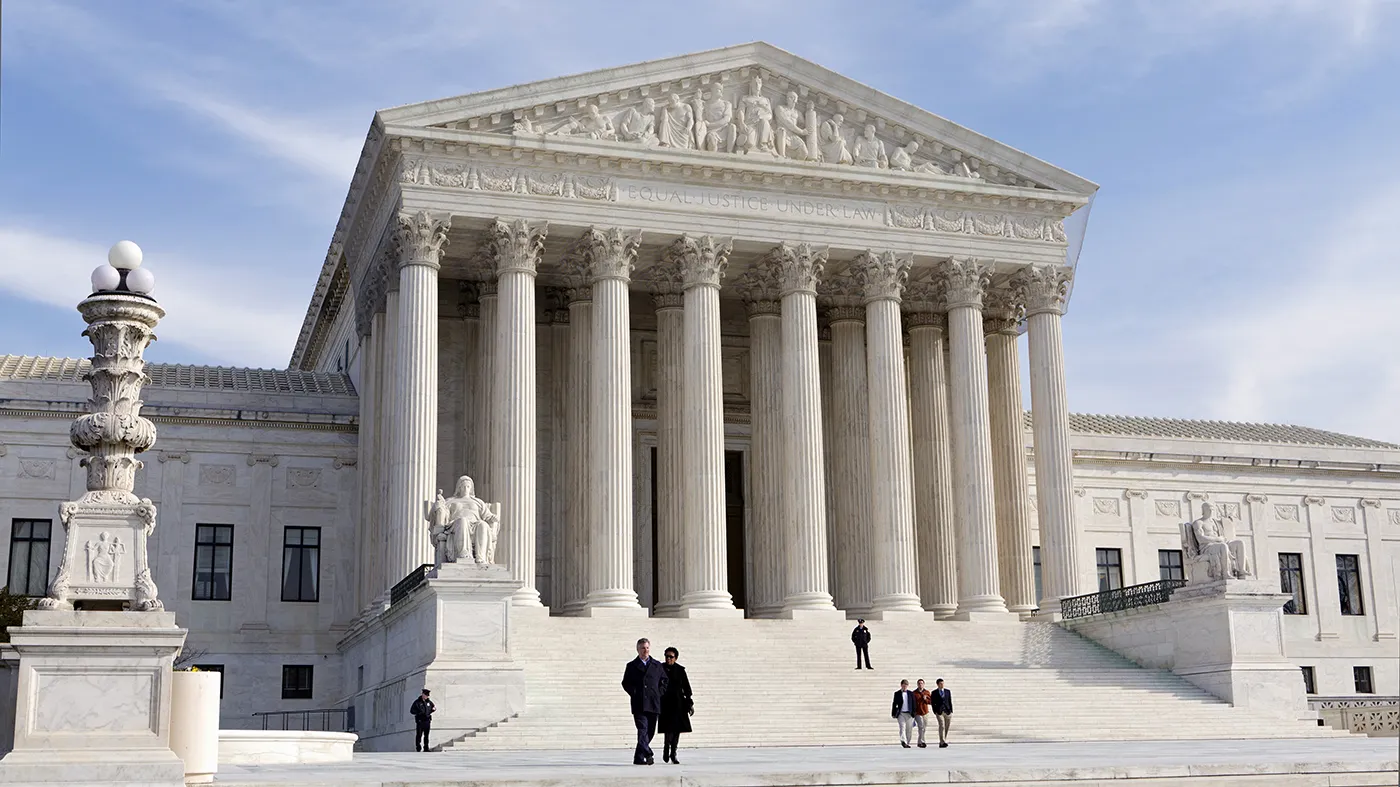
The Supreme Court on Friday upheld a key Affordable Care Act requirement that insurance companies cover certain preventative measures recommended by an expert panel.
Justices upheld the constitutionality of the provision in a 6-3 decision and protected access to preventative care for about 150 million Americans.
The justices found that the secretary of the Department of Health and Human Services has the power to appoint and fire members of the U.S. Preventative Services Task Force (USPSTF).
The cases started when a small business in Texas and some individuals filed a lawsuit against the panel’s recommendation that pre-exposure prophylaxis (PreP) for HIV be included as a preventative care service.
They argued that covering PreP went against their religious beliefs and would “encourage homosexual behavior, intravenous drug use, and sexual activity outside of marriage between one man and one woman.”
The plaintiffs further argued that the USPSTF mandates are unconstitutional because panel members are “inferior officers” who are not appointed by the president or confirmed by the Senate.
While the panel is independent, they said that since their decisions impact millions of people members should be confirmed.
A U.S. district judge in 2023 ruled that all preventative-care coverage imposed since the ACA was signed into law areinvalid and a federal appeals court judge ruled in agreement last year.
The Biden administration appealed the rulings to the Supreme Court, and the Trump administration chose to defend the law despite its long history of disparaging Obamacare.
Though public health groups celebrated the ruling Friday, some noted another potential outcome.
“While this is a foundational victory for patients, patients have reason to be concerned that the decision reaffirms the ability of the HHS secretary, including our current one, to control the membership and recommendations of the US Preventive Services Task Force that determines which preventive services are covered,” Anthony Wright, executive director of Families USA, said in a statement.
“We must be vigilant to ensure Secretary Kennedy does not undo coverage of preventive services by taking actions such as his recent firing of qualified health experts from the CDC’s independent vaccine advisory committee and replacing them with his personal allies.”
Last Friday, the Court of Appeals for the Fifth Circuit in New Orleans overturned a district court ruling that had nullified a requirement in the Affordable Care Act (ACA) that private insurers cover certain preventive care services without patient cost-sharing, although a nationwide injunction had kept the mandate in place while the case was appealed.
In a decision that the judges themselves described as a “mixed bag,” the circuit court ruled that the US Preventive Services Task Force (USPSTF) lacked constitutional authority to issue legally binding recommendations, as its expert volunteer members are not nominated by the president and confirmed by the Senate.
However, only the plaintiffs—two companies in Texas that argued covering contraceptives, HPV vaccinations, and HIV prevention medicines violated their religious beliefs—have been granted relief to disregard USPSTF recommendations, and all other companies must remain in compliance. The circuit court also declined to rule on the legality of ACA coverage recommendations for contraceptives and vaccines, which are issued by other advisory groups than the USPSTF, instead returning these matters to the original district court.
The Gist: Although this decision leaves the door open for further rulings and legal challenges, providers and patients can celebrate that preventive care services remain free of cost-sharing, for now.
The preventive care mandate is one of the ACA’s most popular provisions, and overturning it would be highly disruptive and harmful to patient health, especially given about half of US adults say it’s difficult to afford healthcare costs.
This ruling also suggests that a permanent resolution to legal questions surrounding the USPSTF’s authority may require Congressional action.
In the last 2 weeks, the Affordable Care Act (ACA) has been inserted itself in Campaign 2024 by Republican aspirants for the White House:
On Truth Social November 28, former President Trump promised to replace it with something better:“Getting much better Healthcare than Obamacare for the American people will be a priority of the Trump Administration. It is not a matter of cost; it is a matter of HEALTH. America will have one of the best Healthcare Plans anywhere in the world. Right now, it has one of the WORST! I don’t want to terminate Obamacare, I want to REPLACE IT with MUCH BETTER HEALTHCARE. Obamacare Sucks!!!!”
Then, on NBC’s Meet the Press December 3, Florida Governor Ron DeSantis offered “We need to have a healthcare plan that works,” Obamacare hasn’t worked. We are going to replace and supersede with a better plan….a totally different healthcare plan… big institutions that are causing prices to be high: big pharma, big insurance and big government.”
It’s no surprise. Health costs and affordability rank behind the economy as top issues for Republican voters per the latest Kaiser Tracking Poll. And distaste with the status quo is widespread and bipartisan: per the Keckley Poll (October 2023), 70% of Americans including majorities in both parties and age-cohorts under 65 think “the system is fundamentally flawed and needs major change.” To GOP voters, the ACA is to blame.
Background:
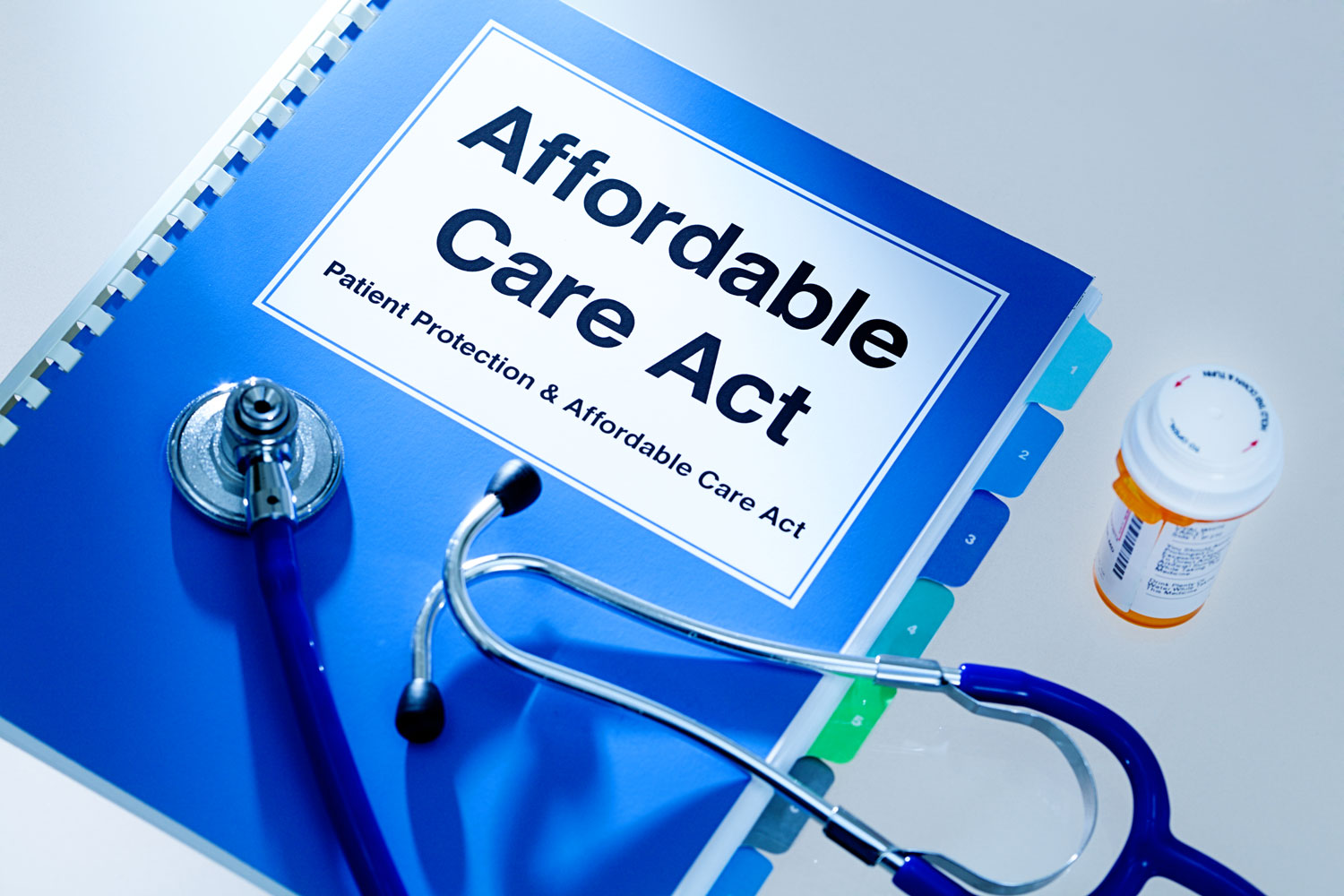
The Affordable Care Act (aka Obamacare aka the Patient Protection and Affordable Care Act) was passed into law March 23, 2013. It is the most sweeping and controversial health industry legislation passed by Congress since Lyndon Johnson’s Medicare and Medicaid Act (1965). Opinions about the law haven’t changed much in almost 14 years: when passed in 2010, 46% were favorable toward the law vs. 40% who were opposed. Today, those favorable has increased to 59% while opposition has stayed at 40% (Kaiser Tracking Poll).
Few elected officials and even fewer voters have actually read the law. It’s understandable: 955 pages, 10 major sections (Titles) and a plethora of administrative actions, executive orders, amendments and legal challenges that have followed. It continues to be under-reported in media and misrepresented in campaign rhetoric by both sides. Campaign 2024 seems likely to be more of the same.
In 2009, I facilitated discussions about health reform between the White House Office of Health Reform and the leading private sector players in the system (the American Medical Association, the American Hospital Association, America’s Health Insurance Plans, AdvaMed, PhRMA, and BIO). The impetus for these deliberations was the Obama administration’s directive that systemic reform was necessary with three-aims: reduce cost, increase access via insurance coverage and improve the quality of care provided by a private system. In parallel, key Committees in the House and Senate held hearings ultimately resulting in passage of separate House and Senate versions with the Senate’s becoming the substance of the final legislation. Think tanks on the left (I.e. the Center for American Progress et al.) and on the right (i.e. the Heritage Foundation) weighed in with members of Congress and DC influencers as the legislation morphed. And new ‘coalitions, centers and institutes’ formed to advocate for and against certain ACA provisions on behalf of their members while maintaining a degree of anonymity.
So, as the ACA resurfaces in political discourse in coming months, it’s important it be framed objectively. To that end, 3 major considerations are necessary to have a ‘fair and balanced’ view of the ACA:
1-The ACA was intended as a comprehensive health reform legislative platform. It was designed to be implemented between 2010 and 2019 in a private system prompted by new federal and state policies to address cost, access and quality. It allowed states latitude in implementing certain elements (like Medicaid expansion, healthcare marketplaces) but few exceptions in other areas (i.e.individual and employer mandates to purchase insurance, minimum requirements for qualified health plans, et al). The CBO estimated it would add $1.1 trillion to overall healthcare spending over the decade but pay for itself by reducing demand, administrative red-tape and leveraging better data for decision-making. The law included provisions to…
To improve quality by modernizing of the workforce, creating an Annual Quality Report obligation by HHS, creating the Patient Centered Outcome Research Institute and expanding the the National Quality Forum, adding requirements that approved preventive care be accessible at no cost, expanding community health centers, increasing residency programs in primary care and general surgery, implementing comparative effectiveness assessments to enable clinical transparency and more.
To increase access to health insurance by subsidizing coverage for small businesses and low income individuals (up to 400% of the Federal poverty level), funding 90% of the added costs in states choosing to expand their Medicaid enrollments for households earning up to 138% of the poverty level, extending household coverage so ‘young invincibles’ under 26 years of age could stay on their parent’s insurance plan, requiring insurers to provide “essential benefits” in their offerings, imposing medical loss ratio (MLR) mandates (80% individual, 85% group) and more.
To lower costs by creating the CMS Center for Medicare and Medicaid Innovation to construct 5-year demonstration pilots and value-based purchasing programs that shift provider incentives from volume to value, imposing price and quality reporting and transparency requirements and more.
The ACA was ambitious: it was modeled after Romneycare in MA and premised on the presumption that meaningful results could be achieved in a decade. But Romneycare (2006) was about near-universal insurance coverage for all in the Commonwealth, not the triple aim, and the resistance calcified quickly among special interests threatened by its potential.
2-The ACA passed at a time of economic insecurity and hyper-partisan rancor and before many of the industry’s most significant innovations had taken hold. The ACA was the second major legislation passed in the first term of the Obama administration (2009-2012); the first was the $831 billion American Recovery and Reconstruction Act (ARRA) stimulus package that targeted “shovel ready jobs” as a means of economic recovery from the 2008-2010 Great Recession. But notably, it included $138 billion for healthcare including requirements for hospitals and physicians to computerize their medical records, extension of medical insurance to laid off workers and additional funding for states to offset their Medicaid program expenses. The Obama-Biden team came to power with populist momentum behind their promises to lower health costs while keeping the doctors and insurance plans they had. Its rollout was plagued by miscues and the administration’s most popular assurances (‘keep your doctor and hospitals’) were not kept. The Republican Majority in the 111th Congress’ (247-193)) seized on the administration’s miss fueling anti-ACA rhetoric among critics and misinformation.
3-Support for the ACA has grown but its results are mixed. It has survived 7 Supreme Court challenges and more than 70 failed repeal votes in Congress. It enjoys vigorous support in the Biden administration and among the industry’s major trade groups but remains problematic to outsiders who believe it harmful to their interests. For example, under the framework of the ACA, the administration is pushing for larger provider networks in the 18 states and DC that run their own marketplaces, expanded dental and mental health coverage, extended open enrollment for Marketplace coverage and restoration of restrictions on “junk insurance’ but its results to date are mixed: access to insurance coverage has increased. Improvements in quality have been significant as a result of innovations in care coordination and technology-enabled diagnostic accuracy. But costs have soared: between 2010 and 2021, total health spending increased 64% while the U.S. population increased only 7%.
So, as the ACA takes center stage in Campaign 2024, here are 4 things to watch:
1-Media attention to elements of the ACA other than health insurance coverage. My bet: attention from critics will be its unanticipated costs in addition to its federal abortion protections now in the hands of states. The ACA’s embrace of price and quality transparency is of particular interest to media and speculation that industry consolidation was an unintended negative result of the law will energize calls for its replacement. Thus, the law will get more attention. Misinformation and disinformation by special interests about its original intent as a “government takeover of the health system” will be low hanging fruit for antagonists.
2- Changes to the law necessary intended to correct/mitigate its unintended consequences, modernize it to industry best practice standards and responses to court challenges will lend to the law’s complex compliance challenges for each player in the system. New ways of prompting Medicaid expansion, integration of mental health and social determinants with traditional care, the impact of tools like ChatGPT, quantum computing, generative AI not imagined as the law was built, the consequences of private equity investments on prices and spending, and much more.
3-Public confusion. The ACA is a massive law in a massive industry. Cliff’s Notes are accessible but opinions about it are rarely based on a studied view of its intent and structure. It lends itself to soundbites intended to obscure, generalize or misdirect the public’s attention.
4-The ACA price tag. In 2010, the CBO estimated its added cost to health spending at $1.1 trillion (2010-2019) but its latest estimate is at least $3 trillion for its added insurance subsidies alone. The fact is no one knows for sure what its costs are nor the value of the changes it has induced into the health system. The ranks of those with insurance coverage has been cut in half. Hospitals, physicians, post-acute providers, drug manufacturers and insurers are implementing value-based care strategies and price transparency (though reluctantly) but annual health cost increases have consistently exceeded 4% annually as the cumulative impact of medical inflation, utilization, consolidation and price increases are felt.
Final thought:
I have studied the ACA, and the enabling laws, executive orders, administrative and regulatory actions, court rulings and state referenda that have followed its passage. Despite promises to ‘repeal and replace’ by some, it is more likely foundational to bipartisan “fix and repair’ regulatory reforms that focus more attention to systemness, technology-enabled self-care, health and wellbeing and more.
It will be interesting to see how the ACA plays in Campaign 2024 and how moderators for the CNN-hosted debates January 10 in Des Moines and January 21 in New Hampshire address it. In the 2-hour Tuscaloosa debate last Wednesday, it was referenced in response to a question directed to Gov. DeSantis about ‘reforming the system’ 101 minutes into the News Nation broadcast. It’s certain to get more attention going forward and it’s certain to play a more prominent role in the future of the system.
The ACA is back on the radar in U.S. healthcare. Stay tuned.
PS The resignations under pressure of Penn President Elizabeth Magill and Board Chair Scott Bok over inappropriate characterization of Hamas’ genocidal actions toward Jews are not surprising. Her response to Congressional questioning was unfortunate. The eventuality turned in 4 days, sparked by student outrage and adverse media attention that tarnished the reputations of otherwise venerable institutions like Penn, MIT and Harvard.
The lessons for every organization, including the big names in healthcare, are not to be dismissed: Beyond the issues of genocide, our industry is home to a widening number of incendiary issues like Hamas.
They’re increasingly exposed to public smell tests that often lead to more: Workforce strikes. CEO compensation. Fraud and abuse. Tax exemptions and community benefits. Prior authorization and coverage denial. Corporate profit. Patient collection and benevolent use policies. Board independence and competence and many more are ripe for detractors and activist seeking attention.
Public opinion matters. Reputations matter. Boards of Directors are directly accountable for both.
Six individuals and the owners of two small businesses sued the federal government, arguing that the ACA provision “makes it impossible” for them to purchase health insurance for themselves or their employees that excludes free preventive care. The plaintiffs argue that they do not want or need such care. They specifically name the medication PrEP (used to prevent the spread of HIV), contraception, the HPV vaccine, and screening and behavioral counseling for sexually transmitted diseases and substance use; however, they seek to invalidate the entire ACA preventive benefit package.
A federal trial court judge agreed with some of their claims and invalidated free coverage of more than 50 services, including lung, breast, and colon cancer screenings and statins to prevent heart disease.
This ruling, which is currently being appealed, strips free preventive services coverage from more than 150 million privately insured people and approximately 20 million Medicaid beneficiaries who are covered under the ACA’s Medicaid expansion.
This suit was first filed in 2020. The plaintiffs in the case, Braidwood Management v. Becerra, continue to oppose the entire preventive benefit package, which consists of four service bundles: services rated “A” or “B” by the United States Preventive Services Task Force (USPSTF); routine immunizations recommended by the Advisory Committee on Immunization Practices (ACIP); evidence-informed services for children recommended by the Health Resources and Services Administration (HRSA); and evidence-informed women’s health care recommended by HRSA. The trial judge invalidated all benefits recommended by the USPSTF after March 23, 2010, the date the ACA became law. (The court also exempted the plaintiffs on religious grounds from their obligation to cover PrEP.) The Fifth Circuit put the trial court’s decision on temporary hold while the case is on appeal.
The Fifth Circuit, one of the nation’s most conservative appeals courts, will hear the Biden administration’s appeal of the trial court’s USPSTF ruling and the entirety of the plaintiffs’ original challenge, thereby putting all four coverage guarantees in play. The court also will hear whether the ruling should apply only to the plaintiffs or to all Americans.
The trial court held that the USPSTF lacks the legal status necessary under the Constitution to make binding coverage decisions, and that the Secretary of the U.S. Department of Health and Human Services (HHS) — who can make such binding decisions — lacks the power to rectify matters by formally adopting USPSTF recommendations. The judge concluded that federal law fails to require that members be presidential nominees confirmed by the Senate under the Appointments Clause; in the judge’s view, this means that members are not politically accountable for their decisions, which is constitutionally problematic. The judge also ruled that federal law makes the USPSTF the final coverage arbiter, which means that the HHS Secretary, who is nominated and confirmed under the Appointments Clause and thus politically accountable, cannot cure the constitutional problem by ratifying USPSTF recommendations.
On appeal, the Biden administration argues that the USPSTF passes constitutional muster because the HHS Secretary, who oversees the Task Force, is a nominated and confirmed constitutional officer. Alternatively, the administration argues the appeals court should interpret the statute as allowing the HHS Secretary to ratify USPSTF recommendations, since the law specifies that USPSTF members are independent of political pressure only “to the extent practicable.” The administration makes similar arguments on behalf of ACIP and HRSA.
The plaintiffs argue that secretarial ratification cannot cure the constitutional problems with all three advisory bodies. According to the plaintiffs, none of the advisory bodies has the status of constitutional officers demanded by the Appointments Clause, and so their recommendations must remain recommendations only, unenforceable by HHS on insurers, health plans, and state Medicaid programs.
The second issue is the scope of the remedy if the law is found unconstitutional. The trial court did not limit its holding to the four individual plaintiffs and two companies who sued, but instead applied its order nationwide. The Biden administration argues that, if the coverage guarantee is unconstitutional, the court only should prohibit HHS from enforcing the preventive services provision against the plaintiffs who brought the lawsuit and should allow the coverage guarantee to remain in force for the rest of the country. Citing an amicus brief filed by the American Public Health Association and public health deans and scholars, the administration argues that barring HHS from enforcing the preventive services requirement nationwide “pose[s] a grave threat to the public health” by decreasing Americans’ access to lifesaving preventive services. The plaintiffs argue that a nationwide prohibition is necessary, the broader public interest in free preventive coverage is irrelevant, and insurers will voluntarily continue to offer free preventive coverage if people want it.
The administration’s arguments on appeal have attracted amicus briefs by bipartisan economic scholars, organizations concerned with health equity and preventive health, health care organizations, and 23 states.
Crucially, the economists point out that, prior to the ACA, comprehensive free preventive coverage was extremely limited because it is not in insurers’ interest to make a long-term economic investment in members’ health. Indeed, prior to the ACA, insurers did not even uniformly cover the basic screenings for newborns to detect treatable illnesses and conditions.
Amicus briefs supporting the plaintiffs have been filed by Texas and an organization dedicated to “protecting individual liberties . . . against government overreach.” All briefing will be complete by November 3, 2023, with oral argument thereafter. A decision is likely in early to mid-2024. Whatever the outcome, expect a Supreme Court appeal given the size of the stakes in the case.
Earlier this week, the Centers for Medicare and Medicaid Services (CMS) issued a proposal to remedy its four years of payment cuts to the more than 1,600 hospitals participating in the 340B Drug Pricing Program through one-time, lump-sum payments that will total roughly $9B.
In 2018, CMS reduced drug reimbursement to 340B covered-entity hospitals by nearly 30 percent, in an attempt to align reimbursement with hospitals’ actual drug acquisition costs. The Supreme Court overturned those cuts in 2022, ruling that the Department of Health and Human Services (HHS) had violated rulemaking procedure. As CMS rulemaking on Medicare payment must be budget-neutral, the agency will offset the remedy payments with a 0.5 percent cut to all hospitals for non-drug items and services covered under the Hospital Outpatient Prospective Payment System (OPPS) over the next 16 years. Stakeholders have until September 5th to comment on the proposed rule. Once the final rule is published later this year, CMS plans to repay 340B participant hospitals within 60 days of their application for remedy.
The Gist: After worries about how last year’s Supreme Court ruling would be implemented, 340B participant hospitals will be relieved to receive their payment corrections up front instead of over time, especially given current margin challenges.
But while this issue is now set to be resolved, other critical decisions about the 340B program’s fate are pending before courts. Earlier this year, Bayer and EMD Serono became the 20th and 21st drugmakers to restrict discounts to contract pharmacies, following an appellate court decision in January that sided with the pharmaceutical manufacturers.
Meanwhile, appellate courts in other jurisdictions are set to hear at least two more cases on the issue, amid conflicting rulings about whether HHS can enforce contract pharmacy discounts.
The plaintiffs in Braidwood v. Becerra filed a motion on Monday asking a US District Court judge in Texas—the same judge who ruled the entire ACA unconstitutional in 2018—to block enforcement of the ACA’s no-cost requirement for preventive care services. This judge already sided with the plaintiffs in September, ruling the government cannot require a company to fully cover preventive HIV drugs, also known as PrEP therapy, for its employees, on the grounds that doing so violates owners’ religious freedom.
In that ruling, the judge also asserted that the government’s system for deciding what preventive care services should be covered under the ACA is unconstitutional. This latest motion now asks him to invalidate all parts of the ACA requiring preventive health services on the grounds that the Preventive Services Task Force was never appointed by Congress, and thus lacks the authority to say which services insurers must cover. The final ruling is expected early next year, after which the case will certainly be appealed, regardless of outcome.
The Gist: Given the judge’s initial ruling in Braidwood last month, this motion from the plaintiffs was expected. While the US Supreme Court reversed a 2018 ruling by this judge that struck down the entire ACA, it could potentially find the narrow targeting of this case more reasonable, making preventive care coverage optional for employers.
If that happens, millions of Americans would once again have to pay for some of the most common and highest-value healthcare services, including screening tests for a variety of cancers, sexually transmitted infections, and diabetes. That additional financial burden, along with likely tightening of health plan benefit designs, would create barriers to access and exacerbate health disparities.
The court ruling comes after the Supreme Court struck down a nearly 30 percent cut to 340B hospital payments from 2018.
October 04, 2022 – A federal judge has ordered HHS to immediately end the almost 30 percent cut in Medicare drug reimbursement to 340B hospitals.
The decision published last week by judge Rudolph Contreras with the US District Court for the District of Columbia rejected HHS’ plan to restore full payment to hospitals participating in the 340B Drug Pricing Program in 2023.
“HHS should not be allowed to continue its unlawful 340B reimbursements for the remainder of the year just because it promises to fix the problem later,” wrote Contreras.
Hospitals participating in the 340B Drug Pricing Program receive outpatient prescription drugs at a discounted price of up to 50 percent since they treat a disproportionate amount of low-income and vulnerable patients. The 340B Program is designed to enable the safety-net providers to stretch their financial resources. Medicare must also reimburse hospitals for administering covered outpatient drugs.
HHS reduced the Medicare drug reimbursement rates for 340B hospitals though in 2018, cutting payments by 28.5 percent in an effort to generate about $1.6 billion in savings. Federal officials reasoned that reimbursing 340B hospitals at the same rate as other hospitals creates an incentive for the hospitals to overprescribe the drugs or prescribe more expensive drugs since they receive covered outpatient drugs at a discounted price.
HHS also argued that 340B hospital reimbursement cuts would lower co-payments for Medicare beneficiaries since the amounts are tied to hospital reimbursement rates.
Hospitals and hospital groups, including the American Hospital Association (AHA) Association of American Medical Colleges (AAMC), and American’s Essential Hospitals, sued the federal government over the reduced reimbursement rates.
The case made it all the way to the Supreme Court where, in a major win for hospitals, judges unanimously ruled that HHS should not have reduced payments to certain hospitals in 2018 and 2019 without surveying hospitals to determine average acquisition costs for drugs. HHS had relied on the average price of the drugs to set lower rates.
However, the Supreme Court did not make judgments on 340B hospital reimbursement cuts for 2020 and later years. Following the Supreme Court’s ruling, HHS announced it would reimburse hospitals for administering 340B-covered drugs the same as non-340B drugs starting Jan. 1, 2023.
Hospital groups again challenged HHS policy, asking the courts to immediately halt the unlawful cuts in 2022.
“The AHA appreciates Judge Contreras’ ruling that the Department of Health and Human Services must immediately stop unlawful reimbursement cuts for 2022 for hospitals participating in the 340B drug pricing program. Halting these cuts will help 340B hospitals provide comprehensive health services to their patients and communities,” said Melinda Hatton, AHA’s general counsel and secretary, regarding the most recent court ruling.
“We continue to urge the Administration to promptly reimburse all the hospitals that were affected by these unlawful cuts in previous years and to ensure the remainder of the hospital field is not penalized for their prior unlawful policy, especially as hospitals and health systems continue to deal with rising costs for supplies, equipment, drugs and labor,” Hatton continued in the public statement.
340B Health’s president and CEO Maureen Testoni also called the court ruling “an important victory for 340B hospitals that have been fighting these unlawful cuts for nearly six years.” 340B health advocates safety-net hospitals participating in the drug pricing program.
“The Centers for Medicare & Medicaid Services (CMS) has the clear responsibility to restore the appropriate payments for 340B drugs immediately, and now a federal court has ordered it to do so without delay,” Testoni said.
HHS has not announced a repayment plan for 340B hospitals. Notably, the court ruling also did not cover the AHA’s motion to include reimbursement cuts from 2020 through 2022 in the case, nor AHA’s motion to repay hospitals for the cuts since 2018 without penalizing other hospitals.
The Department of Justice (DOJ) is appealing a Florida judge’s Monday decision to strike down the mask requirement for public transportation. Federal judge Kathryn Mizelle ruled the Centers for Disease Control and Prevention (CDC) exceeded its authority under the Public Health Service Act of 1944. Meanwhile, giddy passengers and flight crew have been discarding their face coverings as airlines, the Transportation Safety Administration, several local transit authorities, Uber and Lyft, all removed their mask requirements.
The Gist: Despite DOJ’s appeal, which appears to be aimed at preserving its own authority to act during health crises, rather than reinstating the current mask requirement (which was set to expire in two weeks anyway), the tone of the Biden administration is clearly shifting. Earlier this week President Biden told reporters that the decision to wear a mask is “up to them,” meaning individual Americans.
In the bumpy transition out of the emergency phase of the pandemic, we now have a patchwork of rules for masking. This is even true within healthcare facilities: some, including Houston Methodist and Iowa-based UnityPoint Health, are no longer requiring masks for visitors or employees who are not involved in patient care.
With COVID cases now rising in 41 states as mask mandates fall, the next month will prove critical in determining whether “endemic” COVID remains manageable, or once again stresses the healthcare system and other critical infrastructure.
The pharmaceutical industry scored a muted win in its long-running feud with the Department of Health and Human Services (HHS) over 340B program discounts Friday when a federal court judge granted Eli Lilly’s bid to vacate two administrative actions aimed at drugmakers.
U.S. District Court Judge Sarah Evans Barker ruled that a December advisory opinion from HHS’ Office of the General Counsel and a May enforcement letter from the Health Resources and Services Administration (HRSA) were “arbitrary and capricious” and in violation of the Administrative Procedures Act.
But while Barker ordered the two actions to be set aside and vacated, she also specified that HHS did not exceed its statutory authority or act unconstitutionally in regard to the May enforcement letter.
“Lilly is encouraged by Friday’s opinion, which confirms that the government’s enforcement decision against it was improper,” the drugmaker said in an email statement.
Further, the judge determined that Lilly and other drug manufacturers are not permitted under the current 340B statute “to impose unilateral extra-statutory restrictions on its offer to sell 340B drugs to covered entities utilizing multiple contract pharmacy arrangements.”
HHS may have “suddenly” changed its views on whether the agency could enforce penalties against drugmakers restricting sales of the discounted products to contract pharmacies, but the law as written makes it impossible to discern whether Congress intended for drug manufacturers to have “unlimited delivery obligations … untethered to the particular covered entity’s actual distribution needs,” the judge wrote.
As such, Barker underscored the need for lawmakers to settle the ambiguity with new, explicit legislation.
“We have no insight into why there is apparently so much reluctance to promulgate a holistic legislative proposal to bring clarity to the scope of the regulated parties’ obligations and entitlements … rather than engage in piecemeal interpretations and after the fact patchwork characterizing the history of the agency’s attempts to manage this program,” Barker wrote in the Friday order.
“What we have come to see, however, is that the 340B program can no longer be held together and implemented fairly for all concerned with non-binding interpretive guidelines and mixed, sometimes inconsistent messaging by the agency regarding the source and extent of its authority to enforce statutory compliance in the area of contract pharmacies.”
Eli Lilly’s case against HHS is the latest in a lengthy dispute between the agency and a slew of pharmaceutical companies including AstraZeneca, Novartis, Novo Nordisk, Sanofi and United Therapeutics.
The 340B program requires drugmakers to offer discounted products to safety net hospitals, community health centers and other providers as a condition of participation in Medicare and Medicaid.
Beginning in July 2020, however, the drugmakers announced they would no longer provide 340B-discounted products to contract pharmacies or would be limiting sales unless a 340B-covered entity provided claims data ensuring there were no duplicative discounts being applied.
In response, HHS’ Office of the General Counsel issued the December advisory opinion, which stated that the restrictions violated federal law, and later through HRSA delivered enforcement letters threatening penalties to the six companies.
HHS’ pushback has generally taken a beating in the courts. In June, the agency decided to pull the December advisory opinion to “avoid confusion and unnecessary litigation” after courts took the side of AstraZeneca and struck down a motion from HHS to dismiss the case.
Industry supporters of HHS’ position focused on the silver lining of Friday’s decision.
In a statement, Maureen Testoni, president and CEO of 340B Health, a membership organization of more than 1,400 340B participants, said the group was encouraged by Barker’s position on the “unilateral” restrictions on drug discounts for contract pharmacies.
“We are encouraged that the court upheld HRSA’s view that Lilly is violating the law as one that ‘best aligns with congressional intent’ of the 340B program,” she said in a statement. “We urge the government to continue its work to enforce the law and restore the statutory drug discounts that enable 340B hospitals to care for patients with low incomes and those living in rural parts of the country.”
The US Supreme Court recently announced that it will hear an ongoing debate over cuts to 340B drug payments to Medicare hospitals.
The case will be heard during the Supreme Court’s upcoming term, which starts in October. A decision is expected sometime next year.
The case was brought on by the American Hospital Association (AHA) and other national hospital groups seeking to overturn HHS’ decision to reduce Medicare reimbursement to hospitals in the 340B Drug Pricing Program by nearly 30 percent.
HHS had finalized the cuts in the 2018 Outpatient Prospective Payment System (OPPS) rule. The federal department said in a fact sheet that the cuts address the “recent trends of increasing drug prices, for which some of the cost burden falls to Medicare beneficiaries.”
Hospital groups led by the AHA challenged the cuts, arguing that reduced drug payments would harm access to care since the 340B Drug Pricing Program includes safety-net hospitals. An appeals court did not agree with their arguments in August 2020, ruling in favor of HHS.
“We are pleased that the U.S. Supreme Court has agreed to hear the compelling arguments in our case on payments cuts to the 340B drug pricing program that are adversely impacting care to patients,” Melinda Hatton, the AHA’s general counsel, said publicly on Friday.
“We are hopeful that the Court will reject the appellate court decision deferring to the government’s interpretation of the law that clearly imperils the important services that the 340B program helps allow eligible hospitals and health systems to provide to vulnerable communities, many of which would otherwise be unavailable,” Hatton continued.
Other hospital groups also cheered the Supreme Court’s decision to hear the 340B drug payment case.
“We are pleased that the Supreme Court has agreed to review the appellate court decision, which we believe was legally flawed,” Maureen Testoni, CEO of 340B Health, said on the group’s website.* “We are hopeful that the justices will reverse the lower court decision that upheld these damaging cuts to many 340B hospitals treating patients with low incomes. In the meantime, we continue to urge the Biden administration to change this harmful policy by abandoning the payment cuts for 2022 and beyond.”
The other plaintiff, Association of American Medical Colleges (AAMC), also said it is looking forward to the consideration of the case.
“The current reimbursement rates reduce the 340B drug discounts granted to safety-net providers, many of which are teaching hospitals,”explained David J. Skorton, MD, AAMC president and CEO. “These hospitals use the current savings to deliver critical health care services to low-income and vulnerable patients, which includes providing free or substantially discounted drugs to low-income patients, establishing neighborhood clinics, and improving access to specialized care previously unavailable in some areas. A reversal of the cuts will ensure that low-income, rural, and other underserved patients and communities are able to access the vital services they need.”
Neither HHS nor CMS provided a public statement regarding the Supreme Court’s decision to hear the 340B drug payment case.








 HENRY KOTULA