The same Texas federal judge who ruled the entire ACA unconstitutional in 2018—a decision overturned by the Supreme Court last year—ruled this week that the ACA cannot require a company to fully cover preventive HIV drugs for its employees, on the grounds that doing so violates owners’ religious freedom. He also asserted that the government’s system for deciding what preventive care services should be covered under the ACA is unconstitutional, a broader declaration that potentially jeopardizes a wide swath of no-cost preventive services enshrined in the ACA for millions of Americans, including screening tests for a variety of cancers, sexually transmitted infections, and diabetes. The ruling did not include an injunction and is likely to be appealed.
The Gist: Fully-covered preventive care services are a cornerstone of the ACA, and have increased access to basic healthcare services for many Americans. While there is still some uncertainty about the scope of this ruling, if it were to stand, millions of Americans would once again have to pay for some of the most common and highest-value healthcare services. That additional financial barrier, along with potential tightening of health plan benefit designs, would create barriers to access that only exacerbate our nation’s already stark healthcare disparities.
The pharmaceutical industry scored a muted win in its long-running feud with the Department of Health and Human Services (HHS) over 340B program discounts Friday when a federal court judge granted Eli Lilly’s bid to vacate two administrative actions aimed at drugmakers.
U.S. District Court Judge Sarah Evans Barker ruled that a December advisory opinion from HHS’ Office of the General Counsel and a May enforcement letter from the Health Resources and Services Administration (HRSA) were “arbitrary and capricious” and in violation of the Administrative Procedures Act.
But while Barker ordered the two actions to be set aside and vacated, she also specified that HHS did not exceed its statutory authority or act unconstitutionally in regard to the May enforcement letter.
“Lilly is encouraged by Friday’s opinion, which confirms that the government’s enforcement decision against it was improper,” the drugmaker said in an email statement.
Further, the judge determined that Lilly and other drug manufacturers are not permitted under the current 340B statute “to impose unilateral extra-statutory restrictions on its offer to sell 340B drugs to covered entities utilizing multiple contract pharmacy arrangements.”
HHS may have “suddenly” changed its views on whether the agency could enforce penalties against drugmakers restricting sales of the discounted products to contract pharmacies, but the law as written makes it impossible to discern whether Congress intended for drug manufacturers to have “unlimited delivery obligations … untethered to the particular covered entity’s actual distribution needs,” the judge wrote.
As such, Barker underscored the need for lawmakers to settle the ambiguity with new, explicit legislation.
“We have no insight into why there is apparently so much reluctance to promulgate a holistic legislative proposal to bring clarity to the scope of the regulated parties’ obligations and entitlements … rather than engage in piecemeal interpretations and after the fact patchwork characterizing the history of the agency’s attempts to manage this program,” Barker wrote in the Friday order.
“What we have come to see, however, is that the 340B program can no longer be held together and implemented fairly for all concerned with non-binding interpretive guidelines and mixed, sometimes inconsistent messaging by the agency regarding the source and extent of its authority to enforce statutory compliance in the area of contract pharmacies.”
Eli Lilly’s case against HHS is the latest in a lengthy dispute between the agency and a slew of pharmaceutical companies including AstraZeneca, Novartis, Novo Nordisk, Sanofi and United Therapeutics.
The 340B program requires drugmakers to offer discounted products to safety net hospitals, community health centers and other providers as a condition of participation in Medicare and Medicaid.
Beginning in July 2020, however, the drugmakers announced they would no longer provide 340B-discounted products to contract pharmacies or would be limiting sales unless a 340B-covered entity provided claims data ensuring there were no duplicative discounts being applied.
In response, HHS’ Office of the General Counsel issued the December advisory opinion, which stated that the restrictions violated federal law, and later through HRSA delivered enforcement letters threatening penalties to the six companies.
HHS’ pushback has generally taken a beating in the courts. In June, the agency decided to pull the December advisory opinion to “avoid confusion and unnecessary litigation” after courts took the side of AstraZeneca and struck down a motion from HHS to dismiss the case.
Industry supporters of HHS’ position focused on the silver lining of Friday’s decision.
In a statement, Maureen Testoni, president and CEO of 340B Health, a membership organization of more than 1,400 340B participants, said the group was encouraged by Barker’s position on the “unilateral” restrictions on drug discounts for contract pharmacies.
“We are encouraged that the court upheld HRSA’s view that Lilly is violating the law as one that ‘best aligns with congressional intent’ of the 340B program,” she said in a statement. “We urge the government to continue its work to enforce the law and restore the statutory drug discounts that enable 340B hospitals to care for patients with low incomes and those living in rural parts of the country.”
A California hospital was properly dismissed from a lawsuit alleging it violated state consumer protection laws by failing to disclose emergency room visit fees before treatment, a state appellate court ruled June 29.
Joshua Yebba filed the lawsuit against AHMC Anaheim (Calif.) Regional Medical Center, alleging the hospital violated California’s Unfair Competition Law and Consumer Legal Remedies Act when it did not disclose a separate fee for an emergency room visit before treating him. Mr. Yebba claimed he would have gone to a different ER if he knew about the fee. He sued on behalf of himself and others who allegedly were charged the separate ER fee without knowing about it.
The lawsuit centered on whether the hospital had a duty to disclose the ER fee to patients before treating them and whether the hospital violated the consumer protection laws by not disclosing them.
The hospital argued that it fulfilled any duty to disclose the fee because it has a written or electronic copy of its chargemaster available. However, Mr. Yebba contended that Anaheim Regional had a duty to tell him personally while checking in or to at least post a sign about the fees in the ER.
A lower court dismissed the case against the hospital on the grounds that Anaheim Regional had no duty to disclose the separate ER fee to Mr. Yebba before treating him and that the allegations didn’t violate the consumer protection acts.
The California Court of Appeals 4th District affirmed the dismissal, saying that California lawmakers have determined what pricing information hospitals must disclose to patients and when, and a court decision increasing the requirements “upsets the legislative balance between the consumers’ right to information and the hospitals’ burden of providing it.”
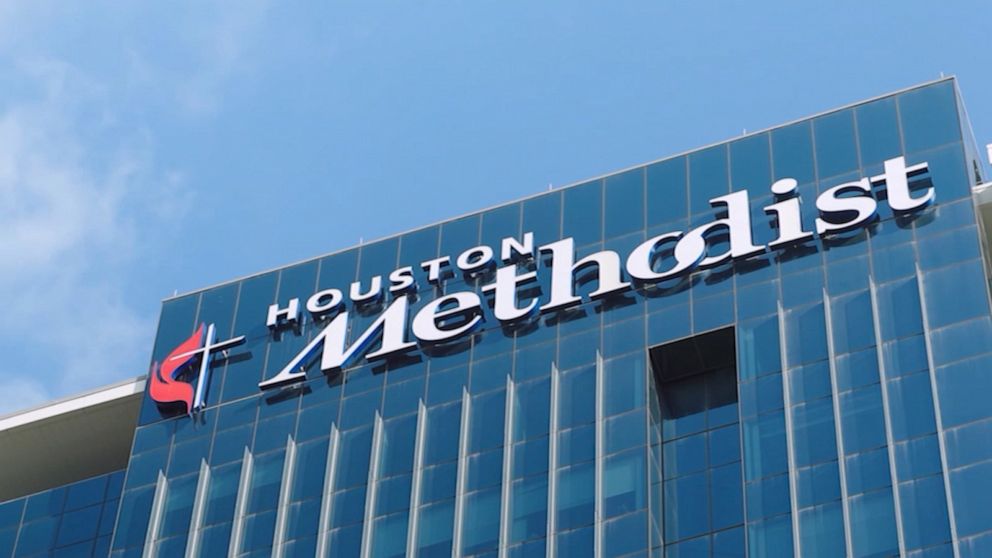
In the first federal ruling on vaccine mandates, a Houston judge Saturday dismissed a lawsuit by hospital employees who declined the COVID-19 shot – a decision that could have a ripple effect across the nation.
The case involved Houston Methodist, which was the first hospital system in the country to require that all its employees get vaccinated. U.S. District Judge Lynn N. Hughes said federal law does not prevent employers from issuing that mandate.
The hospital already had made it clear it means what it says: It fired the director of corporate risk – Bob Nevens – and another manager in April when they did not meet the earlier deadline for bosses.
Houston Methodist’s CEO Marc Boom predicts more hospitals soon will join the effort. Many hospitals and employers were waiting for legal clarification before acting.
“We can now put this behind us and continue our focus on unparalleled safety, quality, service and innovation,” Boom said after the ruling. “Our employees and physicians made their decisions for our patients, who are always at the center of everything we do.”
Learning of the dismissal from USA TODAY, Bridges vowed not to give up. She has initiated a change.org petition that as of Saturday had drawn more than 9,000 signatures and a GoFundMe to pay for the lawsuit that has raised $130,000.
“This doesn’t surprise me,” she said. “Methodist is a very large company and they are pretty well protected in a lot of areas. We knew this was going to be a huge fight and we are prepared to fight it.”
The lawsuit claimed that federal law prohibits employees from being required to get vaccinated without full U.S. Food and Drug Administration approval of the vaccines. Currently, the FDA has authorized the Moderna, Pfizer and Johnson & Johnson vaccines under a special provision for emergencies.
The judge dismissed this argument as well, saying that law does not apply to private employers. He also dismissed an argument that anyone who gets the vaccine is effectively a human subject in an experimental trial.
“The hospital’s employees are not participants in a human trial,” he wrote. “They are licensed doctors, nurses, medical technician, and staff members. The hospital has not applied to test the COVID-19 vaccines on its employees.”
The lawsuit originally was filed in Texas state court but was moved to federal court at Houston Methodist’s request. The federal judge ruled Saturday that Texas state law only protects workers from being fired if they are forced to commit a crime.
A trade group representing LabCorp and Quest Diagnosticshas appealed the dismissal of its lawsuit challenging the implementation of the Protecting Access to Medicare Act, which sets laboratory payment rates according to market data reported by industry.
Federal district courts have previously dismissed the lawsuit, most recently in March, but the American Clinical Laboratory Association continues to argue that PAMA is a case of “harmful regulatory overreach” that forces an “unsustainable reimbursement model” on its members.
ACLA is targeting PAMA through the courts while continuing to push for Congress to change the law. The trade group said that, regardless of the outcome of the appeal, a legislative solution is needed to a law it argues has led to artificially low Medicare rates.
Dive Insight:+
ACLA began its legal case against the implementation of PAMA late in 2017, weeks after the release of the final private payer rate-based clinical laboratory fee schedule. As ACLA sees it, HHS diverged from PAMA directives by exempting “significant categories and large numbers of laboratories” from reporting market data, meaning “Medicare rates will not be consistent with market-based rates.”
The U.S. District Court for the District of Columbia dismissed the case on the grounds that ruling on the establishment of PAMA payment amounts was barred by the statute. ACLA successfully appealed that ruling in 2019. However, the lower court again dismissed the case in late March.
The trade group said the court relied “on the same conclusions that the D.C. Circuit [appeals court] rejected.” The court ruling said the case was dismissed “for lack of subject matter jurisdiction.”
ACLA’s filing of a notice of appeal restarts a process that could take months to play out. The last time the trade group appealed, there was a nine-month wait between the submission of a notice and the delivery of the opinion of the court.
While preparing its opening brief and then waiting on the decision of the appeals court, ACLA will try to tackle PAMA from another angle.
“ACLA will continue to work with policymakers to establish a Medicare Clinical Laboratory Fee Schedule that is truly representative of the market and supports continued innovation and access to vital laboratory services, as Congress originally intended,” Julie Khani, president of ACLA, said in a statement.
Congress has already delayed the next set of fee cuts until 2022. ACLA said the cuts will reduce rates for certain tests used to diagnose chronic diseases by 15%, potentially threatening access to testing. Rates were previously cut in 2018, 2019 and 2020.
Talking to investors in April, LabCorp CEO Adam Schechter said he expects the 2022 impact to “be about the same as it was in 2019, around the $100 million mark.”
UPDATE: May 21, 2021: Late Thursday, drug manufacturing giant Eli Lilly filed a motion in an Indiana district court to halt 340B-related monetary penalties, scant days after the Biden administration set a June 1 deadline for biopharmaceutical companies to comply with new conditions in the drug discount program and allow hospital contract pharmacies access to discounted drugs.
The suit alleges a Monday letter from Diana Espinosa, acting head of the Health Resources and Services Administration, gives “no legal explanation or justification for the arbitrary June 1 deadline.”
Lilly previously filed an almost identical lawsuit January 2020. The Indianapolis-based biopharma said it expected the government to follow the briefing schedule outlined in that suit before mandating compliance with 340B and forcing it to pay “substantial and irretrievable sums of money.”
“If the Court ultimately decides Lilly was required to extend 340B pricing to contract pharmacies, Lilly will comply with that decision. Conversely, if the Court ultimately decides manufacturers are not required to extend 340B pricing to contract pharmacies, then we surely expect the government will comply with that decision. But there is no explanation or justification for the government’s attempt to make Lilly pay now, other than to evade this Court’s review and leave Lilly without recourse for such payments,” the motion reads.
In the petition, Lilly, which brought in $6.2 billion in profit last year, alleges the shifting terms of the program are due to HHS director Xavier Becerra bending to political pressure to “take action” against drug manufacturers, as pharmaceutical prices continue to climb.
Lilly asked the district court to temporarily block HHS from moving against Lilly until the drugmaker’s request for a preliminary injunction is resolved; and for an accelerated legal schedule to settle its claims before the looming June deadline.
An HRSA spokesperson declined to comment on the suit.
Dive Brief:
HHS’ Health Resources and Services Administration called out six pharmaceutical companies Tuesday for violating rules under the 340B drug discount program, ordering them to repay affected providers for previous overcharges and warning of more penalties if they don’t comply.
In July 2020 some drugmakers stopped giving the 340B ceiling price on their products sold to covered entities and dispensed through contract pharmacies, while others limited sales by requiring specific data or selling products only after a covered entity demonstrated 340B compliance, according to HRSA.
In letters from Diana Espinosa, acting administrator of HRSA, the agency requested AstraZeneca, Eli Lilly, United Therapeutics, Sanofi, Novo Nordisk and Novartis give an update on their plans to restart selling covered outpatient drugs at the 340B price to covered entities that dispense medications through contract pharmacies by June 1.
Dive Insight:
Providers and drugmakers have sparred for years over the 340B drug discount program that requires pharmaceutical companies to give discounts on outpatient drugs for providers serving low-income communities.
AHA along with five other provider groups in December filed a federal lawsuit against HHS, alleging the department failed to enforce 340B program requirements and allowed actions from drug companies that undermined the program. That lawsuit was later dismissed.
But with the change in administrations, providers now seem to have an ally in the fight.
Previously, as California’s Attorney General, newly minted HHS chief Xavier Becerra led a group of states pushing the agency to force drugmakers to comply with the law late last year.
Provider groups cheered the move after raising the alarm last year that an increasing number of drug companies were refusing to offer discounts to such eligible hospitals.
“The denial of these discounts has damaged providers and patients and must stop. It is vital that these companies immediately begin to repay the millions of dollars owed to these providers,” 340B Health CEO Maureen Testoni said in a statement.
In separate letters to drugmakers, HRSA outlines complaints against them and their actions, ultimately saying their policies violated the statute and resulted in overcharges that need to be refunded. The companies must work to ensure all impacted entities are contacted and efforts are made to pursue mutually agreed upon refund arrangements, according to the letters.
Any additional violations will be subject to a $5,000 penalty for each instance of overcharging under the program’s Ceiling Price and Civil Monetary Penalties final rule.
The American Hospital Association also praised the agency in a release for “taking the decisive action we’ve called for against drug companies that skirt the law by limiting the distribution of certain 340B drugs through community pharmacies.”
Hospitals in the 340B program provide 60% of all uncompensated care in the U.S. and 75% of all hospital care to Medicaid patients, according to 340B Health.
The Supreme Court announced Thursday it will no longer hear oral arguments later this month on an appeal over the controversial Medicaid work requirements program in New Hampshire and Arkansas.
Legal experts say the move likely means the case won’t be heard this term and possibly may not be heard at all, especially with the Biden administration signaling a different approach to work requirements.
“By taking the cases off the docket, the court is signaling that it won’t hear them this term and probably that it’ll never hear them at all,” University of Michigan Law Professor Nicholas Bagley told Fierce Healthcare.
A major question mark,though, is whether the court will vacate the decisions by several appellate courts that upheld lower court rulings that the programs should be struck down.
“If the Supreme Court is not going to vacate the D.C. Circuit ruling, that means the decision on the books is one that clearly explains why work requirements are not permitted under the Medicaid statute,” said Rachel Sachs, associate professor of law at Washington University, in an interview with Fierce Healthcare.
She added that it is unlikely for the case to come back and “extremely unlikely that this issue will return in the near future.”
The Biden administration asked the court back in February to cancel the oral arguments originally scheduled for March 29. The administration said in a filing that allowing the requirements to take effect won’t promote the objectives of Medicaid to extend health insurance to low-income people.
President Joe Biden’s Department of Justice called for the court to vacate judgments of appeals courts and remand the case back to the Department of Health and Human Services so it can finish a review of all the waivers.
Arkansas Attorney General Leslie Rutledge said in a statement back in February that the legal filing seeking the delay was a “politically motivated stunt designed to avoid a Supreme Court decision upholding a program that encourages personal responsibility while still providing healthcare coverage for those seeking gainful employment.”
Arkansas’ work requirements program was installed in 2018 and led to approximately 18,000 people losing Medicaid coverage before the program was struck down by a federal judge.
Appellate courts upheld judgments from lower courts that New Hampshire and Arkansas’ programs did not meet the objectives of the Medicaid program. The states appealed to the Supreme Court, which agreed to hear the cases late last year.
Court rulings have also struck down programs in other states including Kentucky and Michigan. Kentucky pulled its program in 2019 after a Democrat was elected governor.
Arkansas and New Hampshire’s attorneys general did not return requests for comment on the Supreme Court’s decision Thursday.
Jefferson’s hospital network will grow to 18 locations with Einstein’s three general acute care hospitals and an inpatient rehabilitation hospital.
The merger between Pennsylvania-based Jefferson Health and Einstein Healthcare Network can now close after the Federal Trade Commission voted to withdraw its opposition to the deal, Jefferson Health announced this week.
The deal is now expected to be finalized within the next six months.
Earlier this year, the FTC voted 4-0 to voluntarily dismiss its appeal to the Third Circuit of the district court, according to the commission’s case summary.
Once the deal is complete, Jefferson’s network of hospitals will grow to 18 with the addition of Einstein’s three general acute care hospitals and an inpatient rehabilitation hospital.
WHY IT MATTERS
Merger plans were first announced in 2018 in a deal estimated to be worth $599 million.
The FTC initially blocked the merger because it believed it would reduce competition in the Philadelphia and Montgomery counties.
It alleged the deal would give the two health systems control of at least 60% of the inpatient general acute care hospital services market in North Philadelphia, at least 45% of that market in Montgomery County, and at least 70% of the inpatient acute rehabilitation services market in the Philadelphia area.
But late last year, a federal judge blocked the FTC’s attempt to stop the merger. Judge Gerald Pappert of the U.S. District Court for the Eastern District of Pennsylvania wrote that the FTC failed to demonstrate that there’s a credible threat of harm to competition. He pointed to other competitors in the region, such as Penn Medicine, Temple Health and Trinity Health Mid-Atlantic.
The FTC and the Commonwealth of Pennsylvania attempted to appeal the court’s decision, but after Jefferson and Einstein filed a motion to withdraw the case, the commission unanimously voted to drop its appeal.
THE LARGER TREND
The FTC is taking a closer look at healthcare mergers and acquisitions to better understand how physician practice and healthcare facility mergers affect competition. Earlier this year, it sent orders to Aetna, Anthem, Florida Blue, Cigna, Health Care Service Corporation and United Healthcare to share patient-level claims data for inpatient, outpatient and physician services across 15 states from 2015 through 2020.
The analysts expect activity to ramp up moving forward, however. They predict that as health systems evaluate their business strategies post-pandemic, those in strong positions will take advantage of other systems’ divestitures to grow their capabilities and expand into new markets.
ON THE RECORD
“We are excited to have Einstein and Jefferson come together, as our shared vision will enable us to improve the lives of patients, the health of our communities and enhance our health education and research capabilities,” said Ken Levitan, the interim president and CEO of Einstein Healthcare Network.
“By bringing our resources together, we can offer those we care for – particularly the historically underserved populations in Philadelphia and Montgomery County – even greater access to high-quality care.”
The American Hospital Association, other trade groups and individual hospitals filed petitions Feb. 10 asking the U.S. Supreme Court to reverse appeals court decisions in two cases involving outpatient payment cuts to hospitals.
One lawsuit hospitals are asking the Supreme Court to hear challenges HHS’ payment reductions in 2019 for certain outpatient off-campus provider-based departments.
Under the 2019 Medicare Outpatient Prospective Payment System final rule, CMS made payments for clinic visits site-neutral by reducing the payment rate for evaluation and management services provided at off-campus provider-based departments by 60 percent.
In an attempt to overturn the rule, the AHA, the Association of American Medical Colleges and dozens of hospitals across the nation sued HHS. They argued CMS exceeded its authority when it finalized the payment cut in the OPPS rule. They further claimed the site-neutral payment policy violates the Medicare statute’s mandate of budget neutrality.
HHS argued that under the Bipartisan Budget Act of 2015 it has authority to develop a method for controlling unnecessary increases in outpatient department services. Since “method” is not defined in the statute, the government argued its approach satisfies generic definitions of the term. U.S. District Judge Rosemary M. Collyer rejected that argument and set aside the regulation implementing the rate reduction in September 2019.
HHS filed an appeal in the case, and the appellate court reversed the lower court’s decision July 17.
The second lawsuit hospitals are asking the Supreme Court to hear challenges HHS’ nearly 30 percent cut to 2018 and 2019 outpatient drug payments for certain hospitals participating in the 340B Drug Pricing Program.
A district court sided with hospitals and found the payment reductions were unlawful. Two members of a three-judge panel of the U.S. Court of Appeals overturned that ruling in July.
The hospitals argue in both petitions that the Supreme Court should review the cases because of the “excessive deference” the appeals court gave to HHS’ interpretation of the respective governing statutes.
Horizon Blue Cross Blue Shield of New Jersey threatened to stop paying medical claims for about 14,000 employees of the Jersey City Board of Education, a lawsuit filed by the board alleges, according to NJ.com.
Horizon Healthcare Services, the district’s medical claim manager, planned to stop processing insurance claims Nov. 25 amid an ongoing dispute over payment, the lawsuit alleges. On Nov. 24, a judge granted a temporary restraint aimed at protecting the insured until Dec. 17.
The school board accused Horizon of not complying with lowering out-of-network rates and charging hidden fees, among other allegations, according to the lawsuit.
Horizon denied the allegations. In a statement to NJ.com, Thomas Vincz, public relations manager for Horizon Blue Cross Blue Shield of New Jersey, said: “At no time did Horizon ever threaten to terminate the [Board of Education]’s coverage and Jersey City Board of Education employees should know that their coverage has remained in place, uninterrupted, while we continue to work with Board staff to resolve the issues preventing them from paying the charges owed under their existing contract.”
The lawsuit was filed in the Hudson County Superior Court. Horizon has until Dec. 9 to respond to the lawsuit, according to NJ.com.









 HENRY KOTULA