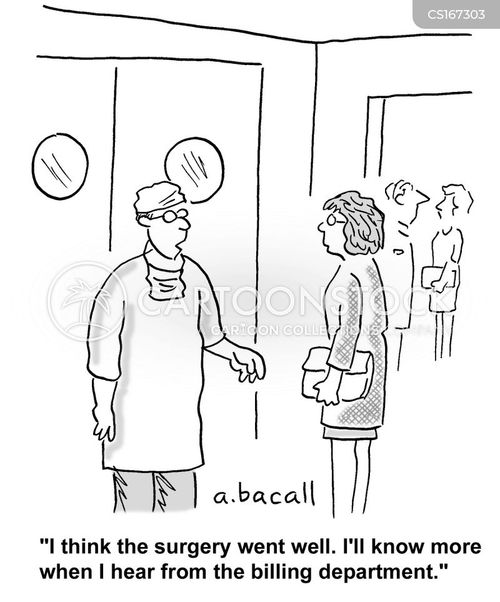
Cartoon – Sign of the Time (Surgery)

Cartoon – Surgical Success Today | HENRY KOTULA

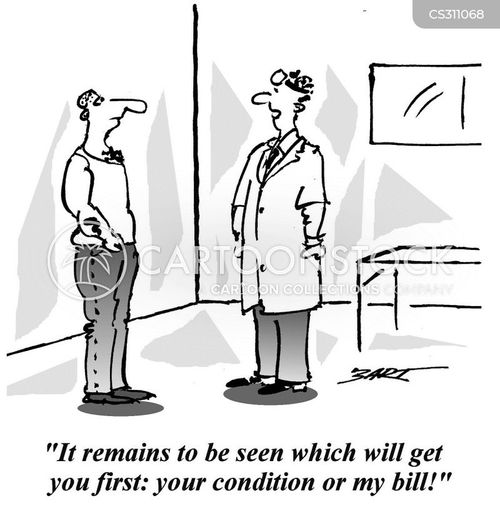
Cartoon – Which Will Get You First?

Cartoon – Which will get you first | HENRY KOTULA

Cartoon – Sign of the Times (Health Coverage)

Insurance Pay-out Cartoons and Comics - funny pictures from CartoonStock

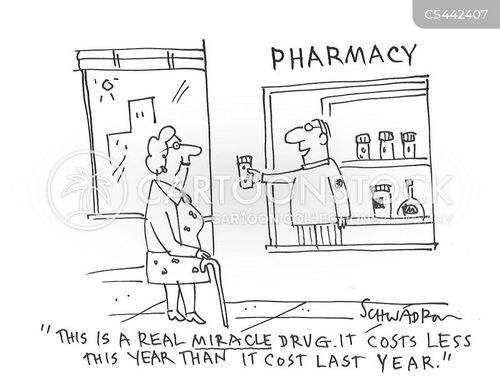
Cartoon – Modern Health Coverage

Health Insurance Cartoons and Comics - funny pictures from CartoonStock

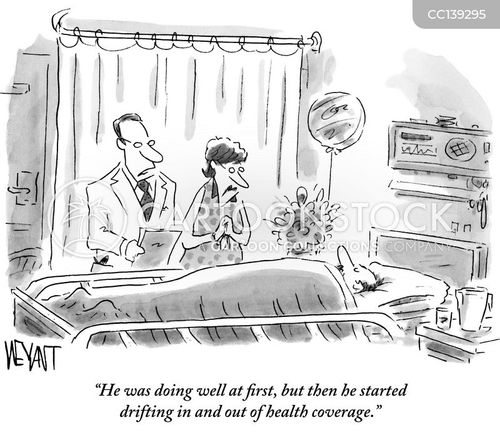
Cartoon – Drifting In & Out of Health Coverage

Health Insurance Cartoons and Comics - funny pictures from CartoonStock

Cartoon – Back into the Recovery Room

Recovery Room Cartoons and Comics - funny pictures from CartoonStock

UnitedHealthcare to crack down on ER visits, potentially exposing patients to bigger bills

TeeMichelle on Twitter: "UnitedHealthcare to crack down on ER visits, potentially  exposing patients to bigger bills | Healthcare Dive https://t.co/bLNYAczNjB  #SmartNews"

Dive Brief:

  • The nation’s largest commercial insurer is taking a closer look at whether visits to the emergency room by some of its members are necessary. Starting July 1, UnitedHealthcare will evaluate ER claims using a number of factors to determine if the visit was truly an emergency for its fully insured commercial members across many states, according to a provider bulletin
  • If UnitedHealthcare finds the visit was a non-emergency, the visit will be “subject to no coverage or limited coverage,” the provider alert states.
  • However, a statement provided to Healthcare Dive said the insurer will reimburse for non-emergency care according to the member’s benefit plan. In other words, the amount paid by UnitedHealthcare may be less if deemed a non-emergency.    

Dive Insight:

Patients seeking out the pricey ER setting for minor illnesses that could have been treated elsewhere has been a perennial issue for the healthcare industry. Misuse of the nation’s emergency departments for minor ailments costs the nation’s healthcare system $32 billion a year, according to a previous report from UnitedHealth Group, the parent firm of UnitedHealthcare.

Providers worry such policies will lead to a chilling effect, causing patients to hesitate even in a true emergency such as a heart attack or stroke. Some of those concerns about the effects on patients were aired on Twitter this week after the provider bulletin became public. 

UnitedHealthcare’s policy contains exclusions, including observation stays, visits by children under the age of two and admissions from the ER.  It’s not clear precisely how many patients will be impacted but UnitedHealthcare had a total of 26.2 million commercial members at the end of 2020.

The insurer said this is an attempt to ensure healthcare is more affordable. To curb costs, they want patients to seek out treatment in a more “appropriate setting” like an urgent care facility. 

Other major insurers have enacted similar policies in the past and faced pushback from the public and providers.

Anthem in recent years has also enacted policies that put patients on the hook for the ER bill if they sought care that didn’t warrant a trip to the ER. The policy also attracted scrutiny from then Senator Claire McCaskill, a Missouri Democrat, who requested Anthem turn over internal documents over the policy and the Blues player ultimately scaled back some of its policies amid pushback from doctors and others.

Providers have argued these policies collide with federal law that require emergency rooms to treat any patient that shows up, regardless of their ability to pay.

UnitedHealthcare does have a process in place for those to contest a visit that was deemed a non-emergency.

1 in 3 Americans skip care due to cost concerns, survey shows

Americans most likely to skip health care due to cost: survey

In the past year, cost was a bigger factor driving Americans to skip recommended healthcare than fear of contracting COVID-19, according to a report released June 1 by Patientco, a revenue cycle management company focusing on patient payment technology.

Patientco surveyed 3,116 patients and 46 healthcare providers, finding 34 percent of female patients and 30 percent of male patients have avoided care in the past year citing concerns about out-of-pocket costs.

Below are three more notable findings from the report:

  1. Healthcare affordability is not an issue that affects only Americans with low incomes, as 85 percent of patients with household incomes greater than $175,000 are less likely to defer care when flexible payment options are offered.
  2. Across all ages, income levels and education levels, most patients said they struggled to understand their medical bills and what they owed. Nearly two-thirds of patients said they did not understand their explanation of benefits, did not know what they should do with the information in their explanation of benefits, or waited too long to obtain their explanation of benefits.
  3. Forty-five percent of patients said they would need financial assistance for medical bills that exceed $500, and 66 percent of patients said the same for medical bills that exceed $1,000.