

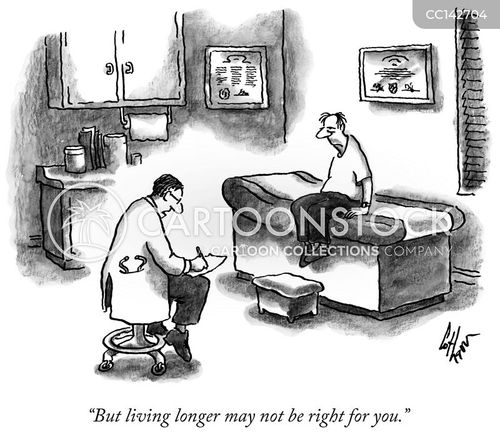
Cartoon – Medicare Advantage Office Visit
https://www.kaufmanhall.com/insights/thoughts-ken-kaufman/misadventures-primary-care

Innovation in the American economy over the past 30 years has been nothing short of stunning—one remarkable technological advance after another. Industry by industry and product by product, corporate innovation has profoundly changed the way we navigate our economic and consumer lives. From this context of technological and innovative change came the corporate belief that healthcare could be “significantly improved” through the same application of aggressive corporate strategy and innovation.
So along came Walmart, Walgreens, CVS, and Amazon with all the resources in the world and with the best intentions to contemporize primary care.
The goals of all this were front and center: change the definition of the healthcare gatekeeper, lower costs, improve quality, and create a much more consumer-friendly care experience. Yet here we see that American business has proven—once again—that the best intentions, the smartest ideas, and a lot of money are still no guarantee of commercial success. How quickly the corporate retail re-invention of primary care all came apart.
Between 2017 and 2022, retail clinic claims grew 200%, spiking particularly during the pandemic, according to Healthcare Finance. And yet now, Walmart has abandoned its primary care strategy, Walgreens is pulling back significantly—even after announcing significant expansion plans as little as a year ago—and CVS is facing uncertainty after a leadership shakeup.
Under corporate leadership and strategy, primary care has become a catalog of woes. Let’s unpack that catalog.
Walmart opened its first health center in 2019, offering a range of basic services with prices posted. At first, it focused on patients who could pay cash, but eventually evolved to accept a range of insurance plans. Walmart brought a level of strategic aggression to its primary care initiative by announcing in 2023 it would nearly double the number of clinics it operated. But in an abrupt about face, the megaretailer shuttered all 51 primary care locations in April, citing an unsustainable business model with an inability to maximize revenue and adequately control expenses.
Walgreens, on the other hand, opted to invest in existing providers. In 2020 and 2021, Walgreens spent $6.2 billion on the primary care clinic chain VillageMD, establishing it as the majority owner. In 2022, Walgreens sunk another $3.5 billion, through a mix of debt and equity, into VillageMD’s $8.9 billion acquisition of Summit Health. Walgreens, like Walmart, suffered for its primary care investments. The company was forced to take a $5.8 billion write-down on Village MD in the second quarter of this year.
During an October 15 earnings call, Walgreens CEO Tim Wentworth said the company “is reorienting to its legacy strength as a retail pharmacy-led company,” according to the Wall Street Journal. “We are in the early stages of a turnaround that will take time.” And that comment came with the potential closure of 1,200 Walgreens retail locations, following on the heels of 160 primary care clinic closures earlier this year.
CVS, too, has not been immune to primary care turbulence, as CVS Health CEO Karen Lynch was forced to step down last month after presiding over an expansion of healthcare clinics but then closing dozens of them in California and New England. CVS’s strategic approach revolved around its $10.6 billion acquisition of Oak Street Health in 2023 and its intention to expand primary care in 1,100 MinuteClinics. That strategy now seems to be up in the air with the departure of Ms. Lynch. The CVS board is now suggesting an approach that may involve a spinoff of its insurance and pharmacy benefits manager units, Aetna and Caremark.
Amazon, however, at the moment shows no signs of abandoning its foray into primary care. Rather than focusing its efforts on solely brick-and-mortar locations, Amazon organized its primary care strategy around the 2023 $3.9 billion acquisition of One Medical, a concierge-style service designed to facilitate both in-person and virtual visits. While Amazon’s primary care strategy remains somewhat opaque, it seems to revolve around partnering with employers and health systems to cultivate primary care patient loyalty through a membership program that builds on the Amazon Prime brand.
Each company took a slightly different approach to primary care, but all four planned to leverage their exceptional size to achieve profitability.
Interestingly, scale has not been sufficient to solve the challenges of primary care. American Medical Association President Bruce A. Scott wrote recently: “If retail giants can’t make today’s care delivery model work financially, how on earth can physicians in private practice?” It’s no wonder the ongoing shortage of about 20,000 primary care physicians is expected to persist. A recent AAMC report found that by 2036, that number could double.
Primary care has been unsuccessful as a transactional business; retailers sell goods at a set price and send customers on their way. In healthcare, payment models are nowhere near as straightforward. Patients, particularly in areas where access to care is limited, may have continuous, rather than episodic, needs. All of this complexity has seemed to add up to higher costs and lower margins. Primary care seems to require a much more complex business model, one robust enough to remain patient as that business model experiments with various approaches or is vast enough to offset losses with other lines of revenue.
So where does all of the above lead us? Are there any useful conclusions or lessons to be learned? Maybe so.
Corporate America, with all of its economic power and resources and scale, has found primary care to be a confounding and, so far, unsuccessful business model. So, after all of the recent noise and promises and slide decks, the problem and promise of primary care is back in the mission-driven hands of America’s not-for-profit hospitals—exactly where it should have been all along.
Walmart’s announcement on April 30 that it was pulling the plug on Walmart Health stunned the healthcare ecosystem. [1] Few saw it coming.
Launched amid much fanfare in 2019, Walmart Health has operated 51 health centers in five states, with a robust virtual care platform. Walmart’s news release noted that “the challenging reimbursement environment and escalating operating costs create a lack of profitability that make the care business unsustainable for us at this time.” Despite its legendary supply-chain capabilities, expansive market presence and sizable consumer demand for affordable primary care services, Walmart couldn’t make its business model work in healthcare.
Just two weeks earlier with much less fanfare, and in stark contrast to Walmart, the big health insurer Elevance announced it was doubling-down on primary care. On April 15, Elevance issued a news release detailing a new strategic partnership with the private-equity firm Clayton, Dubilier & Rice (CD&R) to “accelerate innovation in primary care delivery, enhance the healthcare experience and improve health outcomes.” [2]
What gives? Why is Elevance expanding its primary care footprint when the retail behemoth Walmart believes investing in primary care is unprofitable? The answer lies at the heart of the debate over the future of U.S. healthcare. As a nation, the United States overinvests in healthcare delivery while underinvesting in preventive care and health promotion.
Enlightened healthcare companies, like Elevance, are attacking this imbalance aggressively.
Elevance isn’t alone. Other large health insurers — including UnitedHealthcare, CVS/Aetna and Humana — and some large health systems (e.g., AdventHealth, Corewell Health and Intermountain Healthcare) are investing in primary care services to support what I refer to as 3D-WPH, shorthand for “democratized and decentralized distribution of whole-person health.”
3D-WPH is the disruptive innovation that is rewiring U.S. healthcare to improve outcomes, lower costs, personalize care delivery and promote community wellbeing. It is an unstoppable force.

Across multiple retail product and service categories — including groceries, clothing, electronics, financial services, generic drugs and vision care — Walmart applies ruthless efficiency management to increase consumer selection and lower prices. Consistent with the company’s mission of helping its customers to “save money and live better,”
Walmart Health provided routine, standalone primary care services at low, transparent prices. Despite scale and superior logistics, Walmart could not deliver these routine care services profitably.
Here’s the problem with applying Walmart’s retailing expertise to healthcare:
While exceptional primary care services are rarely profitable in their own right, they can reduce total care costs by limiting the need for subsequent acute care services. Preventive care works. Companies that invest in primary care can benefit by reducing total cost of care.
Unfortunately, few providers and payers practice this integrated approach to care delivery. Most providers rely on their primary care networks to refer patients for profitable specialty care services. Most payers use their primary care networks to deny access to these same specialty care services.
This competition between using primary care networks as referral and denial machines dramatically increases the intermediary costs of U.S. healthcare delivery. Patients get lost as these titanic payer-provider battles unfold, even as costs continue to rise, and health status continues to decline.
A growing number of payers and providers, however, are recalibrating their business models to lower total care costs by integrating primary care services into a whole-person health delivery model.
In its news release, Elevance described its strategic partnership with CD&R as follows:
The strategic partnership’s advanced primary care models take a whole-health approach to address the physical, social and behavioral health of every person. The foundation of the new advanced primary care offering will be stronger patient-provider relationships supported by data-driven insights, care coordination and referral management, and integrated health coaching. It will also leverage realigned incentives through value-based care agreements that enable care providers, assist individuals in leading healthier lives, and make care more affordable.
“We know that when primary care providers are resourced and empowered, they guide consumers through some of life’s most vulnerable moments, while helping people to take control of their own health,” said Bryony Winn, president of health solutions at Elevance Health, in the news release. “By bringing a new model of advanced primary care to markets across the country, our partnership with CD&R will create a win-win for consumers and care providers alike.”
Whole health personalizes and integrates care delivery. I would suggest that transactional and fragmented primary care service provision cannot compete with 3D-WPH.
For all its strengths, Walmart Health is not positioned to advance whole-person health. Primary care service provision without connection to whole-person health is a recipe for financial disaster. Walmart Health’s demise confirms this market reality.
Moreover, whole-person health is not rocket science. The Veterans Health Administration (VA) has practiced 3D-WPH for more than 15 years. [3] It achieves better outcomes at two-thirds the per capita cost of Medicare with a much sicker population. [4]
Countries with nationalized health systems practice whole-person health expansively. With one-third the per capita income and one-fifth the per capita healthcare expenditure, Portugal has a life expectancy that is more than five years longer than it is in the United States. [5] Portugal achieves better population health metrics than the United States by operating community health networks throughout the country that combine primary care and public health services.
The VA, Portugal and numerous other organizations and countries prove the thesis that investing in primary care lowers total care costs and improves health outcomes. The evidence supporting this thesis is both compelling and incontrovertible.
Economists refer to a circumstance when individuals overuse scarce public goods as a tragedy of the commons.
Public grazing fields highlight the challenge posed by such a circumstance. [6] It is in the financial interest of individual ranchers to overgraze their herd on a public grazing field. Overgrazing by all, however, would obliterate the grazing field, which is against the public’s interest.
Societies address these “tragedies” by establishing and enforcing rules to govern public goods.
U.S. healthcare, however, reverses this type of economic tragedy. Advanced primary care services represent a public good. All acknowledge the benefits and societal returns, yet few providers and payers invest in advanced primary care services. Providers don’t invest because it leads to lower treatment volumes. Payers don’t invest because primary care’s higher costs trigger higher premiums, prompting their members to switch plans.
We can’t solve the primary care conundrum until we enable both providers and payers to benefit from investments in advanced primary care services. Fragmented, transactional medicine, even when delivered efficiently, is not cost-effective. Walmart Health discovered this economic reality the hard way and exited the business.
By contrast, Elevance is reorganizing itself to overcome healthcare’s reverse tragedy of the commons. They are betting that offering advanced primary care services within integrated delivery networks will both lower costs and improve health outcomes. Healthcare’s future belongs to the companies, like Elevance, that are striving to solve the industry’s primary care conundrum.

One emerging model brings hope for independent primary care in a rapidly transforming healthcare landscape.
More than 48% of all U.S. physician practices and nearly 70% of physicians are now owned or employed by either hospitals or corporate entities, according to the latest research.
Add to this shift the recent news of Amazon’s new One Medical benefit, billed as delivering access to high-quality primary care and 24/7 on-demand virtual care to the company’s more than 160 million Prime subscribers, and it’s clear that the corporatization of primary care is showing no signs of slowing.
As two primary care physicians committed to providing the best possible care for our patients, we have a front-row seat to the threat that corporatization poses to the very essence of independent primary care. We also have hope.
One emerging model is successfully embracing the tenets of independent primary care, shining a light on the path to better patient health in a rapidly transforming healthcare landscape.
Defining high-value primary care
High-value primary care relies on maintaining its independence. Independent primary care physicians (PCPs) excel at providing personalized care by fostering meaningful relationships with patients, ensuring that medical decisions are tailored to individual needs, and focusing on prevention to avoid health catastrophes and improve overall health. They often integrate with community leaders, influence local health policy, and mobilize community resources to help patients facing socioeconomic challenges.
In the independent setting, patients of these PCPs benefit from a continuous relationship with the same PCP over time, leading to better health outcomes born of a deeper understanding of their unique healthcare needs.
Notably, these PCPs (and their patients) are less likely to be influenced by the economic incentives that perversely drive patients back to hospitals and health systems in search of expensive but preventable or unnecessary care.
In fact, primary care owned or employed by a hospital is often seen as a loss leader for downstream revenue generators. Hospital-based PCPs are also more likely than their independent peers to experience a loss of autonomy over patient care decisions.
A recent survey from the Physicians Advocacy Institute found that 60% of physicians believe that the trend away from private practice ownership has reduced care quality, largely due to a lack of clinical autonomy and an increased focus on cost savings by facility leadership. These collective factors are obstacles to the sacred physician-patient relationship in service of a hospital-driven agenda and slow-moving bureaucracy.
Collaboration over corporatization
Maintaining independence in primary care has become increasingly difficult due to powerful industry headwinds that often lead previously independent practice owners to sell their businesses in defeat. Fortunately, PCPs have more options beyond joining hospitals, health systems, or emerging corporatized healthcare, where financial and operational pressures can form barriers to better care.
Collaborative primary care networks, also known as “enablers,” are entities that combine the strengths of independent primary care with the bargaining power and economies of scale associated with larger corporations. These network groups offer a viable way for practices to maintain independence by working together under a federated body to pool resources and improve infrastructure, thereby reducing administrative burden on the practice and bringing in new technologies and care coordination capabilities. These enablers also help independent practices negotiate collectively to secure better payer contracts, which ensure sustainable revenue streams without sacrificing their patient-centered approach.
Collaborative primary care networks are effective because they embrace the power of consolidation crucial to the success of corporatized care models while preserving practice autonomy, divorced from upstream economic incentives, which place patient care at risk. Such groups are financially rewarded for keeping patients healthy and out of the hospital, which is ultimately what independent primary care does best.
Incentivizing value alignment
Only time will reveal Amazon’s impact on care, but the rise of corporate primary care doesn’t have to spell the death of patient-centered care. What we do know is that primary care innovations deliver true value only when the right incentives are in place, as demonstrated by independent primary care.
When corporatized primary care organizations function independent of misaligned financial incentives, success can instead be defined through health and well-being. When aligned with the values of independent primary care, corporatized primary care can invest in robust multidisciplinary teams, focus on preventive care, and use technology to improve efficiency in a new model of care delivery that combines the best of what corporate and independent primary care each have to offer.
When independence is maintained, high-quality, personalized primary care will retain a meaningful place within the U.S. healthcare system and continue to help patients live healthier, longer lives. And that gives these two veteran physicians more hope for a brighter future.

During a fireside chat at AHIP 2024, Mary Langowski, executive vice president and president of U.S. healthcare at Walgreens Boots Alliance, said she sees a bright future for retail in healthcare.
Retailers are facing several headwinds in healthcare in 2024. Walmart and Dollar General both recently ended healthcare endeavors, and CVS Health is reportedly looking for a private equity partner for Oak Street Health (which it acquired in 2023). VillageMD, which is backed by Walgreens, is shuttering numerous clinics.
Still, Mary Langowski, executive vice president and president of U.S. healthcare at Walgreens Boots Alliance, sees a strong future for retailers in healthcare.
“I happen to be very bullish on the role of retail in healthcare and frankly, having a very central role in healthcare,” she said. “And part of that is because over 80% of people want health and wellness offerings in a pharmacy and in a retail setting. Consumers want the ease, they want the convenience of it. And those are important things to keep in mind, that demand is there.”
Langowski, who joined Walgreens in March, made these comments during a Tuesday fireside chat at the AHIP 2024 conference held in Las Vegas. She added that what the industry is seeing is not an “evolution” of whether retailers will exist in healthcare, but a shift around what the “right model is going to be.”
“We really think that if you take our core assets, … we can be a really good partner to not just one provider entity but many, many provider entities and payers across the United States,” Langowski said. “We’re everywhere. We’re in the community, we’re digitally inclined. I think a strategy for us is less capital-intensive, capital-light and very scaled models.”
She also told the health plans in the audience that she wants to collaborate more. She said she sees retail as a “really critical entry point” in the healthcare system.
“We have people using their pharmacists two times more than any doctor and Medicare patients see us eight times more than their physician,” Langowski declared. “We’re not doing enough together to take advantage of those moments where we can engage people and we can create interventions way earlier in their healthcare disease state.”
Langowski noted that insurers are under a lot of pressure, including rising costs, regulatory issues and challenges contracting with providers. However, Walgreens’ assets are “highly complementary” to insurers’ assets, she said.
“We aren’t going to do what you do. You don’t do what we do, but we work really well together,” she said. “And what it will take is being clever about the commercial and economic model and I believe there are multiple ways to create win-win scenarios where everybody does well. Most importantly, patients get healthier and they have a much better and much more seamless experience with the system.”
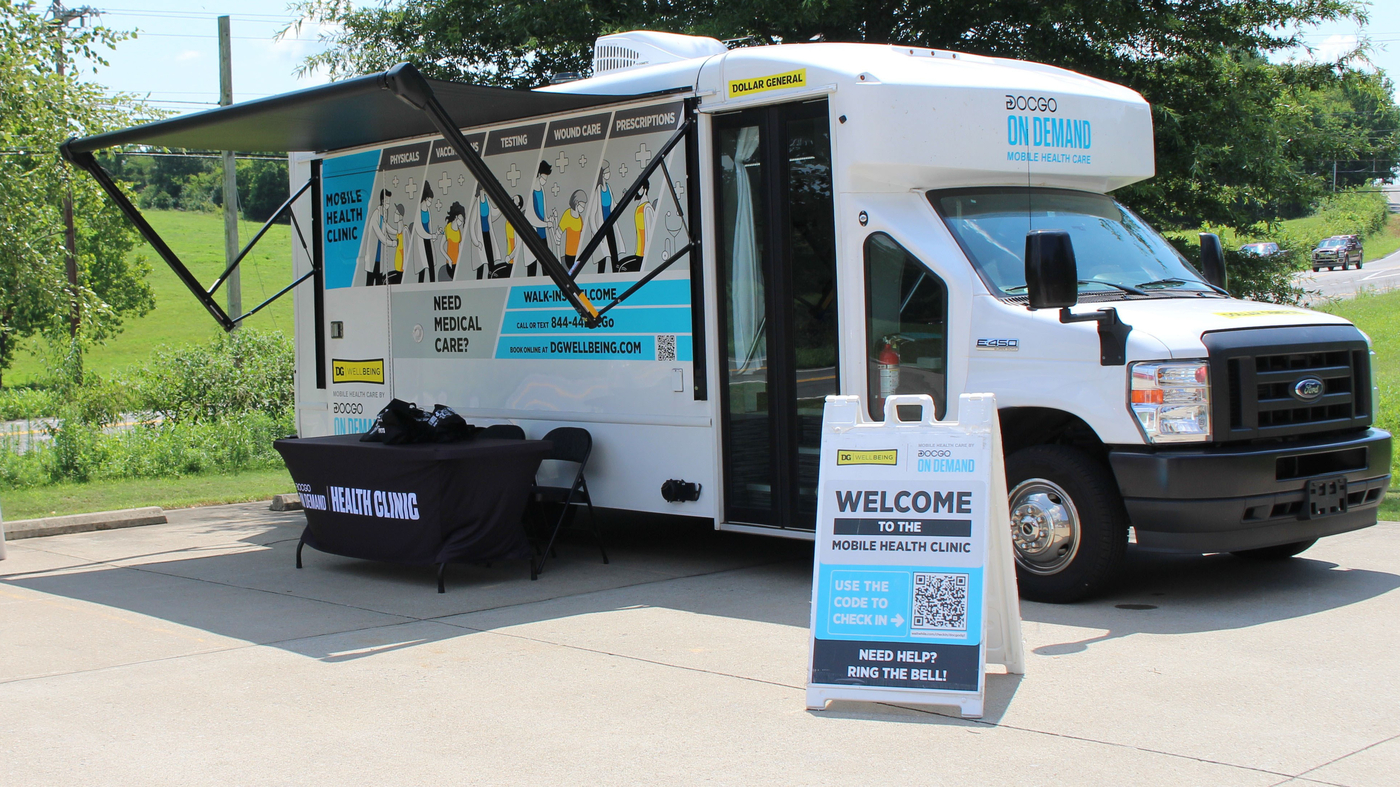
| Discount retail giant Dollar General announced late last week that it will end its mobile health clinic pilot program, run in partnership with mobile medical care provider DocGo. Launched in Jan. 2023, the mobile clinics provided basic healthcare services—including annual physicals, vaccinations, urgent care, and lab testing services—several days per week outside three Dollar General stores near the company’s Goodlettsville, Tennessee headquarters. A Dollar General spokesperson said that ending the mobile clinics program was a mutual decision between Dollar General and DocGo and did not provide additional details on the decision. |
| The Gist: Dollar General’s small healthcare delivery pilot received significant attention when it was announced, due to the retailer’s extensive footprint in rural and medically underserved areas. Although the discount retailer never touted a healthcare strategy on the scale of Walmart or Walgreens, which have each also walked back their healthcare delivery ambitions this year, Dollar General did hire a chief medical officer in 2021, and many thought that this pilot could be the company’s first step toward broader healthcare delivery. Instead, Dollar General’s role in improving the health of rural Americans for now remains limited to its retail offerings: it continues to expand its DG Fresh initiative, now selling fresh produce at more than a quarter of its 20K locations, and its DG Wellbeing section, which now accepts supplemental health benefits for its selection of more than 300 over-the-counter medicines and supplements. |
A group of nurses in East Baltimore is piloting a bold plan to bring basic primary care to everybody no matter their age, income or insurance. Can this idea from abroad take root in the United States?
Raquel Richardson arrived at work in the Johnston Square Apartments in East Baltimore this February expecting to have just another Tuesday. The 31-year-old typically spends her days solving residents’ problems, answering questions at reception and making maintenance rounds.
That day, however, she noticed a team offering free blood pressure checks in the lobby — and decided to sit for one too. Tiffany Riser, a nurse practitioner, was so alarmed by Richardson’s high reading that she checked it twice. The young woman, the nurse confirmed, was at immediate risk for a stroke.
Riser only caught this threat to Richardson’s health because she was offering convenient, preventive care as part of a new program called Neighborhood Nursing. The idea is to meet people where they are and offer them free health checks, whether they realize they need them or not. If Richardson had waited until symptoms arose, Riser says, the results could have been disastrous.
Instead, Richardson quickly got on a new blood pressure medication and received additional information from Riser about how to reduce hidden salt in her diet. Months later, her pressure remains at a healthy level.
Neighborhood Nursing’s teams of nurses and community health workers have started making weekly visits like these to the lobbies of three apartment buildings in Johnston Square, one of Baltimore’s most marginalized neighborhoods. By next year, the team aims to visit more than 4,000 people in the Baltimore metropolitan area at least once a year.
“We’re trying to turn primary care on its head and deliver it in a completely different way,” says Sarah Szanton, dean of the Johns Hopkins School of Nursing and leader of the project, which is a collaboration with the Coppin State, Morgan State and University of Maryland nursing schools.
“What’s revolutionary,” Szanton says, “is that it’s for everybody” — whether they are sick or healthy, rich or poor, young or old, and no matter if they have private insurance, Medicare, Medicaid, or no insurance at all.
The visits are free to the patient and prioritize each person’s unique goals, from managing chronic back pain to finding safer housing. They can take place in people’s homes, senior centers, libraries or even laundromats.
The idea is modeled after a similar program first tried in Costa Rica about 30 years ago, when that country was grappling with the same core problem that the U.S. is experiencing today: Patients are struggling to access preventive primary care, especially in poor and rural areas. Hospitals are overflowing and basic needs from hunger to high blood pressure are spiraling into bigger, costlier problems.
Szanton believes the U.S. — which lags behind other high-income countries on many measures like infant mortality and obesity — is sorely lacking bold solutions.
Compared to other countries, the U.S. spends far more resources on treating illnesses than on preventing them. America only puts about 5 cents out of every dollar spent on health care toward primary care — and spends less than peer nations on social supports like food and housing.
“It’s like if 10% of our houses were on fire, we would say we don’t have enough firefighters,” Szanton says. “But really what you need to do is prevent fires, which we’ve never done for medical care in this country.”
Costa Rica’s national approach to primary care is very different. “It’s pretty much night and day,” says Asaf Bitton, a primary care doctor who has studied Costa Rica’s model and directs Ariadne Labs, a health innovation center at Harvard School of Public Health.
The Central American nation of 5 million people has pioneered a nationwide version of Neighborhood Nursing. Teams of health workers visit residents’ homes at least once a year, whether the patients live in cities, on banana farms or in remote villages reachable only by boat. After three decades of this approach, the results are remarkable.
Deaths from communicable diseases like tuberculosis and hepatitis have fallen by 94%. Disparities in access to health care have improved too — as have outcomes for chronic conditions like diabetes and heart disease. Costa Rica has achieved all this progress while spending less than 10% of what the U.S. spends per person on care.
“There’s both an incredible economic efficiency and effectiveness,” Bitton says of Costa Rica’s system, “and a deep humanity to it — a sense of reciprocal responsibility for every single person in the country.”
Other factors, including national investments in nutrition and sanitation programs, contributed to the country’s gains, but researchers like Bitton say that keeping nearly every single Costa Rican connected to basic primary care has helped drive significant improvements in health. Other countries, including Sri Lanka and Brazil, have borrowed from Costa Rica’s primary care playbook.
Still, it’s unclear whether Costa Rica’s model can take root in the U.S.
“The evidence is great,” says Chris Koller, president of the Milbank Memorial Fund, and coauthor of a landmark national report on how to strengthen primary care in the U.S. “The challenge,” Koller says, “is how do you graft it onto our current method of delivering and financing health care?”
Funding is arguably the greatest puzzle facing the Neighborhood Nursing team. The goal is to build something akin to a public utility, serving everyone regardless of the type of health insurance they do — or don’t — have. Health insurers are the most likely to finance a program like this, which is designed to keep costs down by improving members’ health.
But getting insurers to pony up would require Neighborhood Nursing to earn buy-in from a dizzying number of entities. The residents of a single county, for example, are typically covered by as many as 50 different insurers, from Medicaid plans to private Medicare plans to employer plans. “You try to keep it simple,” says Ann Greiner, president of the Primary Care Collaborative, a nonprofit group, “But inevitably when you move toward implementing a model, you come up against this complexity.”
Insurers have collectively funded projects like statewide vaccination programs, so there is precedent for pooling resources to support all consumers, regardless of their coverage. An investment in the type of care that Neighborhood Nursing aims to deliver door to door, however, would represent a significant leap in scope.
Health policy analysts also believe the program will likely struggle to connect patients to the country’s sprawling health and social services systems. If Neighborhood Nursing effectively opens a new, more welcoming front door to those systems, what awaits patients on the other side?
In many cases, unfortunately, that next step is into a complex maze that’s short on resources and heavy on bureaucracy. For example, Baltimore, ground zero for Neighborhood Nursing’s pilot program, leads all big cities in opioid overdose deaths, yet treatment options there are limited. Challenges to capacity plague Costa Rica’s successful primary care system, too, where patients can wait months to see specialists or get surgeries.
In the U.S., specialty care comes with additional hurdles like the need to secure approvals from a person’s insurance plan for certain procedures or medications. People needing significant social support, such as help with affordable housing, can face years-long wait lists.
“There’s no magic pill to change those structural conditions,” says Lisa Stambolis, a nurse and Neighborhood Nursing’s senior project manager. “But there are still things we can do, and we should do.”
Neighborhood Nursing has included community health workers on their teams to help people navigate these complex systems. The program is also training staff in mental-health first aid and simple techniques of cognitive behavioral therapy to make that type of basic help immediately available.
Team nurses are prepared to go the extra mile, too, to help patients like Raquel Richardson, the East Baltimore worker with high blood pressure that nurse Tiffany Riser encountered in February. Richardson initially resisted seeking care, citing past bad experiences she’d had at a local hospital. Instead of giving up, Riser switched strategies, calling a local clinic, convincing the staff to squeeze Richardson in for an urgent care visit. Nurse Riser even accompanied her patient to the doctor. “Because I had a professional with me, I felt like they took me more seriously,” Richardson says.
The Neighborhood Nursing project is still in its pilot phase, building trust and gathering feedback from the community. By 2025, staff members hope to expand their services to four neighborhoods — two within Baltimore, one in the suburbs and one in a more rural area.
So far, the evidence the approach works is only anecdotal, but the team says they are already seeing a difference in the level of trust from community members. And a trusting connection between patient and provider is key. “The first couple weeks we showed up, it was like, ‘Who are they?’” says community health worker Terry Lindsay. “Now people are opening up the doors to their homes, saying, ‘Come on in and sit down.’”
One other sign of progress, said Sarah Szanton, is that the larger neighborhood is taking ownership and helping to shape the project.
Long-time Baltimore resident Regina Hammond and a few of her neighbors told the team they needed safer options for exercise. Together they hatched a plan to start a weekly neighborhood walking group.
“Some people walk other days too, now, as a result of meeting each other at the walking group,” Hammond says. A woman with depression joined the group and soon felt better. Another walker said he liked his neighborhood more after he discovered some new parks and an urban garden he’d never known about, despite living in the area for seven years.
The goal is to improve the health of individuals, says Szanton, and empower communities to create happier, healthier places to live.
“I think of what we’re building as like pipes in a water system,” Szanton says, “Where there’s a resource that’s flowing to every household and that connects them to each other.”

With a single ruling, the Federal Trade Commission removed the nation’s occupational handcuffs, freeing almost all U.S. workers from non-compete clauses. The medical profession will never be the same.
On April 23, the FTC issued a final rule, affecting not only new hires but also the 30 million Americans currently tethered to non-compete agreements. Scheduled to take effect in September—subject to the outcome of legal challenges by the U.S. Chamber of Commerce and other business groups—the ruling will dismantle longstanding barriers that have kept healthcare professionals from changing jobs.
The FTC projects that eliminating these clauses will boost medical wages, foster greater competition, stimulate job creation and reduce health expenditures by $74 billion to $194 billion over the next decade. This comes at a crucial moment for American healthcare, an industry in which 60% of physicians report burnout and 100 million people (41% of U.S. adults) are saddled with medical bills they cannot afford.
Like all major rulings, this one creates clear winners and losers—outcomes that will reshape careers and, potentially, alter the very structure of U.S. healthcare.
Undoubtedly, the FTC’s ruling is a win for younger doctors and nurses, many of whom join hospitals and health systems with the promise of future salary increases and more autonomy. However, by agreeing to stringent non-compete clauses, these newly trained clinicians have little choice but to place their trust in employers that, shielded by air-tight agreements, have no fear of breaking their promises.
Most newly trained clinicians enter the medical job market in their late 20s and early 30s, carrying significant student-loan debt—nearly $200,000 for the average doctor. Eager for stable, well-paying positions, these young professionals quickly settle into their careers and communities, forming strong relationships with friends and patients. Many start families.
But when these clinicians realize their jobs are falling short of the promises made early on, they face a tough decision: either endure subpar working conditions or uproot their lives. Taking a new job 25 or 50 miles away or moving to a different state are often are only options to avoid breaching a non-compete clause.
In a 570-page supplement to its ruling, the FTC published testimonials from dozens of healthcare professionals whose lives and careers were harmed by these clauses.
“Healthcare providers feel trapped in their current employment situation, leading to significant burnout that can shorten their career longevity,” said one physician working in rural Appalachia.
By banning non-competes, the FTC’s rule will boost career mobility for all clinicians within their own communities. This change will likely spur competition among employers—leading to improved pay and benefits to attract and, equally important, retain top talent. And with the reassurance that they can easily switch jobs if their current employer falls short of expectations, clinicians will enjoy greater professional satisfaction and less burnout.
Benefits that accrue to doctors and nurses from the FTC’s ban will translate directly to improved outcomes for patients. For example, we know that physicians who report symptoms of burnout are twice as likely to commit a serious medical error. Studies have shown the inverse is true, as well: healthcare providers who are satisfied with their jobs tend to have lower burnout rates, which is positively correlated with improved patient outcomes.
Once freed from restrictive non-compete clauses, many clinicians will practice elsewhere within the community. To attract patients, they will have to offer greater access, lower prices and more personalized service. Others with the freedom to choose will join outpatient centers that offer convenient and efficient alternatives for diagnostic tests, surgery and urgent medical care, often at a fraction of the cost of traditional hospital services. In both cases, increased competition will give patients improved medical care and added value.
Large health systems, which encompass several hospitals in a geographic area, have traditionally relied on non-compete agreements to maintain their market dominance. By barring high-demand medical professionals such as radiologists and anesthesiologists from joining competitors or starting independent practices, these systems have been able to suppress competition and force insurers to pay more for services.
Currently, these systems can demand high reimbursement rates from insurers while also maintaining relatively low wages for staff, creating a highly profitable model. Yale economist Zack Cooper’s research shows the consequence of the status quo: prices go up and quality declines in highly concentrated hospital markets.
The FTC’s ruling challenges those conditions, potentially dismantling monopolistic market controls. As a result, insurers will no longer be forced to contend with a single, dominant provider. And with health systems pushed to offer better wages and benefits to retain their top talent, bottom lines will shrink.
While nonprofit hospitals and health systems are not currently under the FTC’s jurisdiction, the agency has pointed out that these facilities might be at “a self-inflicted disadvantage in their ability to recruit workers.” Moreover, as Congress intensifies scrutiny on the nonprofit status of U.S. health systems, hospitals that do not voluntarily align with the FTC’s guidelines may find themselves compelled to do so through legislative actions.
Individual hospitals have faced a unique challenge over the past decade. Across the country, inpatient numbers are falling, which makes it harder for hospital administrators to fill beds overnight. This trend has been driven by advancements in medical technology and new practices that enable more outpatient procedures, along with changes in insurance reimbursements favoring less costly outpatient care. As a result, hospital administrators have been compelled to adapt their financial strategies.
Nowadays, outpatient services account for about half of all hospital revenue. These range from physician consultations to specialized procedures like radiological and cardiac diagnostics, chemotherapy and surgeries.
Medicare and other insurers typically pay hospitals more for these outpatient services than they pay local doctors and other facilities. Knowing this, hospitals are hiring community doctors and acquiring diagnostic and procedural facilities, then boosting profitability by charging the higher hospital rates for the same services.
Hospital administrators know that this strategy only works if the newly hired clinicians are prohibited from quitting and returning to practice within the same community. If they do, their patients are likely to go with them. This is why the non-compete clauses are so essential to a hospital’s financial success.
As expected, the American Hospital Association opposes the FTC’s rule, arguing that non-compete clauses protect proprietary information. In practice, most of the doctors affected by the ban are providing standard medical care and have no proprietary knowledge that requires protection.
Today’s hospital systems are starkly divided between haves and have-nots. Facilities in affluent areas often enjoy high reimbursement rates from private insurers, boosting financial success and administrator salaries. In contrast, rural hospitals grapple with low patient volumes while facilities in economically disadvantaged, high-population areas face greater financial difficulties.
The current model is not working. The old ways of doing things—enforcing non-competes, charging higher fees for identical services and promoting market consolidation to hike prices—are not sustainable solutions.
The abolition of non-compete agreements will produce both winners and losers. In the healthcare sector, the ultimate measure of a policy’s impact should be its effect on patients—and the overwhelming evidence suggests that eliminating these clauses will benefit them greatly.

On August 8, 2014, Walmart announced it would expand on its existing five primary care centers to a total of 12 by the end of the year. These centers would offer more extensive services than those provided in Walmart walk-in clinics, including chronic disease management.
On September 13, 2019, Walmart announced it was opening the first expanded Walmart Health center, which would provide patients with primary care, laboratory, X-ray, EKG, counseling, dental, optical, and hearing services, with the “goal of becoming America’s neighborhood health destination.”
On April 30, 2024, Walmart announced it would close all 51 of its health centers in five states, as well as its virtual care services. “The challenging reimbursement environment and escalating operating costs create a lack of profitability that make the care business unsustainable for us at this time,” Walmart said.
Make no mistake, this announcement is a big deal.
Walmart is the largest retailer in the world, with about $650 billion in annual revenue, 10,500 stores in 19 countries, and 2.1 million employees—nearly 1.6 million in the U.S. alone. Healthcare services were an important corporate goal for Walmart, a goal the company pursued with significant financial investment and talented executives. Walmart’s healthcare strategy was carefully mapped out, with an expanding set of services tested in various formats and locations in Walmart’s formidable geographic and online presence.
Of course, one of Walmart’s goals was to create profit for the company through its foray into healthcare.
However, Walmart’s primary care strategy also held great promise for improving the health of the people Walmart serves, as well as reducing overall healthcare costs. A recent study by researchers at the University of Chicago Booth School of Business and University of Chicago Medicine, focusing on more than 500,000 Medicare beneficiaries, found that regular primary care visits were associated with fewer risk-adjusted ED visits and hospitalizations, lower risk-adjusted expenditures, and greater cost savings. According to the study, results improved as the regularity and continuity of care increased, both of which potentially would have been facilitated by the highly accessible and affordable primary care that Walmart aimed to deliver.
These benefits to patients and communities would have been especially powerful in rural America. Walmart plays a central role in the rural ecosystem, both as an economic and a social center. Ninety percent of the population is located within 10 miles of a Walmart.
Four thousand of Walmart’s stores are located in HRSA-designated medically underserved areas. In a time when rural healthcare providers are struggling to remain viable and healthcare deserts are becoming more problematic, Walmart had a unique opportunity to be, as the company itself said, “the front door of healthcare for all Americans.”
That enormous opportunity to tackle one of the most significant and persistent problems in American healthcare has now been lost.
Walmart is a corporation with a great history, a great reputation, great resources, and great operational abilities. If any company could make primary care work effectively and efficiently on a large scale in this country, it should have been Walmart.
But, after nearly two decades of trying, Walmart couldn’t succeed as a healthcare provider.
We can draw at least three important conclusions from Walmart’s healthcare failure.
Obviously, healthcare’s business fundamentals are hard, and now we can see they are hard not only on traditional healthcare providers but also hard on a $650 billion retail company. These business fundamentals are unlikely to change anytime soon.
Walmart’s primary care failure is not only a disappointment for Walmart, but also for the healthcare ecosystem at large. What Walmart was trying to do was important, and that was establish a comprehensive retail system of primary care. Although Walmart’s effort, at least for the moment, has not worked, this is unlikely to be the end of the line. Hospitals and health systems will continue to experiment, will continue to apply their unique visions, their considerable talents, and their enormous dedication to the goal of finding primary care solutions that work for their communities.
As the Walmart failure demonstrates, the challenge is incredibly difficult. But the game must not be over.

CVS has fared better because of its ability to scale and coordinate its other business model resources, Aetna and Signify, analyst says.
The disruption promised by the retailization of healthcare hasn’t materialized as planned.
Walmart and Walgreens recently announced the closing of retail clinics.
“The news is a significant setback for retail health players, some of whom are now realizing that delivering retail-driven primary care may not be economically viable and certainly isn’t causing the disruption in local healthcare markets that many predicted,” said Emarketer senior analyst for digital health Rajiv Leventhal.
Reimbursement for primary care is a major challenge, as are labor shortages and higher costs. Retailers that are not able to scale their clinics through synergies with other parts of their business models, as CVS has done, will find costs rising above their ability to make money.
Walmart is closing all 51 of its health centers across five states, saying the business model was unsustainable.
“Healthcare is very difficult and very challenging,” said Innocent Clement, cofounder and CEO of Ciba Health and a physician by training. “Walmart (was) very disappointing news. I expected a lot. It’s embedded in all of our communities.”
Retail clinics help make healthcare affordable and the convenience of pharmacies creates access for vulnerable populations, Clement said.
Retail based clinics and urgent care clinics play a role in controlling healthcare costs by diverting approximately 30% of cases from much higher-cost emergency rooms.
“Walmart Health’s decision to shut down its health centers and telehealth services is a sudden pivot from its recent plans to expand but not surprising given retailers’ overall struggles in the care delivery space,” Leventhal said.
“It’s not Walmart’s first failed attempt at operating medical clinics, but it will likely be its last crack at it considering how badly it went – going from signing off on a plan in 2018 to build 4,000 primary care clinics to shutting down in 2024 after opening just 51. The latest effort was littered with red flags throughout, from struggling with basic billing and payment functions to leadership changes and other operational obstacles.”
Walgreens suffered a $6 billion loss in its second quarter due to its struggles to make VillageMD profitable. It announced it was closing 60 VillageMD clinics and that number is expected to rise.
Walgreens invested $1 billion in VillageMD and then dumped in $5.2 billion more, Leventhal said. The plan was to keep expanding and co-locating VillageMD clinics with a Walgreens pharmacy. As of last year, Walgreens had 680 clinics with an estimated 200 co-located with a drugstore. Now 140 are already closed with 20 more to close, many of those are co-located with a Walgreens drugstore.
“They’re still leaning into VillageMD investments where they’re succeeding,” Leventhal said. However, “the investment just has not paid off at all. That led to a significant jaw dropping loss.”
Walgreens’ $1 billion cost-cutting strategy should put it in a better position going forward, Leventhal said.
“What many people don’t realize is that urgent care clinics are experiencing a level of extreme financial pressure that endangers their availability, range of services, and continued existence,” said longtime healthcare executive Web Golinkin, a former CEO of RediClinic and FastMed Urgent Care. He recently published a book about his experiences in “Here Be Dragons: One Man’s Quest to Make Healthcare More Accessible and Affordable.”
Reimbursements from third-party payers on services at clinics have been relatively flat over the past recent memory, Golinkin said. This includes both commercial and government payers, Medicare and Medicaid. At the same time, operating costs have increased dramatically.
“It’s difficult for providers to have leverage in a retail health setting. It’s harder than it looks,” Golinkin said. “The reason we were disruptive, we were open seven days a week for extended hours and co-located with a pharmacy.”
But supply and labor costs increased during the pandemic and have not reset, he said. There’s already a shortage of primary care physicians.
RediClinic began inside retail clinics such as Walmart and Walgreens before being sold to Rite Aid in 2014, Golinkin said. FastMed was sold off piecemeal to HCA Healthcare, HonorHealth in Arizona and others.
The bigger picture is the lack of access in this country to primary care, Golinkin said. CMS needs to shift dollars to primary care, he said, a statement backed by the American Medical Association, which has been banging the drum for greater physician reimbursement.
Healthcare has narrow margins to begin with, Golinkin said, but may be able to offset losses in one area with profits from another.
Retail clinics may be able to offset losses through pharmacy sales, with the clinics acting somewhat as a loss leader to getting customers in the store, Leventhal said.
But what’s really needed is the ability to scale and a business model that brings consumers from retail pharmacy sales and the clinic to drug purchases and other care needs, as CVS has done.
The struggles for Walmart and Walgreens are a cautionary tale for other retailers, Leventhal said.
“It’s difficult to operate a primary care startup,” he said.
There are nearly 14,000 urgent care clinics in the United States, Golinkin said, adding that most are under sole ownership and all are under the same financial pressure that caused Walmart to shut down.
“This is not just about Walmart. It’s an access issue,” Golinkin said. “What happened to Walmart is symptomatic.”
The answer may lie in partnerships between providers and retailers.
There are many examples of partnerships between retail medical providers and health systems. Prominent health systems such as Advocate Health Care, Providence, Kaiser Permanente and Cleveland Clinic either provide care in retail pharmacies or are clinically affiliated with one, according to Golinkin.
Walgreens has a partnership with Advocate Health Care.
It makes a lot of sense from a continuity of care perspective, Golinkin said. If someone goes into a clinic in a retail space and sees a clinician associated with a hospital or physician practice, and that doctor or PA or nurse says the consumer needs further care, that person goes to the provider.
Most clinics and urgent care centers are tied now to an EHR for a clinically integrated network.
“This approach will boost referrals for health systems while saving them the costs of maintaining their own outpatient practices,” he said. “That’s the model we’re really going to see going forward, more collaboration.”
WHY THIS MATTERS
CVS Health has created the scale to make its clinics successful, according to Leventhal.
Amazon is also lurking as a potential competitor through its expansion with primary care startup One Medical. Amazon bought One Medical for $3.9 billion last year.
CVS took a hit to its bottom line as well, but that was mostly due to high MA utilization through its insurer, Aetna.
CVS is in a much better position strategically, because it has an insurer, a pharmacy benefit manager and also Signify Health, said Leventhal.
CVS’s Aetna business makes it the most imposing retail health disruptor, he said. This combination of a payer and provider has substantial power in local markets and can influence patient decisions on where to get care.
The company’s acquisition of Oak Street Health and Signify Health gives it a full circle strategy. CVS is leaning into opening more Oak Street clinics within CVS drugstores, Leventhal said.
CVS has the ability to synergize Aetna with Oak Street Health and Signify operations, as outlined in its 2023 Investor Day Presentation, according to Leventhal.
For example, over 650,000 Medicare beneficiaries (not all of them Aetna members) visit CVS stores in Oak Street geographies each week, CVS data said.
There are over 300,000 Signify Home visits annually in Oak Street geographies. Approximately one in six CVS customers end up scheduling a visit at an Oak Street clinic. CVS promotes this by setting up tables within their drugstores that have material on Oak Street.
Ten percent of Aetna seniors educated by Signify about Oak Street as a primary care option scheduled a Welcome Visit, the presentation said.
CVS was in a competitive battle to acquire Signify Health last year for $8 billion. Signify does risk assessments that are billed to the insurer, which connects them with services, specifically with Oak Street Health.
Even CVS would acknowledge delivering primary care through a retail entity is challenging due to low margins, Leventhal said.
In theory, clinics appeared to be the perfect one-stop shop model. In reality, they faced a bunch of challenges, especially during and after COVID-19, Golinkin said.
THE LARGER TREND
Pharmacies, particularly independents, are also dealing with the cost pressures of reimbursement.
Pharmacies are paid by pharmacy benefit managers a reimbursement fee for dispensing drugs, and over the course of the last 10 years those fees have materially declined, squeezing pharmacy margins, according to Seeking Alpha.
This squeeze is in part why Walgreens Boots Alliance’s cash flows have declined so precipitously and why rivals such as Rite Aid have been forced into bankruptcy, the report said.
The newest model for pharmacies is the cost-plus drug model. CVS, Walmart and Walgreens all have offerings and Walgreens is soon expected to roll out its own cost-plus drug model to create a more sustainable model for pharmacies to be reimbursed.
Walgreens CEO Tim Wentworth, who came aboard in October 2023, recently said that the company is ready to adopt a cost plus drug model, which is similar to the one used by Mark Cuban’s online pharmacy, Cost Plus Drugs.
Cost Plus Drugs, which launched in 2022, works directly with drug manufacturers to avoid PBM middlemen. It lowers prices on medications by basing costs on the manufacturing fee, plus a 15% markup, a $3 pharmacy handling fee and a $5 shipping fee. Cost Plus also transparently displays what it pays for its medicines.
 HENRY KOTULA