Just a month ago, even as signs of a fourth wave of COVID-19 infections in the U.S. were blossoming in the lower Midwest, the memory of a long, miserable winter kept us warm. Even places with burgeoning case rates were far below their catastrophic peaks over the holidays, when a combination of cold weather and defiant travelers contributed to a third wave in infections and deaths that drowned out the previous two spikes in April and July of 2020.
This is regrettably no longer the case. In four states—Hawaii, Louisiana, Mississippi and Florida—the current number of daily new COVID-19 infections, averaged across seven days, has surpassed that winter peak, even with a substantial percentage of the population having received a complete dosage of the COVID-19 vaccine (though not nearly as many as public officials would prefer).
Hawaii is something of an anomaly, as its winter peak was not nearly as high as in colder, more accessible regions. But several other states threaten to join this quartet in the near future. Oregon’s daily rate of new infections is at 36.5 per 100,000 residents, or 99% of the peak value on Dec. 3, 2020. Nationwide, the rate is 37.7, just under 50% of the winter peak of 76.5.
What is perhaps most sobering about this surge is that COVID-19-related deaths, which typically lag behind case surges by about two weeks, are starting to rise again. No state has yet surpassed the winter peak in deaths, but at 65%, Louisiana very well may. That figure is still 15% nationwide, well below the Jan. 13, 2021 peak of 1.04 fatalities per 100,000 people. It is currently at 0.16.
When it comes to the pandemic, no one wants to sound like Chicken Little. The sky might not be falling. But neither is the national case rate, or the number of people dying.
With vaccine mandates on the rise among healthcare organizations, including many of the health systems we work with, we’ve begun to hear a new argument in favor of getting staff vaccinated—one that weighs against the worry that mandates will drive scarce clinical workers away.
With staffing already stretched, some systems have been concerned that implementing mandates could worsen shortages and force an increase in the use of costly agency labor. But, some executives are now telling us, so could not vaccinating staff. As the highly contagious Delta variant continues to sweep through unvaccinated populations, clinical workers who haven’t gotten their shots are especially susceptible to contracting the virus.
That’s driven a sharp increase in unvaccinated nurses and other workers calling out sick with COVID symptoms, which has made a difficult staffing situation even worse.
Some of the high-profile reports of hospitals running out of beds in the face of the Delta variant are actually driven by running out of staff to keep those beds in use—making it even more critical to ensure that frontline workers are protected against the virus.
As a growing number of hospitals and other care facilities mandate that their workers get vaccinated, we’d hope this unwelcome pressure on an already stretched workforce begins to wane.
With US COVID case counts hitting levels not seen since February, hospitalizations climbing rapidly in many states—topping the number seen nationally during last summer’s surge—and mortality figures beginning to edge worrisomely upward, it’s increasingly clear that talk of a “hot vax summer” was premature at best.
While this week the nation crested President Biden’s July 4th goal of 70 percent of Americans getting at least one dose of the vaccine, attention has now turned in earnest to the need to dramatically accelerate vaccinations the face of the highly contagious Delta variant.
Of particular concern: a report from the Centers for Disease Control and Prevention (CDC) suggesting that vaccinated people who become infected with the variant may be able to spread the disease at a greater rate than previously thought.
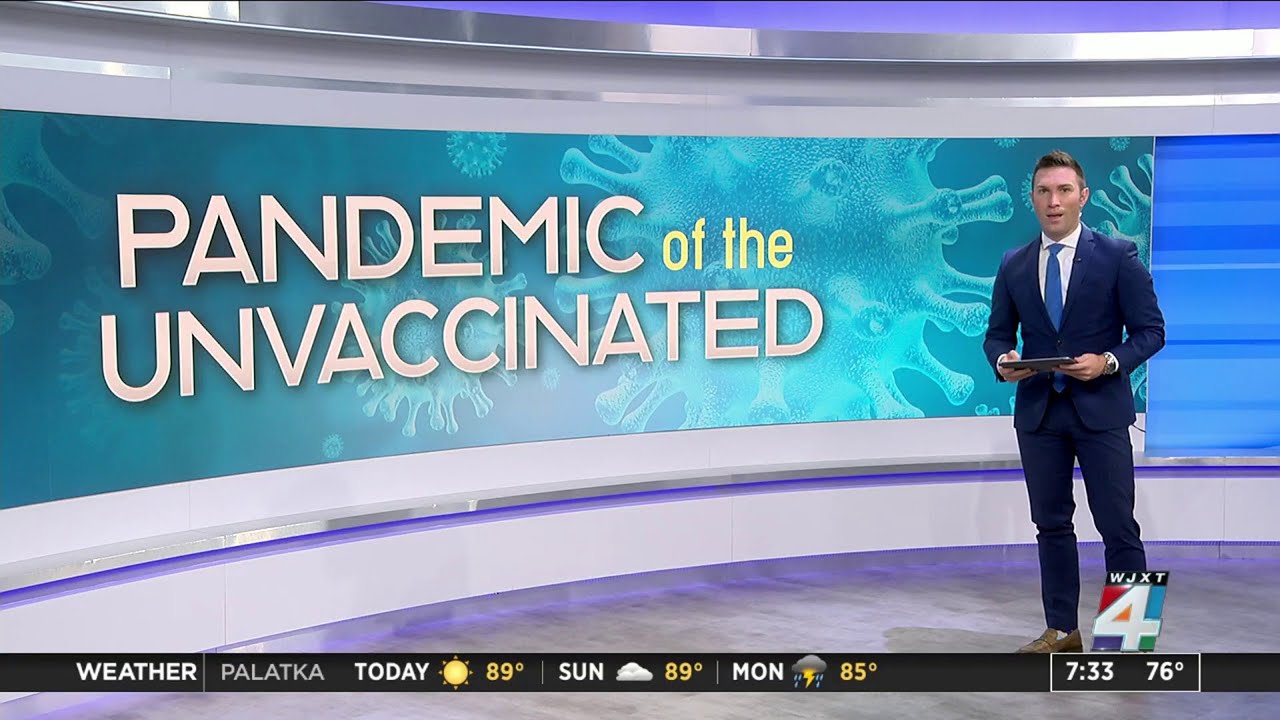
Although it’s clear that we’re largely experiencing a “pandemic of the unvaccinated” at this point, it wasn’t reassuring to learn that the CDC has been citing pre-Delta data (from January to July) on hospitalizations to bolster its reassurances to vaccinated Americans about the low numbers of “breakthrough” cases in hospitals, nor to hear (as we have, anecdotally) from hospital leaders that vaccinated patients now account for 15 percent of COVID admissions.
Attention has rapidly turned to the need for booster shots, with the Food and Drug Administration (FDA) reported to be readying a plan for early September, focused on the over-65 population and those whose immune systems are compromised. Already, Zuckerberg San Francisco General Hospital has begun supplemental mRNA boosters for those who received the one-dose Johnson & Johnson shot earlier this year.
Meanwhile, in an attempt to reassure those still harboring concerns about getting an “experimental” vaccine, the FDA is fast-tracking its full approval process for Pfizer’s vaccine, which can’t come soon enough.
The ticking clock: students of all ages, vaccinated or otherwise, return to school in less than a month. Will we be ready?
Moderna said Thursday that it expects a third dose of its coronavirus vaccine will be necessary before the winter, citing that protection from the shot will fade over time, The Hill reports.
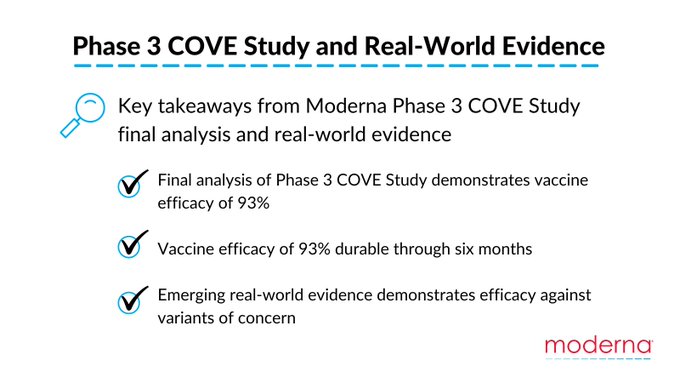
The biotech firm confirmed that its vaccine maintained 93% efficacy six months after the second dose but said that a booster shot will likely still be needed before the winter.
“We are pleased that our COVID-19 vaccine is showing durable efficacy of 93% through six months but recognize that the Delta variant is a significant new threat, so we must remain vigilant,” Moderna CEO Stephane Bancel said in a statement.
“Given this intersection, we believe dose 3 booster will likely be necessary prior to the winter season,” the company said.
The 93% efficacy after six months announced by Moderna is a promising sign and compares to the 84% efficacy reported by the Pfizer vaccine.
While there is strong data for six months, the company warned that the rise of the delta variant will cause an “increase of breakthrough infections in vaccinated individuals.”
Moderna: “you might need a booster sh—“ Me: signed in online, waiting outside the Rite Aid at 7am with my sleeve rolled up
Any COVID-19 uptick is a tragedy, but the first major U.S. surge since the start of the vaccination rollout has been uniquely painful to watch because it likely could have been prevented. The Delta variant has driven up cases across the country, with the worst outbreaks in southern states where vaccination rates fall far short of that of the country as a whole, which is nearly half vaccinated. A few examples:
In Louisiana, 37.1% of the population is fully vaccinated and the seven-day average of new cases is 4,622, up from 1,426 two weeks ago.
In Arkansas, 36.6% of the population is fully vaccinated and the seven-day average of new cases has nearly doubled over the last two weeks to 1,900 new cases a day.
In Alabama, 34.4% of the population is fully vaccinated and the seven-day average for daily cases has tripled over the last two weeks to 2,400 new cases a day.
In Mississippi—which has the country’s lowest vaccination rate, at 34.5%—the number of new cases has nearly tripled in the last two weeks; it’s now reporting a seven-day average of nearly 1,700 daily cases.
These surges have left many people scrambling to protect themselves, with several hard-hit states reporting an increase in vaccine uptake. In Louisiana, for example, about 52,000 doses were administered during the week ending July 31, compared to about 20,000 the week ending July 10. Unfortunately, people getting vaccinated now won’t be fully protected for another two to four weeks, depending on the shot they receive, meaning the virus will likely continue to spread for some time.
At least some southern governors are taking steps to prevent that, turning to tried and true methods like masking to contain viral spread. Louisiana governor John Bel Edwards (D), for instance, issued an order yesterday mandating face masks in many indoor public settings, including businesses, schools and churches. “I cannot in good conscience sit by while our hospitals lose the capacity to deliver life-saving care to COVID patients and non-COVID patients alike,” Edwards said when announcing the new rules, which begin tomorrow and are currently set to expire Sept. 1.
However, the leaders of other badly hit states are not following suit. Mississippi governor Tate Reeves (R), for instance, has rejected the U.S. Centers for Disease Control and Prevention’s (CDC) updated guidance calling for indoor masking in areas with substantial viral spread, calling it “foolish.” The state may continue to pay the price; Mississippi hospitals are reportedly struggling to find enough nurses to care for patients, even as the state health officer warned last week that new hospitalizations are “skyrocketing” (as of July 27, Mississippi’s seven-day average for new hospitalizations was 126, compared to about 20 on July 1).
The best anyone can do in these states now is get vaccinated, mask up, and socially distance whenever possible. Delta burned hot but fast in India and the United Kingdom, and it’s possible it will do the same in the States as well.
TODAY’S CORONAVIRUS OUTLOOK
Over 400.6 million doses of the COVID-19 vaccine have been shipped to various U.S. states as of this afternoon, of which some 347 million doses had been administered, according to TIME’s vaccine tracker. About 49.7% of Americans had been completely vaccinated.
Nearly 198.9 million people around the world had been diagnosed with COVID-19 as of 1 a.m. E.T. today, and more than 4.2 million people have died. On August 2, there were 556,672 new cases and 7,784 new deaths confirmed globally.
Here’s how the world as a whole is currently trending:
Here’s where daily cases have risen or fallen over the last 14 days, shown in confirmed cases per 100,000 residents:
And here’s every country that has reported over 3 million cases:
The U.S. had recorded more than 35.1 million coronavirus cases as of 1 a.m. E.T. today. Nearly 614,000 people have died. On August 2, there were 127,976 new cases and 451 new deaths confirmed in the U.S.
Here’s how the country as a whole is currently trending:
Here’s where daily cases have risen or fallen over the last 14 days, shown in confirmed cases per 100,000 residents:






 HENRY KOTULA