Questions to Ask About the House Republican Health Reform Proposal

http://blogs.wsj.com/washwire/2016/06/20/questions-to-ask-about-the-house-republican-health-reform-proposal/?utm_campaign=KFF-2016-Drew-WSJ-Jun20-HouseGOP&utm_medium=email&_hsenc=p2ANqtz-_NbfoCIZCQG6kGUv8vUld3vokzSuvVI9VWa9kHidYn8XYKLqHjC9eueS2Fqt39v_03tgl-QzorxDZgvw5Gkw7Fo5VqJA&_hsmi=30791782&utm_content=30791782&utm_source=hs_email&hsCtaTracking=092901de-a8d1-4b84-8ccf-2a923a6826ad%7C85e450b8-093a-4acd-840b-c16aa780d05c

Paul+Ryan21

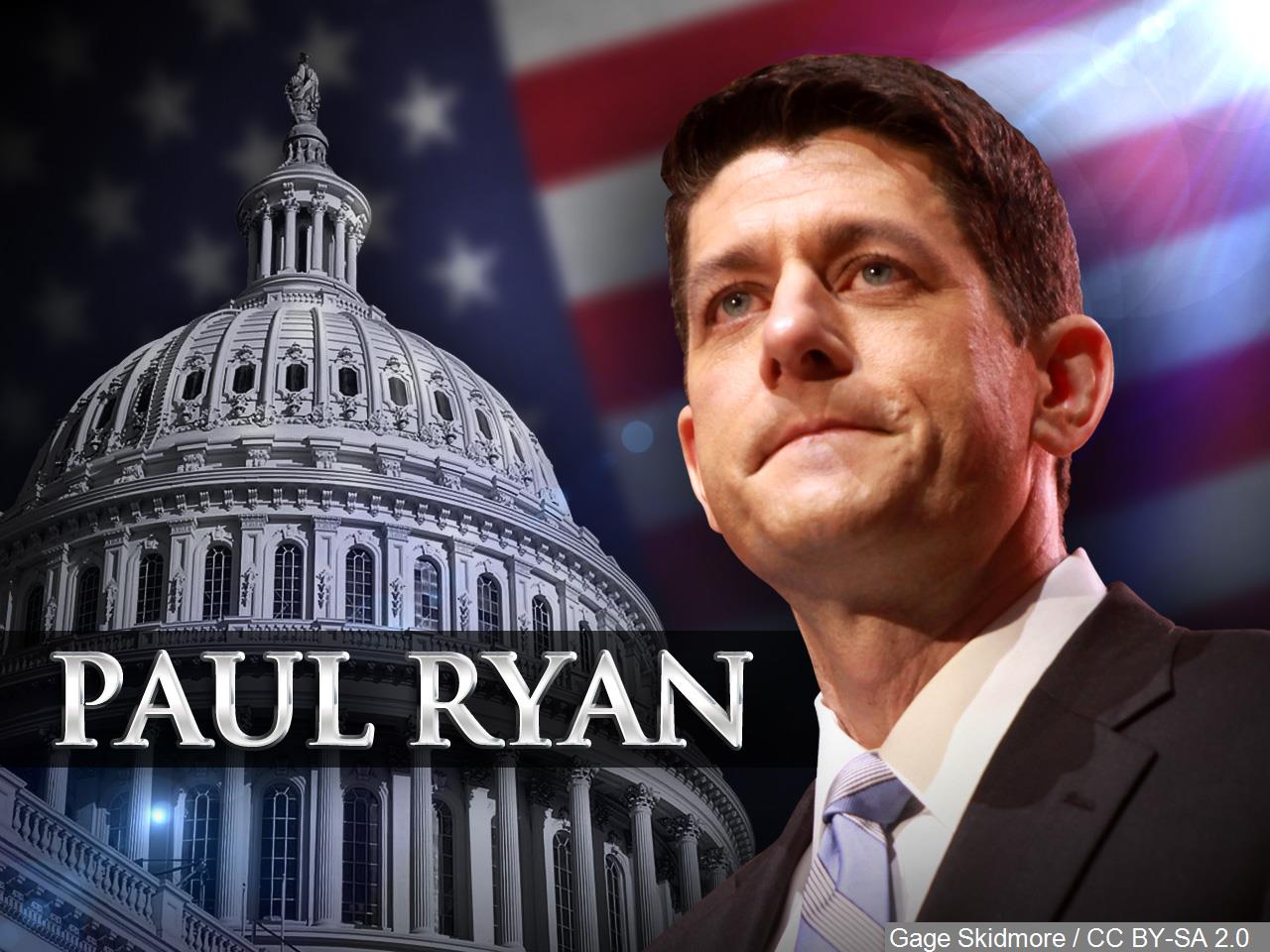
House Speaker Paul Ryan’s health-care task force is expected to outline its alternative to Obamacare this week. The outline reportedly will not include the level of detail that would allow much external analysis of its impact by health-care experts and the media, though Democrats are likely to attack its concepts, most of which will be familiar proposals that Republicans favor and that Democrats have opposed in the past. The outline is part of Mr. Ryan’s effort to add Republican policy ideas to the election debate, in particular to the presidential campaign, and seems aimed at helping down-ticket Republicans as a part of an agenda that can appeal to their base. Details will be needed to understand whether the plan is more progressive or regressive and how many uninsured people would be covered. Another big question is how Donald Trump will respond.

 

The Fundamentally Different Goals of the Affordable Care Act and Republican ‘Replacement’ Plans

http://blogs.wsj.com/washwire/2016/06/07/the-fundamentally-different-goals-of-the-affordable-care-act-and-republican-replacement-plans/

cover art


Rep. Pete Sessions and Sen. Bill Cassidy introduced legislation last month calling for replacing elements of the Affordable Care Act. A House task force established by SpeakerPaul Ryan is expected to follow with more health-care proposals. These Republican health plans are generally referred to as “replacements” for the ACA–in the spirit of “repeal and replace”–as though they would accomplish the same objectives in ways that conservatives prefer. But the proposals are better understood as alternatives with very different goals, trade-offs, and consequences. Whether they are “better” or “worse” depends on your perspective.

To boil down to the most basic differences: The central focus of the Affordable Care Act is expanding coverage and strengthening consumer protections in the health insurance marketplace through government regulation. By contrast, the primary objective of Republican plans is to try to reduce health-care spending by giving people incentives to purchase less costly insurance with more “skin in the game,” with the expectation that they will become more prudent consumers of health services. They also aim to reduce federal spending on Medicare and Medicaid and the federal government’s role in both programs. Elements of the ACA were designed to reduce costs, such as the law’s Medicare payment reforms, and elements of Republican plans such as tax credits aim to expand access to insurance, but the primary aims of the ACA and the Republican plans differ.

Congress Should Act on Mental Health

https://morningconsult.com/opinions/congress-act-mental-health/

mental-health

Conventional wisdom says that Congress generally won’t achieve much in a Presidential election year as issues begin to get mired in partisan posturing.  But 2016 has been anything but a conventional election year, and this Congress has the opportunity to pass two important bipartisan health bills this year.

We’re talking about the mental health bills before the House and the Senate as well as the Medicare chronic care legislation under development by the Senate Finance Committee.  These bipartisan proposals could improve the lives of millions of Americans and move our health care system in the direction of better integrated and higher value care. It’s time that Congress act on them.

Chronic disease already accounts for the vast majority of health care costs in Medicare and our health care system in general.   Without action, the problem will only get worse.

Healthcare CEO gets 10 years for fraud that led to 2 patient deaths

http://www.beckershospitalreview.com/legal-regulatory-issues/healthcare-ceo-gets-10-years-for-fraud-that-led-to-2-patient-deaths.html

Fraud2

This Obamacare Repeal Plan Cripples State Budgets—and Economies

http://www.thefiscaltimes.com/2016/06/14/Obamacare-Repeal-Plan-Cripples-State-Budgets-and-Economies

If Republicans finally make good on their vow to repeal the Affordable Care Act — but without adopting a suitable replacement — 24 million Americans would be removed from the health care insurance rolls in 2021. And federal spending on health care would decline by $927 billion over the next decade, according to a provocative new study by the Urban Institute and the Robert Wood Johnson Foundation.

Biggest healthcare frauds in 2016: Running list

http://www.healthcarefinancenews.com/slideshow/biggest-healthcare-frauds-2016-running-list?p=0

Lazy Image

Healthcare fraud is not new to the pages of Healthcare Finance. In a $3 trillion industry, Medicare, payer and patient fraud is bound to happen and the responsible parties are also bound to be caught.

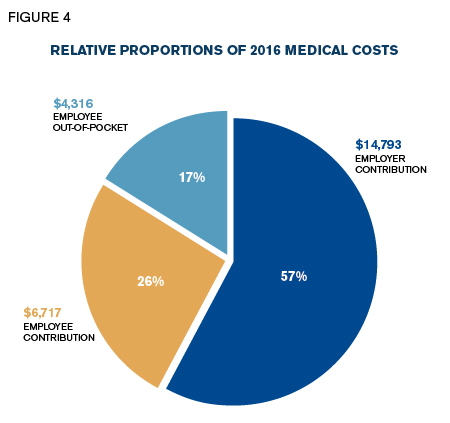
Health Care Costs for Average American Family Now Exceed $25,000 a Year

http://www.thefiscaltimes.com/2016/05/24/Cost-Health-Care-Average-American-Family-Now-Exceed-25000-Year?utm_campaign=541c47950e351dbe08037e5f&utm_source=boomtrain&utm_medium=email&bt_alias=eyJ1c2VySWQiOiJkYzYxNmI4YS03YTE4LTYyZjAtZWI5Ni02Mzk3ZDdkNDM4YWMifQ%3D%3D

The imposing cost of a single opioid overdose

http://www.metrowestdailynews.com/article/20160521/NEWS/160528946

Framingham firefighter Joe Sylvester, left, holds a Narcan nasal spray as  firefighter Jose Funes looks on at the Loring Street station Tuesday.   (Daily News and Wicked Local Staff Photo/Ken McGagh)

A five- or six-figure bill that doesn’t even include the hospital stay.

http://www.fiercehealthfinance.com/story/imposing-cost-single-opioid-overdose/2016-05-23?utm_medium=nl&utm_source=internal&mrkid=959610&mkt_tok=eyJpIjoiWWpCalpUWXpNREJtWkRjMiIsInQiOiIxSmJGXC9ScEZZSU5icXBzQ2FpYjNER0ljaVV0VGFIRHBVd2RRaEcxNU56elwvbkw5aHkwYTZNaHppSDFlOUlDSndYS1N4dDAzN3l0N0hZbUlMWnh6ZWUyUllqRFhPTHJ1TWxRNUh0bzRCMDBrPSJ9

How Health Care Factors Into the Presidential Campaign

http://blogs.wsj.com/washwire/2016/04/06/how-health-care-factors-into-the-presidential-campaign/?utm_campaign=KFF-2016-Drew-WSJ-April-6-health-presidential-campaign&utm_medium=email&_hsenc=p2ANqtz-_jUVxiLFykqI9M8jDv5Egwn6DLgLg0exdZlssEVDrrjrflOw4n1yiezfjQ19MmdVixjXyflQ8-vsKKmjB4zlsq1x0Zlg&_hsmi=28151425&utm_content=28151425&utm_source=hs_email&hsCtaTracking=0e6c294a-87bf-418b-9e9b-27c7bd1c5e89%7C19877ff1-2138-41ce-953d-d8c504e9aee8

Healthcare Voter Poll

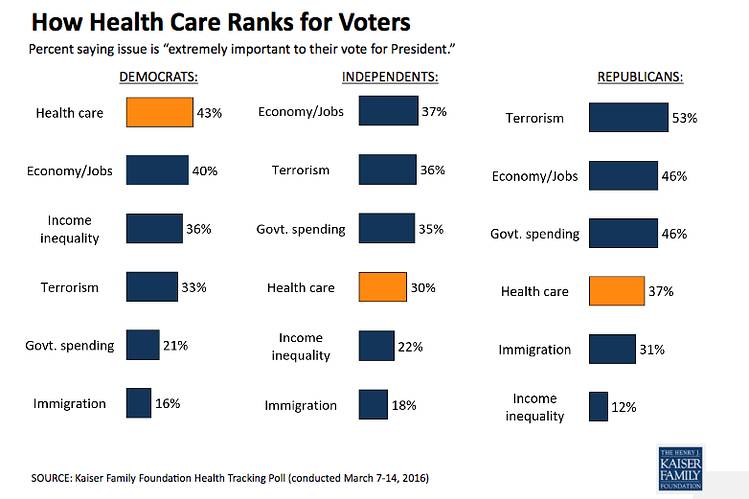
Health care has faded into the background of the election campaign as Donald Trump himself has become the issue on the Republican side and the debate between Hillary Clinton and Bernie Sanders over health care has shifted to other topics. This doesn’t mean that health will be the No. 1 or No. 4 factor when Democrats and Republicans vote in November. As the chart also shows, issue priorities are closely bunched, and my experience has been that voters cast ballots in presidential elections on the basis of their overall views of the candidates rather than candidates’ specific positions on issues.

When people say health care is an extremely important voting issue, they aren’t always thinking of the ACA. Among Republicans who say health is “extremely important” to their vote, about equal shares are thinking about the ACA as are thinking about issues such as access to care and health-care costs. Nor are Democrats always intending to support the ACA when they cite health as a voting issue. They are more likely to cite improving access or addressing costs generally as their reason for naming health a top voting issue.

Hospitals work to fine-tune payer mixes, but finding savings is no easy task

http://www.healthcarefinancenews.com/news/hospitals-work-fine-tune-payer-mixes-finding-savings-no-easy-task

Temple University Hospital (handout photo)

For systems with more traditional payer mix scenarios, increasing the share of commercial business can be a boon.