Advance Planning For Your End-Of-Life Care

Advance Planning For Your End-Of-Life Care

end-of-life-home-770

Starting in October, Medi-Cal — the state’s version of the federal Medicaid program for low-income residents — began covering advance care planning discussions between doctors (or other qualified providers) and patients (or a family member), said Tony Cava, spokesman for the state Department of Health Care Services, which administers Medi-Cal.

Any Medi-Cal recipient can use the coverage regardless of age, he said. Doctors can bill for the conversation twice a year per patient — plus an additional 30 minutes for one of the conversations — before they have to seek authorization for more coverage.

Medicare, the federal health insurance program for people 65 and older, and for people younger than 65 who have certain disabilities, started covering the discussions on Jan. 1.Medicare does not limit the number of discussions per patient each year.

CDC reveals Americans are going to the ED more than you think

http://www.healthcaredive.com/news/cdc-reveals-americans-are-going-to-the-ed-more-than-you-think/421560/

https://www.cdc.gov/nchs/products/databriefs/db252.htm

Health care spending: some room for optimism

http://blog.academyhealth.org/health-care-spending-some-room-for-optimism/

This chart, produced by the Bipartisan Policy Center based on CBO data from 2011, shows the projected spending on health care, social security, discretionary, and mandatory by the federal government, as a percentage of GDP. As you can see, for all our hyperventilation about social security, it’s relatively stable once we get about 20 years out. Discretionary and other mandatory spending are similarly flat over time. But healthcare… that’s what’s going to get us.


Republicans unveil long-sought ACA replacement

http://www.fiercehealthcare.com/payer/republicans-unveil-long-sought-aca-replacement?utm_medium=nl&utm_source=internal&mrkid=959610&mkt_tok=eyJpIjoiTVROaVlUYzFOV1psTnpJNSIsInQiOiI4MDNhTTZwVEtacWtLV0k2NjZTaDBSc24zYndQNGh2aUE0cUNqRnhISGV0eEdVaUErbjl1K05rSksyOFhKYUljWHBPVDM0Zm9lM1JjOUJNdWdVU3dtZEJrUXNmNXZMM1AxU0w0WnhZMms0cz0ifQ%3D%3D

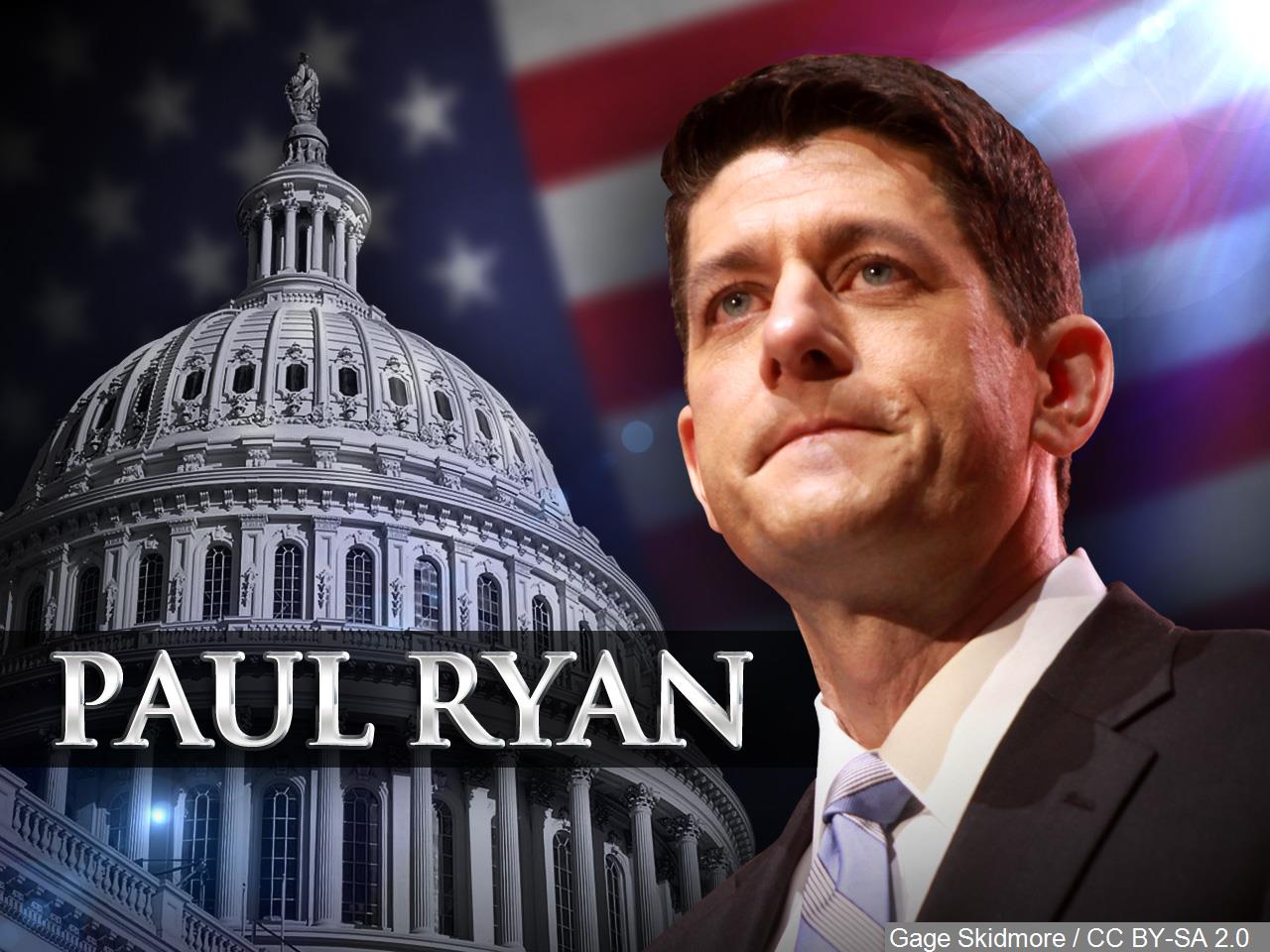
Paul Ryan holding up "A Better Way" document

Click to access ABetterWay-HealthCare-PolicyPaper.pdf

http://khn.org/news/house-republicans-unveil-long-awaited-plan-to-replace-health-law/


Questions to Ask About the House Republican Health Reform Proposal

http://blogs.wsj.com/washwire/2016/06/20/questions-to-ask-about-the-house-republican-health-reform-proposal/?utm_campaign=KFF-2016-Drew-WSJ-Jun20-HouseGOP&utm_medium=email&_hsenc=p2ANqtz-_NbfoCIZCQG6kGUv8vUld3vokzSuvVI9VWa9kHidYn8XYKLqHjC9eueS2Fqt39v_03tgl-QzorxDZgvw5Gkw7Fo5VqJA&_hsmi=30791782&utm_content=30791782&utm_source=hs_email&hsCtaTracking=092901de-a8d1-4b84-8ccf-2a923a6826ad%7C85e450b8-093a-4acd-840b-c16aa780d05c

Paul+Ryan21

House Speaker Paul Ryan’s health-care task force is expected to outline its alternative to Obamacare this week. The outline reportedly will not include the level of detail that would allow much external analysis of its impact by health-care experts and the media, though Democrats are likely to attack its concepts, most of which will be familiar proposals that Republicans favor and that Democrats have opposed in the past. The outline is part of Mr. Ryan’s effort to add Republican policy ideas to the election debate, in particular to the presidential campaign, and seems aimed at helping down-ticket Republicans as a part of an agenda that can appeal to their base. Details will be needed to understand whether the plan is more progressive or regressive and how many uninsured people would be covered. Another big question is how Donald Trump will respond.


The Fundamentally Different Goals of the Affordable Care Act and Republican ‘Replacement’ Plans

http://blogs.wsj.com/washwire/2016/06/07/the-fundamentally-different-goals-of-the-affordable-care-act-and-republican-replacement-plans/

cover art


Rep. Pete Sessions and Sen. Bill Cassidy introduced legislation last month calling for replacing elements of the Affordable Care Act. A House task force established by SpeakerPaul Ryan is expected to follow with more health-care proposals. These Republican health plans are generally referred to as “replacements” for the ACA–in the spirit of “repeal and replace”–as though they would accomplish the same objectives in ways that conservatives prefer. But the proposals are better understood as alternatives with very different goals, trade-offs, and consequences. Whether they are “better” or “worse” depends on your perspective.

To boil down to the most basic differences: The central focus of the Affordable Care Act is expanding coverage and strengthening consumer protections in the health insurance marketplace through government regulation. By contrast, the primary objective of Republican plans is to try to reduce health-care spending by giving people incentives to purchase less costly insurance with more “skin in the game,” with the expectation that they will become more prudent consumers of health services. They also aim to reduce federal spending on Medicare and Medicaid and the federal government’s role in both programs. Elements of the ACA were designed to reduce costs, such as the law’s Medicare payment reforms, and elements of Republican plans such as tax credits aim to expand access to insurance, but the primary aims of the ACA and the Republican plans differ.

Congress Should Act on Mental Health

https://morningconsult.com/opinions/congress-act-mental-health/

mental-health

Conventional wisdom says that Congress generally won’t achieve much in a Presidential election year as issues begin to get mired in partisan posturing.  But 2016 has been anything but a conventional election year, and this Congress has the opportunity to pass two important bipartisan health bills this year.

We’re talking about the mental health bills before the House and the Senate as well as the Medicare chronic care legislation under development by the Senate Finance Committee.  These bipartisan proposals could improve the lives of millions of Americans and move our health care system in the direction of better integrated and higher value care. It’s time that Congress act on them.

Chronic disease already accounts for the vast majority of health care costs in Medicare and our health care system in general.   Without action, the problem will only get worse.

Healthcare CEO gets 10 years for fraud that led to 2 patient deaths

http://www.beckershospitalreview.com/legal-regulatory-issues/healthcare-ceo-gets-10-years-for-fraud-that-led-to-2-patient-deaths.html

Fraud2

This Obamacare Repeal Plan Cripples State Budgets—and Economies

http://www.thefiscaltimes.com/2016/06/14/Obamacare-Repeal-Plan-Cripples-State-Budgets-and-Economies

If Republicans finally make good on their vow to repeal the Affordable Care Act — but without adopting a suitable replacement — 24 million Americans would be removed from the health care insurance rolls in 2021. And federal spending on health care would decline by $927 billion over the next decade, according to a provocative new study by the Urban Institute and the Robert Wood Johnson Foundation.

Biggest healthcare frauds in 2016: Running list

http://www.healthcarefinancenews.com/slideshow/biggest-healthcare-frauds-2016-running-list?p=0

Lazy Image

Healthcare fraud is not new to the pages of Healthcare Finance. In a $3 trillion industry, Medicare, payer and patient fraud is bound to happen and the responsible parties are also bound to be caught.