RWJBarnabas Health, Saint Peter’s integration deal wins NJ approval, awaits FTC signoff

https://www.fiercehealthcare.com/providers/rwjbarnabas-health-saint-peters-integration-deal-wins-nj-approval-awaits-ftc-sign

RWJBarnabas Health (RWJBH) and Saint Peter’s Healthcare System’s proposed integration has received the blessing of New Jersey regulators, a key step forward as the systems look to form what they describe as the state’s “first premier academic medical center,” according to a Monday announcement.

The organizations are now awaiting a final approval from the Federal Trade Commission (FTC) before moving ahead with the deal.

“State approval now puts us on the cusp of being able to create New Jersey’s first multi-campus premier academic medical center that will draw top talent, increased research funding and more opportunities for groundbreaking clinical trials, while also enhancing specialized services and improving overall patient care,” Saint Peter’s President and CEO Leslie Hirsch said in a statement.

“New Jersey deserves to have a premier academic medical center of national distinction like many other states that will serve as a destination for patients from all walks of life to get lifesaving treatment for complex illnesses and as an anchor for medical innovation, educational opportunity and economic development,” Hirsch said.

The two health systems had signed a definitive agreement declaring their “intention to integrate” in late 2020.

The organizations said that in addition to increasing services and strengthening patient access, the premier academic medical center’s location in New Brunswick, New Jersey, would play a role in attracting more academic talent and research to nearby Rutgers University.

The systems’ announcement also cited affirmation from Superior Court Judge Lisa Vignuolo, who said when authorizing the transaction that the deal “will serve in the public interest and the public good.”

RWJBH is the larger of the pair, providing care to more than 3 million patients annually across 11 hospitals, four children’s hospitals and dozens of other centers. It’s already the largest academic health system in New Jersey thanks to a collaboration with Rutgers Robert Wood Johnson Medical Schools to train over 1,000 medical residents and interns across RWJBH hospitals yearly.

Formed in 2007, Saint Peter’s Healthcare System is a Catholic organization headlined by the 478-bed Saint Peter’s University Hospital in New Brunswick. It also operates a children’s hospital, primary and specialty care networks and a surgical center.

Under the previously announced terms of the agreement, Saint Peter’s would remain a full-service acute healthcare provider in New Jersey and continue to adhere to its Catholic healthcare mission. RWJBH would make significant strategic capital investments in St. Peter’s facilities, technology and innovation.

“This is a tremendous milestone in a years-long journey towards fulfilling our shared vision to bring transformative care to New Jersey,” RWJBH CEO Barry Ostrowsky said in a statement.

The beginning of the year already saw RWJBH officially acquire Trinitas Regional Medical Center, an Elizabeth, New Jersey-based Catholic teaching medical center.

Regulators’ green light for RWJBH’s moves contrasts with the recent opposition to Hackensack Meridian Health and Englewood Health’s now-nixed merger plans. The FTC and half of the country’s state attorneys general fought the proposal due to concerns that it would remove competition and harm residents in New Jersey’s Bergen County.

RAND: Private plans paid hospitals 224% more than Medicare rates

https://www.fiercehealthcare.com/payers/rand-study-finds-private-plans-paid-hospitals-224-more-compared-medicare-rates

Private insurance plans paid hospitals on average 224% more compared with Medicare rates for both inpatient and outpatient services in 2020, a new study found. 

Researchers at RAND Corporation looked at data from 4,000 hospitals in 49 states from 2018 to 2020. While the 224% increase in rates is high, it is a slight reduction from the 247% reported in 2018 in the last study RAND performed. 

“This reduction is a result of a substantial increase in the volume of claims in the analysis from states with prices below the previous average price,” the study said. 

The report showed that plans in certain states wound up paying hospitals more than others. It found that Florida, West Virginia and South Carolina had prices that were at or even higher than 310% of Medicare

But other states like Hawaii, Arkansas and Washington paid less than 175% of Medicare rates. 

“Employers can use this report to become better-informed purchasers of health benefits,” study lead author Christopher Waley said in a statement. “The work also highlights the levels and variation in hospital prices paid by employers and private insurers, and thus may help policymakers who may be looking for strategies to curb healthcare spending.”

The data come as the federal government has explored ways to lower healthcare costs, including going toe-to-toe with the hospital industry. The Centers for Medicare & Medicaid Services (CMS) has in recent years sought to cut payments to off-campus outpatient clinics in order to bring Medicare payments in line with payments paid to physicians’ offices but has met with stiff legal and lobbying opposition from the hospital industry that argues the extra payments are needed.

CMS has also published regulations that call on hospitals to increase transparency of prices, including a rule that mandates hospitals publish online the prices for roughly 300 shoppable services.

The hospital industry pushed back against RAND’s findings, arguing that the study is based on incomplete data. The industry group American Hospital Association said researchers only looked at 2.2% of overall hospital spending, a small portion of overall expenses.

“Researchers should expect variation in the cost of delivering services across the wide range of U.S. hospitals – from rural critical access hospitals to large academic medical centers,” said AHA CEO Rick Pollack in a statement to Fierce Healthcare. “Tellingly, when RAND added more claims as compared to previous versions of this report, the average price for hospital services declined.”

‘We have turned to AI to disrupt the future,’ Michael Dowling says

Hospital systems can employ artificial intelligence to reduce the types of health inequities that have made communities of color more vulnerable to COVID-19, the leader of one of the nation’s largest health systems says.

“At Northwell Health, New York’s largest health system, we know health disparities will only grow worse if we don’t move more quickly to identify and correct them,” Michael Dowling, president and CEO of New Hyde Park-based Northwell Health, wrote in a May 11 news release with Tom Manning, chair of Ascertain, an AI venture between Northwell and Aegis Ventures. “To do that, we have turned to AI to disrupt this future.”

For instance, health systems can utilize AI to forecast which expectant mothers could benefit from early intervention and specialized care to treat preeclampsia, a pregnancy complication characterized by high blood pressure that affects Black women at three times the rate of white women, the executives wrote.

Organizations can also use health screenings and predictive models to determine which patients are most likely to develop chronic health conditions such as obesity, diabetes and hypertension, the men wrote. In addition, systems should diligently research AI health care applications, such as the National Institutes of Health’s All of Us initiative, which seeks to obtain health data from a representative sample of the U.S. population.

Dowling and Manning noted that health systems must also commit to high standards of data integrity outlined by the U.S. Food and Drug Administration and apply the Hippocratic oath to AI to make sure it does not widen health inequities.

Providence’s operating loss hits $510M in Q1

Citing inflation and labor cost pressures, Renton, Wash.-based Providence recorded an operating loss of $510.16 million in the first quarter of 2022, according to financial documents released May 13. In the same quarter one year prior, Providence posted an operating loss of $221.91 million.

In the quarter ended March 31, the 51-hospital health system saw its operating revenue hit $6.29 billion. In the same quarter one year prior, Providence recorded operating revenue of $6.44 billion. 

Providence’s expenses grew about 2 percent year over year to $6.8 billion. In the comparable quarter in 2021, Providence recorded expenses of $6.67 billion. Providence attributed the expense increase to added costs of agency staff, overtime, retention and wage increases, as well as supply cost boosts. 

Providence also said that excluding from the 2021 comparison the assets of Hoag Memorial Hospital Presbyterian in Newport Beach, Calif. — which split from Providence in January — the health system’s expenses grew 9 percent year over year. 

After factoring in nonoperating items, including investment losses of $359 million and a $3.41 billion disaffiliation cost tied to the Hoag Memorial split, Providence recorded a net loss of $4.25 billion in the first quarter of 2022. 

“With the pandemic, the last two years were challenging for many in healthcare. However, 2022 may be the biggest challenge yet,” Providence CFO Greg Hoffman said. “Rising costs due to inflation and the health care labor crisis are putting significant pressure on major U.S. health systems, some of whom have reported significant operating losses this quarter.”

CommonSpirit posts $591M quarterly operating loss

CommonSpirit Health, a 142-hospital system based in Chicago, reported an operating loss for the three months ended March 31, according to financial documents released May 13. 

CommonSpirit, formed through the 2019 merger of San Francisco-based Dignity Health and Englewood, Colo.-based Catholic Health Initiatives, saw revenues decline 6.6 percent year over year to $8.3 billion in the third quarter of fiscal year 2022, which ended March 31. 

The health system also saw expenses rise. Total operating expenses reached nearly $8.9 billion in the three months ended March 31, up from $8.3 billion in the same period a year earlier. Expenses tied to salaries and benefits increased from $4.2 billion in the third quarter of fiscal year 2021 to nearly $4.7 billion in the most recent quarter.

CommonSpirit recorded an operating loss of $591 million in the three-month period ended March 31, compared to operating income of $539 million in the same period a year earlier. 

CommonSpirit closed out the third quarter of fiscal year 2022 with a net loss of $592 million. In the same period of 2021, the health system reported net income of $1.7 billion. 

Looking at the nine-month period ended March 31, CommonSpirit posted a net loss of $205 million on revenue of $25.7 billion. In the same period a year earlier, the system reported net income of $4.4 billion on revenue of $24.8 billion.

Allina Health’s operating income rises by $165M

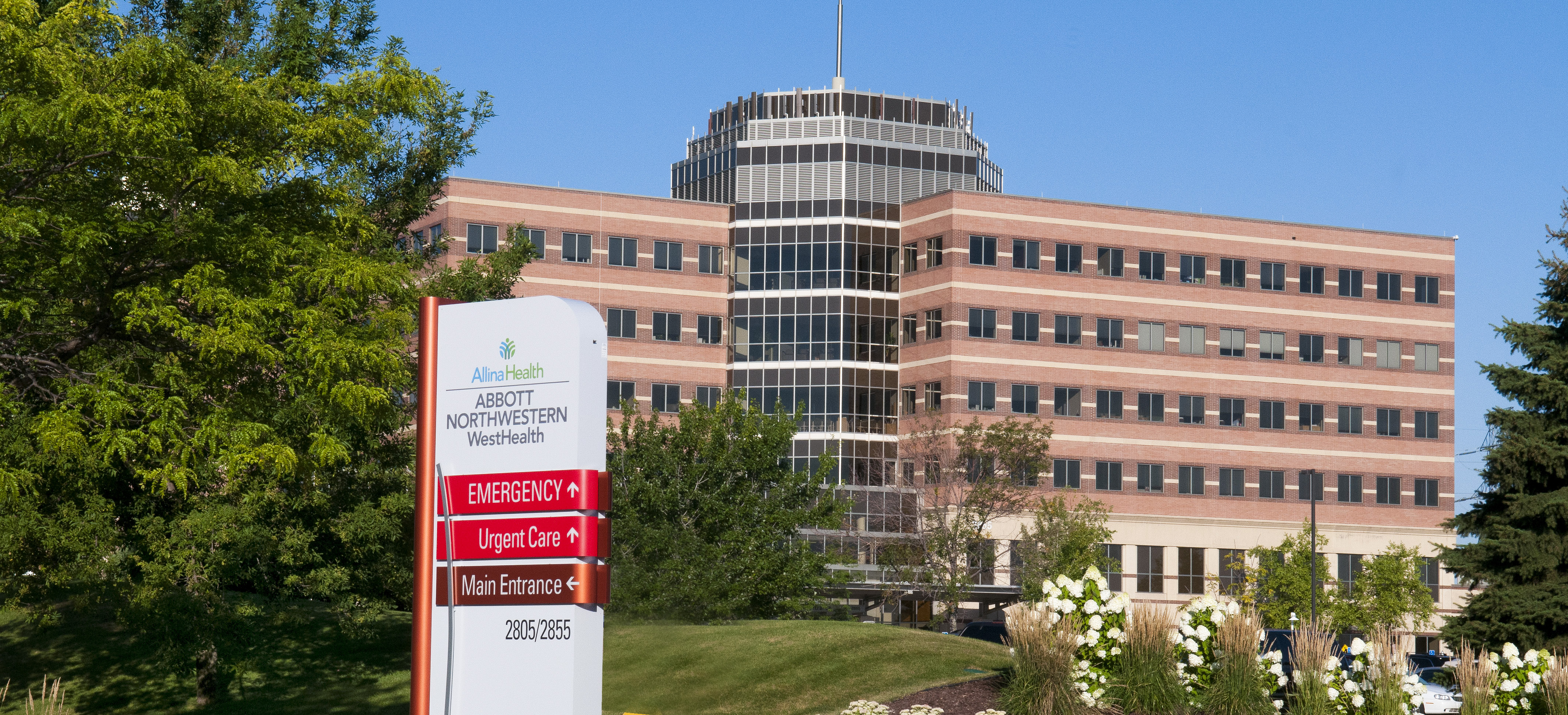
Minneapolis-based Allina Health posted an operating income of $128.8 million for the year ended Dec. 31, up from the $36.3 million loss in 2020, according to its financial results.

The 10-hospital system saw its net income jump 400.8 percent in 2021 to $381.1 million, compared to $76.1 million the year prior.

Allina’s total revenue increased by 11.3 percent, or $493 million, in 2021 compared to 2020. This was directly related to reduced volumes because of the mandatory shutdown in 2020, Allina said in the report. The system’s total patient revenue reached $4.5 billion in 2021, a 14.5 percent increase from the year before at $3.9 billion.

The health system’s operating expenses rose 7.5 percent for the 12 months months ended Dec. 31 to $4.7 billion, compared to $4.4 billion in 2020.

AdventHealth posts $417.7M loss in Q1

AdventHealth, a 48-hospital system based in Altamonte Springs, Fla., recorded a $417.72 net loss in the first quarter of 2022, driven by both investment and operating losses, according to recently released financial results. 

In the quarter ended March 31, AdventHealth saw its revenue increase to $3.67 billion, up nearly 8 percent from the same period last year. 

Although revenue was up, so were AdventHealth’s expenses. In the first quarter of 2022, AdventHealth saw its expenses grow to $3.72 billion, up from $3.23 billion recorded in the same period in 2021. 

“The increased expense is primarily a result of elevated premium and contract labor costs and wage inflation resulting from workforce shortages,” AdventHealth stated in its financial report. “The system continues to implement workforce stabilization plans to reduce turnover and temporary labor utilization.”

AdventHealth ended the first quarter of 2022 with an operating loss of $46.75 million. In the same quarter of 2021, AdventHealth recorded an operating income of $179.11 million. 

After factoring in nonoperating items, including a $372.16 million investment loss, AdventHealth ended the first quarter of 2022 with a net loss of $417.72 million. In the first quarter of 2021, AdventHealth recorded a $94.78 million net income. 

The domino effect of missed cancer screenings

From delayed check-ups to postponed elective procedures, missed or deferred care during the pandemic will continue to strain the healthcare delivery system for the foreseeable future. The graphic above shows the impact on cancer care: both cancer screenings and new diagnoses are still down from pre-COVID levels.

Screenings for breast, colon, and cervical cancers were significantly lower in 2020, and patients missed about 10M total screenings in the pandemic’s first year alone. While cancer screenings rebounded somewhat in 2021, they were still below pre-pandemic levels. Unsurprisingly, the downstream impact has been a similar decline in new cancer diagnoses.

The negative effects of care delays have become increasingly obvious: there has been an increase in the number of patients presenting with later-stage cancersThere was a six percent increase in Stage 4 breast cancer diagnoses, and a 16 percent increase in Stage 2 and 3 cancer diagnoses in 2021, compared to 2019.

With no reason to believe that either cancer incidence or acuity has actually changed, oncology providers must increase their screening capacity and double down on reaching out to patients who are overdue for screenings. But as providers continue to work through the backlog of missed exams, they must prepare to treat more complex, higher-acuity cancer patients than ever before.

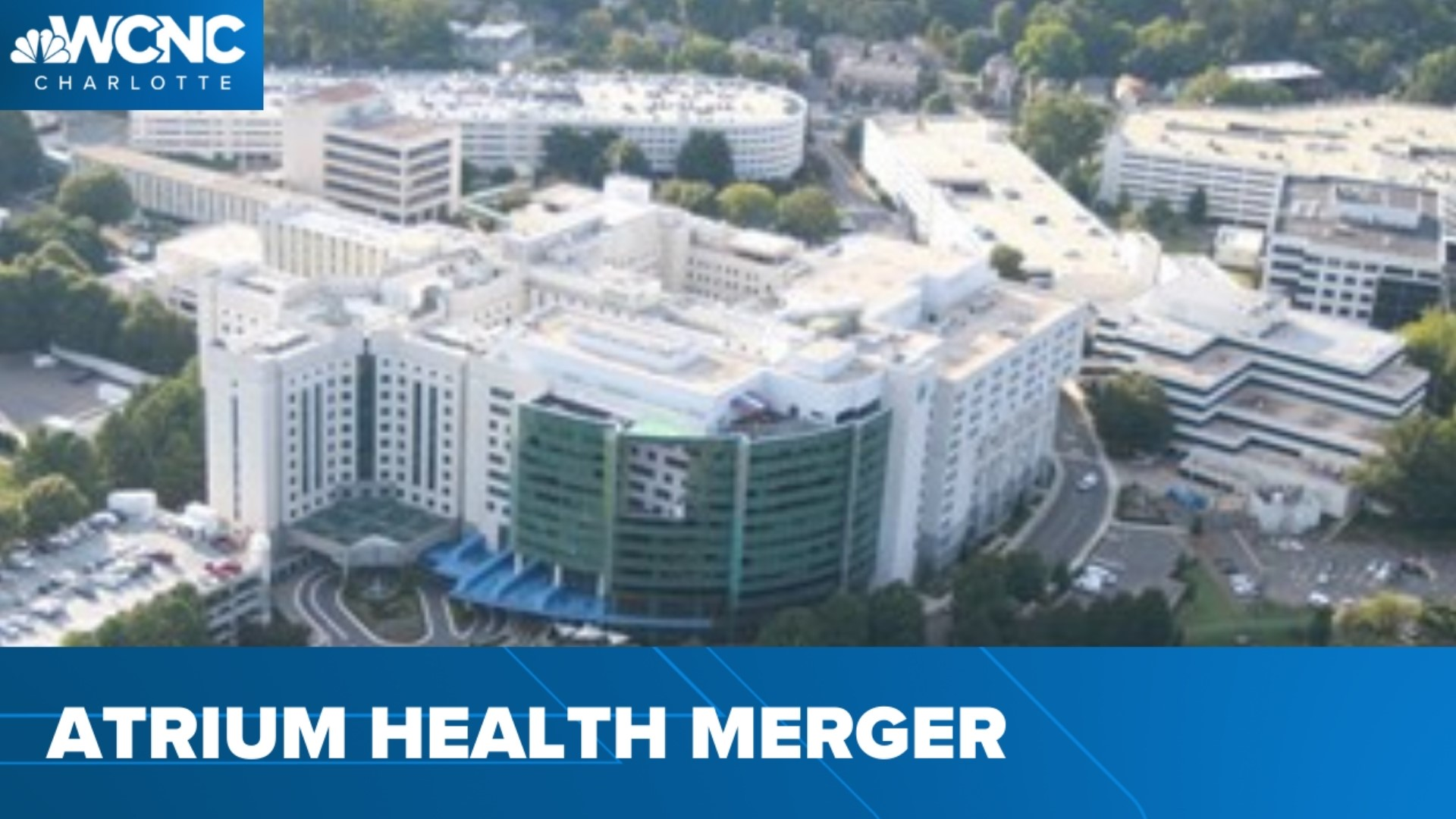
Charlotte, NC-based Atrium Health and Illinois- and Wisconsin-based Advocate Aurora Health announce plans to merge

The combined health system will become the sixth largest nationwide, with $27B in revenue and 67 hospitals across six Midwest and Southeast states. The system will be based in Charlotte, and known as Advocate Health, though Atrium will continue to use its name in its markets.

Atrium CEO Gene Woods is slated to ultimately lead the combined entity, after an 18-month co-CEO arrangement with Advocate Aurora CEO Jim Skogsbergh. While the cross-market merger is unlikely to create antitrust concerns about increased pricing leverage, the Biden administration has been making noises about applying stricter scrutiny to the impact of health system consolidation on labor market competition.  

The Gist: Earlier this year, Utah-based Intermountain Healthcare and Colorado-based SCL Health combined to create a 33-hospital, $14B health system, which became the 11th largest nationwide. While these mega-mergers of regional systems can realize cost savings from back-office synergies, there is a significant opportunity to create larger “platforms” of care to win consumer loyalty, deploy digital capabilities, attract talent, and become more desirable partners for nontraditional players like Amazon, Walmart, and One Medical.

It will be critical to watch whether the governance and cultural challenges that often hinder health system mergers come into play here. Advocate Aurora has had two prospective mergers fall apart in recent years, the first with Chicago-based NorthShore University HealthSystem, and the second with Michigan-based Beaumont Health (who subsequently finalized a merger with Spectrum Health earlier this year). 

But the combination with Atrium is structured as a joint operating agreement, essentially creating a new superstructure atop the two legacy systems. This may allow the combined entity more flexibility in local decision-making, but the ultimate question will be how the combined entity will create value for consumers. Time will tell.

Physician residents and fellows unionize at two major California health systems

Seeking stronger workplace protections, physician residents and fellows at both Stanford Health Care and the University of Southern California’s (USC) Keck School of Medicine have voted to join the Committee of Interns and Residents, a chapter of the Service Employees International Union (SEIU).

Despite being frontline healthcare workers, most Stanford residents were excluded from the first round of the health system’s COVID vaccine rollout in December 2020. The system ultimately revised its plan to include residents, but the delay damaged Stanford’s relationship with residents, adding momentum to the unionization movement. Meanwhile, Keck’s residents unanimously voted in favor of joining the union, aiming for higher compensation and greater workplace representation.

The Gist: While nurses and other healthcare workers in California, as in many other parts of the country, have been increasingly banding together for higher pay and better working conditions, physician residents and fellows contemplating unionization is a newer trend. 

Physicians-in-training have historically accepted long work hours and low pay as a rite of passage, and have shied away from organizing. But pandemic working conditions, the growing trend of physician employment, and generational shifts in the physician workforce have changed the profession in a multitude of ways. 

Health systems and training programs must actively engage in understanding and supporting the needs of younger doctors, who will soon comprise a majority of the physician workforce.