


THANK YOU VETERANS

A bipartisan group of senators have introduced a bill to make telehealth reimbursement permanent for certain services such as those provided by physical therapists, audiologists, occupational therapists and speech language pathologists.
Sens. Steve Daines (R-Mont.), Tina Smith (D-Minn.), Jerry Moran (R-Kan.) and Jacky Rosen (D-Nev.) introduced the “Expanded Telehealth Access Act” on Thursday, according to The Hill.
If passed, the legislation would extend telehealth reimbursement policies that were temporarily added during the COVID-19 public health emergency.
WHY THIS MATTERS
The Centers for Medicare and Medicaid Services has long said that Congressional action is needed to make emergency telehealth measures permanent.
But on Tuesday, CMS released new actions that will allow Medicare to pay for mental health virtual visits furnished by Rural Health Clinics and Federally-Qualified Health Centers. This is through telecommunications technology such as audio-only telehealth calls.
Telehealth is particularly important for rural areas where patients may have to travel long distances for care.
The Senate bill has the support of the American Telehealth Association, the American Physical Therapy Association, the American Speech-Language-Hearing Association and the American Occupational Therapy Association, among others, according to the report.
The biggest issue in telehealth reimbursement remains. This is whether providers will be continued to be paid at in-person parity for a telehealth visit.
THE LARGER TREND
The Senate Bill is a companion to a House bill introduced in March by Rep. Mikie Sherrill (D-NJ) called the Expanded Telehealth Access Act.
In May, Senator Daines, one of the sponsors of Thursday’s legislation, with Senator Catherine Cortez Masto (D-Nev.), proposed the “Telehealth Expansion Act of 2021” to permanently allow first-dollar coverage of virtual care under high-deductible health plans.
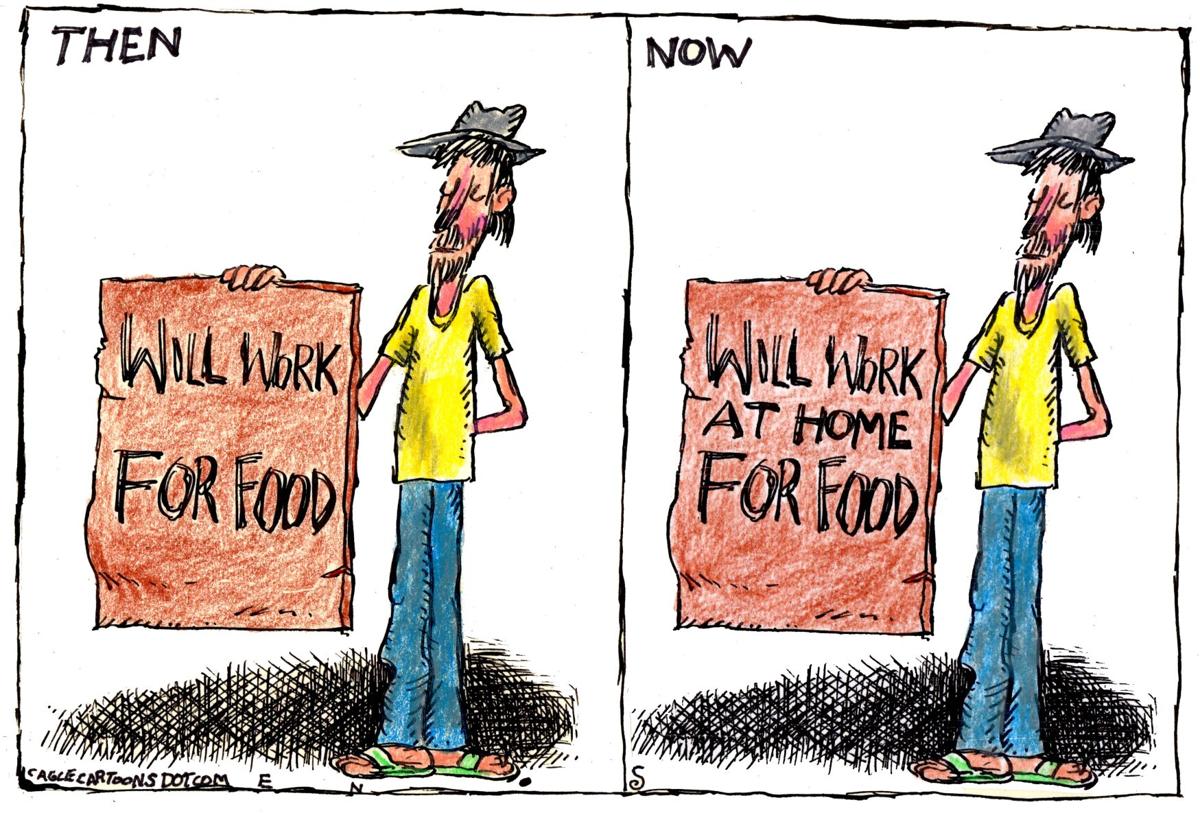



Dallas-based Tenet Healthcare and one of its subsidiaries have entered into a definitive agreement to acquire Towson, Md.-based SurgCenter Development.
Under the agreement, Tenet and its subsidiary United Surgical Partners International will acquire ownership interests in 92 ambulatory surgery centers and related ambulatory support services for approximately $1.2 billion. Of the 92 ASCs, 16 of them are under development and have not yet opened.
Under the deal, expected to close in the fourth quarter of this year, SurgCenter and USPI will also enter into an agreement to develop at least 50 centers over a five-year period.
“We are extremely pleased to announce this transformative transaction and partnership, which builds upon USPI’s position as a premier growth partner and SCD’s track record of developing high-quality centers with leading physicians,” Saum Sutaria, MD, CEO of Tenet Healthcare, said in a Nov. 8 news release. “By welcoming these centers into our company, USPI will maintain its reach as the largest ambulatory platform for musculoskeletal services, a high-growth service line.”
Tenet said it expects the deal to generate strong financial returns.

The COVID-19 pandemic revealed the need for substantial investment in public health. Journalist Anna Maria Barry-Jester, in an investigation published in California Healthline and the Los Angeles Times last week, reported that the need is pressing and that the time is ripe to formulate solutions.
“As we’ve continued to make progress in bringing the COVID-19 emergency under control, many California leaders are turning their attention to the future,” Barry-Jester wrote.
This year’s state budget set aside $3 million for an assessment of California’s public health infrastructure. “Public health leaders believe it will show that staffing and training are major issues,” Barry-Jester reported.
Starting in July 2022, annual state budgets will include $300 million to be spent to improve public health infrastructure.
The pandemic highlighted two significant public health needs in California. One is basic investment in public health infrastructure, as highlighted by Barry-Jester. The other is to address housing, diet, livable wages, and access to quality health care as part of an overarching public health strategy — a necessity highlighted by the stark racial, ethnic, and economic disparities among those who contracted and died from COVID-19.
Before the pandemic, the state’s public health infrastructure already required shoring up. The COVID-19 crisis hammered the already underfunded and understaffed county and state public health systems.
In California, public health workers are leaving their jobs in droves. Counties are “losing experienced staffers to retirement, exhaustion, partisan politics, and higher-paying jobs,” Barry-Jester reported.
The exodus from public health predated this surge of resignations. Since the early days of the pandemic, experienced California public health leaders have been leaving the field, including 17 county public health officers and 27 county-level directors or assistant directors of public health. Both the director and the deputy director of the state’s department of public health resigned during the pandemic.
“Public health nurses, microbiologists, epidemiologists, health officers, and other staff members who fend off infectious diseases like tuberculosis and HIV, inspect restaurants, and work to keep communities healthy are abandoning the field,” Barry-Jester wrote. “The collective expertise lost with those departures is hard to overstate.”
Public health laboratories illustrate how much we rely on public health infrastructure for our everyday safety. The labs are largely invisible to the public but touch every aspect of daily life. “Public health labs sample shellfish to make sure it is safe for eating. They monitor drinking water and develop tests for emerging health threats such as antibiotic-resistant viruses. They also test for serious diseases, such as measles and COVID-19. And they typically do it at a fraction of the cost of commercial labs — and faster.”
Yet labs across the state are unable to hire and retain staff, and they are in danger of closing. “The biggest threat to [public health labs] right now is not the next emerging pathogen,” said Donna Ferguson, director of the public health lab in Monterey County, “but labs closing due to lack of staffing.”
The pandemic highlighted the effects of income inequality and racial disparities on health in California. Data from the California Department of Public Health highlight the stark disparities in COVID-19 outcomes. The COVID-19 death rate for Latinx people is 19% higher than the statewide death rate, and the death rate for Black people is 16% higher. The case rate for Pacific Islanders is 45% higher than the statewide rate, while the rate of Pacific Islanders earning less than $40,000 annually is 33% higher than average.
Michael Goran, MD, professor of pediatric medicine at the University of Southern California, explained the connections among long-term health, social factors, and COVID-19 infection among Latinx people.
“There is an 80% higher rate of diabetes among Hispanics compared to non-Hispanic whites. We think early life nutrition is very important but also the environment where people live, which can include a combination of factors like poor access to healthy food, poor access to resources, air pollution, even chemical contaminants in the environment we found contribute to this disparity,” he told Los Angeles Times reporter Alejandra Reyes-Velarde.
These chronic diseases then put Latinx people at higher risk for worse COVID outcomes. “One of the most common recurring risk factors, not so much for rates of infection but the severity of the infection, is blood-glucose levels,” he said. “Individuals with higher blood-glucose levels seem to have a more severe response to COVID-19 infection, and of course, higher blood glucose is what contributes to diabetes.”
A Health Affairs study from the early days of the pandemic, which drew on data from California’s Sutter hospitals, noted that Black people are similarly at higher risk from the chronic illnesses that make people more susceptible to poor outcomes from COVID infections, including type 2 diabetes and congestive heart failure, as do other populations disproportionately harmed by COVID-19.
A recent New York Times investigation highlights that California is not alone in dealing with a public health system pushed to the edge by the pandemic.
“Already underfunded and neglected even before the pandemic, public health has been further undermined in ways that could resound for decades to come,” wrote journalists Mike Baker and Danielle Ivory. The Times investigation of hundreds of health departments in all 50 states revealed that “local public health across the country is less equipped to confront a pandemic now than it was at the beginning of 2020.”
Threats, harassment, and anger directed at public health officials and workers drove many out of the field since the beginning of the pandemic and was identified as an ongoing problem by Baker and Ivory. “We have learned all the wrong lessons from the pandemic,” Adriane Casalotti told them. Casalotti is the chief of public and government affairs for the National Association of County and City Health Officials, an organization representing the nearly 3,000 local health departments across the nation. “We are attacking and removing authority from the people who are trying to protect us.”
Officials interviewed by Baker and Ivory noted that while additional funds are crucial to rebuilding public health departments, they aren’t sufficient to address the problems that have long weighed down the system or those that emerged during the pandemic.
Melissa Lyon, public health director for Erie County, Pennsylvania, put it this way: “If a ship is sinking, throwing treasure chests of gold at the ship is not going to help it float.”
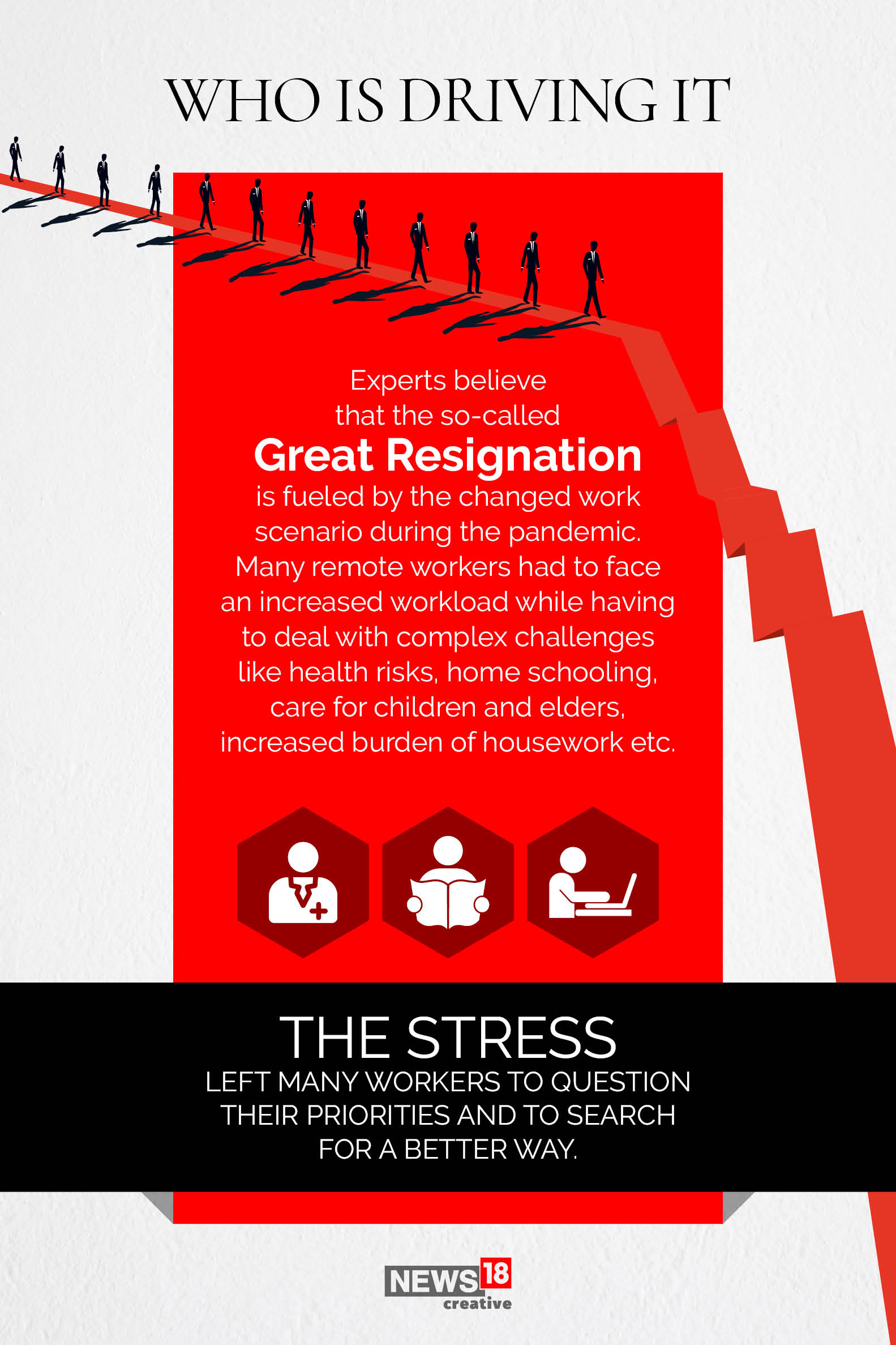
The workers who have stayed on at their jobs amid the Great Resignation are struggling to fill the gaps left by former colleagues, CNBC reported Nov. 2.
The effects of the Great Resignation continue to be felt by companies after a record high of 4.3 million workers quit their jobs in August alone. The workers who remained in their roles, though, are struggling with their new increased workload.
A report by the Society for Human Resource Management that surveyed 1,150 employed Americans in July as well as 220 executives illuminated some of the challenges of the workers who stayed.
It found that 52 percent of workers who stayed with their companies have taken on more responsibilities, with 30 percent of remaining employees stating they struggle to complete necessary tasks. A majority of workers are questioning whether their pay is high enough, and 27 percent feel less loyalty to their company.
This worker dissatisfaction opens up a vicious cycle, Johnny Taylor Jr., president and CEO of the Society for Human Resource Management, told CNBC.
“The employees who remain now say, ‘I’m working too hard, I don’t have balance in my life, etc.’ And so then they want to leave and thus a vicious cycle continues” Mr. Taylor told CNBC.
Thus, it’s more important now than ever for employers to exercise empathy and listen to what their employees are experiencing in the wake of workplace shifts.
“Invest in them today,” Alex Durand, a career transition and leadership coach, told CNBC. “Show them you care before they tell you they are leaving.”

Workers at Pittsburgh-based UPMC plan to strike over wages and benefits, the Post-Gazette reported Nov. 5.
Service Employees International Union Healthcare Pennsylvania, which does not represent the workers but is supporting them, told Becker’s Hospital Review the strike would involve workers at UPMC hospitals in Pittsburgh, including transporters, dietary workers, housekeepers, nurses, patient care techs, medical assistants, pharmacy techs, surgical techs, valets, therapists, health unit coordinators and administrative assistants. Workers plan to strike for one day on Nov. 18.
The workers are demanding a $20 per hour minimum wage, affordable high-quality healthcare, elimination of all medical debt and respect for union rights, according to a union news release.
Their strike notice came after UPMC announced Nov. 2 that the health system is giving 92,000 staff members a bonus of $500 to thank them for their work during the pandemic. UPMC will issue the bonuses on Nov. 26. The health system also announced improvements to employee compensation and benefit programs, including raising the entry level wage to $15.75 in January, according to the Post-Gazette.
“There was no ‘thank you pay’ until we started organizing to strike,” Juilia Centofanti, pharmacy tech at UPMC Children’s Hospital of Pittsburgh, said in a news release.
Ms. Centofanti added that employees are “owed this [$20 per hour wage] and so much more,” and said she “will continue organizing with my co-workers for the pay, safer staffing and union rights we deserve.”
In announcing the bonuses, Leslie Davis, president and CEO of UPMC, told workers, “Over the past 20 months, you have risen in truly exceptional ways to meet challenges we could have never anticipated. With your critical support, UPMC continues to care for so many.”
A UPMC spokesperson declined to comment to Becker’s on Nov. 5.
UPMC is a $23 billion healthcare provider and insurer. SEIU Healthcare Pennsylvania has been trying to organize about 3,500 hourly workers at UPMC Presbyterian and Shadyside hospitals for nearly a decade, but has not yet held a unionization vote, according to the Post-Gazette.
Read the full report here.
 HENRY KOTULA