Lawmakers stress urgency of healthcare worker shortage

https://www.healthcaredive.com/news/lawmakers-fixes-healthcare-workforce-shortages/642994/

Addressing the education pipeline is one thing that legislators could focus on to improve nurse and physician shortages, medical school and health system leaders said.

As the healthcare industry continues to face pandemic-driven workforce challenges, lawmakers are exploring ways to boost the number of clinicians practicing in the U.S.

“A shortage of healthcare personnel was a problem before the pandemic and now it has gotten worse,” Chairman Sen. Bernie Sanders I-Vt., said during a Thursday Senate HELP committee hearing. “Health care jobs have gotten more challenging and, in some cases, more dangerous,” he said.

The country faces a shortage of up to 124,000 physicians by 2034, including 48,000 primary care physicians, according to the Association of American Medical Colleges.

Hospitals are currently facing shortages of registered nurses as burnout and other factors drive them to other roles. 

For example, 47-hospital system Ochsner Health in New Orleans has about 1,200 open nursing positions, Chief Academic Officer Leonardo Seoane said at Thursday’s hearing.

The workforce shortaged led Ochsner to close about 100 beds across its system during the past six months, leading to it use already-constrained emergency departments as holding bays for patients, he said.

Like other systems, labor costs have also been a concern due to a continued reliance on temporary staff to fill gaps. Ochsner’s non-agency labor costs grew just under 60% since 2019, while its costs for contract staff grew nearly 900%, he said.

“Our country is perilously short of nurses, and those we do have are often not working in the settings that could provide the most value,” Sarah Szanton, dean of Johns Hopkins School of Nursing said.

“This was true before the pandemic and has become more acute,” she said.

While many nurses left permanent roles for higher-paying contract positions during the pandemic, others have turned to jobs at outpatient clinics, coinciding with a shift toward non-hospital based care.

Registered nurse employment is nearly 5% above where it was in 2019, with nearly all that growth occurring outside of hospitals, Douglas Staiger, a professor of economics at Dartmouth College, found in his research and said at the hearing.

One major concern: Driving current and projected shortages in hospitals that lawmakers can address is the educational pipeline, medical school and health system leaders said.

Educational programs for nurses and physicians face site shortages and educators who are often allured by other higher-paying jobs in the industry.

Nursing educators in Vermont earn about $65,000 a year — about half of what nurses with similar degrees working in hospitals earn, Sanders said during the hearing. He asked members to consider expanding the Nurse Corps and nurse faculty loan repayments, among other programs.

Supporting partnerships between universities and hospitals to create more training opportunities is another way Congress can help, along with addressing high costs of tuition, James Herbert, president of University of New England, said during the hearing.

“Scholarship and loan repayment programs are critical to make healthcare education more accessible for those who would otherwise find it out of reach,” Herbert said.

That includes expanding and improving Medicare-funded physician residencies, he said.

Creating a more diverse workforce that looks more like the population it serves is another important task, and one lawmakers can address by supporting historically black colleges and universities.

Federal funding could help improve classrooms and other infrastructure at HBCUs “that have been egregiously are underfunded for decades,” in addition to expanding Medicare-funded residencies for hospitals that train a large number of graduates for HBCU medical schools, said James Hildreth Sr., president and CEO at Meharry Medical College in Nashville.

The American Hospital Association submitted a statement to the HELP subcommittee and said it also supports increasing the number of residency slots eligible for Medicare funds and rejecting cuts to curb long-term physician shortages.

Other AHA supported policies to address current and long-term workforce shortages include better funding for nursing schools and supporting expedited visas for foreign-trained nurses.

AHA also asked lawmakers to look into travel nurse staffing agencies, reviving requests it made last year alleging that staffing companies engaged in price gouging during the pandemic.

Last year some state lawmakers considered capping the rate hospitals can pay agencies for temporary nursing staff, though none ended up passing legislation to do so.
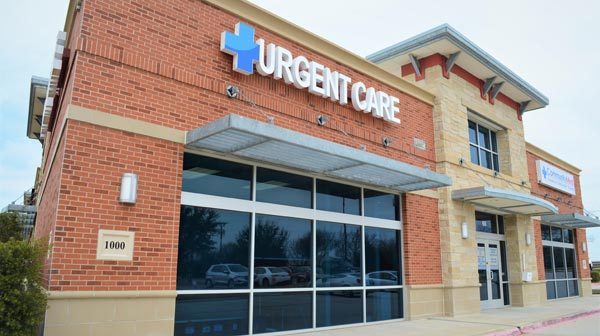
Inside the current urgent care ‘boom’

Urgent care centers have become increasingly popular among patients in recent years. And while the facilities may be a more convenient care option than others, experts have voiced concerns about potential downsides, Nathaniel Meyersohn writes for CNN.

What is driving the urgent care ‘boom’?

Urgent care centers have been in the United States since the 1970s, but they were widely regarded as “docs in a box,” with slow growth in their early years. Then, during the COVID-19 pandemic, demand for tests and treatments drove an increase in patients at urgent care sites around the country. According to the Urgent Care Association (UCA), patient volume at urgent care centers has increased by 60% since 2019.

As patient volumes and demand increased, growth for new urgent care centers surged. Currently, there are a record 11,150 urgent care centers in the United States, with around 7% growth annually, UCA said. Notably, this figure excludes clinics inside retail stores and freestanding EDs.

According to estimates from IBISWorld, the urgent care market will reach roughly $48 billion in revenue in 2023, a 21% increase from 2019.

Urgent care has grown rapidly because of convenience, gaps in primary care, high costs of emergency room visits, and increased investment by health systems and private-equity groups,” Meyersohn writes.

Urgent care center growth also “highlights the crisis in the US primary care system,” Meyersohn writes, noting that the Association of American Medical Colleges said it expects a shortage of up to 55,000 primary care physicians in the next decade.

In addition, it can be difficult to book an immediate visit with a primary care provider. Urgent care sites have longer hours during the week and are open on weekends, making it easier to get an appointment. According to UCA, roughly 80% of the U.S. population is within a 10-minute drive of an urgent care center.

“There’s a need to keep up with society’s demand for quick turnaround, on-demand services that can’t be supported by underfunded primary care,” said Susan Kressly, a retired pediatrician and fellow at the American Academy of Pediatrics.

Meanwhile, health insurers and hospitals have also prioritized keeping people out of the ED. In the early 2000s, they started opening their own urgent care sites and implementing strategies to deter ED visits.

The passage of the Affordable Care Act also triggered an increase in urgent care providers, with millions of newly insured Americans accessing healthcare.

In addition, data from PitchBook suggests that private-equity and venture capital funds invested billions into deals for urgent care centers.

“If they can make it a more convenient option, there’s a lot of revenue here,” said Ateev Mehrotra, a professor of healthcare policy and medicine at Harvard Medical School who has researched urgent care clinics. “It’s not where the big bucks are in health care, but there’s a substantial number of patients.”

The increase in urgent care sites may present challenges

Many doctors, healthcare advocates, and researchers have voiced concerns at the increase in urgent care sites, noting that there are potential downsides.

“Frequent visits to urgent care sites may weaken established relationships with primary care doctors,” Meyersohn writes. “They can also lead to more fragmented care and increase overall health care spending, research shows.”

In addition, some experts have questioned the quality of care at urgent care centers, particularly how well they serve low-income communities.

In a 2018 study by Pew Charitable Trusts and CDC, researchers found that urgent care centers overprescribe antibiotics, especially those used to treat common colds, the flu, and bronchitis.

“It’s a reasonable solution for people with minor conditions that can’t wait for primary care providers,” said Vivian Ho, a health economist at Rice University. “When you need constant management of a chronic illness, you should not go there.”

Some doctors and researchers also expressed concern that patients are visiting urgent care centers instead of a primary care provider altogether.

“What you don’t want to see is people seeking a lot [of] care outside their pediatrician and decreasing their visits to their primary care provider,” said Rebecca Burns, the urgent care medical director at the Lurie Children’s Hospital of Chicago.

There are also concerns about the oversaturation of urgent care centers in higher-income areas that have more consumers with private health care and limited access in medically underserved areas,” Meyersohn writes.

A 2016 study from the University of California at San Francisco found that urgent care centers typically do not serve rural areas, areas that have a high concentration of low-income patients, or areas that have a low concentration of privately-insured patients.

According to the researchers, this “uneven distribution may potentially exacerbate health disparities.” 

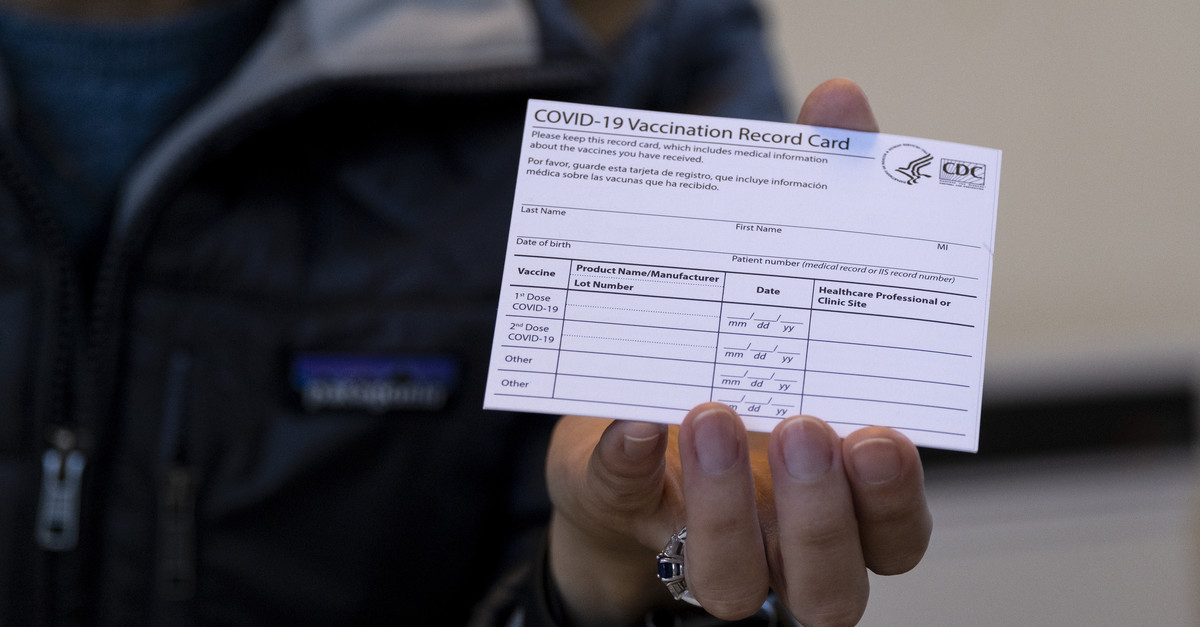
‘Extremely erroneous’? Some health systems say hospital vaccination data is seriously flawed.

Health Workers Protest Hospital Systems' COVID-19 Vaccine Requirements |  Wisconsin Public Radio

CMS is preparing to enforce its vaccine mandate for health care workers, but the agency may not have an accurate count of how many remain unvaccinated—and five health systems are pushing back on federal hospital vaccination data, calling it “extremely erroneous,” Cheryl Clark writes for MedPage Today.

Background

The Supreme Court earlier this month ruled that CMS could require most health care workers to be vaccinated against Covid-19—but U.S. officials currently do not know exactly how many workers remain unvaccinated, primarily due to a lack of reliable immunization data.

At the end of December, CDC reported that 77.6% of hospital workers were fully vaccinated. However, that figure was based on data from only about 40% of the nation’s hospitals. Hospitals currently send vaccination data to the agency on a voluntary basis, but beginning May 15, they will be required to send in weekly data, just like nursing homes have been.

According to Janis Orlowski, chief health care officer at the Association of American Medical Colleges (AAMC), CDC’s data is likely representative of providers nationwide, as an AAMC survey of 125 academic hospitals found similar results. More than 99% of doctors and close to 90% of nurses were vaccinated, she said, but vaccination rates dropped off to the 30% to 40% range for those in more operational roles, such as transportation and food service workers.

Is federal vaccination data for hospitals inaccurate?

Further adding to the confusion about health care workers’ vaccination rates are potential inaccuracies in a federal database that tracks Covid-19 vaccinations among workers in hospitals across the country. According to five health systems listed as having the highest numbers of unvaccinated workers, the database is “extremely erroneous,” Clark writes.

In the database, Adventist Health Orlando (AHO) is shown to have 18,576 unvaccinated workers, 637 partially vaccinated workers, and 25,253 fully vaccinated workers. However, Jeff Grainger, director of external communications for AdventHealth in Central Florida, said those numbers weren’t possible since the organization “[doesn’t] have 44,000 employees in one hospital.” He added that 96% of AHO’s team members have already complied with CMS’ mandate.

The University of Illinois Hospital (UI) was listed in the database as having 12,049 unvaccinated workers and 272 partially vaccinated workers. Jacqueline Carey, from health system’s public affairs department, disputed these numbers, saying UI had 6,530 workers as of Jan. 19, with 96% of them fully vaccinated. The remainder were either partially vaccinated or had approved exemptions.

The hospital with the third highest number of unvaccinated workers was Mount Sinai Hospital, Clark writes, but Lucia Lee, a hospital spokesperson, said the federal data was inaccurate. According to Lee, Mount Sinai Health System, of which the hospital is a part, has vaccinated 99% of its more than 43,000 employees.

A representative for Ochsner Medical Center, which is listed as having the fourth highest number of unvaccinated workers, also pushed back on the statistics in the database. Currently, 99.57% of Ochsner’s over 34,000 employees are compliant with its Covid-19 policy, with 95% of workers Ochsner Health and Ochsner LSU Health Shreveport fully vaccinated.

Finally, Kena Lewis, a spokesperson for Orlando Regional Medical Center, said that federal data showing the hospital has 44,154 workers is inaccurate. Instead, she said the hospital is one of 10 in the Orlando network, which has 23,709 total employees. Although Lewis did not give the health system’s vaccination rates, she said it “continues to review the guidelines regarding Covid-19 vaccination requirements for health care organizations and will take appropriate steps.”

Although it is not clear why there are discrepancies between the federal data and what these health systems are reporting regarding vaccination rates, there are some potential explanations, Clark writes.

According to Carey, the federal database only includes vaccination information provided by the UI health system and employee health services. This means that vaccinations workers received elsewhere, such as through a personal provider or pharmacy, are not included in the data, and they will show up as being unvaccinated.

Separately, a spokesperson for another of the five organizations told Clark on background that short-term nursing staff contracted through agencies may show up as unvaccinated in the federal database. Although the agencies assure employers the nurses are vaccinated, hospitals do not independently verify this information.

Congress Urged to Stop Pending Medicare Payment Cuts

— At stake: scheduled payment reductions totalling $54 billion

Healthcare groups are applauding efforts being made in Congress to stop two different cuts to the Medicare budget — both of which are due to “sequestration” requirements — before it’s too late.

One cut, part of the normal budget process, is a 2% — or $18 billion — cut in the projected Medicare budget under a process known as “sequestration.Sequestration allows for prespecified cuts in projected agency budget increases if Congress can’t agree on their own cuts. Medicare’s budget had been slated for a 2% sequester cut in fiscal year 2020; however, due to the pandemic and the accompanying increased healthcare needs, Congress passed a moratorium on the 2% cut. That moratorium is set to expire on April 1.

Another projected cut — this one for 4%, or $36 billion — will be triggered by the COVID relief bill, formally known as the American Rescue Plan Act. That legislation, which President Biden signed into law last Thursday, must conform to the PAYGO (pay-as-you-go) Act, which requires that any legislation that has a cost to it that is not otherwise offset must be offset by sequestration-style budget cuts to mandatory programs, including Medicare.

There are now several bills in Congress to address these pending cuts. H.R. 1868, co-sponsored by House Budget Committee chairman John Yarmuth (D-Ky.), House Ways & Means Committee chairman Richard Neal (D-Mass.), and House Energy & Commerce Committee chairman Frank Pallone Jr. (D-N.J.), among others, would get rid of the PAYGO Act requirement and extend the 2% Medicare sequester moratorium through the end of 2021.

Another bill, H.R. 315, introduced in January by Reps. Bradley Schneider (D-Ill.) and David McKinley (R-W.Va.), would extend the 2% sequester moratorium until the end of the public health emergency has been declared. In the Senate, S. 748, introduced Monday by senators Susan Collins (R-Maine) and Jeanne Shaheen (D-N.H.) would do the same.

“For many providers, the looming Medicare payment cuts would pose a further threat to their ability to stay afloat and serve communities during a time when they are most needed,” Shaheen said in a press release. “Congress should be doing everything in its power to prevent these cuts from taking effect during these challenging times, which is why I’m introducing this bipartisan legislation with Senator Collins. I urge the Senate to act at once to protect our health care providers and ensure they can continue their work on the frontlines of COVID-19.”

Not surprisingly, provider groups were happy about the actions in Congress. “MGMA [Medical Group Management Association] supports recent bipartisan, bicameral efforts to extend the 2% Medicare sequester moratorium for the duration of the COVID-19 public health emergency,” said Anders Gilberg, senior vice president for government affairs at MGMA, in a statement. “Without congressional action, the country’s medical groups will face a combined 6% sequester cut — a payment cut that is unsustainable given the financial hardships due to COVID-19 and keeping up with the cost of inflation.”

Leonard Marquez, senior director of government relations and legislative advocacy at the Association of American Medical Colleges, said in a statement that it was “critical” that Congress extend the 2% sequester moratorium “to help ensure hospitals, faculty physicians, and all providers have the necessary financial resources to continue providing quality care to COVID-19 and all patients ... While we are making progress against COVID-19, cutting provider payments in the middle of a pandemic could jeopardize the nation’s recovery.”

The American Medical Association (AMA) also urged Congress to prevent both the 2% and the 4% Medicare cuts. “We strongly oppose these arbitrary across-the-board Medicare cuts, and the predictably devastating impact they would have on many already distressed physician practices,” AMA executive vice president and CEO James Madara, MD, said in a letter sent to congressional leaders at the beginning of March.

In the letter, Madara noted that an AMA report, “Changes in Medicare Physician Spending During the COVID-19 Pandemic,” analyzed Medicare physician claims data and found spending dropped as much as 57% below expected pre-pandemic levels in April 2020.

“And, while Medicare spending on physician services partially recovered from the April low, it was still 12% less than expected by the end of June 2020,” he continued. “During the first half of 2020, the cumulative estimated reduction in Medicare physician spending associated with the pandemic was $9.4 billion (19%). Results from an earlier AMA-commissioned survey of 3,500 practicing physicians conducted from mid-July through August 2020 found that 81% of respondents were still experiencing lower revenue than before the pandemic.”

Not everyone is a fan of extending the 2% cut moratorium, however. “Bad idea,” said James Capretta, resident fellow at the American Enterprise Institute, a right-leaning think tank, at an event Tuesday on Medicare solvency sponsored by the Bipartisan Policy Center. “There’s plenty of give in the revenue streams of these systems that creating a precedent where we’re going to go back to the pre-sequester level — it’s better to move forward and if there are struggling systems out there, deal with it on an ad hoc basis rather than just across the board paying out a lot more money, which I don’t think is necessary.” He added, however, that he agreed with the bill to get rid of the 4% cut. “The bigger cut associated with PAYGO enforcement I think would be too much.”

Providers win Medicare loan extension, DSH relief but lose other asks in stop-gap spending law

https://www.healthcaredive.com/news/providers-win-medicare-loan-dsh-relief-stop-gap-continuing-resolution/586212/?utm_source=Sailthru&utm_medium=email&utm_campaign=Issue:%202020-10-01%20Healthcare%20Dive%20%5Bissue:29992%5D&utm_term=Healthcare%20Dive

Dive Brief:

  • A stop-gap funding bill the president signed into law Thursday will keep the government open until mid-December and includes some provisions that could help providers’ bottom lines. The bill includes relief on advanced and accelerated Medicare loans and a delay of Medicaid payment cuts for disproportionate share hospitals.
  • The legislation extending government funding at current levels was passed by the House earlier this month and approved by the Senate on Wednesday. But more sweeping aid many providers wanted, including more grants for hospitals and a higher federal match rate for Medicaid, were left out of the legislation.
  • Provider groups like the American Hospital Association thanked Congress and the Trump administration for the relief, but AHA noted it would continue lobbying for Medicare loan forgiveness and an extended deadline for the Medicaid DSH cuts.

Dive Insight:

The continuing resolution, and its healthcare provisions within, are pretty much the only direct aid providers can expect from Washington before the looming November presidential election. Congress has largely punted on a fifth round of COVID-19 relief legislation amid partisan deadlock, with Republicans backing a much skinnier package than Democrats.

The CR delays the repayment date for $100 billion in advanced Medicare loans to providers by a year. CMS originally planned to start recouping the loans from providers’ fee-for-service Medicare payments in late July, but unilaterally decided to hold off as lawmakers negotiated the bill.

It also lowers the rate of recoupment to 25% for the first 11 months of repayment, down from the current 100% rate, and 50% for the next six months. Providers have 29 months to pay back the funds in full before interest kicks in, and the interest rate is decreased from 9.6% to 4%.

The original repayment terms and timeline would have been difficult for some cash-strapped doctor’s offices and hospitals to meet, as the burden imposed by COVID-19 hasn’t lifted and is worsening in many areas of the country. Many providers took out the loans earlier this year as a lifeline to stave off insolvency — still a very real threat for many practices.

About 35% of primary care physicians say revenue and income are still significantly lower than pre-pandemic levels, losses that could force them to close, according to a September survey by the Larry A. Green Center and the Primary Care Collaborative.

AHA CEO Rick Pollack said in a Wednesday statement the massive hospital association appreciated the provisions, but would keep pushing for full loan forgiveness, along with extending the delay of DSH cuts for all of the 2021 fiscal year. The CR pushed back the original payment cut start date from Dec. 1 to Dec. 12.

The Association of American Medical Colleges was more worried about the impact on the system.

“We are concerned that health care providers, researchers, students, and public health professionals — who have been our country’s first line of defense against COVID-19 — will remain in limbo despite ongoing challenges that the pandemic presents,” CEO David Skorton said in a statement. “We strongly believe that a larger COVID-19 legislative relief package is essential to our nation’s health.”

However, drastic estimates from providers on financial losses largely haven’t panned out, though public health experts do warn COVID-19 could worsen going into the winter months. AHA estimated U.S. hospitals would see operating profits fall by almost $51 billion in April, the month with the sharpest volume decline because of the pandemic. It’s likelier hospitals lost about half that, according to research from a congressional advisory board, with federal grants covering the worst of short-term losses.

The CR also includes a provision stopping Medicare beneficiaries from seeing a monthly $50 Part B premium hike next year. It will keep the government open until Dec. 11, setting up another funding fight to avoid a shutdown after the election.


Drug payment cuts to 340B hospitals spur debate on best path forward

https://www.healthcarefinancenews.com/news/drug-payment-cuts-340b-hospitals-spur-debate-best-path-forward

340B hospitals breathing easier under Dem-controlled House

Hospitals say revenue from the 340B program is essential, while others contend the original law is being abused.

On August 3, an federal appeals court ruled that 340B hospitals will now be subject to Medicare cuts in outpatient drug payments by nearly 30%, reversing an earlier ruling calling those cuts illegal. The 2-1 decision by the U.S Court of Appeals for the District of Columbia Circuit essentially gives the Trump Administration and the Department of Health and Human Services the legal authority to reduce payment for Medicare Part B drugs to 340B hospitals.

HHS Secretary Alex Azar said the action means patients – particularly those who live in vulnerable areas – will pay less out-of-pocket for drugs in the Medicare Part B program. But providers, including the American Hospital Association, the Association of American Medical Colleges and America’s Essential Hospitals, said the 340B decision will hurt hospitals and patients in these vulnerable areas.

Hospitals that serve large numbers of Medicaid, Medicare and uninsured patients were getting the drugs for a discounted price, but, getting reimbursed at the higher price, HHS pays all hospitals for Medicare Part B drugs. The hospitals, many of which are in the red or operating on thin margins, were using the pay gap in the price difference to cover operational expenses. HHS deemed it inappropriate that these facilities would use Medicare to subsidize other activities and initiatives, and the appeals court agreed.

As per the original 340B legislation, discounts on drugs can range from 13% to 32% off the average retail price for participating providers, but Medicare Part D sets reimbursement in an entirely different way, leading to the significant reimbursement discrepancies – until the ruling, which furthered HHS’ push to narrow the spread between acquisition price and reimbursement.

THE DEBATE

“The opportunity to exploit this buy/sell differential probably has something to do with the explosive growth there’s been in the number of participating institutions in 340B,” said Michael Abrams, cofounder and managing partner of Numerof and Associates. “According to the data I came across, discounted 340B purchases grew 23% from 2018 to 2019, and currently make up about 8% of the total of the U.S. drug market. So from my perspective this looks like a loophole that’s been used by a small number of large institutions, who in many cases don’t serve that many disadvantaged patients, but nonetheless serve enough to qualify for the 340B program and to purchase the drugs they buy at the discounted rate.”

Groups representing U.S. hospitals would disagree with that assessment, and, in fact, when the appeals court handed its ruling, the AHA, AAMC and America’s Essential Hospitals said 340B hospitals and their patients would “suffer lasting consequences.”

“The decision conflicts with Congress’ clear intent and defers to the government’s inaccurate interpretation of the law, a point that was articulated by the judge who dissented from the opinion,” the groups wrote in a statement. “For more than 25 years, the 340B program has helped hospitals stretch scarce federal resources to reach more patients and provide more comprehensive services. Hospitals that rely on the savings from the 340B drug pricing program are also on the front-lines of the COVID-19 pandemic, and today’s decision will result in the continued loss of resources at the worst possible time.”

President and CEO of 340B Health Maureen Testoni also lamented the appeals court’s decision, calling the cuts “discriminatory.”

“These cuts of nearly 30% have caused real and lasting pain to safety-net hospitals and the patients they serve,” she said earlier this month. “Keeping these cuts in place will only deepen the damage of forced cutbacks in patient services and cancellations of planned care expansions. These effects will be especially detrimental during a global pandemic.

Abrams contends that much of the confusion and legal wrangling can be attributed to the vagueness of the original 340B legislation, the stated goal of which was to “enable participating institutions to stretch scarce financial dollars.” With little else to go on in terms of the language, those on each side of the issue were able to interpret it in their own way, with participating institutions saying it’s within the bounds of the law to use that revenue stream to enhance their mission – another phrase that’s open to wide interpretation.

“There’s no question this is being put to uses that were never intended,” said Abrams, adding that the profits generated by the buy/sell differential often disappear into balance sheets with little to no accountability.

Hospitals, for their part, feel they’re under siege by HHS at a critical time for the healthcare system’s financial viability. Even before the COVID-19 pandemic, hospitals saw the migration of lucrative inpatient procedures, such as hip and knee replacements, to freestanding outpatient facilities, which in some cases are not owned by the hospital. That represents a significant loss of revenue. Factor in the lost revenue from cancelled or delayed elective procedures due to the coronavirus, as well as patients who are too cautious to enter the healthcare system, and hospitals are hurting. AHA President and CEO Rick Pollack said in July that half of all U.S. hospitals will likely be in the red by the end of the year.

A COMPLICATED PICTURE

Actions by the pharmaceutical industry are also adding to the complication. A recent statement from America’s Essential Hospitals alleges that recent actions by pharmaceutical manufacturers “hinder access to affordable medications for millions of people who face financial hardships and defy clear statutory requirements that they provide drugs to 340B Drug Pricing Program covered entities.”

The manufacturers have threatened punitive actions – including withholding 340B drugs to contract pharmacies – for failing to comply with reporting requirements that Essential Hospitals call “arbitrary.”

“These data requests have no clear link to program integrity,” the group said. “Rather, they seem to be little more than a fishing expedition.”

A concrete example can be found in AstraZeneca’s decision to refuse 340B pricing to hospitals with on-site pharmacies for any drugs that will be dispensed through contract pharmacies. In a statement this week, Testoni of 340B called this action an “attack” on the 340B program that will hurt healthcare institutions as well as low-income and rural Americans.

“We believe that refusing to offer discounts that the 340B statute requires is a violation of federal law,” said Testoni. “We are calling on Health and Human Services Secretary (Alex) Azar to exercise his authority to stop these overcharges before they cause permanent damage to the healthcare safety net.”

Abrams sides more with the appeals court decision, saying that requiring the pharmaceutical industry to sell drugs at a discount comes with significant regulation to ensure they do so – a stark contrast to the lack of regulation around the resulting revenue. Though another appeal certainly isn’t out of the question, Abrams expects participation in the program to shrink back to a level reflecting the size of the target populations.

“This is about helping disadvantaged patients get their drugs, and that should be the driving activity of the program,” he said. “I’m fine with HHS taking this problem on, because it was an abuse that was never intended in the original legislation. It just seems to me that HHS really wants the healthcare sector to deliver care that is more accountable both for efficient use of resources and outcomes.”

One person who disagrees is Circuit Judge Cornelia Pillard, who wrote the dissenting opinion in the appeals court decision.

“The challenged rules took a major bite out of 340B hospitals’ funding,” she said. “Often operating at substantial losses, 340B hospitals rely on the revenue that Medicare Part B provides in the form of standard drug-reimbursement payments that exceed those hospitals’ acquisition costs. 340B hospitals have used the additional resources to provide critical healthcare services to communities with underserved populations that could not otherwise afford these services.”


Healthcare groups call racism a ‘public health’ concern in wake of tensions over police brutality

https://www.fiercehealthcare.com/practices/healthcare-groups-denounce-systemic-racism-wake-tensions-over-police-brutality?mkt_tok=eyJpIjoiWmpobE5XVmlaRGd6T0dFdyIsInQiOiJsQmxnbVNxNVlISVNkczJIZkJXb3ZFZG9tVlpMblZ1XC9oVVB6SlRINzNhOXE4MWQzNk1cL3JTaDlcL2l0MGdhSnk0NUtqY1RzdThCN1wvZ1ZoVUxqOHJwZFJcL1wvK3FtS0o5NFwvSHA0WHhTUnhVNnY3bk5RNmhRQTdxYzYwclhYN3JTRW8ifQ%3D%3D&mrkid=959610

After days of protests across the world against police brutality toward minorities sparked by the killing of George Floyd in Minneapolis, healthcare groups are speaking out against the impact of “systemic racism” on public health.

“These ongoing protests give voice to deep-seated frustration and hurt and the very real need for systemic change. The killings of George Floyd last week, and Ahmaud Arbery and Breonna Taylor earlier this year, among others, are tragic reminders to all Americans of the inequities in our nation,” Rick Pollack, president and CEO of the American Hospital Association (AHA), said in a statement.

As places of healing, hospitals have an important role to play in the wellbeing of their communities. As we’ve seen in the pandemic, communities of color have been disproportionately affected, both in infection rates and economic impact,” Pollack said. “The AHA’s vision is of a society of healthy communities, where all individuals reach their highest potential for health … to achieve that vision, we must address racial, ethnic and cultural inequities, including those in health care, that are everyday realities for far too many individuals. While progress has been made, we have so much more work to do.”

The Society for Healthcare Epidemiology of America (SHEA) also decried the public health inequality highlighted by the dual crises.

“The violent interactions between law enforcement officers and the public, particularly people of color, combined with the disproportionate impact of COVID-19 on these same communities, puts in perspective the overall public health consequences of these actions and overall health inequity in the U.S.,” SHEA said in a statement. Association of American Medical Colleges (AAMC) executives called for health organizations to do more to address inequities. 

“Over the past three months, the coronavirus pandemic has laid bare the racial health inequities harming our black communities, exposing the structures, systems, and policies that create social and economic conditions that lead to health disparities, poor health outcomes, and lower life expectancy,” said David Skorton, M.D., AAMC president and CEO, and David Acosta, M.D., AAMC chief diversity and inclusion officer, in a statement.

“Now, the brutal and shocking deaths of George Floyd, Breonna Taylor, and Ahmaud Arbery have shaken our nation to its core and once again tragically demonstrated the everyday danger of being black in America,” they said. “Police brutality is a striking demonstration of the legacy racism has had in our society over decades.”

They called on health system leaders, faculty researchers and other healthcare staff to take a stronger role in speaking out against forms of racism, discrimination and bias. They also called for health leaders to educate themselves, partner with local agencies to dismantle structural racism and employ anti-racist training.