


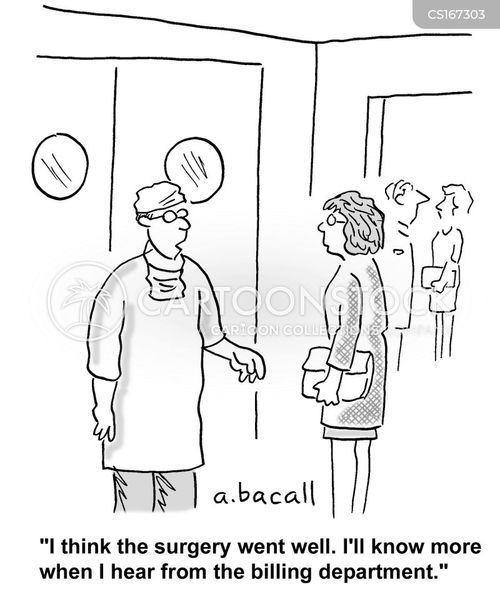
Cartoon – Affordable Healthcare Realized

Last week, we examined how the fast-growing Medicare Advantage (MA) market remains heavily concentrated among a handful of large carriers. But amid this concentration, consumers have more options than ever before, both in terms of carriers and plans, as shown in the graphic below.
The average MA enrollee can now choose from among 39 health plans offered by nine different payers, the majority of which feature $0 insurance premiums. An increasing number of plans also now offer a variety of non-medical benefits.
Landing an MA consumer soon after they become eligible is critical for carriers, as more than seven in 10 Medicare beneficiaries stick with the plan they have year after year. While this “stickiness” may suggest enrollees are satisfied with their current coverage, it also calls into question whether the MA marketplace is actually working as intended.
With another revenue boost to MA plans proposed for 2023, competition between plans—as well as consolidation among carriers—will continue to heat up, especially as the number of Medicare-eligible Americans will increase by nearly 50 percent over the next three decades.


https://www.healthcarefinancenews.com/news/no-surprises-act-implementation-includes-telehealth

Independent physician groups, which include telehealth docs, must now accept a rate that someone else has negotiated, expert says.
The No Surprises Act has providers scrambling to understand the implications of a law that went into effect earlier this month.
Under the law, patients treated by an out-of-network physician can only be billed at the in-network rate. It protects patients from receiving surprise medical bills from the ER or air ambulance providers or for non-emergency services from out-of-network physicians at in-network facilities.
Patients can no longer receive balance bills – the difference between what the provider charges and what the insurer pays – or be charged a larger cost-sharing amount.
The congressional intent was to save patients sometimes thousands of dollars in unexpected, or surprise, medical bills. But applying the No Surprises Act to clinical care is being left to providers to sort out.
A big question is the definition of an emergency and the benchmark used to determine when it ends, according to Kyle Faget, a partner at Foley who is co-chair of the firm’s Health Care and Life Sciences Practice Groups. She asked: Does the emergency end when the patient is stabilized, or should another standard apply? This includes emergency services for mental health and substance-use disorders.
Another question is around pre-planned services. Patients have to be notified who is providing the care and whether the physician is in-network. If the physician is out-of-network, patients must provide consent. But that can be tricky, for instance, if a patient scheduled for a planned C-section gets an out-of-network doctor who was not scheduled at the time the appointment was made.
At some hospitals, a new layer of administration is needed to comply with the law, Faget said.
Another area not well understood is how the law affects telehealth consults in the ER.
TELEHEALTH AND THE NO SURPRISES ACT
The law states that if treated by a telehealth clinician, the patient can only be billed the in-network rate, said Faget, who specializes in telehealth law.
Telehealth is often used in the ER, according to Faget. Most ER visits require a physician consultation, with hands-on medical care provided by a clinician other than the physician.
Pre-COVID-19, providers were in the embryonic stage of providing virtual emergency care, she said. The pandemic, and a shortage of physicians, spurred virtual care in the ER.
These telehealth providers often work on a contracted basis. They are likely credentialed at the hospital but are not hospital employees, Faget said.
This means they are not credentialed with the insurer. Under the No Surprises Act, they are now subject to the in-network rates negotiated by the hospital.
Telehealth ER physicians could negotiate their own contracts with insurers, but as a small group, they are not likely to get the higher rates they had prior to the implementation of the No Surprises Act.
“It’s an arduous contracting process, and small-group bargaining power is low,” Faget said. “The big hospital system has bargaining power. Those groups providing telehealth services won’t necessarily have agreements in place and, by definition, are out-of-network.”
Independent physician groups, which include telehealth docs, must now accept a rate that someone else has negotiated, Faget said. This fact can be more of an issue than the lower rate they’re now being paid, she said.
“I think telehealth will adapt,” Faget said. “I think it will become the way of doing business.”
WHY THIS MATTERS
The bottom line is that the No Surprises Act is doing what it promised to do – saving patients from getting a large bill not covered by insurance.
Surprise bills are a moral and ethical issue, Faget said. Patients, at their most vulnerable in the ER, are sent home only to get a $5,000 bill they never saw coming.
“It’s like kicking a person when they’re down,” Faget said.
However, in the larger healthcare ecosystem, ending surprise medical bills will ultimately result in cost-shifting, she said.
“Think about the system globally: somebody is paying for something somewhere,” Faget said. “At the end of the day, somebody’s going to have to pay.”
THE LARGER TREND
Providers have told her that the No Surprises Act incentivizes insurance companies to lower their payments, Faget said.
The American Society of Anesthesiologists has accused BlueCross BlueShield of North Carolina of doing this. A letter sent by BCBS of North Carolina to anesthesiology and other physician practices this past November threatens to terminate physicians’ in-network status unless they agree to payment reductions ranging from 10% to over 30%, according to ASA.
The ASA saw this as proof of its prognostication to Congress upon passage of the No Surprises Act: that insurers would use loopholes in the law to leverage their market power.
The AHA and AMA have sued the Department of Health and Human Services over implementation of a dispute-resolution process in the law they say favors the insurer. The arbitrator must select the offer closest to the qualifying payment amount. Under the rule, this amount is set by the insurer, giving the payer an unfair advantage, according to the lawsuit.

The California Assembly is poised to vote on a bill Jan. 31 that aims to create a single-payer healthcare system in the state — the bill’s first major battle since a funding proposal for the program was introduced Jan. 6 — according to KTVU FOX 2.
The state’s plan to create a universal healthcare system involves two bills — AB 1400 and ACA 11 — that would implement and subsequently fund the program, dubbed CalCare. The Assembly is expected to only vote on AB 1400 on Jan. 31.
The Assembly must pass the bill Jan. 31 if it hopes to pass the single-payer framework bill by the end of the year. If the bill passes in the Assembly, it would then need approval in the Senate and from voters.
The plan is being met with public pressure that believes the system would “create a new and exorbitantly expensive government bureaucracy.” Lawmaker opposition also largely focuses on the bill’s cost, which would be between $314 billion and $391 billion annually, according to KTVU. The bill’s funding counterpart, ACA 11, proposes to pay for it with a tax increase on businesses and high-earning individuals.
However, proponents argue that CalCare would cost less than the state’s current system, which equates to $517 billion when considering both taxes and household spending.

More than 13.8 million consumers have signed up for 2022 healthcare coverage through the Affordable Care Act health insurance marketplaces, on HealthCare.gov and state-based marketplaces. Coverage began on January 1.
This year’s open enrollment period, which started on November 1, 2021 and ends on January 15, continues to outpace previous years’ enrollment, including a 21% increase in plan selections through December 15, 2021, compared to the last year’s open enrollment in the 33 states using the HealthCare.gov platform.
In all, 4.6 million new enrollees gained coverage in 2021 through the ACA health insurance marketplaces.
WHAT’S THE IMPACT?
The latest national snapshot shows that the more than 13.8 million sign-ups include over 9.7 million people enrolled in, or being automatically re-enrolled, through December 15, 2021, in marketplace coverage in the 33 states using HealthCare.gov.
The 18 state-based marketplaces that use their own platforms reported to CMS that through December 25, 2021, more than 4 million people selected plans or were automatically re-enrolled in a plan for 2022 health coverage, which is an increase of 240,000 consumers since the last published report.
The U.S. Department of Health and Human Services credits the Biden Administration’s outreach efforts, including additional funding and the quadrupling of the number of Navigators who are available to assist consumers.
As the January deadline approaches, there are 59 Navigator grantee organizations, with more than 1,500 certified Navigators ready to help consumers enroll. Navigators have held outreach and education events, focusing on meeting consumers in their communities at places such as local libraries, vaccination clinics, food drives, county fairs and job fairs.
THE LARGER TREND
Upon extending the open enrollment deadline in September, the Centers for Medicare and Medicaid Services also expanded services provided by federally-facilitated marketplace navigators – experts who help consumers, especially those in underserved communities, understand their benefits and rights, review options and enroll in marketplace coverage.
The agency also announced it’s relaunching its “Champions for Coverage” program. The program currently includes more than 1,000 local organizations that are active in providing outreach and education about the health insurance marketplace and how consumers can enroll in coverage through HealthCare.gov, Medicaid or the Children’s Health Insurance Program (CHIP).
According to CMS data, about 8.3 million people selected individual market plans through the marketplaces using the federal platform during the 2021 open enrollment period.
This total enrollment is nearly the same as enrollments during the 2020 open enrollment period, despite the fact that New Jersey and Pennsylvania transitioned to state-based exchange platforms starting with the 2021 open enrollment period.
After removing these states from the total plan selection totals in the 2020 open enrollment period and comparing year-over-year trends, the results show plan selections this year increased by 7% from 2020, despite a decline in new consumers. Also, for the fourth straight year, the consumer satisfaction rate at the call center remained high – averaging over 90% – throughout the entire stretch.
https://www.managedhealthcareexecutive.com/view/many-americans-remain-uninsured-following-layoffs
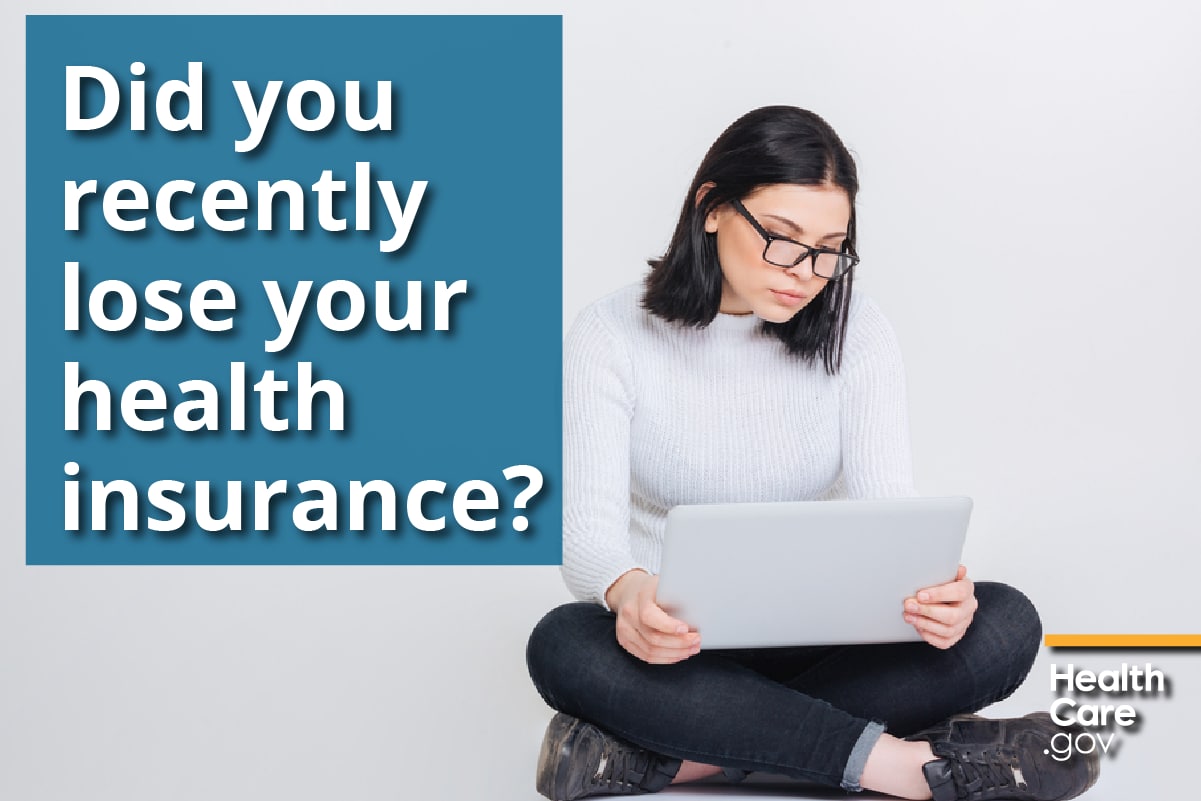
Job losses from the COVID-19 pandemic are the highest since the Great Depression. A year and a half later, most Americans who lost their health insurance along with their job remain uninsured.
Most Americans who lost their jobs and health insurance more than a year ago remain uninsured.
Over 1,200 Americans who are still unemployed due to COVID-19 were surveyed by AffordableHealthInsurance.com. At least four out of five in all participants don’t have insurance coverage.
To be exact, 56% of Americans who remain unemployed since being laid off due to the COVID-19 pandemic lost their health insurance along with their job. In addition, 23% of workers did not have employer-provided health insurance prior to losing their jobs.
Even before the pandemic, small businesses struggled to absorb the cost of providing health insurance to their employees, said health insurance advisor and nursing consultant Tammy Burns in the Affordable Health Insurance study.
“Companies have cut costs by going with high-deductible plans and sharing less of the cost towards the insurance,” Burns said. “This makes it cheaper for employees to get their own health insurance through the Affordable Care Act (ACA) marketplace. At larger companies, health care costs are growing faster than worker wages, so a large amount of an employee’s check goes to insurance. Therefore, many workers opt out because they can’t afford it.”
Majority of Those Who Lost Health Insurance Still Lack Coverage
Of the 56% of unemployed Americans who lost their health insurance along with their job, 81% are still uninsured.
This lack of coverage is impacting certain groups more than others. There are also several contributing factors to why the number of unemployed Americans without health insurance remains high.
These factors are:
When broken down by gender, men are more likely than women to have lost their health insurance when they lost their jobs at 66% and 44%, respectively. However, women are twice as likely as men to have not had health insurance in the first place at 31% and 16%, respectively.
Currently, men are slightly more likely to still be uninsured. Eighty-four percent of male survey respondents do not currently have health insurance, compared to 75% of women.
Our survey also found that certain age groups are more likely than others to still be uninsured after a pandemic-related job loss.
Eighty-six percent of individuals ages 35 to 44, and 84% of both 25 to 34 year-olds and 45 to 54 year-olds remain without health insurance after being laid off. Comparatively, 67% of unemployed individuals 18 to 24, and 58% of those older than 55 are still uninsured.
Americans ages 25 to 44 are also the age group most likely to have lost their health insurance when they were let go from their jobs (66%).
The high cost of individual insurance is the number one reason Americans still unemployed from the pandemic remain uninsured.
Sixty-seven percent of those uninsured can’t afford private health insurance. Eleven percent of people who still lack health insurance say they did not qualify for government-funded health insurance, despite the fact that a number of states expanded access to Medicaid during the pandemic.
A lack of understanding about how the ACA marketplace works may also play a role in why uninsured Americans are not pursuing all possible avenues to get health insurance.
“People are scared of the ACA because it involves a lot of personal information, like taxes,” Burns said. “I have found that many people are afraid it is ‘the government being in my business.’ There is a lack of knowledge about how helpful and affordable the ACA is now. There needs to be better education about this program.”
The survey also found 20% of unemployed Americans who are uninsured choose to forgo health insurance altogether.
This is particularly true for men, 22% of whom are choosing not to have health insurance, compared to 15% of women.
Younger adults are also more likely than older Americans to opt out of health insurance if they are unemployed. Twenty-five percent of 25 to 34 year-olds, and 20% of 25 to 34 year-olds choose not to have health insurance.
A lack of insurance has serious short- and long-term implications for individuals’ health and well-being. The biggest impact: 58% of uninsured individuals are no longer getting routine care, which could hinder their ability to identify more serious underlying issues.
Other impacts include no longer taking doctor-prescribed medication (56%); delaying planned medical procedures (46%); not seeking treatment for chronic issues (44%), and no longer receiving mental health treatment (41%).
Our survey also found that those at greater risk for medical issues, based on age, are the most likely to be skipping their routine check-ups. Three-fourths of uninsured individuals over the age of 55 (76%) say they are not going for regular doctor visits because of their lack of insurance, the highest percentage of any age group.
Meanwhile, 64% of individuals 35 to 44 are not taking doctor-prescribed medication, which can have both short- and long-term negative effects.
Given that so many individuals are already hard-pressed to afford health insurance, it’s not surprising that many of them will also be in a dangerous place financially if there is a medical emergency.
Fifty-nine percent of uninsured people are “very likely” to be financially devastated by a medical emergency, while another quarter are “somewhat likely” to face financial ruin in the event of a medical emergency.
 HENRY KOTULA