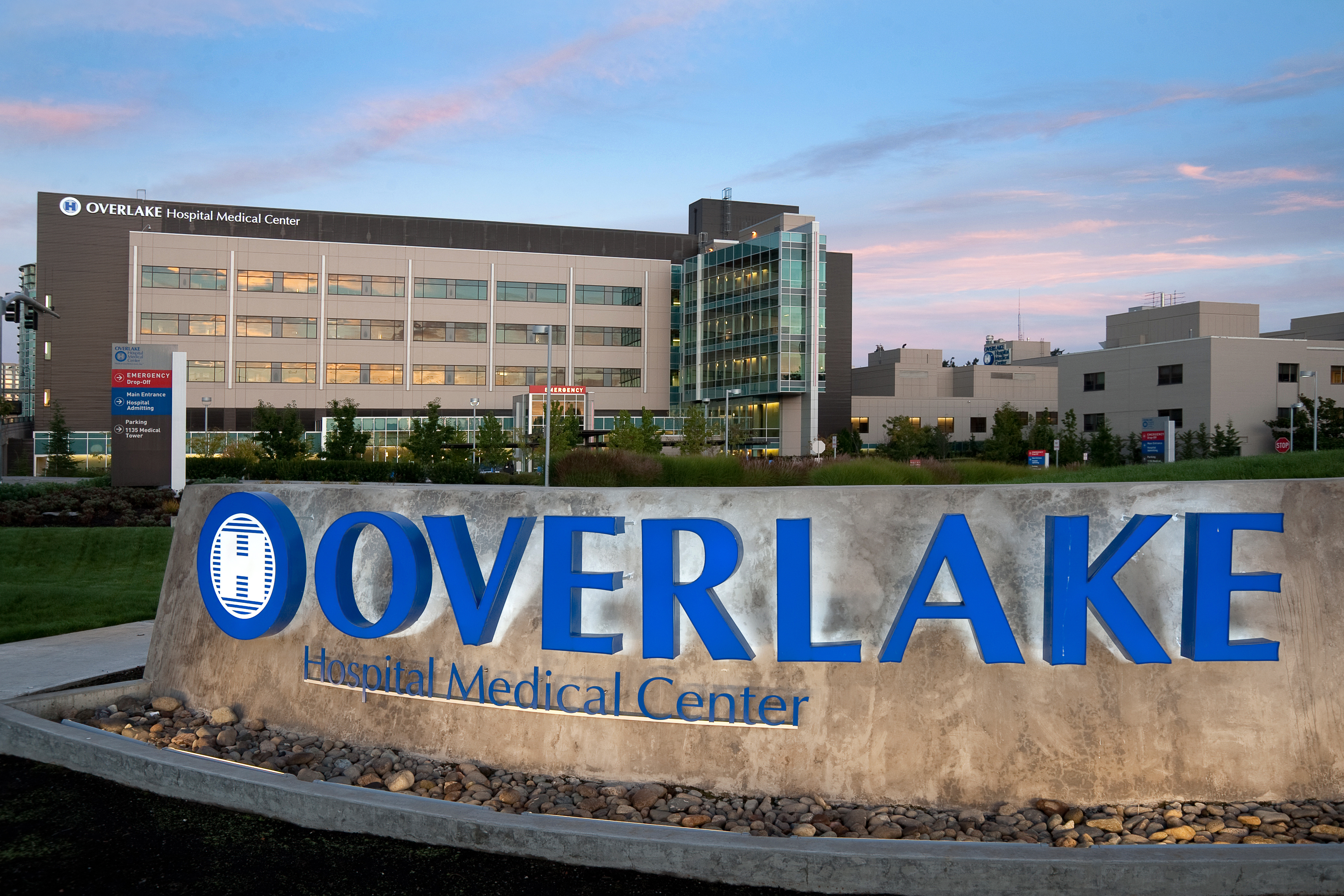
Overlake Medical Center & Clinics invited about 110 donors who gave more than $10,000 to the Bellevue, Wash.-based health system to receive COVID-19 vaccines, drawing criticism from the state’s governor, according to The Seattle Times.
Molly Stearns, the chief development officer at Overlake, emailed the “major donors,” as they were addressed in correspondence, about 500 open appointments in its COVID-19 clinic that were set to open Jan. 23. According to The Seattle Times, donors who received the email got an access code to register for appointments.
The vaccination appointments weren’t exclusive to donors, but were open to some 4,000 people who were board members, some patients, volunteers, employees and retired health providers, Overlake told the newspaper. All registrants were supposed to meet state-specific eligibility requirements for the vaccine, according to The Seattle Times.
Tom DeBord, Overlake’s COO, told the newspaper that the invitation was sent after the hospital’s scheduling system stopped working properly. To speed up distribution, the system began contacting people whose emails they had access to, which included donors, retirees, some patients and board members.
“We’re under pressure to vaccinate people who are eligible and increase capacity. In hindsight, we could certainly look back and say this wasn’t the best way to do it,” Mr. DeBord told The Seattle Times.
Once Gov. Jay Inslee’s office found out about the “invite-only” appointments, the office asked Overlake to shut down the sign-ups, which the system did.
In a Jan. 27 statement posted to the health system’s website, Overlake said all communications with people invited to sign up for the vaccine “made clear that people must show proof of eligibility under current Washington State requirements to ultimately be vaccinated, no matter who they are or how they are affiliated with us. We recognize we made a mistake by including a subset of our donors and by not adopting a broader outreach strategy to fill these appointments, and we apologize. Our intent and commitment has always been to administer every vaccine made available to us safely, appropriately, and efficiently.”
Some teachers don’t want to return to the classroom until they’ve been vaccinated — setting up potential clashes with state and local governments pushing to reopen schools.
Why it matters:Extended virtual learning is taking a toll on kids, and the Biden administration is pushing to get them back in the classroom quickly. But that will only be feasible if teachers are on board.
Where it stands:Although the rise of new, more contagious variants has scrambled the calculus on school reopening, for now the expert consensus is that vaccinations aren’t essential to safely reopening schools.
A pair of studies from the CDC this week reiterated the agency’s stance that schools can operate safely with the proper precautions, along with other mitigation measures in the broader community.
Most states haven’t put teachers at the front of the line for vaccines. Only 18 have included teachers in the early priority groups that can get vaccinated now, and in all but four of those states, teachers are competing for shots with other higher-risk populations, including the elderly.
Yes, but: Teachers in some large school districts don’t want to return to the classroom without being vaccinated — which could mean several more months of virtual classes.
The Chicago teachers union has asked to delay reopening until teachers receive at least the first dose of the vaccine, but the city’s public health commissioner has said it could take months for teachers to be vaccinated, the Chicago Tribune reports.
“If you are required to work with students in person — which thousands of educators have been doing for months now — you should be vaccinated as soon as possible,” Jessica Tang, president of the Boston Teachers Union, said in statement after teachers were bumped behind the elderly in the state’s priority line, per Boston.com.
What they’re saying:“The issue is that we should be aligning vaccination with school opening. That doesn’t mean every single teacher has to be vaccinated before you open one school, it means there has to be that alignment,” Randi Weingarten, the president of the American Federation of Teachers, told ABC News.
Teachers should be eligible for vaccination by “late January,” she wrote in a USA Today op-ed over the weekend.
The other side: Ohio Gov. Mike DeWine has said school staff will be prioritized for vaccination, with the goal of having students return to classrooms by March 1.
But prioritizing teachers can be controversial. Oregon Gov. Kate Brown has been criticized for the decision to vaccinate teachers ahead of the elderly, high-risk essential workers and other vulnerable communities.
In a rural county in Georgia and at a private school in Philadelphia, teacher vaccine clinics were shut down by their state health departments, which said that educators were not yet eligible.
The bottom line:“It’s challenging to make those decisions about how to prioritize different populations, all of whom are at significant risk,” the Kaiser Family Foundation’s Jennifer Tolbert said.
Norma Leiva, a Food 4 Less warehouse manager, waits Saturday to be let into work in Panorama City, Calif. The state’s decision to expand vaccine eligibility to millions of older residents has stark consequences for communities of color disproportionately affected by the pandemic.
As a warehouse manager at a Food 4 Less in Los Angeles, Norma Leiva greets delivery drivers hauling in soda and chips and oversees staff stocking shelves and helping customers. At night, she returns to the home she shares with her elderly mother-in-law, praying the coronavirus isn’t traveling inside her.
A medical miracle at the end of last year seemed to answer her prayers: Leiva, 51, thought she was near the front of the line to receive a vaccine, right after medical workers and people in nursing homes. Now that California has expanded eligibility to millions of older residents — in a bid to accelerate the administration of the vaccines — she is mystified about when it will be her turn.
“The latest I’ve heard is that we’ve been pushed back. One day I hear June, another mid-February,” said Leiva, whose sister, also in the grocery business, was sickened last year with the virus, which has pummeled Los Angeles County — the first U.S. county to record 1 million cases. “I want the elderly to get it because I know they’re in need of it, but we also need to get it, because we’re out there serving them. If we’re not healthy, our community’s not healthy.”
Delaying vaccinations for front-line workers, especially food and grocery workers, has stark consequences for communities of color disproportionately affected by the pandemic. “In the job we do,” Leiva said, “we are mostly Blacks and Hispanics.”
Many states are trying to speed up a delayed and often chaotic rollout of coronavirus vaccines by adding people 65 and older to near the front of the line. But that approach is pushing others back in the queue, especially because retired residents are more likely to have the time and resources to pursue hard-to-get appointments. As a result, workers who often face the highest risk of exposure to the virus will be waiting longer to get protected, according to experts, union officials and workers.
The shifting priorities illuminate political and moral dilemmas fundamental to the mass vaccination campaign: whether inoculations should be aimed at rectifying racial disparities, whether the federal government can apply uniform standards and whether local decision-making will emphasize more than ease of administration.
Speed has become all the more critical with the emergence of highly transmissible variants of the virus. Only by performing 3 million vaccinations a day — more than double the current rate — can the country stay ahead of the rapid spread of new variants, according to modeling conducted by Paul Romer, a Nobel Prize-winning economist.
People with appointments wait in line to receive coronavirus vaccine in Los Angeles.
But low-wage workers without access to sick leave are among those most likely to catch and transmit new variants, said Richard Besser, president of the Robert Wood Johnson Foundation and former acting director of the Centers for Disease Control and Prevention. Because there are not enough doses of the vaccines to immunize front-line workers and everyone over 65, he said, officials should carefully weigh combating the pernicious effects of the virus on communities of color against the desire to expedite the rate of inoculation.
“If the obsession is over the number of people vaccinated,” Besser said, “we could end up vaccinating more people, while leaving those people at greatest risk exposed to ongoing rates of infection.”
The move to broaden vaccine availability to a wider swath of the elderly population — backed by Trump administration officials in their final days in office and members of President Biden’s health team — marks a departure from expert guidance set forth in December, as the vaccine rollout was getting underway.
A panel of experts advising the CDC recommended that the second priority group include front-line essential workers, along with adults 75 and older. The guidance represented a compromise between the desire to shield people most likely to catch and transmit the virus — because they cannot socially distance or work from home — and the effort to protect people most prone to serious complications and death.
People of color and immigrants are overrepresented not just in grocery jobs but also in meatpacking, public transit and corrections facilities, where outbreaks have taken a heavy toll. Black and Latino Americans are three to four timesmore likely than White people to be hospitalized and almost three times more likely to die of covid-19, the illness caused by the coronavirus, according to the CDC.
The desire to make vaccine administration equitable was central to recommendations from the Advisory Committee on Immunization Practices.
“We cannot abandon equity because it’s hard to measure and it’s hard to do,” Grace Lee, a committee member and a pediatrics professor at Stanford University’s School of Medicine, said at the time.
On Wednesday at a committee meeting, Lee said officials need both efficiency and equity to “ensure that we are accountable for how we’re delivering vaccine.”
“Absolutely agree we do not want any doses in freezers or wasted in any way,” Lee said.
But efficiency has won out in most places.
Some state leaders, such as Florida Gov. Ron DeSantis (R) and Texas Gov. Greg Abbott (R), acted on their own, lowering the age threshold to 65 soon after distribution began last year. Others followed with the blessing of top federal officials.
Biden’s advisers have said equity will be central to their efforts, calling access in underserved communities a “moral imperative” and promising, in a national vaccination strategy document, “we remain focused on building programs to meet the needs of hard-to-reach and high-risk populations.” In the meantime, they have similarly encouraged states to broaden vaccine availability to a larger segment of their older populations without providing guidance about how to ensure front-line workers remain a priority.
Experts studying health disparities say prioritizing people over 65 disproportionately favors White people, because people of color, especially Black men, tend to die younger, owing to racism’s effect on physical health. Twenty percent of White people are 65 or over, while just 9 percent of people of color are in that age group, according to federal figures.
“People are thinking about risk at an individual level as opposed to at a structural level. People are not understanding that where you work and where you live can actually bring more risks than your age,” said Camara Phyllis Jones, a family physician, epidemiologist and past president of the American Public Health Association. “It’s worse than I thought.”
The constantly changing priorities have made the uneven rollout all the more difficult to navigate. There is confusion over when, where and how to get shots, with different jurisdictions taking different approaches in an illustration of the nation’s decentralized public health system.
While praising the effort to expand access and speed up the administration of shots, Marc Perrone, president of the United Food and Commercial Workers International Union, said increasing reliance on age-based eligibility “must not come at the expense of the essential workers helping families put food on the table during this crisis.
“Public health officials must work with governors in all 50 states to end the delays and act swiftly to distribute the vaccine to grocery and meatpacking workers on the front lines, before even more get sick and die,” he said.
Mary Kay Henry, president of the Service Employees International Union, said the only way to ensure front-line workers get the vaccines they need is to involve them and their union representatives in decisions about eligibility and access. Unions, she said, could also be tapped to conduct outreach in hard-to-reach communities, including those not conversant in English.
“Essential workers who’ve been on the front lines both in health care but also across the service and care sectors — child care, airline, janitorial, security — face extraordinary risk,” she said.
Leiva, a 33-year member of UFCW Local 770, said the celebration of essential workers should come with recognition of their sacrifice, which is unevenly felt across racial groups. When the virus tore through the grocery store, she said, “every single one of them in that cluster was Hispanic.”
But with hospitals dangerously full in recent weeks, and less than half of distributed vaccine doses administered, many states broadened their top priority groups to include older adults, hoping to lessen the burden on hospitals and expedite vaccine administration.
Leiva is concerned about bringing the coronavirus into the home she shares with her elderly mother-in-law. She wants the elderly to receive the vaccine, “but we also need to get it, because we’re out there serving them. If we’re not healthy, our community’s not healthy.”
Protecting people 65 and older, officials say, saves the lives of those who face the gravest consequences and reduces the stress on intensive care units. Risk for severe covid-19 illness increases with age; 8 out of 10 deaths reported in the United States have been in people 65 and older.
Older people in the United States have also encountered enormous hurdles in gaining access to the vaccines. Faced with overloaded sign-up websites and jammed phone lines, they have sometimes spent nights waiting in line.
In more than half the states — at least 28, by one count — people 65 and older are in the top two priority groups, behind health-care workers and residents in long-term care facilities. As a result, front-line workers either fall behind the older group or are squeezed into the same pool, according to a Kaiser Family Foundation analysis.
“When you make that pool of eligible people much bigger, you’re creating much longer wait times for some of these groups,” said Jennifer Kates, a senior vice president at the foundation.
Front-line workers often labor in crowded conditions. Some live in multigenerational households. By contrast, many older adults are retired, have greater access to sign-up portals and have more time to wait in lines outside of clinics, health officials said.
People wait in line for coronavirus vaccine at a Sarasota, Fla., health department clinic.
“The 65-year-old person who is wealthier and can stay home and isn’t working and is retired and can ride it out for another two months … is less likely to get infected than the person who has to go outside every day for work,” said Roberto B. Vargas, assistant dean for health policy at Charles R. Drew University of Medicine and Science in Los Angeles.
In California, Gov. Gavin Newsom (D) announced Jan. 13 that the state was “significantly increasing our efforts to get these vaccines administered, get them out of freezers and get them into people’s arms” by increasing the number of people eligible to receive shots. “Everybody 65 and over — about 6.6 million Californians — we are now pulling into the tier to make available vaccines.”
On Jan. 25, Newsom said the state would move to an age-based eligibility system after vaccinating those now at the front of the line, including health-care workers, food and agriculture workers, teachers, emergency personnel and seniors 65 and older.
The abrupt changes confused local health officials.
Julie Vaishampayan, public health officer in San Joaquin Valley’s Stanislaus County, said the county had just finished vaccinating health-care workers and was getting ready to reach out to farm laborers at a tomato-packing company and food-processing workers. When the state added those 65 and older, the county had to pivot abruptly,as it faced a quintessential supply-and-demand dilemma.
“There isn’t enough vaccine to do it all, so how do we balance?” she said in an email. “This is really hard.”
In Tennessee, teachers were initially promised access but then were told to wait until people 70 and older got their shots. The state’s health commissioner, Lisa Piercey, said she was moving more gradually through the age gradations so as not to crowd out workers, treating the federal framework as guidance, which is often how officials have characterized it. “It’s not an either/or situation,” she said in an interview this month.
Keyona Simms puts a hat on Nylah Cooper, 2, at a day-care center in Baltimore. Day-care staff are considered essential workers in many states.
But with vaccine supply sharply limited, priorities had to be narrowed. By vaccinating older residents, she said, the state was also protecting its medical infrastructure by reducing the likelihood that older people, who are more likely to be hospitalized, would fall ill. Once there is more supply, she said, she would be able to amplify aspects of the state’s planning geared toward underserved and hard-to-reach populations. “I can’t wait to manifest that equity plan.”
In Nebraska, the health department in Douglas County, which includes Omaha, prioritized older residents over “critical industry workers who can’t work remotely” after the state expanded eligibility to residents 65 and older, according to a January news release. Meatpacking workers, grocery store employees, teachers and public transit workers were bumped lower in line.
Omaha’s teachers union had wanted its approximately 4,100 members to get shots before the district resumes full-time, in-person instruction for elementary and middle school students Tuesday. Now, they must wait until late spring, said Robert Miller, president of the Omaha Education Association.
“The fear, it goes hand in glove with going back to school five days a week,” he said, despite CDC reports that schools operating in person have seen scant transmission. “We’ve had some teachers who have multigenerational homes, who live in the basement, … and they can’t interact with their parents. We have some teachers who are staying at a different apartment away from their elder loved ones.”
Some state leaders sought to defend broadening eligibility to more of the elderly population, saying it was consistent with efforts to address racial disparities. Illinois had reduced the age requirement to 65, Gov. J.B. Pritzker (D) said recently, “in order to reduce covid-19 mortality and limit community spread in Black and Brown communities.” His office did not respond to a request for comment about how lowering the age threshold would have that effect.
In Massachusetts, state leaders announced Jan. 25 that people 65 and older and those with at least two high-risk medical conditions were next in line, ahead of educators and workers in transit, utility, food and agriculture, sanitation, and public works and public health.
That means Dorothy Williams, who runs a day-care center in a predominantly Black community where the infection rate is among the highest in Boston, has to wait. Her center stayed open throughout the pandemic, caring for children of essential workers, many of them in low-wage jobs in hospitals or nursing homes.
She recognizes the long hours and the exposure risks of those health-care aides. That means “we’re exposed,” she said, “each and every single day.” She has been able to keep the coronavirus at bay, but two weeks ago, she had a scare that forced her to close and get everyone tested after a child became ill. The tests came back negative, but the fear remains.
Two members of Congress from Massachusetts have tested positive for the coronavirus, one after receiving both doses of the vaccine, a reminder that people can still be vulnerable to infection after being vaccinated, particularly in the two weeks after receiving the second dose.
Rep. Stephen F. Lynch (D-Mass.) tested positive for the virus on Friday afternoon after a staff member in his Boston office tested positive earlier in the week, his spokeswoman Molly Rose Tarpey said.
Lynch received a second dose of the Pfizer-BioNTech vaccine before the inauguration of President Biden on Jan. 20, but his office declined to specify the date it was administered. Lynch had tested negative for the virus before attending the inaugural ceremonies, Tarpey said.
“While Mr. Lynch remains asymptomatic and feels fine, he will self-quarantine and will vote by proxy in Congress during the coming week,” she said.
Tarpey added that Lynch “has followed CDC guidelines and continues to do so since he received the vaccine.”
Another Democrat from Massachusetts, Rep. Lori Trahan,announced Thursday that she had tested positive for the virus and was asymptomatic. Trahan, whose staff members have been working remotely, also said she planned to vote by proxy next week.
“I encourage everyone to continue taking this virus seriously and to follow the science and data-driven guidance to wear a mask, maintain a safe social distance from others, avoid large gatherings and stay home whenever possible,” Trahan said.
Trahan received her first shot of one of the vaccines last week, spokeswoman Francis Grubar told The Washington Post.
Occasional cases of people testing positive after receiving one or both doses are not unexpected, medical experts say. Clinical trial data published by Pfizer show that the vaccine is about 52 percent effective at preventing illness after the first shot, compared to 95 percent effectiveness seven days after the second dose.
A small number of patients can still become mildly sick even after they are fully vaccinated. But only one of the roughly 20,000 people who received both doses in the clinical trial developed severe covid-19, suggesting the vaccine is powerful protection against the most dangerous cases of the disease.
Members of Congress began getting vaccinated as early as Dec. 18, but Lynch at the time said he was “waiting for the vaccine to be first offered to health care personnel, first responders and vulnerable seniors” in his district, the Boston Herald reported. It is unclear when Lynch ultimately received his first dose of the vaccine; he would have received the second dose of the Pfizer-BioNTech vaccine about three to four weeks after the first.
Public health experts have emphasized that it usually takes one week after the second dose of the Pfizer-BioNTech vaccine to reach 95 percent efficacy and two weeks after the second dose of the Moderna vaccine to reach 94 percent efficacy.
“There’s no vaccine that I know that protects you the same day you get it,” Onyema Ogbuagu, the principal investigator for Pfizer’s vaccine trial at Yale University, told The Post’s Allyson Chiu. “On a population level, 95% efficacy still translates to 5/100, or 50/1,000, or 500/10,000 vaccinated persons still being vulnerable to symptomatic disease and maybe even more having asymptomatic carriage.”
At least 23.2 million people in the United States have received one or both doses of the vaccine. The Centers for Disease Control and Prevention recommends that vaccinated people continue to wear masks, socially distance, avoid poorly ventilated spaces and wash their hands frequently to prevent the spread of the virus.
“We also don’t yet know whether getting a covid-19 vaccine will prevent you from spreading the virus that causes covid-19 to other people, even if you don’t get sick yourself,” CDC guidelines state. “While experts learn more about the protection that covid-19 vaccines provide under real-life conditions, it will be important for everyone to continue using all the tools available to help stop this pandemic.”
Mask-wearing in particular has become politicized, including in the hallways of Congress. After the Jan. 6 siege at the Capitol, several Democrats said they feared they had been exposed to the virus after sheltering with Republican lawmakers who refused to wear masks. In the following, at least three lawmakers tested positive for the virus.
On Friday, Rep. Cori Bush (D-Mo.) accused Rep. Marjorie Taylor Greene (R-Ga.) of berating her in the hallways after she told Greene to put on a mask. The incident, coupled with other hostile rhetoric and Greene’s refusal to abide by rules and protocols put in place because of the pandemic, prompted Bush to decide to move her office away from Greene’s for safety reasons, the Missouri lawmaker said.
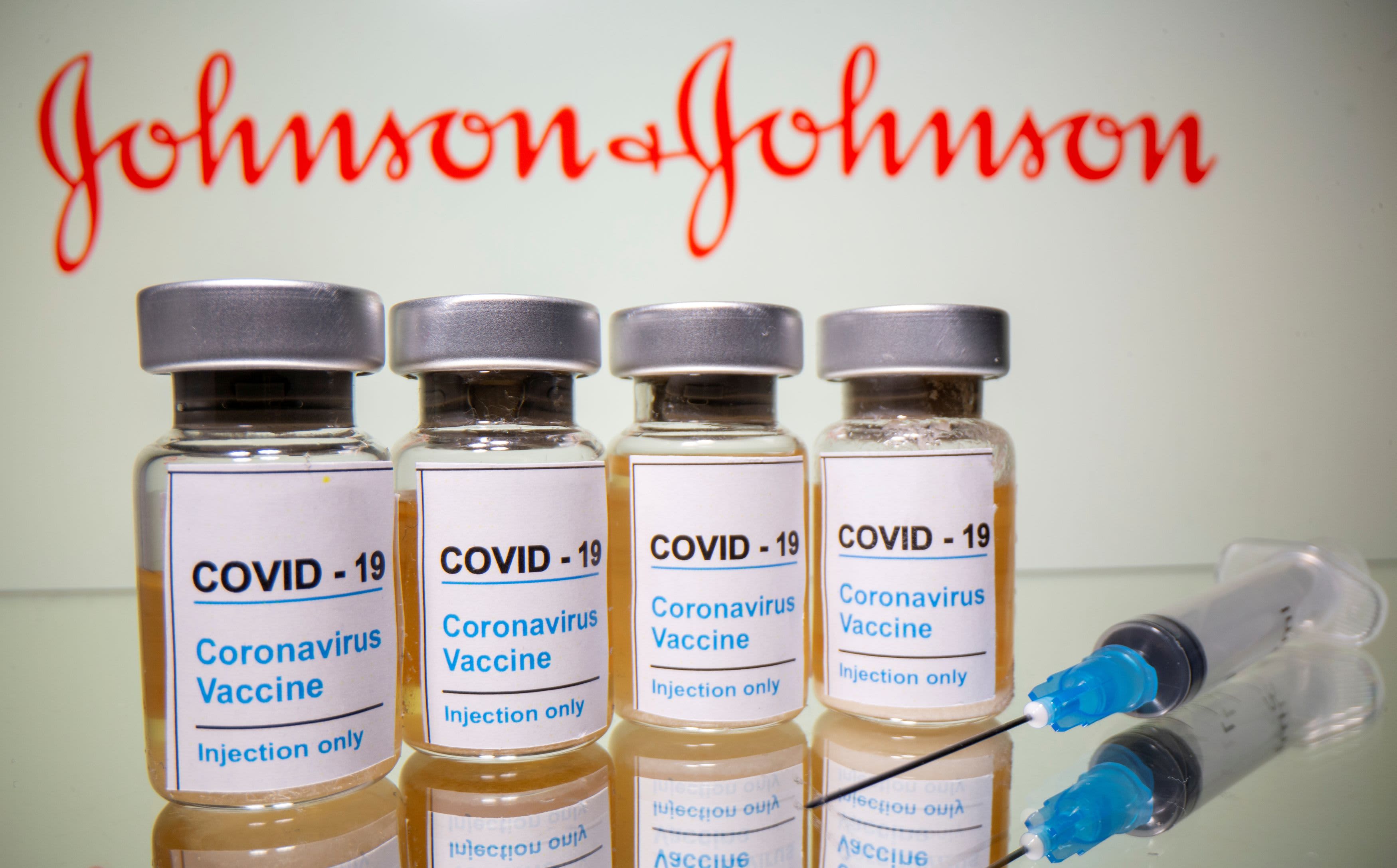
The Johnson & Johnson coronavirus vaccine prevented 100% of hospitalizations and deaths in clinical trials, the company said today.
Why it matters:The single-dose vaccine could speed up the vaccinations of America’s vulnerable populations, as new variants spread.
By the numbers:
Overall: 66% effective in preventing moderate to severe COVID in nearly 44,000 participants in Phase 3 trials across eight countries.
In the U.S.: 72% effective.
In South Africa, home of a more aggressive variant: 57% effective.
What they’re saying:
Former CDC director Tom Frieden on the Axios Re:Cap podcast: “It has a lot of advantages, easier to store, easier to make.”
Former FDA commissioner Scott Gottlieb: “The J&J vaccine turns in a fantastic result. We now have three highly effective vaccines. This vaccine showed sustained (and increasing!) immune protection over time, perhaps from a robust early induction of memory immune cells (CD4 and CD8).”
What’s next:J&J is expected to apply for an emergency use authorization next week, the N.Y. Times reports.
“Federal regulators are also still waiting on data from Johnson & Johnson’s new manufacturing facility in Baltimore that prove it can mass-produce the vaccine. The company is counting on that factory to help reach its contractual pledge to the federal government of 100 million doses by the end of June.”
Johnson & Johnson announced Friday that its single-shot coronavirus vaccine was 66% effective in protecting against moderate to severe COVID-19 disease in Phase 3 trials, which was comprised of nearly 44,000 participants across eight countries.
Between the lines: The vaccine was 72% effective in the U.S., but only 57% effective in South Africa, where a more contagious variant has been spreading. It prevented 85% of severe infections and 100% of hospitalizations and deaths, according to the company.
The big picture: The vaccine is not as effective as some of its two-dose competitors, but still provides strong protection against the most serious COVID-19 symptoms.
J&J’s vaccine, which results in development of neutralizing antibodies, is long-lasting and doesn’t require freezing like Moderna and Pfizer-BioNTech’s shots,per Bloomberg. The vaccine can be stored at refrigerator temperatures for three months.
The company said it will file for emergency use authorization from the FDA within a week. The U.S. has purchased 100 million vaccine doses from J&J.
What they’re saying: “The J&J vaccine turns in a fantastic result. We now have 3 highly effective vaccines. This vaccine showed sustained (and increasing!) immune protection over time, perhaps from a robust early induction of memory immune cells (CD4 and CD8),” tweeted former FDA commissioner Scott Gottlieb.
“This one shot vaccine was highly effective at preventing severe disease, even with new variants. The milieu of disease now is more complex; even in U.S. – trials done today are running into more mutated cases. Make no mistake: this is an important and wonderful development.”
“And we believe that we’ll soon be able to confirm the purchase of an additional 100 million doses for each of the two FDA-authorized vaccines: Pfizer and Moderna,” Biden said. “That’s 100 million more doses of Pfizer and 100 million more doses of Moderna — 200 million more doses than the federal government had previously secured. Not in hand yet, but ordered. We expect these additional 200 million doses to be delivered this summer.”
After review of the current vaccine supply from manufacturing plants, the federal government believes it can increase overall weekly vaccination distribution to states, tribes, and territories from 8.6 million doses to a minimum of 10 million doses, starting next week.
But the pandemic is expected to get worse before it gets better, Biden said, with experts predicting the death toll as likely to top 500,000 by the end of February.
“But the brutal truth is: It’s going to take months before we can get the majority of Americans vaccinated. Months. In the next few months, masks — not vaccines — are the best defense against COVID-19,” he said.
WHY THIS MATTERS
The increases in the total vaccine order in the United States from 400 million ordered to 600 million doses will be enough vaccine to fully vaccinate 300 Americans by the end of the summer or the beginning of fall, Biden said.
“It’ll be enough to fully vaccinate 300 [million] Americans to beat this pandemic — 300 million Americans,” he said. “And this is an aggregate plan that doesn’t leave anything on the table or anything to chance, as we’ve seen happen in the past year.”
Biden’s team said they found the vaccine program to be in worse shape than they thought it would be and that they were starting from scratch.
“But it’s also no secret that we have recently discovered, in the final days of the transition — and it wasn’t until the final days we got the kind of cooperation we needed — that once we arrived, the vaccine program is in worse shape than we anticipated or expected,” Biden said.
Governors have been guessing at what they’ll receive for vaccine shipments, the president said.
The federal government is working with the private industry to ramp up production of vaccine and protective equipment such as syringes, needles, gloves, swabs and masks. The team has already identified suppliers and is working with them to move the plan forward.
Also, the Federal Emergency Management Agency is being directed to to stand up the first federally-supported community vaccination centers and to make vaccines available to thousands of local pharmacies beginning in early February.
THE LARGER TREND
Last week, Biden signed a declaration to begin reimbursing states 100% for the use of their National Guard to help the COVID-19 relief effort, both in getting sites set up and in using some of their personnel to administer the vaccines.
Biden has also said he wants to expand testing, which will help reopen schools and businesses.
He has formalized the Health Equity Task Force to ensure that the most vulnerable populations have access to vaccines.
He is also pushing for a $1.9 trillion relief package.
Welcome to COVID Questions, TIME’s advice column. We’re trying to make living through the pandemic a little easier, with expert-backed answers to your toughest coronavirus-related dilemmas. While we can’t and don’t offer medical advice—those questions should go to your doctor—we hope this column will help you sort through this stressful and confusing time. Got a question? Write to us at covidquestions@time.com.
Today, E.B. in New York asks:
My parents and in-laws will hopefully be vaccinated soon. My husband and toddler and I don’t expect to be vaccinated for quite some time. How should we think about whether it’s safe to spend time together in a mixed-vaccinated group? Could they get on a plane and fly to visit with us unmasked and indoors? Or is there enough risk that we should wait until we are all vaccinated (which may be a very long time especially with children in the mix)? Or split the difference and take some precautions?
To state the obvious, we are in a strange limbo state right now. The vaccines we’ve eagerly awaited for almost a year are here, and yet…nothing about our daily lives has really changed. Unfortunately, that’s going to be the case for a bit longer.
“The end is in sight,” says Dr. Colleen Kelley, a vaccine researcher and associate professor of infectious diseases at the Emory University School of Medicine in Georgia. “I just don’t know that it’s right now.”
Your loved ones getting vaccinated is unequivocally a step forward, Kelley says. It would certainly be safer to visit with your parents or in-laws after they’ve gotten both vaccine doses, but the safest plan is to wait until you and your husband are also vaccinated, she says.
The two coronavirus vaccines currently authorized for use in the U.S.—those made by Pfizer-BioNTech and Moderna—are both extremely effective at preventing people from getting sick with COVID-19. That’s a huge benefit on its own, especially for people at high risk of severe illness, such as elderly adults and people with underlying medical conditions.
But the outstanding question is whether COVID-19 vaccines also stop people from getting asymptomatically infected with the virus. Early evidence suggestsboth shots offer at least some protection against asymptomatic infection, and many experts are optimistic about their chances of stopping transmission, but the data are still coming together.
If the shots turn out not to stop asymptomatic infections entirely, even your vaccinated parents could feasibly get your family sick if they picked something up while traveling to see you. Or, if you happened to be exposed to the virus, your parents could potentially carry it and pass it to others. And, while the authorized COVID-19 vaccines are very effective, there is always a tiny chance of them failing, leaving your parents at risk of illness.
These are all worst-case scenarios, of course. But given the uncertainty and the extent to which COVID-19 is still spreading in the U.S., Kelley says you should wait a little while longer to visit with your parents and in-laws. If that’s not possible, you should take the same precautions you’ve been hearing about for a year: quarantining beforehand, and ideally staying outdoors and masked when possible.
Here’s the good news, though. Once you and your husband are fully vaccinated (along with more of the general population), Kelley says you can feel much better about spending time with other vaccinated people indoors and unmasked—even if your toddler isn’t yet vaccinated.
As you suggest, it may be a while before kids younger than 16 are eligible for COVID-19 vaccination, since pharmaceutical companies haven’t yet finished testing their shots on younger children. But “if the toddler is the only one who’s not vaccinated, I would say that’s a pretty darn safe scenario,” Kelley says.
Luckily, young kids rarely get seriously ill with COVID-19, so once all the adults in the room are fully protected, Kelley says you can feel pretty comfortable with your parents or in-laws coming for a visit.
“We’re not going to get to a zero-risk situation,” Kelley says, “but we are going to get to places that are safer and safer.”
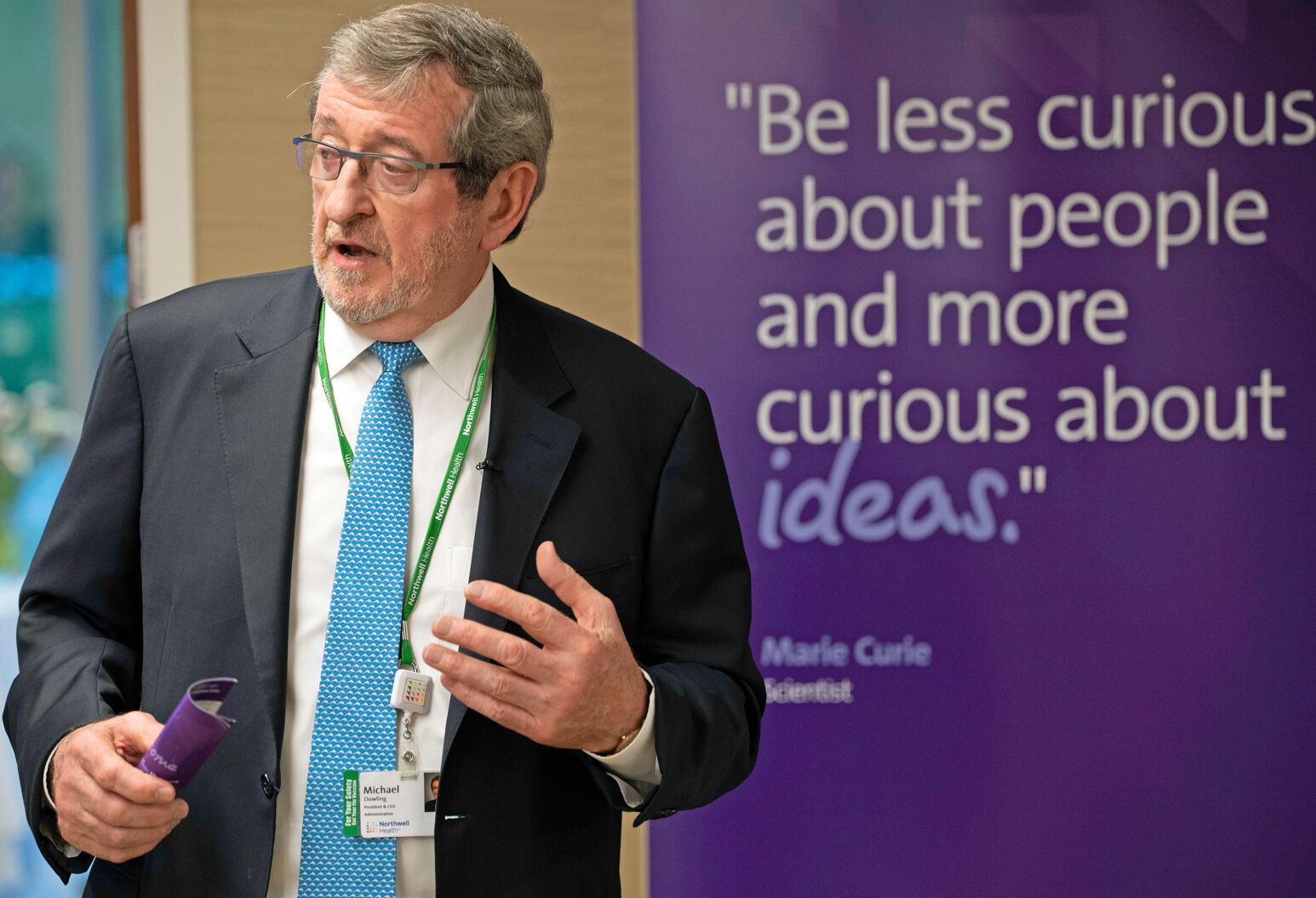
Hardly one month into 2021, the pressing priorities facing healthcare leaders are abundantly clear.
First, we will be living in a world preoccupied by COVID-19 and vaccination for many months to come. Remember: this is a marathon, not a sprint. And the stark reality is that the vaccination rollout will continue well into the summer, if not longer, while at the same time we continue to care for hundreds of thousands of Americans sickened by the virus. Despite the challenges we face now and in the coming months in treating the disease and vaccinating a U.S. population of 330 million, none of us should doubt that we will prevail. Despite the federal government’s missteps over the past year in managing and responding to this unprecedented public health crisis, historians will recognize the critical role of the nation’s healthcare community in enabling us to conquer this once-in-a-generation pandemic.
While there has been an overwhelming public demand for the vaccine during the past couple of weeks, there remains some skepticism within the communities we serve, including some of the most-vulnerable populations, so healthcare leaders will find themselves spending time and energy communicating the safety and efficacy of vaccines to those who may be hesitant. This is a good thing. It is our responsibility to share facts, further public education and influence public policy.COVID-19 has enhanced public trust in healthcare professionals, and we can maintain that trust if we keep our focus on the right things — namely, how we improve the health of our communities.
And as healthcare leaders diligently balance this work, we also have a great opportunity to reimagine what our hospitals and health systems can be as we emerge from the most trying year of our professional lifetimes. How do you want your hospital or system organized? What kind of structural changes are needed to achieve the desired results? What do you really want to focus on? Amid the pressing priorities and urgent decision-making needed to survive, it is easy to overlook the great reimagination period in front of us. The key is to forget what we were like before COVID-19 and reflect upon what we want to be after.
These changes won’t occur overnight. We’ll need patience, but here are my thoughts on five key questions we need to answer to get the right results.
1. How do you enhance productivity and become more efficient? Throughout 2021, most systems will be in recovery mode from COVID’s financial bruises. Hospitals saw double-digit declines in inpatient and outpatient volumes in 2020, and total losses for hospitals and health systems nationwide were estimated to total at least $323 billion. While federal relief offset some of our losses, most of us still took a major financial hit. As we move forward, we must reorganize to operate as efficiently as possible. Does reorganization sound daunting? If so, remember the amount of reorganization we mustered to work effectively in the early days of the pandemic. When faced with no alternative, healthcare moved heaven and earth to fulfill its mission. Crises bring with them great clarity. It’s up to leaders to keep that clarity as this tragic, exhausting and frustrating crisis gradually fades.
2. How do you accelerate digital care? COVID-19 changed our relationship with technology, personally and professionally. Look at what we accomplished and how connected we remain. We were reminded of how high-quality healthcare can go unhindered by distance, commutes and travel constraints with the right technology and telehealth programs in place. Health system leaders must decide how much of their business can be accommodated through virtual care so their organizations can best offer convenience while increasing access. Oftentimes, these conversations don’t get far before confronting doubts about reimbursement. Remember, policy change must happen before reimbursement catches up. If you wait for reimbursement before implementing progressive telehealth initiatives, you’ll fall behind.
3. How will your organization confront healthcare inequities? In 2020, I pledged that Northwell would redouble its efforts and remain a leader in diversity and inclusion. I am taking this commitment further this year and, with the strength of our diverse workforce, will address healthcare inequities in our surrounding communities head-on. This requires new partnerships, operational changes and renewed commitments from our workforce. We need to look upstream and strengthen our reach into communities that have disparate access to healthcare, education and resources. We must push harder to transcend language barriers, and we need our physicians and medical professionals of color reinforcing key healthcare messages to the diverse communities we serve. COVID-19’s devastating effect on communities of color laid bare long-standing healthcare inequalities. They are no longer an ugly backdrop of American healthcare, but the central plot point that we can change. If more equitable healthcare is not a top priority, you may want to reconsider your mission. We need leaders whose vision, commitment and courage match this moment and the unmistakable challenge in front of us.
4. How will you accommodate the growing portion of your workforce that will be remote?Ten to 15 percent of Northwell’s workforce will continue to work remotely this year. In the past, some managers may have correlated remote work and teams with a decline in productivity. The past year defied that assumption. Leaders now face decisions about what groups can function remotely, what groups must return on-site, and how those who continue to work from afar are overseen and managed. These decisions will affect your organizations’ culture, communications, real estate strategy and more.
5. How do you vigorously hold onto your cultural values amid all of this change? This will remain a test through 2021 and beyond. Culture is the personality of your organization. Like many health systems and hospitals, much of Northwell’s culture of connectedness, awareness, respect and empathy was built through face-to-face interaction and relationships where we continually reinforced the organization’s mission, vision and values. With so many employees now working remotely, how can we continue to bring out the best in all of our people? We will work to answer that question every day. The work you put in to restore, strengthen and revitalize your culture this year will go a long way toward cementing how your employees, patients and community come to see your organization for years to come. Don’t underestimate the power of these seemingly simple decisions.
While we’ve been through hell and back over the past year, I’m convinced that the healthcare community can continue to strengthen the public trust and admiration we’ve built during this pandemic. However, as we slowly round the corner on COVID-19, our future success will hinge on what we as healthcare organizations do now to confront the questions above and others head-on. It won’t be quick or easy and progress will be a jagged line. Let’s resist the temptation to return to what healthcare was and instead work toward building what healthcare can be. After the crisis of a lifetime, here’s our opportunity of a lifetime. We can all be part of it.
A key part of President Biden’s new coronavirus strategy is a push to administer 100 million doses in 100 days, or a lofty sounding 1 million immunizations a day.
That goal, part of a comprehensive national plan launched this week, has raised questions about how quickly the United States can, and should aim to, deliver vaccines to its population.
The strategy document calls the 1 million shots per day pace “aggressive,” an effort that will “take every American doing their part.” But critics have pointed out that it does not constitute a major leap from the current rate, which has already neared or even surpassed the target. Many wonder why the country cannot move more swiftly.
It remains possible that the United States could pick up its pace as vaccine supply increases and logistics improve. But in international context 1 million doses a day does not seem slow.
Though differences in population, logistical capacity and data transparency, along with different levels of vaccine vetting and effectiveness between vaccine types, make it hard to compare vaccination campaigns across countries, the United States is near the top of the pack, behind some of the fastest countries to vaccinate, including Israel and Britain, but ahead of most of the rest of the world.
The biggest factor shaping the rate of vaccination is global supply.
Though the development and emergency approval of coronavirus vaccines has unfolded at an unprecedented pace, drug companies are scrambling to make enough doses to meet demand. As some countries receive a high number of doses from among the limited total produced, others must wait their turn.
So far, a small number of relatively rich countries, including the United States, have snapped up the initial supply, relegating low- and middle-income countries to the back of the line — possibly for years. Some projections suggest poor countries will not have enough doses until 2023 or 2024.
Rich countries are set to fare better. The European Commission aims to vaccinate 70 percent of the adult population of the European Union by the summer, though details of that plan are not yet clear.
Anthony S. Fauci, adviser to President Biden and director of the National Institute of Allergy and Infectious Diseases, said this week that the United States could potentially reach “herd immunity” by fall 2021.
Will other large countries move faster than the United States?
Possibly, but it is hard to say.
Questions about manufacturing capacity, the potential approval of additional vaccines and the impact of the new U.K. variant make predictions tough. However, India offers an interesting point of comparison.
On Jan. 16, India launched a plan to vaccinate 300 million people by August.
The roughly 200 day push to deliver 600 million doses is more ambitious than the U.S. plan. However, India’s population is more than three times larger than that of the United States.
China promised to vaccinate some 50 million people against the coronavirus before the Lunar New Year holiday next month — a seemingly rapid pace. But a report in a news outlet controlled by the ruling Communist Party said the country had administered 15 million doses by Jan. 20.
There are also questions about whether Chinese-made vaccines are as effective as the Moderna, Pfizer and AstraZeneca formulations used elsewhere.
Days after Brazilian officials announced that a vaccine made by Chinese company Sinovac was 78 percent effective protecting against moderate and severe covid-19 cases, for instance, they were forced to clarify that the shot’s efficacy rate among all cases was only 50.4 percent.
Ultimately, the biggest difference between the U.S. vaccination push and the Chinese effort is need.
Though there are doubts about China’s figures, the country reports just above 4,600 coronavirus deaths to date — comparable to the 4,409 U.S. deaths on Inauguration Day alone.







 HENRY KOTULA