Oh, how the tide has turned. Three months ago, COVID was ravaging my homeland, India. The Delta variant was burning through the country like an uncontrolled wildfire. People carted dying relatives town to town, desperately seeking hospital beds or a whiff of oxygen. A cousin in India said, “COVID is not taking lives, just the beds. Lack of oxygen is taking lives.”
I watched India’s suffering unfold and felt guilty for living in one of the world’s most resourceful and scientifically advanced countries. My homeland was floundering, but at least my other homeland — the U.S. — was finally on track.
104 million Americans had been vaccinated. The Pfizer vaccine alleviated the worst outcomes of the B.1.1.7 and B.1351 variants. Adolescents aged 12-15 were gearing up for vaccine eligibility within days, and the CDC was reporting the U.S. could see a sharp decline in COVID cases by July if nationwide vaccinations continued. Health care workers had proper PPE, millions of people were getting vaccinated each week, and infection rates were declining steadily. We could finally see Spring’s light at the end of the year’s tortuous dark tunnel. Our country was in the home stretch.
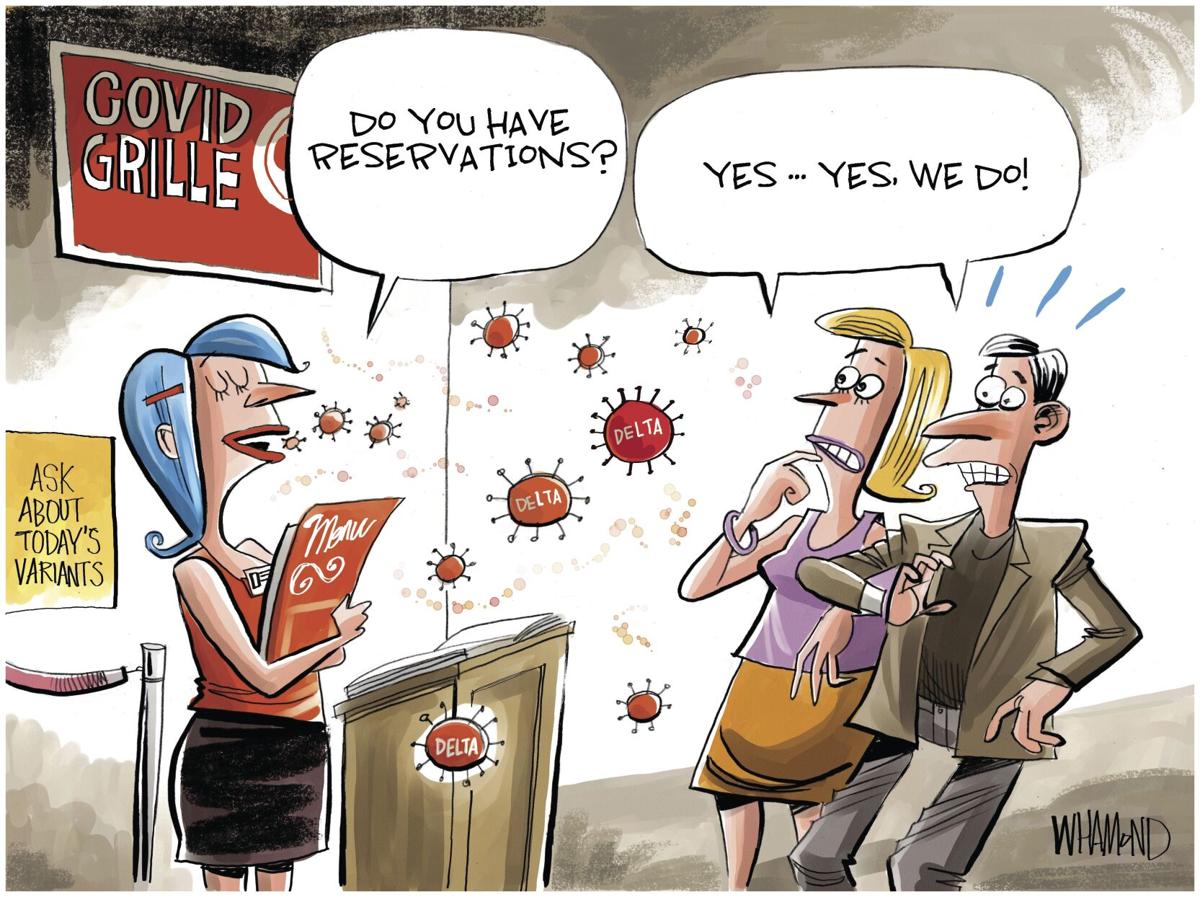
Now the Delta variant is here and I have to wonder, Who were we kidding? We don’t live in a world where vertical borders prevent airborne particles from crossing time zones. Planes and boats carry viruses from one country to the next like microscopic stowaways. The virus doesn’t abandon ship. It mutates, and adapts, and colonizes.
We had a real chance to strangle this monster, to show the rest of the world how it was done, to help them all in the process. We let that chance slip away. Not everyone and not everywhere, but enough people got complacent. Some waited for herd immunity to carry the load—a number that crept from 60 to 70 to 85 percent, depending on what you read and when you read it—and others just figured it would pass. Now the Delta variant, the same one that tore through India and Great Britain, has twisted out of our flimsy grip and is roaring with laughter.
How did this happen?
Misinformation. Political discord. Vaccine hesitancy. The bottom line is our vaccination rate faltered. The CDC reported that on August 1, 2021, approximately 400,000 Americans received their first COVID dose. While that seems high, it’s less than a quarter of the peak in mid-April. We haven’t maxed out eligible people (only 58.1 percent of eligible people were fully vaccinated as of a week ago). We’re maxing out the number of people who know COVID’s real repercussions are far worse than the vaccine’s feared ones.
The U.S now has the third-highest rate of vaccine skepticism among 15 of the world’s largest economies. Our vaccine surplus is so large the FDA extended Johnson & Johnson’s vaccine expiration dates to avoid throwing out perfectly good doses. Less than a week ago, President Biden announced the U.S. has donated and shipped more than 110 million doses to 60 countries. While I applaud the humanitarian effort, I question the fate of those doses if the 41.9 percent unvaccinated eligible people in our country had wanted them.
It makes me wonder: Why does science take a backseat to unsubstantiated pseudoscientific claims?
Spreaders of vaccine disinformation fill their social media accounts with statements questioning COVID’s existence and purporting unproven treatments (never mind the fact that we wouldn’t need treatments if COVID didn’t exist) with little to no peer-reviewed scientific research to support their anti-vaccine claims. According to Imran Ahmed, CEO of the Center for Countering Digital Hate, twelve people — the “disinformation dozen” — produce 65 percent of the shares of anti-vaccine misinformation on social media platforms.”
Is it easier for some to believe that a science-backed treatment is inherently more dangerous than an unknown herb plucked from a field? Perhaps. But what do they say to the approximately 216 kids hospitalized daily in the U.S. over the past week, particularly in areas where vaccine coverage is low? Bad luck? You weren’t strong enough? What would have made them stronger?
Yes, there are measures underway to increase vaccinations—full FDA approval, social media crackdowns on misinformation, and government, company, military, and college mandates. But let’s be honest, many Americans are fighting these measures, as they will fight future mandates, and the next vaccine.
Only two things can change how non-vaxxers perceive COVID vaccines: education and trust. We need to sincerely hear their reasons, and then gently clarify misinformation—vaccines don’t introduce disease into our bodies. They stimulate our immune systems to obtain immunity without getting the disease. Vaccines don’t alter our DNA. Their safety has been tested. Medicines have potential side effects, but illnesses have definite ones. COVID kills indiscriminately; vaccines don’t.
Trust is harder. How can we help people trust these vaccines? I suppose on a deeper level, it’s more about trusting the people that make the vaccines. Big pharma, for-profit companies—sure, they are the money makers. But behind the scenes, the vaccines are created by men and women who’ve accepted the charge to make this world—not just individuals—safer and healthier. They’ve spent years studying, researching, and testing potential vaccines with dedication and patience, including the mRNA technology in COVID vaccines. Just because the COVID vaccine’s rollout was fast-tracked to combat the pandemic doesn’t mean the scientists cut corners in designing and testing it.
Unfortunately, we don’t have the luxury of slowly educating and gradually building trust. COVID is terrorizing our planet now. The world is shaking its heads at the U.S., wondering what happened. We were supposed to be the leader. This morning, an aunt in a small town in India sent me a WhatsApp message: “I have taken the vaccine … the positivity rate has gone down … I am worried for America … how r u?” I don’t know. America, how are we? It’s not too late to destroy this monster, but if the unvaccinated remain unmoved, it will be soon.
FDA on Monday issued its full approval for the Pfizer-BioNTech vaccine, making it the first Covid-19 vaccine to receive approval from the agency.
Up until now, the vaccine—which FDA said will be marketed under the brand name Comirnaty—was authorized for use under an emergency use authorization (EUA). Now, however, the vaccine is fully approved for the prevention of Covid-19 in individuals ages 16 and older.
FDA said the vaccine will remain available under an EUA for individuals ages 12 to 15. A third dose of the vaccine is also still available under the EUA for certain immunocompromised individuals.
Peter Marks, director of FDA’s Center for Biologics Evaluation and Research, said FDA “evaluated scientific data and information included in hundreds of thousands of pages, conducted our own analyses of Comirnaty’s safety and effectiveness, and performed a detailed assessment of the manufacturing process, including inspections of the manufacturing facilities.”
“The public and medical community can be confident that although we approved this vaccine expeditiously, it was fully in keeping with our existing high standards for vaccines in the U.S.,” Marks added.
What does FDA’s approval mean for you?
This new FDA approval, new guidance from the federal government, and new regulations from schools and private business have the potential to shift the posture of the currently unvaccinated. Today, just over 70% of American adults have had at least one dose Covid-19 vaccines. The question now is, how far can we get? The answer is up to you.
It may feel like decisions about the treatment and prevention of Covid-19 are out of your control. And while federal agencies and private businesses are making decisions quickly, every one of you has a vital role to play in this next phase of the pandemic. But there are three constituencies I want to speak to directly.
Employers
Many employers have been hesitant to come down hard on vaccine mandates or implementing clear consequences for the unvaccinated (such as submitting to weekly tests). Much of that fear had to do with the fact that vaccines were only approved for emergency use. Today’s announcement of the full approval of the Pfizer-BioNTech vaccine should offer many employers enough comfort to move forward with vaccine mandates. In fact, on the heels of announcing full approval, New York City announced that it would require all education staff to be vaccinated. I expect to see more employers inside and outside of health care following suit. If you are still questioning whether a vaccine mandate is appropriate, we recommend asking yourselves these five questions:
Are you complying with federal and state guidance?
Is a Covid-19 vaccine mandate the best way to achieve your goals?
How will you manage individuals who have legitimate exemptions if you impose a Covid-19 vaccine mandate?
How will you collect ‘proof of vaccination’?
How will you address workforce retention concerns?
Provider executives
Since the start of the Covid-19 crisis, we’ve recommended that providers adopt a single source of truth mentality to combat misinformation associated with the virus, it’s treatment, and concerns over vaccination. Today, vaccine skepticism is largely why adults continue to pass on their shot, and while the FDA’s full approval of the Pfizer-BioNTech vaccine isn’t going to appease all of their fears, full approval really does matter to some vaccine hesitant patients, at least according to polling from the Kaiser Family Foundation.
Your job is to identify those patients, offer custom outreach that shares the good news of full approval, and direct patients to the right next steps. The more customized the communication can be, the better. But there are some common principles everyone can take when developing strong Covid-19 vaccine communication strategies. In fact, we’ve built a readiness assessment for this purpose. And while this readiness assessment was built for initial rollout, the questions within should continue to guide your organization in addressing key factors such as patient navigation, equity in vaccine access, public health messaging, and vaccine hesitancy and mistrust.
The best communication strategy generates action—action for the patient (e.g., making an appointment for their first dose) but also action steps for frontline providers. Leaders must make sure that their staff is equipped to recognize vaccine hesitancy vs. skepticism, which is rooted in misinformation. Leaders must train staff to listen to personal narratives and not merely default to scientific facts, and leaders must make sure clinicians feel equipped to ease potential patient concerns.
Frontline clinicians
Doctors must also be equipped to handle individual conversations with patients and discuss what this full approval means. Since patients typically turn to their doctors as a top, trusted source of insight, frontline clinicians are more important than ever in driving vaccine confidence. Yet in a recent poll from SymphonyRM, 41% of patients lost trust in their doctors amid the pandemic—and among those individuals, just over half noted it was because their provider rarely or never communicated with them about Covid-19. To regain trust and communicate the importance of the full approval, frontline clinicians should be prepared to proactively communicate and answer the following questions:
How does full approval differ from an emergency use authorization? Under what conditions is a full approval granted?
Why did the FDA decide to grant this approval? What data or evidence led to their increased confidence in the vaccine?
How should patients view this approval? What concerns, fears, or questions about the vaccine should this approval counter?
How might this full approval lead to increased mandates or pushes for vaccination, and what does that mean for patients?
Doctors should also continue to be prepared to answer any skepticism or misinformation about the full approval, which may come up during these discussions. In a July poll from KFF, 34% of unvaccinated adults were not at all confident about the safety of Covid vaccines, and 31% were not too confident. Today’s full approval should be used as an opportunity to help increase patient confidence in the safety of the vaccine.
The best defense we have against this virus is vaccination, and full approval of the Pfizer-BioNTech vaccine gives employers, providers, and frontline clinicians the shot in the arm they need to keep motivating Americans to get vaccinated (pun intended). It’s up to you to capitalize on the momentum of the FDA announcement, whether through your own vaccine regulations or through direct communication to the “watchful waiters” who have been waiting for this moment to get vaccinated.
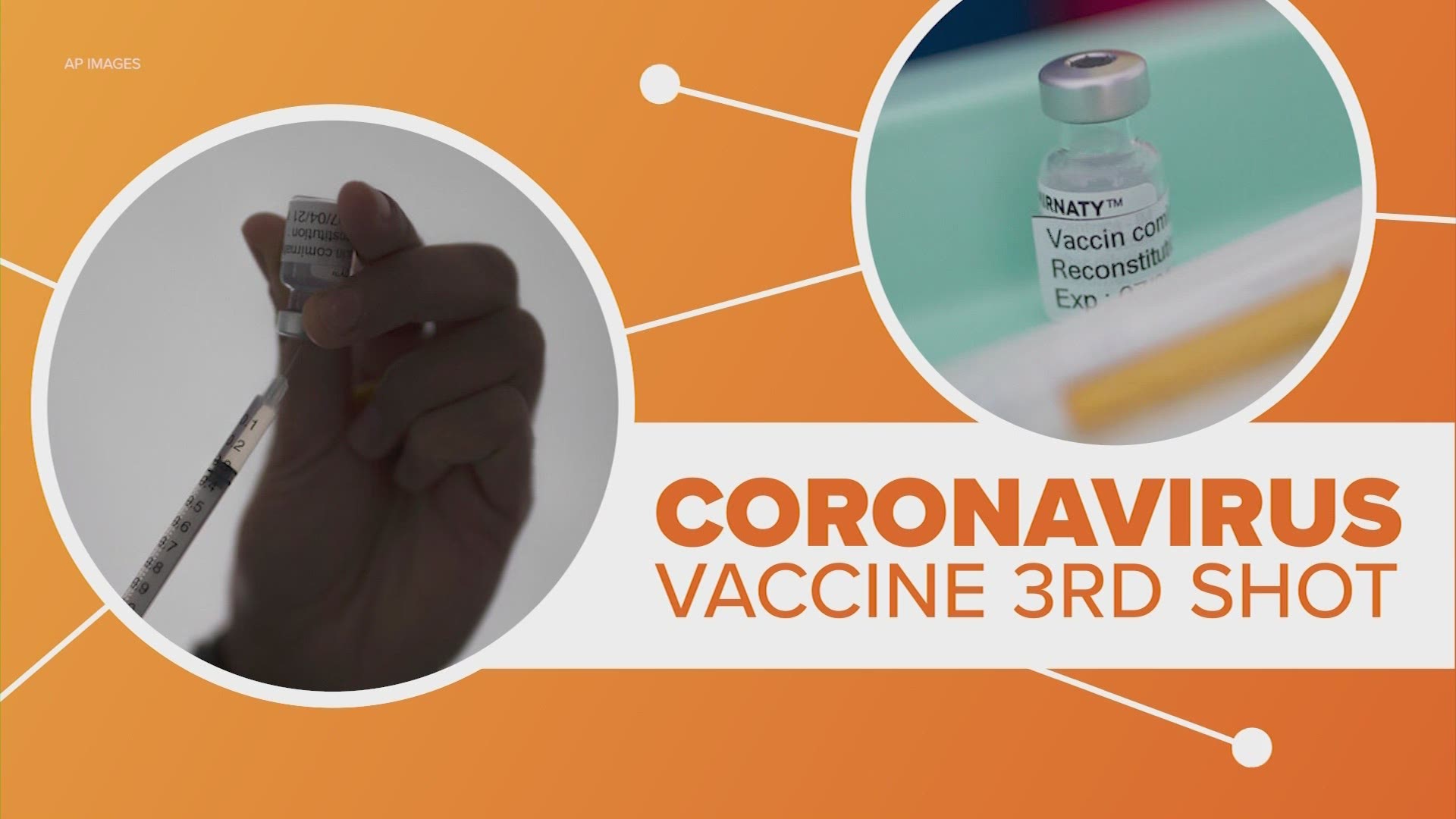
As Israel faces a surge in Covid-19 cases due to the delta variant, data from the Israeli Health Ministry shows that a third dose of Pfizer-BioNTech’s Covid-19 vaccine significantly improved protection against hospitalization or serious disease.
Background
The rollout of Covid-19 vaccines in Israel was one of the fastest and most comprehensive in the world. By March 25, more than half of Israel’s population was fully vaccinated, and by June, the country had lifted all coronavirus-related restrictions.
However, in the summer, Israel saw a surge in Covid-19 cases, which experts believe was fueled by two factors: waning protection from the vaccine and the spread of the highly contagious delta variant.
“The most influential event was so many people who went abroad in the summer—vacations—and brought the delta variant very, very quickly to Israel,” Siegal Sadetzki, a former public health director in Israel, said.
Even so, the rate of severe Covid-19 cases among the vaccinated remains low. As of Thursday, according to data from the Health Ministry, the rate of severe Covid-19 cases was nine times higher among unvaccinated people over the age of 60 than among vaccinated people in the same age range.
Similarly, the rate of severe Covid-19 cases among unvaccinated people under 60 was about twice the rate of severe cases among vaccinated people under 60.
But because so many people in the country have been vaccinated, even a low rate of severe breakthrough infections has led to a significant surge in hospitalizations. NPR reports that half of the seriously ill patients in Israel hospitalized with Covid-19 had been fully vaccinated at least five months ago, and the majority of them are over the age of 60 with comorbidities.
Data shows booster shots provide significantly increased protection
On July 30, Israel began administering booster shots of the Pfizer-BioNTech vaccine to those over the age of 60. On Thursday, the country dropped that age eligibility to 40.
Data from the Health Ministry indicate that a third dose of the Pfizer-BioNTech vaccine provided four times the protection against infection as two doses in people aged 60 and over, Reuters reports. (According to Reuters and NPR, the findings are similar to data released by Israel’s HMO Maccabi Healthcare Services last week, which found that among 149,144 people, a third Pfizer shot among recipients above age 60 reduced the odds of infections by 86% and cut the risk of severe infection by 92%.)
Similarly, a third dose offered about five to six times the protection of two doses against serious illness and hospitalization in people aged 60 and over, according to the Health Ministry data.
According to Reuters, the data underlying these figures was presented at a health ministry panel meeting on Thursday and later published on the ministry’s website. Full details of the study, however, still have not been released.
The debate over booster shots continues
The news comes as experts in the United States continue their debate over the necessity of booster shots. On Wednesday, the Biden administration announced that Americans who had received an mRNA vaccine would be able to get a booster shot beginning in September, pending approval by FDA and a recommendation by CDC.
However, health experts are divided on whether booster shots are necessary, a debate that prompted CDC’s Advisory Committee for Immunization Practices (ACIP) to push back its meeting to discuss booster shots by one week, Bloomberg reports.
“The data [is] coming in rapidly, and we want to make sure we follow our process for review and to ensure we can have a robust deliberation at the next open meeting,” Grace Lee, chair of ACIP, said.
Joshua Barocas, associate professor of medicine at the University of Colorado, said he believes the “federal government is simply trying to stay ahead of the curve.” However, Barocas said, “I have not seen robust data yet to suggest that it is better to boost Americans who have gotten two vaccines than invest resources and time in getting unvaccinated people across the world vaccinated.”
The World Health Organization has also called for wealthier countries to not offer booster shots to their population and instead help poorer countries get vaccinated.
Surgeon General Vivek Murthy said the United States’ efforts to provide boosters to its population won’t interfere with efforts to provide other countries with shots.
“We have to protect American lives and we have to help vaccinate the world, because that is the only way this pandemic ends,” Murthy said.
He did acknowledge that providing booster shots to Americans could “take away” from the supply of vaccines for the rest of the world, but added that the United States has been working to improve the global vaccine supply and production recently to make sure that doesn’t happen.
“We don’t have a choice,” Murthy said. “We have to do both.”
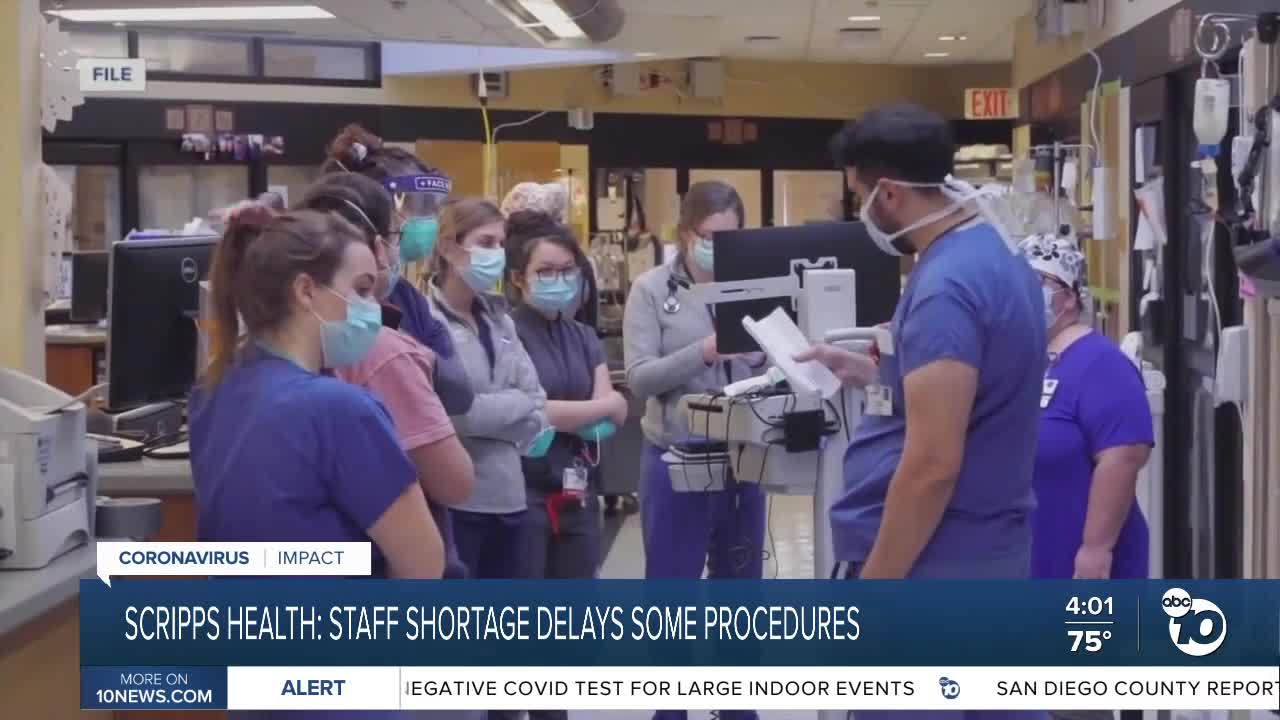
Scripps Health is temporarily postponing some medical procedures because of significant staffing shortages and a jump in COVID-19 cases, the San Diego, Calif.-based system said Aug. 20, according to CBS News 8.
Medical staff is deciding which procedures to delay based on clinical factors and emergency status, with time-sensitive care still being delivered, Scripps leaders said.
The health system said it is also considering temporarily consolidating some ambulatory care sites due to workforce shortages.
At present, Scripps said it is looking to fill 1,309 open positions. In August 2019, the system had just 832 openings. About 430 of the openings are for nursing positions, up from 220 open positions in 2019, according to the report.
At the same time, the health system is seeing its COVID-19 patient volume grow. Scripps has 173 patients admitted at its five hospitals, up from 13 patients on June 13.
“The COVID pandemic has taken a serious toll on healthcare workers across the nation, and many have decided to leave the field entirely for reasons such as fatigue and burnout,” said Scripps’ President and CEO Chris Van Gorder, according to CBS News 8. “We’re doing all we can to fill open positions and shifts, but options are currently limited across the board in healthcare, so we’re doing what’s necessary to ensure we have staff available for our most urgent cases.”
As some states set Covid-19 hospitalization records, many overwhelmed hospitals are outsourcing patients on planes, helicopters, and ambulances to distant cities and states for treatment, Heather Hollingsworth and Jim Salter write for the Associated Press.
Transfers hundreds of miles away
As of last week, the number of Covid-19 patients in most hospitals remained below winter surge levels, Hollingsworth and Salter report. However, Florida, Arkansas, Oregon, Hawaii, Louisiana, and Mississippi recently set pandemic hospitalization records.
And unlike in the winter surge, many hospitals were already strained this summer due to patients catching up on previously deferred care, according to Hollingsworth and Salter.
“We are seeing Covid patients and we are seeing car accidents and we are seeing kids come in with normal seasonal viral infections. And we are seeing normal life come into the emergency department along with the extra surge of Covid patients, so it is causing that crisis,” said Mark Rosenberg, president of the American College of Emergency Physicians.
Amid the influx of patients, many of these overwhelmed hospitals are looking to neighboring cities and states for relief. For instance, in Arizona, a Covid-19 hotline is receiving calls from hospitals in Wyoming, Arkansas, Texas, and California in search of bed space, Hollingsworth and Salter report—although the hotline often cannot provide any help.
In Kansas, officials at the Wilson Medical Center in Kansas had to call 40 other facilities in several states seeking a bed for a Covid-19 patient before finally finding an available bed about 220 miles away. Across the state, according to Motient, a company contracting with Kansas to manage transfers, Covid-19 patients generally have to wait an average of 10 hours before being flown to another hospital location, which could be in Wisconsin, Illinois, Colorado, or Texas. “That is just the worst day that you can have in the emergency room as a provider,” Richard Watson, Motient’s founder, said, “to be taking care of a patient that you are totally helpless to give them what you know they need.”
Similarly, in Washington state, the 25-bed Prosser Memorial Hospital, doesn’t have an intensive care unit, so critically ill patients are being sent as far as eastern Idaho—600 miles away.
Staffing shortages, low vaccination rates add to the problem
Finding a hospital to take in patients has become more difficult due to recent staffing shortages, according to Robin Allaman, CNO at the Kearny County Hospital in Kansas.
“Most [hospitals] are saying it isn’t that they don’t have an open bed, it is that they don’t have nursing staff to care for them,” he said. Officials at his hospital called health systems in Nebraska, Oklahoma, and New Mexico before one in Colorado Springs, Colo.—200 miles away—agreed to take a recent patient.
Watson said these delayed transfers can have dire consequences for patients, especially those who need to see specialists, who often are available only in larger hospitals. “Imagine being with your grandma in the ER who is having a heart attack in western Kansas and you are saying, ‘Why can’t we find a bed for her?’ We are watching this happen right in front of us. ‘This is America. Why don’t we have hospital bed for her?’ Well, here we are,” he said.
And while experts had hoped that the vaccines would prevent hospitals from becoming overwhelmed again, Justin Lessler, a professor of epidemiology at Johns Hopkins University, said there hasn’t been the reduction in hospitalizations that officials had hoped for. That’s in part because the delta variant seems to be more severe, particularly in younger people, whose vaccination rates are lower.
Steve Edwards—CEO of CoxHealth, whose hospital in Springfield, Mo., is treating patients from as far away as Alabama—added, “Just imagine not having the support of your family near, to have that kind of anxiety if you have someone grow acutely ill.”
After a calmer start to the summer, the Delta variant is eroding consumer confidence as COVID-19 surges across many parts of the US once again. Using the latest data from Morning Consult’s Consumer Confidence Index, the graphic above shows the fluctuations in consumer confidence levels across the last year.
The most recent COVID surge has caused a five-point drop in confidence in the past month and, with cases still rising, we expect this trend to continue into the fall. Notably, with renewed masking guidance and increasing reports of breakthrough infections, confidence has dropped more among fully vaccinated individuals than among the unvaccinated.
Consumers’ comfort levels aren’t only dropping when it comes to daily activities, like grocery shopping or dining at a restaurant, but also with respect to healthcare. A recent survey from Jarrard Phillips Cate & Hancock finds that while consumers feel safer visiting healthcare settings in August 2021 than they did back in January, more than a third of consumers report the current COVID situation is making them less likely to seek non-emergency care, and 44 percent say they are more likely to pursue virtual care alternatives.
Health systems must be able to seamlessly “dial up” or “dial down” their virtual care capabilities in order to meet fluctuating consumer demand and avoid another wave of missed or deferred care.
About 8,000 Marshfield (Wis.) Clinic Health System employees have requested black ID badge reels to indicate they are fully vaccinated, the health system told Becker’s Aug. 11.
The nine-hospital health system, which has more than 12,000 employees, started offering the black reels in July. Many Marshfield employees are already required to wear white reels. However, the new black reels are voluntary. Employees who have them may meet in person, but must be masked, if all meeting attendees are vaccinated, the health system said.
“We all look forward to having the opportunity to interact with co-workers outside of the virtual world,” said health system spokesperson Jeff Starck. “The badge reels are a way for more personal interaction and create a sense of normalcy for many employees during what has been a challenging, mostly virtual work environment. The reaction has been overwhelmingly positive.”
Mr. Starck said that some employees may not have not asked for the new reels because they use clips or other devices to display their name badges. Employees who work off-site and don’t attend in-person meetings may not have requested them since they haven’t needed them, and some employees who are vaccinated simply may not want to identify themselves, he speculated.
Marshfield Clinic announced Aug. 4 that it would require employees to become fully vaccinated for COVID-19 by Nov. 15.
As of Aug. 11, about 72 percent of employees are vaccinated, although the health system said that number will rise as it receives proof of vaccination from employees who were inoculated outside the health system.



/cdn.vox-cdn.com/uploads/chorus_image/image/69762685/GettyImages_1331502512.0.jpg)


:no_upscale()/cdn.vox-cdn.com/uploads/chorus_image/image/69062792/icm_fullxfull.336535675_95ew78665csgwwwo8wo4.0.jpg)
 HENRY KOTULA