Nearly one-third of children tested for COVID in Florida are positive.

https://www.sun-sentinel.com/coronavirus/fl-ne-pbc-health-director-covid-children-20200714-xcdall2tsrd4riim2nwokvmsxm-story.html

Nearly One-Third Of Children Tested For COVID In Florida Are ...

Palm Beach County’s health director warns of risk of long-term damage.

Nearly one-in-three children tested for the new coronavirus in Florida has been positive, and a South Florida health official is concerned the disease could cause lifelong damage even for children with mild illness.

Dr. Alina Alonso, Palm Beach County’s health department director, warned county commissioners Tuesday that much is unknown about the long-term health consequences for children who catch COVID-19.

X-rays have revealed the virus can cause lung damage even in people without severe symptoms, she said.

“They are seeing there is damage to the lungs in these asymptomatic children. … We don’t know how that is going to manifest a year from now or two years from now,” Alonso said. “Is that child going to have chronic pulmonary problems or not?”

Her comments stand in contrast to Gov. Ron DeSantis’ messaging that children are at low risk, and classrooms need to be reopened in the fall. DeSantis has said he would be comfortable sending his children to school if they were old enough to attend.

Some studies suggest that children are less likely to catch COVID-19 than adults. Children are also far less likely to die of the disease. About 17,000 of Florida’s roughly 287,800 cases have been people younger than 18. Of the 4,514 COVID-19 deaths reported by Florida as of Tuesday, four have been younger than 18.

Still, it’s possible COVID-19 could have long-term consequences that will take time to understand, Alonso said.

“This is not the virus you bring everybody together to make sure you catch it and get it over with,” she said. “This is something serious, and we are learning new information about this virus every day.”

State statistics also show the percentage of children testing positive is much higher than the population as a whole. Statewide, about 31% of 54,022 children tested have been positive. The state’s positivity rate for the entire population is about 11%.

Researchers have linked a serious and potentially deadly inflammatory condition with COVID-19 in children. The condition, called pediatric multisystem inflammatory syndrome, doesn’t appear to be widespread. The Florida Department of Health lists 13 confirmed cases of the syndrome.

Dr. Jorge Perez, co-founder of Kidz Medical Services, said it’s too early to say how common and severe long-term damage could be from COVID-19, but early evidence suggests some children infected with the virus could have lasting damage.

“We are learning something every day,” said Perez, who operates pediatric offices throughout South Florida. “We have to be knowledgeable about this and continue to monitor to see what effects it has in children.”

DeSantis told talk radio host Rush Limbaugh last week that the risk to children is “very low.”

“I’ve got a 3-year-old daughter, 2-year-old son, and a newborn daughter,” DeSantis said in the radio interview. “And I can tell you if they were school age, I would have zero concern sending them.”


Doctors have gotten better at treating coronavirus patients

https://www.axios.com/coronavirus-treatment-better-drugs-hospitals-6f92cf31-4fa1-4181-ba21-a5a8c778ec9e.html

Doctors and hospitals have gotten better at treating coronavirus ...

Doctors and hospitals have learned a lot about how best to treat people infected with the coronavirus in the months since the pandemic began.

Why it matters: Better treatment means fewer deaths and less pain for people who are infected, and research into pharmaceutical treatments is advancing at the same time as hospital care.

The big picture: Some of the simplest changes have been the most effective. For example, doctors have learned that flipping patients onto their stomachs instead of their backs can help increase airflow to the lungs.

  • Providers also now prefer high-flow oxygen over ventilators, despite the early focus on ventilator supply.
  • “If you can avoid ventilation, it is preferred if someone is able to breathe on their own and you just help them out by giving them more oxygenated air to breathe,” said Janis Orlowski, chief health care officer of the Association of American Medical Colleges.

Researchers have also discovered new utility in old drugs.

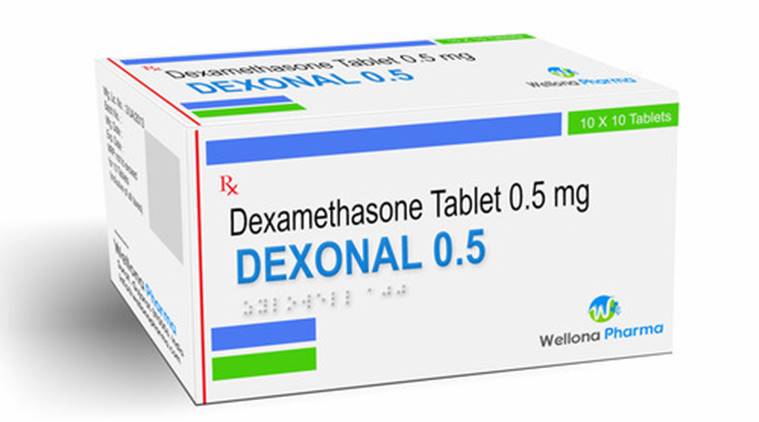
  • Dexamethasone, a cheap steroid used to treat inflammation, has been found to reduce deaths by one-third among patients on ventilators and one-fifth among those on oxygen.
  • Preliminary data has shown that remdesivir, an antiviral, probably doesn’t save seriously ill patients’ lives, but can help others get out of the hospital a few days earlier. “Anyone who has evidence of lung injury or needing oxygen, we give it,” said Armond Esmaili, a hospitalist at the University of California San Francisco Medical Center.
  • Doctors have also learned to put all COVID patients on drugs to prevent blood clots, Esmaili said.

What they’re saying: There’s still a lot doctors and scientists don’t know about the virus, but they say they’ve come along way since February and March, when they were essentially flying blind.

  • “It was very scary, just to give you the subjective feeling, of caring for patients and talking with patients and their families and a lot of the time saying, ‘We don’t know a lot about this disease. We don’t know how you’re going to do,’” Esmaili said.

Between the lines: Hospitals are also able to provide better care when they’re not overwhelmed with patients.

  • New York’s hospitals were so overwhelmed in the spring that they brought in employees to work well outside of their specialties. In some hospitals’ emergency rooms, patient-to-nurse ratios rose to more than 20 to 1the NYT reports — five times the recommended ratio.
  • “Really attentive-level care is important,” Esmaili said.“It’s not that hard to imagine that when you have the resources and you’re not overburdened with a massive amount of patients that patients are going to get better care.”

What we’re watching: These advances in treatment protocols will only go so far, especially if hospitals in states like Florida, Arizona and Texas become too full to put them into practice.

  • In states with rising case counts, “I think you’re going to see mortality rates increase there because of that phenomenon of hospitals being unable to deliver optimal care, because they don’t have the staffing,” said James Lawler, an infectious disease specialist at the University of Nebraska Medical Center.
  • “You don’t want your ICU nurse to have to take care of five or six patients at the same time,” he said.


What happens if Covid-19 symptoms don’t go away? Doctors are trying to figure it out.

https://www.vox.com/2020/7/14/21324201/covid-19-long-term-effects-symptoms-treatment

Covid-19 long-term effects: People with persistent symptoms ...

People with long-term Covid-19 complications are meanwhile struggling to get care.

In late March, when Covid-19 was first surging, Jake Suett, a doctor of anesthesiology and intensive care medicine with the National Health Service in Norfolk, England, had seen plenty of patients with the disease — and intubated a few of them.

Then one day, he started to feel unwell, tired, with a sore throat. He pushed through it, continuing to work for five days until he developed a dry cough and fever. “Eventually, I got to the point where I was gasping for air literally doing nothing, lying on my bed.”

At the hospital, his chest X-rays and oxygen levels were normal — except he was gasping for air. After he was sent home, he continued to experience trouble breathing and developed severe cardiac-type chest pain.

Because of a shortage of Covid-19 tests, Suett wasn’t immediately tested; when he was able to get a test, 24 days after he got sick, it came back negative. PCR tests, which are most commonly used, can only detect acute infections, and because of testing shortages, not everyone has been able to get a test when they need one.

It’s now been 14 weeks since Suett’s presumed infection and he still has symptoms, including trouble concentrating, known as brain fog. (One recent study in Spain found that a majority of 841 hospitalized Covid-19 patients had neurological symptoms, including headaches and seizures.) “I don’t know what my future holds anymore,” Suett says.

Some doctors have dismissed some of his ongoing symptoms. One doctor suggested his intense breathing difficulties might be related to anxiety. “I found that really surprising,” Suett says. “As a doctor, I wanted to tell people, ‘Maybe we’re missing something here.’” He’s concerned not just for himself, but that many Covid-19 survivors with long-term symptoms aren’t being acknowledged or treated.

Suett says that even if the proportion of people who don’t eventually fully recover is small, there’s still a significant population who will need long-term care — and they’re having trouble getting it. “It’s a huge, unreported problem, and it’s crazy no one is shouting this from rooftops.”

In the US, a number of specialized centers are popping up at hospitals to help treat — and study — ongoing Covid-19 symptoms. The most successful draw on existing post-ICU protocols and a wide range of experts, from pulmonologists to psychiatrists. Yet even as care improves, patients are also running into familiar challenges in finding treatment: accessing and being able to pay for it.

What’s causing these long-term symptoms?

Scientists are still learning about the many ways the virus that causes Covid-19 impacts the body — both during initial infection and as symptoms persist.

One of the researchers studying them is Michael Peluso, a clinical fellow in infectious diseases at the University of California San Francisco, who is currently enrolling Covid-19 patients in San Francisco in a two-year study to study the disease’s long-term effects. The goal is to better understand what symptoms people are developing, how long they last, and eventually, the mechanisms that cause them. This could help scientists answer questions like how antibodies and immune cells called T-cells respond to the virus, and how different individuals might have different immune responses, leading to longer or shorter recovery times.

At the beginning of the Covid-19 pandemic, “the assumption was that people would get better, and then it was over,” Peluso says. “But we know from lots of other viral infections that there is almost always a subset of people who experience longer-term consequences.” He explains these can be due to damage to the body during the initial illness, the result of lingering viral infection, or because of complex immunological responses that occur after the initial disease.

“People sick enough to be hospitalized are likely to experience prolonged recovery, but with Covid-19, we’re seeing tremendous variability,” he says. It’s not necessarily just the sickest patients who experience long-term symptoms, but often people who weren’t even initially hospitalized.

That’s why long-term studies of large numbers of Covid-19 patients are so important, Peluso says. Once researchers can find what might be causing long-term symptoms, they can start targeting treatments to help people feel better. “I hope that a few months from now, we’ll have a sense if there is a biological target for managing some of these long-term symptoms.”

Lekshmi Santhosh, a physician lead and founder of the new post-Covid OPTIMAL Clinic at UCSF, says many of her patients are reporting the same kinds of problems. “The majority of patients have either persistent shortness of breath and/or fatigue for weeks to months,” she says.

Additionally, Timothy Henrich, a virologist and viral immunologist at UCSF who is also a principal investigator in the study, says that getting better at managing the initial illness may also help. “More effective acute treatments may also help reduce severity and duration of post-infectious symptoms.”

In the meantime, doctors can already help patients by treating some of their lingering symptoms. But the first step, Peluso explains, is not dismissing them. “It is important that patients know — and that doctors send the message — that they can help manage these symptoms, even if they are incompletely understood,” he says. “It sounds like many people may not be being told that.”

Long-term symptoms, long-term consequences

Even though we have a lot to learn about the specific damage Covid-19 can cause, doctors already know quite a bit about recovery from other viruses: namely, how complex and challenging a task long-term recovery from any serious infection can be for many patients.

Generally, it’s common for patients who have been hospitalized, intubated, or ventilated — as is common with severe Covid-19 — to have a long recovery. Being bed-bound can cause muscle weakness, known as deconditioning, which can result in prolonged shortness of breath. After a severe illness, many people also experience anxiety, depression, and PTSD.

A stay in the ICU not uncommonly leads to delirium, a serious mental disorder sometimes resulting in confused thinking, hallucinations, and reduced awareness of surroundings. But Covid-19 has created a “delirium factory,” says Santhosh at UCSF. This is because the illness has meant long hospital stays, interactions only with staff in full PPE, and the absence of family or other visitors.

Theodore Iwashyna, an ICU physician-scientist at the University of Michigan and VA Ann Arbor, is involved with the CAIRO Network, a group of 40 post-intensive care clinics on four continents. In general, after patients are discharged from ICUs, he says, “about half of people have some substantial new disability, and half will never get back to work. Maybe a third of people will have some degree of cognitive impairment. And a third have emotional problems.” And it’s common for them to have difficulty getting care for their ongoing symptoms after being discharged.

In working with Covid-19 patients, says Santhosh, she tells patients, “We believe you … and we are going to work on the mind and body together.”

Yet it’s currently impossible to predict who will have long-lasting symptoms from Covid-19. “People who are older and frailer with more comorbidities are more likely to have longer physical recovery. However, I’ve seen a lot of young people be really, really sick,” Santhosh says. “They will have a long tail of recovery too.”

Who can access care?

At the new OPTIMAL Clinic at UCSF, doctors are seeing patients who were hospitalized for Covid-19 at the UCSF health system, as well as taking referrals of other patients with persistent pulmonary symptoms. For ongoing cough and chest tightness, the clinic is providing inhalers, as well as pulmonary rehabilitation, including gradual aerobic exercise with oxygen monitoring. They’re also connecting patients with mental health resources.

“Normalizing those symptoms, as well as plugging people into mental health care, is really critical,” says Santhosh, who is also the physician lead and founder of the clinic. “I want people to know this is real. It’s not ‘in their heads.’”

Neeta Thakur, a pulmonary specialist at Zuckerberg San Francisco General Hospital and Trauma Center who has been providing care for Covid-19 patients in the ICU, just opened a similar outpatient clinic for post-Covid care. Thakur has also arranged a multidisciplinary approach, including occupational and physical therapy, as well as expedited referrals to neurology colleagues for rehabilitation for the muscles and nerves that can often be compressed when patients are prone for long periods in the ICU. But she’s most concerned by the cognitive impairments she’s seeing, especially as she’s dealing with a lot of younger patients.

These California centers join new post-Covid-19 clinics in major cities across the country, including Mount Sinai in New York and National Jewish Health Hospital in Denver. As more and more hospitals begin to focus on post-Covid care, Iwashyna suggests patients try to seek treatment where they were hospitalized, if possible, because of the difficulty in transferring sufficient medical records.

Santosh recommends that patients with persistent symptoms call their closest hospital, or nearest academic medical center’s pulmonary division, and ask if they can participate in any clinical trials. Many of the new clinics are enrolling patients in studies to try to better understand the long-term consequences of the disease. Fortunately, treatment associated with research is often free, and sometimes also offers financial incentives to participants.

But otherwise, one of the biggest challenges in post-Covid-19 treatment is — like so much of American health care — being able to pay for it.

Outside of clinical trials, cost can be a barrier to treatment. It can be tricky to get insurance to cover long-term care, Iwashyna notes. After being discharged from an ICU, he says, “Recovery depends on [patients’] social support, and how broke they are afterward.” Many struggle to cover the costs of treatment. “Our patient population is all underinsured,” says Thakur, noting that her hospital works with patients to try to help cover costs.

Lasting health impacts can also affect a person’s ability to go back to work. In Iwashyna’s experience, many patients quickly run through their guaranteed 12 weeks of leave under the Family Medical and Leave Act, which isn’t required to be paid. Eve Leckie, a 39-year-old ICU nurse in New Hampshire, came down with Covid-19 on March 15. Since then, Leckie has experienced symptom relapses and still can’t even get a drink of water without help.

“I’m typing this to you from my bed, because I’m too short of breath today to get out,” they say. “This could disable me for the rest of my life, and I have no idea how much that would cost, or at what point I will lose my insurance, since it’s dependent on my employment, and I’m incapable of working.” Leckie was the sole wage earner for their five children, and was facing eviction when their partner “essentially rescued us,” allowing them to move in.

These long-term burdens are not being felt equally. At Thakur’s hospital in San Francisco, “The population [admitted] here is younger and Latinx, a disparity which reflects who gets exposed,” she says. She worries that during the pandemic, “social and structural determinants of health will just widen disparities across the board.” People of color have been disproportionately affected by the virus, in part because they are less likely to be able to work from home.

Black people are also more likely to be hospitalized if they get Covid-19, both because of higher rates of preexisting conditions — which are the result of structural inequality — and because of lack of access to health care.

“If you are more likely to be exposed because of your job, and likely to seek care later because of fear of cost, or needing to work, you’re more likely to have severe disease,” Thakur says. “As a result, you’re more likely to have long-term consequences. Depending on what that looks like, your ability to work and economic opportunities will be hindered. It’s a very striking example of how social determinants of health can really impact someone over their lifetime.”

If policies don’t support people with persistent symptoms in getting the care they need, ongoing Covid-19 challenges will deepen what’s already a clear crisis of inequality.

Iwashyna explains that a lot of extended treatment for Covid-19 patients is “going to be about interactions with health care systems that are not well-designed. The correctable problems often involve helping people navigate a horribly fragmented health care system.

“We can fix that, but we’re not going to fix that tomorrow. These patients need help now.”


The emerging long-term complications of Covid-19, explained

https://www.vox.com/2020/5/8/21251899/coronavirus-long-term-effects-symptoms

Coronavirus long-term effects: Some Covid-19 survivors face lung ...

“It is a true roller coaster of symptoms and severities, with each new day offering many unknowns.”

At first, Lauren Nichols tried to explain away her symptoms. In early March, the healthy 32-year-old felt an intense burning sensation, like acid reflux, when she breathed. Embarrassed, she didn’t initially seek medical care. When her shortness of breath kept getting worse, her doctor tested her for Covid-19.

Her results came back positive. But for Nichols, that was just the beginning. Over the next eight weeks, she developed wide and varied symptoms, including extreme and chronic fatigue, diarrhea, nausea, tremors, headaches, difficulty concentrating, and short-term memory loss.

“The guidelines that were provided by the CDC [Centers for Disease Control and Prevention] were not appropriately capturing the symptoms that I was experiencing, which in turn meant that the medical community was unable to ‘validate’ my symptoms,” she says. “This became a vicious cycle of doubt, confusion, and loneliness.”

An estimated 40 to 45 percent of people with Covid-19 may be asymptomatic, and others will have a mild illness with no lasting symptoms. But Nichols is one of many Covid-19 patients who are finding their recovery takes far longer than the two weeks the World Health Organization says people with mild cases can expect. (The WHO says those with severe or critical cases can expect three to six weeks of recovery.)

Because Covid-19 is a new disease, there are no studies about its long-term trajectory for those with more severe symptoms; even the earliest patients to recover in China were only infected a few months ago. But doctors say the novel coronavirus can attach to human cells in many parts of the body and penetrate many major organs, including the heart, kidneys, brain, and even blood vessels.

“The difficulty is sorting out long-term consequences,” says Joseph Brennan, a cardiologist at the Yale School of Medicine. While some patients may fully recover, he and other experts worry others will suffer long-term damage, including lung scarring, heart damage, and neurological and mental health effects.

The UK National Health Service assumes that of Covid-19 patients who have required hospitalization, 45 percent will need ongoing medical care, 4 percent will require inpatient rehabilitation, and 1 percent will permanently require acute care. Other preliminary evidence, as well as historical research on other coronaviruses like severe acute respiratory syndrome (SARS) and Middle East respiratory syndrome (MERS), suggests that for some people, a full recovery might still be years off. For others, there may be no returning to normal.

There’s a lot we still don’t know, but here are a few of the most notable potential long-term impacts that are already showing up in some Covid-19 patients.


Lung scarring

Melanie Montano, 32, who tested positive for Covid-19 in March, says that more than seven weeks after she first got sick, she still experiences symptoms on and off, including burning in her lungs and a dry cough.

Brennan says symptoms like that occur because “this virus creates an incredibly aggressive immune response, so spaces [in the lungs] are filled with debris and pus, making your lungs less pliable.”

On CT scans, while normal lungs appear black, Covid-19 patients’ lungs frequently have lighter gray patches, called “ground-glass opacities” — which may not heal.

One study from China found that this ground-glass appearance showed up in scans of 77 percent of Covid-19 patients. In another study out of China, published in Radiology, 66 of 70 hospitalized patients had some amount of lung damage in CT scans, and more than half had the kind of lesions that are likely to develop into scars. (A third study from China suggests this is not just for critically ill patients; its authors found that of 58 asymptomatic patients, 95 percent also had evidence of these ground-glass opacities in their lungs. More than a quarter of these individuals went on to develop symptoms within a few days.)

“These kinds of tissue changes can cause permanent damage,” says Ali Gholamrezanezhad, a radiologist at the Keck School of Medicine at the University of Southern California.

Although it’s still too early to know if patients with ongoing lung symptoms like Montano will have permanent lung damage, doctors can learn more about what to expect from looking back to people who have recovered from SARS and MERS, other coronaviruses that resulted in similar lung tissue changes.

One small longitudinal study published in Nature followed 71 SARS patients from 2003 until 2018 and found that more than a third had reduced lung capacity. MERS is a little harder to extrapolate from, since fewer than 2,500 people were infected, and somewhere between 30 and 40 percent died. But one study found that about a third of 36 MERS survivors also had long-term lung damage.

Gholamrezanezhad has recently done a literature review of SARS and MERS and says that for this subset of people, “The pulmonary function never comes back; their ability to do normal activities never goes back to baseline.”

Additionally, Covid-19 scarring rates may end up being higher than SARS and MERS patients because those illnesses often attacked only one lung. But Covid-19 appears to often affect both lungs, which Gholamrezanezhad says escalates the risks of lung scarring.

He has already seen residual scarring in Covid-19 patients and is now designing a study to identify what factors might make some people at higher risk of permanent damage. He suspects having any type of underlying lung disease, like asthma, or other health conditions, like hypertension, might increase the risk of having longer-term lung issues. Additionally, “the older you are, probably the higher your chance of scarring,” he says.

For people with this kind of lung scarring, normal activities may become more challenging. “Routine things, like running up a flight of stairs, would leave these individuals gasping for air,” Brennan says.


Stroke, embolisms, and blood clotting

Many patients hospitalized for Covid-19 are experiencing unexpectedly high rates of blood clots, likely due to inflammatory responses to the infection. These can cause lung blockages, strokes, heart attacks, and other complications with serious, lasting effects.

Blood clots that form in or reach the brain can cause a stroke. Although strokes are more typically seen in older people, strokes are now being reported even in young Covid-19 patients. In Wuhan, China, about 5 percent of hospitalized Covid-19 patients had strokes, and a similar pattern was reported with SARS.

In younger people who have strokes, mortality rates are relatively low compared to those who are older, and many people recover. But studies show only between 42 and 53 percent are able to return to work.

Blood clots can also cut off circulation to part of the lungs, a condition known as a pulmonary embolism, which can be deadly. In France, two studies suggest that between 23 and 30 percent of people with severe Covid-19 are also having pulmonary embolisms.

One analysis found that after a pulmonary embolism, “symptoms and functional limitations are frequently reported by survivors.” These include fatigue, heart palpitations, shortness of breath, marked limitation of physical activity, and inability to do physical activity without discomfort.

Blood clots in other major organs can also cause serious problems. Renal failure has been a common challenge in many severe Covid-19 patients, and patients’ clotted blood has been clogging dialysis machines. Some of these acute kidney injuries may be permanent, requiring ongoing dialysis.

Clots outside organs can be serious, too. Deep vein thrombosis, for example, occurs when a blood clot forms in a vein, often the legs. Nick Cordero, a Tony-nominated Broadway and television actor, recently had to have his right leg amputated after Covid-related blood clots.

Abnormal blood clotting even seems to be happening in people after they’ve appeared to recover. One 32-year-old woman in Chicago, for example, had been discharged from the hospital for a week when she died suddenly with a severely swollen leg, a sign of deep vein thrombosis, according to local broadcaster WGN9. Or take Troy Randle, a 49-year-old cardiologist in New Jersey, who was declared safe to go back to work after recovering from Covid-19 when he developed a vicious headache. A CT scan confirmed he’d had a stroke.

Although there’s still a shortage of data, one study found that as many as 31 percent of ICU patients with Covid-19 infections had these kinds of clotting problems. In the meantime, the International Society on Thrombosis and Haemostasis has issued guidelines that recovered Covid-19 patients should continue taking anticoagulants even after being discharged from the hospital.


Heart damage

Being critically ill, especially with low oxygen levels, puts additional stress on the heart. But doctors now think that in Covid-19 patients, viral particles might also be specifically inflaming the heart muscle. (The heart has many ACE2 receptors, which scientists have identified as an entry point for the SARS-CoV-2 virus.)

“In China, doctors noted some people coming [in] with chest pain,” says Mitchell Elkind, president-elect of the American Heart Association and professor of neurology and epidemiology at Columbia University. “They had a heart attack, and then developed Covid symptoms or tested positive after.”

One study from Wuhan in January found 12 percent of Covid-19 patients had signs of cardiovascular damage. These patients had higher levels of troponin, a protein released in the blood by an injured heart muscle. Since then, other reports suggest the virus may directly cause acute myocarditis and heart failure. (Heart failure was also seen with MERS and is known to be correlated with even the seasonal flu.)

In March, another study looked at 416 hospitalized Covid-19 patients and found 19 percent showed signs of heart damage. University of Texas Health Science Center researchers warn that in survivors, Covid-19 may cause lingering cardiac damage, as well as making existing cardiovascular problems worse, further increasing the risk for heart attack and stroke.

A pulmonary critical care doctor at Mount Sinai Hospital in New York City, for example, recovered from Covid-19, only to learn she had developed cardiomyopathy, a condition in which your heart has trouble delivering blood around your body. Although previously healthy, when she returned to work, she told NBC, “I couldn’t run around like I always do.”

The specific consequences may vary depending on how the heart is affected. For example, Covid-19 has been linked to myocarditis, a condition where inflammation weakens the heart, creates scar tissue, and makes it work harder to circulate the body’s oxygen. The Myocarditis Foundation recommends these patients avoid cigarettes and alcohol, and stay away from rigorous exercise until approved by their doctor.


Neurocognitive and mental health impacts

Covid-19 also seems to affect the central nervous system, with potentially long-lasting consequences. In one study from China, more than a third of 214 people hospitalized with confirmed Covid-19 had neurological symptoms, including dizziness, headaches, impaired consciousness, vision, taste/smell impairment, and nerve pain while they were ill. These symptoms were more common in patients with severe cases, where the incidence increased to 46.5 percent. Another study in France found neurologic features in 58 of 64 critically ill Covid-19 patients.

As the pandemic goes on, Elkind says, “We need to be on the lookout for long-term neurocognitive problems.”

Looking back to SARS and MERS suggests that Covid-19 patients may have slightly delayed onset of neurological impacts. Andrew Josephson, a doctor at the University of California San Francisco, wrote in JAMA, “Although the SARS epidemic was limited to about 8,000 patients worldwide, there were some limited reports of neurologic complications of SARS that appeared in patients 2 to 3 weeks into the course of the illness.” These included muscular weakness, burning or prickling, and numbness, and the breakdown of muscle tissue into the blood. Neurological injuries, including impaired balance and coordination, confusion, and coma, were also found with MERS.

Long-term complications of Covid-19 — whether caused by the virus itself or the inflammation it triggers — could include decreased attention, concentration, and memory, as well as dysfunction in peripheral nerves, “the ones that go to your arms, legs, fingers, and toes,” Elkind says.

There are other cognitive implications for people who receive intensive treatment in hospitals. For example, delirium — an acutely disturbed state of mind that can result in confusion and seeing or hearing things that aren’t there — affects a third or more of ICU patients, and research suggests the presence of delirium during severe illness predicts future long-term cognitive decline.

Previous research on acute respiratory distress syndrome (ARDS) more generally may also provide clues to what neurological issues critically ill Covid-19 patients might see after leaving the hospital.

Research shows one in five ARDS survivors experiences long-term cognitive impairment, even five years after being discharged. Continuing impairments can include short-term memory problems and difficulty with learning and executive function. These can lead to challenges like difficulty working, impaired money management, or struggling to perform daily tasks.

ARDS survivors frequently have increased rates of depression and anxiety, and many experience post-traumatic stress. Although it’s still too early to have much data on Covid-19, during the SARS outbreak, former patients struggled with psychological distress and stress for at least a year after the outbreak.

“I felt imprisoned within my body, imprisoned within my home, and tremendously ignored and misunderstood by the general public, and even those closest to me,” Nichols says about her battle with Covid-19. “I feel incredibly alone.”

Jane, who prefers to use a pseudonym because she fears retribution at the hospital where she works, tested positive for Covid-19 more than a month ago. She’s still struggling with fevers, heart issues, and neurological issues, but the most difficult part, she says, is how tired she is of “being treated like I am a bomb that no one knows how to disarm.” Jane, a nurse who cared for AIDS patients during the ’90s, says, “This is exactly what those people went through. There is a terrible stigma.” In addition to the stigma, uncertainty has added to her mental health burden.

“People need to know this disease can linger and wreck your life and health,” she says. “And no one knows what to do for us.”


Childhood inflammation, male infertility, and other possible lasting effects

The novel coronavirus continues to frustrate scientists and patients alike with its mysteries. One of these is a small but growing number of children who recently began showing up at doctors’ offices in Britain, Italy, and Spain with strange symptoms, including a rash, a high fever, and heart inflammation.

On May 4, the New York City Health Department noted that at least 15 children with these symptoms had been hospitalized there, too. These cases present like a severe immune response called Kawasaki disease, where blood vessels can begin to leak, and fluid builds up in the lungs and other major organs. Although only some of these children have tested positive for Covid-19, Russell Viner, president of the Royal College of Pediatrics and Child Health, told the New York Times, “the working hypothesis is that it’s Covid-related.”

Children who survive Kawasaki-like conditions can suffer myocardial and vascular complications in adulthood. But it’s too early to know how Covid-related cases will develop. Many of the small number of reported cases appear to be responding well to treatment.

Other researchers are suggesting that Covid-19 may pose particular problems for men beyond their disproportionate mortality from the illness. The testicles contain a high number of ACE2 receptors, explained researcher Ali Raba, in a recent letter to the World Journal of Urology. “There is a theoretical possibility of testicular damage and subsequent infertility following COVID-19 infection,” he wrote.

Another study, looking at 38 patients in China who had been severely ill with Covid-19, found that during their illness, 15 had virus RNA in their semen samples, as did two of 23 recovering patients. (The presence of viral RNA doesn’t necessarily indicate infectious capacity.)

Another recent study also showed that in 81 men with Covid-19, male hormone ratios were off, which could signal trouble for fertility down the line. The authors called for more attention to be paid, particularly on “reproductive-aged men.” An April 20 paper published in Nature went so far as to suggest, “After recovery from COVID-19, young men who are interested in having children should receive a consultation regarding their fertility.”

And we are just at the beginning of figuring out what this complex infection means for other organ systems and their recovery. For example, a recent preprint from Chinese doctors looked at 34 Covid-19 survivors’ blood. While they saw a difference between severe and mild cases, the researchers found that regardless of the severity of the disease, after recovered patients were discharged from the hospital, many biological measures “failed to return to normal.” The most concerning measures suggested ongoing impaired liver function.


What all of this means for survivors and researchers

As all this preliminary research shows, we are still in the early days of understanding what this virus might mean for the growing number of Covid-19 survivors — what symptoms they might expect to have, how long it might take them to get back to feeling normal (if they ever will), and what other precautions they might need to be taking.

Many people aren’t even receiving adequate information about when it might be safe for them to stop self-isolating. Nichols and other survivors report feeling better one day and terrible the next.

But in the chaos Covid-19 has caused in the medical systems, survivors say it’s hard to get attention for their ongoing struggles. “The support and awareness is simply lacking,” Nichols says. “It is a true roller coaster of symptoms and severities, with each new day offering many unknowns: I may feel healthier one day but may feel utterly debilitated and in pain the next.”


Coronavirus autopsies: A story of 38 brains, 87 lungs and 42 hearts

https://www.washingtonpost.com/health/2020/07/01/coronavirus-autopsies-findings/?fbclid=IwAR2UIzjRRkEDq-1e-NEe9pC2Mf7AIVKc5mPwwOLc8hlymiFKFe7QKM0bLVg

Coronavirus autopsies: A story of 38 brains, 87 lungs and 42 ...

What we’ve learned from the dead that could help the living.

When pathologist Amy Rapkiewicz began the grim process of opening up the coronavirus dead to learn how their bodies went awry, she found damage to the lungs, kidneys and liver consistent with what doctors had reported for months.

But something was off.

Rapkiewicz, who directs autopsies at NYU Langone Health, noticed that some organs had far too many of a special cell rarely found in those places. She had never seen that before, yet it seemed vaguely familiar. She raced to her history books and — in a eureka moment — found a reference to 1960′s report on a patient with dengue fever.

In dengue, a mosquito-borne tropical disease, she learned, the virus appeared to destroy these cells, which produce platelets, leading to uncontrolled bleeding. The novel coronavirus seemed to amplify their effect, causing dangerous clotting.

She was struck by the parallels: “Covid-19 and dengue sound really different, but the cells that are involved are similar.”

Autopsies have long been a source of breakthroughs in understanding new diseases, from HIV/AIDS and Ebola to Lassa fever — and the medical community is counting on them to do the same for covid-19, the disease caused by the coronavirus. With a vaccine probably many months away in even the most optimistic scenarios, autopsies are becoming a critical source of information for research into possible treatments.

When the pandemic hit the United States in late March, many hospital systems were too overwhelmed trying to save lives to spend too much time delving into the secrets of the dead. But by late May and June, the first large batch of reports — from patients who died at a half-dozen institutions — were published in quick succession. The investigations have confirmed some of our early hunches of the disease, refuted others — and opened up new mysteries about the pathogen that has killed more than 500,000 people worldwide.

Among the most important findings, consistent across several studies, is confirmation the virus appears to attack the lungs the most ferociously. They also found the pathogen in parts of the brain, kidneys, liver, gastrointestinal tract and spleen and in the endothelial cells that line blood vessels, as some had previously suspected. Researchers also found widespread clotting in many organs.

But the brain and heart yielded surprises.

“It’s about what we are not seeing,” said Mary Fowkes, an associate professor of pathology who is part of a team at Mount Sinai Health that has performed autopsies on 67 covid-19 patients.

Given widespread reports about neurological symptoms related to the coronavirus, Fowkes said, she expected to find virus or inflammation — or both — in the brain. But there was very little. When it comes to the heart, many physicians warned for months about a cardiac complication they suspected was myocarditis, an inflammation or hardening of the heart muscle walls — but autopsy investigators were stunned that they could find no evidence of the condition.

Another unexpected finding, pathologists said, is that oxygen deprivation of the brain and the formation of blood clots may start early in the disease process. That could have major implications for how people with covid-19 are treated at home, even if they never need to be hospitalized.

The early findings come as new U.S. infections have overtaken even the catastrophic days of April, amid what some critics say is a premature easing of social distancing restrictions in some states, mainly in the South and West. A new modeling study has estimated that about 22 percent of the population — or 1.7 billion people worldwide, including 72 million in the United States — may be vulnerable to severe illness if infected with the virus. According to the analysis published this month in Lancet Global Health, about 4 percent of those people would require hospitalization — underscoring the stakes as autopsy investigators continue their hunt for clues.

Microclots in lungs

At their best, autopsies can reconstruct the natural course of the disease, but the process for a new and highly infectious disease is tedious and requires meticulous work. To protect pathologists and avoid sending virus into the air, they must use special tools to harvest organs and then dunk them in a disinfecting solution for several weeks before they are studied. They must then section each organ and collect small bits of tissue for study under different types of microscopes.

One of the first American investigations to be made public, on April 10, was out of New Orleans. The patient was a 44-year-old man who had been treated at LSU Health. Richard Vander Heide remembers cutting the lung and discovering what was probably hundreds or thousands of microclots.

“I will never forget the day,” recalled Vander Heide, who has been performing autopsies since 1994. “I said to the resident, ‘This is very unusual.’ I had never seen something like this.”

But as he moved onto the next patient and the next, Vander Heide saw the same pattern. He was so alarmed, he said, that he shared the paper online before submitting it to a journal so the information could be used immediately by doctors. The findings caused a stir at many hospitals and influenced some doctors to start giving blood thinners to all covid-19 patients. It is now common practice. The final, peer-reviewed version involving 10 patients was subsequently published in the Lancet in May.

Other lung autopsies — including those described in papers from Italy of 38 patients, a Mount Sinai Health study on 25 patients, a collaboration between Harvard Medical School and German researchers on seven and an NYU Langone Health study on seven — have reported similar findings of clotting.

Most recently, a study out this month in the Lancet’s eClinicalMedicine, found abnormal clotting in the heart, kidney and liver, as well as the lungs of seven patients, leading the authors to suggest this may be a major cause of the multiple-organ failure in covid-19 patients.

Heart cells

The next organ studied up close was the heart. One of the most frightening early reports about the coronavirus from China was that a significant percentage of hospitalized patients — up to 20 to 30 percent — appeared to have a heart problem known as myocarditis that could lead to sudden death. It involves the thickening of the muscle of the heart so that it can no longer pump efficiently.

Classic myocarditis is typically easy to identify in autopsies, pathologists say. The condition occurs when the body perceives the tissue to be foreign and attacks it. In that situation, there would be large dead zones in the heart, and the muscle cells known as myocytes would be surrounded by infection-fighting cells known as lymphocytes. But in the autopsy samples taken so far, the dead myocytes were not surrounded by lymphocytes — leaving researchers scratching their heads.

Fowkes, from Mount Sinai, and her colleague, Clare Bryce, whose work on 25 hearts has been published online but not yet peer reviewed, said they saw some “very mild” inflammation of the surface of the heart but nothing that looked like myocarditis.

NYU Langone’s Rapkiewicz, who studied seven hearts, was struck by the abundance of a rare cell called megakaryocytes in the heart. Megakaryocytes, which produce platelets that control clotting, typically exist only in the bone marrow and lungs. When she went back to the lung samples from the coronavirus patients, she discovered those cells were too plentiful there, too.

“I could not remember a case before where we saw that,” she said. “It was remarkable they were in the heart.”

Vander Heide, from LSU, who reported preliminary findings on 10 patients in April and has a more in-depth paper with more case studies under review at a journal, explained that “when you look at a covid heart, you don’t see what you’d expect.”

He said a couple of patients he performed autopsies on had gone into cardiac arrest in the hospital, but when he examined them, the primary damage was in the lungs — not the heart.

Brain grid

Of all the coronavirus’s manifestations, its impact on the brain has been among the most vexing. Patients have reported a host of neurological impairments, including reduced ability to smell or taste, altered mental status, stroke, seizures — even delirium.

An early study from China, published in the BMJ, formerly the British Medical Journal, in March, found 22 percent of the 113 patients had experienced neurological issues ranging from excessive sleepiness to coma — conditions typically grouped together as disorders of consciousness. In June, researchers in France reported that 84 percent of patients in intensive care had neurological problems, and a third were confused or disoriented at discharge. Also this month, those in the United Kingdom found that 57 of 125 coronavirus patients with a new neurological or psychiatric diagnosis had had a stroke due to a blood clot in the brain, and 39 had an altered mental state.

Based on such data and anecdotal reports, Isaac Solomon, a neuropathologist at Brigham and Women’s Hospital in Boston, set out to systematically investigate where the virus might be embedding itself in the brain. He conducted autopsies of 18 consecutive deaths, taking slices of key areas: the cerebral cortex (the gray matter responsible for information processing), thalamus (modulates sensory inputs), basal ganglia (responsible for motor control) and others. Each was divided into a three-dimensional grid. Ten sections were taken from each and studied.

He found snippets of virus in only some areas, and it was unclear whether they were dead remnants or active virus when the patient died. There were only small pockets of inflammation. But there were large swaths of damage due to oxygen deprivation. Whether the deceased were longtime intensive care patients or people who died suddenly, Solomon said, the pattern was eerily similar.

“We were very surprised,” he said.

When the brain does not get enough oxygen, individual neurons die, and that death is permanent. To a certain extent, people’s brains can compensate, but at some point, the damage is so extensive that different functions start to degrade.

On a practical level, Solomon said, if the virus is not getting into the brain in large amounts, that helps with drug development because treatment becomes trickier when it is pervasive, for instance, in some patients with West Nile or HIV. Another takeaway is that the findings underscore the importance of getting people on supplementary oxygen quickly to prevent irreversible damage.

Solomon, whose work was published as a June 12 letter in the New England Journal of Medicine, said the findings suggest the damage had been happening over a longer period of time, which makes him wonder about the virus’s effect on people who are less ill. “The big lingering question is what happens to people who survive covid,” he said. “Is there a lingering effect on the brain?”

The team from Mount Sinai Health, which took tissue findings from 20 brains, was also perplexed not to find a lot of virus or inflammation. However, the group noted in a paper that the widespread presence of tiny clots was “striking.”

“If you have one blood clot in the brain, we see that all the time. But what we’re seeing is, some patients are having multiple strokes in blood vessels that are in two or even three different territories,” Fowkes said.

Rapkiewicz said it is too early to know whether the newest batch of autopsy findings can be translated into treatment changes, but the information has opened new avenues to explore. One of her first calls after noticing the unusual platelet-producing cells was to Jeffrey Berger, a cardiac specialist at NYU who runs a National Institutes of Health-funded lab that focuses on platelets.

Berger said the autopsies suggest anti-platelet medications, in addition to blood thinners, may be helpful to stem the effects of covid-19. He has pivoted a major clinical trial looking at optimal doses of 38 to examine that question as well.

“It’s only one piece of a very big puzzle, and we have a lot more to learn,” he said. “But if we can prevent significant complications and if more patients can survive the infection, that changes everything.”


Cartoon – Coronavirus Leadership

Hake's - JACK DAVIS ARTWORK ON NETWORK PROMO BUTTON FOR "CHICO AND ...

Coronavirus drugmakers’ latest tactics: Science by press release

https://www.politico.com/news/2020/06/05/drugmakers-media-coronavirus-303895

Coronavirus drugmakers' latest tactics: Science by press release ...

Pharmaceutical companies are using the media to tout treatments that are still under review.

Vaccine maker Moderna attracted glowing headlines and bullish investors when it revealed that eight participants in a preliminary clinical trial of its coronavirus vaccine had developed antibodies to the virus. The company’s share price jumped nearly 20 percent that day as it released a massive stock offering.

But the full results of the 45-person safety study haven’t been published, even though Moderna began a second, larger trial in late May aimed at determining whether the vaccine works. Several vaccine researchers say the scant public information on the earlier safety study is hard to evaluate because it addresses less than 20 percent of participants.

Call it science by press release — a tactic that pharmaceutical companies are increasingly relying upon to set their experimental coronavirus drugs and vaccines apart in a crowded field, shape public opinion and court regulators. Public health experts say the approach could increase political pressure on federal health officials to green-light drugs and vaccines before it is clear they are safe or effective, with potentially dangerous consequences.

“There’s a long history of pharmaceutical manufacturers putting out self-serving press releases related to clinical trial data that they’re developing that present an overly rosy picture of the data, usually with a boilerplate disclaimer at the end, which is fairly useless,” said Aaron Kesselheim, a professor of medicine at Harvard Medical School who studies drug regulation and pricing.

There are already signs of hype and political pressure influencing the U.S.’ coronavirus response. The Food and Drug Administration authorized emergency use of the malaria drug hydroxychloroquine in March without any proof that it was safe or effective for coronavirus patients — but with the backing of President Donald Trump, who had begun touting the treatment during daily White House briefings.

Subsequent studies have found that hydroxychloroquine doesn’t help those with Covid-19 and can cause potentially fatal side effects. And a top government scientist, Rick Bright, filed a whistleblower complaint in May alleging that he was ousted from his job leading the Biomedical Advanced Research Authority after he resisted political pressure to greenlight widespread use of the drug.

“The FDA has remained an unwavering, science-based voice helping to guide the all-of-government response,” agency Commissioner Stephen Hahn said in a statement. “I have never felt any pressure to make decisions, other than the urgency of the situation around COVID-19.”

But observers aren’t so sure. “From the outside looking in, there seems to be more political pressure than ever,” said Marc Scheineson, a former associate commissioner at the FDA and head of the FDA group at Alston & Bird. “The example in the White House is trickling down and there is a lot of pressure on the FDA … to color information on the optimistic side for political purposes and that is a hugely disturbing trend.”

A spokesperson for Moderna, which has received nearly a half billion dollars from the U.S. government and praise from Trump, said the company previewed its vaccine trial results by press release because it was concerned that the data might leak. The National Institutes of Health’s top infectious disease expert, Anthony Fauci, had hinted at the results in an interview with National Geographic, and data from a trial of the experimental drug remdesivir had leaked in April.

“You had this data moving widely around NIH and the remdesivir leak was also in our minds,” the Moderna spokesperson said.

But Peter Bach, director of Memorial Sloan-Kettering’s Center for Health Policy and Outcomes, said Moderna’s effort to preview its findings in the press “could be construed as an effort to make sure they are part of the conversation — and it worked on that front.”

Other groups have also previewed their hotly anticipated vaccine studies in the press. In late April, The New York Times revealed that six monkeys given a vaccine developed by researchers at the U.K.’s University of Oxford had stayed healthy for 28 days despite sustained exposure to the coronavirus. The article quoted Vincent Munster, a researcher at the NIH’s Rocky Mountain Laboratory, which conducted the monkey study at the British scientists’ behest.

The Oxford researchers, who signed a deal with AstraZeneca two days later to develop the experimental vaccine, did not publish a formal scientific analysis of the monkey data until mid-May. The study revealed that the noses of vaccinated monkeys and unvaccinated monkeys contained similar levels of coronavirus particles, suggesting that the vaccinated animals could still spread the disease — and the vaccine might not be as effective as the earlier data had hinted.

AstraZeneca has since inked a $1.2 billion deal with the U.S. government to provide 300 million vaccine doses, and a £65.5 million ($80 million) agreement with the U.K. government to supply 30 million doses.

Liz Derow, a spokesperson for Oxford’s Jenner Institute, where the vaccine researchers are based, said they did not give the monkey data to The New York Times. The NIH’s National Institute of Allergy and Infectious Disease, which operates the Rocky Mountain Laboratory, said it did not provide the data to the newspaper — but one of its researchers, Vincent Munster, spoke to a Times reporter about the monkey findings at the request of the Jenner Institute.

“I was really disturbed by not just Moderna, but the Oxford group as well, presenting a press release without data, without a scientific review, without knowing what the press release was based on,” said Barry Bloom, an immunologist at the Harvard School of Public Health. “And very positively enough to raise the stock price so two days later officials within the company sold their stock and made a whole lot of money, whether or not the vaccine works.”

Four of the pharmaceutical firm’s top executives together saw gains of $29 million from prescheduled sales of shares in the company in the two days following the vaccine announcement. The company has not yet responded to a request for comment on the stock sales.

Neither the Oxford nor Moderna vaccines are available to the public. But some drugs whose safety and efficacy are now being studied have already been repurposed or authorized for emergency use during the pandemic. The rush to release snippets of information on drug trials to the press ahead of full results has left some doctors wondering how to best treat their patients.

After leaked data from a trial of Gilead’s experimental antiviral remdesivir suggested the drug might be the first shown to help coronavirus patients, the company put out a press release in late April teasing results from a larger, government-run study. Hours later, Fauci revealed some findings of the study during an Oval Office press spray.

But the full analysis of the NIAID trial results was not published until three weeks later. Until that point, frontline physicians had no way to know that patients on ventilators did not benefit from remdesivir treatment — meaning that doctors may have inadvertently wasted some of the United States’ limited stock of the drug.

This lack of understanding on how to use remdesivir was evident in a recent survey more than 250 hospitals by the American Society of Health-System Pharmacists, which found that just 15 percent planned to use their remdesivir doses as described in the FDA’s emergency authorization for the drug.

Andre Kalil, an infectious disease doctor at the University of Nebraska Medical Center who led the NIAID trial, told POLITICO that physicians could have patterned their use of remdesivir on the dosages given during the trial.

Others say doctors using experimental treatments should have as much information as possible.

“If we want doctors to make rational medical decisions based on data, then before an authorized product reaches patients, the data should be available to review in some way, not just a press release,” said Walid Gellad, director of the University of Pittsburgh’s Center for Pharmaceutical Policy and Prescribing.

Kesselheim, too, said that clinical trial data should be made public alongside any emergency authorizations to give physicians “the maximum amount of help they need in figuring out how to prescribe the drug.”

Gilead did not respond to a request for comment. But NIAID said that the urgency of the coronavirus prompted Fauci to share initial results before a full analysis was ready for publication.

Ivan Oransky, a professor of medical journalism at New York University and co-founder of the blog Retraction Watch, which monitors errors and misconduct in scientific research, told POLITICO he fears that the temptation to conduct science by press release will get “worse before it gets better.”

The world is growing more desperate for drugs and vaccines that could bring the coronavirus to heel. And many members of the public and politicians are treating every scrap of scientific information about the pandemic equally, he said — whether data comes from a peer-reviewed study or a company press release.

“There have been mechanisms to review science critically that, given the speed of Covid, have gone out the window,” said Bloom.

And interpreting results of clinical trial data can be difficult under the best of circumstances — especially when that data concerns a virus that was unknown to science until December of last year. When to end a trial and which conclusions to highlight are in many cases a matter of discretion, said Scheineson.

“It’s an art, not a science, in that respect,” he said. “I, for one, will not be the first in line to the new Moderna vaccine.”


Major study finds common steroid reduces deaths among patients with severe Covid-19

Major study finds common steroid reduces deaths among patients with severe Covid-19

What is Dexamethasone? | What Is News,The Indian Express

A cheap, readily available steroid drug reduced deaths by a third in patients hospitalized with Covid-19 in a large study, the first time a therapy has been shown to possibly improve the odds of survival with the condition in the sickest patients.

Full data from the study have not been published or subjected to scientific scrutiny. But outside experts on Tuesday immediately embraced the top-line results. The drug, dexamethasone, is widely available and is used to treat conditions including rheumatoid arthritis, asthma, and some cancers.

In a statement, Patrick Vallance, the U.K. government’s chief scientific adviser, called the result “tremendous news” and “a ground-breaking development in our fight against the disease.” Scott Gottlieb, a former commissioner of the U.S. Food and Drug Administration, called it “a very positive finding” in an interview on CNBC. “I think it needs to be validated, but it certainly suggests that this could be beneficial in this setting.”

Atul Gawande, the surgeon, writer and public health researcher, urged caution, tweeting, “after all the retractions and walk backs, it is unacceptable to tout study results by press release without releasing the paper.”

The study randomly assigned 2,104 patients to receive six milligrams of dexamethasone once a day, by mouth or intravenous injection. These were compared to 4,321 patients assigned to receive usual care alone.

In patients who needed to be on a ventilator, dexamethasone reduced the death rate by 35%, meaning that doctors would prevent one death by treating eight ventilated patients. In those who needed oxygen but were not ventilated, the death rate was reduced 20%, meaning doctors would need to treat 25 patients to save one life. Both results were statistically significant.

There was no benefit in patients who didn’t require any oxygen. The researchers running the study, called RECOVERY, decided to stop enrolling patients on dexamethasone on June 8 because they believed they had enough data to get a clear result.

“Dexamethasone is the first drug to be shown to improve survival in COVID-19,” Peter Horby, one of the lead investigators of the study and a professor in the Nuffield Department of Medicine at the University of Oxford, said in a statement. He added that the drug should now become the standard treatment for patients with Covid-19 who need oxygen. “Dexamethasone is inexpensive, on the shelf, and can be used immediately to save lives worldwide.’”

A different arm of the same study showed on June 5 that hydroxychloroquine, widely touted as a potential Covid treatment, had no benefit in hospitalized patients. Yesterday, based in part on those results, the Food and Drug Administration revoked an Emergency Use Authorization for using hydroxychloroquine in those patients.

From the start of the pandemic in March, researchers have focused on two different stages of Covid-19, which will likely require very different interventions. Some drugs are designed to directly combat the novel coronavirus, SARS-CoV-2, that causes the disease. The first medicine shown to have a benefit, remdesivir from the biotech firm Gilead Sciences, falls into this category, even though, because it must be given intravenously, it has been tested in hospitalized patients. Remdesivir shortens the course of infection, but has not been shown to save lives.

After patients have become profoundly sick, the problem starts to become not only the virus but their own immune system, which attacks the lungs, a condition called acute respiratory distress syndrome, or ARDS. For these patients, doctors have believed, they would need to dampen patients’ immune response even as they fought the virus.

Initially, excitement in this area fell on new and expensive drugs, such as Actemra, a rheumatoid arthritis drug from Roche that is used to treat a similar condition caused by some cancer immunotherapies. But a study in patients who needed oxygen showed no benefit from a similar drug, although another arm in sicker patients is continuing. The National Institutes of Health is conducting a study of an Eli Lilly pill targeting rheumatoid arthritis, an extension of the study that showed remdesivir has a benefit.

Dexamethasone, which reached the market 59 years ago, seemed an unlikely candidate to help these patients; it was seen as too crude a way of tamping down the immune system. In guidelines for physicians treating the disease, the NIH doesn’t even mention the therapy.

Studies that are testing other medicines may now need to incorporate the use of the drug, which could complicate analyzing the results. A spokesperson for Regeneron, which is testing Covid-19 drugs focused on both attacking the virus and dampening the immune system, said the company’s studies are written so that when a new medicine becomes the standard of care, it becomes available to patients in the trial.

Some studies have shown a benefit for using dexamethasone in acute respiratory distress syndrome not related to Covid-19, although the benefit was smaller than in RECOVERY. 

The result, should it hold up to further scrutiny, shows the benefit of the strategy of Horby and Martin Landray, the Oxford researchers who designed the study, leveraging the U.K. health system to start a study of multiple inexpensive potential Covid-19 therapies — including hydroxychloroquine, dexamethasone, and also some older HIV medicines. Several months into the Covid-19 pandemic, two of the most important results come from this single study.

Neither of those results, however, have been scrutinized or published.