PENNSYLVANIA HOSPITALS MADE $136.1B IMPACT IN FY 2018

https://www.healthleadersmedia.com/finance/pennsylvania-hospitals-made-1361b-impact-fy-2018?spMailingID=16742301&spUserID=MTg2ODM1MDE3NTU1S0&spJobID=1781321594&spReportId=MTc4MTMyMTU5NAS2

Image result for PENNSYLVANIA HOSPITALS MADE $136.1B IMPACT IN FY 2018

The Hospital and Healthsystem Association of Pennsylvania report found that hospitals also supported more than one in every 10 jobs.

Hospitals in Pennsylvania made a total economic impact of $136.1 billion in Fiscal Year (FY) 2018, according to a Hospital and Healthsystem Association of Pennsylvania (HAP) report released Tuesday.

Of the total economic impact, $60.5 billion were the result of “direct impact,” such as employee salaries, benefits, as well as goods and services for hospital operations. Another $75.6 billion were the result of “ripple impact,” such as additional economic effects of a hospital in a community.

HHAP also found that hospitals supported more than 650,000 jobs, accounting for more than one in every 10 jobs in the state and providing $32.3 billion in total wages. Nearly 300,000 jobs were directly associated with hospitals while 363,000 jobs were associated with “ripple effects” of health systems.

The study’s findings point to the significant economic impact provider organizations have in the Keystone State and the need to promote policies that foster continued growth, according to Sari Siegel, PhD, vice president of healthcare research at HAP.

“While overall growth projections are strong, some hospitals remain financially stressed. Our work illustrates that hospitals often are the backbones of their communities and closure could cause devastating economic ripples throughout a region,” Siegel said in a statement. “The findings of this report underscore the need for policies that bolster hospitals’ long-term sustainability.”

Pennsylvania hospitals have contributed significantly to the state’s economy in recent years and have also made headlines throughout 2019.

Hahnemann University Hospital, a Pennsylvania-based hospital, filed for bankruptcy and closed over the summer. A group of six Philadelphia-based health systems won the hospital at auction for $55 million in early August. 

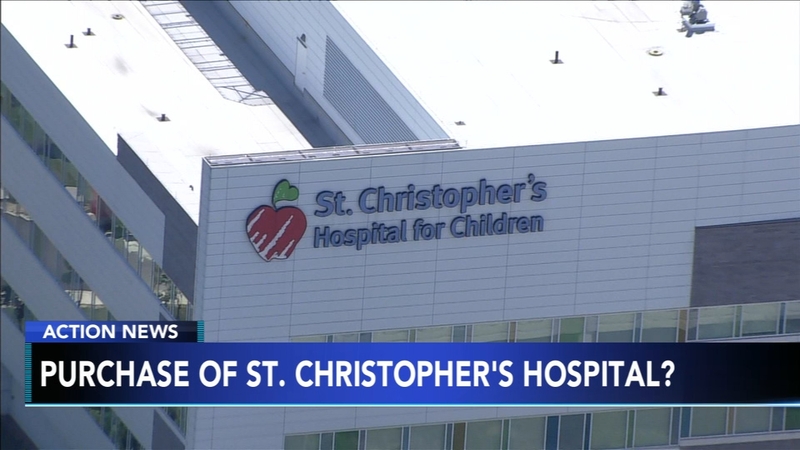
The report was also released days after two Pennsylvania-based health systems, Tower Health and Drexel University, finalized a $50 million acquisition of St. Christopher’s Hospital for Children, a 188-bed pediatric medical center in Philadelphia.

There are 253 hospitals in Pennsylvania, according to HAP, with more than 37,600 staffed beds. The report also found that hospitals are among the 10 largest employers in 85% of counties across the state.

The total economic impact of Pennsylvania hospitals in FY 2018 grew by nearly $50 billion over the past decade, according to a HAP analysis of data collected from the Department of Health and Human Services (HHS).

Additionally, Pennsylvania hospitals received nearly $2 billion in research allocations from HHS and Patient-Centered Outcomes Research Institute in FY 2018.


NEW COVENANT HEALTH CFO AIMS TO LEAD ORGANIZATION’S FINANCIAL TURNAROUND

https://www.healthleadersmedia.com/finance/new-covenant-health-cfo-aims-lead-organizations-financial-turnaround

Image result for turnaround


The Tewksbury, Massachusetts–based health system strives to post its first positive balance sheet in more than five years.

Stephen Forney, MBA, CPA, FACHE, excels in fixing “broken” organizations and he has built a track record of achieving financial turnarounds at seven healthcare facilities, he tells HealthLeaders in a recent interview.

Forney has over three decades of experience as a healthcare executive, with a primary focus on problem-solving. He began his career fixing problems in areas such as information technology and supply chain, an approach and skill he has carried over into financial operations in the C-suite.

“In finance, it wound up being the same thing. Pretty much every organization I’ve gone to has been broken in some way, shape, or form,” Forney says. “I’ve developed a specialty doing turnarounds and this will be my eighth.”

Forney speaks about his new CFO role at the Tewksbury, Massachusetts–based Catholic nonprofit health system Covenant Health, which he joined in mid-September, and how driving revenue and reducing expenses must go hand-in-hand to achieve financial balance.

This transcript has been lightly edited for brevity and clarity.

HealthLeaders: Covenant is coming off its fifth straight year of operating losses. What is contributing to those losses and how do you plan to address those financial challenges?

Forney: The thing is, most turnarounds—to a greater or lesser extent—look a lot alike. With organizations that have [financial] issues, there are obviously always unique aspects to every situation, but virtually every healthcare organization that’s not doing well is because of the same relatively small handful of issues.

[For example,] revenue cycle is probably No. 1. Productivity has not been well attended to; expenses haven’t had a lot of discipline around them in a broad sense. That’s not to say that all decisions are bad, but in a systematic fashion, things haven’t been looked at. Frequently, driving volume and growing the business needs a better focus. 

In the case of Covenant … there has been a plan developed to address all those areas and we are addressing them already, even though we will be posting another operating loss in fiscal [year] 2019. But the trajectory is good and some of the things that we’re now looking at are what I would consider to be phase two–type initiatives. How do we accelerate and move them to the next level?

On October 1, we outsourced our revenue cycle. I’m pleased that we were able to get that accomplished. Obviously, it’s early but, at least anecdotally, initial trends look good.

HL: Where do you fall on the dynamic between focusing on expense control measures or revenue generation?

Forney: I always feel like you need to do both. Expense management and working towards expense strategies is easier, quicker, and more straightforward.

[Revenue growth strategies] take time, take effort, and tend to [have] a much higher degree of uncertainty around the volume projection. Those are necessary and they’re things that we need to invest in because, at some point, you can’t cut any more from your organization, you’ve got to grow the top line. To me, it’s sort of like step one is stabilize your revenue cycle and stabilize your expenses. Then while you’re doing that, work on growth that’s going to take place 12 to 18 months down the road.

HL: Are you optimistic about the federal government’s efforts to move the industry toward value-based care?

Forney: Going back about a decade, I thought the ACE program, which was [the federal government’s] bundled payment program, was a solid step in the right direction. It gave organizations a chance to collaborate in compliant fashion with physicians to bend the cost curve and have beneficiaries participate in the bending of the cost curve as well. I was with one of the pilot health systems that [participated], and it was a remarkable success.

Everybody got to win; CMS, patients, physicians, and systems won by creating value. Yes, I think that the government has a good role to play in [value-based care] because they have such a large group of patients that they’re willing to experiment like that. [The federal government] can come up with potentially novel ways to get people to buy into this.

HL: What is it like to be at the helm of a Catholic nonprofit system and how does it affect your leadership style?

Forney: From a philosophical standpoint, the principle of creating shareholder wealth and good stewardship are not significantly different. You’ve got an end goal in mind, which is, you’re taking care of the patients and a community. In one case, whatever excess is left goes to a private equity fund or shareholders. In the other case, [the excess] stays in your balance sheet and gets reinvested in the community.

HL: Given your three decades of healthcare experience, do you have advice for your fellow provider CFOs, especially some of the younger ones?

Forney: Focus on being that strategic right-hand person to the CEO. In my experience, that has been one of the things that marks a successful CFO from one that isn’t as successful.

CEOs are going to get ideas from everywhere. They’re outward and inward facing. They deal with the doctors and the community, and they’re going to get all sorts of great ideas.

The CFO needs to be that person [who is] grounded and says, ‘Well, what about this?’ That doesn’t mean saying no. The whole idea is how do you make it [sound] like a yes. To me, the CFO role just grounds all the discussions, from working with physicians to working with the community. 

CFOs over the last couple of decades have been operationally oriented. Now they need to start becoming clinically oriented.

There’s a real benefit in being able to sit down and talk with a physician and understand [what] they’re doing. … It winds up becoming a way to help ground the clinicians in the hospital operations because now you’re having a dialogue with them instead of them just saying, ‘You don’t understand. You’re not a clinician.’ That would be something that I would have a young CFO try to stay focused on, even though it’s dramatically outside the comfort zone for people that typically go into accounting.


Temple will sell Fox Chase Cancer Center

https://www.beckershospitalreview.com/hospital-transactions-and-valuation/temple-will-sell-fox-chase-cancer-center.html?origin=CFOE&utm_source=CFOE&utm_medium=email

Image result for Temple will sell Fox Chase Cancer Center

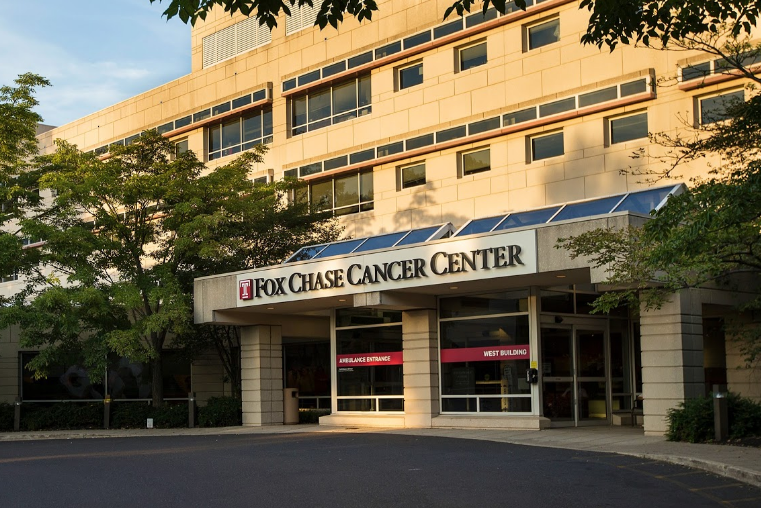
Philadelphia-based Temple University has signed a binding definitive agreement to sell the Fox Chase Cancer Center and its bone marrow transplant program to Thomas Jefferson University in Philadelphia.

The announcement comes after nearly a year of negotiations. Temple expects to complete the sale of the cancer center and bone marrow transplant program in the spring of 2020.

Temple also entered into an agreement to sell its membership interest in Health Partners Plan, a Philadelphia-based managed care program, to Jefferson. A closing date for the transaction has not yet been determined.

With the agreements in place, Temple and Jefferson are looking for other ways to collaborate. The two organizations are exploring a broad affiliation that would help them address social determinants of health, enhance education for students at both universities, collaborate on healthcare innovation, and implement a long-term oncology agreement that would expand access to resources for Temple residents, fellows and students.

“Healthcare is on the cusp of a revolution and it will require creative partnerships to have Philadelphia be a center of that transformation,” Stephen Klasko, MD, president of Thomas Jefferson University and CEO of Jefferson Health, said in a news release. “For Jefferson, our relationship with Temple will accelerate our mission of improving lives and reimagining health care and education to create unparalleled value.”


10 Health Care Trends To Watch In 2020

https://blog.providence.org/news/10-health-care-trends-to-watch-in-2020?_ga=2.242868994.1447754200.1576610293-1113187070.1573499391

Image result for 10 Health Care Trends To Watch In 2020

With 2020 shaping up to be another big year for health care, executives at Providence, one of the largest health systems in the country, today released their annual New Year’s predictions.

External forces will continue to bear down on health care, Providence leaders said. Politics, technology, social issues, labor shortages and heightened consumer expectations will all play a role. As a result, providers will feel more intense pressure to accelerate the transformation of health care.

“The question is whether providers can pivot fast enough,” said Rod Hochman, M.D., president and CEO of Providence. “In 2020, health systems that can get ahead of the major trends will be best positioned to meet the future needs of their communities.”

What can you expect next year? Here are Providence’s top 10 predictions.

  1. The value of health system consolidation will come to fruition in the form of large scale improvements in clinical quality and outcomes.

One of the most important reasons health systems have consolidated in recent years is to improve clinical quality and spread best practice across scale. Because clinical integration takes time, this will be the year that significant results begin coming to fruition. For example, Providence has leveraged its seven-state system to reverse the alarming national rise in U.S. mothers dying in childbirth. Thanks to collaboration among its clinical teams, Providence is one of the safest places for moms to give birth, having nearly eliminated preventable maternal deaths over the last three years. At the same time, Providence has reduced the cost of caring for moms covered by Medicaid, as well as the cost of NICU care. Expect more examples of improved outcomes and costs to emerge in 2020 as proven practices in other clinical areas begin bearing fruit on a large scale.

  1. Corporate social responsibility will take on a bigger role in tackling homelessness, suicide, the opioid crisis and other social issues that affect health.  

More companies will partner with health systems, government agencies, social services and other nonprofits to take action on the social determinants of health. Be Well OC is one example of the type of coalition that will make a significant impact in 2020. The public-private partnership in Orange County, Calif., brings diverse organizations together to meet the urgent need for mental health and addiction services in the community. Meanwhile, in cities like Seattle, Wash., health systems like Providence are partnering with the business community and other not-for-profits to address the growing homelessness epidemic.

  1. Personalized medicine and population health, two seemingly opposite approaches to health care, will begin working hand in hand to improve outcomes in the U.S.

The path to a healthier nation will be accelerated by treating both the unique needs of the individual down to the DNA level, as well as common issues shared by people in similar demographics. Health systems like Providence, for example, are using genomics to pinpoint a person’s biologic age, as well as tailor medical interventions to the individual. At the same time, Providence is coordinating care and resources across broad segments of people through steps such as cancer screenings and improving access to housing and nutrition. Combining the power of these two disciplines will help catapult the health of the nation.

  1. Health systems will prioritize digital access to care, convenience and personalization to compete with disruptors and collaborate with big tech.

Delivering same-day access to care – how, when and where people want it – will be a burning priority for health systems in 2020. New entrants will continue to disrupt the space and raise consumer expectations. Leading health systems like Providence will stay ahead of the curve with digital platforms that integrate telehealth, its in-store clinics at Walgreens and its vast network of specialty, primary care and urgent care clinics across the Western U.S. To help patients navigate these care options, Providence will also continue to develop its artificial intelligence capability, making its AI bot, “Grace,” more pervasive, helpful and capable. Providence will also continue to engage patients between episodes of care by providing personalized content and services to keep them healthy while developing a long-term, digitally engaged relationship with patients.

  1. As more health systems partner with tech companies to bring health care into the digital age, patients will count on providers to serve as the guardians of their personal health information. 

Machine learning and artificial intelligence will raise the potential for new breakthroughs in medicine and care delivery, and data will be key to this level of innovation. But whether tech companies are prioritizing the best interest of patients will remain a lingering question for the American public. Patients will look to providers to be their voice and advocates when it comes to protecting their health information. Expect providers to stand up for data privacy and security and take the lead in ensuring data is used responsibly for the common good.

  1. The race to bring voice-activated technology to health care will heat up and will be a central feature in the hospital and clinic of the future.

Just as Alexa and Siri are transforming the way we live our personal lives, voice and natural language processing are the future of health care. Expect innovation to accelerate around smart clinics and hospitals that make it easier for clinicians to treat and care for patients.  Voice commands that process and analyze information will support clinical decision making at the bedside and the exam room. As part of a new partnership between Providence and Microsoft to build the “care site of the future,” clinical communications and voice-activated technology will be a central feature.

  1. Simplifying the electronic medical record will become a rallying cry for clinicians.

With burnout on the rise among physicians, nurses and other caregivers, reducing the time it takes to chart in the electronic medical record will be key to improving the work environment for clinicians. Shifting the national conversation from EMR “interoperability” to “usability” will take on greater urgency. A simplified, more intuitive EMR means clinicians can spend less time on the computer and more time focused directly on patients, creating a better experience for clinicians and the patients they serve.

  1. The health care workforce will continue to evolve and adopt new skill sets. At the same time, talent shortages will become more pronounced.

As the sector changes at a rapid pace, the health care workforce will need to add new skill sets to keep up with innovations in medicine and care delivery. Clinicians will also need to become more proficient in managing the social determinants of health and caring for the whole person, not just physically, but also mentally and emotionally. Health systems will seek to stay competitive in a tough labor market by offering attractive pay and benefit packages. A commitment to investing in education and career development, as well as creating engaging work environments, will also be a key focus for retaining and recruiting top talent.

  1. Price transparency will remain a hot issue. But the focus needs to shift to giving patients the information they want most: what their out-of-pocket costs will be.   

Patients deserve to know what their health care costs will be up front, so they can make informed decisions as they shop for care. Rather than inundating them with a deluge of prices and negotiated rates for hundreds of services that may or may not be relevant to their personal situation, more emphasis needs to be placed on helping them understand what their specific out-of-pocket costs will be. The amount individuals pay is typically based on their insurance coverage. That’s why health systems like Providence are actively developing price estimator tools and self-service portals, based on blockchain and AI technology, to help patients more quickly and easily access this information.

  1. New alternatives to “Medicare for All” will emerge in the presidential debates. One viable option that should be taken seriously: free primary care for every American.

In the 2020 elections, concerns will be raised over whether Americans will lose their private commercial or employer-sponsored insurance under a Medicare for All plan. A new campaign platform — free primary care for all — should be considered as a more effective, affordable alternative. By guaranteeing access to primary care, the nation can focus on prevention, chronic disease management and helping Americans live their healthiest life possible. Providence is participating in the current administration’s innovative primary care pilots, which are showing positive results in terms of better outcomes and reduced costs.


What to expect as Kaiser’s 4,000 behavioral health workers launch 5-day strike statewide

https://www.sacbee.com/news/local/health-and-medicine/article238378533.html

Image result for What to expect as Kaiser’s 4,000 behavioral health workers launch 5-day strike statewide

Kaiser Permanente’s behavioral health clinicians will be picketing Monday outside the health care giant’s Sacramento Medical Center on Morse Avenue, joining in a weeklong labor strike that will affect services at more than 100 facilities around California.

Roughly 4,000 psychologists, psychiatric nurses and other behavioral health workers — members of the National Union of Healthcare Workers — say they want the company to shorten wait times for return appointments and reduce therapist caseloads.

“I know of nowhere else but in the Kaiser system that there is literally no definition of a caseload or maximum number of patients for which one is responsible,” said Susan Whitney, a Kaiser therapist in Kern County. “There are about 35 therapists and social workers that serve Kaiser’s Kern County population of 109,000 members, only one mental health worker for every 3,000 members. In contrast, Kaiser primary care physicians have a panel, or caseload, of 1,500 patients, and also have staff such as nurses and medical assistants that support them.”

Kaiser executive Michelle J. Gaskill-Hames said that proposals made to the union would keep Kaiser therapists among the highest paid in California, with excellent benefits, as well as offering them more time in their schedules for patient appointments and to take care of administrative tasks. Rather than strike, she said, the company has asked the union’s leadership continue to work with a mediator and Kaiser Permanente.

“Like every other health care provider, we are seeing a significant demand for mental health care in the face of a national shortage of qualified professionals,” said Gaskill-Hames, Kaiser’s senior vice president for Northern California hospital and health plan operations. “Despite this shortage, we have hired nearly 500 new therapists in California this year alone.”

The clinicians had initially planned the strike for mid-November but postponed it out of respect for the family of the late Kaiser CEO Bernard Tyson, who died unexpectedly last month.

WHAT UNION MEMBERS HAD TO SAY

The strike is to compel Kaiser to make mental health care as much of a priority as physical health care, Whitney said. Treating mental health issues also improves physical health, she said, as numerous studies have shown.

Since Kaiser was fined several years ago for lengthy waits for first appointments, the company has worked under state supervision to improve its performance in this area, Whitney said, but as it has improved in that metric, return appointments have become more difficult to schedule.

Vicki Hoskins, a therapist in Orange County, said that if a patient completed an intake appointment today and wanted to return to see her, that patient would have to wait until March. There is a backlog of vacant positions in some offices, she said, so new hires are often filling those rather than adding to the workforce.

WHAT KAISER LEADERS HAD TO SAY

Kaiser has been jointly working with an external mediator to help reach a collective bargaining agreement with the union, Gaskill-Hames said.

She said the mediator recently delivered a proposed compromise to both sides, but the union has rejected it and announced plans to strike instead of working through the mediated process.

This is union’s sixth noticed strike within a single year, and the repeated call for short strikes is disruptive to patient access, operational care and service, said Gaskill-Hames, who described the union’s action as irresponsible.

A strike puts patients in the middle of bargaining, which is not fair to them, especially during the holidays when rates of depression can spike, she said.

HOW WILL THE STRIKE AFFECT PATIENTS?

Kaiser Permanente will try to minimize patient disruption, Gaskill-Hames said, but the company may be forced to reschedule appointments and devote resources from elsewhere in the organization to address the continuity of care.

WHEN AND WHERE WILL PICKETS BE PROTESTING?

In the Sacramento area, pickets will be out from 6 a.m. to 2 p.m. at Kaiser’s Sacramento Medical Center, 2025 Morse Ave., on Monday; at the Roseville Medical Center, 1600 Eureka Road, on Wednesday; and at the South Sacramento Medical Center, 6600 Bruceville Road, on Friday. On Thursday, they will rally at the State Capitol at 10th and L streets at 10:30 a.m. and at the Department of Managed Health Care, 990 Ninth St., at 11:30 a.m. Elsewhere in the Central Valley, pickets will be at Fresno Medical Center, 7300 N. Fresno St., Monday through Friday.


Trust issues plague the relationship between Ascension St. Joe’s and the community it serves

https://www.jsonline.com/story/news/health/2019/12/16/st-joes-accountability-coalition-seek-commitment-ascension-hospital/3831008002/?utm_source=Sailthru&utm_medium=email&utm_campaign=Issue:%202019-12-17%20Healthcare%20Dive%20%5Bissue:24684%5D&utm_term=Healthcare%20Dive

Image result for ascension st joseph hospital milwaukee

Three empty chairs at a community meeting epitomized the mistrust between the leaders of Ascension Wisconsin and the St. Joe’s Accountability Coalition.

The coalition, composed primarily of community leaders from Milwaukee’s north side, invited Ascension Wisconsin to that Oct. 1 meeting to press the health system to sign a legal contract binding it to a list of commitments. The commitments included keeping Ascension St. Joseph hospital open and providing an urgent care clinic, affordable housing assistance, local hiring, more employee training and living wages for all employees.

Ascension didn’t show.

For one, Ascension Wisconsin officials said they were told they would not be allowed to speak at the event. For another, they said signing a contract was unnecessary because they have promised to keep the hospital open, already hire locally and provide employee training.

The hospital, which employs about 800 people, is one of the neighborhood’s largest employers.

The coalition wants the hospital to sign a community benefits agreement, known as a CBA, which is a contract between community groups and real estate developers or government entities.

Reggie Newson, Ascension Wisconsin’s vice president of government and community services, said the health system is proving its commitment to the community by expanding and adding services to St. Joseph.

For example, two certified nurse-midwives were just hired for the hospital’s new midwifery clinic and a third is being recruited. The hospital is also planning to hire a cardiac nurse practitioner and cardiologist.

But members of the coalition aren’t convinced, because they say there is no legal penalty if Ascension fails to follow through on its promises.

Nate Gilliam, an organizer with the Wisconsin Federation of Nurses & Health Professionals, advisory board member of the University of Wisconsin Population Health Institute and coalition spokesman, said the coalition just wants accountability.

“It’s good that they’re saying all these great things on paper and to the media,” he said. “But if they are going to do that, they shouldn’t have a problem with signing a CBA.”

Future bright despite history of mistrust, Ascension says

The lack of trust between the coalition and Ascension Wisconsin started 18 months ago, when hospital administrators — citing losses of roughly $30 million a year — proposed cutting some of Ascension St. Joseph’s surgical and medical units and other services, such as cardiology support.

The hospital, at 5000 W. Chambers St., serves a majority African American population on the city’s north side, an area facing steep socioeconomic disadvantages. Decades of limited access to health care have contributed to higher rates of chronic disease. Higher rates of poverty means many residents rely on Medicaid for health insurance.

Residents interpreted Ascension’s proposal as a precursor to closing the hospital and — in an area where transportation is scarce — feared they would have to go farther for health care.

The proposal was criticized by Mayor Tom Barrett, several aldermen and community leaders, including George Hinton, CEO of the Social Development Commission and former president of Aurora Sinai Medical Center, who wrote an op-ed in opposition.

Ascension dropped the proposal.

But that was 18 months ago.

Since then, Newson said the hospital surveyed more than 1,000 people by telephone and held five community listening sessions. The information was used to develop priorities for the hospital and corresponding programs, such as the midwifery program and heart and vascular community care center.

Similarly, members of the coalition conducted their own survey, knocking on hundreds of doors and collecting 584 detailed responses.

When surveyed on non-clinical services, over 40% of residents said housing assistance, local hiring and living wages were their top priorities. From the coalition’s survey on clinical services, 61.6% said access to urgent care was most important to them.

Kevin Kluesner, Ascension St. Joseph’s chief administrative officer, said he and others are well aware of the health disparities and disadvantages within the community they serve.

He said Ascension Wisconsin’s push to expand services is proof the hospital isn’t going anywhere.

That commitment is despite the hospital’s having lost roughly $150 million since the 2012 fiscal year. In the 2018 fiscal year, the most recent for which information is available, Ascension St. Joseph lost $31.6 million.

By comparison, Froedtert Hospital reported $134 million in profits for the 2018 fiscal year, according to information filed with the Wisconsin Hospital Association. Aurora St. Luke’s Medical Center reported $166 million in profits in 2018.

Gilliam said that since the hospital is a non-profit venture, lost profits shouldn’t matter. He also said that Ascension Wisconsin has more profitable locations across the state, that can offset the losses at St. Joseph.

Coalition wants accountability

The results from the coalition’s survey mirrored what residents at the Oct. 1 community meeting described.

Charles Hawkins said he likes his primary care physicians, but said they keep leaving.

Another resident who lives blocks away from the hospital, Arkesia Jackson, said when her brother-in-law experienced a flare-up of his COPD, or chronic obstructive pulmonary disease, she was thankful a community hospital was nearby.

“He ran inside the emergency and collapsed, car running,” she said. “He is a patient at St. Joe’s. They had all his records, they knew who he was, they knew what he was suffering from.”

Newson said the goal is to provide consistent, quality care for all patients.

Gilliam acknowledged that details of what the coalition is asking for, such as racially equitable health care and helping with housing assistance, are somewhat vague. However, that’s because its members said they want to sit down with Ascension and hammer out an agreement — as long as Ascension commits to signing one.

Coalition members argue that other hospitals have worked with community groups on similar initiatives.

Robert Silverman, a professor in the Department of Urban and Regional Planning at the University of Buffalo, said there are some rare examples of CBAs being used in the health care field.

For example, Yale University signed a CBA with the Community Organized for Responsible Development group in 2006 regarding the construction of a new cancer center.

It still remains unlikely that Ascension, a national organization, would willingly set such a precedent for its hospitals.

Gilliam said he thinks it’s important for hospitals to be accountable to the community.

“I don’t see why they see a community benefits agreement as adversarial off the top,” Gilliam said. “Whenever they’re ready to come to the table in earnest, we’ll be there. That’s it.”

But with the addition and expansion of several new programs, Kluesner said he’s not sure what else hospital officials can do to prove they are serious about being a reliable anchor institution on the city’s north side.

“We’ve signed 11 new providers. That’s the best proof we could give of our commitment to growing services here at St. Joseph. If people are wondering what are we doing at Ascension St. Joseph, I think that actions speak louder than words,” he said.


Hospitals lose challenge to 2020 site-neutral pay cuts

https://www.beckershospitalreview.com/finance/hospitals-lose-challenge-to-2020-site-neutral-pay-cuts.html?origin=CFOE&utm_source=CFOE&utm_medium=email

Image result for site-neutral pay cuts

A Washington, D.C., federal judge ruled Dec. 16 that the court cannot stop CMS from enacting site-neutral payments for off-campus providers in 2020.

In its final Outpatient Prospective Payment System rule for 2019, CMS made payments for clinic visits site-neutral by reducing the payment rate for evaluation and management services provided at off-campus provider-based departments.

In an attempt to overturn the rule, the American Hospital Association and dozens of hospitals sued CMS, arguing it exceeded its authority when it finalized the cuts in the rule.  

U.S. District Judge Rosemary Collyer sided with the association and other hospitals in September, ruling CMS overstepped its authority when it expanded the site-neutral pay policy. But CMS moved forward with the site-neutral  cuts in its 2020 OPPS rule, slashing off-campus department payments to a rate of 40 percent of the OPPS rate.

The association asked Ms. Collyer to uphold her September decision in an attempt to stop the 2020 payment cuts from taking effect Jan. 1, but ruled Dec. 16 that the court doesn’t have jurisdiction to stop the continuation of the cuts next year.

“As a technical matter, the government correctly argues that the court’s previous order was limited only to the 2019 final rule,” the judge wrote.

The court loss for the association representing hospitals comes just days after CMS agreed to repay hospitals that were paid at the reduced rate this year.

“The AHA and other plaintiffs remain confident that the courts will find the 2020 cuts to be illegal, just as they found the 2019 cuts,” Melinda Hatton, the AHA’s general counsel, wrote in a statement to Becker’s Hospital Review.

Access the full ruling here.


Philadelphia hospital sells for $50M

https://www.beckershospitalreview.com/hospital-transactions-and-valuation/philadelphia-hospital-sells-for-50m-121619.html?origin=CFOE&utm_source=CFOE&utm_medium=email

Image result for st christopher hospital philadelphia

West Reading, Pa.-based Tower Health and Drexel University completed the $50 million acquisition of St. Christopher’s Hospital for Children in Philadelphia on Dec. 15.

St. Christopher’s was put up for sale after it and Philadelphia-based Hahnemann University Hospital filed for Chapter 11 bankruptcy at the end of June. Hahnemann closed in September, the same month Tower Health and Drexel University entered into a $50 million agreement to acquire St. Christopher’s.

With the sale complete, 188-bed St. Christopher’s will return to nonprofit status.

“We are grateful for the continuing dedication and hard work of the physicians and employees at St. Christopher’s,” Tower Health President and CEO Clint Matthews said in a press release. “We are excited about a bright future for St. Christopher’s as it continues to serve as a center for healthcare, medical education and research, and innovation.”


4 Chicago hospitals in talks to combine

https://www.chicagobusiness.com/health-care/big-hospital-combo-works

South Shore Hospital

Crain’s has learned that at least four hospitals—Advocate Trinity Hospital, Mercy Hospital & Medical Center, South Shore Hospital and St. Bernard Hospital—are in talks with the state to create a single system.

Plans are afoot to consolidate financially struggling hospitals that serve Chicago’s poorest residents on the South Side.

Crain’s has learned that at least four hospitals—Advocate Trinity Hospital, Mercy Hospital & Medical Center, South Shore Hospital and St. Bernard Hospital—are in talks with the state to create a single system with one leadership team that includes some combination of inpatient, outpatient and emergency care, as well as skilled nursing. Separately, a private health care consultancy has agreed to buy recently shuttered MetroSouth Medical Center as the first step in a hoped-for combination with other so-called safety-net hospitals.

Both proposals aim to bolster the precarious finances of hospitals that treat large numbers of uninsured and low-income patients on Medicaid. Consolidation could enable the institutions to generate economies of scale, improve bargaining power with insurers, eliminate redundant expenses and cut back duplicative or underutilized capabilities. Bringing the hospitals together also could lead to the centralization of certain services, forcing some patients to seek care farther from home.

Talks are at an early stage and may not lead to a transaction. But all the hospitals are under pressure to transform as inpatient volumes fall and expenses rise. A combination could help the hospitals adapt. Some might become ambulatory centers, professional buildings or skilled nursing facilities. Services like orthopedics and obstetrics could be centralized at certain locations to improve care and save money on surgical equipment, space and staff. It’s unclear whether some facilities would close in the process.

“While we are always talking with our health care colleagues about how we can best work together to address challenges and meet the evolving needs of our patients and neighbors, we haven’t made any decisions,” a representative for Advocate Aurora Health said in an emailed statement. “Our commitment to caring for our communities and transforming health and wellness for our patients remains strong. Our decisions have always, and will always, be guided by what’s in the best interest of our patients and the communities we are so privileged to serve.”

“As a Catholic health ministry supporting the underserved in Chicago, Mercy Hospital & Medical Center is always working with community partners to find cost-effective ways to provide vital services to our patients, but we have nothing to announce at this time,” a hospital representative for Mercy—which is owned by Catholic giant Trinity Health—said in an emailed statement.

South Shore and St. Bernard did not respond to requests for comment.

All four hospitals are operating in the red, with 2018 net losses ranging from $1.3 million at South Shore to $68.3 million at Mercy, according to data compiled by Modern Healthcare Metrics. The hospitals treat a large number of patients on Medicaid, which pays less than Medicare and commercial insurance. Meanwhile, they’re getting less money from various federal and state programs intended to offset the cost of treating patients who can’t pay for care.

St. Bernard CEO Charles Holland Jr. told Crain’s in July that without additional government funding, “we’re going to have to make some difficult decisions. . . .We just cannot continue to go on the way we are.”

Joining forces would enable the hospitals to pool the money they get from various state and federal programs to fund costly transformative initiatives.

The state-led initiative is being driven by the Illinois Department of Healthcare & Family Services, which oversees Medicaid.

“HFS has been and is routinely approached by numerous providers with a variety of ideas seeking to transform to better meet the needs of their communities,” the department said in an emailed statement. “Our department is currently in talks with multiple groups and would provide guidance to any group of providers that came to us with ideas for health care transformation to meet the needs of the community. HFS will also be monitoring closely and engaging directly with community leaders and members to ensure any changes result in expanded care that meets the needs of the communities these hospitals serve.”

Driving a separate, private initiative is Third Horizon Strategies, which has agreed to buy MetroSouth in Blue Island from Brentwood, Tenn.-based Quorum Health for a dollar.

Third Horizon CEO David Smith said he filed articles of incorporation Monday to create an entity called South Side Health, funded by private investors, and—he hopes—government dollars intended for hospital transformation.

“As we build out South Side Health, if other hospitals are successful (in coming together), it will be important to integrate into one system,” Smith said. “At the end of the day, there needs to be one integrated system on the South Side that acts as a financially self-sustaining utility whose sole function is to improve the health that community.”


Buyer of 4 California hospitals misses closing deadline

https://www.beckershospitalreview.com/hospital-transactions-and-valuation/buyer-of-4-california-hospitals-misses-closing-deadline.html?origin=cfoe&utm_source=cfoe

Image result for Buyer of 4 California hospitals misses closing deadline

Corona Calif.-based KPC Group missed the court-appointed deadline to purchase four hospitals from El Segundo, Calif.-based Verity Health, which entered Chapter 11 bankruptcy in August 2018.

KPC Group bid $610 million in January to purchase the four hospitals from Verity. Three months later, U.S. Bankruptcy Judge Ernest M. Robles approved the asset purchase agreement for KPC’s Strategic Global Management to acquire the hospitals. In late November, the judge ordered SGM to close the deal by Dec. 5.

After SGM failed to complete the purchase by the court-appointed deadline, Verity asked the court to issue an order requiring SGM’s principals to testify as to why the deal did not close and whether SGM has the financial ability to close the sale. Verity also asked the court to issue an order finding SGM in breach of the asset purchase agreement and allowing it to keep SGM’s $30 million deposit and proceed with other plans to sell the hospitals.

On Dec. 9, the court denied Verity’s request to force SGM’s executives to appear and testify in court.

“By failing to close, SGM risks the loss of its $30 million good-faith deposit as well as the possibility of damages for breach of contract in an amount of up to $60 million,” Judge Robles wrote in a Dec. 9 court filing. “Being compelled to offer testimony will not motivate SGM to close where the threat of the loss of up to $90 million has failed to accomplish that end.”

The judge assured Verity that it would have the chance to litigate the issues of whether SGM breached the asset purchase agreement and whether it’s entitled to keep the good-faith deposit.

Though neither party has terminated the sale process, the judge said Verity can “explore options for the alternative disposition of the hospitals” without violating the asset purchase agreement.

The next bankruptcy court hearing is slated for Dec. 30.