The High Stakes of Low Scientific Standards

https://www.axios.com/coronavirus-pandemic-science-problems-e6e619b8-c1a8-4e06-97d9-c328d4d0400e.html

The Lucky Seven States Already Pursuing Gambling Legislation In 2018

In the midst of this pandemic, science is suffering from low standards for some research, a new study argues.

The big picture: Science — which is slow, methodical and redundant — isn’t necessarily made for the immediacy and acute public interest brought on by a health crisis.

  • Scientists rely on peer review and back and forth exchange that leads to a more polished final study. But a health crisis like the current pandemic, or the Ebola outbreak, creates a sense of urgency that can be antithetical to the scientific process.

What’s happening: A new study out today in the journal Science warns many of the clinical trials and studies first published about treatments and other issues involving the current pandemic were designed poorly or had other issues that affected their outcomes.

  • Studies that have yet to go through peer-review — like a recent, flawed study of the use of hydroxychloroquine to treat coronavirus — have found their way into news stories thanks to pre-print services, leading to problematic reporting and real-time peer review through Twitter.
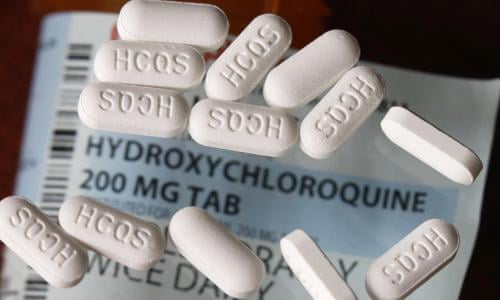
  • More than 18 clinical trials testing hydroxychloroquine to treat the novel coronavirus have enrolled more than 75,000 patients in North America.
  • “This massive commitment concentrates resources on nearly identical clinical hypotheses, creates competition for recruitment, and neglects opportunities to test other clinical hypotheses,” the study says.
  • Early, flawed work has potentially increased the risk that later results may have gotten false positives and more media attention than they deserved, the new study says.

Yes, but: While the pandemic is exacerbating these problems with misinformation and lax research standards, it isn’t the cause of them.

  • “Some of the problems that we’re seeing right now are actually not that exceptional compared to the problems that we have under normal conditions as well, just that maybe they’re a little bit more amplified and have a little more visibility,” Jonathan Kimmelman, director of the Biomedical Ethics Unit at McGill University and one of the authors of the new paper, told Axios.
  • These kinds of issues cropped up during previous health crises, and while the authors of the new study argue that some of those problems around information sharing and standards of research have improved, there’s still a long way to go.

What’s next: Many of these issues around varying standards of research and communication could be remedied through better communication among researchers and the agencies funding their work.

  • Instead of having a number of fragmented studies competing for resources and looking for effective treatments, the researchers say it would make more sense to bring them under one umbrella, allowing them to coordinate.
  • “You could reduce variation, and you might get answers more quickly,” Alex John London, the director of the Center for Ethics and Policy at Carnegie Mellon and one of the authors of the new study, told Axios.
  • The authors are also calling on clinicians to resist performing their own small studies, instead opting to join up with larger trials.
  • They also say agencies need to help build those larger studies and avoid making statements to the public about unvalidated treatments that may or may not work, instead opting to elevate larger studies in their various stages to the public.


Here are the innovations we need to reopen the economy

https://www.washingtonpost.com/opinions/2020/04/23/bill-gates-here-are-innovations-we-need-reopen-economy/?arc404=true

Bill Gates: Here are the innovations we need to reopen the economy ...

Bill Gates is a co-chair of the Bill & Melinda Gates Foundation. This article is adapted from his blog post “Pandemic I: the First Modern Pandemic,” available at gatesnotes.com.

It’s entirely understandable that the national conversation has turned to a single question: “When can we get back to normal?” The shutdown has caused immeasurable pain in jobs lost, people isolated and worsening inequity. People are ready to get going again.

Unfortunately, although we have the will, we don’t have the way — not yet. Before the United States and other countries can return to business and life as usual, we will need some innovative new tools that help us detect, treat and prevent covid-19.

It begins with testing. We can’t defeat an enemy if we don’t know where it is. To reopen the economy, we need to be testing enough people that we can quickly detect emerging hotspots and intervene early. We don’t want to wait until the hospitals start to fill up and more people die.

Innovation can help us get the numbers up. The current coronavirus tests require that health-care workers perform nasal swabs, which means they have to change their protective gear before every test. But our foundation supported research showing that having patients do the swab themselves produces results that are just as accurate. This self-swab approach is faster and safer, since regulators should be able to approve swabbing at home or in other locations rather than having people risk additional contact.

Another diagnostic test under development would work much like an at-home pregnancy test. You would swab your nose, but instead of sending it into a processing center, you’d put it in a liquid and then pour that liquid onto a strip of paper, which would change color if the virus was present. This test may be available in a few months.

We need one other advance in testing, but it’s social, not technical: consistent standards about who can get tested. If the country doesn’t test the right people — essential workers, people who are symptomatic and those who have been in contact with someone who tested positive — then we’re wasting a precious resource and potentially missing big reserves of the virus. Asymptomatic people who aren’t in one of those three groups should not be tested until there are enough for everyone else.

The second area where we need innovation is contact tracing. Once someone tests positive, public-health officials need to know who else that person might have infected.

For now, the United States can follow Germany’s example: interview everyone who tests positive and use a database to make sure someone follows up with all their contacts. This approach is far from perfect, because it relies on the infected person to report their contacts accurately and requires a lot of staff to follow up with everyone in person. But it would be an improvement over the sporadic way that contact tracing is being done across the United States now.

An even better solution would be the broad, voluntary adoption of digital tools. For example, there are apps that will help you remember where you have been; if you ever test positive, you can review the history or choose to share it with whoever comes to interview you about your contacts. And some people have proposed allowing phones to detect other phones that are near them by using Bluetooth and emitting sounds that humans can’t hear. If someone tested positive, their phone would send a message to the other phones, and their owners could get tested. If most people chose to install this kind of application, it would probably help some.

Naturally, anyone who tests positive will immediately want to know about treatment options. Yet, right now, there is no treatment for covid-19. Hydroxychloroquine, which works by changing the way the human body reacts to a virus, has received a lot of attention. Our foundation is funding a clinical trial that will give an indication whether it works on covid-19 by the end of May, and it appears the benefits will be modest at best.

But several more-promising candidates are on the horizon. One involves drawing blood from patients who have recovered from covid-19, making sure it is free of the coronavirus and other infections, and giving the plasma (and the antibodies it contains) to sick people. Several major companies are working together to see whether this succeeds.

Another type of drug candidate involves identifying the antibodies that are most effective against the novel coronavirus, and then manufacturing them in a lab. If this works, it is not yet clear how many doses could be produced; it depends on how much antibody material is needed per dose. In 2021, manufacturers may be able to make as few as 100,000 treatments or many millions.

If, a year from now, people are going to big public events — such as games or concerts in a stadium — it will be because researchers have discovered an extremely effective treatment that makes everyone feel safe to go out again. Unfortunately, based on the evidence I’ve seen, they’ll likely find a good treatment, but not one that virtually guarantees you’ll recover.

That’s why we need to invest in a fourth area of innovation: making a vaccine. Every additional month that it takes to produce a vaccine is a month in which the economy cannot completely return to normal.

The new approach I’m most excited about is known as an RNA vaccine. (The first covid-19 vaccine to start human trials is an RNA vaccine.) Unlike a flu shot, which contains fragments of the influenza virus so your immune system can learn to attack them, an RNA vaccine gives your body the genetic code needed to produce viral fragments on its own. When the immune system sees these fragments, it learns how to attack them. An RNA vaccine essentially turns your body into its own vaccine manufacturing unit.

There are at least five other efforts that look promising. But because no one knows which approach will work, a number of them need to be funded so they can all advance at full speed simultaneously.

Even before there’s a safe, effective vaccine, governments need to work out how to distribute it. The countries that provide the funding, the countries where the trials are run, and the ones that are hardest-hit will all have a good case that they should receive priority. Ideally, there would be global agreement about who should get the vaccine first, but given how many competing interests there are, this is unlikely to happen. Whoever solves this problem equitably will have made a major breakthrough.

World War II was the defining moment of my parents’ generation. Similarly, the coronavirus pandemic — the first in a century — will define this era. But there is one big difference between a world war and a pandemic: All of humanity can work together to learn about the disease and develop the capacity to fight it. With the right tools in hand, and smart implementation, we will eventually be able to declare an end to this pandemic — and turn our attention to how to prevent and contain the next one.


Researchers stop COVID-19 drug trial after 11 patients die

https://bigthink.com/coronavirus/covid-treatment-deaths

COVID-19 chloroquine trial cut short after 11 patients die - Big Think

  • Scientists around the world are currently experimenting with chloroquine and hydroxychloroquine as potential treatments for COVID-19.
  • Despite some early reports suggesting that these antimalarial drugs may help prevent and treat the disease, there’s still no solid evidence showing that they’re a safe and effective treatment.
  • The recent trial in Brazil suggests that high doses of chloroquine are toxic and should be avoided.

A small clinical trial in Brazil suggests that one potential treatment for COVID-19 comes with life-threatening side effects.

As the world searches for effective COVID-19 treatments, some nations have authorized doctors to give patients antimalarial drugs as part of experimental clinical trials. These trials show some indication that the drugs, chloroquine and the closely related hydroxychloroquine, may be effective at treating and preventing COVID-19.

Early reports from China and France, for example, suggested that the drugs may help improve patients’ conditions. But health experts have cautioned against overhyping the results, flagging methodological issues in the research like not including a control group or having a small sample size. To date, there’s no solid evidence showing that these drugs effectively treat COVID-19 or block coronaviruses from infecting cells.

What is clear, based on previous research and the new trial in Brazil, is that these drugs can cause serious side effects, particularly among those with heart conditions.

“The antimalarial medication hydroxychloroquine and the antibiotic azithromycin are currently gaining attention as potential treatments for COVID-19, and each have potential serious implications for people with existing cardiovascular disease,” the American Health Association notes in a statement.

“Complications include severe electrical irregularities in the heart such as arrythmia (irregular heartbeat), polymorphic ventricular tachycardia (including Torsade de Pointes) and long QT syndrome, and increased risk of sudden death.”

In the recent Brazil trial, researchers gave chloroquine to 81 COVID-19 patients in a hospital in Manaus. The study involved two groups: One received a high dose of 12 grams of chloroquine over 10 days, the second group received 2.7 grams over five days. Both groups also received the antibiotic azithromycin, which poses its own heart risks.

By the sixth day of the trial, 11 patients had died, and the researchers decided to stop giving the drug to the high-dose group.

“Preliminary findings suggest that the higher chloroquine dosage (10-day regimen) should not be recommended for COVID-19 treatment because of its potential safety hazards. Such results forced us to prematurely halt patient recruitment to this arm,” the team wrote in a preprint paper.

The high-dose group had an especially high risk of suffering heart arrhythmias, a finding also observed in a separate trial on hydroxychloroquine conducted in a hospital in France, which cut the trial short.

“To me, this study conveys one useful piece of information, which is that chloroquine causes a dose-dependent increase in an abnormality in the ECG that could predispose people to sudden cardiac death,” Dr. David Juurlink, an internist and the head of the division of clinical pharmacology at the University of Toronto, told The New York Times.

Still, it’s possible that some combination of chloroquine, hydroxychloroquine and azithromycin may be effective at preventing and treating COVID-19. The researchers behind the Brazil trial said more research is “urgently needed,” but warned doctors against using high dosages.

“We therefore strongly recommend that this dosage is no longer used anywhere for the treatment of severe COVID-19, especially because in the real world older patients using cardiotoxic drugs should be the rule.”

One major problem in searching for COVID-19 treatments is that it’s currently difficult to conduct clinical trials in a normal and methodologically sound manner. Despite increasing demand for drugs like chloroquine, many health experts are warning that more research is needed to understand their effects and risks.

“The urgency of COVID-19 must not diminish the scientific rigor with which we approach COVID-19 treatment,” Robert A. Harrington, M.D., FAHA, president of the American Heart Association said in a recent statement. “While these medications may work against COVID-19 individually or in combination, we recommend caution with these medications for patients with existing cardiovascular disease.”


Hydroxychloroquine for COVID-19 needs more data

https://globaldata.com/hydroxychloroquine-for-covid-19-needs-more-data/

Henry Ford Health begins enrollment in hydroxychloroquine study to ...

As COVID-19 spreads, the search for a treatment is ramping up. The antimalarial and immunosuppressant hydroxychloroquine has received some attention, including that of President Trump. There are currently around 60 planned or in-progress clinical trials to test its efficacy as a treatment for COVID-19. However, the results of recently completed clinical trials indicate there are not enough data to support hydroxychloroquine use for COVID-19 treatment at the level of expectations set by President Trump, says GlobalData, a leading data and analytics company.

Angad Lotay, MPharm, Infectious Diseases Analyst at GlobalData commented: “As the initial results for the hydroxychloroquine clinical trials do not provide sufficient data, larger and more robust randomized clinical trials are needed to inform clinical guidance on the use, dosing, or duration of hydroxychloroquine for prophylaxis or the treatment of SARS-CoV-2 infection.”

Hydroxychloroquine, which is sold by Concordia Pharmaceuticals under the brand name Plaquenil, and chloroquine are oral prescription drugs that have been used for many years to prevent and treat malaria and certain inflammatory conditions. Although these agents are well-established, they possess the potential to cause numerous side effects and should be used with caution in those who are diabetic, those with neurological disorders, and those with vision disorders. Recent data highlights how hydroxychloroquine retinopathy is more common than previously reported. Other side effects include cardiomyopathy and bone marrow suppression, but these are not commonly reported.

“Other studies have suggested that a combination of hydroxychloroquine with azithromycin may be beneficial to prevent severe respiratory tract disease in those diagnosed with COVID-19. However, further data is required, as these studies were small (n <36) and there is not enough evidence to convincingly implement guidance on this. Furthermore, azithromycin is associated with prolonged cardiac repolarization and QT interval, imparting a risk of developing cardiac arrhythmias. Therefore, extra caution is required when considering this combination.”


Why medical experts worry about President Trump touting chloroquine

https://www.politifact.com/article/2020/apr/07/why-medical-experts-worry-about-president-trump-to/?fbclid=IwAR2mxG7HzUAZgmfrwsC9cZtNL2-q8_xQSj6jbdjF45Aod7x8848A3voRYVw

Trump touts hydroxychloroquine as a cure for Covid-19. Don't ...

IF YOUR TIME IS SHORT

• Already, an Arizona man died and his wife was hospitalized after self-administering a variant of chloroquine, prompting the Centers for Disease Control and Prevention to send out a warning.

The American Medical Association says it “strongly opposes” prophylactically prescribing chloroquine as well as pharmacies and hospitals “purchasing excessive amounts” of the medication.

• Some people have health conditions that mean they shouldn’t take chloroquine because of potential side effects. 

• Putting too much focus on one specific treatment could make Americans lax about following social distancing guidelines.

In more than half a dozen public events since March 19, President Donald Trump has touted a possible treatment for coronavirus infection — using the malaria drug chloroquine or a related drug hydroxychloroquine, sometimes in combination with the antibiotic azithromycin.

“I hope they use the hydroxychloroquine, and they can also do it with Z-Pak (azithromycin), subject to your doctor’s approval and all of that,” Trump said at an April 4 briefing. “But I hope they use it, because I’ll tell you what: What do you have to lose?”

Trump reiterated praise for chloroquine in his April 5 briefing: “A lot of people are saying that … if you’re a doctor, a nurse, a first responder, a medical person going into hospitals, they say taking it before the fact is good.”

When a reporter asked Trump for “the conclusive medical evidence” to support his optimism, Trump dismissed the question as “fake news.”

Trump isn’t wrong that this drug combination might prove helpful, at least based on preliminary evidence. The treatment is currently being studied in clinical trials, according to the Centers for Disease Control and Prevention.

But randomized tests — the gold standard of medical evidence — have not been completed, and the lack of rigorous testing as a treatment against coronavirus has led many medical experts to be more cautious than the president. The drug has significant side effects, including damage to the heart and nervous system and suicidal thoughts. And a run on chloroquine could harm patients with lupus and other diseases that the drug is already used for.

Some medical experts are concerned that the president’s words from a White House lectern may be skewing Americans’ perceptions of the best way to fight coronavirus.

Not long after Trump began touting chloroquine, an Arizona man died and his wife was hospitalized after they ingested a fish-tank solvent that includes chloroquine phosphate. The woman told NBC News that they thought the compound was the same as the one Trump cited. Fish-tank cleaners are not the same as the drugs used for malaria, nor are they suitable for human consumption.

A few days later, the CDC released a warning, not just against using the fish-tank cleaner but also the malaria drug itself without a doctor’s orders.

In a statement to PolitiFact, the American Medical Association seconded such concerns, saying that no medication has yet been approved by the Food and Drug Administration for patients with coronavirus, also known as COVID-19. The association said it “strongly opposes” prescribing chloroquine as a preventive measure and also opposes pharmacies and hospitals “purchasing excessive amounts” of the medication.

On several occasions, Trump has reminded viewers of his briefings to consult with doctors about treatments. But at other times, he has trumpeted his own confidence in chloroquine as a treatment.

“I’ve seen things that I sort of like,” he has said. “So what do I know? I’m not a doctor. I’m not a doctor. But I have common sense.”

Experts said Trump’s high-profile endorsement risked overshadowing the views of medical experts.

“The evidence just isn’t there yet to prove that these drugs work, and while the risks from inappropriately prescribing them are rare, they can be serious,” said Joel F. Farley, associate head of the department of pharmaceutical care and health systems at the University of Minnesota College of Pharmacy.

Farley said he even worries about patients going through proper channels.

“Even if prescribed by a physician, I am not convinced that patients are being adequately screened or monitored for some of the more serious side effects, like cardiotoxicity,” he said. “I have heard anecdotal reports of physicians prescribing these medications for friends and family members, which doesn’t always come with an appropriate physical or health screening.”

Another worry among medical specialists is the possible stockpiling of chloroquine. This could harm patients with lupus or rheumatoid arthritis, who depend on the drug to treat their own conditions. “Being just stewards of limited resources is essential,” the American Medical Association said in its statement.

Finally, focusing on one potential treatment could overshadow the nitty-gritty things Americans need to do on a daily basis to stay safe.

“My biggest concern is that people will believe there’s some magic cure and not follow social distancing and other normal precautions in the belief that there’s a drug to ‘fix this,’” said Ally Dering-Anderson, a clinical associate professor at the University of Nebraska College of Pharmacy.


TED Esther Choo. Emergency physician and public health advocate. Life on the medical front lines of the pandemic

https://www.ted.com/about/programs-initiatives/ted-connects-community-hope

Doctors give OHSU's Esther Choo a standing ovation for gender bias ...

Esther Choo is an emergency physician and associate professor at the Oregon Health & Science University. She is a popular science communicator who has used social media to talk about racism and sexism in healthcare. She was the president of the Academy of Women in Academic Emergency Medicine and is a member of the American Association of Women Emergency Physicians.

As the coronavirus pandemic sweeps the globe, it’s hard to know where to turn or what to think. TED Connects is a free, live, daily conversation series featuring experts whose ideas can help us reflect and work through this uncertain time with a sense of responsibility, compassion and wisdom.


Special Report: Doctors embrace drug touted by Trump for COVID-19, without hard evidence it works

https://www.reuters.com/article/us-health-coronavirus-usa-hydroxychloroq/special-report-doctors-embrace-drug-touted-by-trump-for-covid-19-without-hard-evidence-it-works-idUSKBN21O2VO

Special Report: Doctors embrace drug touted by Trump for COVID-19 ...

The decades-old drug that President Donald Trump has persistently promoted as a potential weapon against COVID-19 has within a matter of weeks become a standard of care in areas of the United States hit hard by the pandemic — though doctors prescribing it have no idea whether it works.

Doctors and pharmacists from more than half a dozen large healthcare systems in New York, Louisiana, Massachusetts, Ohio, Washington and California told Reuters they are routinely using hydroxychloroquine on patients hospitalized with COVID-19. At the same time, several said they have seen no evidence that the drug, used for years to treat malaria and autoimmune disorders, has any effect on the virus.

Use of hydroxychloroquine has soared as the United States has quickly become the epicenter of the pandemic. More than 355,000 people in the United States have tested positive for the novel coronavirus, and more than 10,000 have died. The federal government estimates that as many as 240,000 people in the country may die from the disease before the outbreak is over.

Facing those numbers, and in the absence of any known effective treatments, doctors on the frontlines said they began using hydroxychloroquine and the related chloroquine on patients who are deteriorating based on a few small studies suggesting a possible benefit. Some said they had come under pressure from patients to use the therapies widely touted by Trump and other supporters.

“I may take it,” Trump said on Saturday, referring to hydroxychloroquine, though he has twice tested negative for coronavirus, according to the White House. “We’re just hearing really positive stories, and we’re continuing to collect the data.”

Potential side effects of hydroxychloroquine include vision loss and heart problems. But doctors interviewed by Reuters say they are comfortable prescribing the drug for a short course of several days for coronavirus patients because the risks are relatively low and the therapies are inexpensive and generally available.

However, protocols directing how these drugs should be used vary from one hospital to another, including when to introduce them and whether to combine them with other drugs. In addition, some studies showing promise involve patients who took the therapies for mild or early-stage illness. Many of those people are likely to recover from the virus on their own.

Patients admitted to the hospital in the United States are generally much sicker than the mildly ill cases cited in such studies when they receive therapy. These factors, doctors said, have made it difficult for them to determine whether the drugs are making a difference. “I have seen hundreds of patients with severe COVID and most of these people are on hydroxychloroquine,” Dr Mangala Narasimhan, regional director of critical care at Northwell Health, a 23-hospital system in New York, said in an email. “In my opinion, although it is very early, I do not see a dramatic improvement from the hydroxychloroquine in these patients.” Dr Daniel McQuillen, an infectious disease specialist at Lahey Hospital & Medical Center in Burlington, Massachusetts, said he has prescribed a course of hydroxychloroquine for about 30 COVID-19 patients so far because the drug has shown “a little bit of antiviral activity.” But he has not seen “marked improvement for patients.”

“Anecdotally, it may have had limited effect in patients with milder disease,” McQuillen said. The therapy “has had no effect in limiting or slowing progression of our patients that have been at or near ICU level when they arrived.”

‘SEE WHAT STICKS’

The experience of David Lat, a legal recruiter and commentator who founded the blog Above the Law, reflects the mixture of hope and uncertainty surrounding the drugs now being pursued as possible coronavirus treatments.

Since early March, the 44-year-old New Yorker has chronicled his near-fatal infection with coronavirus in social media posts followed by thousands of people. Lat’s case has resonated with a U.S. audience that has begun to recognize the risk that coronavirus poses not only to elderly patients with serious medical conditions, but also to generally healthy younger adults.

After more than a week of worsening symptoms, Lat was admitted to NYU Langone Medical Center on March 16 and later placed on a ventilator. On March 28, he shared on Facebook that his doctors had taken him off of the ventilator and had moved him out of intensive care after his condition improved dramatically.

In an exchange of text messages with Reuters, Lat said he was treated with hydroxychloroquine and the antibiotic azithromycin. He also received the experimental therapy clazakizumab, which aims to regulate an overreaction by the body’s immune system thought to trigger the respiratory distress seen in severe COVID-19. After the story was published, Lat clarified that he received a fourth therapy, the antiviral Kaletra, not Kevzara, as he had initially recalled.

“The doctors haven’t concluded what caused my recovery,” Lat said. “The state of coronavirus research is very much ‘throw stuff against a wall and see what sticks’ – but when something does stick, in terms of a good patient outcome, you’re not sure what stuck.” Lat’s doctors were not immediately available to comment on his treatment.

Some doctors have been vocal in advocating the drug. Dr Vladimir Zelenko, a general practitioner in upstate New York, has claimed that a three-drug cocktail of hydroxychloroquine, azithromycin and zinc sulfate has helped mitigate the infection in nearly 200 hundred of his patients before they became sick enough to require hospitalization. His recommendations have attracted the attention of Trump’s supporters. Zelenko wasn’t immediately available for comment.

Despite such encouraging reports, hard evidence that any of the therapies now under study will work is weeks and possibly months way.

Early, but mixed, data has emerged from COVID-19 trials of the malaria drugs in China. A research team in Marseilles, France, has published data showing that out of 80 mild COVID-19 patients treated with hydroxychloroquine and azithromycin, 93 percent had no detectable levels of the virus after eight days.

Doctors have questioned the value of the Marseille study and several papers from China as being too small or poorly designed to offer hard evidence of benefit. Most do not compare outcomes of patients who received the malaria therapies with people who did not, considered the most reliable measure of a drug’s effectiveness. Last week, doctors in Paris reported that they tried to replicate the results of the Marseille study and failed. Results from a trial conducted in Wuhan, China, were released that included a control group of patients who did not receive the anti-malarial therapy for comparison. But critics questioned why information on the trial’s main goal — detecting viral load — was not disclosed, and said data was missing for some patients. More rigorous U.S.-led trials are now underway. But most focus on whether the drugs can help prevent illness in people exposed to the coronavirus, such as healthcare workers or relatives of confirmed patients, and not people who are already sick. Randomized, controlled trials of the drugs are being conducted in other countries, including China, Brazil and Norway.

Until the evidence is in, “each institution is setting their own treatment guidelines,” said Dr Otto Yang, an infectious disease specialist at the University of California, Los Angeles Medical Center. “There is simply no data,” he said. “It is a matter of opinion, and opinions differ.”

GAME-CHANGER?

Trump is deeply invested in the idea that the malaria drugs will show a benefit, and personally pressured federal health officials to make them available, Reuters reported on Saturday. The president announced on Twitter last month that hydroxychloroquine, when combined with azithromycin, has the potential to become “one of the biggest game changers in the history of medicine.”