COVID-19 surge pushes US toward deadly cliff

COVID-19 surge pushes US toward deadly cliff

Archive

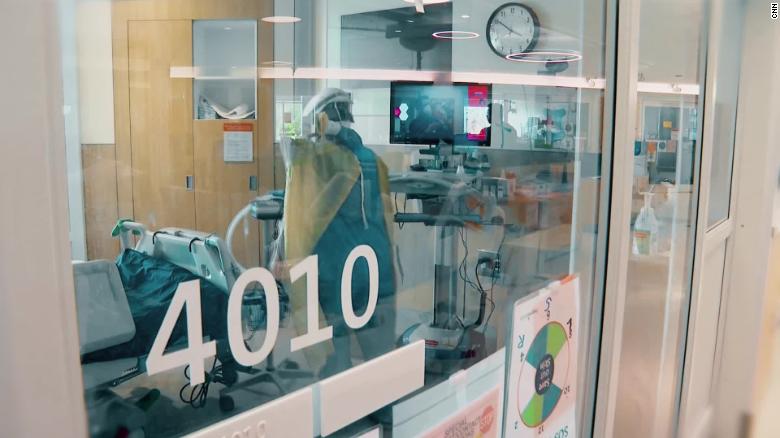
The coronavirus is spreading at ever-faster rates in a broad array of states, putting the U.S. on the precipice of an explosion of illness that threatens to overwhelm the nation’s health care system.

The painful economic lockdowns imposed in March gave the country time to flatten the epidemiological curve and contain the virus. But that window of opportunity, which came at great economic cost, is quickly slamming shut. Health experts say all signs point to a deadly summer and fall unless government leaders implement a much more robust national strategy.

The breadth of the spread is staggering. Forty-three states have seen the number of cases confirmed on an average day increase in the last two weeks. The number of patients in hospitals has risen over the same period in 29 states. More than 80 percent of intensive care beds are occupied in Alabama, Arizona and Georgia.

The same models that predicted surges in Phoenix, Houston and Miami now show a new and broader round of cities as the likely next epicenters. The number of confirmed cases is likely to rise substantially in places like Atlanta, Kansas City, Mo., Tulsa, Okla., and Greenville, S.C.

The virus also appears to be traveling north along the I-95 corridor. Cities like Philadelphia and Baltimore, which struggled through earlier peaks of viral transmission, are now seeing early signs of a second wave. Transmissions even appear to be rising in New York City.

On the other side of the country, outbreaks in California have grown to unprecedented proportions. The Golden State is now averaging more than 7,900 new cases a day, substantially more than its seven-day average just two weeks ago.

Public health experts warn that the U.S. has only a fleeting window in which to wrestle the virus back under some form of control. Without a stronger national response, including restrictions on large gatherings and requirements that people wear masks in public, the risk of a second peak could bring new lockdowns and more economic harm, derail the beginning of the new school year and even overwhelm local health systems.

“Our projections show that without immediate actions to significantly reduce travel and social distancing nationwide, this virus will not only threaten our ability to reopen schools in the coming weeks, but our capacity to care for the sickest individuals,” said David Rubin, director of PolicyLab at the Children’s Hospital of Philadelphia whose models forecast higher case counts.

More than 3.1 million Americans have tested positive for the virus, though the Centers for Disease Control and Prevention estimate that as many as 25 million people in the U.S. may have contracted it. More than 133,000 people have died, almost twice as many victims as in Brazil, the second-hardest hit country.

Cities that successfully avoided early explosions of cases are now in the crosshairs after the loosening of restrictions in some states and regions that helped avoid what studies have suggested would have been tens of millions of infections.

“I would be lying if I didn’t say I was concerned,” Kansas City, Mo., Mayor Quintin Lucas said in an interview. “We have looked at the trends out of Texas, Arizona and Florida. Those states kind of reflect the political choices that were made statewide in Missouri, and that does give us concern.”

The Kansas City metropolitan area has confirmed more than 10,000 coronavirus cases. The PolicyLab model shows Jackson County, Mo., is likely to experience more than 200 new cases every day by the beginning of August.

Rubin warned that smaller cities are likely to experience significant outbreaks in the coming weeks, potentially straining health systems that are not as prepared to handle a high volume of patients in need of intensive care. College towns like South Bend, Ind., and Tuscaloosa, Ala., are beginning to see case counts rise even with most students gone.

“We’re starting to see a mild uptick,” said James Mueller, South Bend’s mayor. “We’re in a much better position now than we were for the first increase or the first peak.”

At other levels of government, some who have sought to downplay the severity of the American outbreak have pointed to an increasing number of tests being conducted across the country, which they say will naturally lead to identification of those who have only minor symptoms or asymptomatic cases. But the number of cases is rising faster than would be accounted for by the increase in testing; the share of tests coming back positive is rising in 38 states.

More than a quarter of tests conducted in Arizona are coming back positive, according to state data. More than 15 percent of tests are coming back positive in Alabama, Florida, Mississippi, South Carolina and Texas.

Governors in 23 states have ordered residents to wear masks in public, though President Trump has refused to order a nationwide mask mandate. Trump has instead focused on reopening the economy, insisting that schools operate as normal in the months before he faces voters in November.

But public health experts argue action is needed now to avoid a second peak of tsunami-like proportions.

“We never gave communities a real chance at success as we lacked a national strategy around masking and limiting gathering sizes to act as a buffer as places reopened,” Rubin and his colleagues Gregory Tasian and Jing Huang wrote.

“So, do we admit that we’ve failed and try to salvage the reopening of our schools in fall by quickly enacting a national approach to pause all reopenings and try to get our country back onto stable footing?” he asked. “It may not be what people want to hear, but the situation is that dire that we need to consider this.”


More young people are getting — and spreading — the coronavirus

https://www.axios.com/coronavirus-young-people-spread-5a0cd9e0-1b25-4c42-9ef9-da9d9ebce367.html

More young people are getting — and spreading — the coronavirus ...

More young people are being infected with the coronavirus, and even though they’re less likely to die from it, experts warn the virus’ spread among young adults may further fuel outbreaks across the United States.

Why it matters: Some people in their 20s and 30s face serious health complications from COVID-19, and a surge in cases among young people gives the virus a bigger foothold, increasing the risk of infection for more vulnerable people.

  • We may see a pattern of younger people being affected initially, but then, in a number of weeks from now, we’re going to see a more deadly pandemic spreading to elderly people,” says Alison Galvani, an epidemiologist at Yale University.

People can transmit the virus without knowing they have it, and younger people, in particular, could be unknowingly spreading the disease.

  • A study in Italy, yet to be peer reviewed, found the probability of having symptoms increased with age and that among 20–39-year-olds only about 22% had a fever or respiratory symptoms (compared to about 35% of 60–79-year-olds).
  • About half of the clusters in a study in Japan were traced back to people ages 20–39 at karaoke bars, offices and restaurants — and 41% of them did not have symptoms at the time.
  • “Younger people are at lower risk for serious COVID outcomes but are disproportionately responsible for asymptomatic transmission,” says Galvani, who published a study earlier this week that found the majority of COVID-19 transmission is from silent carriers who are pre-symptomatic or asymptomatic.

By the numbers: From Arizona to Allegheny County, Pa., young people increasingly account for COVID-19 cases.

  • In the county of Los Angeles, nearly 50% of cases are now in people under 40 (compared to about 30% in April), per the LA Times.
  • In Harris County, Texas, home to Houston, 43% of the 40,000 cases are in people ages 20–39, as of yesterday.
  • In Florida, the median age of confirmed cases is hovering in the mid- to late-30s, compared to age 65 in March.

And the proportion of young people hospitalized for COVID-19 has also grown.

  • 40% of hospitalizations for COVID-19 at the end of June were for people 18–49-years-old, compared to 26% at the end of March, according to the COVID-NET database of hospitalizations in 14 states that represent about 10% of the U.S. population.

Between the lines: Yes, young people are going to bars and parties — but also to work.

  • 42% of people ages 18–39 said they had socialized without social distancing compared to 26% of people over 40, in a survey last month from the Democracy Fund + UCLA Nationscape.
  • 64% of frontline workers (grocery store clerks, health care workers, delivery drivers and other essential workers) are under 50.
  • There’s a need for better education so that young people choose to take steps to prevent infection, says Lauren Ancel Meyers, a mathematical epidemiologist at UT Austin.
  • “But it also might come down to policies or regulations that get employers to ensure they are providing a safe workplace or resources to protect 20, 30 and other age groups that are working for them.”

Where it stands: Young people are still much less likely to be hospitalized or die from the virus than people older than 60.

  • Yes, but: They can and do get very sick with the disease — from dangerous blood clots in their lungs to inflammation of the heart, lungs and even brain.
  • And the long-term consequences are unknown.
  • The risk is higher for young people of color: For example, the majority of coronavirus hospitalizations among Latino/Hispanic Americans are in people ages 18–49, my Axios colleague Caitlin Owens reported.

“The death rate among the young is not zero, and it is particularly not zero for people who have at least one co-morbid condition. This is not a completely benign disease of the young.”

— Joshua Schiffer, of the Fred Hutchinson Cancer Center

What to watch: “If hospitals are strained now dealing with younger cases, they are going to be all the more taxed when the age distribution of infections shifts to the elderly,” Galvani says.


U.S. sets one-day record with more than 60,500 COVID cases; Americans divided

https://www.reuters.com/article/us-health-coronavirus-usa/u-s-sets-one-day-record-with-more-than-60500-covid-cases-americans-divided-idUSKBN24A28B?utm_source=Sailthru&utm_medium=email&utm_campaign=Issue:%202020-07-10%20Healthcare%20Dive%20%5Bissue:28416%5D&utm_term=Healthcare%20Dive

Texas, Florida and Arizona see increase in COVID-19 deaths | Daily ...

More than 60,500 new COVID-19 infections were reported across the United States on Thursday, according to a Reuters tally, setting a one-day record as weary Americans were told to take new precautions and the pandemic becomes increasingly politicized.

The total represents a slight rise from Wednesday, when there were 60,000 new cases, and marks the largest one-day increase by any country since the pandemic emerged in China last year.

As infections rose in 41 of the 50 states over the last two weeks, Americans have become increasingly divided on issues such as the reopening of schools and businesses. Orders by governors and local leaders mandating face masks have become particularly divisive.

“It’s just disheartening because the selfishness of (not wearing a mask) versus the selflessness of my staff and the people in this hospital who are putting themselves at risk, and I got COVID from this,” said Dr. Andrew Pastewski, ICU medical director at Jackson South Medical Center in Miami.

“You know, we’re putting ourselves at risk and other people aren’t willing to do anything and in fact go the other way and be aggressive to promote the disease. It’s really, it’s really hard,” he said.

Stephanie Porta, 41, a lifelong Orlando, Florida, resident, said only about half the shoppers at her grocery store wore masks, though that was more than she saw two weeks ago.

“They’re trying to make everything seem normal, when it’s not. People are dying, people are getting sick. It’s insane,” she said.

Florida on Thursday announced nearly 9,000 new cases and 120 new coronavirus deaths, a record daily increase in lives lost. Governor Ron DeSantis called the rising cases a “blip” and urged residents not to be afraid.

“I know we’ve had a lot of different blips,” DeSantis said. “We’re now at a higher blip than where we were in May and the beginning of June.”

Florida is one of the few states that does not disclose the number of hospitalized COVID patients. But more than four dozen Florida hospitals reported their intensive care units reached full capacity earlier this week.

In Texas a group of bar owners sued Governor Greg Abbott, a Republican, saying his June 26 order closing them down violates the state constitution, the Dallas Morning News reported.

Dr. Robert Redfield, director of the U.S. Centers for Disease Control and Prevention, said Thursday that keeping schools closed would be a greater risk to children’s health than reopening them.

California and Texas, the two most populous states, announced record increases in COVID deaths on Wednesday.

California has seen cases and hospitalizations surge, even though it imposed one of the strictest lockdowns. After several lawmakers and staffers at the state Capitol in Sacramento were infected, lawmakers said the legislature would not return from summer break until July 27.

Riverside University Health System, east of Los Angeles, expanded its 44-bed intensive care unit after it filled up with patients.

“It’s been very consistent every day in the last couple of weeks. Every day has been like a full moon,” Riverside emergency room physician Stephanie Loe said, referring to doctors’ beliefs that a full moon brings more patients to the emergency room.

Governors in California, Florida and Texas have either ruled out forced business closures and quarantines or called them a last resort. But Los Angeles Mayor Eric Garcetti warned he would impose a new stay-at-home order in two weeks if the latest surge did not ease.

The rise in infections also weighed on the stock market Thursday on fears of new lockdowns, which would take a toll on the economic recovery. The Dow .DJI and the S&P 500 .SPX ended down about 1%.


Texas and Arizona ER doctors say they are losing hope as hospitals reach capacity

https://www.cnn.com/2020/07/08/us/emergency-room-doctors-coronavirus-capacity/index.html?utm_source=Sailthru&utm_medium=email&utm_campaign=Issue:%202020-07-08%20Healthcare%20Dive%20%5Bissue:28354%5D&utm_term=Healthcare%20Dive

Texas and Arizona ER doctors say they are losing hope as hospitals ...

As concerns over the capacity of hospitals resurface amid surging Covid-19 cases, two emergency room doctors say they worry about where the pandemic could take them next.

Dr. Mina Tran, an emergency room doctor in Texas, said 70 to 80% of her patients have been admitted with upper respiratory or coronavirus complaints.
In Arizona, which saw its lowest-ever number of available ICU beds Tuesday, Dr. Murtaza Akhter told Lemon so many patients are coming in that he is already having to make tough decisions over resources.
“I’m trying not to be an alarmist. I’m an emergency physician — we’re prepped for this. Dr. Tran and I both trained very hard for this. But we can’t just build beds overnight. We can’t just hire staff overnight. And like I said, our numbers are only increasing,” he said. “It’s only going to get worse and that’s the scary part.”
With a rise in hospitalization rates across the US, doctors like Akhter are reporting waiting lists for ICU beds and having to decide who will be admitted for treatment and who will not.
Surges in hospitalization and infection rates have followed larger crowds gathering in newly reopened public spaces. Every state has started their plan to reopen, and 35 are currently seeing more new cases reported compared to last week.
Tran applauded Texas Gov. Greg Abbott closing down bars once again but said she does think the state was too quick to open back up.
While many states have paused or rolled back reopening in light of a resurgence of cases, Akhter said seeing individuals continue disregard safe practices as his emergency room treats coronavirus patients makes him feel like he is “losing hope.”
“I’m going through shifts making some very tough decisions and then I’m driving home and seeing people who are clearly not distancing, having their Fourth of July celebrations, being in big congregate settings, and it feels like what I’m doing is futile,” Akhter said. “I don’t know what more people need to hear.”
And California and Florida are feeling the strain as well.
In Florida, where cases have surged, ICUs at 56 hospitals have reached capacity. And California’s hospitalizations were at an all-time high on Tuesday with nearly 6,000 coronavirus patients.


U.S. Tops Three Million Known Infections as Coronavirus Surges

https://www.usnews.com/news/top-news/articles/2020-07-07/us-coronavirus-cases-hit-3-million-stoking-fears-of-overwhelmed-hospitals

U.S. tops three million known infections as coronavirus surges ...

 The U.S. coronavirus outbreak crossed a grim new milestone of over 3 million confirmed cases on Tuesday as more states reported record numbers of new infections, and Florida faced an impending shortage of intensive care unit hospital beds.

Authorities have reported alarming upswings of daily caseloads in roughly two dozen states over the past two weeks, a sign that efforts to control transmission of the novel coronavirus have failed in large swaths of the country.

California, Hawaii, Missouri, Montana, Oklahoma and Texas on Tuesday shattered their previous daily record highs for new cases. About 24 states have also reported disturbingly high infection rates as a percentage of diagnostic tests conducted over the past week.

In Texas alone, the number of hospitalized patients more than doubled in just two weeks.

The trend has driven many more Americans to seek out COVID-19 screenings. The U.S. Department of Health and Human Services said on Tuesday it was adding short-term “surge” testing sites in three metropolitan areas in Florida, Louisiana and Texas.

In Houston, a line of more than 200 cars snaked around the United Memorial Medical Center as people waited for hours in sweltering heat to get tested. Some had arrived the night before to secure a place in line at the drive-through site.

“I got tested because my younger brother got positive,” said Fred Robles, 32, who spent the night in his car. “There’s so many people that need to get tested, there’s nothing you can do about it.”

Dean Davis, 32, who lost his job due to the pandemic, said he arrived at the testing site at 3 a.m. on Tuesday after he waited for hours on Monday but failed to make the cutoff.

“I was like, let me get here at three, maybe nobody will be here,” Davis said. “I got here, there was a line already.”

In Florida, more than four dozen hospitals across 25 of 67 counties reported their intensive care units had reached full capacity, according to the state’s Agency for Health Care Administration. Only 17% of the total 6,010 adult ICU beds statewide were available on Tuesday, down from 20% three days earlier.

Additional hospitalizations could strain healthcare systems in many areas, leading to an uptick in deaths from the respiratory illness that has killed more than 131,000 Americans to date.

A widely cited mortality model from the University of Washington’s Institute for Health Metrics and Evaluation (IHME) projected on Tuesday that U.S. deaths would reach 208,000 by Nov. 1, with the outbreak expected to gain new momentum heading into the fall.

A hoped-for summertime decline in transmission of the virus never materialized as previously predicted, the IHME said.

“The U.S. didn’t experience a true end of the first wave of the pandemic,” IHME Director Dr. Christopher Murray said in a statement. “This will not spare us from a second surge in the fall, which will hit particularly hard in states currently seeing high levels of infections.”

‘PRESSURE ON GOVERNORS’

U.S. President Donald Trump, who has pushed for restarting the U.S. economy and urged Americans to return to their normal routines, said on Tuesday he would lean on state governors to open schools in the fall.

Speaking at the White House, Trump said some people wanted to keep schools closed for political reasons. “No way, so we’re very much going to put pressure on governors and everybody else to open the schools.”

New COVID-19 infections are rising in 42 states, based on a Reuters analysis of the past two weeks. By Tuesday afternoon, the number of confirmed U.S. cases had surpassed 3 million, affecting nearly one of every 100 Americans and a population roughly equal to Nevada’s.

In Arizona, another hot spot, the rate of coronavirus tests coming back positive rose to 26% for the week ended July 5, leading two dozen states with positivity rates exceeding 5%. The World Heath Organization considers a rate over 5% to be troubling.

The surge has forced authorities to backpedal on moves to reopen businesses, such as restaurants and bars, after mandatory lockdowns in March and April reduced economic activity to a virtual standstill and put millions of Americans out of work.

The Texas state fair, which had been scheduled to open on Sept. 25, has been canceled for the first time since World War Two, organizers announced on Tuesday.

In Ohio, Governor Mike DeWine said the state was ordering people in seven counties to wear face coverings in public starting on Wednesday evening.


Covid-19 cases are rising, but deaths are falling. What’s going on?

https://www.vox.com/2020/7/6/21314472/covid-19-coronavirus-us-cases-deaths-trends-wtf

Coronavirus cases are rising, but Covid-19 deaths are falling ...

By the time coronavirus deaths start rising again, it’s already too late.

There is something confounding about the US’s new coronavirus spikes: Cases are rising, but the country is seeing its lowest death counts since the pandemic first exploded.

The numbers are genuinely strange to the naked eye: On July 3, the US reported 56,567 new Covid-19 cases, a record high. On the same day, 589 new deaths were reported, continuing a long and gradual decline. We haven’t seen numbers that low since the end of March.

When laypeople observe those contradictory trends, they might naturally have a follow-up question: If deaths are not increasing along with cases, then why can’t we keep reopening? The lockdowns took an extraordinary toll of their own, after all, in money and mental health and some lives. If we could reopen the economy without the loss of life we saw in April and May, then why shouldn’t we?

I posed that very question to more than a dozen public health experts. All of them cautioned against complacency: This many cases mean many more deaths are probably in our future. And even if deaths don’t increase to the same levels seen in April and May, there are still some very serious possible health consequences if you contract Covid-19.

The novel coronavirus, SARS-Cov-2, is a maddeningly slow-moving pathogen — until it’s not. The sinking death rates reflect the state of the pandemic a month or more ago, experts say, when the original hot spots had been contained and other states had only just begun to open up restaurants and other businesses.

That means it could still be another few weeks before we really start to see the consequences, in lives lost, of the recent spikes in cases. And in the meantime, the virus is continuing to spread. By the time the death numbers show the crisis is here, it will already be too late. Difficult weeks will lie ahead.

Even if death rates stay low in the near term, that doesn’t mean the risk of Covid-19 has evaporated. Thousands of Americans being hospitalized in the past few weeks with a disease that makes it hard to breathe is not a time to declare victory. Young people, who account for a bigger share of the recent cases, aren’t at nearly as high a risk of dying from the virus, but some small number of them will still die and a larger number will end up in the hospital. Early research also suggests that people infected with the coronavirus experience lung damage and other long-term complications that could lead to health problems down the road, even if they don’t experience particularly bad symptoms during their illness.

And as long as the virus is spreading in the community, there is an increased risk that it will find its way to the more vulnerable populations.

“More infected people means faster spread throughout society,” Kumi Smith, who studies infectious diseases at the University of Minnesota, told me. “And the more this virus spreads the more likely it is to eventually reach and infect someone who may die or be severely harmed by it.”

This presents a communications challenge. Sadly, as Smith put it, “please abstain from things you like to benefit others in ways that you may not be able to see or feel” is not an easy message for people to accept after three-plus months in relative isolation.

But perhaps the bigger problem is the reluctance of our government to take the steps necessary to control the disease. Experts warned months ago that if states were too quick to relax their social distancing policies, without the necessary capacity for more testing or contact tracing, new outbreaks would flare up and be difficult to contain.

That’s exactly what happened — and now states are scrambling to reimpose some restrictions. Unless the US gets smarter about its coronavirus response, the country seems doomed to repeat this cycle over and over again.


Why Covid-19 deaths aren’t rising along with cases — yet

The contradiction between these two curves — case numbers sloping upward, death counts downward — is the primary reason some people are agitating to accelerate, not slow down, reopening in the face of these new coronavirus spikes.

The most important thing to understand is that this is actually to be expected. There is a long lag — as long as six weeks, experts told me — between when a person gets infected and when their death would be reported in the official tally.

“Why aren’t today’s deaths trending in the same way today’s cases are trending? That’s completely not the way to think about it,” Eleanor Murray, an epidemiologist at Boston University, told me. “Today’s cases represent infections that probably happened a week or two ago. Today’s deaths represent cases that were diagnosed possibly up to a month ago, so infections that were up to six weeks ago or more.”

“Some people do get infected and die quickly, but the majority of people who die, it takes a while,” Murray continued. “It’s not a matter of a one-week lag between cases and deaths. We expect something more on the order of a four-, five-, six-week lag.”

As Whet Moser wrote for the Covid Tracking Project last week, the recent spikes in case counts really took off around June 18 and 19. So we would not expect them to show up in the death data yet.

“Hospitalizations and deaths are both lagging indicators, because it takes time to progress through the course of illness,” Caitlin Rivers at the Johns Hopkins Center for Health Security told me late last week. “The recent surge started around two weeks ago, so it’s too soon to be confident that we won’t see an uptick in hospitalizations and deaths.”

The national numbers can also obscure local trends. According to the Covid Tracking Project, hospitalizations are spiking in the South and West, but, at the same time, they are dropping precipitously in the Northeast, the initial epicenter of the US outbreak.

And a similar regional shift in deaths may be underway, though it will take longer to reveal itself because the death numbers lag behind both cases and hospitalizations. But even now, Alabama, Arizona, Florida, Nevada, South Carolina, Tennessee, Texas, and Virginia have seen an uptick in their average daily deaths, according to Covid Exit Strategy, while Connecticut, Massachusetts, and New York have experienced a notable decline.

There are some reasons to be optimistic we will not see deaths accelerate to the same extent that cases are. For one, clinicians have identified treatments like remdesivir and dexamethasone that, respectively, appear to reduce people’s time in the hospital and their risk of dying if they are put on a ventilator.

The new infections are also, for now, skewing more toward younger people, who are at a much lower risk of dying of Covid-19 compared to older people. But that is not the case for complacency that it might superficially appear to be.


Younger people are less at risk from Covid-19 — but their risk isn’t zero

For starters, younger people can die of Covid-19. About 3,000 people under the age of 45 have died from the coronavirus, according to the CDC’s statistics (which notably have a lower overall death count than other independent sources that rely on state data). That is a small percentage of the 130,000 and counting overall Covid-19 deaths in the US. But it does happen.

Moreover, younger people can also develop serious enough symptoms that they end up having to be hospitalized with the disease. Again, their risk is meaningfully lower than that of older people, but that doesn’t mean it’s zero.

There can also be adverse outcomes that are not hospitalization or death. Illness is not a zero-sum game. A recent study published in Nature found that even asymptomatic Covid-19 patients showed abnormal lung scans. As Lois Parshley has documented for Vox, some people who recover from Covid-19 still report health problems for weeks after their initial sickness. Potential long-term issues include lung scarring, blood clotting and stroke, heart damage, and cognitive challenges.

In short, surviving Covid-19, even with relatively mild symptoms, does not mean a person simply reverts to normal. This is a new disease, and we are still learning the full extent of its effects on the human body.

But even if we recognize that young people face less of a threat directly from the coronavirus, there is still a big reason to worry if the virus is spreading in that population: It could very easily make the leap from less vulnerable people to those who are much more at risk of serious complications or death.


The coronavirus could easily jump from younger people to the more vulnerable

One response to the above set of facts might be: “Well, we should just isolate the old and the sick, while the rest of us go on with our lives.” That might sound good in theory (if you’re not older or immunocompromised yourself), but it is much more difficult in practice.

“The fact is that we live in communities that are all mixed up with each other. That’s the concern,” Natalie Dean, a biostatistics professor at the University of Florida, says. “It’s not like there’s some nice neat demarcation: you’re at high risk, you’re at low risk.”

The numbers in Florida are telling. At first, in late May and into early June, new infections accelerated among the under-45 cohort. But after a lag of a week or so, new cases also started to pick up among the over-45 (i.e., more at-risk) population.

“The rise in older adults is trailing behind, but it is starting to go up,” Dean said.

Anecdotally, nursing homes in Arizona and Texas — the two states with the most worrisome coronavirus trends right now — have seen outbreaks in recent weeks as community spread increases. The people who work in nursing homes, after all, are living out in the community where Covid-19 is spreading. And, because they are younger, they may not show symptoms while they are going to work and potentially exposing those patients.

As one expert pointed out to me, both Massachusetts and Norway have seen about 60 percent of their deaths come in long-term care facilities, even though the former has a much higher total fatality count than the latter. That would suggest we have yet to find a good strategy for keeping the coronavirus away from those specific populations.

“There is so far not much evidence that we know how to shield the most vulnerable when there is widespread community transmission,” Marc Lipsitch, a Harvard epidemiologist, told me.

That means the best recourse is trying to contain community spread, which keeps the overall case and death counts lower (as in Norway) and prevents the health care system from being overwhelmed.


Health systems haven’t been overwhelmed — but some hospitals in new hot spots are getting close

Arizona, Florida, and Texas still have 20 to 30 percent of their ICU and hospital beds available statewide, according to Covid Exit Strategy, even as case counts continue to rise. While some people use those numbers to argue that the health systems can handle an influx of Covid patients, the experts I spoke to warned that capacity can quickly evaporate.

“Let’s keep it that way, shall we?” William Hanage at Harvard said. “Hospitals are getting close to overwhelmed in some places, and that will be more places in future if action isn’t taken now. Also ‘not overwhelmed’ is a pretty low bar.”

Hospital capacity is another example of how the lags created by Covid-19 can lull us into a false sense of security until a crisis presents itself and suddenly it’s too late. Because it can take up to two weeks between infection and hospitalization, we are only now beginning to see the impact of these recent spikes.

And, to be clear, hospitalizations are on the rise across the new hot spots. The number of people currently hospitalized with Covid-19 in Texas is up from less than 1,800 on June 1 to nearly 8,000 on July 4. Hospitalizations in Arizona have nearly tripled since the beginning of June, up to more than 3,100 today.

And the state-level data doesn’t show local trends, which are what really matter when it comes to hospital capacity. Some of the hardest-hit cities in these states are feeling the strain, as Hanage pointed out. Hospitals in Houston have started transferring their Covid-19 patients to other cities, and they are implementing their surge capacity plans, anticipating a growing need because of the trendlines in the state.

Once a hospital’s capacity is reached, it’s already too late. They will have to endure several rough weeks after that breach, because the virus has continued to infect more people in the interim, some of whom will get very sick and require hospitalization when there isn’t any room available for them.

“We’re seeing some drastic measures being implemented right now in Texas and Arizona along those lines: using children’s hospitals for adults, going into crisis mode, etc.,” Tara Smith, who studies infectious diseases at Kent State University, told me. “So it shows how quickly all of that can turn around.”

And, on top of Covid-19, these health systems will continue to have the usual flow of emergencies from heart attacks, strokes, accidents, etc. That’s when experts start to worry people will die who wouldn’t otherwise have. That is what social distancing, by slowing the spread of the coronavirus, is supposed to prevent.


We don’t have to lock down forever — but we have to be smart and vigilant

Lockdowns are extraordinarily burdensome. Tens of millions of Americans have lost their jobs. Drug overdoses have spiked. There has been a worrying increase in heart-related deaths, which indicates people who otherwise would have sought medical treatment did not do so during the worst of the outbreak this spring.

But we cannot will the coronavirus out of existence. Experts warned months ago that if states reopened too early, cases would spike, which would strain health systems and put us at risk of losing more people to this virus. That appears to be what’s starting to happen. And it may get worse; if the summer heat has suppressed the virus to any degree, we could see another rebound in the fall and winter.

So we must strike a balance, between the needs of a human society and the reality that most of us are still susceptible to an entirely novel pathogen that is much deadlier and more contagious than the flu.

That means, for starters, being smarter about how we reopen than we have been so far. There is strong evidence that states were too cavalier about ending stay-at-home orders and reopening businesses, with just a handful meeting the metrics for reopening laid out by experts, as Vox’s German Lopez explained.

“What I’ve seen is that reopening is getting interpreted by many as reverting back to a Covid-free time where we could attend larger group gatherings, socialize regularly with many different people, or congregate without masks,” Kumi Smith in Minnesota said. “The virus hasn’t changed since March, so there’s no reasons why our precautions should either.”

To date, most states have opened up bars again and kept schools closed. Lopez made a persuasive case last week that we’ve got that backward. One of the most thorough studies so far on how lockdowns affected Covid-19’s spread found that closing restaurants and bars had a meaningful effect on the virus but closing schools did not.

That study also found that shelter-in-place orders had a sizable impact. While those measures may not be politically feasible anymore, individuals can still be cautious about going out — and when they do, they can stick to outdoor activities with a small number of people.

Masks are not a panacea either, but the evidence is convincingly piling up that they also help reduce the coronavirus’s spread. Whether a given state has a mandate to wear one or not, that is one small inconvenience to accept in order to get this outbreak back under control.

And, really, that is the point. While the current divergence between case and death counts can be confusing, the experts agree that Covid-19 still poses a significant risk to Americans — and it is a risk that goes beyond literal life and death. We know some of the steps that we, as individuals, can take to help slow the spread. And we need our governments, from Washington to the state capitals, to get smarter about reopening.

It will require collective action to stave off the coronavirus for good. Other countries have done it. But we have to act now, before we find out it’s already too late.


America celebrates a grim milestone

https://mailchi.mp/7d224399ddcb/the-weekly-gist-july-3-2020?e=d1e747d2d8

Epidemic vs. Pandemic, What Is the Difference Between an Epidemic ...


As the nation headed into the 4th of July weekend, the number of new COVID cases hit a string of daily highs, reaching a record high of more than 55,000 on Thursday. States across the South and Sunbelt, especially those that lifted stay-at-home orders early, saw the worst spikes.

Florida broke a new record with more than 10,000 cases on Thursday, and Georgia also experienced a new daily high. Hospitalizations continued to rise sharply in several states as well. Many hospitals reported a shift in COVID admissions toward younger, otherwise healthy adults, reports borne out by the lower death rate than that experienced in the initial surge of cases in the Northeast. (Advances in the management of severely ill COVID patients have also brought death rates down.)

In a Senate hearing on Tuesday, top White House health advisor Dr. Anthony Fauci said that the US was “not in total control” of the pandemic, and predicted that daily new case counts could top 100,000 if more stringent measures are not taken.

California, Florida, and other states took steps to roll back reopening efforts, and Texas Gov. Greg Abbott abruptly reversed direction and ordered a statewide mask mandate. Welcome news, but likely too late to prevent cities like Houston from exceeding available ICU capacity. Cases in the city have skyrocketed across the past month, with its positive test rate hitting 20 percent yesterday; its cancer and children’s hospitals began admitting COVID-positive adults to provide added capacity.

With celebrations scheduled across the nation this weekend, including another large event today at Mount Rushmore to be attended by President Trump, where masking and social distancing will be optional, it seems certain that we will continue to reap the whirlwind of careless behavior and hasty reopening for the rest of this month and beyond.

And looming in just six weeks—students return to schools and colleges.

US coronavirus update: 2.7M cases; 130K deaths; 33.5M tests conducted.


Hospitals in new COVID-19 hot spots face delicate balancing act with elective surgeries

https://www.fiercehealthcare.com/hospitals/hospitals-new-covid-19-hotspots-face-delicate-balancing-act-elective-surgeries?mkt_tok=eyJpIjoiT1RJMlpqWTNPREJtTmpGaSIsInQiOiJ0enNDdXU5R0ZEdUJmSE1GcXl5UHd4VjdcL1FQcWE3ckN2YmhLVUhnazNFNlhUOEdLQndTcnRnXC9TbWNzWDhZMW5KWEhtMUxJRDRFdG1uXC84NGVhTHZ5QklGK0Fyc2dadXVcL0phNWFaVGY1SGlVVzN6NFRxVlRLOE9mRmdHR2VmdDgifQ%3D%3D&mrkid=959610

Hospitals in new COVID-19 hot spots face delicate balancing act ...

Some hospital systems located in states that are seeing huge spikes of COVID-19 are continuing to perform elective procedures and developing strategies to avoid a total shutdown.

The experiences of hospitals in states such as Florida and Arizona could inform how systems will handle new surges of COVID-19 cases, especially if a second surge of the virus arrives in the fall. Hospitals have been reticent to shut down surgical procedures, which are pivotal to their bottom line and also impact patient care.

“We are not turning it all the way off,” said Marjorie Bessel, M.D., chief clinical officer for Banner Health, referring to elective procedures. “Our surgeries are needed and medically necessary and people need to have those surgeries done.”

The 28-hospital system has a large footprint in Arizona, which is experiencing a major spike in cases. Bessel said 45% of Arizona COVID-19 patients are in a Banner Health facility.

Like many states, Arizona’s governor required hospitals to shutter elective procedures to ensure there is enough capacity and personal protective equipment (PPE) for COVID-19 patients. The governor lifted the shutdown May 1, and Banner has slowly ramped up delayed or canceled elective procedures.

“We attempted to reduce the backlog of people who had been waiting or wait-listed,” Bessel told Fierce Healthcare. “We didn’t quite get back to full normal operations, but we got close.”

That progress has been hindered now as COVID-19 cases soar in the state.

But instead of doing a full shutdown, Banner is implementing a tiered and step-wise approach to surgeries.

“One of the things that we are going to try is to do surgeries for patients that don’t need an inpatient stay,” Bessel said. “We are gonna try that and see how that works for us.”

The system is also tightly monitoring the patients that need an intensive care unit stay after their surgery. Banner can transfer patients to other facilities to ensure it has enough capacity.

“We look at our [patient] census almost hourly throughout the day and the night and make these adjustments to best meet the needs of those in the community,” she said.

Tampa General Hospital in Florida resumed elective procedures back in early May and is still performing surgeries as COVID-19 cases rise. The hospital told Fierce Healthcare that it treats COVID-19 patients in a “negative-pressure unit that is separate from other areas of the hospital.”

The hospital has 81 of these rooms and 100 hospitals and has a surge plan to adjust capacity when necessary.

Another important factor for hospitals is to communicate with patients about what is going on. Tampa General, for instance, issued a release on when it is appropriate to go to the emergency room and outlined the procedures for screening patients of COVID-19 to assuage fears.

Hospitals’ own internal processes have also gotten better amid the COVID-19 pandemic.

“In the operating area, COVID-19 has made us more efficient,” said Michael Zinner, M.D., CEO of the Miami Cancer Institute, which is part of 11-hospital system Baptist Health South Florida. “It has taught us how to move things out of the general operating room into ambulatory and more efficient in the turnovers. It has taught us how to adapt.”

Some states could decide to shut down elective procedures again, which is a move Texas has decided to make in four counties in the state.

Getting and keeping enough PPE

One of the key reasons that states ordered hospitals to shut down surgeries was to preserve enough PPE for COVID-19 care.

But hospital systems say they are in a better place now in terms of PPE than they were at the onset of the pandemic, when a buying spree caused hospitals to fight among each other to get supplies.

“We are a heck of a lot better than we were two months ago,” Zinner said.

He added that Baptist Health even bought a stake in a domestic PPE manufacturer, a move Banner Health made as well.

“Besides the current spike, we were preparing for what we think will be a surge in the fall,” Zinner added.

Another important development for hospitals now is there are guidelines for how to reprocess PPE.

“We have found ways to reprocess some PPE safely so you can reuse it without losing efficacy and take it through a decontamination procedure,” said Michael Calderwood, M.D., an epidemiologist at Dartmouth-Hitchcock Medical Center in New Hampshire.

He pointed to using ultraviolet light and hydrogen peroxide as among methods facilities can use to reprocess their supplies.

The type of PPE that is used in surgeries is also sometimes different than the equipment used to treat COVID-19 patients, Bessel said.

“They use a procedural mask for most of the cases, while the masks in shortage has been the N-95 respirators,” she said.


Six months in, coronavirus failures outweigh successes

Six months in, coronavirus failures outweigh successes

Covid-19 news: UK deaths fall below five-year average | New Scientist

In the six months since the World Health Organization (WHO) detected a cluster of atypical pneumonia cases at a hospital in Wuhan, China, the coronavirus pandemic has touched every corner of the globe, carving a trail of death and despair as humankind races to catch up.

At least 10.4 million confirmed cases have been diagnosed worldwide, and the true toll is likely multiples of that figure. In the United States, health officials believe more than 20 million people have likely been infected.

A staggering 500,000 people around the globe have died in just six months. More people have succumbed to the virus in the U.S. — 126,000 — than the number of American troops who died in World War I.

But even after months of painful lockdowns worldwide, the virus is no closer to containment in many countries. Public health officials say the pandemic is getting worse, fueled by new victims in both nations that have robust medical systems and poorer developing countries.

“We all want this to be over. We all want to get on with our lives. But the hard reality is this is not even close to being over,” WHO Director-General Tedros Adhanom Ghebreyesus said Monday. “Globally, the pandemic is actually speeding up.”

In the U.S., the fierce urgency of March and April has given way to the complacency of summer, as bars and restaurants teem with young people who appear largely convinced the virus poses no threat to them. New outbreaks, especially among younger Americans, have forced 16 states to pause or roll back their reopening plans.

“This is a really challenging point in time. It’s challenging because people are tired of the restrictions on their activity, people are tired of not being able to socialize, not being able to go to work,” said Richard Besser, a former acting director of the Centers for Disease Control and Prevention (CDC) who now heads the Robert Wood Johnson Foundation.

“You have people who have reached that point of pandemic fatigue where they just don’t want to hear it anymore, they just want to go back to their life,” he added.

The number of new U.S. cases has risen sharply in recent weeks, led disproportionately by states in the South, the Midwest and the Sun Belt. More than a quarter-million people tested positive for the coronavirus last week, and more than 40,000 tested positive on three consecutive days over the weekend.

“We are now having 40-plus thousand new cases a day. I would not be surprised if we go up to 100,000 a day if this does not turn around. And so I am very concerned,” Anthony Fauci, director of the National Institute for Allergy and Infectious Diseases, told a Senate panel on Tuesday.

Public health experts now worry that a rising tide of death is about to crest across the United States. Officials in Alabama, Arizona, California, Mississippi and Texas are reporting a surging number of COVID-19 hospitalizations, leading to fears that health systems could soon be overrun.

“If you’re over the hospital capacity, people will start dying faster,” said Eric Feigl-Ding, an epidemiologist and health economist at the Harvard T.H. Chan School of Public Health and a senior fellow at the Federation of American Scientists.

Already, Arizona has reported more coronavirus deaths per million residents in the last week, at 4.77, than any nation on Earth except Chile and Peru.

The response to the coronavirus pandemic has varied widely, and in some parts of the world, both wealthy and developing nations have brought it under control. In the U.S., some states hit hard early on have wrangled transmission under control.

But even in states that have achieved some measure of success, the spikes in cases stand in stark contrast to countries that have bent the epidemiological curves to manageable levels.

Mass screenings in South Korea crushed the spread, and quick action to identify and isolate contacts in more recent hot spots have meant new outbreaks are quickly contained. South Korea, with a population of 51 million, has reported just 316 new cases in the past week, fewer than the number of new cases reported in Rhode Island, a state with slightly more than 1 million residents.

Germany raced to protect its elderly population and rapidly expanded its hospital capacity. It deployed the world’s most successful diagnostics test, developed at a Berlin hospital, on a massive scale. With a population of 83 million, the country has reported 78 coronavirus deaths in the past week; Mississippi, population 3 million, reported 96 coronavirus-related deaths during the same period.

Vietnam imposed mandatory quarantines on contacts, including international travelers, in government-run centers to stop the spread. Among its 95 million residents, Vietnam has confirmed 355 total cases since the outbreak began. Alabama, population 4.9 million, reported 358 cases on Sunday alone.

Those countries have begun loosening restrictions on their populations and their economies, with few signs of major flare-ups.

The United States has begun to open up too but without bending the curve downward, and the results have been disastrous. The number of daily confirmed cases has more than doubled in nine states over the past two weeks and has increased by more than half in 17 more.

“I have really grave concerns that viral transmission is going to get out of control,” Besser said.

In interviews, public health experts and epidemiologists confess to feelings of depression and disgust over the state of the nation’s response. Some remain exasperated that there is still no coordinated national response from the White House or federal agencies.

President Trump has rarely mentioned the virus in recent weeks, aside from using racial epithets and suggesting his administration would slow testing to reduce the number of confirmed cases. He later said he was joking.

“There should be some sort of federal leadership,” Feigl-Ding said. “Every state’s on its own, for the most part.”

Left to their own devices, some states are trending in the right direction. Connecticut, Maryland, New Hampshire, New York, North Dakota, Rhode Island, South Dakota and the District of Columbia have seen their case counts decline for two consecutive weeks or more. New York reported 4,591 new cases in the last week — a startlingly high figure but only a fraction of the 65,000 cases infecting the state during its worst week, in early April.

States with their numbers on the decline have benefited from fast action and strict measures. They’re also viewed as role models for states that are now experiencing surges.

“States who are now on the rapid upslope need to act quickly, take the advice and example of states that have already been through this,” said Abraar Karan, an internist at Brigham and Women’s Hospital and Harvard Medical School. “We know what needs to be done to win this in the short run, and we are working on what needs to happen for the longer term.”

If there is a silver lining, it is that the number of tests American states are conducting on a daily basis has grown to about 600,000, on its way toward the millions the nation likely needs to fully control the spread.

But that silver lining frames a darkening cloud: As the virus spreads, even the higher testing capacity has been strained, and state and local governments are hitting their limits and running low on supplies.

The greater number of tests does not account for the speed of the spread, as Trump has suggested. The share of tests that come back positive has averaged almost 7 percent over the last week, according to The Hill’s analysis of national figures; in the first week of June, just 4.6 percent of tests were coming back positive.

If greater testing were responsible for more cases, the percentage coming back positive should decrease rather than increase. The higher positive rates are an indication the virus is spreading more rapidly.

As with so much else in American life, the coronavirus has become a political battleground. The new front is over face masks, which studies show dramatically reduce transmission. States that have mandated wearing masks in public saw the number of new cases decline by a quarter between the first and third weeks of June; states that do not require masks in any setting saw the number of cases rise by 84 percent over that same span.

“From a public health perspective, it’s demoralizing, it’s tragic … because our public health leaders know what to do to get this under control, but we’re in a situation where the CDC is not out front in a leadership role. We’re not hearing from them every day. They’re not explaining and capturing people’s hearts and minds,” said Besser, the former CDC chief. “If we have a vaccine, that will be terrific if it’s safe and effective. But until that point, these are the only tools we have, these tools of public health, and they’re very crude tools.”


Houston ICUs at 97 Percent Capacity as Texas Coronavirus Cases Break Records

https://www.newsweek.com/houston-icus-90-percent-capacity-texas-coronavirus-cases-break-records-1513077

Coronavirus Briefing: What Happened Today - The New York Times

Almost all intensive care unit beds at Houston hospitals were occupied on Wednesday as Texas reported a record number of statewide patient admissions related to the novel coronavirus.

During a City Council meeting Wednesday morning, Houston Mayor Sylvester Turner said 97 percent of the city’s ICU beds were filled. A report from the Texas Medical Center (TMC) said 27 percent of those beds were occupied by COVID-19 patients.

According to data published earlier this week by the TMC, a network of health care and research institutions based in Houston, 90 percent of the city’s ICU beds were filled as of Monday. Virus patients accounted for more than one-quarter of those occupancies.

The TMC’s latest report incorporated ICU admission numbers from seven affiliate hospitals in the Houston area: CHI St. Luke’s Health, Harris Health System, Houston Methodist, MD Anderson Cancer Center, Memorial Hermann, Texas Children’s Hospital and University of Texas Medical Branch. The hospitals can collectively admit 1,330 ICU patients at regular capacity, when 70 to 80 percent of total beds are typically occupied, according to the TMC.

The TMC’s Monday report noted that an additional 373 beds could become available under its “sustainable surge” plan, a procedure that would indefinitely increase ICU capacities as needed during the pandemic. Another 504 beds could be added to Houston ICUs under an emergency “unsustainable surge” plan, which the TMC would implement to address a “significant, temporary” influx of patients, according to its report.

Houston’s heightened ICU admissions were reported as cases and hospitalizations related to the coronavirus are spiking throughout Texas. Ongoing data released by the Texas Department of State Health Services show that of all the state’s regions, the Houston area is one of the hardest hit in terms of virus incidence and hospital admissions. The latest DSHS data estimated that 179 ICU beds were available at medical facilities located in the Greater Houston area as of Tuesday afternoon.

The number of patients hospitalized with the virus peaked in Texas on Tuesday, as the DSHS confirmed more than 4,000 current admissions. The state has set new records for hospitalizations related to COVID-19 every day since June 12, when 2,166 patients were reported.

On Monday, the Houston Health Department said hospitalizations due to the virus had increased 177 percent throughout the surrounding county since May 31. It also noted a 64 percent increase in ICU patients who had tested positive for the virus.

Texas also saw its highest daily increase in virus cases on Wednesday, with 5,489 new diagnoses confirmed. The latest single-day record surpassed its previous high of 4,430 new cases reported last Saturday. Cumulative diagnosis data reflected in graphics published by the DSHS show a sharp upturn in cases reported statewide since the start of June, when about 64,800 total cases were confirmed. As of Tuesday afternoon, the number had risen to more than 120,300. The DSHS estimated that roughly 47,400 of those cases remain active.

Businesses in Texas started to reopen at the beginning of May. Although Texas Governor Greg Abbott has not required residents to wear face masks in the state’s public spaces during the reopening process, he did encourage people to do so earlier this week in response to increasing case counts and hospitalizations.

“Wearing a mask will help us to keep Texas open. Not taking action to slow the spread will cause COVID to spread even worse, risking people’s lives and ultimately leading to the closure of more businesses,” he said during a news conference on Monday.