HCA nurses issue 10-day strike notice at California hospital

https://www.healthcaredive.com/news/hca-nurses-issue-10-day-strike-notice-at-california-hospital/580359/

UPDATE: June 23, 2020: Riverside Community Hospital on Tuesday told Healthcare Dive the motivation behind the union’s strike notice “has very little to do with the best interest of their members and everything to do with contract negotiations.” The system said it has plans to ensure appropriate staffing and continued services for any type of event, including a strike.

Dive Brief:

  • Nurses at HCA Healthcare’s Riverside Community Hospital in south-central California issued a 10-day strike notice last week, citing a breakdown in discussions over safety and staffing, the union representing them said Monday.
  • The nurses plan to strike from Friday, June 26 through July 6, prior to starting contract negotiations with HCA on July 7.  The union plans to push for better staffing and safety measures, particularly hospital preparedness during states of emergency.
  • Neither HCA nor Riverside were available for comment, but the hospital told Becker’s Hospital Review it had hoped the union “would not resort to these tactics” during the COVID-19 pandemic and said it had not laid off or furloughed any employees due to the crisis.

Dive Insight:

The strike notice follows a recent job posting from the nation’s biggest for-profit chain seeking qualified nurses in the Los Angeles area in the event of a job action or work stoppage.

Nurses at Riverside Community Hospital pushed for an improved staffing agreement last year and got it — but the hospital recently ended that agreement, resulting in fewer RNs taking care of more patients amid a pandemic, according to the union.

Insufficient personal protective equipment, inadequate safety measures and recycling of single-use PPE is also putting nurses at increased risk of COVID-19 infection, the union alleges.

Scores of RNs at the hospital have fallen ill with COVID-19, according to a release, including deaths of an environmental services worker and a lab technician, that “have not caused RCH to improve staffing or increase PPE.”

PPE shortages have been a problem at all of the 27 hospitals SEIU Local 121 RN represents, the union says. But a member survey found HCA hospitals were particularly unprepared for shortages. Only 27% of local 121 RN members at HCA hospitals reported having access to N95 respirators in their unit, significantly lower than other hospitals surveyed, according to the union.

Nashville-based HCA has received the most among for-profits in Coronavirus Aid, Relief, and Economic Security Act funding so far, about $1 billion. The amount is about 2% of HCA’s total 2019 revenue.

The 184-hospital system said it has not had to furlough employees like other systems have, though some employees have been redeployed or seen their hours and pay decrease. HCA implemented a program providing seven weeks paid time off at 70% of base pay that was scheduled to expire May 16, but has been extended through this week.

A spokesperson with the country’s largest nurses union, National Nurses United, told Healthcare Dive the program isn’t technically a furlough because some HCA nurses participating said they must remain on call or work rotating shifts.

NNU has also recently fought with HCA over other pandemic-related labor issues. Nurses at 15 HCA hospitals protested in late May over contractually bargained wage increases the hospital says it can’t deliver due to financial strains, asking nurses to give up the increases or face layoffs.

Another dispute involves a last-minute change mandating in-person voting for nurses deciding whether to form a union at HCA’s Mission Hospital in Asheville, North Carolina, according to an NNU release.

SEIU Local 121 RN said HCA can “easily weather this storm financially, continue to provide profits for their shareholders, while at the same time support and protect nurses as they fight this disease and fight to save their community.”


HCA seeks nurse backup ahead of potential strike

https://www.healthcaredive.com/news/hca-seeks-nurse-backup-ahead-of-potential-strike/579502/

Dive Brief:

  • HCA is looking for qualified nurses in the event of a job action against its facilities in Los Angeles, such as a strike, according to a job posting from May 29. The giant hospital chain did not respond to multiple requests for comment.
  • The country’s largest nurses union, National Nurses United, has recently disputed with the system over other pandemic-related labor issues. Nurses at 15 HCA hospitals protested in late May over contractually bargained wage increases the hospital says it can’t deliver due to financial strains, asking nurses to give up the increases or face layoffs.
  • Another dispute involves a last-minute change mandating in-person voting for nurses deciding whether to form a union at HCA’s Mission Hospital in Asheville, North Carolina, according to an NNU release.

Dive Insight:

Nashville-based HCA Healthcare, the largest among for-profit hospital operators, has received the most among for-profits in Coronavirus Aid, Relief and Economic Security Act funding so far, about $1 billion. The amount is about 2% of HCA’s total 2019 revenue.

The 184-hospital system said it has not had to furlough any employees like other systems have, though some employees have been redeployed or seen their hours and pay decrease. HCA implemented a program providing seven weeks paid time off at 70% of base pay that was scheduled to expire May 16, but extended through June 27.

An NNU spokesperson told Healthcare Dive the program isn’t technically a furlough because some HCA nurses participating said they must remain on call or work rotating shifts.

The union spokesperson also confirmed that an email was sent to HCA nurses referring them to the strike-nurse job posting, which would offer more pay than their current roles.

“This really is a threat to nurses, and particularly insulting when you already have layoffs or cuts, if you don’t accept further concessions,” a union spokesperson told Healthcare Dive.

Nurses in California joined those in five other states at the end of May to protest HCA’s proposal to cut wage increases or impose layoffs.

At HCA’s Regional Medical Center in San Jose, California, NNU filed a suit to block the closure of the maternal-child care center, which it said is in violation of laws to protect the health and safety of the community. The closure proceeded anyway on May 30, followed by an announcement from Santa Clara County that the move may be jeopardizing the facility’s Level II Trauma designation agreement.

Across the country, frontline caregivers continue noting a lack of adequate personal protective equipment. The union’s executive director, Bonnie Castillo, will testify before Congress on Wednesday on protecting nurses during the pandemic and the dire need for optimal PPE.


Hospitals Got Bailouts and Furloughed Thousands While Paying C.E.O.s Millions

Hospitals Got Bailouts and Furloughed Thousands While Paying ...

Dozens of top recipients of government aid have laid off, furloughed or cut the pay of tens of thousands of employees.

HCA Healthcare is one of the world’s wealthiest hospital chains. It earned more than $7 billion in profits over the past two years. It is worth $36 billion. It paid its chief executive $26 million in 2019.

But as the coronavirus swept the country, employees at HCA repeatedly complained that the company was not providing adequate protective gear to nurses, medical technicians and cleaning staff. Last month, HCA executives warned that they would lay off thousands of nurses if they didn’t agree to wage freezes and other concessions.

A few weeks earlier, HCA had received about $1 billion in bailout funds from the federal government, part of an effort to stabilize hospitals during the pandemic.

HCA is among a long list of deep-pocketed health care companies that have received billions of dollars in taxpayer funds but are laying off or cutting the pay of tens of thousands of doctors, nurses and lower-paid workers. Many have continued to pay their top executives millions, although some executives have taken modest pay cuts.

The New York Times analyzed tax and securities filings by 60 of the country’s largest hospital chains, which have received a total of more than $15 billion in emergency funds through the economic stimulus package in the federal CARES Act.

The hospitals — including publicly traded juggernauts like HCA and Tenet Healthcare, elite nonprofits like the Mayo Clinic, and regional chains with thousands of beds and billions in cash — are collectively sitting on tens of billions of dollars of cash reserves that are supposed to help them weather an unanticipated storm. And together, they awarded the five highest-paid officials at each chain about $874 million in the most recent year for which they have disclosed their finances.

At least 36 of those hospital chains have laid off, furloughed or reduced the pay of employees as they try to save money during the pandemic.

Industry officials argue that furloughs and pay reductions allow hospitals to keep providing essential services at a time when the pandemic has gutted their revenue.

But more than a dozen workers at the wealthy hospitals said in interviews that their employers had put the heaviest financial burdens on front-line staff, including low-paid cafeteria workers, janitors and nursing assistants. They said pay cuts and furloughs made it even harder for members of the medical staff to do their jobs, forcing them to treat more patients in less time.

Even before the coronavirus swept America, forcing hospitals to stop providing lucrative nonessential surgery and other services, many smaller hospitals were on the financial brink. In March, lawmakers sought to address that with a vast federal economic stimulus package that included $175 billion for the Department of Health and Human Services to hand out in grants to hospitals.

But the formulas to determine how much money hospitals receive were based largely on their revenue, not their financial needs. As a result, hospitals serving wealthier patients have received far more funding than those that treat low-income patients, according to a study by the Kaiser Family Foundation.

One of the bailout’s goals was to avoid job losses in health care, said Zack Cooper, an associate professor of health policy and economics at Yale University who is a critic of the formulas used to determine the payouts. “However, when you see hospitals laying off or furloughing staff, it’s pretty good evidence the way they designed the policy is not optimal,” he added.

The Mayo Clinic, with more than eight months of cash in reserve, received about $170 million in bailout funds, according to data compiled by Good Jobs First, which researches government subsidies of companies. The Mayo Clinic is furloughing or reducing the working hours of about 23,000 employees, according to a spokeswoman, who was among those who went on furlough. A second spokeswoman said that Mayo Clinic executives have had their pay cut.

Seven chains that together received more than $1.5 billion in bailout funds — Trinity Health, Beaumont Health and the Henry Ford Health System in Michigan; SSM Health and Mercy in St. Louis; Fairview Health in Minneapolis; and Prisma Health in South Carolina — have furloughed or laid off more than 30,000 workers, according to company officials and local news reports.

The bailout money, which hospitals received from the Health and Human Services Department without having to apply for it, came with few strings attached.

Katherine McKeogh, a department spokeswoman, said it “encourages providers to use these funds to maintain delivery capacity by paying and protecting doctors, nurses and other health care workers.” The legislation restricts hospitals’ ability to use the bailout funds to pay top executives, although it doesn’t stop recipients from continuing to award large bonuses.

The hospitals generally declined to comment on how much they are paying their top executives this year, although they have reported previous years’ compensation in public filings. But some hospitals furloughing front-line staff or cutting their salaries have trumpeted their top executives’ decisions to take voluntary pay cuts or to contribute portions of their salary to help their employees.

The for-profit hospital giant Tenet Healthcare, which has received $345 million in taxpayer assistance since April, has furloughed roughly 11,000 workers, citing the financial pressures from the pandemic. The company’s chief executive, Ron Rittenmeyer, told analysts in May that he would donate half of his salary for six months to a fund set up to assist those furloughed workers.

But Mr. Rittenmeyer’s salary last year was a small fraction of his $24 million pay package, which consists largely of stock options and bonuses, securities filings show. In total, he will wind up donating roughly $375,000 to the fund — equivalent to about 1.5 percent of his total pay last year.

A Tenet spokeswoman declined to comment on the precise figures.

The chief executive at HCA, Samuel Hazen, has donated two months of his salary to a fund to help HCA’s workers. Based on his pay last year, that donation would amount to about $237,000 — or less than 1 percent — of his $26 million compensation.

“The leadership cadre of these organizations are going to need to make sacrifices that are commensurate with the sacrifices of their work force, not token sacrifices,” said Jeff Goldsmith, the president of Health Futures, an industry consulting firm.

Many large nonprofit hospital chains also pay their senior executives well into the millions of dollars a year.

Dr. Rod Hochman, the chief executive of the Providence Health System, for instance, was paid more than $10 million in 2018, the most recent year for which records are available. Providence received at least $509 million in federal bailout funds.

A spokeswoman, Melissa Tizon, said Dr. Hochman would take a voluntary pay cut of 50 percent for the rest of 2020. But that applies only to his base salary, which in 2018 was less than 20 percent of his total compensation.

Some of Providence’s physicians and nurses have been told to prepare for pay cuts of at least 10 percent beginning in July. That includes employees treating coronavirus patients.

Stanford University’s health system collected more than $100 million in federal bailout grants, adding to its pile of $2.4 billion of cash that it can use for any purpose.

Stanford is temporarily cutting the hours of nursing staff, nursing assistants, janitorial workers and others at its two hospitals. Julie Greicius, a spokeswoman for Stanford, said the reduction in hours was intended “to keep everyone employed and our staff at full wages with benefits intact.”

Ms. Greicius said David Entwistle, the chief executive of Stanford’s health system, had the choice of reducing his pay by 20 percent or taking time off, and chose to reduce his working hours but “is maintaining his earning level by using paid time off.” In 2018, the latest year for which Stanford has disclosed his compensation, Mr. Entwistle earned about $2.8 million. Ms. Greicius said the majority of employees made the same choice as Mr. Entwistle.

HCA’s $1 billion in federal grants appears to make it the largest beneficiary of health care bailout funds. But its medical workers have a long list of complaints about what they see as penny-pinching practices.

Since the pandemic began, medical workers at 19 HCA hospitals have filed complaints with the Occupational Safety and Health Administration about the lack of respirator masks and being forced to reuse medical gowns, according to copies of the complaints reviewed by The Times.

Ed Fishbough, an HCA spokesman, said that despite a global shortage of masks and other protective gear, the company had “provided appropriate P.P.E., including a universal masking policy implemented in March requiring all staff in all areas to wear masks, including N95s, in line with C.D.C. guidance.”

Celia Yap-Banago, a nurse at an HCA hospital in Kansas City, Mo., died from the virus in April, a month after her colleagues complained to OSHA that she had to treat a patient without wearing protective gear. The next month, Rosa Luna, who cleaned patient rooms at HCA’s hospital in Riverside, Calif., also died of the virus; her colleagues had warned executives in emails that workers, especially those cleaning hospital rooms, weren’t provided proper masks.

Around the time of Ms. Luna’s death, HCA executives delivered a warning to officials at the Service Employees International Union and National Nurses United, which represent many HCA employees. The company would lay off up to 10 percent of their members, unless the unionized workers amended their contracts to incorporate wage freezes and the elimination of company contributions to workers’ retirement plans, among other concessions.

Nurses responded by staging protests in front of more than a dozen HCA hospitals.

“We don’t work in a jelly bean factory, where it’s OK if we make a blue jelly bean instead of a red one,” said Kathy Montanino, a nurse treating Covid-19 patients at HCA’s Riverside hospital. “We are dealing with people’s lives, and this company puts their profits over patients and their staff.”

Mr. Fishbough, the spokesman, said HCA “has not laid off or furloughed a single caregiver due to the pandemic.” He said the company had been paying medical workers 70 percent of their base pay, even if they were not working. Mr. Fishbough said that executives had taken pay cuts, but that the unions had refused to take similar steps.

“While we hope to continue to avoid layoffs, the unions’ decisions have made that more difficult for our facilities that are unionized,” he said. The dispute continues.

Apparently anticipating a strike, a unit of HCA recently created “a new line of business focused on staffing strike-related labor shortages,” according to an email that an HCA recruiter sent to nurses.

The email, reviewed by The Times, said nurses who joined the venture would earn more than they did in their current jobs: up to $980 per shift, plus a $150 “Show Up” bonus and a continental breakfast.


HCA nurses say they face layoffs if they don’t give up negotiated pay increases

HCA nurses say they face layoffs if they don’t give up negotiated pay increases

HCA nurses say they face layoffs if they don't give up negotiated ...

Nurses at 15 HCA hospitals represented by National Nurses United protested last week, saying the for-profit hospital chain threatened layoffs.  Nurses took to the sidewalks outside of their hospitals with signs, after they said they were told to expect cuts to benefits and staff if they didn’t give up negotiated wage increases.

In an emailed statement, HCA said it had no plans for layoffs.

letter obtained by MedCity News threatened the possibility of reductions if the nurses did not accept HCA’s proposal.

The letter stated:

“The facts are that non-represented colleagues across the HCA Healthcare enterprise are taking pay reductions and non-represented colleagues are giving up wage increases this year. HCA Healthcare has made these tough decisions in order to preserve jobs. To be equitable to all of our colleagues across the enterprise, we recently reached out to unions, with the hope that during this time of crisis, they would support the same measures for our unionized employees to minimize the impact on your compensation and employment status. …  If the (National Nurses Organizing Committee) and/or (Service Employees International Union) reject our proposal, colleagues represented by these unions will no longer be eligible for continued pandemic pay, may be subject to layoffs and may face other benefit changes.”

Nurses interviewed by MedCity News said they were asked to give up other benefits.

Zoe Schmidt, a registered nurse who works at Research Medical Center in Kansas City, said they were also asked to forego their 401(k) matching for the year and shift differential pay, or increased compensation for nurses that work night and weekend shifts.


Over 500 Employees Of A Tyson Pork Processing Plant In Iowa Test Positive For Coronavirus

https://www.forbes.com/sites/mattperez/2020/05/28/over-500-employees-of-a-tyson-pork-processing-plant-in-iowa-test-positive-for-coronavirus/#4787159c4a1d

Iowa Tyson Foods Plant Halting Operations After 500+ Workers Test ...

TOPLINE

Coronavirus has swept through a Tyson pork processing plant in Storm Lake, Iowa, with 555 employees of 2,517 testing positive, fueling renewed concerns over safety measures at meatpacking plants.


KEY FACTS

On Wednesday, with suspicions the plant was the site of a new outbreak, Iowa’s Department of Public Health Deputy Director Sarah Reisetter said the state would only confirm outbreaks at businesses where 10% of employees test positive and only if the news media inquires about them specifically.

According to the Des Moines Register, cases in Buena Vista County more than doubled on Tuesday, and Reisetter is now confirming around 22% of the employees at the Storm Lake facility tested positive.

“We’ve determined confirming outbreaks at businesses is only necessary when the employment setting constitutes a high-risk environment for the potential of Covid-19 transmission,” Reisetter added.

On April 28, President Trump signed an executive order using the authority of the Defense Production Act to compel meat processing plants to remain open, but it hasn’t stopped facilities from shuttering to address low staffing and safety issues.

Tyson was previously forced to shut down its largest pork processing facility, located in Waterloo, Iowa, on April 22 following a number of coronavirus cases stemming from the plant, as well as worker absenteeism.

Other meatpacking facilities across the state have also been forced to address outbreaks, including plants owned by Smithfield Foods and JBS.

CHIEF CRITICS

State lawmakers and mayors in Iowa have complained about not getting information about the ongoing situations at meatpacking facilities until it’s too late. Sioux City Mayor Bob Scott said because Tyson isn’t based in the state, they don’t need to report numbers to them. Iowa Rep. Ras Smith criticized Governor Kim Reynolds and the Department of Health’s stance on the delays in reporting numbers.

KEY BACKGROUND

Food processing facilities have been the site of numerous outbreaks around the country, with Trump pushing for them to remain open amid fears of food shortages. Earlier in May, the United Food and Commercial Workers International Union, the largest meatpacking workers union, derided Trump’s executive order, saying that since its signing, “The administration has failed to take the urgent action needed to enact clear and enforceable safety standards at these meatpacking plants.” There are 18,524 confirmed cases of the coronavirus in Iowa. 


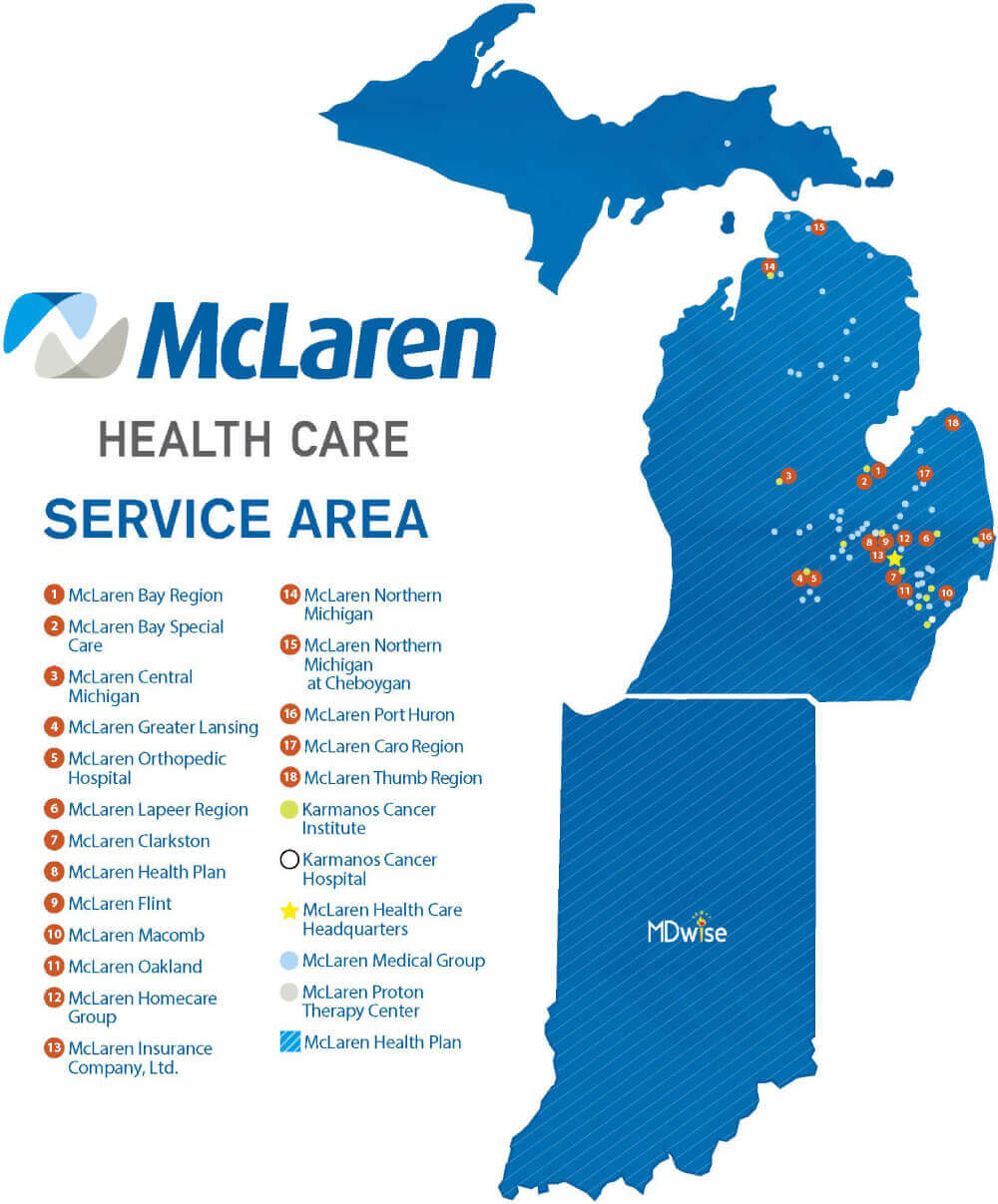
McLaren Health Care’s too secretive about finances, PPE, Michigan nurse union says

https://www.beckershospitalreview.com/workforce/mclaren-health-care-s-too-secretive-about-finances-ppe-michigan-nurse-union-says.html?utm_medium=email

About McLaren Health Care

Ten nurse unions in Michigan are accusing McLaren Health Care of not being transparent about its finances and personal protective equipment supply during the COVID-19 pandemic, but the health system said it has shared some of that information.

Many of the nurse unions have filed unfair labor practice charges with the National Labor Relations Board, alleging that by not sharing information with front-line healthcare workers the Grand Blanc, Mich.-based health system is violating federal labor law, a media release from the Michigan Nurses Association states.

According to the association, each of its 10 unions received a letter from the health system May 15, in which the system refused to divulge how much funding it received in federal COVID-19 grants. The health system also has refused to provide details about its protective gear inventory, the unions allege.

“The fact that they won’t share basic financial information with those of us working on the front lines makes you wonder if they have something to hide,” said Christie Serniak, a nurse at McLaren Central Michigan hospital in Mount Pleasant and president of the Michigan Nurses Association affiliate.

But the health system maintains it has been transparent and has worked with labor unions and bargaining units across the system since the beginning of the coronavirus pandemic.

“We’ve openly shared information about our operations, the challenges of restrictions on elective procedures, our plans for managing influxes of patients and our supplies of personal protective equipment,” Shela Khan Monroe, vice president of labor and employment relations at McLaren Health Care told Becker’s Hospital Review.

Ms. Khan Monroe said that the information has been shared through weekly meetings, departmental meetings and several union negotiation sessions over the last two months.

The unions also say that the health system has not offered its workers hazard pay or COVID-19 paid leave that is on par with other systems. They say that only workers who test positive for COVID-19 can take additional paid time off.

In a written statement, McLaren disputed the union’s claims about employee leave, saying that employees “dealing with child care and other COVID-related family matters” can take time off to care for loved ones.

McLaren did not specify if this time off is paid. Becker’s has reached out for clarification and will update the article once more information is available.

“We have negotiations pending with several of the unions involved in the coalition, and while we are deeply disappointed in these recent tactics, we will continue to work towards productive outcomes for all concerned,” said Ms. Khan Monroe.

Recently, a coalition of unions urged McLaren Health Care executives to reduce their own salaries before laying off employees.


UW Medicine to furlough 4,000 union employees

https://www.beckershospitalreview.com/finance/uw-medicine-to-furlough-4-000-union-employees.html?utm_medium=email

UW Medicine furloughing 1,500 staffers | News | dailyuw.com

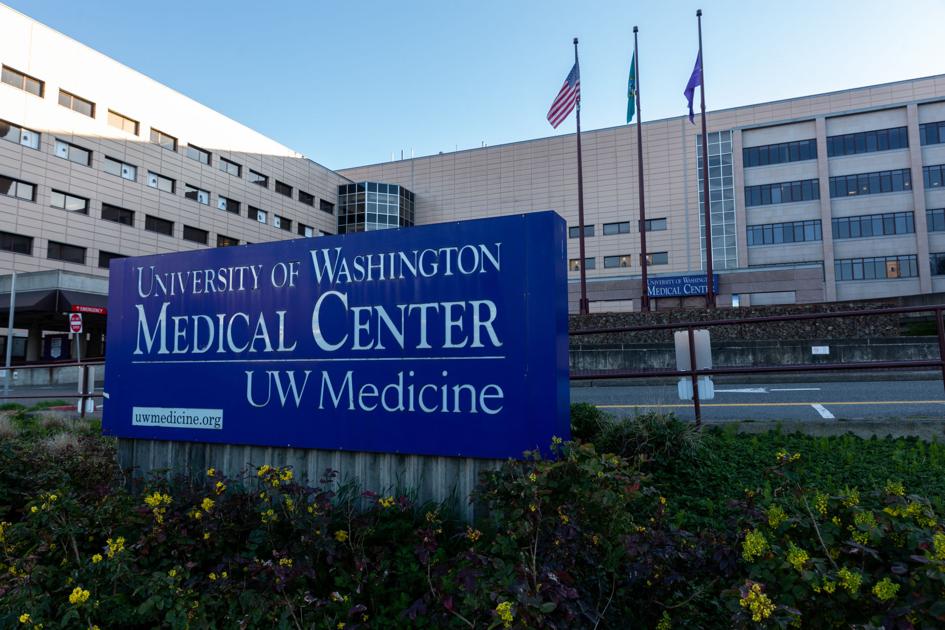
UW Medicine will furlough approximately 4,000 unionized employees due to financial challenges related to COVID-19 response, the Seattle-based organization said May 25.

The furloughs will last at least one week and as many as eight weeks. Affected employees will maintain their healthcare benefits, including insurance, during the furlough.

“This has been a very difficult, but necessary, decision to address the financial challenges facing UW Medicine and all healthcare organizations responding to the COVID-19 pandemic,” Lisa Brandenburg, president of UW Medicine Hospitals & Clinics, said in a news release. “We have taken deliberate steps to ensure patient care is not impacted by aligning staff levels with current and predicted patient volumes including the return of elective procedures, expanded in-person clinical services and continued expansion of telehealth, while ensuring UW Medicine is prepared to respond to future surges of patients with COVID-19.”

The decision comes one week after UW Medicine announced furloughs of 1,500 professional and nonunion staff members. UW Medicine said executive leaders, directors and managers are also participating in furloughs.

The actions are intended to help the organization address an anticipated $500 million loss from the pandemic.


HCA asks union to abandon wage increases this year

https://www.beckershospitalreview.com/hr/hca-asks-union-to-abandon-wage-increases-this-year.html?utm_medium=email

HCA revenue beats the hospital chain's expectations in 2019

A union representing more than 150,000 registered nurses in hundreds of U.S. hospitals is disputing with Nashville, Tenn.-based HCA Healthcare regarding pay and benefits.

National Nurses United said HCA is demanding that the union choose between an undetermined number of layoffs and no 401(k) match for this year or no layoffs and no nurse pay increases for the rest of the year, according to ABC affiliate Kiii TV.

HCA Healthcare, which to date has avoided layoffs due to the pandemic, told Becker’s Hospital Review it is asking the union to give up their demand for wage increases this year, just as nonunion employees have. HCA executive leadership, corporate and division colleagues and hospital executives have also taken pay cuts.  

The union said it takes issue with having to make this choice given HCA’s profits in the last decade, the additional funding the for-profit hospital operator received from the federal government’s Coronavirus Aid, Relief and Economic Security Act, and additional Medicare loans.

“It is outrageous for HCA to use the cover of the pandemic to swell its massive profits at the expense of its dedicated caregivers and the patients who will also be harmed by cuts in nursing staff,” Malinda Markowitz, RN, California Nurses Association/National Nurses United president, said in a news release.

HCA pointed to the pandemic pay program it implemented and recently extended through at least the end of June that allows employees who are called off or affected by a facility closure and cannot be redeployed to receive 70 percent of their base pay.

“It is surprising and frankly disappointing that unions would demand pay raises for their members and may reject the continuation of a generous pay program that is providing continued paychecks for more the 100,000 colleagues,” HCA said in a statement. “The goal of HCA Healthcare’s pandemic pay program is to keep our caregivers employed and receiving paychecks at a time when hospitals throughout the country are experiencing significant declines in patient volume and there is not enough work for them.”

HCA said more than 16,000 union members have participated in the pandemic pay program, even though it is not part of their contract. 


Michigan Medicine accused of exploiting 1,300 resident physicians in labor dispute

https://www.beckershospitalreview.com/hr/michigan-medicine-accused-of-exploiting-1-300-resident-physicians-in-labor-dispute.html?utm_medium=email

Watch The Resident on TiVo.

The union that represents 1,300 resident physicians at Ann Arbor-based Michigan Medicine said the health system is exploiting its members as both sides negotiate a new contract, according to Michigan Radio.

The University of Michigan House Officers Association and Michigan Medicine are trying to reach an agreement before the current contract expires in late June. But compensation remains a key sticking point.

Ruth Bickett-Hickok, MD, a second-year anesthesiology resident, told reporters May 18 she’s been treating COVID-19 patients and seeks a cost-of-living raise, according to Michigan Radio.

“Frankly I’m here because, for lack of a better term, Michigan [Medicine] residents right now are being exploited for their labor. Especially during this crisis,” said Dr. Bickett-Hickok, who is on the union board. She also cited her debt load for undergraduate and medical school in her reasoning for seeking a cost-of-living raise.

Overall, the union says it wants fair wages that recognize the risks physician residents have been willing to take on during the pandemic.

In a statement provided to Becker’s Hospital Review, Michigan Medicine spokesperson Mary Masson said the health system “recognizes the important role of the [union] members” and amid the pandemic “has honored the compensation package previously proposed to the HOA, which includes salary increases.”

Ms. Masson said Michigan Medicine is undergoing a $400 million expense reduction plan with furloughs and layoffs affecting about 1,400 full-time employees. Physician residents’ salaries range from $58,500 to $82,900 annually based on experience. Ms. Masson said to provide even higher salary increases, Michigan Medicine would have to eliminate additional jobs.

The union proposes that the health system use part of the university’s endowment funds to help cover the new labor deal.


AFL-CIO sues feds over coronavirus workplace safety

https://www.axios.com/afl-cio-sues-feds-over-coronavirus-workplace-safety-6de76122-2c75-4f84-92e5-21048c08b44b.html

AFL-CIO sues feds over coronavirus workplace safety - Axios

With states reopening for business and millions of people heading back to work, the nation’s largest labor organization is demanding the federal government do more to protect workers from contracting the coronavirus on the job.

What’s happening: The AFL-CIO, a collection of 55 unions representing 12.5 million workers, says it is suing the federal agency in charge of workplace safety to compel them to create a set of emergency temporary standards for infectious diseases.

Driving the news: The lawsuit against the U.S. Labor Department’s Occupational Safety and Health Administration (OSHA) is expected to be filed on Monday in the U.S. Court of Appeals in Washington, D.C.

  • Citing an urgent threat to “essential” workers and those being called back to work as government-imposed lockdowns are lifted, the AFL-CIO is asking the court to force OSHA to act within 30 days.
  • It wants a rule that would require each employer to evaluate its workplace for the risk of airborne disease transmission and to develop a comprehensive infection control plan that could include social distancing measures, masks and other personal protective equipment and employee training.

The agency has issued guidance, in collaboration with the Centers for Disease Control and Prevention, to protect workers in multiple industries — including dentist offices, nursing homes, manufacturing, meat processing, airlines and retail.

  • But the unions complain these are only recommendations, not requirements, and that mandatory rules should be imposed.
  • OSHA has been considering an infectious disease standard for more than a decade, they note, and has drafted a proposed standard.

U.S. Labor Secretary Eugene Scalia, in a letter to AFL-CIO President Richard Trumka, said employers are already taking steps to protect workers, and that OSHA’s industry-tailored guidelines provide more flexibility than a formal rule for all employers.

Yes, but: OSHA has received more than 3,800 safety complaints related to COVID-19 as of May 4, but it had already close to about 2,200 of them without issuing a single citation, according to the AFL-CIO.

What they’re saying: “It’s truly a sad day in America when working people must sue the organization tasked with protecting our health and safety,” Trumka said.

  • “But we’ve been left no choice. Millions are infected and nearly 90,000 have died, so it’s beyond urgent that action is taken to protect workers who risk our lives daily to respond to this public health emergency.
  • “If the Trump administration refuses to act, we must compel them to.”
  • OSHA could not immediately be reached for comment on the lawsuit.