Talk Is Cheap: Now Trump Must Deliver On His Healthcare Promises

https://www.forbes.com/sites/robertpearl/2025/06/09/talk-is-cheap-now-trump-must-deliver-on-his-healthcare-promises/

President Donald Trump has made big promises about fixing American healthcare. Now comes the moment that separates talk from action.

With the 2026 midterms fast approaching and congressional attention soon shifting to electoral strategy, the window for legislative results is closing quickly. This summer will determine whether the administration turns promises into policy or lets the opportunity slip away.

Trump and his handpicked healthcare leaders — HHS Secretary Robert F. Kennedy Jr. and FDA Commissioner Dr. Marty Makary — have identified three major priorities: lowering drug prices, reversing chronic disease and unleashing generative AI. Each one, if achieved, would save tens of thousands of lives and reduce costs.

But promises are easy. Real change requires political will and congressional action. Here are three tests that Americans can use to gauge whether the Trump administration succeeds or fails in delivering on its healthcare agenda.

Test No. 1: Have Drug Prices Come Down?

Americans pay two to four times more for prescription drugs than citizens in other wealthy nations. This price gap has persisted for more than 20 years and continues to widen as pharmaceutical companies launch new medications with average list prices exceeding $370,000 per year.

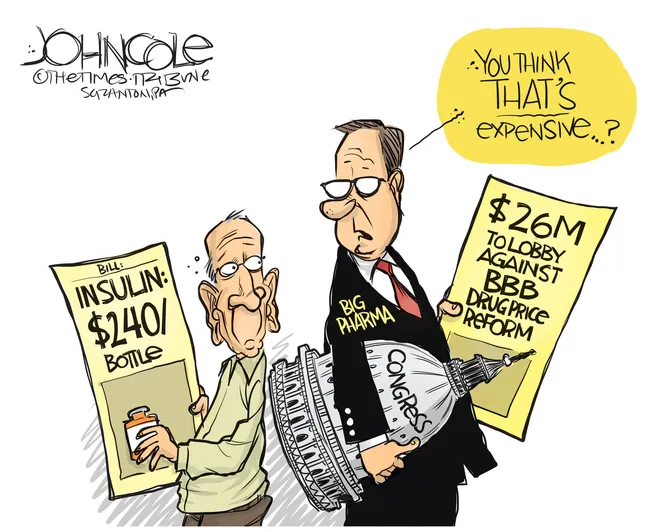
One key reason for the disparity is a 2003 law that prohibits Medicare from negotiating prices directly with drug manufacturers. Although the Inflation Reduction Act of 2022 granted limited negotiation rights, the initial round of price reductions did little to close the gap with other high-income nations.

President Trump has repeatedly promised to change that. In his first term, and again in May 2025, he condemned foreign “free riders,” promising, “The United States will no longer subsidize the healthcare of foreign countries and will no longer tolerate profiteering and price gouging.”

To support these commitments, the president signed an executive order titled “Delivering Most-Favored-Nation (MFN) Prescription Drug Pricing to American Patients.” The order directs HHS to develop and communicate MFN price targets to pharmaceutical manufacturers, with the hope that they will voluntarily align U.S. drug prices with those in other developed nations. Should manufacturers fail to make significant progress toward these targets, the administration said it plans to pursue additional measures, such as facilitating drug importation and imposing tariffs. However, implementing these measures will most likely require congressional legislation and will encounter substantial legal and political challenges.

The pharmaceutical industry knows that without congressional action, there is no way for the president to force them to lower prices. And they are likely to continue to appeal to Americans by arguing that lower prices will restrict innovation and lifesaving drug development.

But the truth about drug “innovation” is in the numbers: According to a study by America’s Health Insurance Plans, seven out of 10 of the largest pharmaceutical companies spend more on sales and marketing than on research and development. And if drugmakers want to invest more in R&D, they can start by requiring peer nations to pay their fair share — rather than depending so heavily on U.S. patients to foot the bill.

If Congress fails to act, the president has other tools at his disposal. One effective step would be for the FDA to redefine “drug shortages” to include medications priced beyond the reach of most Americans. That change would enable compounding pharmacies to produce lower-cost alternatives just as they did recently with GLP-1 weight-loss injections.

If no action is taken, however, and Americans continue paying more than twice as much as citizens in other wealthy nations, the administration will fail this crucial test.

Test No. 2: Did Food Health, Quality Improve?

Obesity has become a leading health threat in the United States, surpassing smoking and opioid addiction as a cause of death.

Since 1980, adult obesity rates have surged from 15% to over 40%, contributing significantly to chronic diseases, including type 2 diabetes, heart disease and multiple types of cancers.

A major driver of this epidemic is the widespread consumption of ultra-processed foods: products high in added sugar, unhealthy fats and artificial additives. These foods are engineered to be hyper-palatable and calorie-dense, promoting overconsumption and, in some cases, addictive eating behaviors.

RFK Jr. has publicly condemned artificial additives as “poison” and spotlighted their impact on children’s health. In May 2025, he led the release of the White House’s Make America Healthy Again (MAHA) report, which identifies ultra-processed foods, chemical exposures, lack of exercise and excessive prescription drug use as primary contributors to America’s chronic disease epidemic.

But while the report raises valid concerns, it has yet to produce concrete reforms.

To move from rhetoric to results, the administration will need to implement tangible policies.

Here are three approaches (from least difficult to most) that, if enacted, would signify meaningful progress:

  • Front-of-package labeling. Implement clear and aggressive labeling to inform consumers about the nutritional content of food products, using symbols to indicate healthy versus unhealthy options.
  • Taxation and subsidization. Impose taxes on unhealthy food items and use the revenue to subsidize healthier food options, especially for socio-economically disadvantaged populations.
  • Regulation of food composition. Restrict the use of harmful additives and limit the total amount of fat and sugar included, particularly for foods aimed at kids.

These measures will doubtlessly face fierce opposition from the food and agriculture industries. But if the Trump administration and Congress manage to enact even one of these options — or an equivalent reform — they can claim success.

If, instead, they preserve the status quo, leaving Americans to decipher nutritional fine print on the back of the box, obesity will continue to rise, and the administration will have failed.

Test No. 3: Are Patients Using Generative AI To Improve Health?

The Trump administration has signaled a strong commitment to using generative AI across various industries, including healthcare. At the AI Action Summit in Paris, Vice President JD Vance made the administration’s agenda clear: “I’m not here this morning to talk about AI safety … I’m here to talk about AI opportunity.”

FDA Commissioner Dr. Marty Makary has echoed that message with internal action. After an AI-assisted scientific review pilot program, he announced plans to integrate generative AI across all FDA centers by June 30.

But internal efficiency alone won’t improve the nation’s health. The real test is whether the administration will help develop and approve GenAI tools that expand clinical access, improve outcomes and reduce costs.

To these ends, generative AI holds enormous promise:

  • Managing chronic disease: By analyzing real-time data from wearables, GenAI can empower patients to better control their blood pressure, blood sugar and heart failure. Instead of waiting months between doctor visits for a checkup, patients could receive personalized analyzes of their data, recommendations for medication adjustments and warnings about potential risk in real time.
  • Improving diagnoses: AI can identify clinical patterns missed by humans, reducing the 400,000 deaths each year caused by misdiagnoses.
  • Personalizing treatment: Using patient history and genetics, GenAI can help physicians tailor care to individual needs, improving outcomes and reducing side effects.

These breakthroughs aren’t theoretical. They’re achievable. But they won’t happen unless federal leaders facilitate broad adoption.

That will require investing in innovation. The NIH must provide funding for next-generation GenAI tools designed for patient empowerment, and the FDA will need to facilitate approval for broad implementation. That will require modernizing current regulations. The FDA’s approval process wasn’t built for probabilistic AI models that rely on continuous application training and include patient-provided prompts. Americans need a new, fit-for-purpose framework that protects patients without paralyzing progress.

Most important, federal leaders must abandon the illusion of zero risk. If American healthcare were delivering superior clinical outcomes, managing chronic disease effectively and keeping patients safe, that would be one thing. But medical care in the United States is far from that reality. Hundreds of thousands of Americans die annually from poorly controlled chronic diseases, medical errors and misdiagnoses.

If generative AI technology remains confined to billing support and back-office automation, the opportunity to transform American healthcare will be lost. And the administration will have failed to deliver on this promise.

When I teach strategy at Stanford’s Graduate School of Business, I tell students that the best leaders focus on a few high-priority goals with clear definitions of success — and a refusal to accept failure. Based on the administration’s own words, grading the administration on these three healthcare tests will fulfill those criteria.

However, with Labor Day just months away, the window for action will soon close. The time for presidential action is now.

CMS: Negotiated drug prices would have saved Medicare $6B last year

The Centers for Medicare & Medicaid Services offered the first look at the potential savings generated by the first crop of Medicare drug price negotiations.

On Thursday morning, the agency released data that show if the negotiated prices for the first 10 drugs in the program had been available last year, it would have generated an estimated $6 billion in savings for Medicare. That’s savings of about 22% on those 10 products.

CMS will offer additional details on negotiations down the line, officials said on a call with reporters on Thursday, but they said the program led to price reductions of between 38% and 79% on the initial list of drugs.

On the highest end, negotiations led to a price decrease for Merck’s Januvia, a diabetes drug, from $527 for a 30-day supply to $113, down 79%. CMS said 843,000 Medicare beneficiaries took Januvia in 2023, with the drug accounting for nearly $4.1 billion in spending.

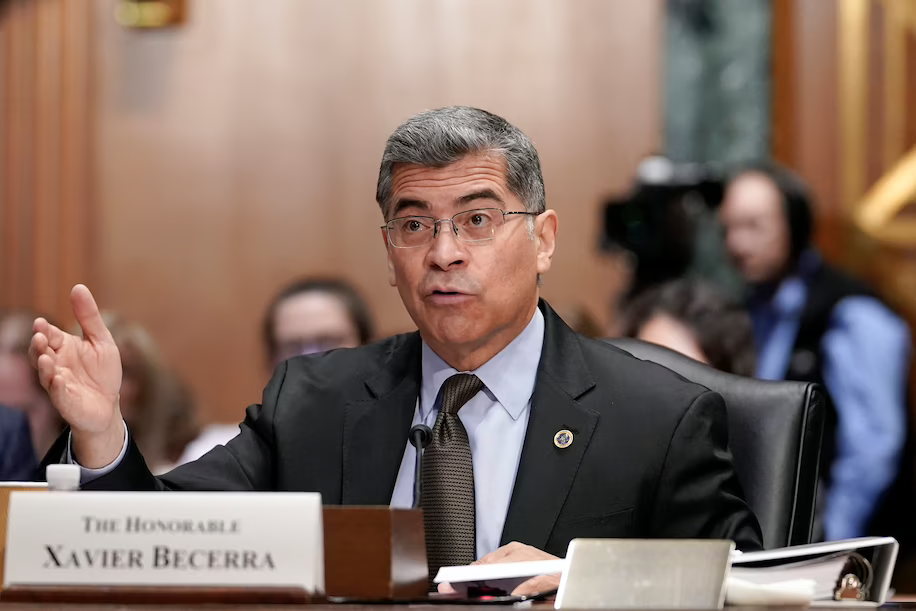
“Americans pay too much for their prescription drugs. That makes today’s announcement historic. For the first time ever, Medicare negotiated directly with drug companies and the American people are better off for it,” said U.S. Department of Health and Human Services (HHS) Secretary Xavier Becerra.

Here’s a look at savings for other drugs included in the program:

  • Fiasp and NovoLog insulins (Novo Nordisk): Reduced the cost of a 30-day supply from $495 to $119, a decrease of 76%.
  • Farxiga (AstraZeneca): List price for a 30-day supply decreased from $556 to $178.50, or 68%.
  • Enbrel (Immunex Corporation): Cut the list price for a 30-day supply by 67% from $7,106 to $2,355.
  • Jardiance (Boehringer Ingelheim): Reduced the cost of a 30-day supply by 66%, or from $573 to $197.
  • Stelara (Janssen): The list price for a 30-day supply dropped from $13,836 to $4,695 or by 66%.
  • Xarelto (Janssen): Lowered the cost for a 30-day supply by 62%, or from $517 to $197.
  • Eliquis (Bristol Myers Squibb): The cost for a 30-day supply decreased from $521 to $231, or by 56%.
  • Entresto (Novartis): Reduced the list price for a 30-day supply by 53%, or from $628 to $295.
  • Imbruvica (Pharmacyclics): Decreased the cost for a 30-day supply from $14,934 to $9,319, or by 28%.

CMS sent the initial offers for the 10 drugs to the manufacturers on Feb. 1, and the companies had until March 2 to respond with a counteroffer. Then throughout the summer, the agency held meetings with the drugmakers to continue negotiations, before sending final offers on July 15.

The negotiation period ended on Aug. 1 with a deal in place for all 10 drugs, CMS said.

The new prices will go into effect on Jan. 1, 2026. CMS estimates that Medicare beneficiaries will see aggregate savings of $1.5 billion in their personal out-of-pocket costs in 2026.

Final cost savings can vary based on the enrollee’s specific plan, the agency said.

CMS said it will select up to 15 additional drugs for negotiation in 2027, and the list will be announced by Feb. 1, 2025.

Reaction rolls in

Multiple lawmakers praised CMS and the efforts to reduce drug prices in statements Thursday.

Sen. Ron Wyden, D-Ore., who chairs the Finance Committee, said that Medicare used “the bargaining power of tens of millions of American seniors to fight Big Pharma for lower drug prices.”

“These new, lower prices for prescription drugs in Medicare means seniors save money at the pharmacy counter and marks the first step in a seismic shift in the relationship between Big Pharma, taxpayers, and seniors who need affordable prescription drugs,” Wyden said.

Rep. Frank Pallone, D-N.J., who is the ranking Democrat on the House Energy & Commerce Committee, said that the negotiations will lead to $101 million in savings for seniors living in the Garden State.

Pallone also helped to co-write the Inflation Reduction Act, which gave Medicare the power to negotiate with drug companies.

“This is a historic day for New Jersey and the nation. After more than two decades of fighting, we have finally empowered Medicare to negotiate lower prescription drug prices for our seniors,” said Pallone. “This milestone is especially meaningful for New Jersey, where many seniors rely on Medicare for their life-saving medications.”

Reactions, however, were not universally positive. Pharmaceutical Research and Manufacturers of America (PhRMA) CEO Steve Ubl said in a statement Wednesday that regulators won’t be able to achieve their ultimate goal as the negotiation program does not take aim at pharmacy benefit managers.

Ubl also said that the IRA “fundamentally alters” the incentives drugmakers have in researching and developing new products and therapies. He said companies are already making changes to their R&D programs in response.

“The administration is using the IRA’s price-setting scheme to drive political headlines, but patients will be disappointed when they find out what it means for them,” Ubl said. “There are no assurances patients will see lower out-of-pocket costs because the law did nothing to rein in abuses by insurance companies and PBMs who ultimately decide what medicines are covered and what patients pay at the pharmacy.”

“As a result of the IRA, there are fewer Part D plans to choose from and premiums are going up,” he continued.” Meanwhile, insurers and PBMs are covering fewer medicines and say they intend to impose further coverage restrictions as the price-setting scheme is implemented.”

The Pharmaceutical Care Management Association, which represents PBMs, meanwhile, said that its analyses show that PBM negotiations have driven more significant discounts on six of the 10 drugs included in the program.

“While we share the Administration’s goal to reduce prescription drug costs for America’s seniors and to push back against the high prices set by drug manufacturers, the Administration has missed the mark by choosing several prescription drugs for which PBMs are already actively negotiating steep discounts that significantly lower costs for beneficiaries and taxpayers,” PCMA said.

“The key to reducing drug costs is to increase competition among manufacturers,” the organization said. “We encourage the Administration to focus on those drugs where a lack of competition is driving higher prices and higher costs, and to allow PBM negotiations to continue to deliver value and savings for Medicare.”

While the negotiation program takes more direct aim at drugmakers, PBMs are also under the microscope on the Hill. Lawmakers are mulling a slew of potential reforms to the industry, which critics argue is too concentrated, too opaque and too profit-driven at the expense of patients.

How Do Democrats and Republicans Rate Healthcare for 2024?

https://mailchi.mp/burroughshealthcare/april-16-9396870?e=7d3f834d2f

It feels as though November 5, 2024 is far away, but for both Democrats and Republicans, the election is now. On the issue of healthcare, the two parties’ approaches differ sharply.


Think back to the behemoth effort by Republicans to “repeal and replace” the Affordable Care Act six years ago, an effort that left them floundering for a replacement, basically empty-handed. Recall the 2022 midterms, when their candidates in 10 of the tightest House and Senate races uttered hardly a peep about healthcare.
 
That reticence stood in sharp contrast to Democrats who weren’t shy about reiterating their support for abortion rights, simultaneously trying hard to ensure that Americans understood and applauded healthcare tenets in the Inflation Reduction Act.
 
As The Hill noted in early August, sounds like the same thing is happening this time around as America barrels toward November 2024. The publication said it reached to 10 of the leading Republican candidates about their plans to reduce healthcare costs and make healthcare more affordable, and only one responded: Rep. Will Hurd (R-Texas).


Healthcare ‘A Very Big Problem’


Maybe the party thinks its supporters don’t care. But, a Pew Research poll from June showed 64% of us think healthcare affordability is a “very big problem,” superseded only by inflation. In that research, 73% of Democrats and 54% of Republicans thought so.


Chuck Coughlin, president and CEO of HighGround, an Arizona-based public affairs firm, told The Hill that the results aren’t surprising.
 
“If you’re a Republican, what are you going to talk about on healthcare?” he said.
 
Observers note that the party has homed in on COVID-lockdowns, transgender medical rights, and yes, abortion.


Republicans Champion CHOICE


There is action on this front, for in late July, House Republicans passed the CHOICE Arrangement Act. Its future with the Democratic-controlled Senate is bleak, but if Republicans triumph in the Senate and White House next year, it could advance with its focus on short-term health plans. They don’t offer the same broad ACA benefits and have a troubling list of “what we won’t cover” that feels like coverage is going backwards to some.
 

Plans won’t offer coverage for preexisting conditions, maternity care, or prescription drugs, and they can set limits on coverage. The plans will make it easier for small employers to self-insure, so they don’t have to adhere to ACA or state insurance rules.


CHOICE would let large groups come together to buy Association Health Plans, said NPR, which noted that in the past, there have been “issues” with these types of plans.
 
Insurance experts say that the act takes a swing at the very foundation of the ACA. As one analyst described it, the act intends to improve America’s healthcare “through increased reliance on the free market and decreased reliance on the federal government.”


Democrats Tout Reduce-Price Prescriptions


Meanwhile, on Aug. 29, President Joe Biden spoke proudly in The White House: “Folks, there’s a lot of really great Republicans out there. And I mean that sincerely…But we’ll stand up to the MAGA Republicans who have been trying for years to get rid of the Affordable Care Act and deny tens of millions of Americans access to quality, affordable healthcare.” 
 
Current ACA enrollment is higher than 16 million.

 
He said that Big Pharma charges Americans more than three times what other countries charge for medications. And on that date, he announced that “the (Inflation Reduction Act) law finally gave Medicare the power to negotiate lower prescription drug prices.” He wasn’t shy about saying that this happened without help from “the other team.”
 
The New York Times said it feels this push for lower healthcare costs will be the centerpiece of his re-election campaign. The announcement confirmed that his administration will negotiate to lower prices on 10 popular—and expensive drugs—that treat common chronic illnesses.


It said previous research shows that as many as 80% of Americans want the government to have the power to negotiate.


The president also said that “Next year, Medicare will select more drugs for negotiation.” He added that his administration “is cracking down on junk health insurance plans that look like they’re inexpensive but too often stick consumers with big hidden fees.” And it’s tackling the extensive problem of surprise medical bills.
 
Earlier, on August 11, Biden and fellow Democrats celebrated the first anniversary of the PACT Act, legislation that provides healthcare to veterans exposed to toxic burn pits while serving. He said more than 300,000 veterans and families have received these services, with more than 4 million screened for toxic exposure conditions.


Push for High-Deductible Plans


Republicans want to reduce risk of high-deductible plans and make them more desirable—that responsibility is on insurers. According to Politico, these plans count more than 60 million people as members, and feature low premiums and tax advantages. The party said plans will also help lower inflation when people think twice about seeking unneeded care.
 
The plans’ low monthly premiums offer comprehensive preventive care coverage: physicals, vaccinations, mammograms, and colonoscopies, and have no co-payments, Politico said. The “but” in all this is that members will pay their insurers’ negotiated rate when they’re sick, and for medicines and surgeries. Minimum deductible is $1,500 or $3,000 for families—and can be even higher.
 
Members can fund health savings accounts but can’t fund flexible spending accounts.
Proponents cite more access to care, and reduced costs due to promotion of preventive care. Nay-sayers worry about lower-income members facing costly bills due to insufficient coverage.
 

Republican Candidates Diverge on Medicaid
 

The American Hospital Association (AHA) doesn’t love these high deductible plans. It explained that members “find they can’t manage the gap between what their insurance pays and what they themselves owe as a result,” and that, AHA said, contributes to medical debt—something the association wants to change.


An Aug. 3 Opinion in JAMA Health Forum pointed out other ways the two parties diverge on healthcare. For example, the piece cited Biden’s incentives for Medicaid expansion. In contrast, Florida Governor Ron DeSantis, a Republican presidential candidate, has not worked to offer Medicaid to all lower-income residents under the ACA. Former Governor Nikki Haley of South Carolina feels the same, doing nothing. However, former New Jersey Governor Chris Christie has expanded it, as did former Vice President Mike Pence, when he governed Indiana.


Undoubtedly, as in presidential elections past, healthcare will be at least a talking point, with Democrats likely continuing to make it a central focus, as before.

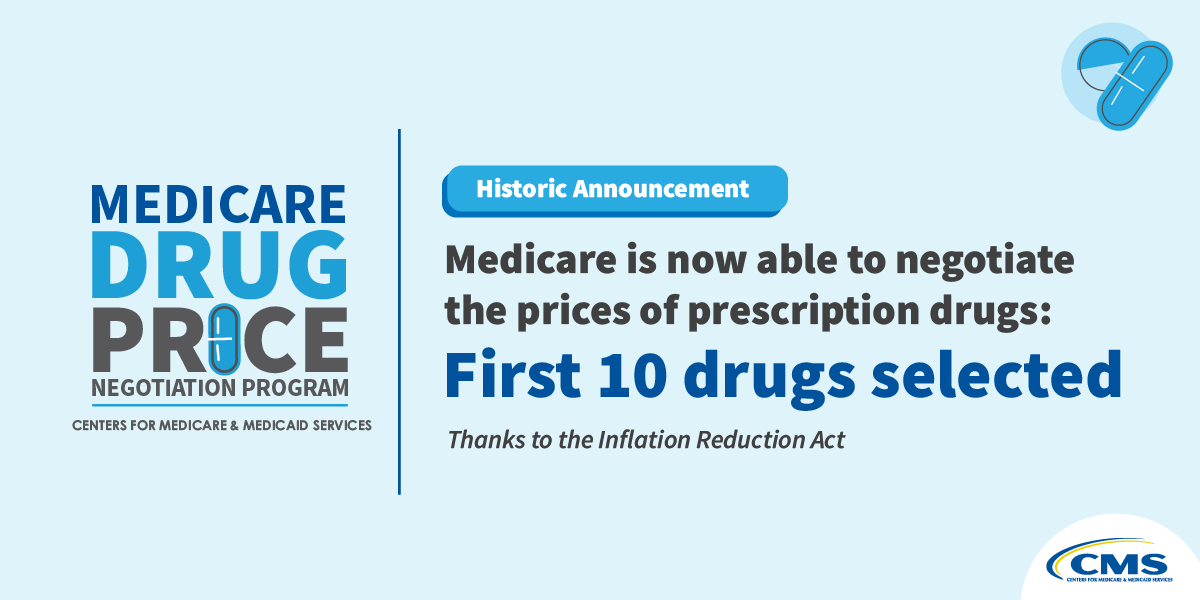
First ten drugs selected for Medicare’s drug price negotiation program

https://mailchi.mp/d0e838f6648b/the-weekly-gist-september-8-2023?e=d1e747d2d8

Last week, the Centers for Medicare and Medicaid Services (CMS) released the list of the first round of prescription drugs chosen for Medicare Part D price negotiations. The 2022 Inflation Reduction Act (IRA) granted CMS the authority to negotiate directly with pharmaceutical manufacturers, establishing a process that will ramp up to include 20 drugs per year and cover Part B medicines by 2029.

The majority of the initial 10 medications, including Eliquis, Jardiance, and Xarelto, are highly utilized across Medicare beneficiaries, treating mainly diabetes and cardiovascular disease. But three of the drugs (Enbrel, Imbruvica, and Stelara) are very high-cost drugs used by fewer than 50k beneficiaries to treat some cancers and autoimmune diseases.

Together the 10 drugs cost Medicare about $50B annually, comprising 20 percent of Part D spending. Drug manufacturers must now engage with CMS in a complex negotiation process, with negotiated prices scheduled to go into effect in 2026. 

The Gist:

Most of the drugs on this list are not a surprise, with the Biden administration prioritizing more common chronic disease medications, with large total spend for the program, over the most expensive drugs, many of which are exempted by the IRA’s minimum seven-year grace period for new pharmaceuticals.

However, pharmaceutical companies are threatening to derail the process before it even begins. Several companies with drugs on the list have already filed lawsuits against the government on the grounds that the entire negotiation program is unconstitutional. 

While President Biden is already touting lowering drug prices as a key plank of his reelection pitch, it will take years before these negotiations translate into lower costs for beneficiaries and reduced government spending. There also may be adverse unintended consequences, as drug companies may raise prices for commercial payers while increasing rebates to stabilize net prices, leading to higher costs for some consumers. 

Still, it’s a step in the right direction for the US, given that we pay 2.4 times more than peer countries for prescription medications.  

The Medicare Drug Pricing Program will Attract Uncomfortable Attention to the Rest of the Industry

Last Tuesday, the Center for Medicare and Medicaid Services (CMS) announced the first 10 medicines that will be subject to price negotiations with Medicare starting in 2026 per authorization in the Inflation Reduction Act (2022). It’s a big deal but far from a done deal.

Here are the 10:

  • Eliquis, for preventing strokes and blood clots, from Bristol Myers Squibb and Pfizer
  • Jardiance, for Type 2 diabetes and heart failure, from Boehringer Ingelheim and Eli Lilly
  • Xarelto, for preventing strokes and blood clots, from Johnson & Johnson
  • Januvia, for Type 2 diabetes, from Merck
  • Farxiga, for chronic kidney disease, from AstraZeneca
  • Entresto, for heart failure, from Novartis
  • Enbrel, for arthritis and other autoimmune conditions, from Amgen
  • Imbruvica, for blood cancers, from AbbVie and Johnson & Johnson
  • Stelara, for Crohn’s disease, from Johnson & Johnson
  • Fiasp and NovoLog insulin products, for diabetes, from Novo Nordisk

Notably, they include products from 10 of the biggest drug manufacturers that operate in the U.S. including 4 headquartered here (Johnson and Johnson, Merck, Lilly, Amgen) and the list covers a wide range of medical conditions that benefit from daily medications.

But only one cancer medicine was included (Johnson & Johnson and AbbVie’s Imbruvica for lymphoma) leaving cancer drugs alongside therapeutics for weight loss, Crohn’s and others to prepare for listing in 2027 or later.  

And CMS included long-acting insulins in the inaugural list naming six products manufactured by the Danish pharmaceutical giant Novo Nordisk while leaving the competing products made by J&J and others off. So, there were surprises.

To date, 8 lawsuits have been filed against the U.S. Department of Health and Human Services by drug manufacturers and the likelihood litigation will end up in the Supreme Court is high.

These cases are being brought because drug manufacturers believe government-imposed price controls are illegal. The arguments will be closely watched because they hit at a more fundamental question:

what’s the role of the federal government in making healthcare in the U.S. more affordable to more people? 

Every major sector in healthcare– hospitals, health insurers, medical device manufacturers, physician organizations, information technology companies, consultancies, advisors et al may be impacted as the $4.6 trillion industry is scrutinized more closely . All depend on its regulatory complexity to keep prices high, outsiders out and growth predictable. The pharmaceutical industry just happens to be its most visible.

The Pharmaceutical Industry

The facts are these:

  • 66% of American’s take one or more prescriptions: There were 4.73 billion prescriptions dispensed in the U.S. in 2022
  • Americans spent $633.5 billion on their medicines in 2022 and will spend $605-$635 billion in 2025.
  • This year (2023), the U.S. pharmaceutical market will account for 43.7% of the global pharmaceutical market and more than 70% of the industry’s profits.
  • 41% of Americans say they have a fair amount or a great deal of trust in pharmaceutical companies to look out for their best interests and 83% favor allowing Medicare to negotiate pricing directly with drug manufacturers (the same as Veteran’s Health does).
  • There were 1,106 COVID-19 vaccines and drugs in development as of March 18, 2023.
  • The U.S. industry employs 811,000 directly and 3.2 million indirectly including the 325,000 pharmacists who earn an average of $129,000/year and 447,000 pharm techs who earn $38,000.
  • And, in the U.S., drug companies spent $100 billion last year for R&D.

It’s a big, high-profile industry that claims 7 of the Top 10 highest paid CEOs in healthcare in its ranks, a persistent presence in social media and paid advertising for its brands and inexplicably strong influence in politics and physician treatment decisions.

The industry is not well liked by consumers, regulators and trading partners but uses every legal lever including patents, couponing, PBM distortion, pay-to-delay tactics, biosimilar roadblocks et al to protect its shareholders’ interests. And it has been effective for its members and advisors.

My take:

It’s easy to pile-on to criticism of the industry’s opaque pricing, lack of operational transparency, inadequate capture of drug efficacy and effectiveness data and impotent punishment against its bad actors and their enablers. 

It’s clear U.S. pharma consumers fund the majority of the global industry’s profits while the rest of the world benefits.

And it’s obvious U.S. consumers think it appropriate for the federal government to step in. The tricky part is not just government-imposed price controls for a handful of drugs; it’s how far the federal government should play in other sectors prone to neglect of affordability and equitable access.

There will be lessons learned as this Inflation Reduction Act program is enacted alongside others in the bill– insulin price caps at $35/month per covered prescription, access to adult vaccines without cost-sharing, a yearly cap ($2,000 in 2025) on out-of-pocket prescription drug costs in Medicare and expansion of the low-income subsidy program under Medicare Part D to 150% of the federal poverty level starting in 2024. And since implementation of these price caps isn’t until 2026, plenty of time for all parties to negotiate, spin and adapt.

But the bigger impact of this program will be in other sectors where pricing is opaque, the public’s suspicious and valid and reliable data is readily available to challenge widely-accepted but flawed assertions about quality, value, access and outcomes. It’s highly likely hospitals will be next.

Stay tuned.

American healthcare: The good, bad, ugly, future

https://www.linkedin.com/pulse/american-healthcare-good-bad-ugly-future-robert-pearl-m-d-/

Albert Einstein determined that time is relative. And when it comes to healthcare, five years can be both a long and a short amount of time.

In August 2018, I launched the Fixing Healthcare podcast. At the time, the medium felt like the perfect auditory companion to the books and articles I’d been writing. By bringing on world-renowned guests and engaging in difficult but meaningful discussions, I hoped the show would have a positive impact on American medicine. After five years and 100 episodes, now is an opportune time to look back and examine how healthcare has improved and in what ways American medicine has become more problematic.

Here’s a look at the good, the bad and the ugly since episode one of Fixing Healthcare:

The Good

Drug breakthroughs and government actions headline medicine’s biggest wins over the past five years.

Vaccines

Arguably the most massive (and controversial) healthcare triumph over the past five years was the introduction of vaccines, which proved successful beyond any reasonable expectation.

At first, health experts expressed doubts that Pfizer, Moderna and others could create a safe and effective Covid-19 vaccine with messenger RNA (mRNA) technology. After all, no one had succeeded in more than two decades of trying.

Thanks in part to Operation Warp Speed, the government-funded springboard for research, our nation produced multiple vaccines within less than a year. Previously, the quickest vaccine took four years to develop (mumps). All others required a minimum of five years.

The vaccines were pivotal in ending the coronavirus pandemic, and their success has opened the door to other life-saving drugs, including those that might prevent or fight cancer. And, of course, our world is now better prepared for when the next viral pandemic strikes.

Weight-Loss Drugs

Originally designed to help patients manage Type 2 diabetes, drugs like Ozempic have been helping people reverse obesity—a condition closely correlated with diabetes, heart disease and cancer.

For decades, America’s $150 billion a year diet industry has failed to curb the nation’s continued weight gain. So too have calls for increased exercise and proper nutrition, including restrictions on sugary sodas and fast foods.

In contrast, these GLP-1 medications are highly effective. They help overweight and obese people lose 15 to 25 pounds on average with side effects that are manageable for nearly all users.

The biggest stumbling block to their widespread use is the drug’s exorbitant price (upwards of $16,000 for a year’s supply).

Drug-Pricing Laws

With the Inflation Reduction Act of 2022, Congress took meaningful action to lower drug prices, a move the CBO estimates would reduce the federal deficit by $237 billion over 10 years.

It’s a good start. Americans today pay twice as much for the same medications as people in Europe largely because of Congressional legislation passed in 2003.

That law, the Medicare Prescription Drug Price Negotiation Act, made it illegal for  Health and Human Services (HHS) to negotiate drug prices with manufacturers—even for the individuals publicly insured through Medicare and Medicaid.

Now, under provisions of the new Inflation Reduction Act, the government will be able to negotiate the prices of 10 widely prescribed medications based on how much Medicare’s Part D program spends. The lineup is expected to include prescription treatments for arthritis, cancer, asthma and cardiovascular disease. Unfortunately, the program won’t take effect until 2026. And as of now, several legal challenges from both drug manufacturers and the U.S. Chamber of Commerce are pending.

The Bad

Spiking costs, ongoing racial inequalities and millions of Americans without health insurance make up three disappointing healthcare failures of the past five years.

Cost And Quality 

The U.S. spends nearly twice as much on healthcare per citizen as other countries, yet our nation lags 10 of the wealthiest countries in medical performance and clinical outcomes. As a result, Americans die younger and experience more complications from chronic diseases than people in peer nations.

As prices climb ever-higher, at least half of Americans can’t afford to pay their out-of-pocket medical bills, which remain the leading cause of U.S. bankruptcy. And with rising insurance premiums alongside growing out-of-pocket expenses, more people are delaying their medical care and rationing their medications, including life-essential drugs like insulin. This creates a vicious cycle that will likely prolong today’s healthcare problems well into the future.

Health Disparities

Inequalities in American medicine persist along racial lines—despite action-oriented words from health officials that date back decades.

Today, patients in minority populations receive unequal and inequitable medical treatment when compared to white patients. That’s true even when adjusting for differences in geography, insurance status and socioeconomics.

Racism in medical care has been well-documented throughout history. But the early days of the Covid-19 pandemic provided several recent and deadly examples. From testing to treatment, Black and Latino patients received both poorer quality and less medical care, doubling and even tripling their chances of dying from the disease.

The problems can be observed across the medical spectrum. Studies show Black women are still less likely to be offered breast reconstruction after mastectomy than white women. Research also finds that Black patients are 40% less likely to receive pain medication after surgery. Although technology could have helped to mitigate health disparities, our nation’s unwillingness to acknowledge the severity of the problem has made the problem worse.

Uninsurance

Although there are now more than 90 million Americans enrolled in Medicaid, there are still 30 million people without any health insurance. This disturbing reality comes a full decade after the passage of the Affordable Care Act.

On Capitol Hill, there is no plan in place to reduce the number of uninsured.

Moreover, many states are looking to significantly rollback their Medicaid enrollment in the post-Covid era. Kaiser Family Foundation estimates that between 8 million and 24 million people will lose Medicaid coverage during the unwinding of the continuous enrollment provisions implemented during the pandemic. Without coverage, people have a harder time obtaining the preventive services they need and, as a result, they suffer more chronic diseases and die younger.

The Ugly

An overall decrease in longevity, along with higher maternal mortality and a worsening mental-health crisis, comprise the greatest failures of U.S. healthcare over the past five years.

Life Expectancy

Despite radical advances in medical science over the past five years, American life expectancy is back to where it was at the turn of the 20th century, according to CDC data.

Alongside environmental and social factors are a number of medical causes for the nation’s dip in longevity. Research demonstrated that many of the 1 million-plus Covid-19 deaths were preventable. So, too, was the nation’s rise in opioid deaths and teen suicides.

Regardless of exact causation, Americans are living two years less on average than when we started the Fixing Healthcare podcast five years ago.

Maternal Mortality

Compared to peer nations, the United States is the only country with a growing rate of mothers dying from childbirth. The U.S. experiences 17.4 maternal deaths per 100,000 live births. In contrast, Norway is at 1.8 and the Netherlands at 3.0.

The risk of dying during delivery or in the post-partum period is dramatically higher for Black women in the United States. Even when controlling for economic factors, Black mothers still suffer twice as many deaths from childbirth as white women.

And with growing restrictions on a woman’s right to choose, the maternal mortality rate will likely continue to rise in the United States going forward.

Mental Health

Finally, the mental health of our country is in decline with rates of anxiety, depression and suicide on the rise.

These problems were bad prior to Covid-19, but years of isolation and social distancing only aggravated the problem. Suicide is now a leading cause of death for teenagers. Now, more than 1 in every 1,000 youths take their own lives each year. The newest data show that suicides across the U.S. have reached an all-time high and now exceed homicides.

Even with the expanded use of telemedicine, mental health in our nation is likely to become worse as Americans struggle to access and afford the services they require.

The Future

In looking at the three lists, I’m reminded of a baseball slugger who can occasionally hit awe-inspiring home runs but strikes out most of the time. The crowd may love the big hitter and celebrate the long ball, but in both baseball and healthcare, failing at the basics consistently results in more losses than wins.

Over the past five years, American medicine has produced a losing record. New drugs and surgical breakthroughs have made headlines, but the deeper, more systemic failures of American healthcare have rarely penetrated the news cycle.

If our nation wants to make the next five years better and healthier than the last five, elected officials and healthcare leaders will need to make major improvements. The steps required to do so will be the focus of my next article.

Johnson & Johnson is latest drugmaker to sue to stop Medicare drug price negotiations

https://mailchi.mp/c02a553c7cf6/the-weekly-gist-july-28-2023?e=d1e747d2d8

Last week Johnson & Johnson followed Merck, Bristol Myers Squibb, and Astellas Pharma by filing a lawsuit against the Biden administration in federal court over the Medicare Drug Price Negotiation Program, established through the 2022 Inflation Reduction Act. PhRMA, the industry trade group, and the US Chamber of Commerce have also filed suits.

The lawsuits claim that the program violates the First and Fifth Amendments by compelling speech, and taking private property for public use without just compensation. The US Chamber of Commerce also filed a motion earlier this month requesting a preliminary injunction.

This flurry of legal activity comes just a month before the Centers for Medicare & Medicaid Services is due to publish its list of the first ten drugs selected for negotiations. The makers of those drugs will then have a month to decide if they will participate in negotiations, risking significant financial penalties if they do not. Any negotiated prices would take effect in 2026.

The Gist: The ability for Medicare to negotiate drug prices is a key pillar of the Biden administration’s healthcare agenda, one the President plans to tout in his upcoming reelection campaign. But the pharmaceutical industry’s legal challenges—multiple, separate suits in different federal courts nationwide—are destined for the Supreme Court if these cases generate conflicting rulings, which is likely. A protracted legal fight will delay or potentially alter the program before it is fully implemented.

Three things to watch during the House Ways and Means hearing with Becerra

https://www.washingtonpost.com/politics/2023/03/28/ten-states-still-spurn-medicaid-expansion-they-unlikely-budge-soon/

On tap today: Health and Human Services SecretarXavier Becerra will defend President Biden’s fiscal 2024 budget before the Republican-controlled House Ways and Means Committee this afternoon. Becerra will also appear before a House Appropriations subcommittee at 10 a.m.

What to expect: There are three main proposals in the president’s budget request that panel Chair Jason Smith (R-Mo.) and other Republicans on the panel plan to grill Becerra on during the hearing, according to people familiar with the matter. Those include:

While Becerra was summoned to Capitol Hill to discuss the president’s budget, lawmakers could use the opportunity to quiz him on a variety of health policies. He’s likely to face criticism and tough questions from Republicans on the federal health department’s final rule addressing the Affordable Care Act’s “family glitch,” its implementation of surprise billing protections and its strategy to combat illicit fentanyl trafficking, people familiar with the matter said.

What we’re watching tomorrow: Becerra will testify in front of the House Energy and Commerce health subcommittee at 10 a.m. Wednesday.

Biden targets drug costs in State of the Union Address

https://mailchi.mp/d62b14db92fb/the-weekly-gist-february-10-2023?e=d1e747d2d8

In his second annual State of the Union address to Congress on Tuesday, President Biden pointed to his accomplishments in shoring up the Affordable Care Act, and presented a fairly modest healthcare agenda that could garner bipartisan support.

Though the back-and-forth with Republican lawmakers over Medicare cuts made headlines, his prepared remarks focused primarily on drug costs, as he touted Medicare’s new drug negotiation powers and called for Medicare’s $35 monthly insulin cap to be extended to commercial health plans. 

The Gist: The fate of the President’s drug cost proposals, along with his calls for more COVID funding, mental health treatment, and cancer research, rest in the hands of a Republican House unlikely to work with him.

It brings us no joy to acknowledge that the 2024 Presidential race has already begun, meaning that substantive legislative action will likely take a back seat for the next two years. Looking ahead, we’d expect Biden’s reelection pitch to sound a lot like Tuesday’s speech, shored up by whatever he can deliver via rulemaking and executive orders. 

The next step in Biden’s effort to lower drug prices

https://www.axios.com/2022/10/21/bidens-effort-lower-drug-prices

The next phase of the Biden administration’s bid to curb rising drug costs is in the hands of an under-the-radar federal office called the Center for Medicare and Medicaid Innovation (CMMI).

Driving the news: The center will publish a report within three months on how it can use new payment and delivery models to lower drug costs and boost access to treatments for beneficiaries of the two government health programs, per a recent executive order from President Biden.

Zoom in: CMMI was created through the Affordable Care Act to experiment with new ways of paying for and delivering health care.

  • Pilot programs typically last for years. Participation is usually voluntary, but the center can require provider involvement in some cases.
  • CMMI programs can become permanent fixtures of Medicare and Medicaid —  if they’re found to save money or improve care quality.

Be smart: The expectation is the center will tackle the prices health providers pay for Medicare drugs like infusions or injectables. Under the Inflation Reduction Act, the government can’t negotiate prices for these drugs until 2028.

  • Experimenting with price negotiation or payments based on patients’ health outcomes could help regulators learn best practices before that start date.
  • The center may also look for ways to incorporate drug pricing reforms into its existing projects and across different federal payers, said David Ault, a lawyer at Ropes & Gray and a former CMMI employee.

Refining policies from recent congressional action on Medicare prescription drug pricing could also be on the agenda.

  • The center could test alternative versions of the $2,000 annual cap on out-of-pocket costs for Medicare prescription drugs, for example.
  • Incorporating a monthly spending limit “could avoid having people pay everything in one month, after which all of their treatments are free,” Stacie Dusetzina, a health policy professor at Vanderbilt University Medical Center, wrote in an email.

Flashback: CMMI has tried to tackle drug prices under previous administrations, with mixed success.

  • Both the Obama and Trump administrations failed to implement experiments meant to lower health providers’ Medicare drug costs. But 106 health plan sponsors currently participate in a center program that gives seniors access to lower-cost insulin.

Reality check: It could take some time to get new drug pricing experiments up and running.

  • Programs typically take a year and a half to two years to be approved and implemented, so any new drug pricing model likely wouldn’t start until at least 2024, Ault said.

Don’t forget: The Centers for Medicare and Medicaid Services, the center’s parent, will continue its own work on drug pricing as it implements policies from the Inflation Reduction Act.

  • Congress also hasn’t tapped out of the discussion. Lawmakers seem keen to continue talking about insulin costs and pharmacy benefit manager practices, Rachel Sachs, a law professor at Washington University in St. Louis, told Axios.

Zoom out: Expect to see more from CMMI in the next couple years, on drug pricing reforms and other federal health care policy issues.

  • “You oftentimes see the innovation center being very active in the last few years of administration, trying to take ideas or concepts … far enough along that they’re in place, should there be a change in political party,” Ault said.