Pinning hopes on vaccine is not the right coronavirus strategy, expert says

https://www.cnn.com/2020/07/22/health/us-coronavirus-wednesday/index.html
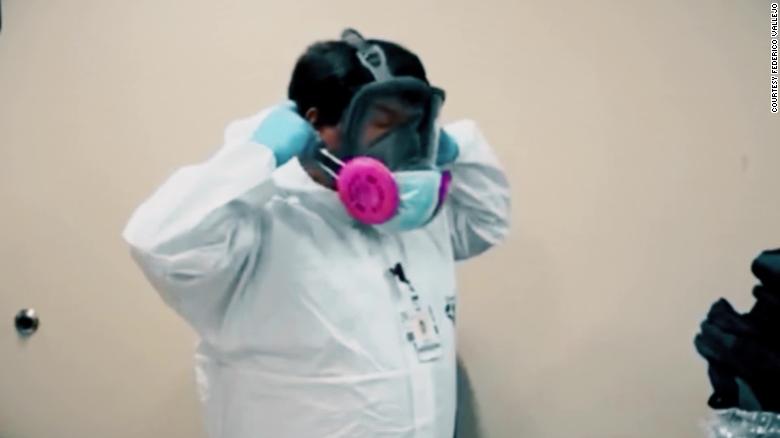
As cases continue to rise, Americans looking to a vaccine as the way out of the coronavirus pandemic should consider a more comprehensive approach, a leading medical expert told CNN on Wednesday.

“Pinning all our hopes on a vaccine that works immediately is not the right strategy,” Dr. William Haseltine, a former professor at Harvard University’s medical and public health schools, told CNN’s Wolf Blitzer.
Haseltine said a broad public health strategy is a better way to contain the spread of the virus along with the help of a vaccine and therapeutic drugs. Mandating masks will help but Haseltine said, “we need a lot more than masks to contain this epidemic that’s running through our country like a freight train.”
Haseltine recommended closing bars and other places where young people congregate at night and ban holding large meetings in the worst-hit regions. Life won’t get better until people make major changes to their behavior and public health services come forward with more resources, he said.
He said a vaccine is still six months away at the earliest and he warned not to underestimate a coronavirus. Haseltine, known for his work on fighting cancer and HIV/AIDS, said it won’t be easy to develop a vaccine.
“These are tricky viruses,” he said. “It’s not as simple as measles or mumps. It’s going to be a lot more complicated”.
Any Covid-19 vaccine that’s sponsored by the US government will be free or affordable for the American public, Health and Human Services Secretary Alex Azar told CNBC on Wednesday.
“For any vaccine that we have bought — so for instance the Pfizer vaccine — those hundred million doses would actually be acquired by the US government, then given for free to Americans,” Azar said.
He said the same would apply with the AstraZeneca and the Novovax vaccines.
“We will ensure that any vaccine that we’re involved in sponsoring is either free to the American people or is affordable,” Azar said.
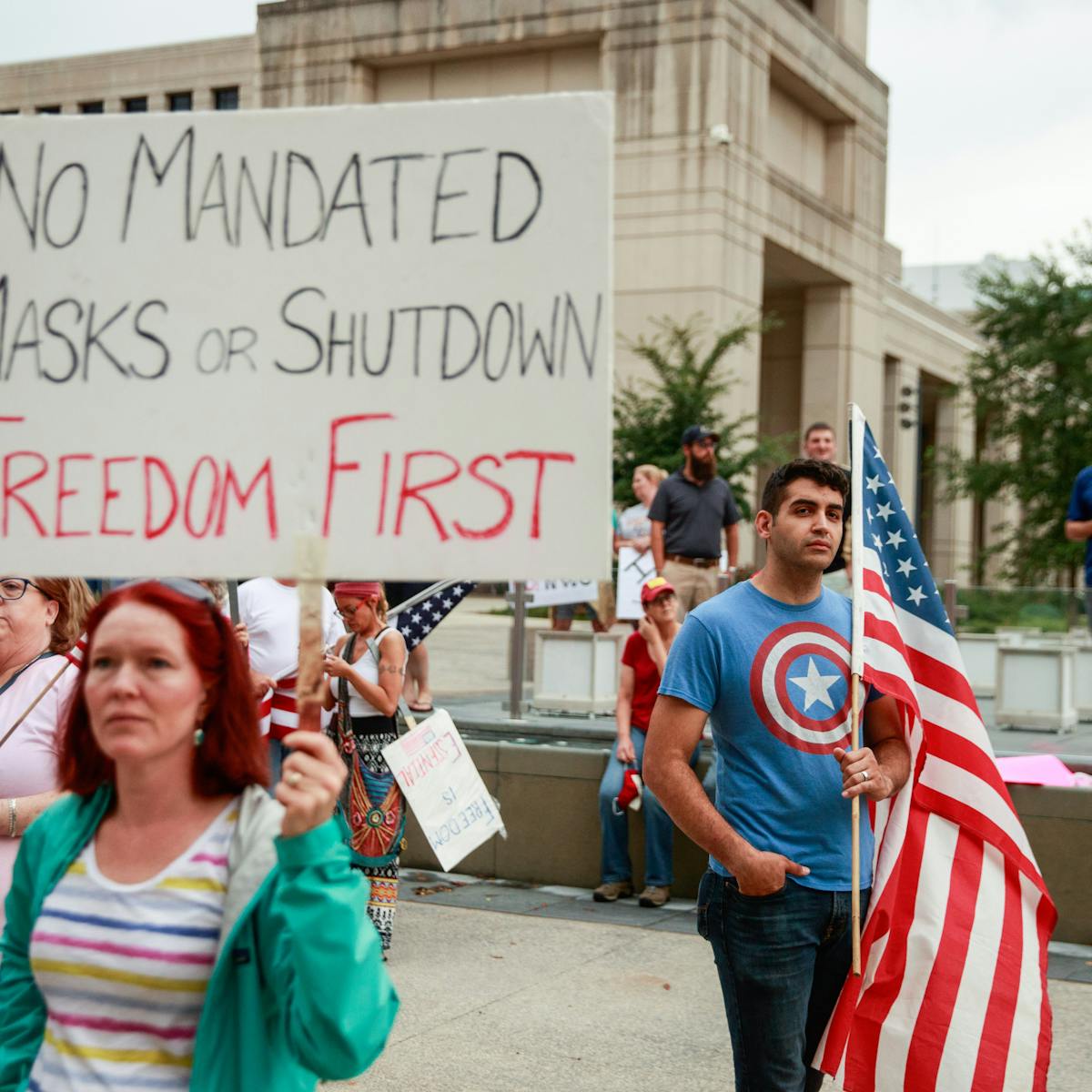
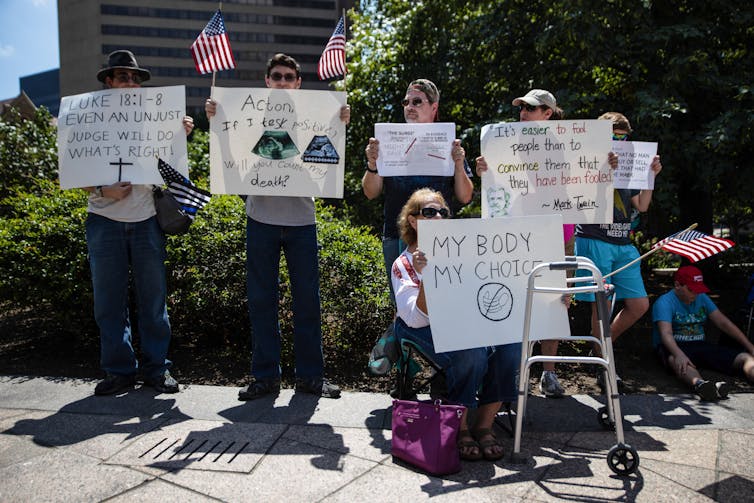
And while some anti-mask protesters refuse to wear a piece of cloth to help save American lives, enormous signs of altruism have emerged.
More than 100,000 people have volunteered to participate in Covid-19 vaccine clinical trials, said Dr. Anthony Fauci, director of the National Institute of Allergy and Infectious Diseases.
“I think we’ll be fine with regards to getting enough people,” Fauci said during a webinar Wednesday with the TB Alliance.

1 million more cases in two weeks

The US is heading in the wrong direction with Covid-19 numbers, and it’s doing so with astonishing speed.
Just after 1,000 people died in a single day, the country is about to reach 4 million Covid-19 cases.
To put that in perspective, the first reported case came on January 21. After 99 days, 1 million Americans became infected.
It took just 43 days after that to reach 2 million cases.
And 28 days later, on July 8, the US reached 3 million cases. The 4 millionth case could come just two weeks after that.
As of Wednesday night, more than 3.96 million people had been infected across the US, and more than 143,000 have died, according to data from Johns Hopkins University.
Some states are reporting record-breaking numbers of new cases. Johns Hopkins reported at least 68,706 new cases and 1,152 deaths in the US on Wednesday.
More governors are requiring masks, and dozens of hospitals are out of intensive care unit beds.
President Donald Trump said the United States has now conducted more than 50 million coronavirus tests. He told reporters at a White House briefing that people should wear masks, pay attention to social distancing and wash their hands. While hot spots like Florida and Texas have popped up, it’s all going to work out, he said.
“We’re all in this together,” he said.

Covid-19 a leading cause of death in L.A. County

California, the most populous state and the first to shut down months ago, appeared to have Covid-19 under control — only to suffer a massive resurgence and surpass New York with the most coronavirus cases in the nation.
This month, state Gov. Gavin Newsom shut down bars and indoor restaurant services again due to an influx of cases after reopening.
Covid-19 is set to become one of the leading causes of death in Los Angeles County, according to Barbara Ferrer, the county’s health director.
“It’s killing more people than Alzheimer’s disease, other kinds of heart disease, stroke and COPD,” Ferrer said, referring to chronic obstructive pulmonary disease, which causes airflow blockage and breathing issues.
Comparing Covid-19 to the flu, Ferrer said data shows Covid-19 killed twice as many people in six months as the flu did in eight months.

Where cases are surging

Some politicians, including the President, have insisted that much of the soaring case numbers are a reflection of increased testing.
But the surge is new cases has greatly outpaced the increase in testing, with troubling rates of transmission and test positivity in many states.
A CNN analysis of testing data from the Covid Tracking Project reveals the positive test rate — or the average number of positive test results out of 1,000 tests performed — has increased significantly in many of the current hotspots, including Florida, Arizona, Texas and Georgia.
Florida saw an average rate of 35 positive results per 1,000 tests during the month of May. But in June, that number nearly tripled to 105. So far in July, the average rate of test positivity has been 187 out of 1,000.
But Florida Gov. Ron DeSantis said the state is on the “right course” in the fight against the virus.
“I think we will continue to see improvements,” the governor said Tuesday. “We just have to, particularly Floridians, have to continue doing the basic things.”
Over the weekend, nearly 50 Florida hospitals said they were out of ICU beds. Statewide, the ICU bed availability had dwindled to 15.98% on Tuesday, down from about 18.1% on Monday.
And new data from the CDC also show infections could be more than 10 times higher than the number of reported cases in some parts of the US.

More mask mandates lead to decreased death projections

Researchers estimate the US will have 219,864 total Covid-19 deaths by November 1, according to the Institute for Health Metrics at the University of Washington.
That’s actually a decrease of about 5,000 deaths from the IHME’s previous forecast of 224,546 by that date.
The reasons for the slightly better forecast include more face masks mandates, more people wearing masks, and more people practicing social distancing, the researchers said.
“So a mandate is very important and helping, and a national mandate, of course, would do much better,” said Ali Mokdad, a professor of health metrics sciences at the IHME.
If Americans wore masks nationwide, the number of total deaths by November 1 would drop to 185,887, the researchers project. But if the mandates ease more, the US could have 231,012 deaths by November 1.
At least 41 states have some kind of mask requirement in place or planned. Starting Saturday, Minnesota will require people to wear masks inside businesses or indoor public settings. People who have conditions that make “it unreasonable for the individual to maintain a face covering are exempt from the order,” Gov. Tim Walz said.
Trump said Wednesday he would make a decision over the next day on whether to mandate masks on federal property.

Major testing delays make tracing almost useless

With the high transmission levels of the virus, traditional contact tracing has now become “impractical and difficult to do,” said California Health Secretary Dr. Mark Ghaly.
The state is working to refine strategies and continue to work with counties to build up their “tracing army,” but Ghaly warns that “even a very robust contact tracing program will have a hard time reaching out to every single case.”
Contact tracing is now harder all over the nation while testing results take days, Fauci said.
Quest Diagnostics, a leading commercial testing lab, said in a news release Monday that for some patients, testing results can take up to two weeks.
“The time frame from when you get a test to the time you get the results back is sometimes measured in a few days,” Fauci said Tuesday.
“If that’s the case, it kind of negates the purpose of the contract tracing because if you don’t know if that person gets the results back at a period of time that’s reasonable, 24 hours, 48 hours at the most … that kind of really mitigates against getting a good tracing and a good isolation.”
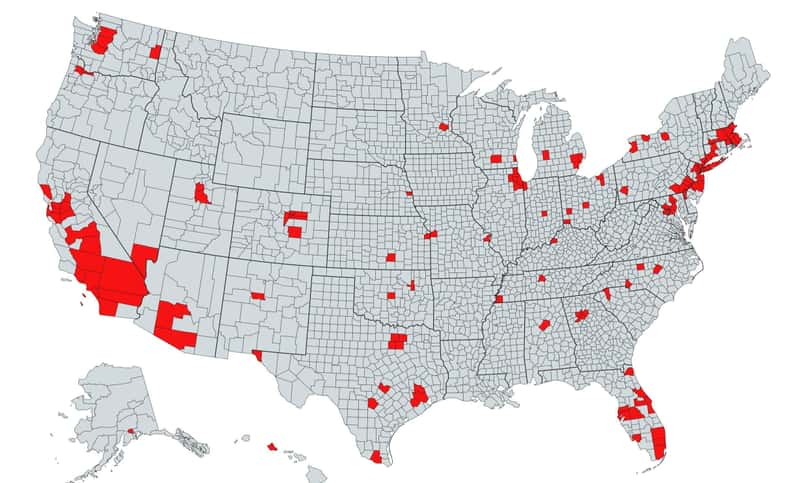


Maps Of The USA That Made Us Say “Whoa”

https://www.ranker.com/list/maps-mash-v1/mel-judson?format=slideshow&slide=1

The Red Area Features A Total Population Greater Than The Grey

Coronavirus cases could reach 150,000 a day this fall, widely followed Morgan Stanley analyst says

https://www.cnbc.com/2020/07/23/coronavirus-cases-could-reach-150000-a-day-this-fall-morgan-stanley-analyst-says.html

KEY POINTS
  • Morgan Stanley’s biotechnology analyst, Matthew Harrison, said 150,000 daily new U.S. coronavirus cases are possible in the fall without better control of the virus.
  • The analyst has gained a wide following on Wall Street for his success in predicting the course of the pandemic and government responses.
  • Harrison previously projected a “second wave” in the fall with daily new cases between 40,000 and 50,000 nationwide.
  • However, the recent hot spots — Arizona, Texas, Florida and California — have shown a high rate of infection, which led the analyst to adjust to a more pessimistic view on the pandemic.

The spread of the coronavirus could be elevated this fall with as many as 150,000 daily cases in the U.S., according to Morgan Stanley’s biotechnology analyst, Matthew Harrison.

“We update our scenarios to account for the higher sustained infection rate,” Harrison said in a note Thursday. “Our bull [most optimistic] case reflects similar virus control to Europe while our base [most likely] case assumes a near-term plateau followed by increased spread in the fall. [About] 150,000 daily new cases are possible without better control of the virus.”

Harrison previously projected a “second wave” in the autumn with daily new cases totaling between 40,000 and 50,000 nationwide. However, the recent emergence of hot spots — Arizona, Texas, Florida and California — has reflected a high rate of infection, which led the analyst to adjust to a more pessimistic view on the pandemic.

The analyst has gained a wide following on Wall Street for his success in predicting the course of the pandemic and government responses. For example, in April, Harrison warned that the reopening of the U.S. economy would be a slow and tedious process.

“Our assumption of a growing reproduction number, and consequently increasing daily cases, throughout the rest of the year is based on the fact that traditionally the spread of viruses is elevated in the fall compared to the summer primarily due to more people in enclosed spaces,” Harrison said.

A recent resurgence in new cases has forced a number of states to roll back their reopening plans, which weighed on the stock market that rallied massively in the second quarter on hopes for a fast economic recovery. 

Texas and Florida hit grim records earlier this week for daily coronavirus deaths based on a seven-day moving average.The virus has infected an average of 66,805 people per day in the U.S. over the past seven days, up more than 7% compared with a week ago, according to a CNBC analysis of data compiled by Johns Hopkins University.

On Wednesday, California reported a record spike in daily infections and passed New York as the U.S. state with the most confirmed infections since the pandemic began. 

To be sure, Harrison said his projection doesn’t take into account any pharmacological intervention such as vaccines or strict lockdown measures that could potentially dampen the infection rate.

There has been a slew of positive news on the vaccine front this week. The U.S. agreed to pay drugmaker Pfizer and German partner BioNTech nearly $2 billion for 100 million coronavirus vaccines if their candidate proves both safe and effective.

Meanwhile, another vaccine candidate from Oxford University and AstraZeneca showed a positive immune response in an early trial. Earlier this week, British pharmaceutical company Synairgen claimed that its new respiratory coronavirus treatment has reduced the number of hospitalized Covid-19 patients needing intensive care in a clinical trial.

Goldman Sachs biotech analyst Salveen Richter said the Covid-19 vaccine market will be similar to the flu vaccine market, which requires an annual or periodic vaccination. The analyst also cited data showing the global vaccine market will grow to at least $40 billion in 2023 from $35 billion in 2018.


Fauci on coronavirus: ‘I don’t really see us eradicating it’

https://thehill.com/policy/healthcare/public-global-health/508530-fauci-on-coronavirus-i-dont-really-see-us-eradicating?utm_source=Sailthru&utm_medium=email&utm_campaign=Issue:%202020-07-23%20Healthcare%20Dive%20%5Bissue:28659%5D&utm_term=Healthcare%20Dive

Anthony Fauci, the nation’s top infectious diseases expert, said Wednesday he doesn’t think COVID-19 will ever be fully eradicated but noted it can be controlled.

“I don’t see this disappearing the way SARS 1 did,” Fauci said during a livestreamed event hosted by the TB Alliance, a nonprofit focused on finding better tuberculosis treatments.

The SARS outbreak that started in 2003 lasted several months and mostly affected Asian countries before eventually vanishing. But in the process the disease sickened more than 8,000 people in 29 countries and claimed 774 lives.

Because COVID-19 is more contagious, it has had a far greater impact, with more than 15 million cases worldwide, including 618,000 deaths.

“It is so efficient in its ability to transmit from human to human that I think we ultimately will get control of it. I don’t really see us eradicating it,” Fauci said.

President Trump has repeatedly said the virus will eventually disappear, even though that is rare for most infectious diseases.

Fauci, who is a member of the White House coronavirus task force, recently responded to Trump’s characterization of him as “a little bit of an alarmist” on the pandemic by saying he prefers to think of himself as “a realist.”

During Wednesday’s interview, Fauci described ways that the U.S. can get the coronavirus under control.

“I think with a good combination of good public health measures, a degree of global herd immunity and a good vaccine, which I do hope and feel cautiously optimistic we will get, I think when you put all three of those together we will get very good control of this. Whether it’s this year or next year, I’m not certain,” he added.

“We’ll bring it down to such a low level that we will not be in the position we are right now for an extended period of time.”


New unemployment insurance claims rise for the first time since March

https://www.washingtonpost.com/business/2020/07/23/another-14-million-workers-filed-unemployment-benefits-last-week-pandemic-continues-weigh-labor-market/


Some 1.4 million workers filed for unemployment last week, the first increase in months, as the pandemic continues to weigh on the labor market

The number of new unemployment claims rose for the first time in months last week, to 1.4 million — a troubling sign for the labor market that’s weathering a new round of closures as the pandemic spreads.

For the week ending July 18, about 109,000 more jobless claims were filed compared to the week prior, according to the Department of Labor.

“What you’re seeing is that, as the economy slows, the pace of claims picks back up — which really puts at risk the monthly jobs report over the next few months,” said Joseph Brusuelas, the chief economist at RSM. “The July numbers are going to be tenuous, but it’s August that I’m worried about.”

The number of workers continually claiming unemployment insurance went down, however, a statistic that lags by a week, to 16.1 million workers for the week ending July 11, from 17.4 million for the week ending July 4.

In addition to the 1.4 million seeking unemployment nationwide last week, another 980,000 new Pandemic Unemployment Assistance claims were filed, the benefits offered to self-employed and gig workers.

The numbers come as millions of unemployed workers are about to exhaust stimulus payments from two federal benefits programs whose expiration economists have warned could have dire effects on the economy.

Brusuelas said the numbers are a sign that the burst of economic activity that marked the country’s reopening has waned, and that shrinking consumer demand remained a significant risk for businesses and the workers they employ across the country.

“We are going to see a much slower pace of growth the reset of the year,” he said. “While we still are retaining our call for a swoosh-shaped recovery, one has to acknowledge a w-shaped recovery is possible.”

The extra $600 a week in unemployment benefits that the federal government has offered to supplement more modest state unemployment benefits will end this week, as lawmakers wrangle over legislation that could extend it.

Including the new benefits available to gig workers and the self-employed, more than 53 million applications have been filed for some form of unemployment insurance during the pandemic.


5 COVID-19 myths politicians have repeated that just aren’t true

https://theconversation.com/5-covid-19-myths-politicians-have-repeated-that-just-arent-true-141972

5 COVID-19 myths politicians have repeated that just aren't true ...

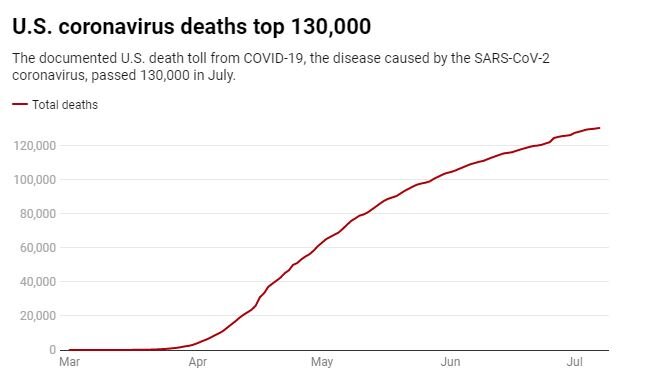
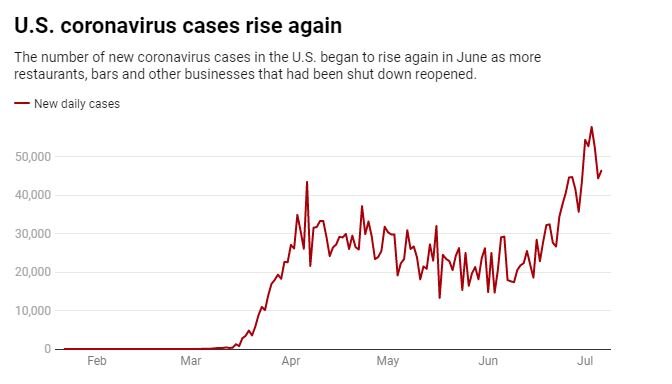
The number of new COVID-19 cases in the U.S. has jumped to around 50,000 a day, and the virus has killed more than 130,000 Americans. Yet, I still hear myths about the infection that has created the worst public health crisis in America in a century.

The purveyors of these myths, including politicians who have been soft peddling the impact of the coronavirus, aren’t doing the country any favors.

Here are five myths I hear as director of health policy at the University of Southern California’s Schaeffer Center that I would like to put to rest.

Myth: COVID-19 is not much worse than the flu

President Donald Trump and plenty of pundits predicted early on that COVID-19 would prove no more lethal than a bad flu. Some used that claim to argue that stay-at-home orders and government-imposed lockdowns were un-American and a gross overreaction that would cost more lives than they saved.

By the end of June, however, the director of the Centers for Disease Control and Prevention announced that national antibody testing indicated 5% to 8% of Americans had already been infected with the virus. With over 130,000 confirmed COVID-19-related deaths – and that’s likely an undercount – the case fatality rate is around 0.49% to 0.78% or about four to eight times that of the flu.

Brazilian President Jair Bolsonaro, who also downplayed COVID-19 as the death toll grew, calling it a “little flu,” announced on July 7 that he had tested positive for the coronavirus.

5 COVID-19 myths politicians have repeated that just aren't true


Myth: Cases are increasing because testing is increasing

At one point, the idea that COVID-19 case numbers were high because of an increase in testing made intuitive sense, especially in the early stages of the pandemic when people showing up for tests were overwhelmingly showing symptoms of possible infection. More testing meant health officials were aware of more illnesses that would have otherwise gone under the radar. And testing predominately sick and symptomatic people can result in an overestimate of its virulence.

Now, with millions of tests conducted and fewer than 10% coming back positive, the U.S. knows what it is facing. Testing today is essential to finding the people who are infected and getting them isolated.

Unfortunately, Trump has been a leading purveyor of the myth that we test too much. Fortunately, his medical advisers disagree.

Myth: Lockdowns were unnecessary

Given the current spike in infections after reopening the economy, more people are arguing that the lockdowns were unsuccessful in crushing the virus and shouldn’t have been implemented at all. But what would the country look like today if state governments had tried to build herd immunity by letting the disease spread rather than promoting social distancing, prohibiting large gatherings and telling the elderly to stay home?

Most epidemiologists who study pandemics believe that reaching herd immunity could only be achieved at enormous cost in terms of illness and death. About 60% or 70% of Americans would have to become infected before the spread of the virus diminished. That would result in 1 to 2 million U.S. deaths and 5 to 10 million hospitalizations.

These are horrific, yet conservative estimates, given that mortality rates would surely rise if that many people were infected and hospitals were overrun.

5 COVID-19 myths politicians have repeated that just aren't true

Myth: The epidemiological models are always wrong

It is not surprising that many people are confused by the proliferation of predictions about the course of the virus. How many people become infected depends on how individuals, governments and institutions respond, which is hard to predict.

Faced with the warning early in the pandemic that 1 to 2 million Americans could die if the U.S. simply let the coronavirus run its course, federal and state governments imposed restrictions to constrain the spread of the virus. Then, they relaxed those restrictions as new cases ebbed and pressure mounted to reopen the economy.

Now, they must consider reimposing some of those restrictions as infection rates rise in a majority of states, including Texas, Arizona, Florida and California. The models were based on data and assumptions at that time, and likely influenced responses which in turn changed underlying conditions. For example, new cases of COVID-19 are rising in the U.S., while fatalities are falling. This reflects a shift in infection rates toward younger populations, as well as improved treatment as providers learn more about the virus.

Just like an investment disclaimer that past returns do not guarantee future performance, modeling a pandemic should be seen as suggestive of what might happen given current information and not a law of nature.

Myth: It’s a second wave

Sadly, the myth here is that we have contained the virus enough to buy time to prepare for a second wave. In fact, the first wave just keeps getting bigger.

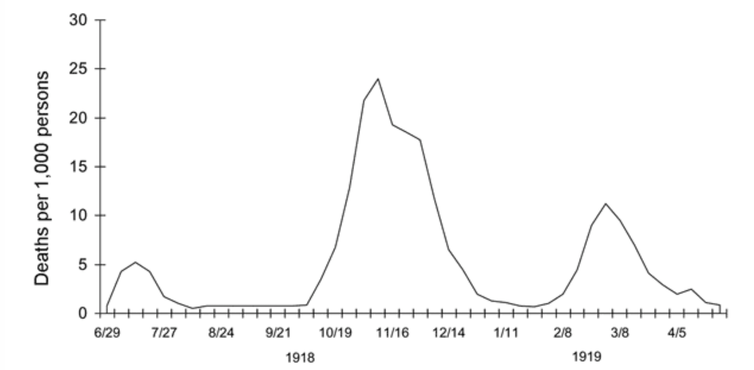
A second wave would require a trough in the first wave, but there is little evidence of that from either an epidemiologic or economic perspective.

5 COVID-19 myths politicians have repeated that just aren't true

During the 1918-1919 flu pandemic, the weekly UK death toll from influenza and pneumonia, shown here, reflected three clear waves. Taubenberger JK, Morens DM. 1918 Influenza: the Mother of All Pandemics. Emerg Infect Dis. 2006;12(1)

The U.S. recorded a record number of new cases during the first week of July, exceeding 50,000 per day for four straight days. The rising number of cases led several states to halt or roll back their reopening plans in hopes of stemming the spread of the virus.

Meanwhile, most consumers are reticent to return to “normal” economic activity: Fewer than one-third of adults surveyed by Morning Consult in early July were comfortable going to a shopping mall. Only 35% were comfortable going out to eat, and 18% were comfortable going to the gym. For almost half of the population, an effective treatment or vaccine may be the only way they will feel comfortable returning to “normal” economic activity.

COVID-19 is an immediate threat that requires a unified, science-based response from governments and citizens to be successful. But it is also an opportunity to rethink how we prepare for future pandemics. Some misinformation is inevitable as a new virus emerges, but perpetuating myths for political or other reasons ultimately costs lives.


The Constitution doesn’t have a problem with mask mandates

https://theconversation.com/the-constitution-doesnt-have-a-problem-with-mask-mandates-142335?utm_medium=email&utm_campaign=Latest%20from%20The%20Conversation%20for%20July%2022%202020%20-%201684316250&utm_content=Latest%20from%20The%20Conversation%20for%20July%2022%202020%20-%201684316250+Version+A+CID_3a4842bdc1542ab5ad1725fad090f099&utm_source=campaign_monitor_us&utm_term=The%20Constitution%20doesnt%20have%20a%20problem%20with%20mask%20mandates

The Constitution doesn't have a problem with mask mandates

Many public health professionals and politicians are urging or requiring citizens to wear face masks to help slow the spread of the COVID-19 virus.

Some Americans have refused, wrongly claiming mask decrees violate the Constitution. An internet search turns up dozens of examples.

“Costco Karen,” for instance, staged a sit-in in a Costco entrance in Hillsboro, Oregon after she refused to wear a mask, yelling “I am an American … I have rights.”

A group called Health Freedom Idaho organized a protest against a Boise, Idaho, mask mandate. One protester said, “I’m afraid where this country is headed if we just all roll over and abide by control that goes against our constitutional rights.”

As one protester said, “The coronavirus doesn’t override the Constitution.”

Speaking as a constitutional law scholar, these objections are nonsense.

The objections

It is not always clear why anti-maskers think government orders requiring face coverings in public spaces or those put in place by private businesses violate their constitutional rights, much less what they think those rights are. But most of the mistaken objections fall into two categories:

Mandatory masks violate the First Amendment right to speech, assembly, and especially association and mandatory masks violate a person’s constitutional right to liberty and to make decisions about how to their own health and bodily integrity.

They’re not mutually exclusive claims:lawsuit filed by four Florida residents against Palm Beach County, for example, argues that mask mandates “interfere with … personal liberty and constitutional rights,” such as freedom of speech, right to privacy, due process, and the “constitutionally protected right to enjoy and defend life and liberty.” The lawsuit asks the court to issue a permanent injunction against the county’s mask mandate.

Responding to a reporter who asked why President Donald Trump appeared unconcerned about the absence of masks and social distancing at a campaign rally in Tulsa, Vice President Mike Pence said: “I want to remind you again freedom of speech and the right to peaceably assemble is in the Constitution of the U.S. Even in a health crisis, the American people don’t forfeit our constitutional rights.”

What the First Amendment does – and doesn’t – do

The First Amendment protects freedom of speech, press, petition, assembly and religion.

There are two reasons why mask mandates don’t violate the First Amendment.

First, a mask doesn’t keep you from expressing yourself. At most, it limits where and how you can speak. Constitutional law scholars and judges call these “time, place, and manner” restrictions. If they do not discriminate on the basis of the content of the speech, such restrictions do not violate the First Amendment. An example of a valid time, place and manner restriction would be a law that limits political campaigning within a certain distance of a voting booth.

Additionally, the First Amendment, like all liberties ensured by the Constitution, is not absolute.

All constitutional rights are subject to the goverment’s authority to protect the health, safety and welfare of the community. This authority is called the “police power.” The Supreme Court has long held that protecting public health is sufficient reason to institute measures that might otherwise violate the First Amendment or other provisions in the Bill of Rights. In 1944, in the case of Prince v. Massachusetts, for example, the Supreme Court upheld a law that prohibited parents from using their children to distribute religious pamphlets on public streets.

The right to liberty

Some anti-maskers object that masks violate the right to liberty.

The right to liberty, including the right to make choices about one’s health and body, is essentially a constitutional principle of individual autonomy, neatly summarized as “My body, my choice.”

The 1905 case of Jacobsen v. Massachusetts shows why mask mandates don’t violate any constitutional right to privacy or health or bodily integrity. In that case, the Supreme Court upheld a smallpox vaccination requirement in Cambridge, Massachusetts.

The court said that the vaccination requirement did not violate Jacobsen’s right to liberty or “the inherent right of every freeman to care for his own body and health in such way as to him seems best.”

As the court wrote, “There are manifold restraints to which every person is necessarily subject for the common good. On any other basis, organized society could not exist with safety to its members.” In a 1995 New York case, a state court held that an individual with active tuberculosis could be forcibly detained in a hospital for appropriate medical treatment.

Even if you assume that mask mandates infringe upon what the Supreme Court calls “fundamental rights,” or rights that the court has called the “very essence of a scheme of ordered liberty,” it has consistently ruled states can act if the restrictions advance a compelling state interest and do so in the least restrictive manner.

Rights are conditional

As the Jacobsen ruling and the doctrine of time, place and manner make clear, the protection of all constitutional liberties rides upon certain necessary – but rarely examined – assumptions about communal and public life.

One is that is constitutional rights – whether to liberty, speech, assembly, freedom of movement or autonomy – are held on several conditions. The most basic and important of these conditions is that our exercise of rights must not endanger others (and in so doing violate their rights) or the public welfare. This is simply another version of the police power doctrine.

Unfortunately, a global pandemic in which a serious and deadly communicable disease can be transmitted by asymptomatic carriers upsets that background and justifies a wide range of reasonable restrictions on our liberties. Believing otherwise makes the Constitution a suicide pact – and not just metaphorically.


Coronavirus numbers confusing you? Here’s how to make sense of them

https://theconversation.com/coronavirus-numbers-confusing-you-heres-how-to-make-sense-of-them-142624?utm_medium=email&utm_campaign=Latest%20from%20The%20Conversation%20for%20July%2021%202020%20-%201683216237&utm_content=Latest%20from%20The%20Conversation%20for%20July%2021%202020%20-%201683216237+Version+A+CID_b109e0db9fc0132f981f087222693bc8&utm_source=campaign_monitor_us&utm_term=Coronavirus%20numbers%20confusing%20you%20Heres%20how%20to%20make%20sense%20of%20them

Coronavirus numbers confusing you? Here's how to make sense of them

Turn on the TV news, or look at a news website, and you’ll see charts, graphics, and dashboards that supposedly indicate the latest with COVID-19 – statistics revealing the number of tests, cases, hospitalizations and deaths, along with where they happened and whether they are rising or falling.

Different stories are told depending on the dashboard. But one thing is certain: These indicators lag behind the actions we take, or don’t take, on COVID-19. As researchers who focus on public health, we can tell you that a fully accurate, real-time snapshot of the progress of the virus isn’t possible.

Some don’t get tested

There are many reasons for this. Here’s one: diagnostic testing data are incomplete. Someone infected with COVID-19 must first come in contact with the virus either through the air or (less likely) environmental surfaces. Symptoms show between two and 14 days later. But at least 40% of those infected will never manifest symptoms, or show such mild ones they don’t even suspect they have COVID-19. So they may never get tested, which means they won’t show up in the total number of tests, or the total number of cases.

Another example: because of the lack of testing availability – a widespread problem in the U.S. since the start of the pandemic – not everyone who should be tested gets a test.

And another: the tests themselves are not perfect. Up to one-third who get a negative result may actually be infected. This happens because they are tested before they have a viral load sufficient enough for detection. Or maybe the sampling is not adequate. Or perhaps the test itself simply failed.

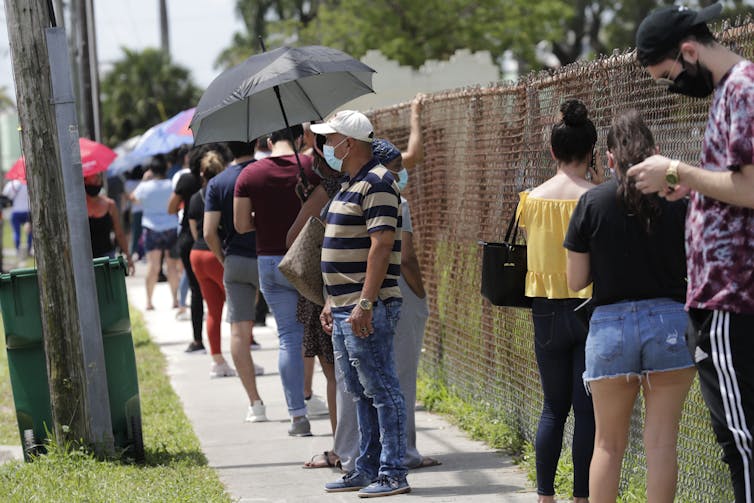
In Florida, people wait outside a COVID-19 testing station.

Case numbers don’t tell the full story

This is why problems arise when we use case numbers to determine disease levels in a community. Case counts actually reflect what was happening in a community weeks earlier. Four weeks, for instance, could elapse between the time a person is exposed to the virus and when they are reported as a case. Even the best testing results often take a week to report to public health authorities, and longer to appear on dashboards. Some testing results, seriously delayed, may take ten days or more.

Other factors impact the metrics. Laboratory results, often released in batches, may introduce artificial variation in case numbers. Someone who tested two days ago, then got a result back immediately, might be added on the same day as someone who was sick two weeks ago, but whose test results were delayed. To smooth out these variations, it helps to look at a rolling seven-day case average.

Hospitalization is a clearer metric for assessing the level of community disease. Those who are seriously ill, in most cases, will be hospitalized whether previously tested or not. Data suggests roughly one in five infected persons are hospitalized. Individuals seem to do okay for the first week, with more life-threatening symptoms showing in the second. That means hospitalizations represent exposures that happened three or four weeks earlier.

Again, a seven-day rolling average evens out artificial variations. There is one caveat for this: Though hospitalization is a useful metric, only about 20% of infected people need it. That means hospitalization numbers alone underestimate the number of people infected and what age groups they represent.

States vary on cause of death

The death numbers are not a reliable indicator either. In some states, to count as a COVID-19 death, the deceased must have had a test reporting positive. In other states, probable cases are reported.

As clinicians learn how to better treat COVID-19, fatality rates are dropping. Deaths, the longest lagging indicator, reflect people who were infected six or eight weeks earlier. When comparing one region to another, deaths are best expressed as rates – a ratio of deaths to population.

Another issue: News reports do not always clearly distinguish between diagnostic testing, which shows if you currently have COVID-19, and antibody testing, which shows if you had it in the past, and now harbor antibodies that can fight it. So far, however, antibody testing has not provided a useful picture of who has been infected and who has not. Once that happens, it could provide researchers and clinicians with some indicators on how widely the virus has spread.

Though the dashboards are ubiquitous on television, none of these frequently used indicators they feature is perfect. Still, taken together, they provide a reasonable approximation of COVID-19 transmission in communities. But as authorities make decisions, they should take into account the numbers are weeks old.

What does this mean to you? Understanding these limitations may help you understand your risk. We are still in the midst of a pandemic that is not under control. Being educated will help all of us from becoming a part of tomorrow’s lagging indicators.


Trump said more Covid-19 testing ‘creates more cases.’ We did the math

Trump said more Covid-19 testing ‘creates more cases.’ We did the math

Testing silhouette

The counter-narrative began almost instantly. After the U.S. count of Covid-19 cases began an inexorable rise in June, the White House sought to assure Americans that the increase was, basically, an illusion, created by an increase in testing for the novel coronavirus.

In a June 15 tweet, President Trump said testing “makes us look bad.” At his campaign rally in Tulsa five days later, he said he had asked his “people” to “slow the testing down, please.” At a White House press conference last week, he told reporters, “When you test, you create cases.”

And in an interview with Fox News that aired Sunday, Trump could not have been clearer: “Cases are up because we have the best testing in the world and we have the most testing.” Basically, the president was arguing that the U.S. had just as many new cases in June and July as it did in May but, with fewer tests being done in May, they weren’t being detected; with more testing now, they are.

A new STAT analysis of testing data for all 50 states and the District of Columbia, however, shows with simple-to-understand numbers why Trump’s claim is wrong. In only seven states was the rise in reported cases from mid-May to mid-July driven primarily by increased testing. In the other 26 states — among the 33 that saw cases increase during that period — the case count rose because there was actually more disease.

May had brought signs of hope that the U.S. had gotten its Covid-19 outbreak under control, with about 20,000 new cases reported per day after April highs closer to 30,000. But by late June, the daily count climbed to about 40,000, and now it’s at about 70,000. The STAT analysis shows that spread of the virus, far more than testing, explains that increase.

Epidemiologists and infectious disease experts have disputed the White House claims for weeks, citing rising hospitalization numbers and deaths. It’s hard to argue that extremely sick people, let alone dead people, had been obscured by low levels of testing but suddenly revealed by higher levels.

Without a doubt, many cases of Covid-19 in March, April, and May weren’t picked up. In late June, Centers for Disease Control and Prevention Director Robert Redfield told reporters that as many as 90% of cases had been missed; that is, although there were 2.3 million confirmed cases in the U.S. then, some 20 million people had probably been infected. But that reasoning applies today, too: Despite months of government claims to the contrary, not everyone who wants, or should have, a test is getting one.

Simple math belies the “it’s just because of more testing” claim — with some fascinating exceptions.

Using data from Covid Tracking, STAT looked at the number of people tested and the number who tested positive for the disease (cases) in every state and Washington, D.C. We did that for three dates: in mid-May, mid-June, and mid-July. (Due to reporting anomalies, the dates selected sometimes differed by a day or two between states.)

For each date, we calculated the number of cases found per 1,000 tests — a measure of the disease’s prevalence. For example, in Florida on May 13, that rate was 32. On June 13 it was 75. On July 13 it was 193. On May 13, Florida tested 15,159 people; on July 13, it tested 65,567. So indeed, the number of tests has increased.

But the number of cases per thousand, which is independent of the number of tests, has skyrocketed. On May 13, Florida recorded 479 cases; on July 13, it found 12,624. If the prevalence of Covid-19 were the same in July as in May, Florida would have found only 2,098 cases. In other words, 10,526 of the July 13 cases are not due to increased testing, but, instead, to the increased prevalence of disease.

Florida Gov. Ron DeSantis, however, echoes Trump’s explanation, telling a Saturday press briefing that his state’s soaring caseload is largely the result of more testing of people with no or minimal symptoms. “We’re now capturing a lot of those folks,” he said.

In fact, Florida has seen a sevenfold increase in cases in the past month, said Youyang Gu, who developed a well-respected, machine-learning-based model of Covid-19 whose projections have been quite accurate. “In the same time span, the number of tests only increased by a factor of two,” he said. “Obviously, if you double the testing but the number of cases increased sevenfold, then the virus is clearly spreading.”

Testing/cases graphic

The complete data for all 50 states can be found here.


Other states with soaring cases tell the same story as Florida.

In Arizona, the case-finding rate rose from 90 in May to 140 in June to 208 in July. Of its 2,537 cases on July 12, 1,441 were due to increased prevalence.

South Carolina has also experienced a steep rise in prevalence as its case count quintupled: Of the 2,280 cases on July 9, 1,869 were due to rising prevalence, not more testing. Texas and Georgia are similar: rising case counts well beyond increases in testing. In all, 26 states that did more testing in July than in May found more cases because Covid-19 was more prevalent. In 15 of them, the number of cases per 1,000 people tested had more than doubled.

Seven states (Colorado, Indiana, Michigan, Missouri, North Carolina, Ohio, and Wisconsin) meet the three criteria needed to support Trump’s claim that we’re seeing more cases only, or mostly, because we’re doing more testing. The criteria are doing more tests in July than in May, finding more cases on a typical day in July than May, but seeing the number of cases per 1,000 tests decline or remain unchanged from May to July.

Take Missouri. It’s reporting more cases, but not because the virus is exploding there (despite those crowded holiday scenes at Lake of the Ozarks). Its case finding rate has been pretty stable or even declining, from 48 in mid-May to 44 in mid-July. By tripling its number of daily tests, Missouri is finding roughly triple the number of cases.

California comes close to meeting the three criteria, but doesn’t quite. Its number of daily tests more than quadrupled from May to July, from roughly 32,000 to 137,000. But the rate of cases being found has risen, though only about 10%, from 55 to 61 per 1,000 tests. So a big reason — but not the main reason, as in Missouri — more cases are being found is that more testing is being done. Washington is similar: more testing, more cases, but also slightly greater prevalence of disease in mid-July compared to mid-May; its worsening situation is real.

New York tells the opposite story: more testing found fewer cases. The state nearly doubled its daily tests from May 13 (33,794) to July 12 (62,418). But its cases fell from 2,176 to 557. If the case rate had not dropped (by 86 %), New York’s expanded testing would have found 3,995 cases on July 12.

In fact, 16 states plus the District of Columbia are like New York. They tested much more, but found fewer cases in July than May — in most, not only “fewer” in the sense of fewer cases per 1,000 but fewer in absolute terms. New Jersey reported 10,246 tests and 1,144 cases on May 14, and 20,846 tests with a mere 393 new cases on July 14. Again, the virus hasn’t disappeared, but the expansion of testing, far from “creating” cases, has brought good news: In these states, it’s much less prevalent than it was two months ago.


Axios-Ipsos poll: The skeptics are growing

https://www.axios.com/axios-ipsos-poll-gop-skeptics-growing-deaths-e6ad6be5-c78f-43bb-9230-c39a20c8beb5.html

Axios-Ipsos poll: The skeptics are growing - Axios

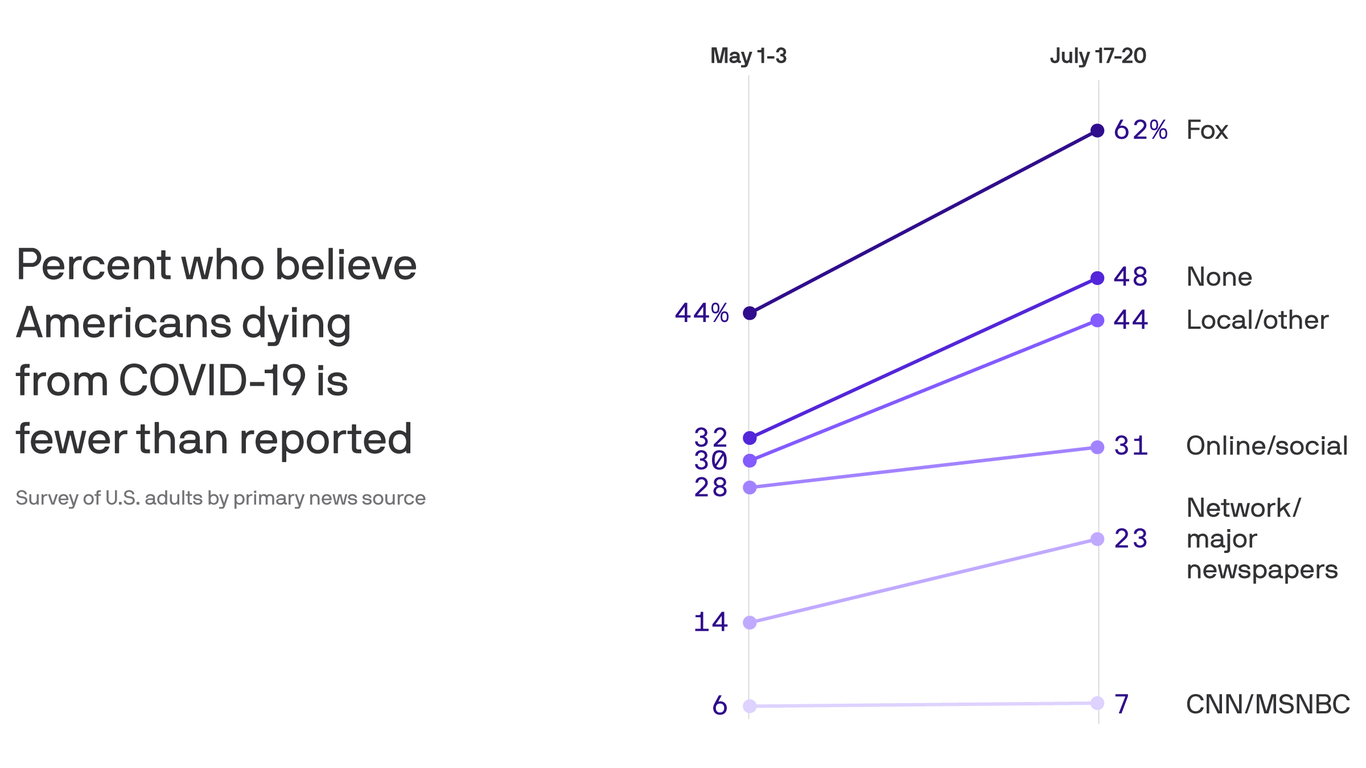
A rising number of Americans — now nearly one in three — don’t believe the virus’ death toll is as high as the official count, despite surging new infections and hospitalizations, per this week’s installment of the Axios-Ipsos Coronavirus Index.

Between the lines: Republicans, Fox News watchers and people who say they have no main source of news are driving this trend.

Why it matters: It shows President Trump’s enduring influence on his base, even as Americans overall say they are increasingly dissatisfied with his handling of the virus and political support is shifting toward Joe Biden.

What they’re saying: “We live in highly tribal and partisan times, and people are more likely to believe cues and signals from their political leaders than the scientists or the experts,” says Cliff Young, president of Ipsos U.S. Public Affairs.

  • And that’s just the purest form of populism, the demonization of experts to further political ends. But to what end? Fantasy is meeting reality head-on right now.”
  • “People can see the world around them, they know it’s different, but they still can think that the media and politicos are using it to go after Trump.”

By the numbers: Overall, 31% of Americans say they believe the number of Americans dying is lower than the number reported, up sizably from 23% when we asked the same question in May.

Here’s what’s driving the shift in Week 17 of our national survey:

  • Republicans who say the death count is overinflated rose from 40% to 59%.
  • Among independents, that share rose from 24% to 32%.
  • The small share of Democrats with that view was effectively flat, ticking up from 7% to 9%.
  • Most Americans still believe the actual number of deaths is either higher (37%) or on par with (31%) the official count.

Where you get your news has a strong correlation to your faith in the numbers.

  • Fox News watchers who say deaths are being over-counted shot up from 44% to 62%, even higher than Republicans overall.
  • Other big gains came from those who say they have no primary news source, from 32% to 48%; and those whose primary sources include local news, from 30% to 44%.
  • There was a smaller increase among people whose primary news source is one of the networks or major U.S. newspapers, while views of those who primarily watch CNN and MSNBC remained about the same.

The big picture: The survey shows most Americans are digging in for a long fight against the virus, even if they have conflicting views about what to believe.

  • 72% say they’re prepared to maintain social distancing or self-quarantining for as long as it takes — up from 49% in May — as people realize the end is more than a couple of months off.

This survey finds the highest overall use of face masks since the pandemic began — with 99% of Democrats and 75% of Republicans now saying they’re wearing a mask sometimes or all of the time when they go out.

  • But there’s enough inconsistency in people’s precautions to undercut much of the gains.
  • Only 40% say they wore masks sometimes or all the time when visiting family and friends. And parents are less likely to make their children wear masks outside the home than to do so themselves.

1 big finger wag: Most Americans blame someone other than themselves for the crisis.

  • Three-fourths of respondents say most other Americans are behaving in ways that are making the country’s recovery from the COVID-19 pandemic worse, while one-fourth said they’re making it better.
  • Democrats were more likely (83%) than other groups to say others are making things worse.