Fauci: ‘I seriously doubt’ Russia’s coronavirus vaccine is safe and effective

https://thehill.com/policy/healthcare/511615-fauci-seriously-doubt-russias-coronavirus-vaccine-is-safe-and-effective?utm_source=Sailthru&utm_medium=email&utm_campaign=Issue:%202020-08-12%20Healthcare%20Dive%20%5Bissue:29035%5D&utm_term=Healthcare%20Dive

The White House has pushed Fauci into a little box on the side

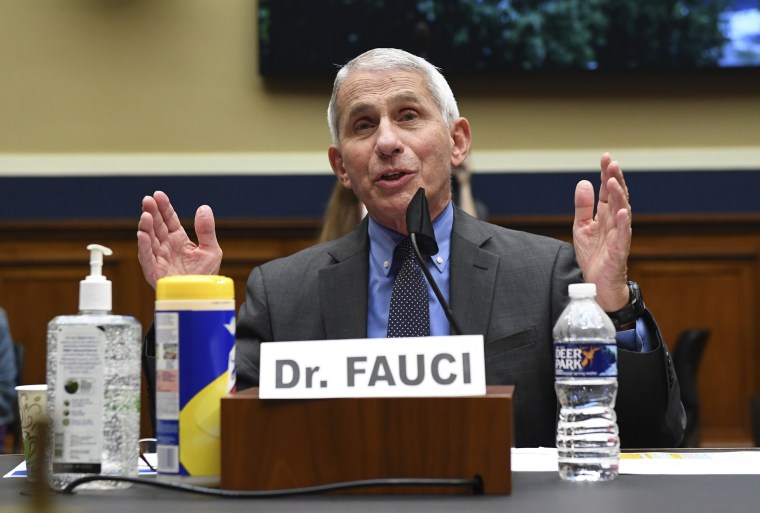
Anthony Fauci, the nation’s top infectious diseases expert, said Tuesday that he has serious doubts about Russia’s announcement that it has a vaccine ready to be used for the novel coronavirus.

“Having a vaccine and proving that a vaccine is safe and effective are two different things,” Fauci said during a panel discussion with National Geographic.

The comments came just hours after Russian President Vladimir Putin said that the country had become the first in the world to gain regulatory approval for a COVID-19 vaccine.

Putin said that the vaccine went through clinical testing and that it had proven to offer immunity to the deadly disease, which has infected more than 20 million people worldwide, according to a Johns Hopkins University database.

However, phase three trials for the drug have reportedly not been completed, triggering skepticism from international health experts about its usefulness. 

Fauci, the director of the National Institute of Allergy and Infectious Diseases and a key member of the White House coronavirus task force, said that he had seen no evidence supporting Putin’s position. 

“I hope that the Russians have actually, definitively proven that the vaccine is safe and effective. I seriously doubt that they’ve done that,” he said, adding that Americans need to understand that the process for gaining vaccine approval requires safety and efficacy. 

More than 100 possible vaccines are being developed around the world as part of efforts to offer immunity protection for the coronavirus. Moderna, in collaboration with the National Institutes of Health, launched a phase three trial for a vaccine in July, making it the first U.S. candidate to reach that stage.

Fauci has said that he’s “cautiously optimistic” that a COVID-19 vaccine will be ready by the end of the year. He told a House committee on July 31 that he was encouraged by everything he’s seen in the early data but that “there’s never a guarantee that you’re going to get a safe and effective vaccine.”

The World Health Organization said Tuesday that it was monitoring Russia’s progress in developing a COVID-19 vaccine. Progress in combating the virus “should not compromise safety,” the health agency said.

Former Food and Drug Administration Commissioner Scott Gottlieb echoed Fauci’s skepticism earlier Tuesday, noting in a tweet that Russia has been behind disinformation campaigns related to the pandemic. 

“Today’s news that they ‘approved’ a vaccine on the equivalent of phase 1 data may be another effort to stoke doubts or goad U.S. into forcing early action on our vaccines,” he said.

Russia is reportedly planning to offer its COVID-19 vaccine to medical personnel as soon as this month. It will be made available to the general public in October, according to Reuters


Dr. Anthony Fauci says chance of coronavirus vaccine being highly effective is ‘not great’

https://www.cnbc.com/amp/2020/08/07/coronavirus-vaccine-dr-fauci-says-chances-of-it-being-highly-effective-is-not-great.html?utm_source=&utm_medium=email&utm_campaign=32192

KEY POINTS
  • White House coronavirus advisor Dr. Anthony Fauci that the chances of scientists creating a highly effective vaccine — one that provides 98% or more guaranteed protection — for the virus are slim.
  • Scientists are hoping for a coronavirus vaccine that is at least 75% effective, but 50% or 60% effective would be acceptable, too, he said.
  • The FDA has said it would authorize a coronavirus vaccine so long as it is safe and at least 50% effective.

White House coronavirus advisor Dr. Anthony Fauci said Friday that the chances of scientists creating a highly effective vaccine — one that provides 98% or more guaranteed protection — for the virus are slim.

Scientists are hoping for a coronavirus vaccine that is at least 75% effective, but 50% or 60% effective would be acceptable, too, Fauci, director of the National Institute of Allergy and Infectious Diseases, said during a Q&A with the Brown University School of Public Health. “The chances of it being 98% effective is not great, which means you must never abandon the public health approach.”

“You’ve got to think of the vaccine as a tool to be able to get the pandemic to no longer be a pandemic, but to be something that’s well controlled,” he said.

The Food and Drug Administration has said it would authorize a coronavirus vaccine so long as it is safe and at least 50% effective. Dr. Stephen Hahn, the FDA’s commissioner, said last month that the vaccine or vaccines that end up getting authorized will prove to be more than 50% effective, but it’s possible the U.S. could end up with a vaccine that, on average, reduces a person’s risk of a Covid-19 infection by just 50%.

“We really felt strongly that that had to be the floor,” Hahn said on July 30, adding that it’s “been batted around among medical groups.”

“But for the most part, I think, infectious disease experts have agreed that that’s a reasonable floor, of course hoping that the actual effectiveness will be higher.”

A 50% effective vaccine would be roughly on par with those for influenza, but below the effectiveness of one dose of a measles vaccination, which is about 93% effective, according to the Centers for Disease Control and Prevention.

Public health officials and scientists expect to know whether at least one of the numerous potential Covid-19 vaccines in development worldwide is safe and effective by the end of December or early next year, though there is never a guarantee. Drug companies Pfizer and Moderna both began late-stage trials for their potential vaccines last week and both expect to enroll about 30,000 participants.

Fauci has previously said he worries about the “durability” of a coronavirus vaccine, saying if Covid-19 acts like other coronaviruses, it may not provide long-term protection.

Health officials say there is no returning to “normal” until there is a vaccine. Fauci’s comment came a day after the World Health Organization cautioned about the development of vaccines, reiterating that there may never be a “silver bullet” for the virus, which continues to rapidly spread worldwide. The phase three trials underway do not necessarily mean that a vaccine is almost ready to be deployed to the public, the agency said.

“Phase three doesn’t mean nearly there,” Mike Ryan, executive director of the WHO’s emergencies health program, said during a virtual panel discussion with “NBC Nightly News” Anchor Lester Holt hosted by the Aspen Security Forum. “Phase three means this is the first time this vaccine has been put into the general population into otherwise healthy individuals to see if the vaccine will protect them against natural infection.”

While there is hope scientists will find a safe and effective vaccine, there is never a guarantee, WHO Director-General Tedros Adhanom Ghebreyesus said.

“We cannot say we have vaccines. We may or may not,” he said.

On Friday, Fauci reiterated that he is “cautiously optimistic” scientists will find a safe and effective vaccine. He also reiterated that the coronavirus may never be eliminated, but world leaders can work together to bring the virus down to “low levels.”

Some of Fauci’s comments have been at odds with President Donald Trump, who has repeatedly said the virus would “disappear.”

Trump, who is seeking reelection, said Thursday that it’s possible the United States could have a safe and effective vaccine for the coronavirus before the upcoming presidential election on Nov. 3.


2005 chloroquine study had nothing to do with COVID-19 and the drug wasn’t given to humans

https://www.politifact.com/factchecks/2020/jul/29/facebook-posts/2005-chloroquine-study-had-nothing-do-covid-19-and/?fbclid=IwAR2e4j_lb10FWa5Cyuokzo3pbjlty_ffvwsEfVT_2iQ6ki8a9z-TpzDm9DQ

PolitiFact | 2005 chloroquine study had nothing to do with COVID ...

IF YOUR TIME IS SHORT

  • The 2005 study wasn’t published by the NIH and didn’t prove chloroquine was effective against “COVID-1” because that’s not a real disease.
  • The study found that chloroquine could inhibit the spread of Severe Acute Respiratory Syndrome in animal cell culture, and the authors said more research was needed.
  • There are currently no approved medications or treatments for COVID-19.


Chloroquine is back.

The anti-malarial drug first showed up as a possible COVID-19 treatment around May 2020, when President Donald Trump said he had been taking its chemical cousin, hydroxychloroquine, to prevent getting infected with the virus.

Since then, some studies have found that the drugs could help alleviate symptoms associated with COVID-19, but the research is not conclusive. There are currently no FDA-approved medicines specifically for COVID-19. (Chloroquine is chemically similar to hydroxychloroquine, but it is a different drug that’s primarily used to treat malaria. Both carry a particular risk for people with heart problems, plus other possible side effects.)

Now, hydroxychloroquine and chloroquine have been thrust back into the spotlight as misinformation about the drugs’ effectiveness and safety recently reappeared online.

One such post on Facebook falsely claims that Americans have been deceived because health officials at the National Institutes of Health have known all along that chloroquine is effective against “COVID.”

The post reads:

“N.I.H. 15 years ago published a study on chloroquine. It is effective against COVID-(1). We are being lied to America!”

The post was flagged as part of Facebook’s efforts to combat false news and misinformation on its News Feed. (Read more about our partnership with Facebook.) 


This is flawed. 

First, there’s no such thing as “COVID-1.” COVID-19 was named for the year it was discovered, not because it’s the 19th iteration. 

Second, the 2005 study found that chloroquine was effective on primate cells infected with severe acute respiratory syndrome, known as SARS, which is caused by a coronavirus. But while the two share similarities, SARS-CoV and COVID-19 are different diseases, and primate cells are far from human patients.

Third, the study was indexed by the NIH’s National Library of Medicine, but the NIH was not involved. It was published in the peer-reviewed Virology Journal and conducted by researchers from the Centers for Disease Control and Prevention and the Montreal Clinical Research Institute.


What the study says

The study was published in August 2005 and found that chloroquine has “strong antiviral effects on SARS-CoV infection of primate cells” and that it was effective on cells treated with the drug before and after exposure to the virus.

The drug was not administered to actual SARS patients, and the study’s authors wrote that more research was needed on how the drug interacts with SARS in animal test subjects.

“Cell culture testing of an antiviral drug against the virus is only the first step, of many steps, necessary to develop an antiviral drug,” Kate Fowlie, a spokesperson for the CDC previously told PolitiFact in an email. “It is important to realize that most antivirals that pass this cell culture test hurdle fail at later steps in the development process.”

Dr. Alex Greninger, assistant director of clinical virology at the University of Washington School of Medicine, told us that a problem in virology is trying to determine the difference of how drugs work in cell culture in comparison to humans.

“Data on chloroquine is largely taken from these cell culture studies, but we now have trials in people on hydroxychloroquine that show it’s not as effective,” Greninger said, “and there’s new data out in the last week that suggests that some of the reasons could be because of the cell types that SARS coronaviruses grow in, and this original experiment was done on African green monkey kidney cells, which is not the tissue we are really worried about.”


What officials say about the drugs now

The Food and Drug Administration granted emergency use authorizations for some medicines to be used for certain patients hospitalized with COVID-19, but it revoked the authorization for hydroxychloroquine and chloroquine in mid-June due to concerns over the drugs’ serious side effects. There are currently no FDA-approved medicines for COVID-19.

“It is no longer reasonable to believe that oral formulations of HCQ and CQ may be effective in treating COVID-19, nor is it reasonable to believe that the known and potential benefits of these products outweigh their known and potential risks,” FDA Chief Scientist Denise M. Hinton wrote.

The NIH’s COVID-19 treatment guidelines, which were developed to inform clinicians on how to care for patients with COVID-19, also currently recommend against the use of chloroquine or hydroxychloroquine for COVID-19 treatment, except in a clinical trial.

But even those trials have been halted. The World Health Organization and the NIH announced in mid-June that they would stop hydroxychloroquine patient trials, citing safety concerns that include serious heart rhythm problems, blood and lymph system disorders, kidney injuries, and liver problems and failure.


Our ruling

A Facebook post says that the NIH published a study 15 years ago that showed chloroquine was effective against “COVID-(1)” and that health officials have been lying to the American people.

This is wrong. There’s no such thing as “COVID-1” and the study cited was not published by the NIH and had to do with animal cells infected with SARS, not COVID-19. The drug was not given to human patients and the study’s authors said more research was needed.

Health officials caution against the use of chloroquine or hydroxychloroquine to treat COVID-19 patients, citing the possibility of serious side effects. There are currently no approved treatments for the virus.

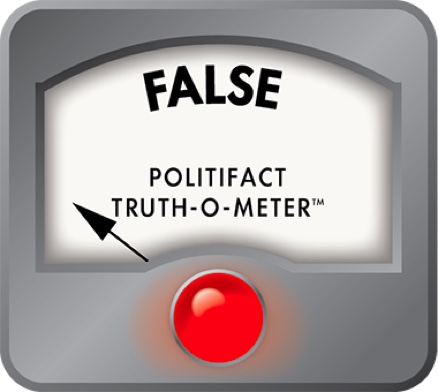
We rate this False. 


Winter is coming: Why America’s window of opportunity to beat back Covid-19 is closing

Winter is coming: Why America’s window of opportunity to beat back Covid-19 is closing

Winter is coming: Why America's window of opportunity to beat back ...

The good news: The United States has a window of opportunity to beat back Covid-19 before things get much, much worse.

The bad news: That window is rapidly closing. And the country seems unwilling or unable to seize the moment.

Winter is coming. Winter means cold and flu season, which is all but sure to complicate the task of figuring out who is sick with Covid-19 and who is suffering from a less threatening respiratory tract infection. It also means that cherished outdoor freedoms that link us to pre-Covid life — pop-up restaurant patios, picnics in parks, trips to the beach — will soon be out of reach, at least in northern parts of the country.

Unless Americans use the dwindling weeks between now and the onset of “indoor weather” to tamp down transmission in the country, this winter could be Dickensianly bleak, public health experts warn.

“I think November, December, January, February are going to be tough months in this country without a vaccine,” said Michael Osterholm, director of the Center for Infectious Diseases Research and Policy at the University of Minnesota.

It is possible, of course, that some vaccines could be approved by then, thanks to historically rapid scientific work. But there is little prospect that vast numbers of Americans will be vaccinated in time to forestall the grim winter Osterholm and others foresee.

Human coronaviruses, the distant cold-causing cousins of the virus that causes Covid-19, circulate year-round. Now is typically the low season for transmission. But in this summer of America’s failed Covid-19 response, the SARS-CoV-2 virus is widespread across the country, and pandemic-weary Americans seem more interested in resuming pre-Covid lifestyles than in suppressing the virus to the point where schools can be reopened, and stay open, and restaurants, movie theaters, and gyms can function with some restrictions.

“We should be aiming for no transmission before we open the schools and we put kids in harm’s way — kids and teachers and their caregivers. And so, if that means no gym, no movie theaters, so be it,” said Caroline Buckee, associate director of the Center for Communicable Disease Dynamics at Harvard’s T.H. Chan School of Public Health.

“We seem to be choosing leisure activities now over children’s safety in a month’s time. And I cannot understand that tradeoff.”

While many countries managed to suppress spread of SARS-CoV-2, the United States has failed miserably. Countries in Europe and Asia are worrying about a second wave. Here, the first wave rages on, engulfing rural as well as urban parts of the country. Though there’s been a slight decline in cases in the past couple of weeks, more than 50,000 Americans a day are being diagnosed with Covid-19. And those are just the confirmed cases.

To put that in perspective, at this rate the U.S. is racking up more cases in a week than Britain has accumulated since the start of the pandemic.

Public health officials had hoped transmission of the virus would abate with the warm temperatures of summer and the tendency — heightened this year — of people to take their recreational activities outdoors. Experts do believe people are less likely to transmit the virus outside, especially if they are wearing face coverings and keeping a safe distance apart.

But in some places, people have been throwing Covid cautions to the wind, flouting public health orders in the process. Kristen Ehresmann, director of infectious disease epidemiology, prevention, and control for the Minnesota Department of Health, points to a large, three-day rodeo that was held recently in her state. Organizers knew they were supposed to limit the number of attendees to 250 but refused; thousands attended. In Sturgis, S.D., an estimated quarter of a million motorcyclists were expected to descend on the city this past weekend for an annual rally that spans 10 days.

Even on smaller scales, public health authorities know some people are letting down their guard. Others have never embraced the need to try to prevent spread of the virus. Ehresmann’s father was recently invited to visit some friends; he went, she said, but wore his mask, elbow bumping instead of shaking proffered hands. “And the people kind of acted like, … ‘Oh, you drank that Kool-Aid,’ rather than, ‘We all need to be doing this.’”

Ehresmann and others in public health are flummoxed by the phenomenon of people refusing to acknowledge the risk the virus poses.

“Just this idea of, ‘I just don’t want to believe it so therefore it’s not going to be true’ — honestly, I have not really dealt with that as it relates to disease before,” she said.

Buckee, the Harvard expert, wonders if the magical thinking that seems to have infected swaths of the country is due to the fact many of the people who have died were elderly. For many Americans, she said, the disease has not yet touched their lives — but the movement restrictions and other response measures have.

“I think if children were dying, this would be … a different situation, quite honestly,” she said.

Epidemiologist Michael Mina despairs that an important chance to wrestle the virus under control is being lost, as Americans ignore the realities of the pandemic in favor of trying to resume pre-Covid life.

“We just continue to squander every bit of opportunity we get with this epidemic to get it under control,’’ said Mina, an assistant professor in Harvard’s T.H. Chan School of Public Health and associate medical director of clinical microbiology at Boston’s Brigham and Women’s Hospital.

“The best time to squash a pandemic is when the environmental characteristics slow transmission. It’s your one opportunity in the year, really, to leverage that extra assistance and get transmission under control,” he said, his frustration audible.

Driving back transmission would require people to continue to make sacrifices, to accept the fact that life post-Covid cannot proceed as normal, not while so many people remain vulnerable to the virus. Instead, people are giddily throwing off the shackles of coronavirus suppression efforts, seemingly convinced that a few weeks of sacrifice during the spring was a one-time solution.

Osterholm has for months warned that people were being misled about how long the restrictions on daily life would need to be in place. He now thinks the time has come for another lockdown. “What we did before and more,” he said.

The country has fallen into a dangerous pattern, Osterholm said, where a spike in cases in a location leads to some temporary restraint from people who eventually become alarmed enough to start to take precautions. But as soon as cases start to plateau or decline a little, victory over the virus is declared and people think it’s safe to resume normal life.

“It’s like an all or nothing phenomenon, right?” said Anthony Fauci, director of the National Institute for Allergy and Infectious Diseases. “You all locked down or you get so discouraged with being lockdown that you decide you’re going to be in crowded bars … you can have indoor parties with no masks. You can do all the things that are going to get you in trouble.”

Osterholm said with the K-12 school year resuming in some parts of the country or set to start — along with universities — in a few weeks, transmission will take off and cases will start to climb again. He predicted the next peaks will “exceed by far the peak we have just experienced. Winter is only going to reinforce that. Indoor air,” he said.

Buckee thinks that if the country doesn’t alter the trajectory it is on, more shutdowns are inevitable. “I can’t see a way that we’re going to have restaurants and bars open in the winter, frankly. We’ll have resurgence. Everything will get shut down again.”

Fauci favors a reset of the reopening measures, with a strong messaging component aimed at explaining to people why driving down transmission now will pay off later. Young people in particular need to understand that even if they are less likely to die from Covid-19, statistically speaking, transmission among 20-somethings will eventually lead to infections among their parents and grandparents, where the risk of severe infections and fatal outcomes is higher. (Young people can also develop long-term health problems as a result of the virus.)

“It’s not them alone in a vacuum,” Fauci said. “They are spreading it to the people who are going to wind up in the hospital.”

Everyone has to work together to get cases down to more manageable levels, if the country hopes to avoid “a disastrous winter,” he said.

“I think we can get it under much better control, between now and the mid-to-late fall when we get influenza or we get whatever it is we get in the fall and the winter. I’m not giving up,” said Fauci.

But without an all-in effort “the cases are not going to come down,” he warned. “They’re not. They’re just not.”


Indoor air is the next coronavirus frontline

https://www.axios.com/airborne-transmission-coronavirus-covid-indoor-c47e2763-a62d-4861-84e7-fc19feace3fc.html

Indoor air is the next coronavirus frontline - Axios

A growing body of research has made it clear that airborne transmission of the coronavirus is possible.

Why it matters: That fact means indoor spaces can become hot spots. Those spaces also happen to be where most business and schooling takes place, so any hope for a return to normality will require better ways of filtering indoor air.

What’s happening: After a concerted campaign by scientists, the WHO last month updated its guidelines on COVID-19 to include the possibility that the coronavirus could be airborne.

  • That marked a shift from initial assumptions that the virus was mostly transmitted via contaminated surfaces and respiratory droplets emitted at close range, like an infected person coughing near someone susceptible.
  • More evidence was added to the airborne hypothesis last week, when researchers at the University of Nebraska Medical Center reported in a paper published in Nature that they had found coronavirus-filled aerosols — small airborne particles of fluid — in the air of COVID-19 patients’ hospital rooms.
  • It’s still not clear just how much or how often the airborne transmission happens, a question Anthony Fauci has said the White House coronavirus task force will examine.

Context: If coronavirus-contaminated aerosols can indeed hang in the air, perhaps for hours, then “mitigating airborne transmission should be at the front of our disease-control strategies for COVID-19,” Joseph Allen of Harvard’s Healthy Building program wrote in the Washington Post.

  • Schools in particular “definitely present a challenge,” says Barry Po, president of connected solutions for mCloud Technologies, a provider of cloud-based remote HVAC management. Many school buildings in the U.S. are old and poorly ventilated, which makes them prime locations for indoor transmission.

The good news is there are existing technologies that can filter out or destroy coronavirus trapped in indoor air.

  • The easiest way is simply opening windows whenever possible, which dilutes the amount of virus in the air. In Japan windows are kept open in subway trains, which has helped prevent outbreaks in the country’s crowded transit system.
  • Portable HEPA filters, which can cost as little as a few hundred dollars, are capable of capturing particles as small as the novel coronavirus and could be used to clean individual classrooms.
  • Commercial HVAC systems can be adjusted to increase the number of times they exchange air per hour, analysts from McKinsey said in a report last month.

The catch: Increasing ventilation decreases energy efficiency, and Po estimates that net energy costs for buildings could increase by at least 10% in the COVID-19 era.

A more high-tech solution involves the use of specialized UV light to deactivate coronavirus in the air or on surfaces.

  • Fred Maxik, the founder of Healthe Lighting, developed Far UVC 222, a short-wave UV light spectrum that the company reports can neutralize 99.9% of coronavirus in a space. The UV light breaks the chemical bonds in the virus, Maxik says, making it incapable of replicating.
  • Unlike the UVB rays in sunlight that can damage DNA and cause skin cancer, Far UVC 222 doesn’t penetrate the human body.
  • The Healthe system has been installed in Seattle’s reopening Space Needle, as well as the practice facilities of the Miami Dolphins. “This is one of the only methodologies where we can continually clean a space in real time,” says Maxik.

The bottom line: Despite the runs early in the pandemic on Clorox wipes, it may be the air we breathe more than the surfaces we touch that need to be kept clean.


The Unique U. S. Failure to Control the Coronavirus

The Unique U.S. Failure to Control the Virus - The New York Times

Nearly every country has struggled to contain the coronavirus and made mistakes along the way.

China committed the first major failure, silencing doctors who tried to raise alarms about the virus and allowing it to escape from Wuhan. Much of Europe went next, failing to avoid enormous outbreaks. Today, many countries — Japan, Canada, France, Australia and more — are coping with new increases in cases after reopening parts of society.

Yet even with all of these problems, one country stands alone, as the only affluent nation to have suffered a severe, sustained outbreak for more than four months: the United States.

Over the past month, about 1.9 million Americans have tested positive for the virus.

That’s more than five times as many as in all of Europe, Canada, Japan, South Korea and Australia, combined.

Even though some of these countries saw worrying new outbreaks over the past month, including 50,000 new cases in Spain …

the outbreaks still pale in comparison to those in the United States. Florida, with a population less than half of Spain, has reported nearly 300,000 cases in the same period.

When it comes to the virus, the United States has come to resemble not the wealthy and powerful countries to which it is often compared but instead far poorer countries, like Brazil, Peru and South Africa, or those with large migrant populations, like Bahrain and Oman.

As in several of those other countries, the toll of the virus in the United States has fallen disproportionately on poorer people and groups that have long suffered discrimination. Black and Latino residents of the United States have contracted the virus at roughly three times as high of a rate as white residents.

How did this happen? The New York Times set out to reconstruct the unique failure of the United States, through numerous interviews with scientists and public health experts around the world. The reporting points to two central themes.

First, the United States faced longstanding challenges in confronting a major pandemic. It is a large country at the nexus of the global economy, with a tradition of prioritizing individualism over government restrictions. That tradition is one reason the United States suffers from an unequal health care system that has long produced worse medical outcomes — including higher infant mortality and diabetes rates and lower life expectancy — than in most other rich countries.

“As an American, I think there is a lot of good to be said about our libertarian tradition,” Dr. Jared Baeten, an epidemiologist and vice dean at the University of Washington School of Public Health, said. “But this is the consequence — we don’t succeed as well as a collective.”

The second major theme is one that public health experts often find uncomfortable to discuss because many try to steer clear of partisan politics. But many agree that the poor results in the United States stem in substantial measure from the performance of the Trump administration.

In no other high-income country — and in only a few countries, period — have political leaders departed from expert advice as frequently and significantly as the Trump administration. President Trump has said the virus was not serious; predicted it would disappear; spent weeks questioning the need for masks; encouraged states to reopen even with large and growing caseloads; and promoted medical disinformation.

In recent days, Mr. Trump has continued the theme, offering a torrent of misleading statistics in his public appearances that make the situation sound less dire than it is.

Some Republican governors have followed his lead and also played down the virus, while others have largely followed the science. Democratic governors have more reliably heeded scientific advice, but their performance in containing the virus has been uneven.

“In many of the countries that have been very successful they had a much crisper strategic direction and really had a vision,” said Caitlin Rivers, an epidemiologist at the Johns Hopkins Center for Health Security, who wrote a guide to reopening safely for the American Enterprise Institute, a conservative research group. “I’m not sure we ever really had a plan or a strategy — or at least it wasn’t public.”

Together, the national skepticism toward collective action and the Trump administration’s scattered response to the virus have contributed to several specific failures and missed opportunities, Times reporting shows:

  • a lack of effective travel restrictions;

  • repeated breakdowns in testing;

  • confusing advice about masks;

  • a misunderstanding of the relationship between the virus and the economy;

  • and inconsistent messages from public officials.

Already, the American death toll is of a different order of magnitude than in most other countries. With only 4 percent of the world’s population, the United States has accounted for 22 percent of coronavirus deaths. Canada, a rich country that neighbors the United States, has a per capita death rate about half as large. And these gaps may worsen in coming weeks, given the lag between new cases and deaths.

For many Americans who survive the virus or do not contract it, the future will bring other problems. Many schools will struggle to open. And the normal activities of life — family visits, social gatherings, restaurant meals, sporting events — may be more difficult in the United States than in any other affluent country.


In retrospect, one of Mr. Trump’s first policy responses to the virus appears to have been one of his most promising.

On Jan. 31, his administration announced that it was restricting entry to the United States from China: Many foreign nationals — be they citizens of China or other countries — would not be allowed into the United States if they had been to China in the previous two weeks.

It was still early in the spread of the virus. The first cases in Wuhan, China, had been diagnosed about a month before, and the first announced case in the United States had come on Jan. 21. In announcing the new travel policy, Alex M. Azar II, the secretary of health and human services, declared that the virus posed “a public health emergency.” Mr. Trump described the policy as his “China ban.”

After the Trump administration acted, several other countries quickly announced their own restrictions on travel from China, including Japan, Vietnam and Australia.

But it quickly became clear that the United States’ policy was full of holes. It did not apply to immediate family members of American citizens and permanent residents returning from China, for example. In the two months after the policy went into place, almost 40,000 people arrived in the United States on direct flights from China.

Even more important, the policy failed to take into account that the virus had spread well beyond China by early February. Later data would show that many infected people arriving in the United States came from Europe. (The Trump administration did not restrict travel from Europe until March and exempted Britain from that ban despite a high infection rate there.)

The administration’s policy also did little to create quarantines for people who entered the United States and may have had the virus.

Authorities in some other places took a far more rigorous approach to travel restrictions.

South Korea, Hong Kong and Taiwan largely restricted entry to residents returning home. Those residents then had to quarantine for two weeks upon arrival, with the government keeping close tabs to ensure they did not leave their home or hotel. South Korea and Hong Kong also tested for the virus at the airport and transferred anyone who was positive to a government facility.

Australia offers a telling comparison. Like the United States, it is separated from China by an ocean and is run by a conservative leader — Scott Morrison, the prime minister. Unlike the United States, it put travel restrictions at the center of its virus response.

Australian officials noticed in March that the travel restrictions they had announced on Feb. 1 were not preventing the virus from spreading. So they went further.

On March 27, Mr. Morrison announced that Australia would no longer trust travelers to isolate themselves voluntarily. The country would instead mandate that everyone arriving from overseas, including Australian citizens, spend two weeks quarantined in a hotel.

The protocols were strict. As people arrived at an airport, the authorities transported them directly to hotels nearby. People were not even allowed to leave their hotel to exercise. The Australian military helped enforce the rules.

Around the same time, several Australian states with minor outbreaks shut their own borders to keep out Australians from regions with higher rates of infection. That hardening of internal boundaries had not happened since the 1918 flu pandemic, said Ian Mackay, a virologist in Queensland, one of the first states to block entry from other areas.

The United States, by comparison, imposed few travel restrictions, either for foreigners or American citizens. Individual states did little to enforce the rules they did impose.

“People need a bit more than a suggestion to look after their own health,” said Dr. Mackay, who has been working with Australian officials on their pandemic response. “They need guidelines, they need rules — and they need to be enforced.”

Travel restrictions and quarantines were central to the success in controlling the virus in South Korea, Hong Kong, Taiwan and Australia, as well as New Zealand, many epidemiologists believe. In Australia, the number of new cases per day fell more than 90 percent in April. It remained near zero through May and early June, even as the virus surged across much of the United States.

In the past six weeks, Australia has begun to have a resurgence — which itself points to the importance of travel rules. The latest outbreak stems in large part from problems with the quarantine in the city of Melbourne. Compared with other parts of Australia, Melbourne relied more on private security contractors who employed temporary workers — some of whom lacked training and failed to follow guidelines — to enforce quarantines at local hotels. Officials have responded by banning out-of-state travel again and imposing new lockdowns.

Still, the tolls in Australia and the United States remain vastly different. Fewer than 300 Australians have died of complications from Covid-19, the illness caused by the virus. If the United States had the same per capita death rate, about 3,300 Americans would have died, rather than 158,000.

Enacting tough travel restrictions in the United States would not have been easy. It is more integrated into the global economy than Australia is, has a tradition of local policy decisions and borders two other large countries. But there is a good chance that a different version of Mr. Trump’s restrictions — one with fewer holes and stronger quarantines — would have meaningfully slowed the virus’s spread.

Traditionally, public health experts had not seen travel restrictions as central to fighting a pandemic, given their economic costs and the availability of other options, like testing, quarantining and contact tracing, Dr. Baeten, the University of Washington epidemiologist, said. But he added that travel restrictions had been successful enough in fighting the coronavirus around the world that those views may need to be revisited.

“Travel,” he said, “is the hallmark of the spread of this virus around the world.”


On Jan. 16, nearly a week before the first announced case of the coronavirus in the United States, a German hospital made an announcement. Its researchers had developed a test for the virus, which they described as the world’s first.

The researchers posted the formula for the test online and said they expected that countries with strong public health systems would soon be able to produce their own tests. “We’re more concerned about labs in countries where it’s not that easy to transport samples, or staff aren’t trained that thoroughly, or if there is a large number of patients who have to be tested,” Dr. Christian Drosten, the director of the Institute for Virology at the hospital, known as Charité, in Berlin.

It turned out, however, that the testing problems would not be limited to less-developed countries.

In the United States, the Centers for Disease Control and Prevention developed their own test four days after the German lab did. C.D.C. officials claimed that the American test would be more accurate than the German one, by using three genetic sequences to detect the virus rather than two. The federal government quickly began distributing the American test to state officials.

But the test had a flaw. The third genetic sequence produced inconclusive results, so the C.D.C. told state labs to pause their work. In meetings of the White House’s coronavirus task force, Dr. Robert R. Redfield, the C.D.C. director, played down the problem and said it would soon be solved.

Instead, it took weeks to fix. During that time, the United States had to restrict testing to people who had clear reason to think they had the virus. All the while, the virus was quietly spreading.

By early March, with the testing delays still unresolved, the New York region became a global center of the virus — without people realizing it until weeks later. More widespread testing could have made a major difference, experts said, leading to earlier lockdowns and social distancing and ultimately less sickness and death.

“You can’t stop it if you can’t see it,” Dr. Bruce Aylward, a senior adviser to the director general at the World Health Organization, said.

While the C.D.C. was struggling to solve its testing flaws, Germany was rapidly building up its ability to test. Chancellor Angela Merkel, a chemist by training, and other political leaders were watching the virus sweep across northern Italy, not far from southern Germany, and pushed for a big expansion of testing.

By the time the virus became a problem in Germany, labs around the country had thousands of test kits ready to use. From the beginning, the government covered the cost of the tests. American laboratories often charge patients about $100 for a test.

Without free tests, Dr. Hendrik Streeck, director of the Institute of Virology at the University Hospital Bonn, said at the time, “a young person with no health insurance and an itchy throat is unlikely to go to the doctor and therefore risks infecting more people.”

Germany was soon far ahead of other countries in testing. It was able to diagnose asymptomatic cases, trace the contacts of new patients and isolate people before they could spread the virus. The country has still suffered a significant outbreak. But it has had many fewer cases per capita than Italy, Spain, France, Britain or Canada — and about one-fifth the rate of the United States.

The United States eventually made up ground on tests. In recent weeks, it has been conducting more per capita than any other country, according to Johns Hopkins researchers.

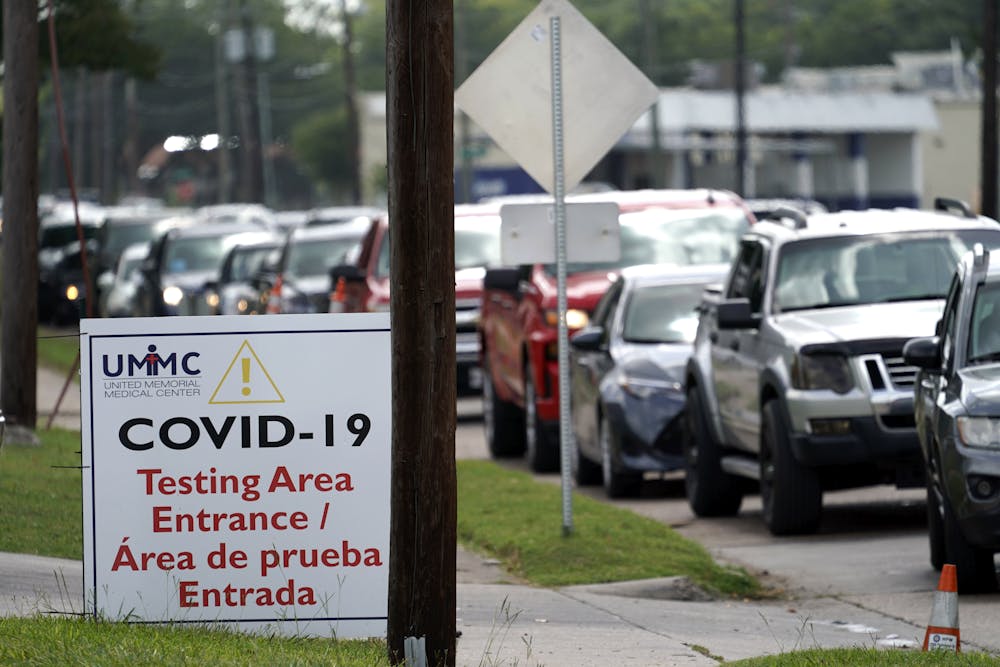
But now there is a new problem: The virus has grown even more rapidly than testing capacity. In recent weeks, Americans have often had to wait in long lines, sometimes in scorching heat, to be tested.

One measure of the continuing troubles with testing is the percentage of tests that come back positive. In a country that has the virus under control, fewer than 5 percent of tests come back positive, according to World Health Organization guidelines. Many countries have reached that benchmark. The United States, even with the large recent volume of tests, has not.

“We do have a lot of testing,” Ms. Rivers, the Johns Hopkins epidemiologist, said. “The problem is we also have a lot of cases.”

The huge demand for tests has overwhelmed medical laboratories, and many need days — or even up to two weeks — to produce results. “That really is not useful for public health and medical management,” Ms. Rivers added. While people are waiting for their results, many are also spreading the virus.

In Belgium recently, test results have typically come back in 48 to 72 hours. In Germany and Greece, it is two days. In France, the wait is often 24 hours.


For the first few months of the pandemic, public health experts could not agree on a consistent message about masks. Some said masks reduced the spread of the virus. Many experts, however, discouraged the use of masks, saying — somewhat contradictorily — that their benefits were modest and that they should be reserved for medical workers.

“We don’t generally recommend the wearing of masks in public by otherwise well individuals because it has not been up to now associated with any particular benefit,” Dr. Michael Ryan, a World Health Organization official, said at a March 30 news conference.

His colleague Dr. Maria Van Kerkhove explained that it was important to “prioritize the use of masks for those who need them most.”

The conflicting advice, echoed by the C.D.C. and others, led to relatively little mask wearing in many countries early in the pandemic. But several Asian countries were exceptions, partly because they had a tradition of mask wearing to avoid sickness or minimize the effects of pollution.

By January, mask wearing in Japan was widespread, as it often had been during a typical flu season. Masks also quickly became the norm in much of South KoreaThailandVietnamTaiwan and China.

In the following months, scientists around the world began to report two strands of evidence that both pointed to the importance of masks: Research showed that the virus could be transmitted through droplets that hang in the air, and several studies found that the virus spread less frequently in places where people were wearing masks.

On one cruise ship that gave passengers masks after somebody got sick, for example, many fewer people became ill than on a different cruise where people did not wear masks.

Consistent with that evidence was Asia’s success in holding down the number of cases (after China’s initial failure to do so). In South Korea, the per capita death rate is about one-eightieth as large as in the United States; Japan, despite being slow to enact social distancing, has a death rate about one-sixtieth as large.

“We should have told people to wear cloth masks right off the bat,” Dr. George Rutherford of the University of California, San Francisco, said.

In many countries, officials reacted to the emerging evidence with a clear message: Wear a mask.

Prime Minister Justin Trudeau of Canada began wearing one in May. During a visit to an elementary school, President Emmanuel Macron of France wore a French-made blue mask that complemented his suit and tie. Zuzana Caputova, the president of Slovakia, created a social media sensation by wearing a fuchsia-colored mask that matched her dress.

In the United States, however, masks did not become a fashion symbol. They became a political symbol.

Mr. Trump avoided wearing one in public for months. He poked fun at a reporter who wore one to a news conference, asking the reporter to take it off and saying that wearing one was “politically correct.” He described former Vice President Joseph R. Biden Jr.’s decision to wear one outdoors as “very unusual.”

Many other Republicans and conservative news outlets, like Fox News, echoed his position. Mask wearing, as a result, became yet another partisan divide in a highly polarized country.

Throughout much of the Northeast and the West Coast, more than 80 percent of people wore masks when within six feet of someone else. In more conservative areas, like the Southeast, the share was closer to 50 percent.

A March survey found that partisanship was the biggest predictor of whether Americans regularly wore masks — bigger than their age or whether they lived in a region with a high number of virus cases. In many of the places where people adopted a hostile view of masks, including Texas and the Southeast, the number of virus cases began to soar this spring.


Throughout March and April, Gov. Brian Kemp of Georgia and staff members held long meetings inside a conference room at the State Capitol in Atlanta. They ordered takeout lunches from local restaurants like the Varsity and held two daily conference calls with the public health department, the National Guard and other officials.

One of the main subjects of the meetings was when to end Georgia’s lockdown and reopen the state’s economy. By late April, Mr. Kemp decided that it was time.

Georgia had not met the reopening criteria laid out by the Trump administration (and many outside health experts considered those criteria too lax). The state was reporting about 700 new cases a day, more than when it shut down on April 3.

Nonetheless, Mr. Kemp went ahead. He said that Georgia’s economy could not wait any longer, and it became one of the first states to reopen.

“I don’t give a damn about politics right now,” he said at an April 20 news conference announcing the reopening. He went on to describe business owners with employees at home who were “going broke, worried about whether they can feed their children, make the mortgage payment.”

Four days later, across Georgia, barbers returned to their chairs, wearing face masks and latex gloves. Gyms and bowling alleys were allowed to reopen, followed by restaurants on April 27. The stay-at-home order expired at 11:59 p.m. on April 30.

Mr. Kemp’s decision was part of a pattern: Across the United States, caseloads were typically much higher when the economy reopened than in other countries.

As the United States endured weeks of closed stores and rising unemployment this spring, many politicians — particularly Republicans, like Mr. Kemp — argued that there was an unavoidable trade-off between public health and economic health. And if crushing the virus meant ruining the economy, maybe the side effects of the treatment were worse than the disease.

Dan Patrick, the Republican lieutenant governor of Texas, put the case most bluntly, and became an object of scorn, especially from the political left, for doing so. “There are more important things than living,” Mr. Patrick said in a television interview the same week that Mr. Kemp reopened Georgia.

It may have been an inartful line, but Mr. Patrick’s full argument was not wholly dismissive of human life. He was instead suggesting that the human costs of shutting down the economy — the losses of jobs and income and the associated damages to living standards and people’s health — were greater than the costs of a virus that kills only a small percentage of people who get it.

“We are crushing the economy,” he said, citing the damage to his own children and grandchildren. “We’ve got to take some risks and get back in the game and get this country back up and running.”

The trouble with the argument, epidemiologists and economists agree, was that public health and the economy’s health were not really in conflict.

Early in the pandemic, Austan Goolsbee, a University of Chicago economist and former Obama administration official, proposed what he called the first rule of virus economics: “The best way to fix the economy is to get control of the virus,” he said. Until the virus was under control, many people would be afraid to resume normal life and the economy would not function normally.

The events of the last few months have borne out Mr. Goolsbee’s prediction. Even before states announced shutdown orders in the spring, many families began sharply reducing their spending. They were responding to their own worries about the virus, not any official government policy.

And the end of lockdowns, like Georgia’s, did not fix the economy’s problems. It instead led to a brief increase in spending and hiring that soon faded.

In the weeks after states reopened, the virus began surging. Those that opened earliest tended to have worse outbreaks, according to a Times analysis. The Southeast fared especially badly.

In June and July, Georgia reported more than 125,000 new virus cases, turning it into one of the globe’s new hot spots. That was more new cases than Canada, France, Germany, Italy, Japan and Australia combined during that time frame.

Americans, frightened by the virus’s resurgence, responded by visiting restaurants and stores less often. The number of Americans filing new claims for unemployment benefits has stopped falling. The economy’s brief recovery in April and May seems to have petered out in June and July.

In large parts of the United States, officials chose to reopen before medical experts thought it wise, in an attempt to put people back to work and spark the economy. Instead, the United States sparked a huge new virus outbreak — and the economy did not seem to benefit.

“Politicians are not in control,” Mr. Goolsbee said. “They got all the illness and still didn’t fix their economies.”

The situation is different in the European Union and other regions that have had more success reducing new virus cases. Their economies have begun showing some promising signs, albeit tentative ones. In Germany, retail sales and industrial production have risen, and the most recent unemployment rate was 6.4 percent. In the United States, it was 11.1 percent.


The United States has not performed uniquely poorly on every measure of the virus response.

Mask wearing is more common than throughout much of Scandinavia and Australia, according to surveys by YouGov and Imperial College London. The total death rate is still higher in Spain, Italy and Britain.

But there is one way — in addition to the scale of the continuing outbreaks and deaths — that the United States stands apart: In no other high-income country have the messages from political leaders been nearly so mixed and confusing.

These messages, in turn, have been amplified by television stations and websites friendly to the Republican Party, especially Fox News and the Sinclair Broadcast Group, which operates almost 200 local stations. To anybody listening to the country’s politicians or watching these television stations, it would have been difficult to know how to respond to the virus.

Mr. Trump’s comments, in particular, have regularly contradicted the views of scientists and medical experts.

The day after the first American case was diagnosed, he said, “We have it totally under control.” In late February, he said: “It’s going to disappear. One day — it’s like a miracle — it will disappear.” Later, he incorrectly stated that any American who wanted a test could get one. On July 28, he falsely proclaimed that “large portions of our country” were “corona-free.”

He has also promoted medical misinformation about the virus. In March, Mr. Trump called it “very mild” and suggested it was less deadly than the common flu. He has encouraged Americans to treat it with the antimalarial drug hydroxychloroquine, despite a lack of evidence about its effectiveness and concerns about its safety. At one White House briefing, he mused aloud about injecting people with disinfectant to treat the virus.

These comments have helped create a large partisan divide in the country, with Republican-leaning voters less willing to wear masks or remain socially distant. Some Democratic-leaning voters and less political Americans, in turn, have decided that if everybody is not taking the virus seriously, they will not either. State leaders from both parties have sometimes created so many exceptions about which workplaces can continue operating normally that their stay-at-home orders have had only modest effects.

“It doesn’t seem we have had the same unity of purpose that I would have expected,” Ms. Rivers, the Johns Hopkins epidemiologist, said. “You need everyone to come together to accomplish something big.”

Across much of Europe and Asia, as well as in Canada, Australia and elsewhere, leaders have delivered a consistent message: The world is facing a deadly virus, and only careful, consistent action will protect people.

Many of those leaders have then pursued aggressive action. Mr. Trump and his top aides, by contrast, persuaded themselves in April that the virus was fading. They have also declined to design a national strategy for testing or other virus responses, leading to a chaotic mix of state policies.

“If you had to summarize our approach, it’s really poor federal leadership — disorganization and denial,” said Andy Slavitt, who ran Medicare and Medicaid from 2015 to 2017. “Watch Angela Merkel. Watch how she communicates with the public. Watch how Jacinda Ardern in New Zealand does it. They’re very clear. They’re very consistent about what the most important priorities are.”

New York — both the city and the state — offers a useful case study. Like much of Europe, New York responded too slowly to the first wave of the virus. As late as March 15, Mayor Bill de Blasio encouraged people to go to their neighborhood bar.

Soon, the city and state were overwhelmed. Ambulances wailed day and night. Hospitals filled to the breaking point. Gov. Andrew M. Cuomo — a Democrat, like Mr. de Blasio — was slow to protect nursing home residents, and thousands died. Earlier action in New York could have saved a significant number of lives, epidemiologists say.

By late March, however, New York’s leaders understood the threat, and they reversed course.

They insisted that people stay home. They repeated the message every day, often on television. When other states began reopening, New York did not. “You look at the states that opened fast without metrics, without guardrails, it’s a boomerang,” Mr. Cuomo said on June 4.

The lockdowns and the consistent messages had a big effect. By June, New York and surrounding states had some of the lowest rates of virus spread in the country. Across much of the Southeast, Southwest and West Coast, on the other hand, the pandemic was raging.

Many experts now say that the most disappointing part of the country’s failure is that the outcome was avoidable.

What may not have been avoidable was the initial surge of the virus: The world’s success in containing previous viruses, like SARS, had lulled many people into thinking a devastating pandemic was unlikely. That complacency helps explains China’s early mistakes, as well as the terrible death tolls in the New York region, Italy, Spain, Belgium, Britain and other parts of Europe.

But these countries and dozens more — as well as New York — have since shown that keeping the virus in check is feasible.

For all of the continuing uncertainty about how this new coronavirus is transmitted and how it affects the human body, much has become clear. It often spreads indoors, with close human contact. Talking, singing, sneezing and coughing play a major role in transmission. Masks reduce the risk. Restarting normal activity almost always leads to new cases that require quick action — testing, tracing of patients and quarantining — to keep the virus in check.

When countries and cities have heeded these lessons, they have rapidly reduced the spread of the virus and been able to move back, gingerly, toward normal life. In South Korea, fans have been able to attend baseball games in recent weeks. In Denmark, Italy and other parts of Europe, children have returned to school.

In the United States, the virus continues to overwhelm daily life.

“This isn’t actually rocket science,” said Dr. Thomas R. Frieden, who ran the New York City health department and the C.D.C. for a combined 15 years. “We know what to do, and we’re not doing it.”


Making coronavirus testing easy, accurate and fast is critical to ending the pandemic – the US response is falling far short

https://theconversation.com/making-coronavirus-testing-easy-accurate-and-fast-is-critical-to-ending-the-pandemic-the-us-response-is-falling-far-short-142366

Making coronavirus testing easy, accurate and fast is critical to ...

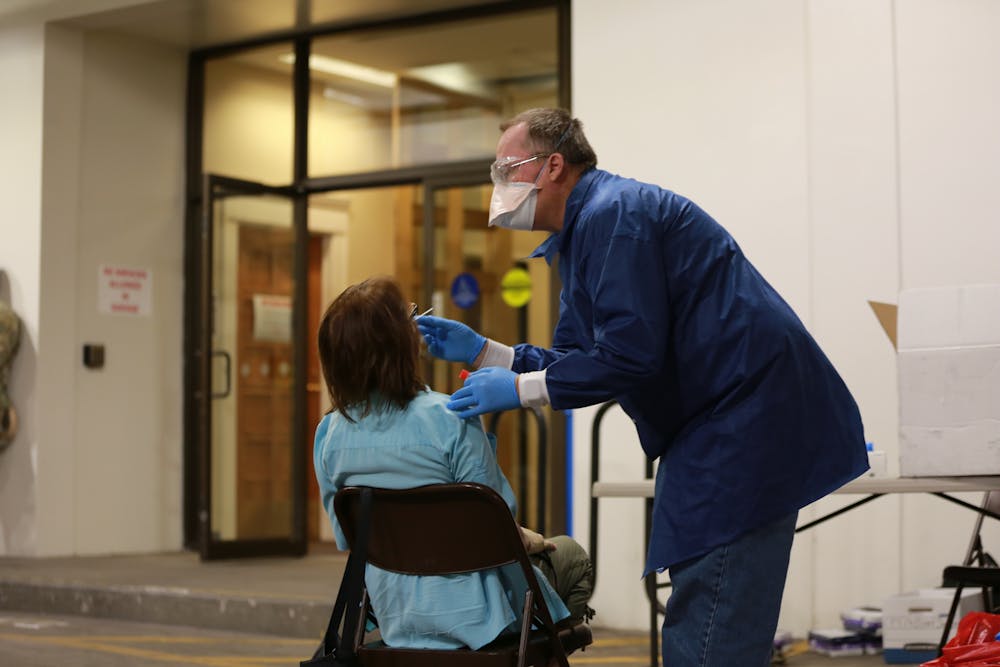
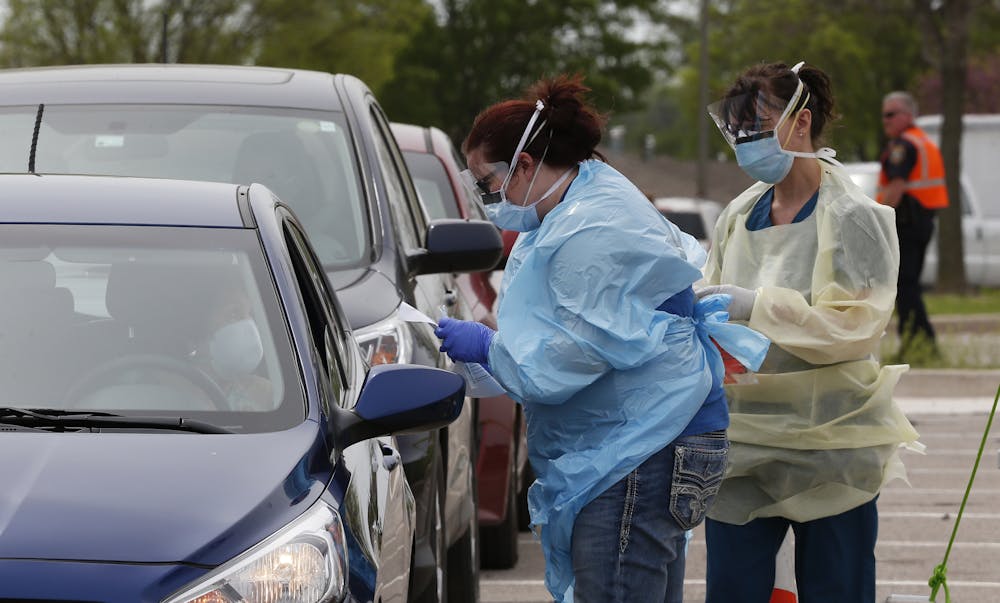
For many people in the U.S., getting tested for COVID-19 is a struggle. In Arizona, testing sites have seen lines of hundreds of cars stretching over a mile. In Texas and Florida, some people were waiting for five hours for free testing.

The inconvenience of these long waits alone discourages many people from getting tested. With the surge in cases, many public testing sites have been reaching maximum capacity within hours of opening, leaving many people unable to get tested for days. Those that do get tested often face a week-long wait to get their test results.

Every person who isn’t tested could be spreading COVID-19 unknowingly. These overstretched testing programs are a weak link in the U.S. pandemic response.

study public health policy to combat infectious disease epidemics. The key to overcoming this pandemic is to slow transmission of the virus by preventing contagious people from infecting others. A widespread quarantine would accomplish this, but is economically and socially burdensome. Testing offers a way to identify contagious people so they can be isolated to prevent the spread of the disease. This is especially important for COVID-19 because an estimated 40% or more of all people infected with SARS-CoV-2 have few or no symptoms so testing is the only way to identify them.

Some states are doing much better than others. But as a whole, the U.S. is falling far short of the amount of testing needed to control the pandemic. What are the challenges the U.S. is facing? And what is the way forward?

Testing should be free, easy, fast and accurate

The ultimate goal of testing is for everyone, regardless of symptoms, to know at all times whether they are infected with the coronavirus. To achieve this level of testing, tests should be free, very easy to perform and provide accurate results quickly.

Ideally, free COVID-19 tests would be delivered to everyone directly. The tests would be simple to perform – like a saliva test – and would give a perfectly accurate result within minutes. Everyone could test themselves weekly or anytime they were going to be in close contact with other people.

In this ideal scenario, most, if not all, contagious people would be detected before they could spread the virus to others. And because of the rapid results, there would be no burden of quarantining between doing the test and getting the result.

Researchers are working on better-quality tests, but access is a problem of infrastructure, not science. Right now, nowhere in the U.S. comes close to meeting surging demand for testing.

One of the worst cases: Texas

The difficulty of getting a COVID-19 test varies by state, but currently, people in Texas face some of the biggest obstacles, which results in far fewer tests being done than is needed to control the pandemic.

First, Houston – which is experiencing a surge in cases – and many testing sites across the state recommend or offer testing only to people who have symptoms, were exposed to a COVID-19 case or are a member of a high-risk group.

Even people recommended for testing still face challenges. It is possible to request an appointment for a free COVID-19 test, but testing facilities can handle only so many patients a day and testing slots fill up quickly. Even if someone gets an appointment, they may face an hours-long wait at the testing site.

Finally, public health experts recommend that people who may have been exposed to COVID-19 should quarantine at home for 14 days or until they receive a negative test result. In Texas, patients are supposed to get results through an online portal in three to five days, but many labs have been taking seven to nine days to return results. These long delays mean people face a much higher burden of quarantining while waiting for results.

All of these challenges make it clear that Texas is simply not testing enough people to keep the spread of COVID-19 in check.

To gauge the success of COVID-19 testing programs, epidemiologists use a measure called test positivity. This is simply the percentage of tests that come back positive. The lower the test positivity, the better, because that means very few cases are going undetected. A high test-positivity rate is usually a sign that only the sickest people are getting tested and many cases are being missed.

The World Health Organization guidelines say that if more than 1 out of 20 COVID-19 tests comes back positive – a test positivity of more than 5% – this is an indication that a lot of cases are not diagnosed and the epidemic is not under control. 

Texas currently has a test-positivity of around 16%, which means that a lot of infected people are not getting tested and may be unknowingly spreading the disease.

One of the best cases: New Mexico

In stark contrast to Texas is New Mexico, which has one of the strongest testing programs in the U.S.

First, public health officials there encourage everyone to get tested for COVID-19 regardless of symptoms or exposure. The state has also prohibited health providers from charging patients for tests. People seeking a test have the option to walk in or to make an appointment ahead of time, whichever is more convenient.

All of this relatively good access to testing has resulted in one of the highest per capita testing rates in the country, at over 20,000 tests per 100,000 people, and test-positivity rate of around 4%. New Mexico’s testing program is diagnosing a relatively high proportion of cases despite the state experiencing a recent surge.

New Mexico still has room for improvement. Long lines, wait times and limited capacity are becoming more common as cases surge, but the foundation of a strong testing program has helped the state cope with the increase in cases.


The big-picture problems

The pre-pandemic infectious disease testing capabilities in the U.S. are clearly unable to meet the current demand. A nationwide response is needed, and there are three things that Congress, the federal government and local governments can do to help ensure COVID-19 tests will be easy to get, fast and accurate.

First, Congress can provide funding to stimulate the testing supply chain, scale up existing testing programs and promote innovation in test development.

Second, governments can improve the management and coordination of testing programs to more efficiently use existing resources.

And third, innovative testing methods that reduce the need for lab capacity – like paper-strip tests and pooled testing – need be approved and implemented more quickly.

Every little improvement in testing capabilities means more COVID-19 cases can be caught before the virus is transmitted. And slowing the spread of the virus is the key to overcoming the pandemic.


Test positivity rate: How this one figure explains that the US isn’t doing enough testing yet

https://theconversation.com/test-positivity-rate-how-this-one-figure-explains-that-the-us-isnt-doing-enough-testing-yet-143340

Test positivity rate: How this one figure explains that the US isn ...

The U.S. has performed more coronavirus tests than any other country in the world. Yet, at the same time, the U.S. is notably underperforming in terms of suppressing COVID-19. Confirmed cases – as well as deaths – are surging in many parts of the country. Some people have argued that the increase in cases is solely due to increased testing.

I am a statistician who studies how mathematics and statistics can be used to track diseases. The claim that the increase in cases is only caused by increases in testing is just not true. But how do public health officials know this?

Testing, confirmed cases and total cases

COVID-19 testing has two purposes. The first is to confirm a diagnosis so that medical treatment can be appropriately rendered. The second is to do surveillance for tracking and disease suppression – including finding those who may be asymptomatic or only have mild symptoms – so that individuals and public health officials can take actions to slow the spread of the virus.

At a White House briefing on July 13, the president said, “When you test, you create cases.”

The problem with this statement is that anyone who is infected with the coronavirus is, by definition, a case. Since taking a COVID-19 test does not cause a person to get coronavirus, just like taking a pregnancy test does not cause one to become pregnant, the president’s claim is false. Testing does not create cases.

However, because many COVID-19 cases are asymptomatic, many people are infected and don’t know it. What COVID-19 testing does do is identify unknown cases. And thus it does increase the number of cases that are known, or otherwise called the confirmed case count.

Finding unknown cases is good, not bad, because identifying those who are COVID-19-positive allows individuals and public health officials to take actions that slow the spread of the disease. When public health officials find cases, they can begin contract tracing. When a person finds out they are infected, they will know to quarantine.

Since the beginning of the pandemic, the U.S. has performed more total tests and more tests per capita than any other country, though as of late July the U.K., Russia and Qatar were performing more tests per capita per day. But counting the total number of tests or the tests per capita is not the right way to judge success of a testing program.

As it says on the Johns Hopkins testing comparison page, a country’s “testing program should be scaled to the size of their epidemic, not the size of the population.” Sure, the U.S. might have a big testing program, but it has a massive epidemic. The U.S. needs an equally massive testing program if health officials want to have an accurate picture of what’s really going on.

Test positivity rate

So how do public health officials know if they are doing enough testing?

Better than simply counting total number of tests, the test positivity rate is a useful measure of whether enough tests are being done. The test positivity rate is simply the fraction of tests that come back positive. It is calculated by dividing the number of positive tests by the total number of tests. Generally, a lower test positivity rate is good.

A good way to think about test positivity is to think about fishing with a net. If you catch a fish almost every time you send the net down – high test positivity – that tells you there are probably a lot of fish around that you haven’t caught – there are a lot of undetected cases. On the other hand, if you use a huge net – more testing – and only catch a fish every once in a while – low test positivity – you can be pretty sure that you’ve caught most of the fish in the area.

According to the World Health Organization, before a region can relax restrictions or begin reopening, the test positivity rate from a comprehensive testing program should be at or below 5% for at least 14 days.

There are two ways to lower a test positivity rate: either by decreasing the number of positive tests or by increasing the total number of tests. A comprehensive testing program does both. By conducting a large number of tests, most cases in the community are detected. Then, individual and government actions can be taken that contain the virus. This results in a declining number of positive tests.

Returning to the fishing metaphor, the goal of a comprehensive testing program is to use a huge net to overfish in the coronavirus lake until there are very few COVID-19 cases left. Using the test positivity rate as a measure of success helps ensure that a testing program is appropriately scaled to the size of an epidemic.

As of July 27, the U.S. as a whole had a test positivity rate of 10%. States where testing programs are robust and the virus is fairly well controlled have test positivity rates well below 5%, like Massachusetts at 2.68% and New York at 1.09%. In places like Mississippi and Arizona that are experiencing large outbreaks, test positivity rates are above 20%.

The right amount of testing

The increases in confirmed cases aren’t occurring just because there is more testing. The high test positivity rates in some locations show that the virus is in fact spreading and growing so testing needs to grow with it. I believe that if the U.S. wants to beat back this virus, one of the first things that needs to happen is to increase testing. We need to deploy larger nets to catch more fish. Yes, we’ll find more cases, but that’s the point.


COVID-19 long-term toll signals billions in healthcare costs ahead

https://www.reuters.com/article/us-health-coronavirus-fallout-insight/long-term-complications-of-covid-19-signals-billions-in-healthcare-costs-ahead-idUSKBN24Z1CM?fbclid=IwAR2f9fSnhgGBVvIe1fKX2EO5kKSG7TwUesAMUGrG0jBSfoBrBYltR1e9Nik

COVID-19 long-term toll signals billions in healthcare costs ahead ...

Late in March, Laura Gross, 72, was recovering from gall bladder surgery in her Fort Lee, New Jersey, home when she became sick again.

Her throat, head and eyes hurt, her muscles and joints ached and she felt like she was in a fog. Her diagnosis was COVID-19. Four months later, these symptoms remain.

Gross sees a primary care doctor and specialists including a cardiologist, pulmonologist, endocrinologist, neurologist, and gastroenterologist.

“I’ve had a headache since April. I’ve never stopped running a low-grade temperature,” she said.

Studies of COVID-19 patients keep uncovering new complications associated with the disease.

With mounting evidence that some COVID-19 survivors face months, or possibly years, of debilitating complications, healthcare experts are beginning to study possible long-term costs.

Bruce Lee of the City University of New York (CUNY) Public School of Health estimated that if 20% of the U.S. population contracts the virus, the one-year post-hospitalization costs would be at least $50 billion, before factoring in longer-term care for lingering health problems. Without a vaccine, if 80% of the population became infected, that cost would balloon to $204 billion.

Some countries hit hard by the new coronavirus – including the United States, Britain and Italy – are considering whether these long-term effects can be considered a “post-COVID syndrome,” according to Reuters interviews with about a dozen doctors and health economists.

Some U.S. and Italian hospitals have created centers devoted to the care of these patients and are standardizing follow-up measures.

Britain’s Department of Health and the U.S. Centers for Disease Control and Prevention are each leading national studies of COVID-19’s long-term impacts. An international panel of doctors will suggest standards for mid- and long-term care of recovered patients to the World Health Organization (WHO) in August.

YEARS BEFORE THE COST IS KNOWN

More than 17 million people have been infected by the new coronavirus worldwide, about a quarter of them in the United States.

Healthcare experts say it will be years before the costs for those who have recovered can be fully calculated, not unlike the slow recognition of HIV, or the health impacts to first responders of the Sept. 11, 2001 attacks on the World Trade Center in New York.

They stem from COVID-19’s toll on multiple organs, including heart, lung and kidney damage that will likely require costly care, such as regular scans and ultrasounds, as well as neurological deficits that are not yet fully understood.

A JAMA Cardiology study found that in one group of COVID-19 patients in Germany aged 45 to 53, more than 75% suffered from heart inflammation, raising the possibility of future heart failure.

A Kidney International study found that over a third of COVID-19 patients in a New York medical system developed acute kidney injury, and nearly 15% required dialysis.

Dr. Marco Rizzi in Bergamo, Italy, an early epicenter of the pandemic, said the Giovanni XXIII Hospital has seen close to 600 COVID-19 patients for follow-up. About 30% have lung issues, 10% have neurological problems, 10% have heart issues and about 9% have lingering motor skill problems. He co-chairs the WHO panel that will recommend long-term follow-up for patients.

“On a global level, nobody knows how many will still need checks and treatment in three months, six months, a year,” Rizzi said, adding that even those with mild COVID-19 “may have consequences in the future.”

Milan’s San Raffaele Hospital has seen more than 1,000 COVID-19 patients for follow-up. While major cardiology problems there were few, about 30% to 40% of patients have neurological problems and at least half suffer from respiratory conditions, according to Dr. Moreno Tresoldi.

Some of these long-term effects have only recently emerged, too soon for health economists to study medical claims and make accurate estimates of costs.

In Britain and Italy, those costs would be borne by their respective governments, which have committed to funding COVID-19 treatments but have offered few details on how much may be needed.

In the United States, more than half of the population is covered by private health insurers, an industry that is just beginning to estimate the cost of COVID-19.

CUNY’s Lee estimated the average one-year cost of a U.S. COVID-19 patient after they have been discharged from the hospital at $4,000, largely due to the lingering issues from acute respiratory distress syndrome (ARDS), which affects some 40% of patients, and sepsis.

The estimate spans patients who had been hospitalized with moderate illness to the most severe cases, but does not include other potential complications, such as heart and kidney damage.

Even those who do not require hospitalization have average one-year costs after their initial illness of $1,000, Lee estimated.

‘HARD JUST TO GET UP’

Extra costs from lingering effects of COVID-19 could mean higher health insurance premiums in the United States. Some health plans have already raised 2021 premiums on comprehensive coverage by up to 8% due to COVID-19, according to the Kaiser Family Foundation.

Anne McKee, 61, a retired psychologist who lives in Knoxville, Tennessee and Atlanta, had multiple sclerosis and asthma when she became infected nearly five months ago. She is still struggling to catch her breath.

“On good days, I can do a couple loads of laundry, but the last several days, it’s been hard just to get up and get a drink from the kitchen,” she said.

She has spent more than $5,000 on appointments, tests and prescription drugs during that time. Her insurance has paid more than $15,000 including $240 for a telehealth appointment and $455 for a lung scan.

“Many of the issues that arise from having a severe contraction of a disease could be 3, 5, 20 years down the road,” said Dale Hall, Managing Director of Research with the Society of Actuaries.

To understand the costs, U.S. actuaries compare insurance records of coronavirus patients against people with a similar health profile but no COVID-19, and follow them for years.

The United Kingdom aims to track the health of 10,000 hospitalized COVID-19 patients over the first 12 months after being discharged and potentially as long as 25 years. Scientists running the study see the potential for defining a long-term COVID-19 syndrome, as they found with Ebola survivors in Africa.

“Many people, we believe will have scarring in the lungs and fatigue … and perhaps vascular damage to the brain, perhaps, psychological distress as well,” said Professor Calum Semple from the University of Liverpool.

Margaret O’Hara, 50, who works at a Birmingham hospital is one of many COVID-19 patients who will not be included in the study because she had mild symptoms and was not hospitalized. But recurring health issues, including extreme shortness of breath, has kept her out of work.

O’Hara worries patients like her are not going to be included in the country’s long-term cost planning.

“We’re going to need … expensive follow-up for quite a long time,” she said.


Coronavirus threat rises across U.S.: ‘We just have to assume the monster is everywhere’

https://www.washingtonpost.com/health/coronavirus-threat-rises-across-us-we-just-have-to-assume-the-monster-is-everywhere/2020/08/01/cdb505e0-d1d8-11ea-8c55-61e7fa5e82ab_story.html?utm_campaign=wp_post_most&utm_medium=email&utm_source=newsletter&wpisrc=nl_most

The coronavirus is spreading at dangerous levels across much of the United States, and public health experts are demanding a dramatic reset in the national response, one that recognizes that the crisis is intensifying and that current piecemeal strategies aren’t working.

This is a new phase of the pandemic, one no longer built around local or regional clusters and hot spots. It comes at an unnerving moment in which the economy suffered its worst collapse since the Great Depression, schools are rapidly canceling plans for in-person instruction and Congress has failed to pass a new emergency relief package. President Trump continues to promote fringe science, the daily death toll keeps climbing and the human cost of the virus in America has just passed 150,000 lives.

“Unlike many countries in the world, the United States is not currently on course to get control of this epidemic. It’s time to reset,” declared a report released this week by Johns Hopkins University.

Another report from the Association of American Medical Colleges offered a similarly blunt message: “If the nation does not change its course — and soon — deaths in the United States could be well into the multiple hundreds of thousands.”

The country is exhausted, but the virus is not. It has shown a consistent pattern: It spreads opportunistically wherever people let down their guard and return to more familiar patterns of mobility and socializing. When communities tighten up, by closing bars or requiring masks in public, transmission drops.

That has happened in some Sun Belt states, including Arizona, Florida and Texas, which are still dealing with a surge of hospitalizations and deaths but are finally turning around the rate of new infections.

There are signs, however, that the virus is spreading freely in much of the country. Experts are focused on upticks in the percentage of positive coronavirus tests in the upper South and Midwest. It is a sign that the virus could soon surge anew in the heartland. Infectious-disease experts also see warning signs in East Coast cities hammered in the spring.

“There are fewer and fewer places where anybody can assume the virus is not there,” Gov. Mike DeWine (R) of Ohio said Wednesday. “It’s in our most rural counties. It’s in our smallest communities. And we just have to assume the monster is everywhere. It’s everywhere.”

Dire data

An internal Trump administration briefing document prepared by the Federal Emergency Management Agency and obtained Friday by The Washington Post counted 453,659 new infections in the past week.

Alaska is in trouble. And Hawaii, Missouri, Montana and Oklahoma. Those are the five states, as of Friday, with the highest percentage increase in the seven-day average of new cases, according to a Post analysis of nationwide health data.

“The dominoes are falling now,” said David Rubin, director of the PolicyLab at Children’s Hospital of Philadelphia, which has produced a model showing where the virus is likely to spread over the next four weeks.

His team sees ominous trends in big cities, including Baltimore, Chicago, Detroit, Indianapolis, Kansas City, Louisville, Philadelphia, St. Louis and Washington, with Boston and New York not far behind. And Rubin warns that the expected influx of students into college towns at the end of this month will be another epidemiological shock.

“I suspect we’re going to see big outbreaks in college towns,” he said.

Young people are less likely to have a severe outcome from the coronavirus, but they are adept at propelling the virus through the broader population, including among people at elevated risk. Numbers of coronavirus-related hospitalizations in the United States went from 36,158 on July 1 to 52,767 on July 31, according to The Post’s data. FEMA reports a sharp increase in the number of patients on ventilators.

The crisis has highlighted the deep disparities in health outcomes among racial and ethnic groups, and data from the Centers for Disease Control and Prevention this week showed that hospitalization rates due to the coronavirus are roughly five times higher among Black, Hispanic and Native Americans than Whites.

Thirty-seven states and Puerto Rico will probably see rising daily death tolls during the next two weeks compared with the previous two weeks, according to the latest ensemble forecast from the University of Massachusetts at Amherst that combines more than 30 coronavirus models.

There are glimmers of progress. The FEMA report showed 237 U.S. counties with at least two weeks of steady declines in numbers of new coronavirus cases.

But there are more than 3,100 counties in America.

“This is not a natural disaster that happens to one or two or three communities and then you rebuild,” said Beth Cameron, vice president for global biological policy and programs at the Nuclear Threat Initiative and a former White House National Security Council staffer focused on pandemics. “This is a spreading disaster that moves from one place to another, and until it’s suppressed and until we ultimately have a safe and effective and distributed vaccine, every community is at risk.”

A national strategy, whether advanced by the federal government or by the states working in tandem, will more effectively control viral spread than the current patchwork of state and local policies, according to a study from researchers at the Massachusetts Institute of Technology published Thursday in the Proceedings of the National Academy of Sciences.

The coordination is necessary because one state’s policies affect other states. Sometimes, that influence is at a distance, because states that are geographically far apart can have cultural and social ties, as is the case with the “peer states” of New York and Florida, the report found.

“The cost of our uncoordinated national response to covid-19, it’s dramatic,” said MIT economist Sinan Aral, senior author of the paper.

Some experts argue for a full six-to-eight-week national shutdown, something even more sweeping than what was instituted in the spring. There appears to be no political support for such a move.

Neil Bradley, executive vice president of the U.S. Chamber of Commerce, said fresh federal intervention is necessary in this second wave of closures. Enhanced federal unemployment benefits expired at the end of July, with no agreement on a new stimulus package in sight.

“Congress, on a bipartisan basis, was trying to create a bridge to help individuals and businesses navigate the period of a shutdown,” Bradley said. “Absent an extension of that bridge, in light of a second shutdown, that bridge becomes a pier. And then that’s a real problem.”

With the economy in shambles, hospitals filling up and the public frustrated, anxious and angry, the challenge for national leadership is finding a plausible sea-to-sea strategy that can win widespread support and simultaneously limit sickness and death from the virus.

Many Americans may simply feel discouraged and overtaxed, unable to maintain precautions such as social distancing and mask-wearing. Others remain resistant, for cultural or ideological reasons, to public health guidance and buy into conspiracy theories and pseudoscience.

DeWine is struggling to get Ohio citizens to take seriously the need to wear masks. A sheriff in rural western Ohio told the governor Wednesday that people didn’t think the virus was a big problem. DeWine informed the sheriff that the numbers in his county were higher per capita than in Toledo.

“The way I’ve explained to people, if we want to have Friday night football in the fall, if we want our kids back in school, what we do in the next two weeks will determine if that happens,” DeWine said.

The crucial metric

The coronavirus has always been several steps ahead of the U.S. government, the scientific community, the news media and the general public. By the time a community notices a surge in patients to hospital emergency rooms, the virus has seeded itself widely.

The virus officially known as SARS-CoV-2 can be transmitted by people who are infectious but not symptomatic. The incubation period is typically about six days, according to the CDC. When symptoms flare, they can be ambiguous. A person may not seek a test right away. Then, the test results may not come back for days, a week, even longer.

That delay makes contact tracing nearly futile. It also means government data on virus transmission is invariably out of date to some degree — it’s a snapshot of what was happening a week or two weeks before. And different jurisdictions use different metrics to track the virus, further fogging the picture.

The top doctors on the White House coronavirus task force, Deborah Birx and Anthony S. Fauci, are newly focused on the early warning signs of a virus outbreak. This week, they warned that the kind of runaway outbreaks seen in the Sun Belt could potentially happen elsewhere. Among the states of greatest concern: Indiana, Kentucky, Ohio and Tennessee.

Fauci and Birx have pointed to a critical metric: the percentage of positive test results. When that figure starts to tick upward, it is a sign of increasing community spread of the virus.

“That is kind of the predictor that if you don’t do something — namely, do something different — if you’re opening up at a certain pace, slow down, maybe even backtrack a little,” Fauci said in an interview Wednesday.

Without a vaccine, the primary tools for combating the spread of the virus remain the common-sense “non-pharmaceutical interventions,” including mask-wearing, hand-washing, staying out of bars and other confined spaces, maintaining social distancing of at least six feet and avoiding crowds, Fauci said.

“Seemingly simple maneuvers have been very effective in preventing or even turning around the kind of surges we’ve seen,” he said.

Thirty-three U.S. states have positivity rates above 5 percent. The World Health Organization has cited that percentage as a crucial benchmark for governments deciding whether to reopen their economy. Above 5 percent, stay closed. Below, open with caution.

Of states with positivity rates below 5 percent, nine have seen those rates rise during the last two weeks.

“You may not fully realize that when you think things are okay, you actually are seeing a subtle, insidious increase that is usually reflected in the percent of your tests that are positive,” Fauci said.

The shutdown blues

Some governors immediately took the White House warnings to heart. On Monday, Kentucky Gov. Andy Beshear (D) said at a news conference that he had met with Birx the previous day and was told he was getting the same warning Texas and Florida received “weeks before the worst of the worst happened.”

To prevent that outcome in his state, Beshear said, he was closing bars for two weeks and cutting seating in restaurants.

But as Beshear pleaded that “we all need to be singing from the same sheet of music,” discord and confusion prevailed.

Iowa Gov. Kim Reynolds (R) said Thursday she wasn’t convinced a mask mandate is effective: “No one knows particularly the best strategy.”

Earlier in the week, Tennessee Gov. Bill Lee (R) demurred on masks and bar closures even as he stood next to Birx and spoke to reporters.

“That’s not a plan for us now,” he said. He added emphatically, “We are not going to close the economy back down.”

The virus is spreading throughout his state, and not just in the big cities. Vacationers took the virus home from the honky-tonks of Nashville and blues clubs of Memphis to where they live in more rural areas, said John Graves, a professor at Vanderbilt University studying the pandemic.

“The geographical footprint of the virus has reached all corners of the state at this point,” Graves said.

In Missouri, Gov. Michael L. Parson (R) was dismissive of New York’s imposition of a quarantine on residents from his state as a sign of a worsening pandemic. “I’m not going to put much stock in what New York says — they’re a disaster,” he said at a news conference Monday.

Missouri has no mask mandate, leaving it to local officials to act — often in the face of hostility and threats. In the town of Branson, angry opponents testified Tuesday that there was no reason for a mask order when deaths in the county have been few and far between.

“It hasn’t hit us here yet, that’s what I’m scared of,” Branson Alderman Bill Skains said before voting with a majority in favor of the mandate. “It is coming, and it’s coming like a freight train.”

Democratic mayors in Missouri’s two biggest cities, Kansas City and St. Louis, said that with so many people needing jobs, they are reluctant to follow Birx’s recommendation to close bars.

“The whole-blanket approach to shut everybody down feels a little harsh for the people who are doing it right,” said Jacob Long, spokesman for St. Louis Mayor Lyda Krewson. “We’re trying to take care of some bad actors first.”

Minneapolis Mayor Jacob Frey also got a warning from Birx. On Wednesday, he said all bar drinking must move outside.

“We don’t want to be heading in the direction of everybody else,” said Kristen Ehresmann, director of the infectious-disease epidemiology division at the Minnesota Department of Health. She acknowledged that some options “are really pretty draconian.”

The problem is that less-painful measures have proven insufficient.

“The disease transmission we’re seeing is more than what would have been expected if people were following the guidance as it is laid out. It’s a reflection of the fact that they’re not,” she said.

‘A tremendous disappointment’

Wisconsin Gov. Tony Evers (D) tried to implement broad statewide measures early in the pandemic, only to have his “Safer at Home” order struck down by the state’s Supreme Court.

With cases in his state rising anew, he tried again Thursday, declaring a public health emergency and issuing a statewide mask mandate.

“While our local health departments have been doing a heck of a job responding to this pandemic in our communities, the fact of the matter is, this virus doesn’t care about any town, city or county boundary, and we need a statewide approach to get Wisconsin back on track,” Evers said.

Ryan Westergaard, Wisconsin’s chief medical officer, said he is dismayed by the failures of the national pandemic response.

“I really thought we had a chance to keep this suppressed,” Westergaard said. “The model is a good one: testing, tracing, isolation, supportive quarantine. Those things work. We saw this coming. We knew we had to build robust, flexible systems to do this in all of our communities. It feels like a tremendous disappointment that we weren’t able to build a system in time that could handle this.”

There is one benefit to the way the virus has spread so broadly, he noted: “We no longer have to keep track of people traveling to a hot spot if hot spots are everywhere.”