Trinity Health gets $2.2B in bailout funds, advance Medicare payments

https://www.beckershospitalreview.com/finance/trinity-health-gets-2-2b-in-bailout-funds-advance-medicare-payments.html?utm_medium=email

New Relationships for Health Plans: Accountable Systems of Care ...

Trinity Health saw revenue decline in the first nine months of fiscal year 2020, and the Livonia, Mich.-based health system ended the period with an operating loss, according to unaudited financial documents

Trinity Health saw revenue decline less than 1 percent year over year to $14.2 billion in the first nine months of the fiscal year, which ended March 31. The health system attributed the drop in revenue to the COVID-19 pandemic and the divestiture of Camden, N.J.-based Lourdes Health System in June 2019.

The 92-hospital system’s expenses were also up 1.2 percent year over year. Trinity Health ended the first three quarters of fiscal 2020 with expenses of $14.3 billion. Same-hospital expense growth was driven by increases in labor and supply costs, purchased services and costs related to its conversion to the Epic EHR platform in the Michigan region. The health system said the pandemic added $14.1 million of costs in March.

Trinity Health has taken several steps to reduce operating and capital spending in response to the pandemic, including implementing furloughs and reducing salaries for executives. In early April, Trinity Health announced plans to furlough 2,500 employees, most of whom are in nonclinical roles. 

Trinity Health reported an operating loss of $103.5 million for the first nine months of the current fiscal year, compared to operating income of $115.2 million in the same period a year earlier.

After factoring in investments and other nonoperating items, Trinity Health posted a net loss of $883.5 million in the first three quarters of fiscal 2020, down from net income of $457.9 million a year earlier. Nonoperating losses in the first nine months of fiscal 2020 were primarily driven by the pandemic’s effect on global investment market conditions in March, the health system said.

To help offset financial damage, Trinity Health received funds from the $175 billion in relief aid Congress has allocated to hospitals and other healthcare providers to cover expenses and lost revenue tied to the pandemic. The health system said it received a total of $600 million in federal grants in April and May. 

Trinity Health also applied for and received $1.6 billion of Medicare advance payments, which must be repaid.

Though Trinity Health is unable to forecast the pandemic’s impact on its financial position, it said the ultimate effect of COVID-19 on its operating margins and financial results “is likely to be adverse and significant.” 


Hospitals Got Bailouts and Furloughed Thousands While Paying C.E.O.s Millions

Hospitals Got Bailouts and Furloughed Thousands While Paying ...

Dozens of top recipients of government aid have laid off, furloughed or cut the pay of tens of thousands of employees.

HCA Healthcare is one of the world’s wealthiest hospital chains. It earned more than $7 billion in profits over the past two years. It is worth $36 billion. It paid its chief executive $26 million in 2019.

But as the coronavirus swept the country, employees at HCA repeatedly complained that the company was not providing adequate protective gear to nurses, medical technicians and cleaning staff. Last month, HCA executives warned that they would lay off thousands of nurses if they didn’t agree to wage freezes and other concessions.

A few weeks earlier, HCA had received about $1 billion in bailout funds from the federal government, part of an effort to stabilize hospitals during the pandemic.

HCA is among a long list of deep-pocketed health care companies that have received billions of dollars in taxpayer funds but are laying off or cutting the pay of tens of thousands of doctors, nurses and lower-paid workers. Many have continued to pay their top executives millions, although some executives have taken modest pay cuts.

The New York Times analyzed tax and securities filings by 60 of the country’s largest hospital chains, which have received a total of more than $15 billion in emergency funds through the economic stimulus package in the federal CARES Act.

The hospitals — including publicly traded juggernauts like HCA and Tenet Healthcare, elite nonprofits like the Mayo Clinic, and regional chains with thousands of beds and billions in cash — are collectively sitting on tens of billions of dollars of cash reserves that are supposed to help them weather an unanticipated storm. And together, they awarded the five highest-paid officials at each chain about $874 million in the most recent year for which they have disclosed their finances.

At least 36 of those hospital chains have laid off, furloughed or reduced the pay of employees as they try to save money during the pandemic.

Industry officials argue that furloughs and pay reductions allow hospitals to keep providing essential services at a time when the pandemic has gutted their revenue.

But more than a dozen workers at the wealthy hospitals said in interviews that their employers had put the heaviest financial burdens on front-line staff, including low-paid cafeteria workers, janitors and nursing assistants. They said pay cuts and furloughs made it even harder for members of the medical staff to do their jobs, forcing them to treat more patients in less time.

Even before the coronavirus swept America, forcing hospitals to stop providing lucrative nonessential surgery and other services, many smaller hospitals were on the financial brink. In March, lawmakers sought to address that with a vast federal economic stimulus package that included $175 billion for the Department of Health and Human Services to hand out in grants to hospitals.

But the formulas to determine how much money hospitals receive were based largely on their revenue, not their financial needs. As a result, hospitals serving wealthier patients have received far more funding than those that treat low-income patients, according to a study by the Kaiser Family Foundation.

One of the bailout’s goals was to avoid job losses in health care, said Zack Cooper, an associate professor of health policy and economics at Yale University who is a critic of the formulas used to determine the payouts. “However, when you see hospitals laying off or furloughing staff, it’s pretty good evidence the way they designed the policy is not optimal,” he added.

The Mayo Clinic, with more than eight months of cash in reserve, received about $170 million in bailout funds, according to data compiled by Good Jobs First, which researches government subsidies of companies. The Mayo Clinic is furloughing or reducing the working hours of about 23,000 employees, according to a spokeswoman, who was among those who went on furlough. A second spokeswoman said that Mayo Clinic executives have had their pay cut.

Seven chains that together received more than $1.5 billion in bailout funds — Trinity Health, Beaumont Health and the Henry Ford Health System in Michigan; SSM Health and Mercy in St. Louis; Fairview Health in Minneapolis; and Prisma Health in South Carolina — have furloughed or laid off more than 30,000 workers, according to company officials and local news reports.

The bailout money, which hospitals received from the Health and Human Services Department without having to apply for it, came with few strings attached.

Katherine McKeogh, a department spokeswoman, said it “encourages providers to use these funds to maintain delivery capacity by paying and protecting doctors, nurses and other health care workers.” The legislation restricts hospitals’ ability to use the bailout funds to pay top executives, although it doesn’t stop recipients from continuing to award large bonuses.

The hospitals generally declined to comment on how much they are paying their top executives this year, although they have reported previous years’ compensation in public filings. But some hospitals furloughing front-line staff or cutting their salaries have trumpeted their top executives’ decisions to take voluntary pay cuts or to contribute portions of their salary to help their employees.

The for-profit hospital giant Tenet Healthcare, which has received $345 million in taxpayer assistance since April, has furloughed roughly 11,000 workers, citing the financial pressures from the pandemic. The company’s chief executive, Ron Rittenmeyer, told analysts in May that he would donate half of his salary for six months to a fund set up to assist those furloughed workers.

But Mr. Rittenmeyer’s salary last year was a small fraction of his $24 million pay package, which consists largely of stock options and bonuses, securities filings show. In total, he will wind up donating roughly $375,000 to the fund — equivalent to about 1.5 percent of his total pay last year.

A Tenet spokeswoman declined to comment on the precise figures.

The chief executive at HCA, Samuel Hazen, has donated two months of his salary to a fund to help HCA’s workers. Based on his pay last year, that donation would amount to about $237,000 — or less than 1 percent — of his $26 million compensation.

“The leadership cadre of these organizations are going to need to make sacrifices that are commensurate with the sacrifices of their work force, not token sacrifices,” said Jeff Goldsmith, the president of Health Futures, an industry consulting firm.

Many large nonprofit hospital chains also pay their senior executives well into the millions of dollars a year.

Dr. Rod Hochman, the chief executive of the Providence Health System, for instance, was paid more than $10 million in 2018, the most recent year for which records are available. Providence received at least $509 million in federal bailout funds.

A spokeswoman, Melissa Tizon, said Dr. Hochman would take a voluntary pay cut of 50 percent for the rest of 2020. But that applies only to his base salary, which in 2018 was less than 20 percent of his total compensation.

Some of Providence’s physicians and nurses have been told to prepare for pay cuts of at least 10 percent beginning in July. That includes employees treating coronavirus patients.

Stanford University’s health system collected more than $100 million in federal bailout grants, adding to its pile of $2.4 billion of cash that it can use for any purpose.

Stanford is temporarily cutting the hours of nursing staff, nursing assistants, janitorial workers and others at its two hospitals. Julie Greicius, a spokeswoman for Stanford, said the reduction in hours was intended “to keep everyone employed and our staff at full wages with benefits intact.”

Ms. Greicius said David Entwistle, the chief executive of Stanford’s health system, had the choice of reducing his pay by 20 percent or taking time off, and chose to reduce his working hours but “is maintaining his earning level by using paid time off.” In 2018, the latest year for which Stanford has disclosed his compensation, Mr. Entwistle earned about $2.8 million. Ms. Greicius said the majority of employees made the same choice as Mr. Entwistle.

HCA’s $1 billion in federal grants appears to make it the largest beneficiary of health care bailout funds. But its medical workers have a long list of complaints about what they see as penny-pinching practices.

Since the pandemic began, medical workers at 19 HCA hospitals have filed complaints with the Occupational Safety and Health Administration about the lack of respirator masks and being forced to reuse medical gowns, according to copies of the complaints reviewed by The Times.

Ed Fishbough, an HCA spokesman, said that despite a global shortage of masks and other protective gear, the company had “provided appropriate P.P.E., including a universal masking policy implemented in March requiring all staff in all areas to wear masks, including N95s, in line with C.D.C. guidance.”

Celia Yap-Banago, a nurse at an HCA hospital in Kansas City, Mo., died from the virus in April, a month after her colleagues complained to OSHA that she had to treat a patient without wearing protective gear. The next month, Rosa Luna, who cleaned patient rooms at HCA’s hospital in Riverside, Calif., also died of the virus; her colleagues had warned executives in emails that workers, especially those cleaning hospital rooms, weren’t provided proper masks.

Around the time of Ms. Luna’s death, HCA executives delivered a warning to officials at the Service Employees International Union and National Nurses United, which represent many HCA employees. The company would lay off up to 10 percent of their members, unless the unionized workers amended their contracts to incorporate wage freezes and the elimination of company contributions to workers’ retirement plans, among other concessions.

Nurses responded by staging protests in front of more than a dozen HCA hospitals.

“We don’t work in a jelly bean factory, where it’s OK if we make a blue jelly bean instead of a red one,” said Kathy Montanino, a nurse treating Covid-19 patients at HCA’s Riverside hospital. “We are dealing with people’s lives, and this company puts their profits over patients and their staff.”

Mr. Fishbough, the spokesman, said HCA “has not laid off or furloughed a single caregiver due to the pandemic.” He said the company had been paying medical workers 70 percent of their base pay, even if they were not working. Mr. Fishbough said that executives had taken pay cuts, but that the unions had refused to take similar steps.

“While we hope to continue to avoid layoffs, the unions’ decisions have made that more difficult for our facilities that are unionized,” he said. The dispute continues.

Apparently anticipating a strike, a unit of HCA recently created “a new line of business focused on staffing strike-related labor shortages,” according to an email that an HCA recruiter sent to nurses.

The email, reviewed by The Times, said nurses who joined the venture would earn more than they did in their current jobs: up to $980 per shift, plus a $150 “Show Up” bonus and a continental breakfast.


10 latest hospital credit rating downgrades

https://www.beckershospitalreview.com/finance/10-latest-hospital-credit-rating-downgrades-68.html?utm_medium=email

20 recent hospital, health system outlook and credit rating ...

The following 10 hospital and health system credit rating downgrades occurred since April 1. They are listed below in alphabetical order.

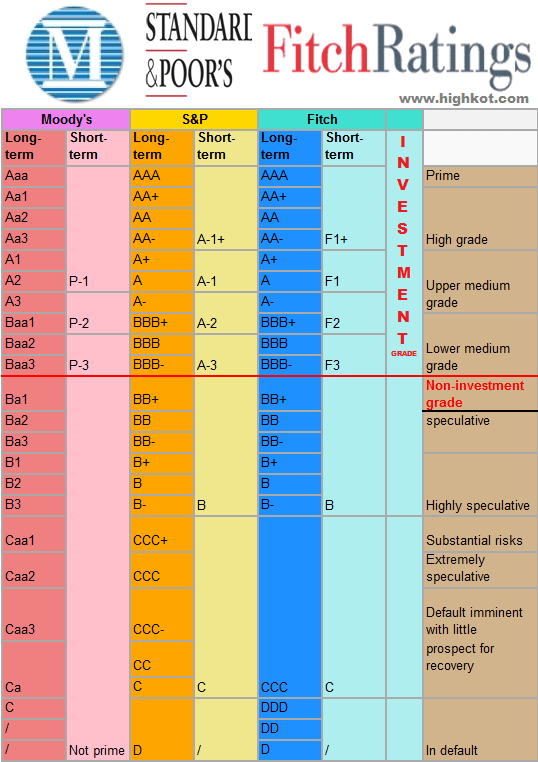
1. Boone Hospital Center (Columbia, Mo.) — from “BBB” to “BBB-” (Fitch Ratings)

2. Boulder (Colo.) Community Health — from “A2” to “A3” (Moody’s Investors Service)

3. Care New England (Providence, R.I.) — from “BB” to “BB-” (Fitch Ratings)

4. Catholic Health System (Buffalo, N.Y.) — from “Baa1” to “Baa2” (Moody’s Investors Service); from “BBB+” to “BBB” (S&P Global Ratings)

5. Marshall Medical Center (Placerville, Calif.) — from “BBB-” to “BB+” (Fitch Ratings)

6. Oroville (Calif.) Hospital — from “BB+” to “BB” (S&P Global Ratings)

7. Sutter Health (Sacramento, Calif.) — from “Aa3” to “A1” (Moody’s Investors Service); from “AA-” to “A+” (S&P Global Ratings)

8. Vidant Health (Greenville, N.C.) — from “A1” to “A2” (Moody’s Investors Service)

9. Virginia Mason Medical Center (Seattle) — from “Baa2” to “Baa3” (Moody’s Investors Service)

10. Washington County (Calif.) Health Care District — from “Baa1” to “Baa2”  (Moody’s Investors Service)


16 latest hospital credit rating downgrades

https://www.beckershospitalreview.com/finance/16-latest-hospital-credit-rating-downgrades-051120.html?utm_medium=email

20 recent hospital, health system outlook and credit rating ...

The following 16 hospital and health system credit rating downgrades occurred since March 1. They are listed below in alphabetical order.

1. Boulder (Colo.) Community Health — from “A2” to “A3” (Moody’s Investors Service)

2. Butler (Pa.) Health System — from “Baa1” to “Baa2” (Moody’s Investors Service)

3. Catholic Health System (Buffalo, N.Y.) — from “Baa1” to “Baa2” (Moody’s Investors Service)

4. Catholic Medical Center (Manchester, N.H.) — from “Baa1” to “Baa2” (Moody’s Investors Service)

5. Hutchinson (Kan.) Regional Medical Center — from “Baa3” to “Ba1” (Moody’s Investors Service)

6. Magnolia Regional Health Center (Corinth, Miss.) — from “Ba3” to “B1” (Moody’s Investors Service)

7. Marshall Medical Center (Placerville, Calif.) — from “BBB-” to “BB+” (Fitch Ratings)

8. Prisma Health (Greenville, S.C.) — from “A2” to “A3” (Moody’s Investors Service)

9. Quorum Health (Brentood, Tenn.) — from “Caa2” to “Ca” (Moody’s Investors Service)

10. SoutheastHealth (Cape Girardeau, Mo.) — from “Baa3” to “Ba1” (Moody’s Investors Service)

11. Sutter Health (Sacramento, Calif.) — from “Aa3” to “A1” (Moody’s Investors Service); from “AA-” to “A+” (S&P Global Ratings)

12. University of Vermont Health Network (Burlington) — from “A2” to “A3” (Moody’s Investors Service)

13. UPMC (Pittsburgh) — from “A+” to “A” (Fitch Ratings); from “A1” to “A2” (Moody’s Investors Service)

14. Virginia Mason Medical Center (Seattle) — from “Baa2” to “Baa3” (Moody’s Investors Service)

15. Washington County (Calif.) Health Care District — from “Baa1” to “Baa2”  (Moody’s Investors Service)

16. Wood County Hospital (Bowling Green, Ky.) — from “Ba2” to “Ba3” (Moody’s Investors Service)


9 health systems with strong finances

https://www.beckershospitalreview.com/finance/9-health-systems-with-strong-finances-050620.html?utm_medium=email

Here are nine health systems with strong operational metrics and solid financial positions, according to reports from Fitch Ratings, Moody’s Investors Service and S&P Global Ratings.

1. Advocate Aurora Health, which has dual headquarters in Milwaukee and Downers Grove, Ill., has an “Aa3” rating and positive outlook with Moody’s and an “AA” rating and stable outlook with S&P. Moody’s said it expects Advocate Aurora to maintain low leverage, a favorable liquidity position and healthy long-term margins, despite the near-term impact from COVID-19.

2. Phoenix-based Banner Health has an “AA-” rating and stable outlook with Fitch and an “AA-” rating and stable outlook with S&P. The health system has a strong financial profile and growing financial stability in its insurance division, Fitch said. Notwithstanding the impact from the COVID-19 pandemic, Fitch expects Banner’s improvement to operating margins will resume and continue to support spending levels and liquidity growth.

3. Clearwater, Fla.-based BayCare Health System has an “Aa2” rating and stable outlook with Moody’s. The health system has strong operating performance and favorable balance sheet metrics, Moody’s said. The credit rating agency expects the health system to maintain strong liquidity and to move quickly with capital expansion.

4. Cincinnati-based Bon Secours Mercy Health has an “AA-” rating and stable outlook with Fitch. The health system has a broad geographic footprint, a good payer mix and a strong financial profile, Fitch said. The credit rating agency anticipates that Bon Secours Mercy Health will increase capital spending over the next three years due to strategic investments in its expanded markets.

5. Omaha, Neb.-based Children’s Hospital and Medical Center has an “AA-” rating and stable outlook with Fitch. The hospital has a dominant market position as the only comprehensive pediatric provider in Nebraska, and its operating cash flow levels are robust enough to absorb any short-term pressure related to the COVID-19 pandemic, Fitch said.

6. Naples, Fla.-based NCH Healthcare System has an “AA-” rating and stable outlook with Fitch. The health system has a strong financial profile, robust operating performance and a leading market position in a favorable service area, Fitch said.

7. Stanford (Calif.) Health Care has an “Aa3” rating and stable outlook with Moody’s. The health system has unique clinical offerings and a strong reputation for patient care and research, Moody’s said. The credit rating agency expects Stanford Health Care to maintain strong patient demand and grow absolute cash flow over the next several years.

8. West Des Moines, Iowa-based UnityPoint Health has an “AA-” rating and stable outlook with Fitch. The health system has strong leverage metrics and regional diversification, Fitch said. The credit rating agency expects the system’s cash flow margins to return to levels of at least 7 percent beyond early 2021 after declining in 2020 due to the COVID-19 pandemic.

9. Arlington-based Virginia Hospital Center has an “AA-” rating and stable outlook with Fitch. The credit rating agency expects Virginia Hospital Center’s strong operating performance to continue after the market recovers from the COVID-19 pandemic.


14 health systems with strong finances

https://www.beckershospitalreview.com/finance/14-health-systems-with-strong-finances-03032020.html?utm_medium=email

Here are 14 health systems with strong operational metrics and solid financial positions, according to reports from Fitch Ratings, Moody’s Investors Service and S&P Global Ratings.

Note: This is not an exhaustive list. Health system names were compiled from credit rating reports and are listed in alphabetical order.

1. Roanoke, Va.-based Carilion Clinic has an “Aa3” rating and stable outlook with Moody’s and an “AA-” rating and stable outlook with S&P. The health system has a leading market position, strong operating cash flow and healthy debt metrics, according to Moody’s.

2. Wilmington, Del.-based ChristianaCare has an “AA+” rating and stable outlook with S&P, and an “Aa2” rating and stable outlook with Moody’s. The health system has excellent cash flow and a light debt burden, according to S&P. The credit rating agency expects ChristianaCare’s operational performance to remain near recent levels over the next two years, as the health system capitalizes on its cost containment initiatives and strong business position.

3. Santa Barbara, Calif.-based Cottage Health has an “AA-” rating and stable outlook with Fitch. The health system has a leading market position and strong profitability and cash flow, according to Fitch. Going forward, the rating agency expects Cottage Health to see moderate revenue growth.

4. Honolulu-based Hawaii Pacific Health has an “AA-” rating and stable outlook with Fitch. The health system has a solid market position and healthy operating profitability, according to Fitch. The credit rating agency expects the health system to sustain continued capital and strategic investments without the need for incremental debt in the foreseeable future.

5. Baltimore-based Johns Hopkins Health System has an “Aa2” rating and stable outlook with Moody’s. The six-hospital system has a national and international brand that supports resilient clinical demand, according to Moody’s. The rating agency expects the health system to continue to see benefits from its strong regional market position.

6. Philadelphia-based Main Line Health has an “Aa3” rating and stable outlook with Moody’s and an “AA” rating and stable outlook with S&P. The health system, which operates four acute care hospitals and a rehabilitation hospital, is a leading provider in the Philadelphia suburbs, according to Moody’s. The credit rating agency expects the health system to maintain recently improved cash flow margins, which are driven by better patient volume trends.

7. Dallas-based Methodist Health System has an “Aa3” rating and stable outlook with Moody’s. The health system has healthy balance sheet measures and operating performance as well as favorable leverage metrics, according to Moody’s. The credit rating agency expects Methodist Health System’s expense control initiatives and revenue growth opportunities to continue to drive sustainable operating performance.

8. Evanston, Ill.-based NorthShore University HealthSystem has an “AA-” rating and stable outlook with S&P and an “Aa3” rating and stable outlook with Moody’s. The health system has a strong balance sheet, good market presence and a management team that continues to execute its strategic plan, according to S&P. The rating agency expects NorthShore to maintain strong balance sheet metrics and low leverage.

9. Columbus-based OhioHealth has an “AA+” rating and stable outlook with Fitch. The 12-hospital system has a leading market position and solid liquidity, profitability and leverage metrics, according to Fitch.

10. Fort Wayne, Ind.-based Parkview Health System has an “AA-” rating and stable outlook with S&P. The nine-hospital system has stable operating performance and an excellent liquidity profile, according to S&P.

11. Chicago-based Rush University System for Health has an “AA-” rating and stable outlook with Fitch. The health system has a broad reach for high-acuity services as a leading academic medical center and its operating risk profile is strong, according to Fitch. The credit rating agency expects Rush to maintain strong capital-related ratios over the next five years.

12. Norfolk, Va.-based Sentara Healthcare has an “Aa2” rating and stable outlook with Moody’s. The health system has a leading market position in its core service area, strong patient demand, and solid margins, according to Moody’s. The credit rating agency expects Sentara’s liquidity and debt metrics to remain at recent levels.

13. Livonia, Mich.-based Trinity Health has an “AA-” rating and stable outlook with Fitch and S&P. The health system has a significant market presence in several states and a strong financial profile, according to Fitch. The credit rating agency expects the health system’s operating margins to continue to improve.

14. Madison, Wis.-based UW Health has an “Aa3” rating and stable outlook with Moody’s. UW Health has healthy margins from a large and growing clinical footprint, according to Moody’s. The rating agency expects UW Health’s margins to remain strong.


7 health systems with strong finances

https://www.beckershospitalreview.com/finance/7-health-systems-with-strong-finances-01072020.html

Here are seven health systems with strong operational metrics and solid financial positions, according to reports from Fitch Ratings, Moody’s Investors Service and S&P Global Ratings.

1. Durham, N.C.-based Duke University Health System has an “Aa2” rating and stable outlook with Moody’s. The three-hospital system benefits from its role as the academic medical center of Duke University’s School of Medicine and is a nationally recognized and leading provider of tertiary and quaternary services, according to Moody’s. The credit rating agency expects the health system to maintain operating cash flow margins in the double-digit range.

2. Edison, N.J.-based Hackensack Meridian Health has an “AA-” rating and stable outlook with S&P and Fitch. The health system has a solid financial profile and a strong presence in a large and demographically favorable market, according to Fitch. S&P expects the health system’s depth of clinical services and operations to contribute to its stable financial performance.

3. Fountain Valley, Calif.-based MemorialCare has an “AA-” rating and stable outlook with Fitch and S&P. The health system has a strong balance sheet and financial profile, according to Fitch. The credit rating agency expects MemorialCare’s cash flow to improve due to its market strategy, which focuses on revenue diversification.

4. Portland-based Oregon Health & Science University has an “Aa3” rating and stable outlook with Moody’s and an “AA-” rating and stable outlook with S&P. OHSU, which is the only academic medical center in Oregon, has favorable operating performance, strong philanthropy and its clinical offerings draw patients from across Oregon and neighboring states, according to Moody’s. The credit rating agency expects OHSU’s revenue to continue to grow.

5. Boston-based Partners HealthCare, which is changing its name to Mass General Brigham, has an “Aa3” rating and stable outlook with Moody’s. The health system has an excellent reputation in clinical care and research, a seasoned management team, large size and diversity of revenue sources across several locations and lines of business, according to Moody’s. The credit rating agency expects Partners to achieve an operating surplus in fiscal 2020.

6. Norfolk, Va.-based Sentara Healthcare has an “Aa2” rating and stable outlook with Moody’s. The health system has a leading market position in its core service area, strong patient demand, and solid margins, according to Moody’s. The credit rating agency expects Sentara’s liquidity and debt metrics to remain at recent levels.

7. Livonia, Mich.-based Trinity Health has an “AA-” rating and stable outlook with Fitch and S&P. The health system has a significant market presence in several states and a strong financial profile, according to Fitch. The credit rating agency expects the health system’s operating margins to continue to improve.


NEW COVENANT HEALTH CFO AIMS TO LEAD ORGANIZATION’S FINANCIAL TURNAROUND

https://www.healthleadersmedia.com/finance/new-covenant-health-cfo-aims-lead-organizations-financial-turnaround

Image result for turnaround


The Tewksbury, Massachusetts–based health system strives to post its first positive balance sheet in more than five years.

Stephen Forney, MBA, CPA, FACHE, excels in fixing “broken” organizations and he has built a track record of achieving financial turnarounds at seven healthcare facilities, he tells HealthLeaders in a recent interview.

Forney has over three decades of experience as a healthcare executive, with a primary focus on problem-solving. He began his career fixing problems in areas such as information technology and supply chain, an approach and skill he has carried over into financial operations in the C-suite.

“In finance, it wound up being the same thing. Pretty much every organization I’ve gone to has been broken in some way, shape, or form,” Forney says. “I’ve developed a specialty doing turnarounds and this will be my eighth.”

Forney speaks about his new CFO role at the Tewksbury, Massachusetts–based Catholic nonprofit health system Covenant Health, which he joined in mid-September, and how driving revenue and reducing expenses must go hand-in-hand to achieve financial balance.

This transcript has been lightly edited for brevity and clarity.

HealthLeaders: Covenant is coming off its fifth straight year of operating losses. What is contributing to those losses and how do you plan to address those financial challenges?

Forney: The thing is, most turnarounds—to a greater or lesser extent—look a lot alike. With organizations that have [financial] issues, there are obviously always unique aspects to every situation, but virtually every healthcare organization that’s not doing well is because of the same relatively small handful of issues.

[For example,] revenue cycle is probably No. 1. Productivity has not been well attended to; expenses haven’t had a lot of discipline around them in a broad sense. That’s not to say that all decisions are bad, but in a systematic fashion, things haven’t been looked at. Frequently, driving volume and growing the business needs a better focus. 

In the case of Covenant … there has been a plan developed to address all those areas and we are addressing them already, even though we will be posting another operating loss in fiscal [year] 2019. But the trajectory is good and some of the things that we’re now looking at are what I would consider to be phase two–type initiatives. How do we accelerate and move them to the next level?

On October 1, we outsourced our revenue cycle. I’m pleased that we were able to get that accomplished. Obviously, it’s early but, at least anecdotally, initial trends look good.

HL: Where do you fall on the dynamic between focusing on expense control measures or revenue generation?

Forney: I always feel like you need to do both. Expense management and working towards expense strategies is easier, quicker, and more straightforward.

[Revenue growth strategies] take time, take effort, and tend to [have] a much higher degree of uncertainty around the volume projection. Those are necessary and they’re things that we need to invest in because, at some point, you can’t cut any more from your organization, you’ve got to grow the top line. To me, it’s sort of like step one is stabilize your revenue cycle and stabilize your expenses. Then while you’re doing that, work on growth that’s going to take place 12 to 18 months down the road.

HL: Are you optimistic about the federal government’s efforts to move the industry toward value-based care?

Forney: Going back about a decade, I thought the ACE program, which was [the federal government’s] bundled payment program, was a solid step in the right direction. It gave organizations a chance to collaborate in compliant fashion with physicians to bend the cost curve and have beneficiaries participate in the bending of the cost curve as well. I was with one of the pilot health systems that [participated], and it was a remarkable success.

Everybody got to win; CMS, patients, physicians, and systems won by creating value. Yes, I think that the government has a good role to play in [value-based care] because they have such a large group of patients that they’re willing to experiment like that. [The federal government] can come up with potentially novel ways to get people to buy into this.

HL: What is it like to be at the helm of a Catholic nonprofit system and how does it affect your leadership style?

Forney: From a philosophical standpoint, the principle of creating shareholder wealth and good stewardship are not significantly different. You’ve got an end goal in mind, which is, you’re taking care of the patients and a community. In one case, whatever excess is left goes to a private equity fund or shareholders. In the other case, [the excess] stays in your balance sheet and gets reinvested in the community.

HL: Given your three decades of healthcare experience, do you have advice for your fellow provider CFOs, especially some of the younger ones?

Forney: Focus on being that strategic right-hand person to the CEO. In my experience, that has been one of the things that marks a successful CFO from one that isn’t as successful.

CEOs are going to get ideas from everywhere. They’re outward and inward facing. They deal with the doctors and the community, and they’re going to get all sorts of great ideas.

The CFO needs to be that person [who is] grounded and says, ‘Well, what about this?’ That doesn’t mean saying no. The whole idea is how do you make it [sound] like a yes. To me, the CFO role just grounds all the discussions, from working with physicians to working with the community. 

CFOs over the last couple of decades have been operationally oriented. Now they need to start becoming clinically oriented.

There’s a real benefit in being able to sit down and talk with a physician and understand [what] they’re doing. … It winds up becoming a way to help ground the clinicians in the hospital operations because now you’re having a dialogue with them instead of them just saying, ‘You don’t understand. You’re not a clinician.’ That would be something that I would have a young CFO try to stay focused on, even though it’s dramatically outside the comfort zone for people that typically go into accounting.


Nonprofit hospitals get bump in Moody’s ratings for 2020

https://www.healthcaredive.com/news/nonprofit-hospitals-get-bump-in-moodys-ratings-for-2020/568739/

UPDATE: Dec. 11, 2019: Fitch Ratings also changed its sector outlook for the U.S. nonprofit health systems market to stable from negative for 2020 in a report released Tuesday.

Dive Brief:

  • Next year should be kinder to nonprofit hospitals and health systems, with Moody’s Investors Service forecasting a 2% to 3% growth in operating cash flow next year, driven by stronger provider revenue due to Medicare and commercial reimbursement raises and growth in patient volumes.
  • Moody’s revised its 2020 outlook for the not-for-profit provider sector from negative to stable as a result, and expects to see increased consolidation as hospitals bid to gain “negotiating leverage with commercial insurers, achieve savings through economies of scale, and ensure a foothold in emerging offerings such as urgent care and telemedicine,” analysts wrote.​
  • That’s not to say health systems won’t continue to contend with sharp industry headwinds like rising labor costs and the aging population, along with uncertainty from up-in-the-air legislation, regulation and lawsuits.

Dive Insight:

High Medicare reimbursement rates should, along with slightly more favorable commercial reimbursements, drive sector revenue to jump 4% to 5%, Moody’s predicts. Medicare payment rates in 2020 are the most industry-friendly in a while, analysts say, at 3.1% for overall inpatient rates and 2.6% for outpatient.

Fitch Ratings, which also revised its sector outlook from negative to stable, noted balance sheet measures for the providers are now at levels not seen since before the Great Recession in 2007.

Expense management is also forecast to improve cash flow, though provider shortages will cause labor costs to grow.

A growth in the number of uninsured is projected to curb some of the gains expected under this positive forecast, however. The uninsured rate reached 13.7% at the end of 2018, ticking up from 12.2% in 2017 and a low of 10.6% in 2016, according to Gallup. Policy experts blame the elimination of the Affordable Care Act’s individual mandate, along with other Trump administration policies destabilizing the market.

Other regulatory waves could also impact hospital margins next year.

Cuts to Medicaid disproportionate share payments are likely to be postponed until late 2020 at least, which will help hospitals serving a large number of low-income patients. The $4 billion payment reduction was supposed to go into effect in 2014, but lawmakers have delayed the unpopular cuts annually since.

On Nov. 21, the Senate approved a continuing resolution to fund the federal government through Dec. 20. The CR once again pushed back the trims to the Medicaid payments.

Trump administration policy requiring payers and providers to post secret negotiated rates online could help some hospitals and hurt others, with some health experts arguing it would stimulate competition through transparency and others warning it could cause prices across the board to rise.

Hospital lobbies filed a lawsuit Dec. 4 to stop the rule, arguing it violates the First Amendment and would put overly onerous administrative burdens on providers.

Cuts to the 340B Drug Discount program, meant to prop up hospitals with a large amount of uncompensated care, could also hurt the sector. The program generated an average savings of almost $12 million across all U.S. hospitals last year.

In May, a federal judge struck down planned HHS cuts to 340B, arguing the change was outside of the agency’s authority. However, CMS has said it plans to go through with the payment reductions in the final outpatient rule for 2020.

On the legislative side, the Republican state-led initiative to find the Affordable Care Act unconstitutional would shear an estimated 20 million Americans from coverage and raise premiums on millions more, hitting both hospitals and the consumer hard. ​

“The fate of the ACA will likely again rest with the Supreme Court,” Moody’s analysts said. “An adverse ruling there would have painful implications for hospitals if millions of individuals lose insurance,” and “coverage gains from Medicaid expansion would likely be lost.”


9 health systems with strong finances

https://www.beckershospitalreview.com/finance/9-health-systems-with-strong-finances-120919.html

Here are nine health systems with strong operational metrics and solid financial positions, according to recent reports from Fitch Ratings, Moody’s Investors Service and S&P Global Ratings.

Note: This is not an exhaustive list. Health system names were compiled from recent credit rating reports and are listed in alphabetical order.

1. Advocate Aurora Health, a 27-hospital system with dual headquarters in Downers Grove, Ill., and Milwaukee, has an “Aa3” rating and positive outlook with Moody’s. The health system has a favorable liquidity position, low leverage, and healthy margins, according to Moody’s. The credit rating agency expects the health system to continue to benefit from its position as a market leader within two large service areas.

2. Morristown, N.J.-based Atlantic Health System has an “Aa3” rating and stable outlook with Moody’s. The five-hospital system has healthy liquidity and solid operating margins, according to Moody’s. The credit rating agency expects strong patient volume, low reliance on governmental funding and other factors to continue to support Atlantic Health System’s financial metrics.

3. Fountain Valley, Calif.-based MemorialCare has an “AA-” rating and stable outlook with Fitch and S&P. The health system has a strong balance sheet and financial profile, according to Fitch. The credit rating agency expects MemorialCare’s cash flow to improve due to its market strategy, which focuses on revenue diversification.

4. Portland-based Oregon Health & Science University has an “Aa3” rating and stable outlook with Moody’s and an “AA-” rating and stable outlook with S&P. OHSU, which is the only academic medical center in Oregon, has favorable operating performance, strong philanthropy and its clinical offerings draw patients from across Oregon and neighboring states, according to Moody’s. The credit rating agency expects OHSU’s revenue to continue to grow.

5. Albuquerque, N.M.-based Presbyterian Healthcare Services has an “Aa3” rating and stable outlook with Moody’s. The health system has strong revenue growth, good market share for acute care services and a favorable balance sheet. The credit rating agency expects the health system’s insurance plan, which is already a dominant health plan in New Mexico, to continue to grow.

6. Appleton, Wis.-based ThedaCare has an “AA-” rating and stable outlook with Fitch. The health system has solid cash flow and a leading market position in a stable service area, according to Fitch. The credit rating agency expects ThedaCare’s operating performance to continue to improve.

7. Livonia, Mich.-based Trinity Health has an “AA-” rating and stable outlook with Fitch and S&P. The health system has a significant market presence in several states and a strong financial profile, according to Fitch. The credit rating agency expects the health system’s operating margins to continue to improve.

8. Chapel Hill-based University of North Carolina Hospitals has an “Aa3” rating and stable outlook with Moody’s. UNC Hospitals, part of UNC Health Care System, has an excellent market position and strong financial performance, according to Moody’s. The credit rating agency expects UNC Hospitals to continue to grow patient volumes and maintain strong financial performance.

9. Philadelphia-based University of Pennsylvania Health System has an “Aa3” rating and stable outlook with Moody’s. The health system has a strong market position, and substantial investments in facilities will allow the health system to capitalize on its prominent reputation and wide patient draw, according to Moody’s.