What do Pfizer’s and Moderna’s COVID-19 vaccine announcements mean for you?

https://www.politifact.com/article/2020/nov/12/what-does-pfizers-covid-19-announcement-mean-you/

COVID vaccine: What the second shot in the Moderna trial was like

IF YOUR TIME IS SHORT

  • If all goes according to plan, health care workers and individuals at high risk for severe illness from COVID-19 could be vaccinated as early as December.
  • Experts predict that the broader public could start being vaccinated in April.
  • The distribution of the vaccine could present some challenges for state and federal governments. That or any other unexpected events could delay the vaccine’s distribution.

When drugmaker Pfizer announced that its new vaccine was highly effective at preventing COVID-19, it raised hopes that the coronavirus pandemic could be nearing its end. 

In a Nov. 9 press release, the company and its partner BioNTech claimed that an early analysis of clinical trial data found that inoculated individuals experienced 90% fewer cases of symptomatic COVID-19 than those who had received a placebo. 

These results surpassed expectations. For months, experts have warned that a new vaccine might only be 60% effective. If Pfizer’s analysis is accurate — and it has yet to produce official scientific documentation —  the new vaccine would offer a level of protection equal to that of highly effective vaccines for diseases such as measles

Experts told us that Pfizer’s announcement is cause for optimism. However, the country, and the world, still have a way to go before coronavirus vaccines become available to ordinary Americans. 

Here’s what we know about when the vaccine might be distributed and what that process could look like. What’s next for Pfizer’s vaccine?

If the information in the press release is accurate, Pfizer will likely be the first company to come up with a vaccine that meets the Food and Drug Administration’s requirements for distribution. 

To get approval from the FDA, Pfizer has to gather two months of safety data on clinical trial participants to gauge whether the treatment has any negative side effects. The company will reach the two-month benchmark in the third week of November. Barring any unexpected developments, it will then submit its vaccine to the FDA for emergency use authorization, a special provision allowing the use of an unapproved product during a state of emergency.  

After Pfizer submits its data to the FDA, the agency will analyze it to see if it’s sufficient to begin distribution. After approval from the FDA, the vaccine would be assessed by the Centers for Disease Control and Prevention’s Advisory Committee on Immunization Practices. The Advisory Committee will then issue a recommendation to the CDC, which will make the final ruling about whether to distribute the vaccine.  

This might sound intricate, but James Blumenstock, the chief program officer for health security at the Association of State and Territorial Health Officials, said that the vaccine could probably be approved by the FDA and the CDC in a matter of days rather than weeks. 

“Both agencies are standing ready and will give these requests and this assessment the highest level of priority just for expediency’s sake,” he said. 

What this means is that high-priority Americans, such as health care workers, could be vaccinated as early as December. What a vaccine rollout might look like.

Pfizer predicts that it will be able to manufacture only 50 million doses for global consumption by the end of the year, enough to vaccinate 25 million people. (The world’s population is about 7.8 billion.)

With a limited number of doses available, the eventual rollout of a vaccine would likely consist of two phases. During the first phase, U.S. health care workers, emergency responders and individuals at higher risk of severe illness would be eligible for vaccination. If all goes according to plan, the first phase will commence sometime in December. 

During the second phase, the vaccine would become available to the broader public. Most experts told us that they expect the second phase to start sometime in April, although the date would vary depending on Pfizer’s vaccine production rates and whether other companies get their vaccines greenlit by the FDA and CDC. The state of other vaccines

As of early July, there were roughly 160 vaccine projects under way worldwide, according to the World Health Organization

Pfizer’s announcement bodes well for other vaccine candidates, said Matthew B. Laurens, an associate professor of pediatrics at the University of Maryland School of Medicine’s Center for Vaccine Development and Global Health. 

Pfizer’s vaccine uses genetic material, known as mRNA, that provides the instructions for a body to produce coronavirus proteins, known as antigens, in the hope that these could prime the human immune system to fight the virus. The biotechnology company Moderna is also manufacturing a vaccine that uses mRNA and is set to receive trial data by the end of November. 

Other companies in the United States and Europe producing a vaccine include Novavax, which plans to start clinical trials in the U.S. and Mexico by the end of November; Johnson & Johnson, which recently resumed testing its vaccine candidate after a brief pause; and AstraZeneca, which expects to have clinical trial data by the end of the year. 

The more companies there are that are able to produce a vaccine, the quicker the vaccine will become widely available, experts say.

Vaccine presents potential distribution hurdles

The CDC will be in charge of the distribution process, with involvement from the U.S. Defense Department, said Dr. Litjen Tan, chief strategy officer for the Immunization Action Coalition, which distributes information about vaccines to try to increase vaccination rates. 

Vaccines would be manufactured and then transported to states, which will then pass the vaccine on to providers, such as hospitals. The McKesson Corp., which has received a federal contract to distribute the treatment, will assist pharmaceutical companies and the government with the shipping process. 

Shipping the doses will present some challenges. Pfizer’s vaccine has complex and ultra-cold storage requirements that many hospitals, particularly those in hard-to-reach areas, won’t be able to meet. 

The cold chain requirement “is an issue for Pfizer, but manufacturing and distribution are issues for all vaccines,” said Robert Finberg, a physician and infectious disease specialist at the University of Massachusetts Medical Center.

To surmount this hurdle, Pfizer plans to transport the vaccine in thermal shippers that can keep the vaccine at the necessary temperature of minus 70 degrees Celsius for about two weeks. However, the shippers themselves present additional problems for distribution, Tan said. Each shipment consists of five trays containing 975 doses of vaccine, and reducing the size of the shipment could dramatically raise the cost of distribution. 

As a result, the states might initially prioritize shipping the vaccine to major hospitals rather than rural hospitals that service fewer patients in order to avoid waste. 

Blumenstock told us that state and federal governments are working hard to make sure that all regions of the U.S. receive proportionate amounts of vaccine. However, he acknowledged that hospitals in remote areas that don’t service many patients could initially take longer to get the vaccine than a well-trafficked hospital in a heavily populated area.

“Outskirt hospitals won’t be ignored or marginalized, even if it takes more time and effort to get them the vaccine,” he said. “One of the primary principles will be equitable distribution, even when that means you need to take extraordinary measures for logistics, transportation, and handling.” 

Overall, experts said that Pfizer’s announcement is a significant step forward. “I’m optimistic that we have a vaccine that’s safe and effective,” said Tan. “And I’m glad that what we’re dealing with now is the problem of how to get it to the public.”

Moderna’s coronavirus vaccine found to be nearly 95 percent effective in a preliminary analysis

Moderna says its COVID-19 vaccine is 94.5 percent effective | US & Canada |  Al Jazeera

Biotechnology firm Moderna announced Monday that a preliminary analysis shows its experimental coronavirus vaccine is nearly 95 percent effective at preventing illness, including severe cases — a striking initial result that leaves the United States with the prospect that two coronavirus vaccines could be available on a limited basis by the end of the year.

The news comes a week after pharmaceutical giant Pfizer and its German partner BioNTech lifted the stock market and people’s hopes with the news that their coronavirus vaccine was more than 90 percent effective. The announcement sent stocks up again, with the Dow Jones industrial average and S&P 500 up about 1 percent in midmorning trading. Moderna’s share price rose more than 6 percent.

At a briefing Monday, government officials predicted that if the two vaccines receive a regulatory greenlight, the first shots could be given in December, with enough to vaccinate 20 million people that month — and more becoming available into 2021 as production ramps up and other vaccine candidates may be successful.

“It’s extremely good news. If you look at the data, the numbers speak for themselves,” said Anthony S. Fauci, director of the National Institute of Allergy and Infectious Diseases, who was one of three people briefed on the data by an independent committee Sunday morning. “I describe myself as a realist, but I’m fundamentally a cautious optimist. I felt we’d likely get something less than this. … I said certainly a 90-plus-percent effective vaccine is possible, but I wasn’t counting on it.”

Moderna’s vaccine, co-developed with Fauci’s institute, is being tested in 30,000 people. Half received two doses of the vaccine, and half received a placebo. To test how well the vaccine works, physicians closely monitored cases of covid-19 to see whether they predominantly occurred in people who received the placebo.

Of the 95 cases of covid-19, the disease caused by the virus, 90 were in the group that received the placebo. There were 11 severe cases reported — all in people who received the placebo. With cases of covid-19 confined almost exclusively to trial participants receiving a placebo, that sends a strong signal that the vaccine is effective at thwarting the virus.

The data have not yet been published or peer reviewed, and the overall effectiveness of the vaccine may change as the study continues. But Fauci said the data on severe cases was “quite impressive” and effectively answers a question that has lingered: whether a vaccine measured by its success in preventing any case of covid-19 can prevent the most urgent cases, too.

An independent data committee, convened by the National Institutes of Health, analyzed the results Sunday morning. Stéphane Bancel, chief executive of Moderna, said in an interview that he spent the morning trying to distract himself from wondering about the results by working at his home in Boston, but instead he found himself constantly checking his phone and email. When he learned the results later in the morning, the evidence that the vaccine prevented severe disease stood out as most consequential.

“In this pandemic, what has been awful from a public health standpoint, an economic standpoint, is the worry people have to get so sick they have to go to the hospital — so sick they have to get to the ICU and have a high risk of dying,” Bancel said. “If a [vaccine] could prevent 95 percent of people to not get disease, but to not get severe disease, that would be a game-changer: the impact on hospitals, the impact on people’s psyche and the impact on deaths.”

Many questions about details remain. How long will the protection last? Will results be similar across all subgroups? Does the vaccine decrease the infectiousness of the virus in people without symptoms?

But the early successes show the power and speed of a new vaccine technology never before used in an approved medical product that delivers a strip of genetic material called messenger RNA to teach the body to defend against the virus. The messenger RNA carries the blueprint for the distinctive spike protein that dots the outside of the coronavirus, instructions that the body’s cells follow to build the spike protein.

“It is extremely encouraging,” said Stanley Plotkin, inventor of the rubella vaccine. “This and the earlier result shows that the platform really works, and this bodes very well for other diseases, where this platform could be used — and considering the speed with which the platform was put into operation. It’s an excellent result.”

Moderna has committed to completing its trial before applying for emergency-use authorization — which means waiting until there are 151 cases of covid-19 in the study. A previous projection showed that the trial might end sometime early next year, but it is instead expected to reach its endpoint in seven to 10 days, Bancel said, because of surging coronavirus cases in the United States. The explosion of virus cases translates into an expedited ability to ascertain whether a vaccine works.

The company will have enough safety data to support an application shortly before Thanksgiving. Bancel anticipates a vaccine might begin to become available to those at high risk in the second half of December.

Unlike Pfizer, which invested $2 billion of its own money in researching and developing a vaccine, Moderna is part of Operation Warp Speed, the government initiative designed to erase the financial risk of vaccine and therapeutics development by providing upfront funding to companies and helping coordinate the trials. Moderna received nearly $1 billion from the U.S. government to support research and development. The companies both have contracts to sell 100 million doses to the U.S. government.

Moderna projects it can produce 20 million doses by the end of the year — enough for 10 million people to get both shots. The company aims to produce at least 500 million doses next year, with the possibility of scaling up to 1 billion doses depending on the availability of raw materials.

The side effects of the two-dose vaccine were mostly mild or moderate, including pain at the injection site, fatigue, headache and muscle pain, according to the company’s news release.

Regulators at the Food and Drug Administration must review the evidence for the Moderna and Pfizer vaccines, but the robust early indication of success suggests both vaccines might become available to high-risk populations before the end of this year.

Fauci predicted that people such as health-care workers or people with conditions that raise their risk of developing severe disease could begin receiving doses before the end of the year. It could take about four months to vaccinate people in high-risk groups, and in April, the vaccine could expand to the rest of the population.

The two successes could have ripple effects that influence the ongoing trials and in future coronavirus vaccine trials. People currently in the Moderna and Pfizer trials do not know whether they received the real vaccine or placebo, and at some point, those who received a placebo may be crossed over to receive the real thing. But the decision to do that will mean a loss of follow-up and valuable data.

“Given these products will be given to potentially billions of people, you have to be careful to make sure they’re safe and effective, and there’s no easy way around that issue,” said Ira Longini, a biostatistics expert at the University of Florida, who said a year of follow-up on participants would be ideal.

The focus on vaccines will now shift to the daunting logistics of manufacturing and distribution.

The Pfizer vaccine requires ultracold storage conditions — minus 70 degrees Celsius — not widely available in typical vaccination settings. The company has been working to overcome that limitation.

Moderna announced Monday that its vaccine can be stable at refrigerator temperatures for a month and frozen for up to six months. It will not require dilution at the point of care, unlike the Pfizer vaccine.

Inhaled Interferon May Aid Hospitalized COVID-19 Patients

Inhaled Interferon May Aid Hospitalized COVID-19 Patients | MedPage Today

Hospitalized COVID-19 patients receiving SNG001, inhaled nebulized interferon beta-1a, were more likely to show clinical improvement than those receiving placebo, a small pilot study in the U.K. found.

Patients randomized to receive SNG001 for 14 days had greater odds of improvement on the World Health Organization (WHO) ordinal scale for clinical improvement (OSCI; OR 2.32, 95% CI 1.07-5.04, P=0.033) on day 15 or 16 compared with those receiving placebo, reported Tom Wilkinson, PhD, of University of Southampton in England, and colleagues.

Moreover, patients in the intervention group were more likely to revert to an OSCI score of 1, or no limitation of activities, on day 15 or 16 (HR 2.19, 95% CI 1.03-4.69, P=0.043), the authors wrote in the Lancet Respiratory Medicine.

Type 1 interferon is “one of the first cytokines induced by viral infection of a cell and is a primary driver of innate immune responses in the human lung,” the researchers noted. They explained that SNG001 is a formulation of recombinant interferon beta “for inhaled delivery by [nebulizer],” which has been well tolerated in clinical studies among patients with asthma or chronic obstructive pulmonary disease.

Interestingly, an accompanying editorial by Nathan Peiffer-Smadja, MD, and Yazdan Yazdanpanah, MD, PhD, both of Assistance-Publique Hôpitaux de Paris in France, noted that interferon failed in preliminary results from the WHO’s SOLIDARITY trial.

In addition to different composition of the two trials, the editorialists found another key difference: route of administration. SOLIDARITY used subcutaneous interferon beta-1a, whereas this trial used nebulized therapy that “delivers interferon beta-1a directly to the respiratory tract.”

“[Nebulized] therapy allows targeted delivery of interferon to the lungs, where it can induce the expression of interferon-stimulated genes that participate directly … or indirectly … in the antiviral response in the mucosa,” Peiffer-Smadja and Yazdanpanah wrote.

For the new study, Wilkinson and colleagues randomized adults hospitalized with COVID-19 symptoms, who tested positive for SARS-CoV-2 via reverse-transcriptase polymerase chain reaction or point-of-care test to receive either SNG001 or inhaled placebo for 14 days. Primary outcome was change in clinical condition on the WHO OSCI (a 9-point scale where 0 means no infection and 8 means death).

From March 30 to May 30, a total of 48 patients were randomized to SNG001 and 50 to placebo in an intent-to-treat analysis. Patients were a mean age of 57, 59% were men, and 80% were white. Baseline comorbidities included hypertension, cardiovascular disease, diabetes, chronic lung condition, and cancer.

Demographic characteristics between groups were similar, although the SNG001 group had more severe disease, with 77% of patients receiving oxygen therapy vs 58% in the placebo group. Mean duration of symptoms before treatment initiation was 10 days.

In the SNG001 group, the odds of improvement were more than three-fold greater on day 28 versus placebo (OR 3.15, 95% CI 1.39-7.14, P=0.046), the authors noted.

Five patients underwent intubation or died compared with three in the intervention group. Over the 14 days of treatment, patients in the intervention group were more than twice as likely to recover.

There was no difference in the odds of hospital discharge or time to hospital discharge between groups. By day 14, 73% of the placebo group and 69% of the intervention group had been discharged.

Regarding safety, 54% of patients in the intervention group and 60% in the placebo group reported treatment-emergent adverse events, the most common of which was headache (15% and 10%, respectively). Fewer patients in the intervention group had serious adverse events compared with placebo (15% vs 28%), and the most common were respiratory failure (6% vs 12%) and pneumonia (6% each).

One patient in the placebo group had multiple organ dysfunction syndrome and one had pulmonary embolism, which caused them to withdraw from the study. These patients later died, along with a third patient in the placebo group, who died of COVID-19 pneumonia.

In their editorial, Peiffer-Smadja and Yazdanpanah noted that the study was not powered to assess mortality outcomes, and called for large randomized trials to investigate the effectiveness of nebulized interferon beta-1a, speculating that it might benefit patients in an early stage of disease in the outpatient setting.

“In patients with severe COVID-19, an exacerbated inflammatory response has been identified as a cause of pulmonary complications, and interferon beta-1a — a pro-inflammatory cytokine — could increase the inflammatory response and be associated with safety issues,” the editorialists wrote.

They added that safety will also be a concern, as “[nebulization] of interferon has no marketing [authorization] for any indication yet.”

Notably, COVID-19 guidelines from the National Institutes of Health recommend against the use of interferon, except within a randomized clinical trial.

‘Breakthrough finding’ reveals why certain Covid-19 patients die

https://www.yahoo.com/news/why-covid-19-kills-certain-100211975.html

Dr. Megan Ranney has learned a lot about Covid-19 since she began treating patients with the disease in the emergency department in February.

But there’s one question she still can’t answer: What makes some patients so much sicker than others?

Advancing age and underlying medical problems explain only part of the phenomenon, said Ranney, who has seen patients of similar age, background and health status follow wildly different trajectories.

“Why does one 40-year-old get really sick and another one not even need to be admitted?” asked Ranney, an associate professor of emergency medicine at Brown University.

In some cases, provocative new research shows, some people — men in particular — succumb because their immune systems are hit by friendly fire. Researchers hope the finding will help them develop targeted therapies for those patients.

In an international study in Science, 10 percent of nearly 1,000 Covid-19 patients who developed life-threatening pneumonia had antibodies that disable key immune system proteins called interferons. These antibodies — known as autoantibodies, because they attack the body itself — weren’t found at all in 663 people with mild or asymptomatic Covid-19 infections. Only four of 1,227 healthy patients had the autoantibodies. The study was led by the Covid Human Genetic Effort, which includes 200 research centers in 40 countries.

“This is one of the most important things we’ve learned about the immune system since the start of the pandemic,” said Dr. Eric Topol, executive vice president for research at Scripps Research in San Diego, who wasn’t involved in the new study. “This is a breakthrough finding.”

In a second Science study by the same team, the authors found that an additional 3.5 percent of critically ill patients had mutations in genes that control the interferons involved in fighting viruses. Given that the body has 500 to 600 of those genes, it’s possible that researchers will find more mutations, said Qian Zhang, lead author of the second study.

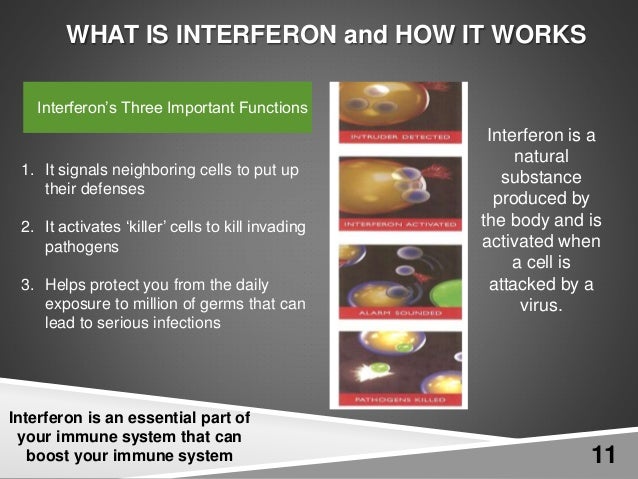
Interferons serve as the body’s first line of defense against infection, sounding the alarm and activating an army of virus-fighting genes, said virologist Angela Rasmussen, an associate research scientist at the Center for Infection and Immunity at Columbia University’s Mailman School of Public Health.

“Interferons are like a fire alarm and a sprinkler system all in one,” said Rasmussen, who wasn’t involved in the new studies.

Lab studies show that interferons are suppressed in some people with Covid-19, perhaps by the virus itself.

Interferons are particularly important for protecting the body against new viruses, such as the coronavirus, which the body has never encountered, said Zhang, a researcher at Rockefeller University’s St. Giles Laboratory of Human Genetics of Infectious Diseases.

When infected with the novel coronavirus, “your body should have alarms ringing everywhere,” Zhang said. “If you don’t get the alarm out, you could have viruses everywhere in large numbers.”

Significantly, patients didn’t make autoantibodies in response to the virus. Instead, they appeared to have had them before the pandemic even began, said Paul Bastard, the antibody study’s lead author, who is also a researcher at Rockefeller University.

For reasons that researchers don’t understand, the autoantibodies never caused a problem until patients were infected with Covid-19, Bastard said. Somehow, the coronavirus, or the immune response it triggered, appears to have set them in motion.

“Before Covid, their condition was silent,” Bastard said. “Most of them hadn’t gotten sick before.”

Bastard said he now wonders whether autoantibodies against interferon also increase the risk from other viruses, such as influenza. Among patients in his study, “some of them had gotten flu in the past, and we’re looking to see if the autoantibodies could have had an effect on flu.”

Scientists have long known that viruses and the immune system compete in a sort of arms race, with viruses evolving ways to evade the immune system and even suppress its response, said Sabra Klein, a professor of molecular microbiology and immunology at the Johns Hopkins Bloomberg School of Public Health.

Antibodies are usually the heroes of the immune system, defending the body against viruses and other threats. But sometimes, in a phenomenon known as autoimmune disease, the immune system appears confused and creates autoantibodies. This occurs in diseases such as rheumatoid arthritis, when antibodies attack the joints, and Type 1 diabetes, in which the immune system attacks insulin-producing cells in the pancreas.

Although doctors don’t know the exact causes of autoimmune disease, they’ve observed that the conditions often occur after viral infections. Autoimmune diseases are more common as people age.

In yet another unexpected finding, 94 percent of patients in the study with the autoantibodies were men. About 12.5 percent of men with life-threatening Covid-19 pneumonia had autoantibodies against interferon, compared with 2.6 percent of women.

That was unexpected, given that autoimmune disease is far more common in women, Klein said.

“I’ve been studying sex differences in viral infections for 22 years, and I don’t think anybody who studies autoantibodies thought this would be a risk factor for Covid-19,” Klein said.

The study might help explain why men are more likely than women to become critically ill with Covid-19 and die, Klein said.

“You see significantly more men dying in their 30s, not just in their 80s,” she said.

Akiko Iwasaki, a professor of immunobiology at the Yale School of Medicine, noted that several genes involved in the immune system’s response to viruses are on the X chromosome.

Women have two copies of this chromosome — along with two copies of each gene. That gives women a backup in case one copy of a gene becomes defective, Iwasaki said.

Men, however, have only one copy of the X chromosome. So if there is a defect or a harmful gene on the X chromosome, they have no other copy of the gene to correct the problem, Iwasaki said.

Bastard noted that one woman in the study who developed autoantibodies has a rare genetic condition in which she has only one X chromosome.

Women more likely to be ‘long-haulers’

Scientists have struggled to explain why men have a higher risk of hospitalization and death from Covid-19. When the disease first appeared in China, experts speculated that men suffered more from the virus because they are much more likely to smoke than Chinese women.

Researchers quickly noticed that men in Spain were also more likely to die of Covid-19, however, even though men and women there smoke at about the same rate, Klein said.

Experts have hypothesized that men might be put at higher risk by being less likely to wear masks in public than women and more likely to delay seeking medical care, Klein said.

But behavioral differences between men and women provide only part of the answer. Scientists say it’s possible that the hormone estrogen may somehow protect women, while testosterone may put men at greater risk. Interestingly, recent studies have found that obesity poses a much greater risk to men with Covid-19 than to women, Klein said.

Yet women have their own form of suffering from Covid-19.

Studies show that women are four times more likely to experience long-term Covid-19 symptoms, lasting weeks or months, including fatigue, weakness and a kind of mental confusion known as “brain fog,” Klein said.

As women, “maybe we survive it and are less likely to die, but then we have all these long-term complications,” she said.

After reading the studies, Klein said she would like to learn whether patients who become severely ill from other viruses, such as influenza, also harbor genes or antibodies that disable interferon.

“There’s no evidence for this in flu,” Klein said. “But we haven’t looked. Through Covid-19, we may have uncovered a very novel mechanism of disease, which we could find is present in a number of diseases.”

To be sure, scientists say the new study solves only part of the mystery of why patient outcomes can vary so greatly.

Researchers say it’s possible that some patients are protected by previous exposure to other coronaviruses. Patients who get very sick also may have inhaled higher doses of the virus, such as from repeated exposure to infected co-workers.

Although doctors have looked for links between disease outcomes and blood type, studies have produced conflicting results.

Screening patients for autoantibodies against interferons could help predict which patients are more likely to become very sick, said Bastard, who is also affiliated with the Necker Hospital for Sick Children in Paris. Testing takes about two days. Hospitals in Paris can now screen patients on request from a doctor, he said.

Although only 10 percent of patients with life-threatening Covid-19 have autoantibodies, “I think we should give the test to everyone who is admitted,” Bastard said. Otherwise, “we wouldn’t know who is at risk for a severe form of the disease.”

Bastard said he hopes his findings will lead to new therapies that save lives. He noted that the body manufactures many types of interferons. Giving patients a different type of interferon — one not disabled by their genes or autoantibodies — might help them fight off the virus.

In fact, a pilot study of 98 patients published Thursday in the Lancet Respiratory Medicine journal found benefits from an inhaled form of interferon. In the industry-funded British study, hospitalized Covid-19 patients randomly assigned to receive interferon beta-1a were more than twice as likely as others to recover enough to resume their regular activities.

Researchers need to confirm the findings in a much larger study, said Dr. Nathan Peiffer-Smadja, a researcher at Imperial College London who wasn’t involved in the study but wrote an accompanying editorial. Future studies should test patients’ blood for genetic mutations and autoantibodies against interferon to see whether they respond differently from others.

Peiffer-Smadja said inhaled interferon may work better than an injected form of the drug because it’s delivered directly to the lungs. While injected versions of interferon have been used for years to treat other diseases, the inhaled version is still experimental and not commercially available.

And doctors should be cautious about interferon for now, because a study led by the World Health Organization found no benefit to an injected form of the drug in Covid-19 patients, Peiffer-Smadja said. In fact, there was a trend toward higher mortality rates in patients given interferon, although the finding could have been due to chance. Giving interferon later in the course of disease could encourage a destructive immune overreaction called a cytokine storm, in which the immune system does more damage than the virus.

Around the world, scientists have launched more than 100 clinical trials of interferons, according to clinicaltrials.gov, a database of research studies from the National Institutes of Health.

Until larger studies are completed, doctors say, Bastard’s findings are unlikely to change how they treat Covid-19.

Dr. Lewis Kaplan, president of the Society of Critical Care Medicine, said he treats patients according to their symptoms, not their risk factors.

“If you are a little sick, you get treated with a little bit of care,” Kaplan said. “You are really sick, you get a lot of care. But if a Covid patient comes in with hypertension, diabetes and obesity, we don’t say: ‘They have risk factors. Let’s put them in the ICU.'”

What You Need To Know About Pfizer’s Covid-19 Vaccine

Pfizer's Covid-19 Vaccine Is 90% Effective, But Has Storage & Shipping  Issues | Boomers Daily

On Monday, Pfizer announced preliminary results from the phase 3 trial of the vaccine that it has developed with German company BioNTech, suggesting that it may be up to 90% effective at preventing Covid-19 with no serious safety concerns. The vaccine, which represents a new way to make a vaccine, might be ready for an Emergency Use Authorization from the FDA by the end of the year. 

BioNTech’s vaccine is an mRNA (as in “messenger RNA,” which might ring a faint bell from high school biology class) vaccine, similar to one being developed by Boston-based Moderna as well as Translate Bio, which is partnered with pharmaceutical giant Sanofi. This type of vaccine has been in the works for other diseases, including the flu, but none have been approved for use by any regulatory body yet. Success with this platform has the potential to accelerate the development of vaccines for new diseases, a process which can typically take close to a decade. 

Here’s what you need to know.  

Pfizer’s vaccine is based on a new kind of technology

Traditional vaccines are made from dead or weakened versions of an infectious virus. This new type of vaccine is different. To develop it, the genes of the SARS-CoV-2 virus, which causes Covid-19, were first analyzed to locate the part that codes its “spike” protein, which is what enables the virus to infect people. The codes for that protein are then isolated and copied as mRNA fragments, which is what cells use as instructions for making proteins. Those fragments are packaged up into special molecules, then injected into the patient’s cells.

Within the cells, the mRNA comes into the body’s protein factories, called ribosomes. The ribosomes “read” the mRNA, and follow its instructions to make copies of the spike protein. Those copies of the spike protein can’t, by themselves, cause harm. But they’ll trigger the body to make antibodies against the virus. Those antibodies, in turn, will protect patients from a Covid-19 infection. At least, that’s the idea. 

The vaccine still needs to be approved by the Food and Drug Administration

Before the vaccine can be distributed, it has to first be approved by appropriate regulatory bodies. In the United States, that’s the FDA. Pfizer has said that it intends to seek an Emergency Use Authorization from the FDA to enable distribution and administration of the vaccine in late November, at which point the company will have an average of two months’ worth of safety data for each patient. That’s because most bad reactions to vaccines happen shortly after infection. Additionally, Pfizer will continue to monitor the patients in its study for two years after the vaccine administration. 

Distributing this vaccine is more complicated than for a typical vaccine

Although one advantage of mRNA vaccines is that they’re potentially faster to develop than traditional vaccines, their administration and distribution is scads more complicated. For example, the Pfizer vaccine is currently being tested on a two-dose schedule, 21 days apart, unlike the single dose of a typical vaccine for diseases like the flu. The 21-day separation has raised some concerns about the patient compliance needed for vaccines to work.

For long-term storage, the vaccine has to be kept at very cold temperatures—around –70° Celsius (–94° Fahrenheit), which requires a specialized freezer. (Flu vaccines, by contrast, can usually be stored in a refrigerator.) The company has developed a specialty thermal shipping container, which can be kept cold with dry ice and be used to store the vaccine doses for up to 15 days. If long-term storage isn’t required, Pfizer’s vaccine can be stored in a refrigerator, but only for up to five days. 

Pfizer footed the bill for its own part of vaccine development

Several companies, such as Moderna, have received federal funding and support for the development of their vaccines and treatments through the research and development process. Pfizer opted out of that, choosing instead to spend $1 billion of its own money to move the vaccine forward. “A billion dollars is not going to break us,” CEO Albert Bourla told Forbes earlier this year. 

That said, BioNTech did receive a $442 million grant from the German government to help develop the vaccine. And in July, the two companies signed an agreement to sell at least 100 million doses to the U.S. Department of Health and Human Services (HHS) for $1.95 billion. The country of Spain has initially secured 20 million doses of the vaccine as well. 

What healthcare executives can expect under Biden presidency

https://www.beckershospitalreview.com/hospital-management-administration/pwc-what-healthcare-executives-can-expect-under-biden-presidency.html?utm_medium=email

https://www.pwc.com/us/Biden2020healthagenda

President-elect Joe Biden’s healthcare agenda: building on the ACA, value-based care, and bringing down drug prices.

In many ways, Joe Biden is promising a return to the Obama administration’s approach to healthcare:

  • Building on the Affordable Care Act (ACA) through incremental expansions in government-subsidized coverage
  • Continuing CMS’ progress toward value-based care
  • Bringing down drug prices
  • Supporting modernization of the FDA

Bolder ideas, such as developing a public option, resolving “surprise billing,” allowing for negotiation of drug prices by Medicare, handing power to a third party to help set prices for some life sciences products, and raising the corporate tax rate, could be more challenging to achieve without overwhelming majorities in both the House and the Senate.

Biden is likely to mount an intensified federal response to the COVID-19 pandemic, enlisting the Defense Production Act to compel companies to produce large quantities of tests and personal protective equipment as well as supporting ongoing deregulation around telehealth. The Biden administration also will likely return to global partnerships and groups such as the World Health Organization, especially in the area of vaccine development, production and distribution.

What can health industry executives expect from Biden’s healthcare proposals?

Broadly, healthcare executives can expect an administration with an expansionary agenda, looking to patch gaps in coverage for Americans, scrutinize proposed healthcare mergers and acquisitions more aggressively and use more of the government’s power to address the pandemic. Executives also can expect, in the event the ACA is struck down, moves by the Biden administration and Democratic lawmakers to develop a replacement. Healthcare executives should scenario plan for this unlikely yet potentially highly disruptive event, and plan for an administration marked by more certainty and continuity with the Obama years.

All healthcare organizations should prepare for the possibility that millions more Americans could gain insurance under Biden. His proposals, if enacted, would mean coverage for 97% of Americans, according to his campaign website. This could mean millions of new ACA customers for payers selling plans on the exchanges, millions of new Medicaid beneficiaries for managed care organizations, millions of newly insured patients for providers, and millions of covered customers for pharmaceutical and life sciences companies. The surge in insured consumers could mirror the swift uptake in the years following the passage of the ACA.

Biden’s plan to address the COVID-19 pandemic

Biden is expected to draw on his experience from H1N1 and the Ebola outbreaks to address the COVID-19 pandemic with a more active role for the federal government, which many Americans support. These actions could shore up the nation’s response in which the federal government largely served in a support role to local, state and private efforts.

Three notable exceptions have been the substantial federal funding for development of vaccines against the SARS-CoV-2 virus, Congress’ aid packages and the rapid deregulatory actions taken by the FDA and CMS to clear a path for medical products to be enlisted for the pandemic and for providers, in particular, to be able to respond to it.

Implications of Biden’s 2020 health agenda on healthcare payers, providers and pharmaceutical and life sciences companies

The US health system has been slowly transforming for years into a New Health Economy that is more consumer-oriented, digital, virtual, open to new players from outside the industry and focused on wellness and prevention.  The COVID-19 pandemic has accelerated some of those trends.  Once the dust from the election settles, companies that have invested in capabilities for growth and are moving forcefully toward the New Health Economy stand to gain disproportionately.

Shortages of clinicians and foreign medical students may continue to be an issue for a while

The Trump administration made limiting the flow of immigrants to the US a priority. The associated policy changes have the potential to exacerbate shortages of physicians, nurses and other healthcare workers, including medical students. These consequences have been aggravated by the pandemic, which dramatically curtailed travel into the US.

  • Healthcare organizations, especially rural ones heavily dependent on foreign-born employees, may find themselves competing fiercely for workers, paying higher salaries and having to rethink the structure of their workforces.
  • Providers should consider reengineering primary care teams to reflect the patients’ health status and preferences, along with the realities of the workforce on the ground and new opportunities in remote care.

Focus on modernizing the supply chain

Biden and lawmakers from both parties have been raising questions about life sciences’ supply chains. This focus has only intensified because of the pandemic and resulting shortages of personal protective equipment (PPE), pharmaceuticals, diagnostic tests and other medical products.

  • Investment in advanced analytics and cybersecurity could allow manufacturers to avoid disruptive stockouts and shortages, and deliver on the promise of the right treatment to the right patient at the right time in the right place.

Drug pricing needs a long-term strategy

Presidents and lawmakers have been talking about drug prices for decades; few truly meaningful actions have been implemented. Biden has made drug pricing reform a priority.

  • Drug manufacturers may need to start looking past the next quarter to create a new pricing strategy that maximizes access in local markets through the use of data and analytics to engage in more value-based pricing arrangements.
  • New financing models may help patients get access to drugs, such as subscription models that provide unlimited access to a therapy at a flat rate.
  • Companies that prepare now to establish performance metrics and data analytics tools to track patient outcomes will be well prepared to offer payers more sustainable payment models, such as mortgage or payment over time contracts, avoiding the sticker shock that comes with these treatments and improving uptake at launch.
  • Pharmaceutical and life sciences companies will likely have to continue to offer tools for consumers like co-pay calculators and use the contracting process where possible to minimize out-of-pocket costs, which can improve adherence rates and health outcomes.

View interoperability as an opportunity to embrace, not a threat to avoid or ignore

While the pandemic delayed many of the federal interoperability rule deadlines, payers and providers should use the extra time to plan strategically for an interoperable future.

  • Payers should review business partnerships in this new regulatory environment.
  • Digital health companies and new entrants may help organizations take advantage of the opportunities that achieving interoperability may present.
  • Companies should consider the legal risks and take steps to protect their reputations and relationships with customers by thinking through issues of consent and data privacy.

Health organizations should review their policies and consider whether they offer protections for customers under the new processes and what data security risks may emerge. They should also consider whether business associate agreements are due in more situations.

Plan for revitalized ACA exchanges and a booming Medicare Advantage market

The pandemic has thrown millions out of work, generating many new customers for ACA plans just as the incoming Biden administration plans to enrich subsidies, making more generous plans within reach of more Americans.

  • Payers in this market should consider how and where to expand their membership and appeal to those newly eligible for Medicare. Payers not in this market should consider partnerships or acquisitions as a quick way to enter the market, with the creation of a new Medicare Advantage plan as a slower but possibly less capital-intensive entry into this market.
  • Payers and health systems should use this opportunity to design more tailored plan options and consumer experiences to enhance margins and improve health outcomes.
  • Payers with cash from deferred care and low utilization due to the pandemic could turn to vertical integration with providers as a means of investing that cash in a manner that helps struggling providers in the short term while positioning payers to improve care and reduce its cost in the long term.
  • Under the Trump administration, the FDA has approved historic numbers of generic drugs, with the aim of making more affordable pharmaceuticals available to consumers. Despite increased FDA generics approvals, generics dispensed remain high but flat, according to HRI analysis of FDA data.
  • Pharmaceutical company stocks, on average, have climbed under the Trump administration, with a few notable dips due to presidential speeches criticizing the industry and the pandemic.
  • Providers have faced some revenue cuts, particularly in the 340B program, and many entered the pandemic in a relatively weak liquidity position.  The pandemic has led to layoffs, pay cuts and even closures. HRI expects consolidation as the pandemic continues to curb the flow of patients seeking care in emergency departments, orthopedic surgeons’ offices, dermatology suites and more.

Lawmakers and politicians often use bold language, and propose bold solutions to problems, but the government and the industry itself resists sudden, dramatic change, even in the face of sudden, dramatic events such as a global pandemic. One notable exception to this would be a decision by the US Supreme Court to strike down the ACA, an event that would generate a great deal of uncertainty and disruption for Americans, the US health industry and employers.

Pfizer vaccine needs to be stored at ultra-cold temperatures that could significantly complicate distribution

Satire: No charges for Iowa man arrested after he dressed up as Mr Freeze  and shouted nonconsensual polar vortex puns in public | Boing Boing

A promising vaccine developed by drug giant Pfizer and German biotechnology firm BioNTech would need to be stored at ultracold temperatures that experts say could make it far more difficult to distribute than other potential vaccines.

Pfizer announced Monday that an interim analysis had shown the vaccine was more than 90 percent effective, news that was greeted with near universal celebration among experts.

But the Pfizer vaccine is relatively unusual as it has to be stored and transported at an ultracold temperature of around -94 Fahrenheit (-70 Celsius), significantly complicating the process of getting the vaccine to people.

Ultracold storage is “is not necessarily routinely available in most health centers even in the U.K., let alone globally,” Michael Head, a fellow in global health at the University of Southampton said in a statement.

Vaccines often require some kind of cold storage to remain effective; some candidates for a coronavirus vaccine need to be held at cooler temperatures like 26 Fahrenheit (2 Celsius). They need to be kept this temperature not only while in storage but also while being delivering on planes and trucks.

The Pfizer vaccine would be considerably colder, requiring more than just refrigeration but something capable of producing freezing temperatures even during potential lengthy periods of transport. It has been done before, though at a smaller scale: A vaccine for the Ebola virus was notable for requiring ultracold storage. Pfizer has been preparing for the challenge by creating special containers that can last 10 days at -94 Fahrenheit, according to the Wall Street Journal.

Groups like the World Health Organization and UNICEF have said that countries need to improve their “cold chain” logistical networks to make sure vaccines can be distributed safely. The Associated Press reported last month that nearly 3 billion people live in areas where temperature-controlled storage is insufficient for the task.

U.S. surpasses 10 million coronavirus cases, experts warn country is entering worst phase

US coronavirus: The country nears 10 million Covid-19 cases - CNN

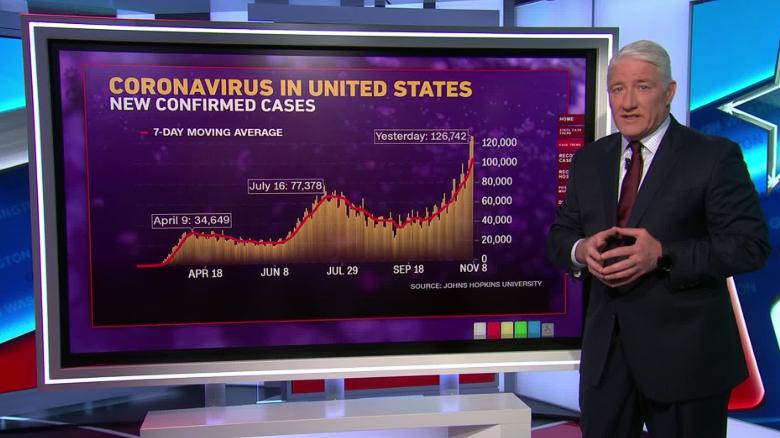
The United States surpassed 10 million coronavirus cases on Monday, just 10 days after hitting 9 million. The average number of daily new infections has exceeded 100,000, and public health experts warn the country is entering the pandemic’s worst phase yet.

The United States hit the milestone as Pfizer announced its coronavirus vaccine candidate was more than 90 percent effective, compared with a placebo. Epidemiologists and health experts were optimistic about the results, but also cautioned that more information is needed on the vaccine’s long-term efficacy and safety.

How the coronavirus pandemic could end

https://www.axios.com/when-will-coronavirus-pandemic-end-ecef1ae7-33b5-474c-8a02-2471742dbe99.html

It’s still the early days of the coronavirus pandemic, but history, biology and the knowledge gained from our first nine months with COVID-19 point to how the pandemic might end.

The big picture: Pandemics don’t last forever. But when they end, it usually isn’t because a virus disappears or is eliminated. Instead, they can settle into a population, becoming a constant background presence that occasionally flares up in local outbreaks.

  • Many emerging viruses become part of the viral ecology. The four coronaviruses that cause the common cold are endemic, circulating in the population, and the influenza strains that cause seasonal flu predictably surge each year.
  • The SARS outbreak in 2003 didn’t go the same way due to biology and behavior: It was much less transmissible than the virus that causes COVID-19, countries contained it quickly, and it has pretty much disappeared.
  • One virus, smallpox, was eradicated through widespread vaccination, and polio may be close, after decades of effort and billions in funding.

What’s happening: The pandemic is deepening in the U.S., Europe and elsewhere in the world.

  • Experts — from the U.K.’s chief scientific adviser to pharmaceutical CEOs to the WHO — increasingly say SARS-CoV-2 is likely to circulate in the population on a permanent basis, mainly due to the foothold the virus has already established.
  • But what damage endemic COVID-19 causes will depend on different factors, including how often people are reinfected, vaccine effectiveness and adoption, and if the virus mutates in any significant way.

“If the vaccine is really effective, like the measles vaccine or the yellow fever vaccine, it’s just going to land like a ton of bricks and suffocate this. Maybe not quite eradicate it — yellow fever and measles are not eradicated — but it’ll be an utter game changer,” UC Irvine epidemiologist Andrew Noymer says.

  • But if the vaccines are less effective — as many experts expect for at least the first generation — COVID-19 may eventually behave more like the seasonal flu, Noymer says. (Still, the death rate of COVID-19 currently well eclipses that of the seasonal flu.)

Reinfection is “the big issue,” says Columbia University’s Jeffrey Shaman, who recently described how reinfection and other factors would affect the spread of SARS-CoV-2 if it became endemic.

  • So far, there are just a handful of documented reinfection cases, but evidence about whether people retain their antibodies after infection is mixed, and a lot of unknowns remain about the likelihood of reinfection.
  • The worst-case scenario would be that there isn’t a vaccine or long-lasting immunity and people get COVID-19 repeatedly and are just as likely to end up in the hospital as with initial infections, Shaman says.

“I would say COVID-19 is already endemic,” says Larry Brilliant, an epidemiologist who worked to eradicate smallpox and now chairs the nonprofit Ending Pandemics.

  • With about 59,000 new cases per day in the U.S. alone, Brilliant says “it is already everywhere.”
  • “It doesn’t really mean very much if it is endemic,” he adds. “The real question is: How does it all end?”

Eventually, COVID-19 could end up in “the retirement village of coronaviruses,” like HIV, which today can be treated to the point of elimination, or circulate at low levels and be kept in check with a vaccine, like measles, Brilliant says, laying out a handful of possible scenarios.

  • Noymer says he suspects that after its “cataclysmic emergence,” COVID-19 may eventually fade into a common cold after a decade or so.

What’s next: We have to work with it as a virus that we will be contending with for years possibly,” Shaman says. “It doesn’t mean an effective vaccine or treatment won’t be developed. What it means is that holding out hope that we’re going to just get a vaccine and not doing anything else is not the level of preparation we need.”

  • Until we have an effective vaccine and better contact tracing and testing, Johns Hopkins University epidemiologist Justin Lessler says public health measures should continue encouraging the use of face masks and social distancing.
  • If the disease does become endemic, Lessler says it’s likely to eventually become more like a childhood infection because adults will gradually build an immunity. And since children tend to have fewer complications, “it will no longer be the same sort of burden to health that it is now.”

The good news: Viruses can sometimes become milder with time, treatments are already becoming more effective and vaccines can be improved.

  • “Right now we are frightened, depressed and on our back heels. We will be able to conquer this disease,” Brilliant says. “It will be a matter of time and science.”

A compelling link between severe COVID and immune system response

https://mailchi.mp/45f15de483b9/the-weekly-gist-october-9-2020?e=d1e747d2d8

Help for your immune system.

One of the most perplexing elements of the novel coronavirus is its variability. It’s common knowledge that while many infected people will experience mild symptoms, those who are older, male and have underlying chronic disease are at much higher risk of severe disease and death.

Two recent papers published in Science provide some of the most compelling evidence behind the impaired immune response seen in severely affected patients—and a potential link to the gender disparities in outcomes.

Both papers are centered on the role of Type I interferon, an immune protein that provides a first line of defense in viral illness.

The first study analyzed the DNA of over 650 patients with severe COVID to assess mutations in the genes that code for interferon-1. Some 3.5 percent of patients with life-threatening COVID carried mutations, but these were found in none of the control patients who only had mild disease.

The second paper evaluated the presence of antibodies to the patient’s own interferon, finding that 14 percent of patients with severe disease had these “auto-antibodies”, which are extremely rare in the general population. Interestingly, 12.5 percent of severely ill men had the antibodies, compared to just 2.6 percent of women with severe disease. Previous work linked poor interferon response to the X chromosome, highlighting the potential increased risk for men. 

Taken together, these studies indicate that impaired Type I interferon could contribute to 1 in 7 severe COVID cases. Scientists are hopeful this work could lead to new diagnostics that estimate a patient’s risk of poor outcomes. This growing body of work, with new insights published every week in Science and other journals, underscores the rapid advances being made in understanding and treating this novel and complex disease.