7 thoughts on great leadership

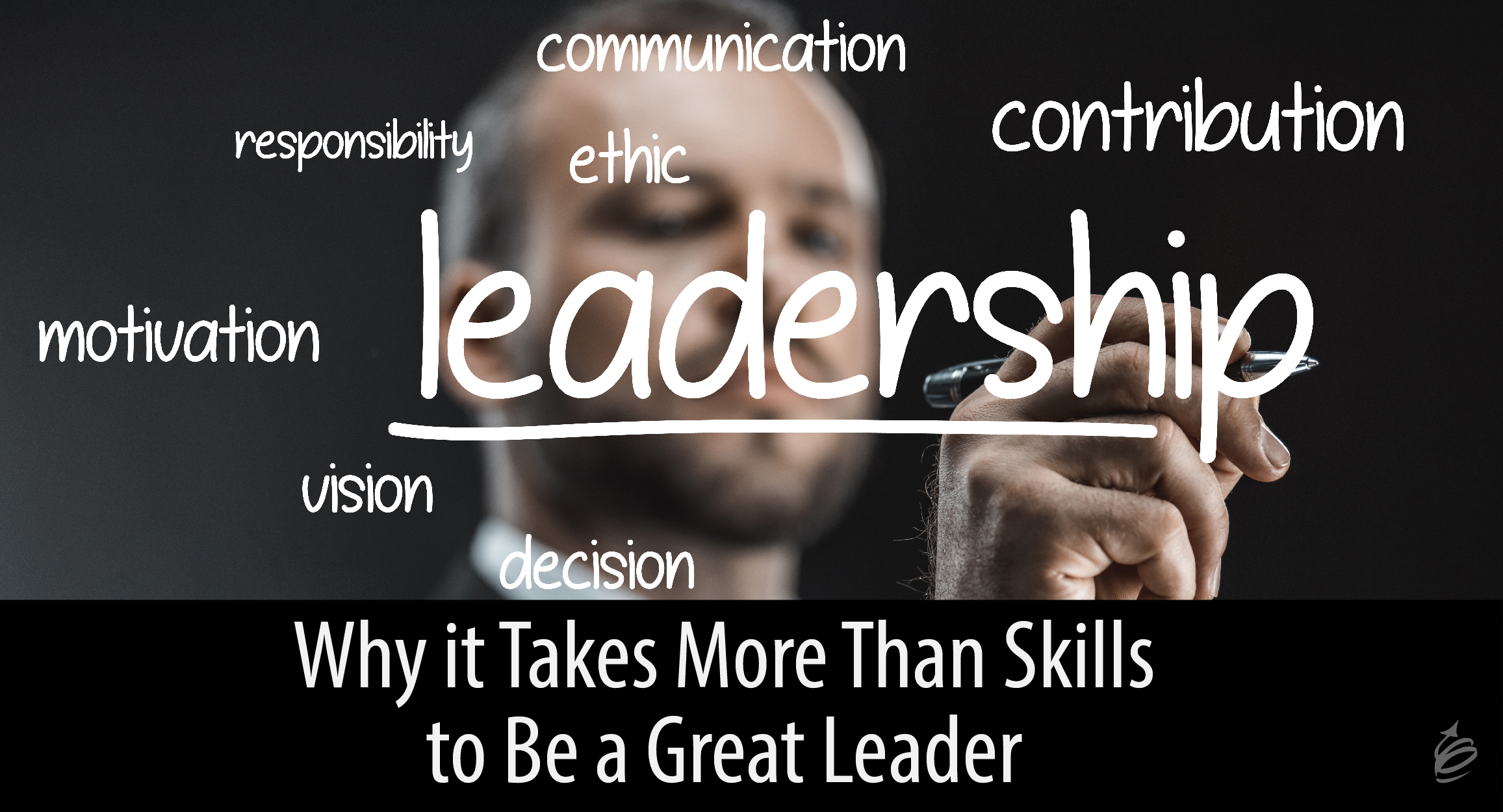
Why It Takes More Than Skills to Be a Great Leader

We find the questions, “What makes a great leader?” and “What does great leadership mean in practice?” to be really interesting.

We have seen, for example, the following types of people as leaders: (1) people who appear to have been born to lead and excel as leaders, (2) people anointed as leaders or future leaders who had bold personalities, a certain presence and/or great charisma disappoint completely as leaders, (3) hardworking, organized people without bold personalities who organizations may not have expected to be top leaders grow into their roles and lead organizations to great results.

The greatest leaders leave an organization better than they found it. They leave it in a position to thrive long after they are gone. They have the ability to deliver results today while improving and preparing the organization for tomorrow. Great leaders, as stated by some, have a vision and plan, can build great teams, can motivate the team to pursue and achieve the plan, can take in feedback and adjust the plan as needed.

Here are seven thoughts on great leadership.

1. Great leaders are engaged, excited and passionate about success. Great leaders remain excited about what they are doing and what their team is trying to accomplish. Teams sense whether a leader is engaged or not. It does not take long to detect. It is the unusual leader who can stay enthusiastic and in top form in a position for more than 10 to 20 years; for many, the attention span is less. The phrase “lame duck leader” often applies to those who are still in office despite losing their spark. When leaders find they are losing excitement or engagement, it is time to step down from leadership or take time to rediscover themselves. An excited and engaged leader is critical to success.

We should not confuse passion and excitement with a huge or “rah-rah” personality. A great leader can have a winning personality, and most have excellent people skills, but those two things are only part of the picture. Great leaders are more than mascots or faces of a company — they are engaged with their teams. They are constantly talking to, communicating with, seeing and visiting their teams. They know what is going on with their teams, they know what is going on with their key customers, and they know what is going on with the business.

2. Great leaders build teams and the next level of leaders. The greatest accomplishment of a leader may be building the next level of leadership in a way where the leader is less needed. This is so important to the organization and requires tremendous energy from current leadership, yet it’s not always a leader’s first and foremost goal.

An elite team can go exponentially further and accomplish a great deal more than an elite leader. Anyone who has built an organization beyond a few people understands the importance of great teams and colleagues. When a high-performing team is built, the leader remains important. However, more and more, you can identify a great leader or manager by how special their team is. When a team is magnificent, it is a lot easier to be a great leader or manager. A core concept in Jim Collins’ Good to Great is to build great teams and then set plans. If one has great people, a company or team can then accomplish all kinds of things.

There is a common misconception that leaders welcome their team’s elite performance because it means the leader can work less. We find this could not be further from the truth. Great leaders know that nobody likes working harder than their boss. This adage holds true whether a leader has been in the field for five years or 50. The scope and role of the leader may change as the team grows more adept, elite and accomplished. Exceptional leaders give others space to lead, opportunities to shine and chances to succeed, but this should not be misinterpreted as leaders stepping away out of ambivalence or putting their feet up.  

3. Great leaders have big goals and set clear plans. Great leaders set goals for their teams and organizations that are exciting, interesting and far bigger than themselves. The leader needs a goal that one can point to as, “This is what we are trying to be,” or, “This is what we are trying to accomplish.” There’s nothing worse than leaders who transparently appear to get ahead for themselves or accomplish their own goals versus the organization’s or team’s goals.

The late Apple CEO and co-founder Steve Jobs and former GE CEO Jack Welch are examples of great leaders who set big goals. Mr. Welch had the core goal to be No. 1 or No. 2 in any market — or not be in the market at all. It is also critical that the goal is well communicated to the team and that key decisions are consistent with the goal. No plan or strategy is perfect. However, most organizations and teams do far better with a plan and strategy than without. Often, the plan is imperfect but adjusted over time. Either way, in nearly every situation, an imperfect plan is far superior to no plan.

4. Great leaders generally don’t micromanage. High-caliber leaders develop great leaders and teams and allow their teams to excel, perform and grow. They constantly look at benchmarks, hold people accountable and follow up with them. However, on a day-to-day and moment-to-moment basis, their teams are given lots of latitude and autonomy. This is coupled with follow-up and looking at what is accomplished. Warren Buffett may be the world’s best example of a leader who has great CEOs, holds them accountable and doesn’t micromanage them.

Some of the best leaders we have seen recognize when they have an amazing leader working with them. In those situations, the best of leaders can set their egos aside and largely allow the next in line to take credit and lead.

5. Great leaders praise often and recognize contributions. A great leader understands that part of team-building is constantly looking for what people are doing well and encouraging more of it. Great leaders provide praise, recognize what is done well and motivate more of that to be done. They look for what people do exceptionally well, and they look to promote those doing great things. They are constantly looking for the next opportunity for people.

6. Great leaders are not afraid to make hard personnel decisions. The best leaders understand that not everyone is a fit for every job. They are not willing to tolerate mediocrity or toxicity. This doesn’t mean they have a quick trigger. It does mean that they constantly compare current performance to great performance and try to fit people in spots where their performance can excel. For example, someone who is not great at something might be given another try at a different role where they may shine. One of the best leaders I ever witnessed subscribed to the view that it was very hard to change people. He counseled to be fair and patient, but that it was easier to change the person than change a person. In essence, sometimes it’s easier to replace a person than change how a person behaves.

7. Great leaders are emotionally mature. Great leaders do not fly off the handle or make rash decisions, but they do follow their instincts. A remarkable leader does not react to every issue with a great deal of stress. Rather, he or she can take things in, move forward and keep a team on board. A leader’s ability to manage emotions — both his or her own and those of team members — is critical. While great leaders often act with urgency and intent, they too embrace common sense approaches of “sleep on it” or “no sudden movements” when faced with volatility, uncertainty, complexity and ambiguity. They recognize the repercussions of their decisions and movements, and in turn give them the time, thought and reflection they deserve.

Strategic misalignment at the heart of a governance issue

https://mailchi.mp/016621f2184b/the-weekly-gist-december-3-2021?e=d1e747d2d8

When Innovation and Strategy Don't Align - TENZING Strategic

In our work with health systems, physician groups, and other organizations over the years, we’ve often been asked to facilitate board-level discussions about governance—resolving board conflicts, navigating difficult decisions, evaluating board composition.

A recent discussion again highlighted one of our main observations in working with boards: governance problems are often strategy problems in disguise. Working with a system that has grown through acquisition over the years, and whose board includes members from several of the “legacy” hospitals which had merged into the system over time, we were asked to help facilitate a dialogue about investment priorities across the component parts of the system.

At the root of the issue: each of the “representatives” of the subsidiary entities were pushing to have their own investment needs take precedence. On the face of it, that’s a governance problem: boards shouldn’t be constituent assemblies, with each member representing the interests of a sub-unit. Rather, they should act with one purpose: to advance the interests of the whole.

But that misalignment turned out to be a symptom of a larger problem: there was no consensus at the board level about what the strategic direction of the combined system should be, and what role each component part played in that direction.

That’s a strategy problem, masquerading as a governance issue. Identifying the strategic issue allowed the board to reframe the dialogue around vision, which then unblocked the subsequent decisions about investments. Good strategy and good governance go hand in hand.

The less-discussed consequence of healthcare’s labor shortage

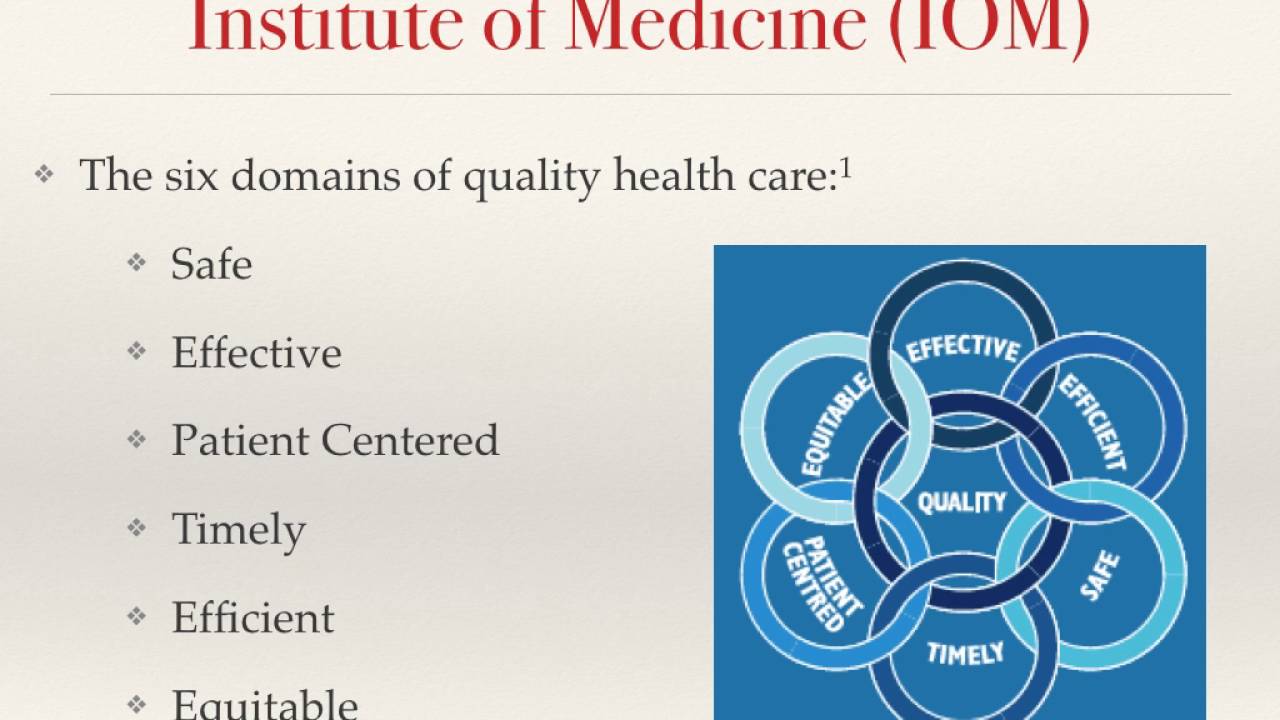
Patient Safety and Quality Care Movement - YouTube

The healthcare industry’s staffing shortage crisis has had clear consequences for care delivery and efficiency, forcing some health systems to pause nonemergency surgeries or temporarily close facilities. Less understood is how these shortages are affecting care quality and patient safety. 

A mix of high COVID-19 patient volume and staff departures amid the pandemic has put hospitals at the heart of a national staffing shortage, but there is little national data available to quantify the shortages’ effects on patient care. 

The first hint came last month from a CDC report that found healthcare-associated infections increased significantly in 2020 after years of steady decline. Researchers attributed the increase to challenges related to the pandemic, including staffing shortages and high patient volumes, which limited hospitals’ ability to follow standard infection control practices. 

“That’s probably one of the first real pieces of data — from a large scale dataset — that we’ve seen that gives us some sense of direction of where we’ve been headed with the impact of patient outcomes as a result of the pandemic,” Patricia McGaffigan, RN, vice president of safety programs for the Institute for Healthcare Improvement, told Becker’s. “I think we’re still trying to absorb much of what’s really happening with the impact on patients and families.”

An opaque view into national safety trends

Because of lags in data reporting and analysis, the healthcare industry lacks clear insights into the pandemic’s effect on national safety trends.

National data on safety and quality — such as surveys of patient safety culture from the Agency for Healthcare Research and Quality — can often lag by several quarters to a year, according to Ms. McGaffigan. 

“There [have been] some declines in some of those scores more recently, but it does take a little while to be able to capture those changes and be able to put those changes in perspective,” she said. “One number higher or lower doesn’t necessarily indicate a trend, but it is worth really evaluating really closely.”

For example, 569 sentinel events were reported to the Joint Commission in the first six months of 2021, compared to 437 for the first six months of 2020. However, meaningful conclusions about the events’ frequency and long-term trends cannot be drawn from the dataset, as fewer than 2 percent of all sentinel events are reported to the Joint Commission, the organization estimates.

“We may never have as much data as we want,” said Leah Binder, president and CEO of the Leapfrog Group. She said a main area of concern is CMS withholding certain data amid the pandemic. Previously, the agency has suppressed data for individual hospitals during local crises, but never on such a wide scale, according to Ms. Binder.  

CMS collects and publishes quality data for more than 4,000 hospitals nationwide. The data is refreshed quarterly, with the next update scheduled for October. This update will include additional data for the fourth quarter of 2020.

“It is important to note that CMS provided a blanket extraordinary circumstances exception for Q1 and Q2 2020 data due to the COVID-19 pandemic where data was not required nor reported,” a CMS spokesperson told Becker’s. “In addition, some current hospital data will not be publicly available until about July 2022, while other data will not be available until January 2023 due to data exceptions, different measure reporting periods and the way in which CMS posts data.”

Hospitals that closely monitor their own datasets in more near-term windows may have a better grasp of patient safety trends at a local level. However, their ability to monitor, analyze and interpret that data largely depends on the resources available, Ms. McGaffigan said. The pandemic may have sidelined some of that work for hospitals, as clinical or safety leaders had to shift their priorities and day-to-day activities. 

“There are many other things besides COVID-19 that can harm patients,” Ms. Binder told Becker’s. “Health systems know this well, but given the pandemic, have taken their attention off these issues. Infection control and quality issues are not attended to at the level of seriousness we need them to be.”

What health systems should keep an eye on 

While the industry is still waiting for definitive answers on how staffing shortages have affected patient safety, Ms. Binder and Ms. McGaffigan highlighted a few areas of concern they are watching closely. 

The first is the effect limited visitation policies have had on families — and more than just the emotional toll. Family members and caregivers are a critical player missing in healthcare safety, according to Ms. Binder. 

When hospitals don’t allow visitors, loved ones aren’t able to contribute to care, such as ensuring proper medication administration or communication. Many nurses have said they previously relied a lot on family support and vigilance. The lack of extra monitoring may contribute to the increasing stress healthcare providers are facing and open the door for more medical errors.

Which leads Ms. Binder to her second concern — a culture that doesn’t always respect and prioritize nurses. The pandemic has underscored how vital nurses are, as they are present at every step of the care journey, she continued. 

To promote optimal care, hospitals “need a vibrant, engaged and safe nurse workforce,” Ms. Binder said. “We don’t have that. We don’t have a culture that respects nurses.” 

Diagnostic accuracy is another important area to watch, Ms. McGaffigan said. Diagnostic errors — such as missed or delayed diagnoses, or diagnoses that are not effectively communicated to the patient — were already one of the most sizable care quality challenges hospitals were facing prior to the pandemic. 

“It’s a little bit hard to play out what that crystal ball is going to show, but it is in particular an area that I think would be very, very important to watch,” she said.

Another area to monitor closely is delayed care and its potential consequences for patient outcomes, according to Ms. McGaffigan. Many Americans haven’t kept up with preventive care or have had delays in accessing care. Such delays could not only worsen patients’ health conditions, but also disengage them and prevent them from seeking care when it is available. 

Reinvigorating safety work: Where to start

Ms. McGaffigan suggests healthcare organizations looking to reinvigorate their safety work go back to the basics. Leaders should ensure they have a clear understanding of what their organization’s baseline safety metrics are and how their safety reports have been trending over the past year and a half.

“Look at the foundational aspects of what makes care safe and high-quality,” she said. “Those are very much linked to a lot of the systems, behaviors and practices that need to be prioritized by leaders and effectively translated within and across organizations and care teams.”

She recommended healthcare organizations take a total systems approach to their safety work, by focusing on the following four, interconnected pillars:

  • Culture, leadership and governance
  • Patient and family engagement
  • Learning systems
  • Workforce safety

For example, evidence shows workforce safety is an integral part of patient safety, but it’s not an area that’s systematically measured or evaluated, according to Ms. McGaffigan. Leaders should be aware of this connection and consider whether their patient safety reporting systems address workforce safety concerns or, instead, add on extra work and stress for their staff. 

Safety performance can slip when team members get busy or burdensome work is added to their plates, according to Ms. McGaffigan. She said leaders should be able to identify and prioritize the essential value-added work that must go on at an organization to ensure patients and families will have safe passage through the healthcare system and that care teams are able to operate in the safest and healthiest work environments.

In short, leaders should ask themselves: “What is the burdensome work people are being asked to absorb and what are the essential elements that are associated with safety that you want and need people to be able to stay on top of,” she said.

To improve both staffing shortages and quality of care, health systems must bring nurses higher up in leadership and into C-suite roles, Ms. Binder said. Giving nurses more authority in hospital decisions will make everything safer. Seattle-based Virginia Mason Hospital recently redesigned its operations around nurse priorities and subsequently saw its quality and safety scores go up, according to Ms. Binder. 

“If it’s a good place for a nurse to go, it’s a good place for a patient to go,” Ms. Binder said, noting that the national nursing shortage isn’t just a numbers game; it requires a large culture shift.

Hospitals need to double down on quality improvement efforts, Ms. Binder said. “Many have done the opposite, for good reason, because they are so focused on COVID-19. Because of that, quality improvement efforts have been reduced.”

Ms. Binder urged hospitals not to cut quality improvement staff, noting that this is an extraordinarily dangerous time for patients, and hospitals need all the help they can get monitoring safety. Hospitals shouldn’t start to believe the notion that somehow withdrawing focus on quality will save money or effort.  

“It’s important that the American public knows that we are fighting for healthcare quality and safety — and we have to fight for it, we all do,” Ms. Binder concluded. “We all have to be vigilant.”

Conclusion

The true consequences of healthcare’s labor shortage on patient safety and care quality will become clear once more national data is available. If the CDC’s report on rising HAI rates is any harbinger of what’s to come, it’s clear that health systems must place renewed focus and energy on safety work — even during something as unprecedented as a pandemic. 

The irony isn’t lost on Ms. Binder: Amid a crisis driven by infectious disease, U.S. hospitals are seeing higher rates of other infections.  

“A patient dies once,” she concluded. “They can die from COVID-19 or C. diff. It isn’t enough to prevent one.”

UPMC CFO Edward Karlovich advises peers to ‘look beyond the challenges of today’

David B. Yoffie Quote: “The first rule demands that CEOs and entrepreneurs look  beyond the immediate

Edward Karlovich serves as the executive vice president and CFO for UPMC, a $23 billion provider and insurer based in Pittsburgh. 

Since joining UPMC in 1990, Mr. Karlovich has served in several financial leadership roles. Most recently, he was vice president, CFO and chief of staff for UPMC’s Health Services Division. He became CFO of the entire integrated system with 40 hospitals in October 2020, after serving on an interim basis for about a year. 

Here, Mr. Karlovich shares with Becker’s the skills he thinks CFOs need to succeed today, some key capital projects in the works at UPMC and his organization’s top financial priorities. 

Editor’s note: Responses were lightly edited for length and clarity. 

Question: What is the most pressing issue facing hospital CFOs due to COVID-19?

Edward Karlovich: I would say the most pressing issue for me is disruption. COVID-19 has done many things to disrupt the way we think about our organization and business. Some disruptions we faced in the last year include staffing and supply chain challenges. UPMC did a great job weathering through the supply disruptions and labor challenges. We always had adequate personal protective equipment for our folks here. We also really made a conscientious decision last year to keep our workforce intact; we didn’t lay off workers, and we took care of people who needed time off because of COVID-19. We also made sure employees knew they had the support of our executive leadership team. In summary, COVID-19 has created a disruption, and we must think about how things are different now coming out of the disruption. 

Q: What are some things you are doing to work through the change/disruption?

EK: From an organizational perspective, we embarked on what we call the “UPMC experience” a few years ago. We looked at the way we are doing things to understand the experience of our employees and patients. This prepared us to be more creative in our thinking as to how we address challenges and disruption. We also learned through this the importance of interdependencies. Our business, both provider and insurance side, discussed a need to tackle the disruptions in an integrated way and discussed a need to communicate changes effectively. This year, we provided about 40 news conferences to get the standard message out across all of our regions. We also have a 90,000-plus employee organization which allows you to move around resources to deal with some challenges and disruptions. 

Q: What are UPMC’s top financial priorities for 2022?

EK: From a financial perspective, we want to maintain a positive margin to support our capital investments and employees. To do this, we are focused on a few things. First, supporting our operating employees to ensure they can perform to the best of their ability. They are the ones who make the difference each and every day. Second, we want to make sure we, as a finance team, can provide the things that the organization needs to be successful. This includes, but is not limited to, making sure supply chain folks can get all needed supplies and ensuring we have the cash collections needed to fund our organization. Another priority is making sure we provide the advice and guidance needed to invest our dollars effectively so we can prepare for the next challenge.

Q: What are a few key capital projects UPMC has in the works?

EK: UPMC is a premier provider in our community, and we operate a number of specialty hospitals in the area. We are the primary pediatric, psychiatric, women’s health and oncology provider in the region. Over the past couple of years, we’ve embarked on a journey to provide new facilities in western Pennsylvania for these major programs. We are also investing heavily in a vision and rehabilitation institute, which is a $500 million project that will put our clinicians, researchers and other providers together to drive breakthroughs in vision care and rehabilitation.  

We also are going to embark on a new tower for UPMC Presbyterian Oakland Campus [in Pittsburgh]. It is going to be the largest capital project we’ve embarked on since I’ve been here. This project will be more than $1 billion and is so important to the community. 

The third thing we are looking at is enhancing our oncology services and product at UPMC Shadyside [in Pittsburgh]. What we’ve recognized is that we are the provider and insurer of choice in western Pennsylvania, and we have to invest in this community for the next 50 to 100 years. 

Q: What skills are essential for hospital and health system CFOs to thrive in today’s healthcare landscape?

EK: The technical skills are given as CFO. To get in that leadership position, you have to be able to perform the necessary tasks. However, to make your organization better, I could boil it down to four things. First, you have to be a partner to your other senior leaders. Finance doesn’t exist in a vacuum. You have to be in the room with those folks, helping them manage and drive the business. The second thing is flexibility. If you think about what we experienced as an industry over the last two years, if you weren’t flexible, you were going to be seriously challenged.  Flexibility is such an important attribute because the pace of change is going to accelerate in our industry. Third, I’d say talent recognition is a key skill. It is important to be able to find talent as well as mentor and develop them as employees who can provide a great service to the organization. Fourth, you have to embody integrity. There is no doubt in my mind that integrity is a core value that is essential to everything you do as a finance leader. You have to maintain your integrity at all times. Those are essential skills. If you’re going to be a successful CFO now, you have to have those skills outside of the technical.

Q: What is one piece of advice you would offer to another healthcare CFO, and why?

EK: I’d say, look beyond the challenges of today. It’s not just about what you can actually see and envision in front of you. Try to look at the implications that are not necessarily top of mind. What the future holds is uncertain for all of us in healthcare now. You need to be thinking about what things might be coming down the road that will change our business and commitment to our communities dramatically. Try to brainstorm around that. Trying to think forward and speculate about what might happen is very valuable.

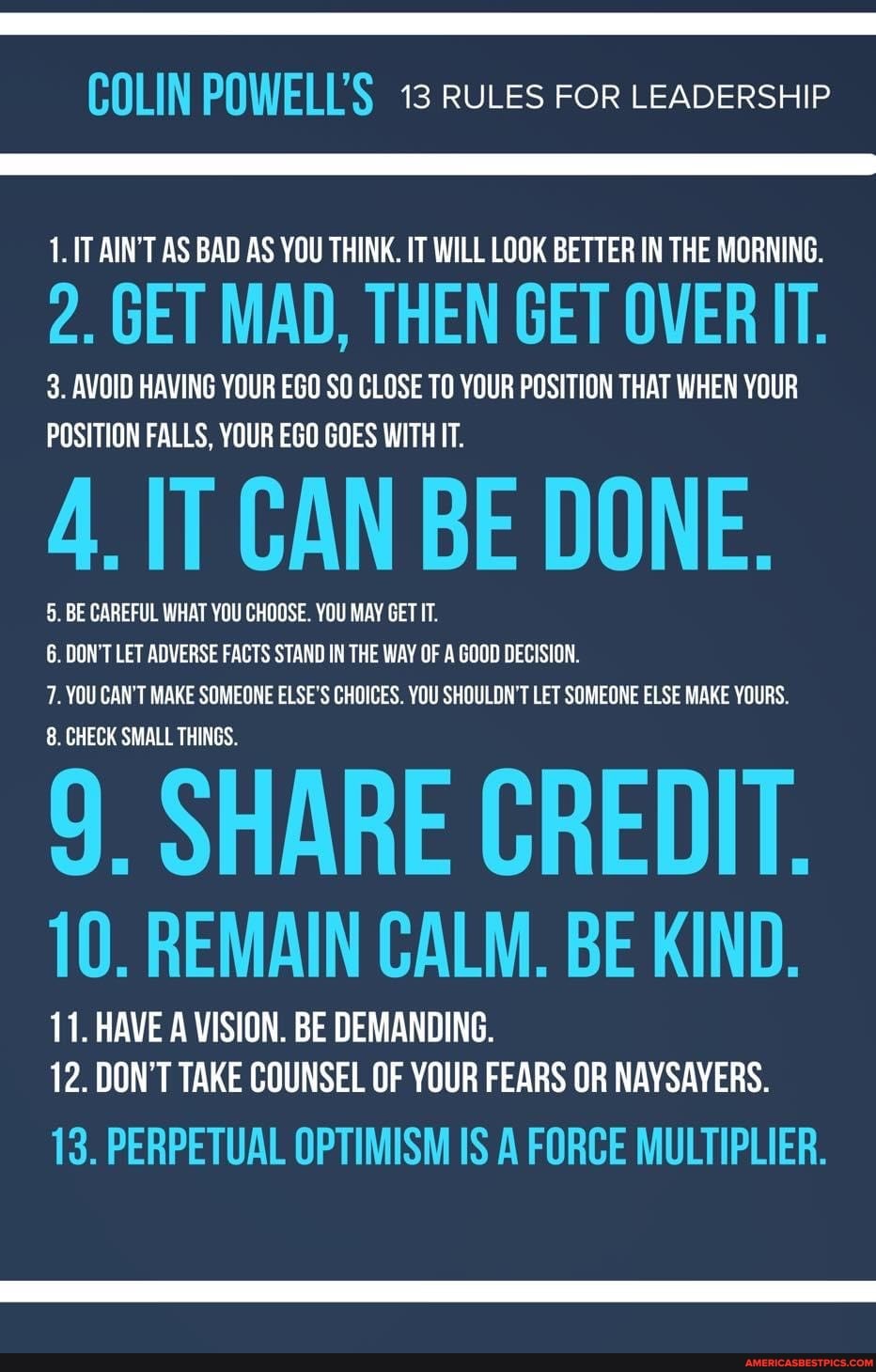
Colin Powell’s 13 Rules for Leadership

COLIN POWELL'S 13 RULES FoR LEADERSHIP 1. IT AIN'T AS BAD AS YOU THINK. IT

We Need Leaders

May be an image of 1 person and text that says 'Truth Inside Of You We need Leaders not in Love with Money, but in Love with Justice. Not in Love with Publicity, but in Love with Humanity. -Dr. Martin Luther King,Jr.'

In search of the “clinician strategist”

https://mailchi.mp/26f8e4c5cc02/the-weekly-gist-july-16-2021?e=d1e747d2d8

How to make figuring out what to propose simple - PropLibrary

We’ve been working with a CEO and his strategy team around their health system’s five-year strategic plan. It’s still early in development, and they’re considering some bold moves. Given that some of the ideas are disruptive, he astutely observed they needed to bring a clinical leader into the process before the strategy is fully developed, but he’s having trouble identifying the right physician to be part of the very small executive working group. 

We began listing the important attributes, creating a rough job description for a “clinician strategist”: the ability to consider clinical and operational implications but not get bogged down in details; bold, big-picture thinking and a willingness to take risks; strong communication and leadership skills.

As the list grew longer, we began to wonder if we were really telling the CEO to chase a unicorn. Some of the characteristics that typically make for an outstanding clinician—reliance on data and evidence, lower risk tolerance—might conflict with embracing disruptive change. Much of strategic decision making is about finding “80-20” compromises, while doctors often tend to get bogged down in detail (for good reason) and are quick to poke holes.

And our ideal physician strategist, out of a desire to safeguard patient care, might sometimes find that the strategy team isn’t adequately considering the ramifications for quality and safety. Finding a physician leader who also has the skills of a chief strategy officer is indeed a rare thing. It’s probably a better bet to identify early-career doctors who have the right mindset and an interest in strategy and help them develop their leadership skills over time. 

Regardless, this CEO’s instinct was correct. Bringing doctors into the strategy-setting process early is crucial, even if the perfect clinician strategist might prove difficult to find.