FDA ends emergency use authorization for hydroxychloroquine

https://www.axios.com/hydroxychloroquine-fda-ends-emergency-use-authorization-f5353a2c-115a-4a57-b8e2-360b735b4937.html?stream=health-care&utm_source=alert&utm_medium=email&utm_campaign=alerts_healthcare

FDA withdraws emergency use authorization for hydroxychloroquine ...

The FDA ended Monday its emergency use authorizations for two controversial drugs, hydroxychloroquine and chloroquine, as a potential coronavirus treatment.

Why it matters: Despite gaining President Trump’s adamant support and use, the drugs have failed in several clinical trials and have been found to possibly cause serious heart problems.

What they’re saying: The FDA said it believes the drugs “are unlikely to be effective in treating COVID-19” under the emergency use authorization.

  • It also said that “in light of ongoing serious cardiac adverse events and other serious side effects, the known and potential benefits of [the drugs] no longer outweigh the known and potential risks for the authorized use.”

Read the letter and memo regarding the revocation:


Cigna sues dozens of drugmakers in alleged price-fixing scheme

https://www.beckershospitalreview.com/pharmacy/cigna-sues-dozens-of-drugmakers-in-alleged-price-fixing-scheme.html?utm_medium=email

26 Generic Drugmakers Accused of Price-Fixing, 'Multibillion ...

Cigna, one of the country’s largest health insurers, filed a lawsuit this week accusing dozens of generic drugmakers of breaking national and state antitrust laws by fixing prices. 

The lawsuit, filed June 9 in a Pennsylvania district court, alleges the drugmakers conspired to fix, increase, stabilize or maintain prices of generic drugs, allocate customers and markets and rig bids for generic drugs in violation of federal and state antitrust and competition laws.

A similar lawsuit was filed by all 50 states June 10 accusing 26 drugmakers of a price-fixing scheme. 

Cigna wrote that the drugmakers orchestrated the conspiracy through secret communications and meetings. The scheme increased the drugmakers’ profits at the expense of many customers, including Cigna, the lawsuit alleges.

“This scheme to fix, increase, stabilize or maintain prices, allocate customers and markets, and rig bids for generic pharmaceutical drugs, and otherwise stifle competition caused, and continues to cause, significant harm to the United States healthcare system,” the lawsuit states.

Cigna is seeking damages incurred from overcharges it paid for generic drugs. 

Find the full lawsuit here.


Optum says payers should keep a close eye on these 3 drugs. Here’s why

https://www.fiercehealthcare.com/payer/optum-says-payers-should-keep-a-close-eye-these-3-drugs-here-s-why?mkt_tok=eyJpIjoiTXpReVptRTBOemxoWW1OaCIsInQiOiJcL0FZVXVvVmhwQWpxdFBoV1VKRjhON29CaWhLY3g2bXFhT0doXC9tWVFpWTd0blh3TEY3MTN0M3lsZEs3K002d0hLS25BNld4dlk0b3NhWDBYaUhWYkNTUGc5SVRlRjBEMERoS01kWlZER1hVMmhFTkczdTAzMDhxWWpIaWxORk1mIn0%3D&mrkid=959610

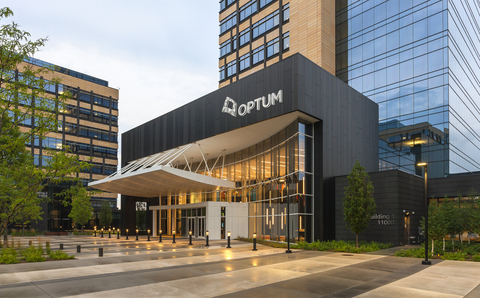
The outside of Optum's headquarters

OptumRx researchers are highlighting three more drug products that payers should be keeping an eye on in 2020. 

Experts said in the pharmacy benefit manager’s second-quarter drug pipeline report echoed expectations from the first quarter that orphan drugs will be a major trend to watch as the year continues. Sumit Dutta, M.D., chief medical officer at OptumRx, wrote in the report these drugs will likely account for close to 40% of Food and Drug Administration approvals this year. 

Dutta said Optum is seeing more drug manufacturers jump into developing orphan drug products, which are generally considered less appealing as their market—and thus financial value—is more limited. 

“What is new is that we now are starting to see the development of orphan drugs become more competitive, increasing the potential for reduced costs and broader patient accessibility,” he wrote.

In 2018, the FDA approved more orphan drugs than non-orphan drugs for the first time. Optum’s first-quarter report also noted that these products are often pricey, as they target specific conditions. On average, orphan drugs cost $147,000 or more per year.

Of the three products highlighted in the second-quarter report, two are orphan drugs. Here’s more on what Optum’s analysts think payers need to know:

1. Risdiplam

If the FDA gives risdiplam a thumbs-up, it would become the first oral therapy for spinal muscular atrophy (SMA), a rare group of severe neuromuscular disorders. SMA is one of the most common genetic causes for infant mortality and affects about 1 in 11,000 babies.

There are only two treatments for SMA that are currently approved by the FDA, meaning there’s a significant unmet need for therapies, particularly oral medications, Optum said. The other treatments available are Spinraza, which requires repeated spinal injections, and gene therapy Zolgensma, the world’s most expensive drug.

Risdiplam would be administered orally once a day, which would likely draw significant interest from patients and their families, according to the report.

“Practically speaking, the competitive advantage for risdiplam will rest mainly in its oral route of administration, and perhaps, a lower cost,” according to the report. 

The analysts did caution that risdiplam is still in clinical trials and while results are promising, long-term outcomes associated with the drug are unclear. 

2. Viltolarsen

Viltolarsen is in development to treat Duchenne muscular dystrophy (DMD), a rare genetic disease that impacts young boys. There is a large unmet need for drugs to treat DMD, Optum said in the report, as it’s linked with significant sickness and death.

About 6,000 people in the U.S. have this disease, according to the report.

Vitolarsen is an “exon-skipping” drug that “short circuits” the genetic mutations that cause DMD. If approved, it would be the third such drug for the disease, and the second targeting a specific mutation that affects about 8% of those with DMD.

The drug has only been tested in small sample sizes, and there are limited safety data available, according to the report. 

3. Trodelvy

Trodelvy, the brand name of an antibody-drug conjugate (ADC) therapy aimed at metastatic triple-negative breast cancer, was approved in April.  

Triple-negative breast cancers test negative for the three most common causes of cancer and are thus untreatable by many front-line therapies, though they are treatable by chemotherapy, according to the report. ADC products like Trodelvy combine genetically engineered antibodies and traditional chemotherapy drugs into one intravenous therapy.

Optum is highlighting Trodelvy as it expects ADC medications to be a trend to monitor in the near future, because they could be applied to conditions outside of oncology, according to the report.

“We can think of ADCs as a refinement or extension of precision medicine, which aims at maximizing therapeutic benefits while minimizing undesired side effects for an individual patient,” the researchers wrote. “As the field advances, we can look for new conjugate ‘payloads’ that will go far beyond hunting cancer cells.”

“Various manufacturers are exploring how to leverage the ADC approach to produce vaccines, radiological treatments, immunosuppressive, cardiovascular and more,” they wrote.


The pandemic isn’t hurting health care companies

https://www.axios.com/newsletters/axios-vitals-d0f987be-1f6b-4b4b-bcb6-0132dc0e7e3f.html?utm_source=newsletter&utm_medium=email&utm_campaign=newsletter_axiosvitals&stream=top

The pandemic isn't dampening Wall Street's view of health care - Axios

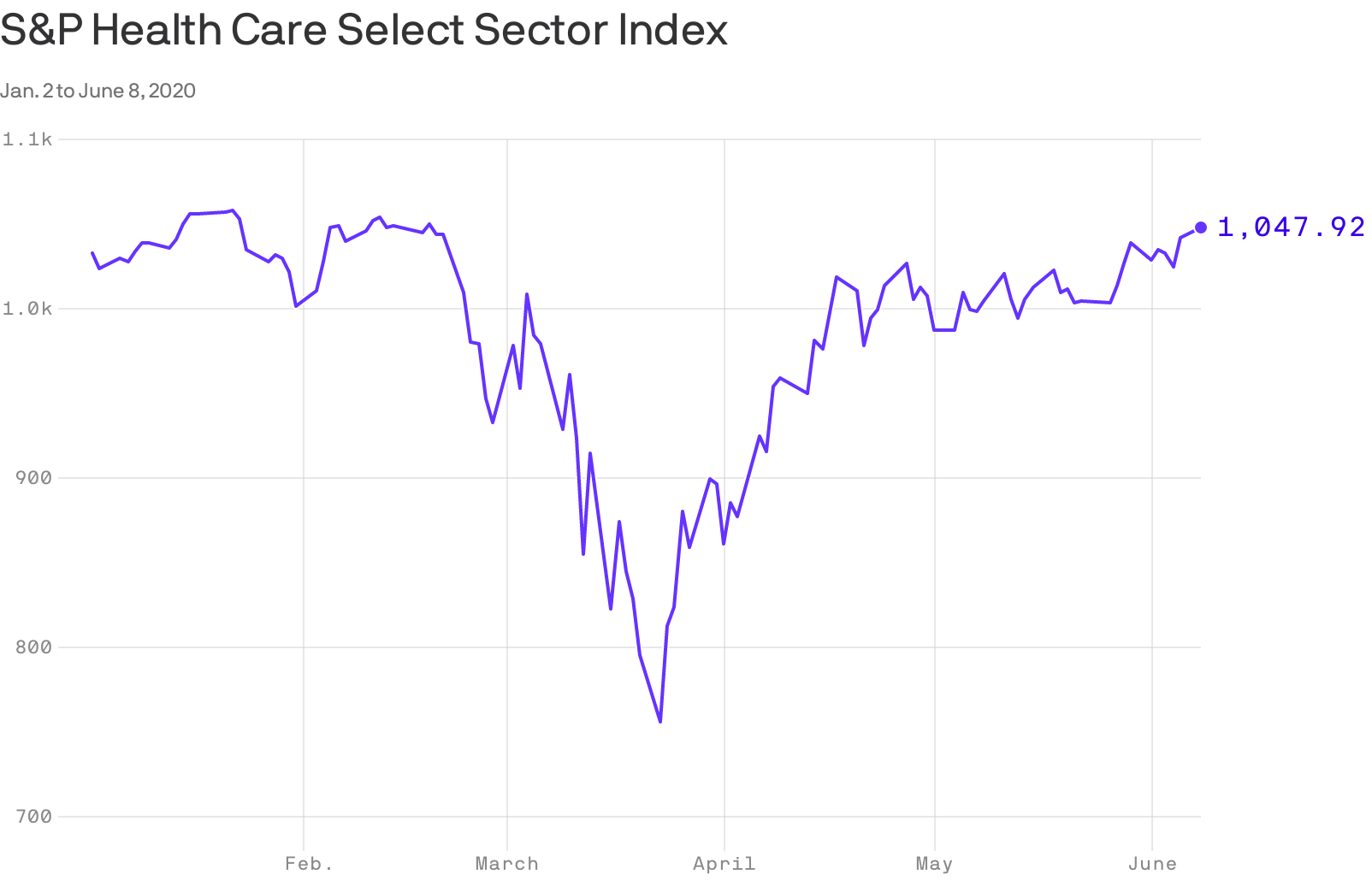
The S&P index of top health care companies finished Monday higher than where it opened the year, Axios’ Bob Herman reports.

The big picture: A global coronavirus pandemic, social unrest, mass unemployment, and the halting of medical procedures haven’t been enough to derail Wall Street’s rosy view of the health care industry.

Where things stand: The coronavirus started to affect the economy toward the tail end of the first quarter, but the health care industry was relatively unscathed.

  • Among the 109 publicly traded health care companies tracked by Axios, first-quarter profits exceeded $50 billion, good for a 7.4% net profit margin.
  • Pharmaceutical companies and health insurers generated the highest returns. Wall Street believes drug companies stand to benefit from potential coronavirus treatments or vaccines.
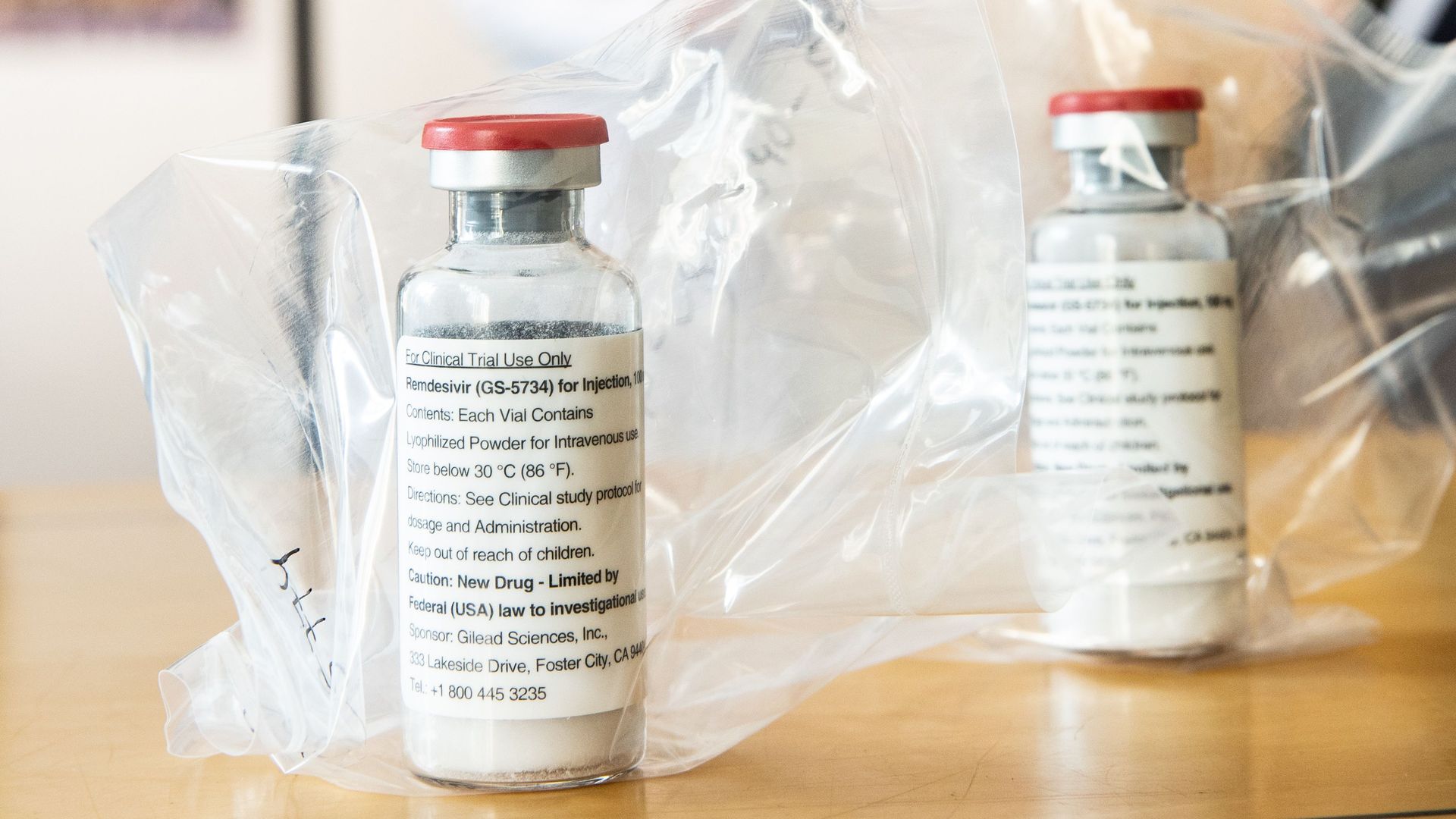
  • The stock price of Gilead Sciences, for example, is up 18% so far this year, partially on the assumption its coronavirus drug, remdesivir, will produce billions of dollars of revenue — even though the drug has showed only modest benefit for patients.

Between the lines: The second quarter likely will be worse, as the brunt of the coronavirus lockdown was felt in April and May. But normal operations have already started resuming for some health care sectors, regardless of the virus’ spread.


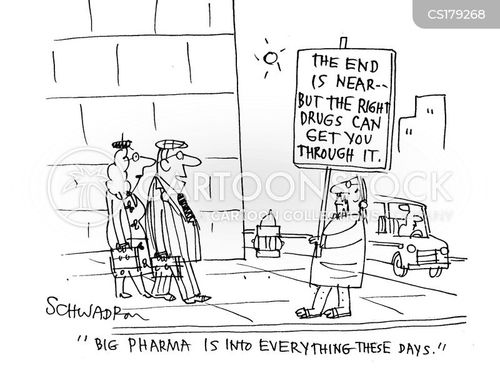
The Essence of Big Pharma


CVS Reaches Goal To Open 1,000 Coronavirus Test Sites

https://www.forbes.com/sites/brucejapsen/2020/05/28/cvs-hits-goal-to-open-1000–coronavirus-test-sites/?utm_source=newsletter&utm_medium=email&utm_campaign=news&utm_campaign=news&cdlcid=#529f289841b4

CVS Reaches Goal To Open 1,000 Coronavirus Test Sites

CVS Health Thursday said it is delivering as promised to open 1,000 testing locations for the Coronavirus strain Covid-19.

The scale of the openings comes more than two months after CVS, Walgreens Boots Alliance, Rite Aid, Walmart and other retailers pledged in White House meetings to use their thousands of locations, including parking lots to expand U.S. testing for COVID-19. In CVS Health’s case, the sites that will all be open Friday will use “self-swab tests” as part of a newer phase of testing by the giant drugstore chain.

“It’s no small feat to operationalize 1,000 test sites in weeks under trying circumstances, which is a credit to our employees and their unwavering commitment to being part of the solution,” CVS Health president and chief executive Larry Merlo said. “Our testing strategy will continue to evolve and make the most effective use of our resources as we work to help safely re-open the economy.”

CVS is hoping to dramatically ramp up testing by processing up to 1.5 million tests every month. Currently, CVS processes about 30,000 tests for COVID-19 a week in five states as part of a rollout that began several weeks ago with a focus on front-line healthcare workers and first responders.

“Since first offering COVID-19 testing at a pilot site outside a CVS Pharmacy in Shrewsbury, Mass., in mid-March, the company has performed nearly 200,000 tests nationwide,” the company said in a statement released Thursday.

CVS Health’s announcement should be welcome news for the Trump administration, which announced the participation of the retailers in March and has been vowing to provide access to COVID-19 testing to all Americans, but has been dogged by criticism.

Patients can register at CVS’ web site to get tested.


Administration Wants To Cut Back A Billion-Dollar Healthcare Program. Hospitals Say Now Is A Really Bad Time.

https://www.buzzfeednews.com/article/zoetillman/trump-medicare-cuts-hospitals-coronavirus-lawsuits?mkt_tok=eyJpIjoiTVRRd00yUmpZbUV3TVRVeiIsInQiOiJTZ0piR2wyRnBZOU5jR3N2TTNzd3Vrb040dHA5K0hVT0lQRm82YnFkVlNVVko4QlVRU0Z0SVVTQWxZUXJmWTZFTVBqaVh0N1JRWHFJTmg2dkNDb0hQTjBYYmxyUnphMEVGSmhwN0NJWUE3V0FFa2FIenJRZTJjWmliSWZKRVwvcU8ifQ%253D%253D

340B Drug Pricing Program: What Is it, How Does It Work?

The Trump administration has been fighting in court with public and nonprofit hospitals since 2017 over a plan to slash the reimbursement rates for drugs prescribed to Medicare patients.

In 2018, Park Ridge Health, a not-for-profit healthcare network in western North Carolina that serves a large population of lower-income patients, delayed plans to buy a new CT scanner for stroke patients.

The Trump administration had drastically scaled back a federal drug reimbursement program that benefitted public and not-for-profit hospitals. Park Ridge, now called AdventHealth Hendersonville, stood to lose $3.3 million per year, the hospital’s chief financial officer wrote in a court affidavit, and it wasn’t just the CT scanner on the line — that money went toward a variety of services for elderly and poor patients, including new cancer treatment facilities, women’s healthcare, and partnerships with nonprofits on issues like prescription drug abuse.

Park Ridge and other hospitals have been battling with the administration in court for three years over a plan to slash by nearly 30% the reimbursement rate that hospitals get for certain drugs prescribed to Medicare patients. The hospitals won the first round. The US Court of Appeals for the DC Circuit heard arguments in November and has yet to rule, and for now the cut is still in effect. In the meantime, the Centers for Medicare & Medicaid Services (CMS) is exploring another way to make the cut if they lose the case, over the objection of hospitals.

The litigation predates the coronavirus pandemic, but the stakes are higher as hospitals nationwide lose tens of billions of dollars weekly while nonessential services and elective surgeries are on hold because of the ongoing crisis.

“If [hospitals] lost that money now, it would make an already dire financial situation worse,” Lindsay Wiley, director of the Health Law and Policy Program at American University Washington College of Law, wrote in an email to BuzzFeed News.

Hospitals that serve a high proportion of lower-income patients can buy outpatient drugs at a discounted price through what’s known as the 340B program. Until 2017, these hospitals were reimbursed by the federal government for drugs prescribed to Medicare patients at a higher rate than the discounted price the hospitals paid.

The CMS announced in 2017 that it was slashing the reimbursement rate from 6% above the average price of the drugs to 22.5% below the average cost. The agency said the program gave hospitals an incentive to overprescribe drugs and cost patients more money, and shouldn’t provide a windfall to subsidize other services.

Hospitals that opposed the change argued that they had put money earned through the program — which can run in the millions of dollars for a hospital each year — into services for poor and underserved communities, as Congress intended.

The CMS estimated that cutting the reimbursement rate for the drugs would reduce the amount of money paid to hospitals by $1.6 billion in 2018 alone. Scaling back that funding would actually increase the rates paid by the government for other services for Medicare patients — the payment system has to be “budget neutral” — but Park Ridge and other hospitals that took the administration to court said they still expected net losses of millions of dollars.

Many hospitals that participate in the 340B program “are in the red to begin with,” said Maureen Testoni, president and CEO of 340B Health, a membership group for hospitals and health systems that participate.

“So on top of that, you add this pandemic and all the financial turmoil that this has caused,” Testoni said. The pandemic has highlighted “how critical [hospitals] are … and what an important role they play. And, financially, they’re not in a situation where they can play that role when they have this big financial reduction.”

While waiting for the DC Circuit to rule, the CMS is exploring ways to move forward with the rate cut even if it loses. Last month, the agency launched a survey to collect data from 340B hospitals that the CMS says would address the issues that led the lower court judge to rule against the government. Hospitals opposed the survey and asked the agency to at least delay it, saying they’d have to divert resources that are already stretched thin during the pandemic to respond.

“Now is not the time to distract hospitals’ attention from the vital job at hand to complete a CMS survey on drug acquisition costs. By launching the survey with no notice on April 24 and providing less than three weeks to respond, CMS is creating an unnecessary burden on hospitals at the worst possible moment,” Testoni wrote in a May 4 letter to the agency. The agency didn’t respond.

Representatives of hospitals involved in the lawsuits declined interview requests, citing the pending litigation. The American Hospital Association, a lead plaintiff, declined an interview request but sent a statement:

“The COVID-19 pandemic has created the greatest financial crisis in history for America’s hospitals and health systems, with our field losing over $50 billion each month. While it is too soon to have precise data on the full impact of this pandemic, the unlawful Medicare cuts that we are contesting in federal court have added significantly to the financial pressure all hospitals face,” the group said.

A spokesperson for the Department of Health and Human Services did not return a request for comment. In court, the Justice Department has argued that the district court judge lacked authority to review the rate cut at all, and that even if he could, the government had the power to bring the rate in line with what the available data showed hospitals were paying for the drugs.

“[O]vercompensation for some drugs or treatments means reduced payments for other drugs and treatments, and correcting overcompensation permits more equitable distribution of limited funds,” Justice Department lawyers argued in the government’s brief to the DC Circuit. “The result of bringing the Medicare payment amount for 340B drugs into alignment with average acquisition cost was therefore the redistribution of the anticipated $1.6 billion in savings, resulting in a 3.2% increase in the Medicare payment rates for non-drug items and services.”

Congress created the 340B program in 1992. Healthcare providers eligible for the program can buy outpatient drugs at discounted rates from pharmaceutical companies. When hospitals prescribe those drugs to patients covered by Medicare — the federal insurance program for people who are over the age of 65 or have disabilities — they submit claims to the government for reimbursement.

Starting in 2006, Congress gave the CMS two options to set the drug reimbursement rate. It could rely on what hospitals were actually paying to buy drugs if it had “statistically sound survey data” or, if that wasn’t available, the average sales price of the drugs. If the agency used the second, alternative option, Congress set a default rate: the average sales price plus 6%.

In the summer of 2017, the Trump administration announced a plan to change the rate. Under the new rule, the Medicare agency said it would pay the average sales price of drugs minus 22.5%. That rate would come closer to matching the discounted rate hospitals were paying through the 340B program, the agency said.

Hospitals don’t have to track or disclose how they use money saved through the program. Kelly Cleary, who spent three years as the chief legal officer for the CMS, said hospitals had provided examples of how they were using the funds to expand services into underserved areas and provide free or low-cost care.

“The money was going toward a purpose that was consistent with their mission,” said Cleary, who was involved in the CMS’s effort to change the rate and defend it in court. She returned to private practice last month as a partner at the law firm Akin Gump Strauss Hauer & Feld.

The chief financial officer for the Henry Ford Health System, which serves patients in Detroit and Jackson, Michigan, wrote in a court affidavit that even if the cut meant that reimbursement rates increased for other Medicare services, the hospital network still expected to lose around $8.5 million by the end of 2018 — money that had gone toward services for patients with low incomes, such as free and low-cost medications, a free community clinic, and mobile health units.

The margin between what the Henry Ford Health System paid for drugs through the 340B program and what it received back from Medicare helped hospitals in that network provide care for “underserved and indigent populations … that would otherwise be financially unsustainable,” the officer wrote.

In support of the rate cut, the CMS pointed to a 2015 report by the Government Accountability Office that showed hospitals participating in the program had an incentive to prescribe more drugs than hospitals that weren’t in the program, and that meant higher copayments for Medicare patients who were prescribed more drugs or higher-priced drugs. The agency concluded hospitals were receiving too much of a net financial benefit.

“While we recognize the intent of the 340B Program,” the agency wrote in a November 2017 notice in the Federal Register, “we believe it is inappropriate for Medicare to subsidize other activities.”

It’s a position that aligned the government with the pharmaceutical industry, which argued that some hospitals had abused the program. Drugmakers pointed out that even with a cut to the reimbursement rate, the healthcare providers would still get the benefit of discounted drugs. A representative of PhRMA, a membership group for the pharmaceutical industry, declined an interview request, but sent BuzzFeed News a copy of comments the group submitted in support of the cut.

“PhRMA is concerned that the 340B program continues to grow rapidly and without patient benefits, thus increasingly departing from its purpose and statutory boundaries,” the group wrote. “This growth in the 340B program creates market-distorting incentives that affect consumer prices for medicines, shift care to more expensive hospital settings, and accelerate provider market consolidation.”

Hospitals that supported the program, meanwhile, said the proposal punished providers who work with vulnerable patients, and they urged the CMS to focus its efforts instead on bringing down drug costs.

The agency disputed that the plan was punitive and said that “lowering the price of pharmaceuticals is a top priority” but was outside the scope of what it was considering at the time.


Hospitals and hospital associations began suing the administration shortly after the rule became final in November 2017. They argued that the CMS had come up with the new rate using a process that Congress hadn’t approved. The agency admitted that it didn’t have the “statistically sound” survey data on what hospitals were actually paying for the drugs — the first method Congress had laid out — so instead it used an estimate of average purchase costs compiled by the Medicare Payment Advisory Commission, an agency that advises Congress.

The problem with the government’s approach, the hospitals argued, was that Congress had said the CMS could either use survey data on purchase costs or the average sales price of the drugs, but not a hybrid of the two. Congress had given the CMS authority to “adjust” rates, but cutting the reimbursement rate by nearly 30% was more than just an adjustment, the hospitals said.

US District Judge Rudolph Contreras in Washington, DC, sided with the hospitals. In a December 2018 opinion, he wrote that the rate cut’s “magnitude and its wide applicability inexorably lead to the conclusion” that the agency had “fundamentally altered” what Congress had spelled out.

The judge stopped short of blocking the rule and ordering the government to reimburse hospitals for the difference between the previous rate and the CMS’s new, lower rate, however, writing that it was “likely to be highly disruptive.” He noted that the payment system had to stay budget neutral, which meant the money would need to come from another source, a “quagmire that may be impossible to navigate” given how much money the government paid out of Medicare each year. He asked for more briefing on what the agency should do to fix the problem, but that issue was put on hold as the administration took the case to the DC Circuit.

A three-judge DC Circuit panel heard arguments on Nov. 8 and has yet to release a decision. In the meantime, hospitals have continued to file lawsuits as their claims for reimbursement at the previous, higher rate are rejected; earlier this month, a hospital system in Jacksonville, Florida, which is part of the University of Florida, filed a new suit in federal court in Washington. And the CMS is going ahead with its survey over the objections from hospitals.

“The pandemic amplifies the significance of this policy, but the fact remains that there were winners and losers with the policy and it’s always going to be a zero-sum game,” Cleary said. “If the court rules against the agency and the agency is forced to walk back the policy, that stands to negatively impact thousands of hospitals.”

Wiley, of American University, told BuzzFeed News that even before the pandemic, the fight over the 340B program highlighted how hospitals and drugmakers were “actively throwing each other under the bus” in the broader debate about who was to blame for the high cost of prescription drugs and what the federal government should do about it.

“Which stakeholders voters perceive to be the heroes of the pandemic response could affect health reform and reimbursement politics for years to come,” she wrote.


Why Gilead’s coronavirus drug is not a “silver bullet”

https://www.axios.com/newsletters/axios-vitals-d589549c-1967-44b1-af0b-528fb345c48b.html?utm_source=newsletter&utm_medium=email&utm_campaign=newsletter_axiosvitals&stream=top

Why Gilead's coronavirus drug is not a "silver bullet" - Axios

If you feel like you’re suffering whiplash from the new, conflicting study data on Gilead Sciences’ experimental coronavirus drug, remdesivir, you’re not alone.

The big picture: Remdesivir could provide some help and lay the groundwork for more research, but this drug on its own does not appear to be any kind of “cure” for the novel coronavirus, Axios’ Bob Herman reports.

What’s happening: Remdesivir helped coronavirus patients get out of the hospital modestly quicker, based on early reads of an important and rigorously designed trial run by the National Institutes of Health,

  • That could be encouraging for those who get sick.

Yes, but: Analysts and experts were cautious about drawing too many conclusions without the full data from NIH — especially considering the primary outcome was changed mid-trial, and a separate randomized trial concluded remdesivir does little, if anything, to combat the virus.

  • “Remdesivir is a real drug for COVID … but again, not a silver bullet,” Umer Raffat, a pharmaceutical analyst at Evercore ISI, wrote to investors on Wednesday.
  • And because the drug has limited efficacy and likely works best before the infection gets too serious, “its availability is not going to move the needle on social distancing relaxation,” tweeted Peter Bach, a physician and drug researcher at Memorial Sloan Kettering.

The bottom line: This near-constant back-and-forth over remdesivir reinforces how strong the science and data need to be for any treatment, or for the world’s best hope: a vaccine.


Gilead says critical study of Covid-19 drug shows patients are responding to treatment

Critical study of Gilead’s Covid-19 drug shows patients are responding to treatment, NIH says

Gilead: Critical study of Covid-19 drug shows patients respond to ...

A government-run study of Gilead’s remdesivir, perhaps the most closely watched experimental drug to treat the novel coronavirus, showed that the medicine is effective against Covid-19, the disease caused by the virus.

Gilead made the announcement in a statement Wednesday, stating: “We understand that the trial has met its primary endpoint.” The company said that the National Institute of Allergy and Infectious Diseases, which is conducting the study, will provide data at an upcoming briefing.

The finding — although difficult to fully characterize without any data for the study — would represent the first treatment shown to improve outcomes in patients infected with the virus that put the global economy in a standstill and killed at least 218,000 people worldwide.

Over the past few weeks, there have been conflicting reports about the potential benefit of remdesivir, a drug that was previously tried in Ebola. As previously reported by STAT, an early peek at Gilead’s study in severe Covid-19 patients, based on data from a trial at a Chicago hospital, suggested patients were doing better than expected on remdesivir. Days later, a summary of results from a study in China showed that patients on the drug did not improve more than those in a control group.

Full results from the China study were also released Wednesday.

But the NIAID study, which was not expected to be released so soon, was by far the most important and rigorously designed test of remdesivir in Covid-19. The study compared remdesivir to placebo in 800 patients, with neither patients nor physicians knowing who got the drug instead of a placebo, meaning that unconscious biases will not affect the conclusions.

The main goal of the study is the time until patients improve, with different measures of improvement depending on how sick they were to begin with. While the result means that the drug helps patients improve faster, it is not possible to say how dramatic those improvements are.

Scott Gottlieb, the former commissioner of the Food and Drug Administration, said he expected there was enough evidence for the agency to issue an “emergency use authorization” for remdesivir.

“Remdesivir isn’t a home run but looks active and can be part of a toolbox of drugs and diagnostics that substantially lower our risk heading into the fall,” he said.

The FDA previously issued an emergency authorization for the malaria drug hydroxychloroquine to treat Covid-19, even though at least some studies suggesting the medicine was not effective. “If hydroxychloroquine met [the emergency] standard, then remdesivir would have seemed to cross that line a while ago, especially in the setting of treating critically ill patients,” Gottlieb said.

Remdesivir, which must be given intravenously, is likely to remain a treatment for patients who are hospitalized. But it is also likely that it will be most effective in patients who have been infected more recently, said Nahid Bhadelia, medical director of the special pathogens unit at Boston Medical Center.

“We know that with most antiviral medications the earlier you give it the better it is.” said Bhadelia, who had experience giving remdesivir as an experimental treatment for Ebola in Africa, where results are less encouraging. That means that better diagnostic testing will be essential to identifying patients who could benefit. “What will be important is that we find people on the outpatient side,” Bhadelia said. “Again, testing becomes important, we want to have them come to the hospital as soon as possible. “

Gilead also released results Wednesday from its own study of remdesivir in patients with severe Covid-19. This study showed similar rates of clinical improvement in patients treated with a five-day and 10-day course of remdesivir, the company said.

“Unlike traditional drug development, we are attempting to evaluate an investigational agent alongside an evolving global pandemic. Multiple concurrent studies are helping inform whether remdesivir is a safe and effective treatment for COVID-19 and how to best utilize the drug,” said Merdad Parsey, MD, PhD, Chief Medical Officer, Gilead Sciences, in a prepared statement.

Gilead said that its own study in severe patients showed that it may be possible to treat patients with a five-day treatment of remdesivir, not the 10-day course that was used in the NIAID trial.

The company’s study is enrolling approximately 6,000 participants from 152 different clinical trial sites all over the world. The data disclosed Thursday are from 397 patients, with a statistical comparison of patient improvement between the two remdesivir treatment arms — the five-day and 10-day treatment course. Improvement was measured using a seven-point numerical scale that encompasses death (at worst) and discharge from hospital (best outcome), with various degrees of supplemental oxygen and intubation in between.

The study design means that by itself it doesn’t reveal much about how well remdesivir is working, because there is no group of patients who were not treated with the drug. The conclusion is that the two durations of treatment are basically the same.

Peter Bach, the director of the Center for Health Policy and Outcomes at Memorial Sloan Kettering Medical Center, said he is eager to see the data from the NIAID study but renewed his criticism of Gilead’s severe study for lacking a control group of untreated patients. That would have allowed researchers to make important conclusions about how the drug works that are just not possible now, he said.

“They’ve squandered an unbelievable opportunity,” Bach said. “It’s not going to tell us what to do with 80-year-olds with multiple comorbidities compared to 30-year-olds who are otherwise healthy. We’re still going to be foundering around in the dark, or at least in a dim room, when we could have learned more.”

In the study, the median time to clinical improvement was 10 days in the five-day treatment group and 11 days in the 10-day treatment group. More than half of the patients in both groups were discharged from the hospital by day 14. At day 14, 64.5% of the patients in the five-day group and 53.8% of the patients in the 10-day group achieved clinical recovery.

Patients in the trial generally lived, though this may be because their illness was not that severe to begin with. For most of the study, patients already on ventilators were not enrolled.

Eight percent of the patients treated with five days of remdesivir died, compared to 11% of the patients treated for 10 days. Outside of Italy, where 77 patients were treated, the overall mortality rate across the entire study was 7%, Gilead said. Those mortality rates are lower than those seen in other studies, which have been in the teens and twenties.

Only 5% of patients in the five-day group and 10% in the 10-day group had side effects that led to a discontinuation. The most common bad effects — and it’s impossible to tell which were from the drug — were nausea and acute respiratory failure. High liver enzymes occurred in 7.3 percent of patients, with 3 percent of patients discontinuing the drug due to elevated liver tests.

A full evaluation of the results will have to wait until complete data are available.

In the China study, also published Wednesday in The Lancet, investigators found that remdesivir “did not significantly improve the time to clinical improvement, mortality, or time to clearance of virus in patients with serious COVID-19 compared with placebo.”

There was a 23% improvement in time to clinical improvement for remdesivir compared to placebo, but the difference was not statistically significant. At the median, remdesivir-treated patients improved in 20 days compared to 23 days for placebo patients. At one month, 14% of the remdesivir patients had died compared to 13% of the placebo-treated patients.

The China study enrolled patients with more severe Covid-19 than the study conducted by NIAID. The China study was also stopped early because of difficulties enrolling patients as the pandemic waned in China.