Pressure points: 5 ways the shutdown could end

Congress on Wednesday enters the eighth day of the federal shutdown with neither party giving an inch and the path to a resolution nowhere in sight. 

But something will have to give if lawmakers hope to reopen the government in any timely fashion, and that movement will likely be the result of external forces exerting pressure on one party — or both of them — to break the deadlock.

That’s been the case in the protracted shutdowns of years past, when a number of outside factors — from economic sirens to public frustration — have combined to compel lawmakers to cede ground and carry their policy battles to another day.

Public sentiment

Among the most recycled quotes on Capitol Hill is attributed to Abraham Lincoln: “Public sentiment is everything.” The trouble, in these early stages of the shutdown fight, is that the verdict is still out on where that sentiment will land.

That uncertainty has led both parties to dig in while they await more concrete evidence of which side is bearing the brunt of the blame. But those polls are coming, and if history is any indication, they will be a potent factor in forcing at least one side to shift positions for the sake of ending the shutdown. 

That was the case in 2013, when Republicans demanding a repeal of ObamaCare saw their approval ratings plummet — and dropped their campaign after 16 days without winning any concessions. A similar dynamic governed the shutdown of 2018 and 2019 — the longest in history — when Republicans agreed to reopen the government without securing the border wall money they’d insisted upon. 

A recent CBS poll found that 39 percent of voters blame Trump and Republicans for the shutdown; 30 percent blame congressional Democrats; and 31 percent blame both parties equally. 

Harvard/Harris poll also showed that more respondents blame Republicans, 53 to 47 percent, but nearly two-thirds believe Democrats should accept the GOP’s stopgap funding bill without a fix for the expiring Affordable Care Act premium subsidies.

The ambiguity of those sentiments has heightened the partisan blame game — and has given both sides an incentive to hold the line until a clearer picture emerges. 

Air traffic controller issues

It was nearly seven years ago that the 35-day shutdown ended after travel chaos and short-staffing of air traffic controllers brought immense strain on the aviation sector — and trouble is already starting up again. 

An uptick of air traffic controllers calling in sick Monday forced numerous flight delays and cancellations, prompting concerns that a reprisal of what happened in 2019 could be starting up again. 

“We should all be worried,” said Sen. Mike Rounds (R-S.D.), who was part of informal rank-and-file talks last week about a possible resolution.

Transportation Security Administration workers and air traffic controllers are all considered essential workers, with the Department of Transportation announcing more than 13,000 controllers are set to work without pay during this shutdown.

Those calling in sick prompted delays at numerous big airports, including Denver International Airport and Newark Liberty International Airport. The Hollywood Burbank Airport went without any air traffic controller on-site for nearly six hours Monday. 

Just like the record-setting 2019 shutdown, Democrats are counting on this issue creating problems for Trump and Republicans. Sen. Chris Van Hollen (D-Md.) told reporters that he and other local officials are holding a press event at Baltimore/Washington International Thurgood Marshall Airport on Wednesday to highlight the rising issue.

“It had a direct impact on people’s abilities to get around the country,” Van Hollen said of the 2019 shutdown issue. “Donald Trump shut down the government in his first term, and he needs to end the shutdown he ended in the second term.”

Frozen paychecks

The central, defining factor of any shutdown is the scaling back of federal services and the siloing of hundreds of thousands of federal employees. Some of those workers are deemed “essential,” meaning they still have to come to work, while others are furloughed, meaning they’ll stay at home. But both groups share the unenviable position of not being paid until the government reopens.

That reality will hit home Oct. 10, when the first round of federal paychecks will fail to go out. The most immediate impact, of course, is on those workers and their families, who will have to find alternative ways to pay bills and make ends meet. 

But the pain will also reverberate through the broader economy, as federal workers stay at home and avoid the types of routine daily purchases — lunches, cabs, haircuts — that can make local economies hum. 

The numbers are enormous. 

The White House Council of Economic Advisers has estimated that every week of the shutdown will reduce the nation’s gross domestic product by $15 billion. 

“This is resulting in crippling economic losses right now,” Speaker Mike Johnson (R-La.) warned Tuesday. “A monthlong shutdown would mean not just 750,000 federal civilian employees furloughed right now, but an additional 43,000 more unemployed Americans across the economy, because that is the effect, the ripple effect, that it has in the private sector.”

In a typical shutdown, furloughed workers receive back pay for the days lost during the impasse, providing a delayed bump in economic activity. But even that customary practice is now in question in the face of a threat from Trump’s budget office to withhold back pay for certain workers. Others, Trump has said, will be fired altogether.

The combination is sure to exacerbate a volatile economy that’s already been roiled by declining consumer confidence, sinking job creation and Trump’s tariffs. Whichever party suffers the blame for the economic strain will come under the most pressure to cave in the shutdown fight. 

Military paychecks

Pay for members of the military has been a constant talking point in past shutdowns, and that’s no different this go-around.

Military service members could miss their paychecks Oct. 15, a date front and center for lawmakers.

Johnson huddled with Senate Republicans on Tuesday during their weekly policy luncheon and told reporters afterward that he is considering having the House vote on a bill to pay troops. 

“I’m certainly open to that. We’ve done it in the past. We want to make sure our troops are paid,” Johnson said, noting one GOP member has filed legislation aimed at doing that. “We’re looking forward to processing all of this as soon as we gather everybody back up.” 

The Speaker added that the shutdown would need to end by Monday in order to process the paychecks by Oct. 15.

One problem for Johnson, though, is that the House is not slated to return until Monday at the earliest, and he has indicated that he will keep the chamber out of session until the shutdown is over.

Democrats indicated they are also worried about those impacts, but say Johnson has bigger fish to fry. 

“I’m concerned about all the impacts of a shutdown. … There’s a lot of impacts of a shutdown,” Sen. Chris Murphy (D-Conn.) said. “How on earth does Mike Johnson say anything with a straight face right now when he won’t even bring his members here to vote on anything? How does he know what he can deliver if his members aren’t even here?” 

“It’s not worth listening to anything the Speaker says until he tells his people to get back and show up for work.”

Health care factors

Democrats have made health care the lynchpin of their opposition to the Republicans’ short-term spending bill, demanding a permanent extension of enhanced Affordable Care Act (ACA) subsidies set to expire at the end of the year.

Citing that expiration date, GOP leaders have refused to negotiate on the issue as part of the current debate, saying there’s time to have that discussion after the government opens up.

“That’s a Dec. 31 issue,” Johnson told reporters Tuesday.

But there are several related factors that will surface long before Jan. 1, and they could put pressure on GOP leaders to reconsider their position in the coming weeks.

For one thing, private insurance companies that sponsor plans on the ObamaCare marketplace are already sending out rate notices to inform patients of next year’s costs. Those rates are crunched based on current law — not predictions about what Congress might do later — meaning they’re being calculated under the assumption that the enhanced subsidies, which were established during the COVID-19 pandemic, will expire Jan. 1.

That distinction is enormous: If Congress doesn’t act, the average out-of-pocket premium for patients enrolled in ObamaCare marketplace plans would jump by 75 percent, according to KFF. Those are the figures patients are already getting in the mail. And faced with drastically higher rates, many are likely to buy lesser coverage next year — or no coverage at all.

Adding to the time squeeze, the ACA’s open enrollment period begins Nov. 1, meaning patients will begin making their decisions long before GOP leaders say they’re ready to act.

“Insurers aren’t waiting around to set rates for next year,” Senate Minority Leader Chuck Schumer (D-N.Y.) warned this week. “They’re doing it right now — not three months from now.”
How The Shutdown Impacts Healthcare

https://www.forbes.com/sites/innovationrx/2025/10/08/how-the-shutdown-impacts-healthcare/

Hospitals and health systems across the country are telling some Medicare and Medicaid patients that they can’t schedule telehealth appointments due to the federal government’s shutdown, now heading into its second week. That’s because Medicare reimbursement for telehealth expired on September 30, leaving health systems with the choice of pausing such visits or keeping them going in hopes of retroactive reimbursement after the shutdown ends.

Reimbursement for the Hospital at Home program, which allows patients to receive care without being admitted to a hospital, also lapsed with the shutdown. That led to providers scrambling to discharge patients under the program or admit them to a hospital. Mayo Clinic, for example, had to move around 30 patients from their homes in Arizona, Florida and Wisconsin to its facilities.

At issue in the government shutdown is healthcare, specifically tax credits for middle- and lower-income Americans that enable them to afford health insurance on the federal exchanges set up by the Affordable Care Act. Democrats want to extend those tax credits, which are set to expire at the end of the year, while Republicans want to reopen the government first and then negotiate about the tax credits in a final budget.

The impasse has prevented the Senate from overcoming a filibuster, despite a Republican majority. Around 24 million Americans get their health insurance through the ACA, and the loss of tax credits will cause their premiums to rise an average of 75%–and as high as 90% in rural areas–and likely cause at least 4 million people to lose coverage entirely.

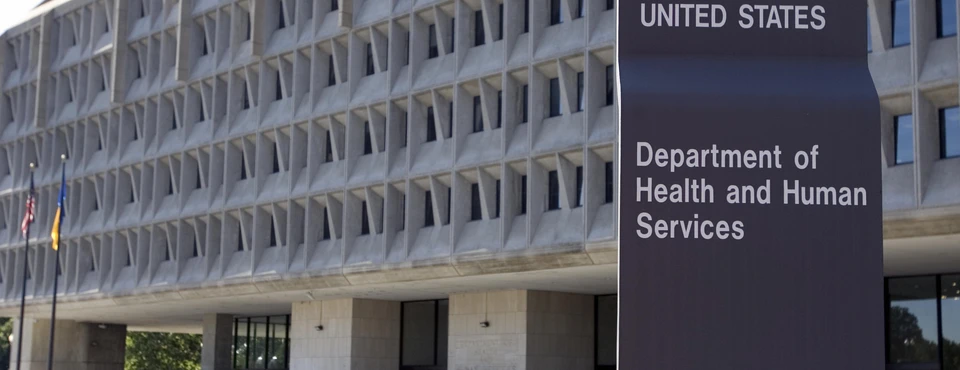
The government’s closure has reverberated through its operations in healthcare. The Department of Health and Human Services has furloughed some 41% of its staff, making it harder to run oversight operations. CDC’s lack of staff will hinder surveillance of public health threats. And FDA won’t accept any new drug applications until funding is restored.

When the government might reopen remains unclear. Most shutdowns are relatively brief, but the longest one, which lasted 35 days, came during Donald Trump’s first term. Senate majority leader John Thune, R-S.D., and Speaker of the House Mike Johnson, R-La., have both said they won’t negotiate with Democrats, and the House won’t meet again until October 14. Bettors on Polymarket currently expect it to last until at least October 15. Pressure on Congress will increase after that date because there won’t be funds available to pay active military members.

July 2025 Actions are the Turning Point for U.S. Healthcare

July 2025 will be the month U.S. healthcare leaders recognize as the industry’s modern turning point. Consider…

  • On July 4, the One Big Beautiful Bill Act was signed into law setting in motion $960 billion in Medicaid cuts over the decade and massive uncertainty among those most adversely impacted—low income and under-served populations dependent on public programs, 8 to 11 million who used now-suspended marketplace subsidies to buy insurance coverage, and hundreds of state and local health agencies left in funding limbo.
  • On July 15, the Bureau of Labor Statistics reported the June Consumer Price Index rose .3% bumping the LTM to 2.7% (lower than LTM of 3.4% for medical services). Prices have edged up.
  • On July 31, President Trump issued an Executive Order to 17 drug companies ordering them to reduce prices on their drugs by September 29 or else. And CMS issued final rules for FY2026 Medicare payments to hospitals, rehab and other providers reflecting increases ranging from 2.5-3.3% effective October 1.
  • And on the same day, the Bureau of Labor issued its July 2025 jobs report that showed a disappointing net gain of 73,000 jobs plus downward revisions for May and June of 258,000 sparking Wall Street anxiety and President Trump to call the results “rigged” before firing BLS head Erika McEntarfer. Note: healthcare added 55,000 in July—the biggest of any sector and more than its 42,000 average monthly increase.

Collectively, these actions reflect rejection of the health industry by the GOP-led Congress.

It follows 15 years of support vis a vis the Affordable Care Act (2010) and pandemic recovery emergency funding (2020-2021). In that 15-year period, the bigger players got bigger in each sector, investment of private equity in each sector became more prevalent, costs increased, affordability for consumers and employers decreased, and the public’s overall satisfaction with the health system declined precipitously.

For the four major players in the system, the passage of the “big, beautiful bill” was a disappointment. Their primary concerns were not addressed:

  • Physicians wanted relief from annual payment cuts by Medicare preferring reimbursement tied directly to medical inflation. And insurer’ prior authorization and provider reimbursement was a top issue. Status: Not much has changed though adjustments are promised.
  • Hospitals wanted continuation of federal Medicaid funding, protection of the 340B drug purchasing program, rejection of site-neutral payment policies, higher Medicare reimbursement and relief from insurer prior authorization frustrations. Status: Medicaid funding is being cut forcing the issue for states. CMS payment increases for 2026 are lower than operating cost increases. Insurers have promised prior-auth relief but details about how and when are unknown. And Congress posture toward hospitals seems harsh: price transparency compliance, safety event reporting, and cost concerns are bipartisan issues.
  • Insurers wanted sustained funding for state Medicaid and Medicare Advantage programs and federal pushback against drug prices and hospital consolidation. Status: Congress appears sympathetic to enrollee complaints and anxious to address insurer “waste, fraud and abuse” including overpayments in Medicare Advantage.
  • Drug companies oppose “Most Favored Nation” pricing and want protections of their patents and limits on how much insurers, pharmacy benefits managers, wholesalers, online distributors and other “middlemen” earn at their expense. Status: to date, little action despite sympathetic rhetoric by lawmakers. Status: to date, Congress has taken nominal action beyond the Inflation Reduction Act (2022) though 23 states have passed legislation requiring PBMs, insurers and manufacturers to disclose drug prices and 12 states have established Prescription Drug Affordability Boards to monitor prices.

My take:

The landscape for U.S. healthcare is fundamentally changed as a result of the July actions noted above. It is compounded by public anxiety about the economy at home and global tensions abroad.

These July actions were a turning point for the industry: responding appropriately will require fresh ideas and statesmanship. Transparency about prices, costs, incentives and performance is table stakes. Leaders dedicated to the greater good will be the difference.

The U.S. Anxiety Pandemic

The U.S. bombing of Iran’s nuclear capability is unsettling: whether MAGA or not, hawk or dove, young or old, conservative or liberal, rich or poor—it matters.

Stability at home and abroad is utopian to some but desired by all. Pandemics, mass violence, natural disasters and even election results contribute to instability and lend to insecurity. Operation Midnight Hammer might contribute to the nation’s anxiety—time will tell.

The immediate aftermath of the bunker-bombings in Iran will involve two orchestrated campaigns by government officials:

  • The Campaign to Contain Middle East Tension: military, diplomatic and economic levers will be put to the test to limit escalation of the bombing and limit its consequence to the region.
  • The Campaign to Win Public Support: issues of consequence like military intervention ultimately depend on public opinion that support laws, funding and subsequent actions taken in response. History teaches and political leaders understand that ‘winning the hearts and minds’ of the public is necessary to success. Predictably, justification for Operation Midnight Hammer will be messaged loudly by supporters and challenged by critics.

For the moment, the news cycle will shift to foreign policy and away from tariffs, inflation, household prices and the “Big Beautiful Budget Bill” which the Senate Republicans hope to bring to the floor this week. News media will speculate about the after-effects of the Israeli-Iran bombing and what role the U.S. plays in an increasingly complicated geopolitical landscape marked by marked by armed conflicts Gaza, Ukraine, Myanmar, Yemen and 26 and other countries.

The attention these get in traditional media and social media channels will exacerbate public anxiety that’s already high: 19% U.S. adults and 40% of the country’s adolescents suffer from anxiety disorder: “a persistent, excessive fear or worry that interferes with daily life and functioning”. But, per the National Institute of Mental Health, fewer than a third suffering from severe anxiety receive professional treatment.

In the public health community, much is known about anxiety: it’s more prevalent among women than men, in minority populations, lower income populations and in the Southeast. It’s significant across all age groups, and at an alarming level among young working-class adults facing unique issues like affordability and job insecurity.  And it is stigmatized in certain communities (i.e. certain fundamentalist religious sects, certain ethnic communities) lending to silent suffering and unattended consequences.

My take:

Operation Midnight Hammer came at a time of widespread public anxiety about the economy, tariffs, inflation, costs of living and political division. I will let pundits debate the advisability and timing of the bunker-bombing but I know one thing for sure: mental health issues—including anxiety, mood and substance abuse disorders– deserve more support from policymakers and more attention by the healthcare community.

  • The former requires local, state and federal lawmakers to revisit and enforce mental health parity laws already on the books but rarely enforced.
  • The latter requires the healthcare community to elevate behavioral health to a national priority alongside obesity, heart disease, cancer and aging to secure the public’s health and avoid unintended consequences of neglect.

Regrettably, the issue is not new. Employers, school systems, religious organizations and local public health agencies have been mental health default safety values to date; extreme have been temporarily shuffled to in hospital emergency rooms most ill-equipped to manage them. But systematic, community-wide, evidence-based help for those in need of mental health remains beyond their reach.

The Trump administration’s healthcare leaders under HHS’ Kennedy and CMS’ Oz espouse the U.S. healthcare system should prioritize chronic disease and preventive health. They believe its proficiency in specialty care is, in part, the result of lucrative incentives that reward providers and their financial backers handsomely in these areas.

In the President’s February 13 Executive Order establishing the Make America Healthy Again Commission, its goal was laid out:

“To fully address the growing health crisis in America, we must re-direct our national focus, in the public and private sectors, toward understanding and drastically lowering chronic disease rates and ending childhood chronic disease.  This includes fresh thinking on nutrition, physical activity, healthy lifestyles, over-reliance on medication and treatments, the effects of new technological habits, environmental impacts, and food and drug quality and safety…  We must ensure our healthcare system promotes health rather than just managing disease.”

Nothing could be more timely and necessary to the Commission’s work than addressing mass anxiety and mental health as a national priority. And nothing is more urgently needed in communities than mainstreaming anxiety and mental health into the systems of health that accept full risk for whole person health.

PS: Before Operation Midnight Hammer over the weekend, I had prepared today’s report focused on two government reports about the long-term solvency of the Medicaid and Medicare programs. Given the gravity of events in Israel and Iran and other hot spots, and after discussions with my family and friends this weekend, it became clear public anxiety is high.

I am concerned about the future and worry about the health system’s response. It’s composed of good people doing worthwhile work who are worried about the future.  I recently spoke to a group on the theme (link below): ‘the future for healthcare is not a repeat of its past.’ That lends to anxiety unless accompanied by a vision for a better future. That’s what all hope for those in Iran, Gaza, Israel and beyond, and for all who serve in our industry.

Moodys Downgrades US Credit Rating

https://finance.yahoo.com/news/moodys-downgrades-us-aa1-rating-204908886.html

Moody’s on Friday downgraded its credit rating of the United States by a notch to “Aa1” from “Aaa”, citing rising debt and interest “that are significantly higher than similarly rated sovereigns.”

The rating agency had been the last among major ratings agencies to keep a top, triple-A rating for U.S. sovereign debt, though it had lowered its outlook in late 2023 due to wider fiscal deficit and higher interest payments.

“Successive US administrations and Congress have failed to agree on measures to reverse the trend of large annual fiscal deficits and growing interest costs,” Moody’s said on Friday, as it changed its outlook on the U.S. to “stable” from “negative.”

Since his return to the White House on January 20, President Donald Trump has pledged to balance the U.S. budget while his Treasury Secretary, Scott Bessent, has repeatedly said the current administration aims to lower U.S. government funding costs.

The administration’s mix of revenue-generating tariffs and spending cuts through Elon Musk’s Department of Government Efficiency have highlighted a keen awareness of the risks posed by mounting government debt, which, if unchecked, could trigger a bond market rout and hinder the administration’s ability to pursue its agenda.

The downgrade comes as Trump’s sweeping tax bill failed to clear a key procedural hurdle on Friday, as hardline Republicans demanding deeper spending cuts blocked the measure in a rare political setback for the Republican president in Congress.

“We do not believe that material multi-year reductions in mandatory spending and deficits will result from current fiscal proposals under consideration,” Moody’s said, while forecasting federal debt burden to rise to about 134% of GDP by 2035, compared with 98% in 2024.

The cut follows a downgrade by rival Fitch, which in August 2023 also cut the U.S. sovereign rating by one notch, citing expected fiscal deterioration and repeated down-to-the-wire debt ceiling negotiations that threaten the government’s ability to pay its bills.

American Health Insurance Diddy

there’s an office in a building

and a person in a chair

and you paid for em both

though you may be unaware

you paid for the paper

you paid for the phone

you paid for everything they need

to deny u wut yer owed

there aint no u in united health

there aint no me in the company

there aint no us in the private trust

there’s hardly humans in humanity

no the procedure that yer needing

aint the cost effective route

and only two percent of people end up winnin a dispute

so if u get sick

pray to god for help

cause yer doctor’s gotta pray thru

united health

waay back in 70 and 7

mr richard t burke

started buyin hmo’s

puttin federal grants to work

made 50 billion buckaroos

last yr

the warren buffet of health

the jeff bezos of fear

now ceo’s come and go

and one jus went

the ingredients ya got

bake the cake ya get

but if u get sick

cross yer fingers fer luck

cus ole richard t burke

aint givin a fuck

commoditized health

monopolized fraud

“here’s the doctors we own”

“here’s the research we bought”

they own the pharmacies

and alotta the meds

they should start buying graves

to sell us when we’re all dead

there aint no u in united health

there aint no me in the company

there aint no us in the private trust

there’s hardly humans in humanity

there’s hardly humans in humanity

New HHS Rule Wipes Out Some Public Comment on Rulemaking

A 3-page ruleopens in a new tab or window published in the Federal Register today and signed by HHS Secretary Robert F. Kennedy Jr. ends the ability of stakeholders to comment on many of the agency’s policies regarding benefits, contracts, and grants within the agency.

“The intent of this policy is very clearly to enable the administration to adopt major policy changes very quickly, without first letting the public know what those changes are going to be,” said Samuel Bagenstos, JD, who served as general counsel to the Office of Management Budget and subsequently HHS during the 4 years of the Biden administration.

Under this new policy, which says it “is rescinding the policy on public participation in rule making,” rules issued by any of the divisions within HHS that fall under the Administrative Procedure Act (APA) would be affected — except for Medicare, which falls under a separate provision of the Medicare Act, Bagenstos told MedPage Today during a phone call Friday.

Medicaid, the Substance Abuse and Mental Health Services Administration, the Administration for Children and Families, the National Institutes of Health, and many other agencies fall under this new rule, he said, for all policies having to do with grants or benefits or both.

The policy ends a practice that has been an important part of U.S. healthcare for more than 50 years.

“For example, if they wanted to allow work requirements under Medicaid, they could do that now … without going through rule changing policies,” said Bagenstos, who now is a professor of law at the University of Michigan in Ann Arbor.

Bagenstos said he doubts the new rule “is going to hold up in court. There are very substantial grounds to challenge this as being arbitrary and capricious.”

Typically, HHS issues a notice of proposed policies and then allows a period, typically 60 days, for interested and affected parties to give feedback on how the rule would impact them and/or the public. Often hundreds and sometimes thousands of comments in support or opposition are typically posted on regulations.govopens in a new tab or window for each proposed rule. After the comment period, the agency reviews each comment and often provides a written response in the final rule explaining why the provision was or wasn’t finalized.

This new rule contends that the APA exempts the agency from having to adhere to the commenting process in rulemaking when the matter relates to “agency management or personnel or to public property, loans, grants, benefits or contracts.”

In 1971, HHS adopted a policy that waived the APA’s statutory exemption from procedural rulemaking requirements, the so-called “Richardson Waiver.” The waiver required HHS to use notice and comment rulemaking procedures.

But under the new rule, that waiver is “contrary to the clear text of the APA and imposes on the Department obligations beyond the maximum procedural requirements specified in the APA.”

It concludes, “Effective immediately, the Richardson Waiver is rescinded and is no longer the policy of the Department.”

The new rule relieves these agencies of a tremendous amount of work. It states: “The extra-statutory obligations of the Richardson Waiver impose costs on the Department and the public, are contrary to the efficient operation of the Department, and impede the Department’s flexibility to adapt quickly to legal and policy mandates.”

Steven Balla, PhD, co-director of the George Washington Regulatory Studies Center in Washington, D.C., said that while it’s unclear how the new policy will be enforced, “It hit me out of the blue.”

“There’s historically been a bipartisan consensus that there are these two practices that you should follow when writing rules, and one is to seek public input, and the other is to do regular regulatory impact analysis. You have studies of the costs and benefits, the likely impacts of what you’re going to do,” he said.

He thinks that going forward, policies that must be published in the Federal Register “that have the full force of law as a regulation would all still have to go through notice and comment, unless the agency [invokes] a good cause exemption from the Administrative Procedure Act.”

The announcement also seems inconsistent with the Trump administration’s stated goal to improve transparency in public policy, a key element of which is public involvement that would be taken away, he said. “It’s a big deal, for sure.”

In the hours following the unpublished rule’s posting on Friday, several organizations expressed opposition mixed with confusion.

Stella Dantas, MD, president of the American College of Obstetricians and Gynecologists (ACOG), said in a statement that such a policy could weaken the healthcare system and harm patients and clinicians.

“The practice, delivery, and regulation of medicine is incredibly complex. The experiences of patients, clinicians, administrators, and other stakeholders across medicine must be taken into account in order to avoid unintended outcomes,” she said. Expert input from medical societies, researchers, and patient advocates is necessary “to inform regulatory bodies and ensure the soundness of final rules and other actions.”

Kate Smith Sloan, president and CEO of LeadingAge, an association of 5,400 non-profit organizations including nursing homes that provide a variety of services for seniors, echoed many of ACOG’s views. In a statement, she said the policy “has the potential to significantly harm older adults and the nonprofit providers who serve them.”

“The possibility that HHS under the Trump White House will eliminate or significantly scale back public comment on policies impacting payment, regulations, safety, operations, and other critical areas is truly troubling — a move we can only hope will not have the negative impact that we fear it might,” she said.

Ted Okon, MBA, executive director of the Community Oncology Alliance, a non-profit organization of oncology practices, told MedPage Today in an email that the administration needs to provide more clarification on the rule. But he said the ability to comment on any policy impacting cancer care “is critical … to provide agencies with real-world data and insight that is not available to them in D.C.”

Alice Bers, JD, litigation director for the Center for Medicare Advocacy, said that the “likely attempt to avoid public comment on actions and policies the agency expects will be unpopular” and “will have broad impact across HHS and its subagencies.”

Like Bagenstos, Bers doesn’t think the changes would impact Medicare policy, which has its own notice and comment requirements under the Medicare Act separate from the APA.

It was not immediately clear whether the HHS under Kennedy plans to pursue additional policy changes on annual Medicare rulemaking, a complex process that affects payment amounts, reporting, qualification and quality requirements affecting hospitals, physician practices, nursing homes, hospices, and many other healthcare settings.

Said Bagenstos: “They’d need to get Congress to repeal it [which] I can’t really see happening.”

Several large healthcare advocacy organizations appeared caught off guard by the new rule.

Representatives of the American Medical Association, the American Hospital Association, and the California Hospital Association said on Friday they were reviewing the new policy.