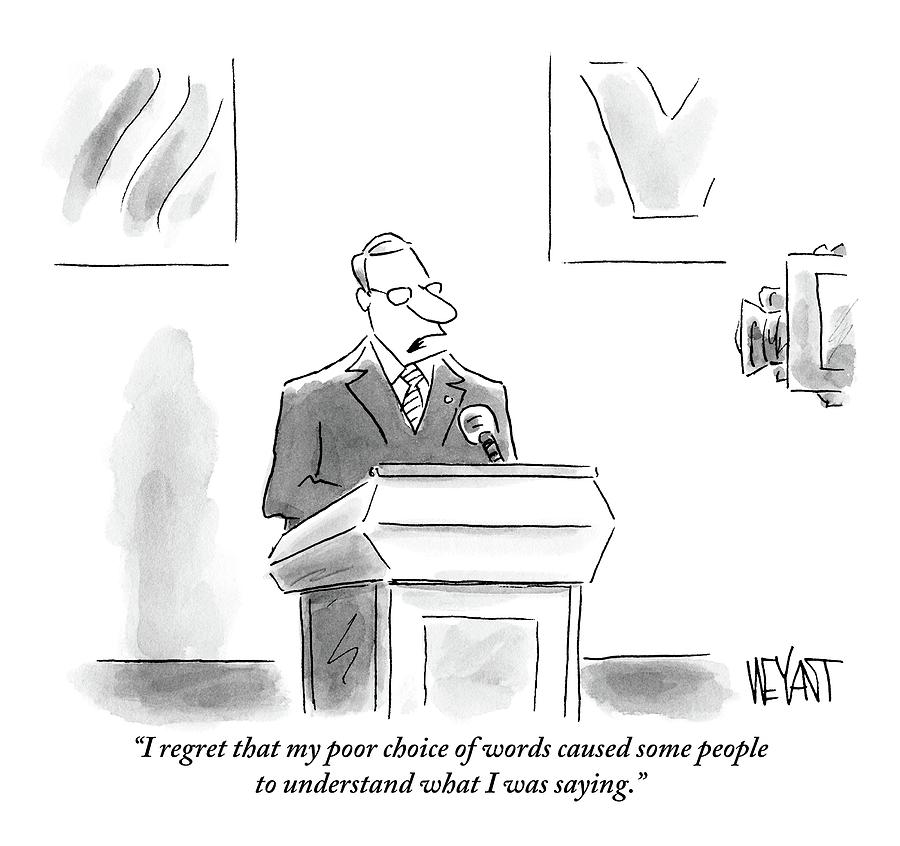
Cartoon – Under Control

Coronavirus | The Manchester Journal | Manchester Breaking News ...

EXCLUSIVE: WHITE HOUSE PRIVATELY WARNS 11 CITIES MUST TAKE “AGGRESSIVE” ACTION AGAINST CORONAVIRUS

Exclusive: White House privately warns 11 cities must take ‘aggressive’ action against coronavirus

New red flags about the severity of the coronavirus outbreak come after Trump focused on upsides in televised briefing.

Dr. Deborah Birx, a leader of the White House Coronavirus Task Force, warned state and local leaders in a private phone call Wednesday that 11 major cities are seeing increases in the percentage of tests coming back positive for COVID-19 and should take “aggressive” steps to mitigate their outbreaks. 

The cities she identified were Baltimore, Cleveland, Columbus, Indianapolis, Las Vegas, Miami, Minneapolis, Nashville, New Orleans, Pittsburgh and St. Louis.

The call was yet another private warning about the seriousness of the coronavirus outbreaks given to local officials but not the public at large. It came less than a week after the Center for Public Integrity revealed that the White House compiled a detailed report showing 18 states were in the “red zone” for coronavirus cases but did not release it publicly.

Increasing test positivity — an indicator that a community does not have an outbreak under control — should be expected in areas that reopened and grew more relaxed about social distancing measures, said Harvard epidemiologist Bill Hanage. He said the warnings and data from the White House should be made public.

“This is a pandemic. You cannot hide it under the carpet,” he said. “The best way to deal with a crisis or a natural disaster is to be straight with people, to earn their trust and to give the information they need to make decisions for themselves and their communities.”

Birx told hundreds of emergency managers and other state and local leaders that they should act quickly to stem the outbreaks. Among her recommendations were to trace the contacts of patients testing positive for COVID-19 in areas where test positivity is going up.

“When you first see that increase in test positivity, that is when to start the mitigation efforts,” she said in a recording obtained by Public Integrity. “I know it may look small and you may say, ‘That only went from 5 to 5-and-a-half [percent], and we’re gonna wait and see what happens.’ If you wait another three or four or even five days, you’ll start to see a dramatic increase in cases.”

Birx said the federal government was seeing encouraging declines in test positivity in places like Phoenix and San Antonio but warned that the outbreak in the Sunbelt was moving north.

“What started out very much as a southern and western epidemic is starting to move up the East Coast into Tennessee, Arkansas, up into Missouri, up across Colorado, and obviously we’re talking about increases now in Baltimore,” she said. “So this is really critical that everybody is following this and making sure they’re being aggressive about mitigation efforts.”

It’s unclear who heard the warnings and was invited to the call, which was hosted by the White House Office of Intergovernmental Affairs and closed to the press. Baltimore and Cleveland were two of the cities Birx warned were facing rising test positivity, but a spokeswoman for the Cleveland mayor’s office, Nancy Kelsey-Carroll, said they did not participate in the call. And Baltimore health department leaders didn’t know about it, agency spokesman Adam Abadir said in an email. That city today announced a mask mandate and new restrictions on indoor dining.

The test positivity rates may not have been news to some elected officials. For example, Pennsylvania already publicly reports that data by county.

Birx’s warning came a day after President Donald Trump resumed his televised coronavirus briefings. The president offered a rosier picture of the pandemic than Birx, focusing on examples of improvements in the fight against the virus, such as better treatment with the drug remdesivir.

Her call also came the same day that Democratic Senate Minority Leader Sen. Chuck Schumer said on the Senate floor that he and House Majority Leader Nancy Pelosi had insisted on greater data transparency in a meeting with White House Chief of Staff Mark Meadows. Schumer said they would push for legislation to “ensure that COVID-19 data is fully transparent and accessible without any interference from the administration.”   

And on Tuesday, former CDC Director Tom Frieden and colleagues released a list of data points they would like states to publish in real-time, standardized, to give officials and residents better information.

“It’s not just people who are holding office who need to make decisions,” said Caitlin Rivers, an epidemiologist at Johns Hopkins University, on a call with reporters. “The more that we can provide information to people to keep themselves and their families safe, the better off we’ll be.”

The White House did not immediately respond to a request for comment on Birx’s warnings, nor did it answer repeated questions over several days from Public Integrity on why it had not made the “red zone” report public. Birx said on the call that the weekly report had been sent to governors for four weeks. One staffer for a governor said his boss received only the section of the report related to his state, not the entire report.


5 COVID-19 myths politicians have repeated that just aren’t true

https://theconversation.com/5-covid-19-myths-politicians-have-repeated-that-just-arent-true-141972

5 COVID-19 myths politicians have repeated that just aren't true ...

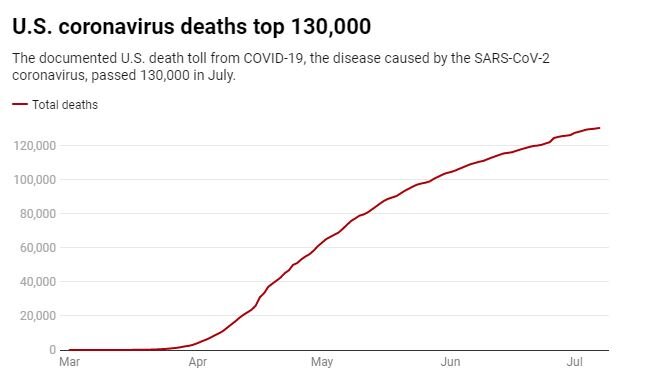
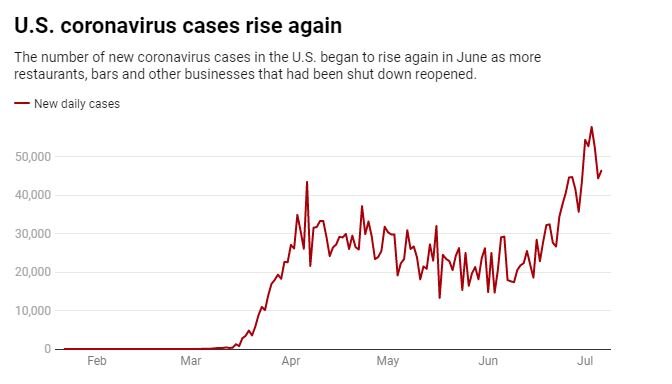
The number of new COVID-19 cases in the U.S. has jumped to around 50,000 a day, and the virus has killed more than 130,000 Americans. Yet, I still hear myths about the infection that has created the worst public health crisis in America in a century.

The purveyors of these myths, including politicians who have been soft peddling the impact of the coronavirus, aren’t doing the country any favors.

Here are five myths I hear as director of health policy at the University of Southern California’s Schaeffer Center that I would like to put to rest.

Myth: COVID-19 is not much worse than the flu

President Donald Trump and plenty of pundits predicted early on that COVID-19 would prove no more lethal than a bad flu. Some used that claim to argue that stay-at-home orders and government-imposed lockdowns were un-American and a gross overreaction that would cost more lives than they saved.

By the end of June, however, the director of the Centers for Disease Control and Prevention announced that national antibody testing indicated 5% to 8% of Americans had already been infected with the virus. With over 130,000 confirmed COVID-19-related deaths – and that’s likely an undercount – the case fatality rate is around 0.49% to 0.78% or about four to eight times that of the flu.

Brazilian President Jair Bolsonaro, who also downplayed COVID-19 as the death toll grew, calling it a “little flu,” announced on July 7 that he had tested positive for the coronavirus.

5 COVID-19 myths politicians have repeated that just aren't true


Myth: Cases are increasing because testing is increasing

At one point, the idea that COVID-19 case numbers were high because of an increase in testing made intuitive sense, especially in the early stages of the pandemic when people showing up for tests were overwhelmingly showing symptoms of possible infection. More testing meant health officials were aware of more illnesses that would have otherwise gone under the radar. And testing predominately sick and symptomatic people can result in an overestimate of its virulence.

Now, with millions of tests conducted and fewer than 10% coming back positive, the U.S. knows what it is facing. Testing today is essential to finding the people who are infected and getting them isolated.

Unfortunately, Trump has been a leading purveyor of the myth that we test too much. Fortunately, his medical advisers disagree.

Myth: Lockdowns were unnecessary

Given the current spike in infections after reopening the economy, more people are arguing that the lockdowns were unsuccessful in crushing the virus and shouldn’t have been implemented at all. But what would the country look like today if state governments had tried to build herd immunity by letting the disease spread rather than promoting social distancing, prohibiting large gatherings and telling the elderly to stay home?

Most epidemiologists who study pandemics believe that reaching herd immunity could only be achieved at enormous cost in terms of illness and death. About 60% or 70% of Americans would have to become infected before the spread of the virus diminished. That would result in 1 to 2 million U.S. deaths and 5 to 10 million hospitalizations.

These are horrific, yet conservative estimates, given that mortality rates would surely rise if that many people were infected and hospitals were overrun.

5 COVID-19 myths politicians have repeated that just aren't true

Myth: The epidemiological models are always wrong

It is not surprising that many people are confused by the proliferation of predictions about the course of the virus. How many people become infected depends on how individuals, governments and institutions respond, which is hard to predict.

Faced with the warning early in the pandemic that 1 to 2 million Americans could die if the U.S. simply let the coronavirus run its course, federal and state governments imposed restrictions to constrain the spread of the virus. Then, they relaxed those restrictions as new cases ebbed and pressure mounted to reopen the economy.

Now, they must consider reimposing some of those restrictions as infection rates rise in a majority of states, including Texas, Arizona, Florida and California. The models were based on data and assumptions at that time, and likely influenced responses which in turn changed underlying conditions. For example, new cases of COVID-19 are rising in the U.S., while fatalities are falling. This reflects a shift in infection rates toward younger populations, as well as improved treatment as providers learn more about the virus.

Just like an investment disclaimer that past returns do not guarantee future performance, modeling a pandemic should be seen as suggestive of what might happen given current information and not a law of nature.

Myth: It’s a second wave

Sadly, the myth here is that we have contained the virus enough to buy time to prepare for a second wave. In fact, the first wave just keeps getting bigger.

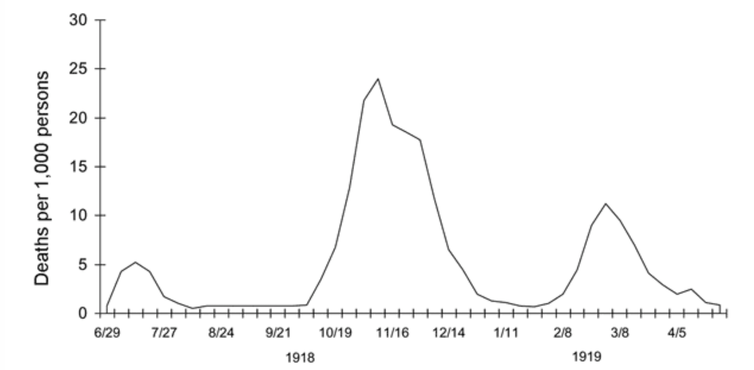
A second wave would require a trough in the first wave, but there is little evidence of that from either an epidemiologic or economic perspective.

5 COVID-19 myths politicians have repeated that just aren't true

During the 1918-1919 flu pandemic, the weekly UK death toll from influenza and pneumonia, shown here, reflected three clear waves. Taubenberger JK, Morens DM. 1918 Influenza: the Mother of All Pandemics. Emerg Infect Dis. 2006;12(1)

The U.S. recorded a record number of new cases during the first week of July, exceeding 50,000 per day for four straight days. The rising number of cases led several states to halt or roll back their reopening plans in hopes of stemming the spread of the virus.

Meanwhile, most consumers are reticent to return to “normal” economic activity: Fewer than one-third of adults surveyed by Morning Consult in early July were comfortable going to a shopping mall. Only 35% were comfortable going out to eat, and 18% were comfortable going to the gym. For almost half of the population, an effective treatment or vaccine may be the only way they will feel comfortable returning to “normal” economic activity.

COVID-19 is an immediate threat that requires a unified, science-based response from governments and citizens to be successful. But it is also an opportunity to rethink how we prepare for future pandemics. Some misinformation is inevitable as a new virus emerges, but perpetuating myths for political or other reasons ultimately costs lives.


How the coronavirus pandemic became Florida’s perfect storm

https://theconversation.com/how-the-coronavirus-pandemic-became-floridas-perfect-storm-142333

How the coronavirus pandemic became Florida's perfect storm

If there’s one state in the U.S. where you don’t want a pandemic, it’s Florida. Florida is an international crossroads, a magnet for tourists and retirees, and its population is older, sicker and more likely to be exposed to COVID-19 on the job than the country as a whole.

When the coronavirus struck, the conditions there made it a perfect storm.

Florida set a single-day record for new COVID-19 cases in early July, passing 15,000 and rivaling New York’s worst day at the height of the pandemic there. The state has become an epicenter for the spread, with over 300,000 confirmed cases. Its hospital capacity is under stress, and the death toll has been rising.

Despite these strains, Disney World reopened two theme parks on July 11, and Florida Gov. Ron DeSantis announced schools would reopen in August. The governor had shut down alcohol sales in bars in late June as case numbers skyrocketed, but he hasn’t made face masks mandatory or moved to shut down other businesses where the virus can easily spread.

As public health researchers, we have been studying how states respond to the pandemic. Florida stands out, both for its absence of statewide policies that could have stemmed the spread of COVID-19 and for some unique challenges that make those policies both more necessary and more difficult to implement than in many other states.

The challenges of economic pressures

Florida is one of nine states with no income tax on wages, so its tax base relies heavily on tourism and property in its high-density coastal areas. That puts more pressure on the government to keep businesses and social venues open longer and reopen them faster after shutdowns.

If you look closely at Florida’s economy, its vulnerabilities to the pandemic become evident.

The state depends on international trade, tourism and agriculture – sectors that rely heavily on lower-wage, often seasonal, workers. These workers can’t do their jobs from home, and they face financial barriers to getting tested, unless it’s provided through their employer or government testing sites. They also struggle with health care – Florida has a higher-than-average rate of people without health insurance, and it chose not to expand Medicaid.

In the tourism industry, even young, healthy employees typically at lower risk from COVID-19 can unknowingly spread the virus to visitors or vice versa. The tourism industry also encourages crowded bar and club scenes, where the governor has blamed young people for spreading the coronavirus.

The past few weeks have been emblematic of the economic battles facing a state that depends on tourism for both jobs and state revenues.

Even as the public health risks were quickly rising, businesses continued to open their doors. Major cruise lines planned to resume their itineraries in the fall. A note on the Universal Studios website read: “Exposure to COVID-19 is an inherent risk in any public location where people are present; we cannot guarantee you will not be exposed during your visit.”

Disney World reopened on July 11 with face mask requirements. Matt Stroshane via Disney

Reopening guidance has been largely ignored

The Governor’s Re-open Florida Taskforce issued guidelines in late April meant to lower the state’s coronavirus risk, but those guidelines have been largely ignored in practice.

No county in Florida has reduced cases or maintained the health care resources recommended by the task force. The data needed to fully assess progress are also questionable, given a recent scandal regarding the state data’s accuracy, availability and transparency.

Still, the coronavirus’s rapid surge in Florida is evident in the state-reported casesTesting lines are long, and almost 1 in 5 tests have been positive for COVID-19, suggesting the prevalence of infections is still increasing.

Florida’s patchwork of local rules also makes it hard to contain the virus’s spread.

With no statewide mask rules or plans to reverse reopeningother than for bars, communities and businesses have taken their own actions to implement public health precautions. The result is varying mask ordinances and restrictions on large gatherings in some cities but not those surrounding them. Though the Florida Department of Health has issued an advisory recommending face coverings, some local areas have voted down mask mandates.

More warning signs ahead

Late summer and fall will bring new challenges for Florida in terms of the virus’s spread and the state’s response to it.

That’s when Florida’s risk of hurricanes grows, and while Floridians are well-versed in hurricane preparedness, storm shelters aren’t designed for social distancing and will need careful plans for protecting nursing home residents. Storm cleanup could mean lots of people working in close proximity while protective gear is in short supply.

If Florida’s schools reopen fully, the risk of the virus rapidly spreading to teachers, parents and children who are more vulnerable is a real concern being weighed against the costs of keeping schools closed.

Colleges that reopen to classes and sporting events also raise the risk of spreading the virus in Florida communities. And the possible return of retirees who spend their winters in Florida would increase the high-risk population by late fall. One in five Florida residents is over age 65, giving the state one of the nation’s oldest populations – a risk factor, along with chronic illnesses, for severe symptoms with COVID-19.

Florida is also a battleground state for the upcoming presidential election, and that’s likely to mean campaign rallies and more close contact. The Republican National Convention was moved to Jacksonville after President Donald Trump complained that North Carolina might not let the GOP fill a Charlotte arena to capacity due to coronavirus restrictions. Florida organizers recently said they were considering holding parts of the convention outdoors.

The high number of cases being reported in Florida will lead to even more hospitalizations and fatalities in coming weeks and months. Without clear public health messages and precautions implemented and enforced across the state, the coronavirus forecast for the Sunshine State will remain stormy.


Covid-19 data is a public good. The US government must start treating it like one.

https://www.technologyreview.com/2020/07/17/1005391/covid-coronavirus-hospitalizations-data-access-cdc/

Data for the public good - O'Reilly Radar

The US has failed to prioritize a highly effective and economical intervention—providing quick and easy access to coronavirus data.

Earlier this week as a pandemic raged across the United States, residents were cut off from the only publicly available source of aggregated data on the nation’s intensive care and hospital bed capacity. When the Trump administration stripped the Centers for Disease Control and Prevention (CDC) of control over coronavirus data, it also took that information away from the public.


I run a nonpartisan project called covidexitstrategy.org, which tracks how well states are fighting this virus. Our team is made up of public health and crisis experts with previous experience in the Trump and Obama administrations. We grade states on such critical measures as disease spread, hospital load, and the robustness of their testing. 


Why does this work matter? In a crisis, data informs good decision-making. Along with businesses, federal, state, and local public health officials and other agencies rely on us to help them decide which interventions to deploy and when workplaces and public spaces can safely reopen. Almost a million people have used our dashboards, with thousands coming back more than 200 times each.

To create our dashboards, we rely on multiple sources. One is the National Healthcare Safety Network (NHSN), run by the CDC. Prior to July 14, hospitals reported the utilization and availability of intensive care and inpatient beds to the NHSN. This information, updated three times a week, was the only publicly available source of aggregated state-level hospital capacity data in the US.

With 31 states currently reporting increases in the number of hospitalized covid-19 patients, these utilization rates show how well their health systems will handle the surge of cases.


Having this information in real time is essential; the administration said the CDC’s system was insufficiently responsive and data collection needed to be streamlined. The US Department of Health and Human Services (HHS) directed hospitals (pdf) to report their data to a new system called HHS Protect.

Unfortunately, by redirecting hospitals to a new system, it left everyone else in the dark. On July 14, the CDC removed the most recent data from its website. As we made our nightly update, we found it was missing. After significant public pressure, the existing maps and data are back—but the agency has added a disclaimer that the data will not be updated going forward.


This is unacceptable. This critical indicator was being shared multiple times a week, and now updates have been halted. US residents need a federal commitment that this data will continue to be refreshed and shared.

The public is being told that a lot of effort is going into the new system. An HHS spokesman told CNBC that the new database will deliver “more powerful insights” on the coronavirus. But the switch has rightly been criticized because this new data source is not yet available to the public. Our concerns are amplified by the fact that responsibility for the data has shifted from a known entity in the CDC to a new, as-yet-unnamed team within HHS.

I was part of the team that helped fix Healthcare.gov after the failed launch in 2013. One thing I learned was that the people who make their careers in the federal government—and especially those working at the center of a crisis—are almost universally well intentioned. They seek to do the right thing for the public they serve.


In the same spirit, and to build trust with the American people, this is an opportunity for HHS to make the same data it’s sharing with federal and state agencies available to the public. The system that HHS is using helps inform the vital work of the White House Coronavirus Task Force. From leaked documents, we know that reports for the task force are painstakingly detailed. They include county-level maps, indicators on testing robustness, and specific recommendations. All of this information belongs in the public domain.

This is also an opportunity for HHS to make this data machine readable and thereby more accessible to data scientists and data journalists. The Open Government Data Act, signed into law by President Trump, treats data as a strategic asset and makes it open by default. This act builds upon the Open Data Executive Order, which recognized that the data sets collected by the government are paid for by taxpayers and must be made available to them. 

As a country, the United States has lagged behind in so many dimensions of response to this crisis, from the availability of PPE to testing to statewide mask orders. Its treatment of data has lagged as well. On March 7, as this crisis was unfolding, there was no national testing data. Alexis Madrigal, Jeff Hammerbacher, and a group of volunteers started the COVID Tracking Project to aggregate coronavirus information from all 50 state websites into a single Google spreadsheet. For two months, until the CDC began to share data through its own dashboard, this volunteer project was the sole national public source of information on cases and testing.

With more than 150 volunteers contributing to the effort, the COVID Tracking Project sets the bar for how to treat data as an asset. I serve on the advisory board and am awed by what this group has accomplished. With daily updates, an API, and multiple download formats, they’ve made their data extraordinarily useful. Where the CDC’s data is cited 30 times in Google Scholar and approximately 10,000 times in Google search results, the COVID Tracking Project data is cited 299 times in Google Scholar and roughly 2 million times in Google search results.


Sharing reliable data is one of the most economical and effective interventions the United States has to confront this pandemic. With the Coronavirus Task Force daily briefings a thing of the past, it’s more necessary than ever for all covid-related data to be shared with the public. The effort required to defeat the pandemic is not just a federal response. It is a federal, state, local, and community response. Everyone needs to work from the same trusted source of facts about the situation on the ground.

Data is not a partisan affair or a bureaucratic preserve. It is a public trust—and a public resource.


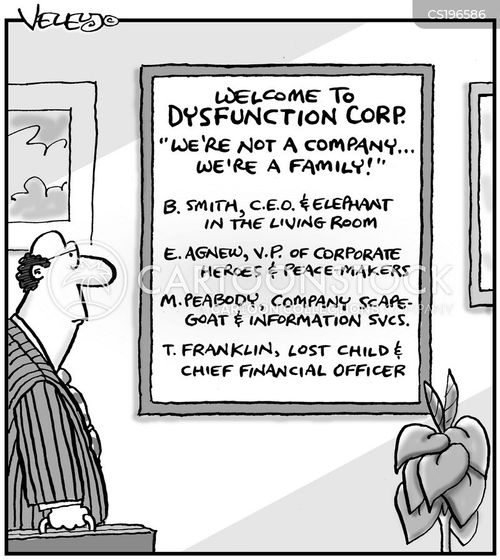
Cartoon – Welcome to Dysfunctional Corp.

Cartoon – Welcome to Dysfunction Corp | HENRY KOTULA

Disappearance of covid-19 data from CDC website spurs outcry

https://www.washingtonpost.com/health/2020/07/16/coronavirus-hospitalization-data-outcry/?utm_campaign=wp_main&utm_medium=social&utm_source=facebook&fbclid=IwAR2ONMOtMxy2LFUw0qKhDZwb1n5yFRv2oCTZlrr49_YpdO8WTzkSC90JjY0

Disappearance of covid-19 data from CDC website spurs outcry ...

Governors join calls for delay of administration plan to shift control from the CDC as Trump administration pledges to make data available to the public.

On the eve of a new coronavirus reporting system this week, data disappeared from a Centers for Disease Control and Prevention website as hospitals began filing information to a private contractor or their states instead. A day later, an outcry — including from other federal health officials — prompted the Trump administration to reinstate that dashboard and another daily CDC report on the pandemic.

And on Thursday, the nation’s governors joined the chorus of objections over the abruptness of the change to the reporting protocols for hospitals, asking the administration to delay the shift for 30 days. In a statement, the National Governors Association said hospitals need the time to learn a new system, as they continue to deal with this pandemic.

The governors also urged the administration to keep the information publicly available.

The disappearance of the real-time data from the CDC dashboard, which was taken down Tuesday night before resurfacing Thursday morning, was a ripple effect of the administration’s new hospital reporting protocol that took effect Wednesday, according to a federal health official who spoke on the condition of anonymity to discuss internal deliberations.

Without receiving the data firsthand, CDC officials were reluctant to maintain the dashboard — which shows the number of patients with covid-19, the disease caused by the virus, and hospital bed capacity — and took it down, the federal health official said. The CDC dashboard states that its information comes directly from hospitals and does not include data submitted to “other entities contracted by or within the federal government.” It also says the dashboard will not be updated after July 14.

The dashboard “was taken down in a fit of pique,” said Michael R. Caputo, the assistant secretary for public affairs at the Department of Health and Human Services. “The idea CDC scientists cannot rely upon their colleagues in the same department for data collection, or any other scientific work, is preposterous.”

This week, the CDC, the government’s premier public health agency whose medical epidemiologists analyze the hospital data, also stopped producing reports about trends in the pandemic that had gone twice a week to states, and six days a week to officials at multiple federal agencies. Adm. Brett Giroir, an assistant secretary in the HHS who oversees coronavirus testing, was unhappy that the CDC hospital report stopped Wednesday and Thursday mornings, according to the federal health official.

Caputo said that the administration’s goal is to maintain transparency, adding that conversations were still taking place between HHS officials and the CDC on a plan to keep producing the dashboard updates and the reports. “We expect a resolution,” he said.

Another HHS spokesperson said the CDC might create a new dashboard, based on a wider set of information.

During a conference call for journalists Thursday on coronavirus testing, Giroir did not acknowledge his displeasure with the reports’ discontinuation. But he said: “Those data are really critical to all of us. … I wake up in the morning and first thing I do, I look at the data. I look at midday. I look at it at night before I go to bed. … We drive the response based on that.”

The CDC site had been one of the few public sources of granular information about hospitalizations and ICU bed capacity. About 3,000 hospitals, or about 60 percent of U.S. hospitals, reported their data to the CDC’s system.

The president of the American Medical Association, Susan R. Bailey, spoke out Thursday on the uncertainties about access to data. “[W]e urge and expect that the scientists at the CDC will continue to have timely, comprehensive access to data critical to inform response efforts,” she said.

Governors, hospital officials and state health officers were given scant notice of the change in the reporting system. Two top administration health officials said in a letter to governors early this week that some hospitals were not complying with the previous protocols, suggesting that states might want to consider bringing in the National Guard to help gather the information. Hospital industry leaders vehemently protested that characterization, as well as the idea that they should be assisted by the National Guard in the midst of a pandemic.

HHS and CDC officials have said the protocol was changed to streamline reporting of data that is used, among other things, to determine the federal allocation of therapeutics, testing supplies and protective gear. Instead of reporting to the long-standing CDC system, hospitals must send data about covid-19 patients and other metrics to a recently hired federal contractor, called TeleTracking, or to their state health departments.

At least some state health departments that have been collecting data for their hospitals and sending it to Washington have already said the switch will make it impossible for them to continue, at least for now. The changed protocol includes a requirement that hospitals send several additional types of data that some state systems are not equipped to handle, state health officials said.

The Pennsylvania Department of Health sent a notice to hospitals Tuesday night saying that its platform was not ready to accommodate the new federal requirements, so that hospitals needed to report every day to both the state and to TeleTracking.

Charles L. Gischlar, spokesman for the Maryland Department of Health, said the reporting change “is a heavy lift for hospitals.”

The new system “exceeds the capacity of the current statewide system” to which hospitals had been reporting, he said, so the state no longer can send consolidated information to the federal government. As a result, he said in a statement, hospitals must provide data individually to the government.


Unpublished White House Coronavirus Task Force Report – 18 States in Red Zone

https://mailchi.mp/publicintegrity/exclusive-white-house-docs-shows-18-states-in-coronavirus-red-zone?e=4539e77864

An unpublished document prepared for the White House Coronavirus Task Force and obtained by the Center for Public Integrity suggests more than a dozen states should revert to more stringent protective measures, limiting social gatherings to 10 people or fewer, closing bars and gyms and asking residents to wear masks at all times.

The document, dated July 14, says 18 states are in the “red zone” for COVID-19 cases, meaning they had more than 100 new cases per 100,000 population last week. Eleven states are in the “red zone” for test positivity, meaning more than 10 percent of diagnostic test results came back positive. 

It includes county-level data and reflects the insistence of the Trump administration that states and counties should take the lead in responding to the coronavirus. The document has been shared within the federal government but does not appear to be posted publicly.

It’s clear some states are not following the task force’s advice. For instance, the document recommends that Georgia, in the red zone for both cases and test positivity, “mandate statewide wearing of cloth face coverings outside the home.” But Gov. Brian Kemp signed an order Wednesday banning localities from requiring masks.