UnitedHealth Group posts $6.6B in Q2 profit amid COVID-19 care deferrals

https://www.fiercehealthcare.com/payer/unitedhealth-group-posts-6-6b-q2-profit-amid-covid-19-care-deferrals?utm_medium=nl&utm_source=internal&mrkid=959610&mkt_tok=eyJpIjoiTldOaVpEUTJOMk0yTWpNNSIsInQiOiJJcFROOCtmWDU4TEhnT0FkTFFCTHZmRHpVWHBJV015M0QzQSswV3llT2liQzFsXC9wM1VYXC8yT2xsREdQVVh1WnhvNHk3TEdHNEtrTlZcL2s5WXlWZXZVMjR1TUdPZEgrNnVPOTVuYUNJSVo5VmFhT05XQlZYYmlJTHE2ekhwZENDdCJ9

The outside of UnitedHealth Group's headquarters

UnitedHealth Group reported $6.6 billion in profit for the second quarter, beating Wall Street projections.

That’s also a significant increase in profit compared to the second quarter of 2019, where the healthcare giant brought in $3.3 billion, according to its earnings report (PDF) issued Wednesday.

UnitedHealth’s mid-year profits sit at $10 billion, compared to $6.8 billion in the first half of 2019.

The insurer also reported $62.1 billion in revenue for the quarter, an increase year-over-year but a number that fell short of analysts’ expectations. UnitedHealth brought in $60.6 billion in revenue in the second quarter of 2019.

Through the first half of 2020, UnitedHealth has earned $126.6 billion in revenue, up from $120.9 billion in the first six months of 2019.

The insurer attributes the unexpectedly high profit to large amounts of care deferral due to the coronavirus pandemic and said it’s likely to see that offset in future quarters as elective procedures and other services resume.

In the earnings release, CEO David Wichmann touted the company’s efforts to combat the pandemic in the second quarter.

“Our 325,000 dedicated team members, including the 120,000 clinicians serving on the front lines of care, have tirelessly responded to COVID-19 with agility, innovation and compassion,” Wichmann said in a statement.

“We moved swiftly to assist the people we serve and their care providers, including the provision of $3.5 billion in proactive voluntary customer assistance and accelerated care provider funding. We remain committed to taking further actions to address any future imbalances as a result of the pandemic,” he said.

Though COVID-19’s full impact on finances remains unclear, UnitedHealth maintained its full-year earnings guidance of between $15.45 and $15.75 per share.


More than 400 million people in India re-enter lockdown conditions

https://www.cnn.com/world/live-news/coronavirus-pandemic-07-15-20-intl/index.html

People visit stores on July 14 at the Kondli Wholesale Market in the city of Noida in Uttar Pradesh, India.

More than 400 million people across three Indian states will re-enter lockdown, weeks after a nationwide lockdown was lifted on May 30.

This comes after India recorded 100,000 new coronavirus cases in the past five days as the country struggles to gain control of the worsening pandemic.

On Wednesday, it saw 29,429 new cases, bringing the total to 936,181 confirmed cases and 24,309 deaths.

State and city-wide measures: As cases and deaths continue to soar in India, two of its most populous states — Bihar and Uttar Pradesh — announced various lockdown restrictions.

Bihar’s government announced a 16-day long state-wide lockdown on Tuesday, which would come into effect from July 16, while Uttar Pradesh’s government said Sunday that a lockdown will take place every weekend until the end of July.

Both states had previously lifted their lockdowns on May 30 except for districts with a high number of cases.

The city of Bengaluru, in Karnataka state, which had also initially lifted restrictions, went into a week-long lockdown on Tuesday until July 22. This comes after the state of Maharashtra reinstated a lockdown on June 29 until July 31.

India began easing lockdown restrictions on May 30, but certain states such as West Bengal and Jharkhand continued to have lockdown measures and restrictions on movement, with the exception of certain essential services.

More than 100 million people in these states have remained under lockdown restrictions since late March.

In the capital, New Delhi, where there are no overarching lockdown measures, restrictions continue in its “containment zones,” which include more than 600 localities as of Monday, according to the territory’s Revenue Department. 


UK prime minister commits to future independent inquiry into pandemic

https://www.cnn.com/world/live-news/coronavirus-pandemic-07-15-20-intl/index.html

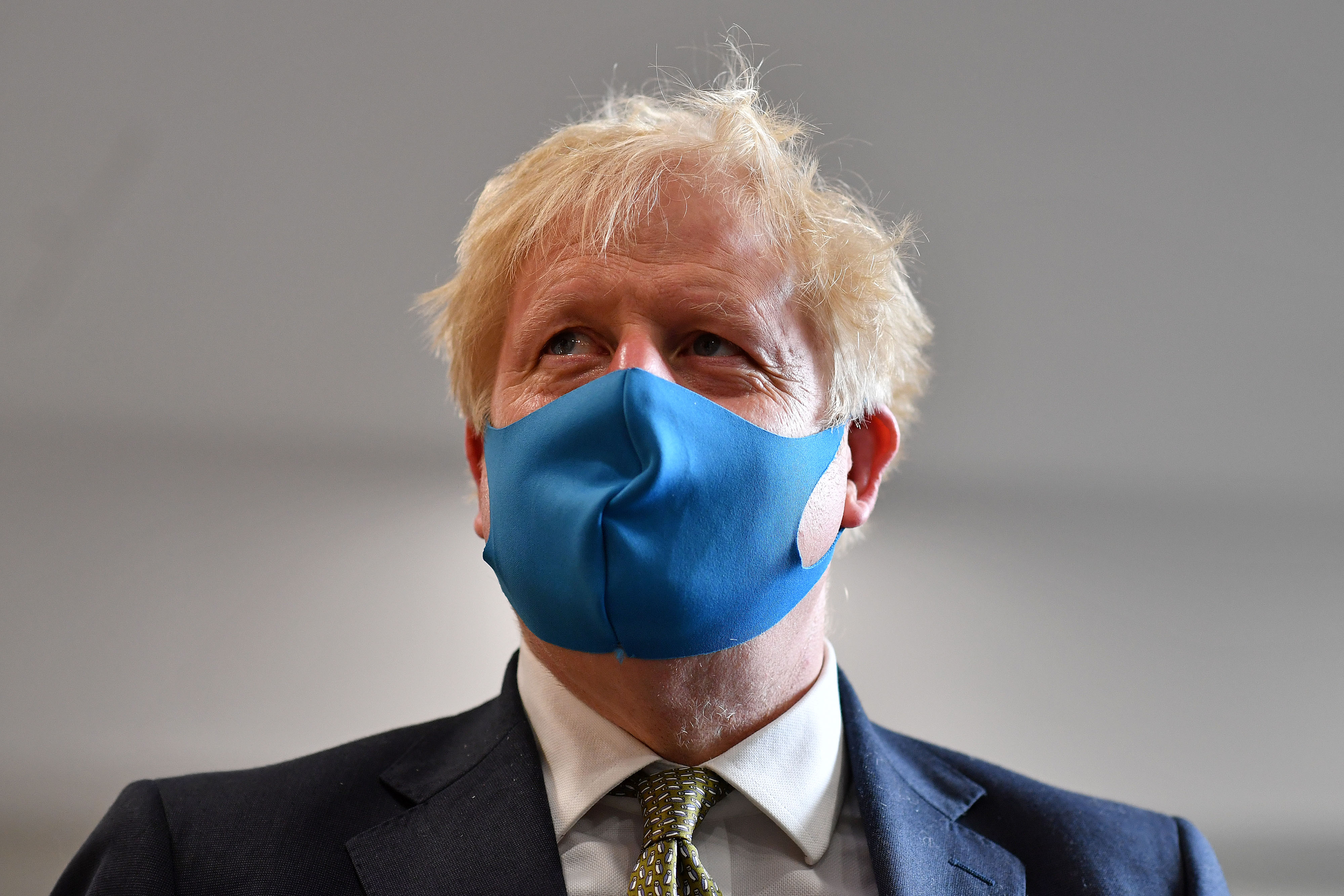
British Prime Minister Boris Johnson visits the headquarters of the London Ambulance Service NHS Trust in England on July 13.

British Prime Minister Boris Johnson committed to an eventual independent inquiry into “what happened” in the UK during the coronavirus pandemic, but added that now is not the time for it.

“Of course we will seek to learn the lessons of this pandemic in the future,” Johnson told the House of Commons during parliament’s weekly prime minister’s questions on Wednesday.

Johnson also told lawmakers he cannot “simply with a magic wand” ensure every job is retained throughout this period.

When asked by opposition leader Keir Starmer if he would personally intervene in reports that airline British Airways are re-hiring staff on worse terms, Johnson said the government is “absolutely clear” they want companies to keep workers in employment “where they possibly can.”

“No one should underestimate the scale of the challenge this country faces,” Johnson said, assuring the government is doing a “huge amount” to help the aviation sector.


The US saw a record number of new Covid-19 cases yesterday. These are the country’s virus hotspots.

https://www.cnn.com/world/live-news/coronavirus-pandemic-07-15-20-intl/index.html

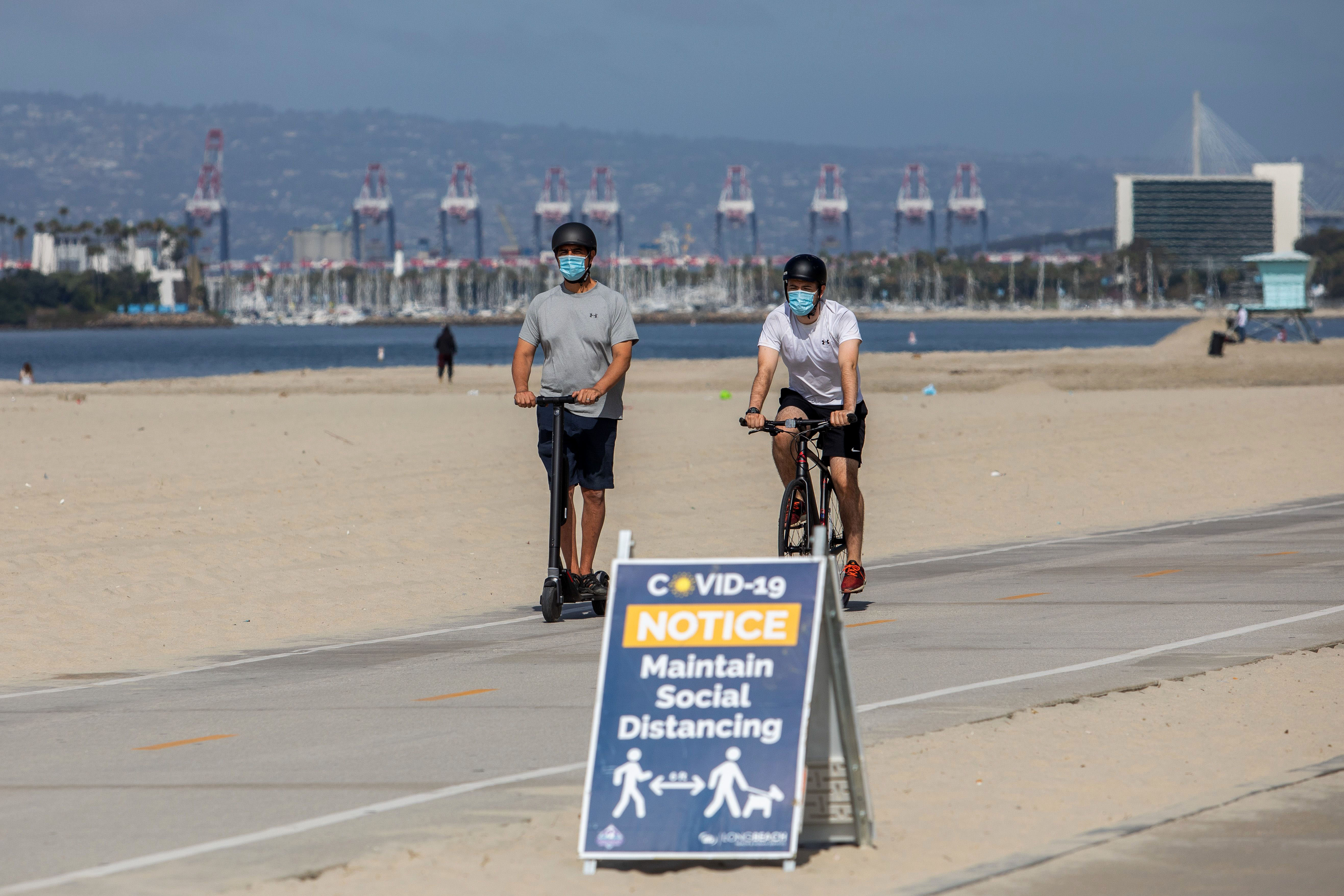
A sign about social distancing is seen on July 14 in Long Beach, California.

The United States saw a record number of new cases Tuesday with 67,417, according to data from Johns Hopkins University. As of Tuesday, more than 3.4 million people in the US have been infected, and 38 states are reporting an increase in the number of new cases from the week before.

With Covid-19 cases soaring in the US South and Southwest, the nation’s public health experts fear the end is not yet in sight and wonder what normal will look like as the pandemic stretches on through the rest of the year.

While New York and New Jersey were the early virus hotspots, California, Florida, Arizona and Texas now have become the states to watch, Dr. Anthony Fauci, the nation’s top infectious disease doctor, said Tuesday.

The states continue to report new records: 

  • California: Hospitalizations and ICU admissions for Covid-19 patients continue to rise in the state, setting a new record with a total of 6,745 hospitalizations and 1,886 ICU admissions, according to data from the California Department of Public Health.
  • Texas: The state reported at least 10,745 new Covid-19 cases on Tuesday, a record high daily number.
  • Florida: The Florida Department of Health reported at least 9,194 new cases and an additional 132 deaths Tuesday, the most deaths in one day in the state. Meanwhile, at least 54 hospitals have reached their ICU capacity.
  • Arizona: The state has led the nation — for over a month — with the highest 7-day average of new coronavirus cases per 100,000 people, according to a CNN analysis of data from Johns Hopkins University.

Meanwhile, at least 27 states have paused or rolled back plans to reopen their economies. Among them is Nevada, where 37 bars have filed a lawsuit to fight Gov. Steve Sisolak’s order to revert back to Phase 1 of the state’s reopening plan.

But Fauci cautioned that relaxed restrictions in California, Florida, Arizona and Texas are partly to blame for rising cases in those states, particularly among young people.

Addressing the climb in the number of cases overall and among young people, US Centers for Disease Control and Prevention Director Dr. Robert Redfield said Tuesday the nation is in a much better place than it was in the spring, because the mortality rate is lower, but said “we’re not out of the woods for this.”


Coronavirus cases soar by more than 1 million over 5 days

https://www.cnn.com/2020/07/14/world/million-coronavirus-cases-five-days-intl/index.html

Coronavirus cases soar by more than 1 million over 5 days - WRCBtv ...

Coronavirus cases soared by more than a million globally in just five days as the numbers continue to accelerate from week to week, according to figures from Johns Hopkins University.

Reported cases increased by 1,046,200 from July 6 through July 10, up from a 994,400 increase over the five days from July 5 through July 9.
The total global case number surpassed 13 million on Monday, growing by 1,061,600 between July 8 and July 13.
While some countries that were hit early in the outbreak have managed to contain the virus, the number of cases globally has been accelerating fairly steadily.
There have now been more than half a million deaths from the virus worldwide, according to JHU data.
The World Health Organization’s director-general on Monday warned there would be “no return to the old normal for the foreseeable future.”
Tedros Adhanom Ghebreyesus told a media briefing in Geneva that there were no shortcuts out of this pandemic, and that while we may hope for an effective vaccine, there must be a focus on using the tools that are available now to suppress transmission and save lives.
“We need to reach a sustainable situation where we do have adequate control of this virus without shutting down our lives entirely, or lurching from lockdown to lockdown,” Tedros said.
He told reporters there was a “roadmap to a situation where we can control the disease and get on with our lives” that would require three things: a focus on reducing mortality and suppressing transmission; an “empowered, engaged community” that takes individual measures to protect the whole community; and strong government leadership and communication.
Two countries accounted for half of all new cases added worldwide on Sunday, he told the briefing.
“Yesterday, 230,000 cases of Covid-19 were reported to WHO. Almost 80% of those cases were reported from just 10 countries, and 50% come from just two countries,” he said.
Tedros did not name the countries, but WHO data indicated that he was referring to the United States and Brazil. According to the JHU tally of cases, the US, India and Brazil accounted for more than 112,000 new cases on Sunday.
The US has the world’s highest confirmed numbers, with at least 3.4 million recorded cases and at least 135,615 deaths. Brazil has almost 2 million confirmed cases and India is closing in on one million.
“Let me be blunt: Too many countries are headed in the wrong direction,” Tedros said.
“If governments do not clearly communicate with their citizens and roll out a comprehensive strategy focused on suppressing transmission and saving lives; if populations do not follow the basic principles of physical distancing, hand washing, wearing masks, there is only one way this is going to go. It’s going to get worse and worse and worse.”
“But it does not have to be this way,” he added. “It’s never too late to bring the virus under control, even if there has been explosive transmission.”


Finding COVID-19 Cases Among the Dead: ‘It May Help the Living’

https://www.medpagetoday.com/infectiousdisease/covid19/87554?xid=fb_o&trw=no&fbclid=IwAR3NQMSqmtuTSGyY9tSH-erKLguf7b7qEtvKUdeFlBU8SuW8-FTtKE0OoR8

A corpse in the morgue with a COVID-19 toe tag

The number of deaths reported to the office of Connecticut’s chief medical examiner, James Gill, MD, spiked 137% in April, mostly due to COVID-19.

Now, Gill sees a handful of cases each day, but there are more nuances to his investigations, with some patients experiencing lingering COVID-19 symptoms for weeks, or even months.

Although most COVID-19 deaths are identified by frontline providers on death certificates, medical examiners investigate suspected COVID-19 cases in deaths taking place in the home or nursing homes. Their task is to determine which deaths are from versus with COVID-19 — that is, which are indeed caused by COVID-19 itself and which are caused by underlying conditions unrelated to COVID-19.

Such investigations have important implications for national policy, especially following the chaos in March and April when many hospitals could barely keep their heads above a flood of extremely sick patients, and testing capacity could not keep up. In all likelihood, some deaths were erroneously recorded as COVID-related, while others that were indeed from COVID-19 were not recorded as such.

Having an accurate picture of COVID-19’s lethality is vital as politicians determine how far to go in trying to halt the infection’s spread. Current estimates of the mortality rate vary by an order of magnitude or more, not only because the denominator (the number of infections) is unknown, but also because the numerator (actual COVID-19 deaths) is as well.

Most epidemiologists and infection disease specialists believe the official COVID-19 death toll is an undercount. But whether that’s the case, and if so, by how much, are hotly debated.

“It’s easy to make a diagnosis when the person dies in the hospital and has respiratory complications and so forth,” Gill told MedPage Today. “But some of these delayed deaths, the question is, are they dying from a complication of COVID-19 or are there underlying health problems they are dying from without any relation to COVID-19?”

And the mere presence of a positive SARS-CoV-2 test result, while necessary, is not sufficient to make a diagnosis of death from COVID-19.


Gray Zone

The National Vital Statistics System (NVSS) guidelines for death certification require providers to include COVID-19 on death certificates if the virus “played a role in the death,” but the extent of that role is not always clear.

Medical examiners must take into account nasopharyngeal swab results taken before or after death, but also clinical symptoms decedents had, like fever, cough, or chest pain.

“If a person just puts dementia on the death certificate, that is a common cause of death that wouldn’t trigger an investigation,” Gill said. “If they put respiratory complications or pneumonia due to dementia, then that may trigger me to look into it a little more to see if they had COVID testing in this case.”

When COVID-19 leads to lethal phenomena such as pneumonia or acute respiratory distress syndrome, COVID-19 will typically be listed as the underlying cause of death, per the guidelines.

But some deaths, such as those due to cardiovascular events, may be inconspicuously caused by COVID-19 infection, creating a diagnostic “gray zone,” said Benjamin Tolchin, MD, MS, of the Yale School of Medicine in New Haven, Connecticut.

In the beginning of the pandemic, when testing was limited and clinicians were less familiar with what the COVID-19 illness looked like, the distinction was less clear. COVID-19 can affect the heart, and can also exacerbate underlying conditions such as asthma or chronic obstructive pulmonary disease.

In determining whether the cause of death was related to COVID-19, “it may not always be possible to determine,” said Lauren Ferrante, MD, MHS, also of Yale, although she noted this is probably a minority of cases.

If a patient dies from a heart attack or arrhythmia, a provider can usually determine whether the patient had evidence of cardiomyopathy that was pre-existing or new in the setting of COVID-19, Ferrante explained.

But let’s say the patient died from heart disease and also had an asymptomatic SARS-CoV-2 infection. In that case, the heart disease would still be listed as the primary cause of death, although providers can note COVID-19 on the death certificate, forensic pathologist Judy Melinek, MD, wrote in an op-ed for MedPage Today.

The amount of information provided on death certificates is left to providers’ discretion, with some using them strictly to report the cause of death, and others including a range of other factors, said Jonathan L. Arden, MD, board chair of the National Association of Medical Examiners.

He said he operates under the former definition because, while the latter can be a data collection device to identify potential infections, it raises the possibility of falsely attributing deaths to COVID-19.

“The practitioners who signed the death certificate are not medical examiners in most jurisdictions and they may not understand that [distinction] or apply that consistently,” Arden told MedPage Today. “I worry about using death certificate data as a data collection source for non-death related factors, but some places are doing that.”

The accuracy of death certificates is important not only for family members of the deceased, but from a public health standpoint, Gill said.

“Whether they are positive or not, you want to make sure to do an investigation to get the proper cause of death, first as a responsibility towards family members who may have been exposed, but also for the public health benefit of testing the person that died,” Gill said. “It may help the living.”

Filling in the Gaps

In Connecticut, Gill and his team identified over 60 deaths attributable to COVID-19 while investigating decedents in funeral homes, he said.

One way to measure the pandemic’s comprehensive mortality rate is by comparing recent death totals to years past, providing an estimate of “excess” deaths. Although official death statistics are often delayed by a year or more, two recent studies used provisional mortality data to generate such an estimate for the pandemic.

From March 1 to May 30, “excess” deaths totalled just over 122,000 in the U.S., of which 78% had been officially attributed to COVID-19, according to a paper in JAMA Internal Medicine.

That left roughly 27,000 excess deaths potentially related to COVID-19.

Those might have been COVID-19 cases missed in traditional reporting, as well as deaths from delays in care for other conditions, said the study’s first author, Dan Weinberger, PhD, of the Yale School of Medicine.

Similar findings emerged from a separate study published in JAMA, with data from March 1 to April 25. In that paper, states with the highest rate of COVID-19 deaths also experienced large increases in deaths due to other diseases, like diabetes and heart disease, said lead author Steven H. Woolf, MD, MPH, of Virginia Commonwealth University.

“It’s important for cities and states getting overwhelmed by COVID-19 now to be prepared for those spikes,” Woolf told MedPage Today.

Those data covered the period when New York and New Jersey were experiencing peak mortality rates and testing was less widespread; thus, some deaths may have involved undiagnosed COVID-19.

“I would not be surprised if some of those increases in stroke and dementia deaths are probably COVID-19,” Gill said.

In the study by Weinberger’s group, which extended into May, “excess” deaths that had not been classed as COVID-related declined as time went on — as would be expected if diagnoses and certifications were getting better.

Although excess mortality rates “would represent an upper bound for the number of deaths that might have been missed,” they are also “the most complete accounting of the toll of the epidemic in the U.S.,” Weinberger told MedPage Today in an email.

In contrast, how health officials distinguish between deaths with versus from COVID-19 has been criticized by some on social media as a means of exaggerating the pandemic’s death toll. Republican leaders have also accused health officials of inflating the numbers.

Woolf pushed back against that sentiment.

“That’s clearly not the case,” he said. “In fact, it’s the other way around.”