Stop thinking of telemedicine as a “substitute” for the office visit

https://mailchi.mp/41540f595c92/the-weekly-gist-february-12-2021?e=d1e747d2d8

Image result for thinking

“I don’t think we have good enough information to show how we should be deploying telemedicine,” a physician leader recently told us. “If we can’t show that a virtual visit can adequately substitute for an in-person visit, then we should be focusing on making sure patients know it’s safe to come in.” It struck us that viewing telemedicine as a direct substitute for an office visit was a narrow and antiquated way to think about virtual care.

Moreover, the argument that telemedicine visits are potentially cost-increasing if they are “additive” to other care interactions, rather than “substitutive”, is rooted in fee-for-service payment: more patient-provider interactions equals more billable visits, and with more visits, we run the risk of increasing costs.

Telemedicine (both video and phone visits) likely taps into pent-up demand for access by patients who would otherwise not seek care. Some patients could be aided by more frequent, brief encounters; this is considered a failure only when viewed through the lens of fee-for-service payment. (Honestly, with primary care accounting for less than 6 percent of total healthcare spending, it’s hard to argue that additional telemedicine visits will be responsible for supercharging the cost of care.) Of course, there are many clinical situations in which in-person interaction—to perform a physical exam, measure vitals, observe a patient—is fundamental. Patients know this, and understand that sometimes they’ll need to be seen in person. But hopefully that next encounter will be more efficient, having already covered the basics. 

The ideal care model will look different for different patients, and different kinds of clinical problems—but will likely be a blend of both virtual and in-person interactions, maximizing communication, information-gathering, and patient convenience. 

Bolstering coverage availability with consumer education

https://mailchi.mp/41540f595c92/the-weekly-gist-february-12-2021?e=d1e747d2d8

Starting next week, millions of uninsured Americans will have the opportunity to sign up for coverage on the federal insurance marketplace, the result of President Biden’s executive order to create a 90-day special enrollment period. The graphic above highlights the potential impact of this enrollment period on the uninsured population.

According to a Kaiser Family Foundation analysisof the nearly 15M uninsured who are marketplace-eligible, nearly 9M qualify for free or subsidized coverage. Enrollment of these individuals will come with added challenges, as they tend to be less educated, younger, more rural, and less likely to speak English, as compared to the general population. An Urban Institute survey found almost half of uninsured individuals are unfamiliar with marketplace coverage options, and nearly two-thirds lack an understanding of available financial assistance

The federal government is dedicating $50M to advertise the special enrollment period, to assist with outreach and education. Given the population most likely to have lost insurance due to the COVID pandemic, this funding will be critical to making sure eligible people take advantage or free or low-cost coverage.

Large health systems band together on monetize clinical data

https://mailchi.mp/41540f595c92/the-weekly-gist-february-12-2021?e=d1e747d2d8

Image result for monetizing clinical data
Fourteen of the nation’s largest health systems announced this week that they have joined together to form a new, for-profit data company aimed at aggregating and mining their clinical data. Called Truveta, the company will draw on the de-identified health records of millions of patients from thousands of care sites across 40 states, allowing researchers, physicians, biopharma companies, and others to draw insights aimed at “improving the lives of those they serve.” 

Health system participants include the multi-state Catholic systems CommonSpirit Health, Trinity Health, Providence, and Bon Secours Mercy, the for-profit system Tenet Healthcare, and a number of regional systems. The new company will be led by former Microsoft executive Terry Myerson, who has been working on the project since March of last year. As large technology companies like Amazon and Google continue to build out healthcare offerings, and national insurers like UnitedHealth Group and Aetna continue to grow their analytical capabilities based on physician, hospital, and pharmacy encounters, it’s surprising that hospital systems are only now mobilizing in a concerted way to monetize the clinical data they generate.

Like Civica, an earlier health system collaboration around pharmaceutical manufacturing, Truveta’s launch signals that large national and regional systems are waking up to the value of scale they’ve amassed over time, moving beyond pricing leverage to capture other benefits from the size of their clinical operations—and exploring non-merger partnerships to create value from collaboration. There will inevitably be questions about how patient data is used by Truveta and its eventual customers, but we believe the venture holds real promise for harnessing the power of massive clinical datasets to drive improvement in how care is delivered.

Reversing course on Trump-era healthcare policy

https://mailchi.mp/41540f595c92/the-weekly-gist-february-12-2021?e=d1e747d2d8

Image result for Reversing course on Trump-era healthcare policy

Ahead of a Supreme Court hearing in March to consider the legality of imposing work requirements as a condition of gaining Medicaid coverage, the Centers for Medicare and Medicaid Services (CMS) were expected to inform states on Friday of plans to rescind the controversial Trump administration policy.

Under the previous administration, ten states had applied for and were approved to use waiver authority to impose work requirements on Medicaid enrollees, and several other states were in the process of submitting applications. Critics (including us) have long held that such requirements, while nominally intended to introduce an element of “personal responsibility” to the safety-net coverage program for low-income Americans, actually serve to hinder access to care, and jeopardize the health status of already vulnerable populations; in addition, the added expense of program infrastructure often exceeds anticipated cost savings.

The policy was a favored project of former CMS administrator Seema Verma, who helped craft a similar program for the state of Indiana before joining the Trump administration. Among states granted waiver authority to impose work requirements, only Arkansas ever fully implemented the policy, before the legality of the waivers was challenged successfully in lower courts.
 
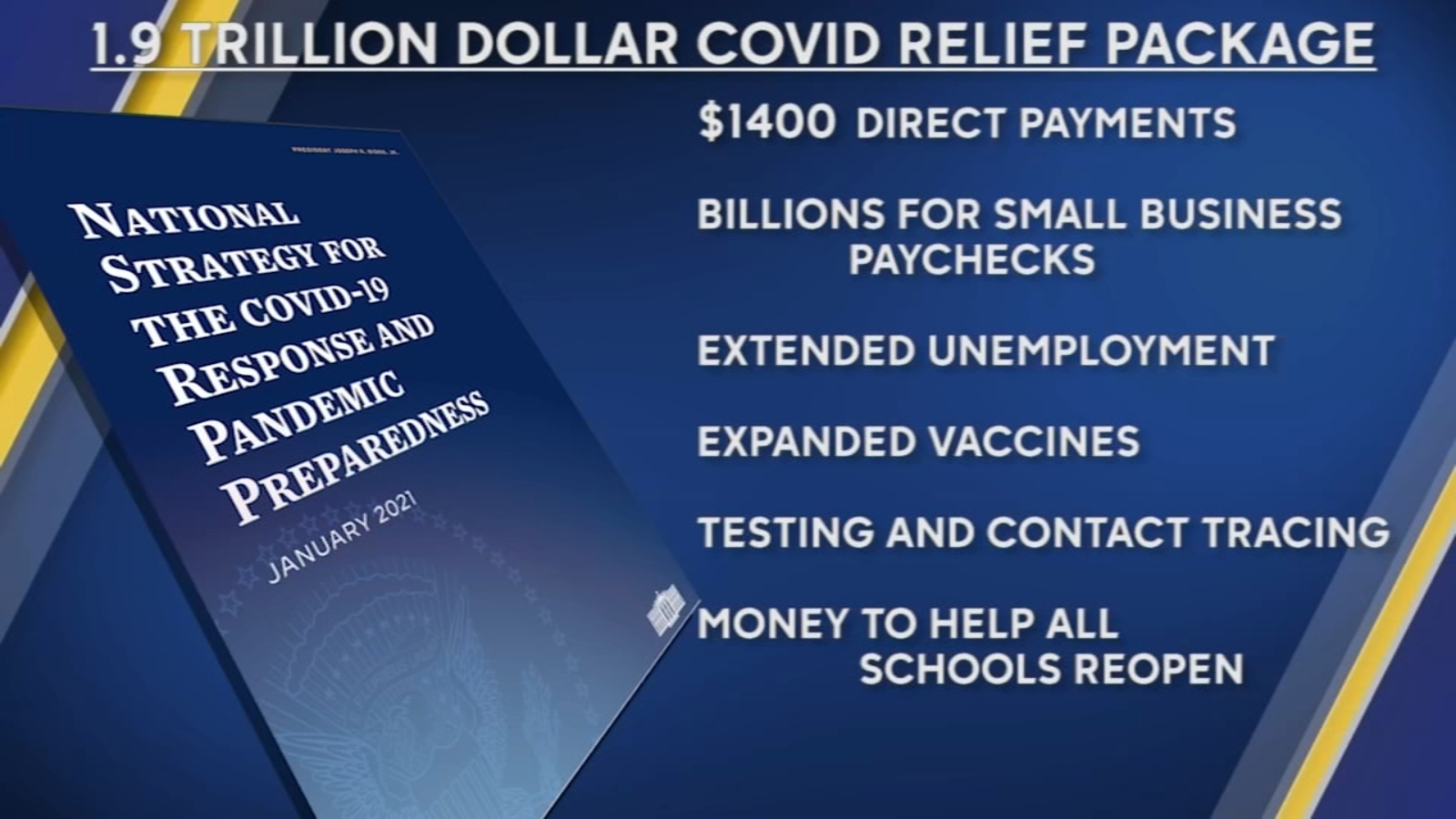
The Biden administration’s recision of work requirements is part of a broader reversal of Trump-era healthcare policies. This week the Justice Department notified the Supreme Court that it was switching sides in the closely watched case questioning the constitutionality of the Affordable Care Act (ACA), although the court has already heard the case and is expected to rule this spring. Starting Monday, the Biden team will also reopen the federal insurance marketplace for a special enrollment period, bolstering funding for outreach to ensure those eligible are aware of coverage options. And as part of its proposed COVID relief legislation, the administration plans to increase subsidies to help individuals buy coverage on the exchanges, and to increase funding to support state Medicaid programs—policies that got a boost this week from a broad coalition of healthcare industry groups, including health plans, doctors, and hospitals.

As the administration rounds out its health policy team, we’d expect a continued focus on strengthening the core pillars of the ACA, along with a greater focus on ensuring health equity and addressing disparities. Meanwhile, two key positions remain unfilled: CMS administrator and commissioner of the Food and Drug Administration (FDA). These slots will likely remain open until the looming confirmation battle over Biden’s nominee for Secretary of Health and Human Services (HHS), California Attorney General Xavier Becerra, has been settled.