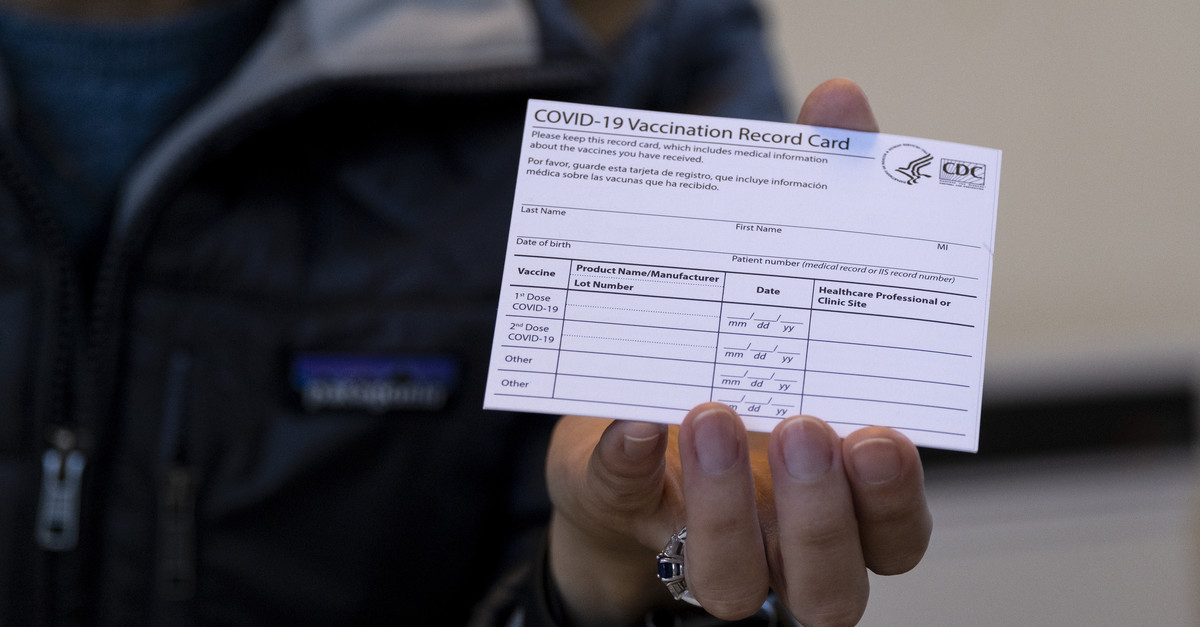
CMS is preparing to enforce its vaccine mandate for health care workers, but the agency may not have an accurate count of how many remain unvaccinated—and five health systems are pushing back on federal hospital vaccination data, calling it “extremely erroneous,” Cheryl Clark writes for MedPage Today.
Background
The Supreme Court earlier this month ruled that CMS could require most health care workers to be vaccinated against Covid-19—but U.S. officials currently do not know exactly how many workers remain unvaccinated, primarily due to a lack of reliable immunization data.
At the end of December, CDC reported that 77.6% of hospital workers were fully vaccinated. However, that figure was based on data from only about 40% of the nation’s hospitals. Hospitals currently send vaccination data to the agency on a voluntary basis, but beginning May 15, they will be required to send in weekly data, just like nursing homes have been.
According to Janis Orlowski, chief health care officer at the Association of American Medical Colleges (AAMC), CDC’s data is likely representative of providers nationwide, as an AAMC survey of 125 academic hospitals found similar results. More than 99% of doctors and close to 90% of nurses were vaccinated, she said, but vaccination rates dropped off to the 30% to 40% range for those in more operational roles, such as transportation and food service workers.
Is federal vaccination data for hospitals inaccurate?
Further adding to the confusion about health care workers’ vaccination rates are potential inaccuracies in a federal database that tracks Covid-19 vaccinations among workers in hospitals across the country. According to five health systems listed as having the highest numbers of unvaccinated workers, the database is “extremely erroneous,” Clark writes.
In the database, Adventist Health Orlando (AHO) is shown to have 18,576 unvaccinated workers, 637 partially vaccinated workers, and 25,253 fully vaccinated workers. However, Jeff Grainger, director of external communications for AdventHealth in Central Florida, said those numbers weren’t possible since the organization “[doesn’t] have 44,000 employees in one hospital.” He added that 96% of AHO’s team members have already complied with CMS’ mandate.
The University of Illinois Hospital (UI) was listed in the database as having 12,049 unvaccinated workers and 272 partially vaccinated workers. Jacqueline Carey, from health system’s public affairs department, disputed these numbers, saying UI had 6,530 workers as of Jan. 19, with 96% of them fully vaccinated. The remainder were either partially vaccinated or had approved exemptions.
The hospital with the third highest number of unvaccinated workers was Mount Sinai Hospital, Clark writes, but Lucia Lee, a hospital spokesperson, said the federal data was inaccurate. According to Lee, Mount Sinai Health System, of which the hospital is a part, has vaccinated 99% of its more than 43,000 employees.
A representative for Ochsner Medical Center, which is listed as having the fourth highest number of unvaccinated workers, also pushed back on the statistics in the database. Currently, 99.57% of Ochsner’s over 34,000 employees are compliant with its Covid-19 policy, with 95% of workers Ochsner Health and Ochsner LSU Health Shreveport fully vaccinated.
Finally, Kena Lewis, a spokesperson for Orlando Regional Medical Center, said that federal data showing the hospital has 44,154 workers is inaccurate. Instead, she said the hospital is one of 10 in the Orlando network, which has 23,709 total employees. Although Lewis did not give the health system’s vaccination rates, she said it “continues to review the guidelines regarding Covid-19 vaccination requirements for health care organizations and will take appropriate steps.”
Although it is not clear why there are discrepancies between the federal data and what these health systems are reporting regarding vaccination rates, there are some potential explanations, Clark writes.
According to Carey, the federal database only includes vaccination information provided by the UI health system and employee health services. This means that vaccinations workers received elsewhere, such as through a personal provider or pharmacy, are not included in the data, and they will show up as being unvaccinated.
Separately, a spokesperson for another of the five organizations told Clark on background that short-term nursing staff contracted through agencies may show up as unvaccinated in the federal database. Although the agencies assure employers the nurses are vaccinated, hospitals do not independently verify this information.
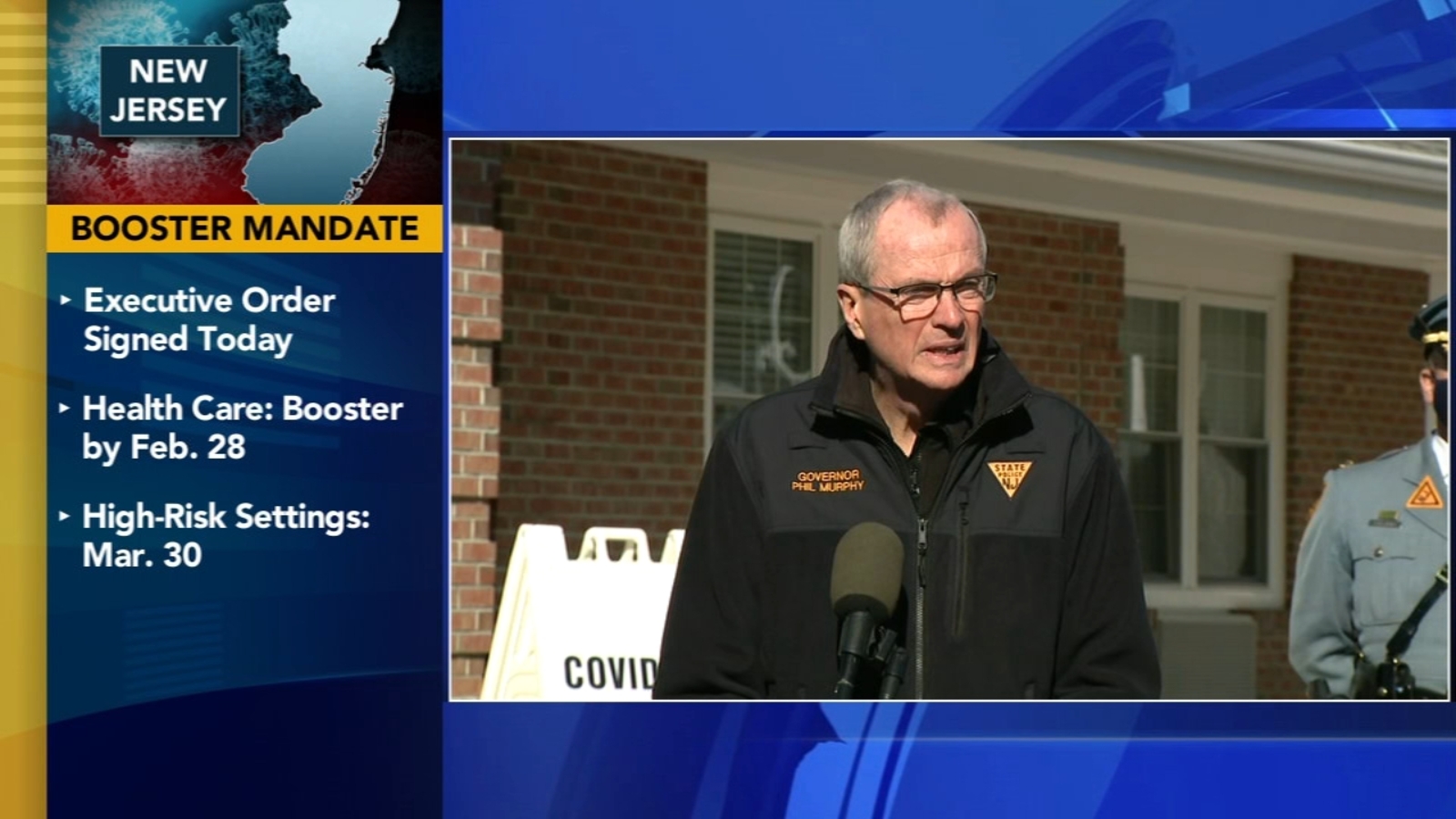
Workers in New Jersey healthcare facilities and high-risk congregate settings like hospitals and nursing homes will be required to be up to date with their COVID-19 vaccinations, including a booster, Gov. Phil Murphy announced Jan. 19.
Mr. Murphy said there would no longer be an option to opt out of vaccination through testing, except for the purposes of providing an accommodation for people exempt from vaccination.
New Jersey healthcare facilities’ covered workers subject to the CMS vaccination mandate for healthcare settings were already required to ensure covered employees received at least one vaccine by Jan. 27 and completed their primary vaccine series by Feb. 28. Mr. Murphy said the state is now requiring proof that these workers are up to date with their vaccination by Feb. 28, which also includes any booster shots for which they are eligible. Noncompliant workers risk losing their jobs.
Workers at covered healthcare settings not subject to the CMS mandate and covered high-risk congregate settings like prisons and jails have until Feb. 16 to receive their first dose of the primary vaccine series and must submit proof that they are up to date with their vaccination by March 30. Mr. Murphy said workers who become newly eligible for a booster after the two deadlines must submit proof of their booster shot within three weeks of becoming eligible.
“With the highly transmissible omicron variant spreading across the country and New Jersey, it is essential that we do everything we can to protect our most vulnerable populations,” Mr. Murphy said in a news release. “With immunity waning approximately five months after a primary COVID-19 vaccination, receiving a booster dose is necessary to protect yourself and those around you. It is critically important that we slow the spread throughout our healthcare and congregate settings in order to protect our vulnerable populations and the staff that care for them.”
The rule in New Jersey, which was issued through an executive order, comes after New York and California also announced booster requirements for healthcare staff.
A top Medicare advisory board did not recommend any new payment hikes for acute care hospitals or doctors for 2023, stating that targeted relief funding has helped blunt the impact of the COVID-19 pandemic.
The Medicare Payment Advisory Commission (MedPAC), which makes recommendations to Congress and the federal government on Medicare issues, voted on the payment changes to Congress during its Thursday meeting. The panel decided against recommending any pay hikes.
The commission unanimously voted to update 2023 rates for acute care hospitals by the amounts determined under current law. The Centers for Medicare & Medicaid Services will publish its update to the current law payment rates this summer.
MedPAC estimated that the rates will increase 2% and that there would be 3.1% growth in hospital wages and benefits, but these “may be higher or lower by the time this is finalized,” said MedPAC staff member Alison Binkowski.
She added there will be another estimated 0.5% increase in inpatient rates.
MedPAC decided not to recommend any pay rates beyond current law after looking at the financial picture for hospitals and found the indicators of payment adequacy are generally positive.
“Hospitals maintained strong access to capital thanks to substantial federal support, including targeted federal relief funds to rural hospitals which raised their all-payer total margin to a near-record total high,” Binkowski said.
She added fewer hospitals closed, and facilities continued to have positive marginal Medicare profits.
It was also difficult to interpret changes in quality that traditionally would determine whether a payment boost would be needed.
“For example, mortality rates increased in 2020, but this reflects the tragic effects of the pandemic on the elderly rather than a change in the quality of care provided to Medicare beneficiaries or the adequacy of Medicare payments,” Binkowski said.
Even though commission members agreed with the recommendation for hospitals, they were concerned whether it was enough to help facilities meet drastic increases in labor expenses.
“With labor, it is more than just a salary increase these hospitals are seeing,” said commission member Brian DeBusk.
He noted that hospitals haven’t just seen an increase in rates for contract or temporary nurses, but in nursing education as well.
MedPAC also recommended no changes to the statutory payment update for dialysis facilities and shouldn’t give a payment update to ambulatory surgery centers (ASCs) due to confidence in payment adequacy for the facilities.
“Despite the public health emergency, the number of ASCs increased by 2% in 2020,” said MedPAC staff member Daniel Zabinski. “The growth that we saw in the number of ASCs also suggests access to capital remains adequate.”
Physician fee schedule recommendation
The commission decided to take a similar estimate with the physician fee schedule, calling for any update to be tied to current law, which is estimated to have no change in spending.
Medicare payments to clinicians declined by $9 billion in 2020 but were offset thanks to congressional relief funds. Physicians also got a 4% bump to payments through 2022 compared to prior law.
The temporary rate hike is expected to go away at the start of 2023, but physician groups are likely to lobby Congress to keep the pay bump intact.
Physician groups already blasted the recommendation from MedPAC.
Anders Gilberg, senior vice president of government affairs for the Medical Group Management Association, tweeted that the recommendation was out of touch, especially after new reports of inflation.
“Hard to conceive of a more misguided recommendation to Congress at a time when practices face massive staffing shortages and skyrocketing expenses,” he tweeted.
A federal appeals court has reinstated in 26 states a Biden administration vaccination mandate for health workers at hospitals that receive federal funding.
A three-judge panel of the 5th U.S. Circuit Court of Appeals in New Orleans ruled(PDF) that a lower court had the authority to block the mandate in only the 14 states that had sued and was wrong to impose a nationwide injunction.
It marks a modest win for the Biden administration’s pandemic strategy following a series of legal setbacks to the health worker vaccine mandate. Numerous lawsuits have been filed seeking to block vaccine mandates issued by governments and businesses as public health measures amid a pandemic that has killed more than 800,000 Americans.
The Centers for Medicare & Medicaid Services (CMS) announced in early November that it would be requiring applicable healthcare facilities to have a policy in place ensuring that eligible staff receive their first dose of a COVID-19 vaccine series by Dec. 5 and to have completed their series by Jan. 4, 2022. Failure to comply with the requirement, which covers 17 million healthcare workers, would place an organization’s Medicare funding in jeopardy.
But the mandate was blocked before the deadline and remains temporarily blocked in 24 states: the 14 states involved in the case reviewed by the New Orleans appeals court and 10 states where the mandate was blocked by a Nov. 29 ruling from a federal judge in St. Louis.
The 14 states that sued are Alabama, Arizona, Georgia, Idaho, Indiana, Kentucky, Louisiana, Mississippi, Montana, Ohio, Oklahoma, South Carolina, Utah and West Virginia.
In the lawsuits, states argued that CMS exceeded its authority with the rule and did not have good cause to forego the required notice and comment period. States that sued the Biden administration over the vaccine mandate also cited the ongoing workforce shortages affecting healthcare providers in their states.
In explaining its ruling, the 5th Circuit noted that the Louisiana-based federal judge had given “little justification for issuing an injunction outside the 14 states that brought this suit.”
As it stands, the vaccine requirement for Medicare and Medicaid providers is blocked by courts in about half of U.S. states but not in the other half, creating the potential for patchwork enforcement across the country.
However, the administration’s broader requirements have so far faced stiff competition from courts as well as right-leaning lawmakers and governors alike.
The Supreme Court this week also blocked a challenge to New York’s requirement that healthcare workers be vaccinated against COVID-19 even when they cite religious objections.
The Supreme Court appeared receptive to the claim that Medicare overstepped its authority when it cut the amount that it paid certain hospitals for drugs they dispensed in their outpatient departments. None of the justices voiced sympathy with the government’s argument that Congress had precluded judicial review of the question. And while oral argument mainly involved a technical discussion about statutory meaning, several of the conservative justices toyed with the possibility of abandoning Chevron deference — the principle that the courts will defer to an agency’s reasonable interpretation of the statute that it administers.
It is always treacherous to try to anticipate what the justices will decide from the questions they ask at oral argument. Still, it’s safe to say that the hospitals challenging Medicare’s rate change had a good day in court. If they prevail, 340B hospitals will recoup billions in withheld payments and will continue to have an enormous incentive to dispense expensive drugs in their outpatient centers, even when cheaper and equally effective alternatives exist.
That’s a bad policy outcome, whatever the Supreme Court thinks the law requires. If Medicare lacks the legal power to fix it, however, it will be up to Congress to narrow the gap between 340B drug costs and Medicare payments. We could be waiting a very long time for a solution.
How much should we pay for drugs? That’s the question at the center of American Hospital Association v. Becerra, a sleeper of a case involving billions of dollars in federal spending and a chance to reshape two doctrines at the heart of administrative law.
Drugs, money, and the law: Sounds sexy, right? Still, you could be forgiven for never having heard of the case, which will be argued on Tuesday. It arises out of a technical dispute over how Medicare, the federal program that insures 63 million elderly and disabled people, pays for some of the drugs that hospitals dispense to patients in outpatient departments — in particular, chemotherapy drugs and other expensive anti-cancer medications.
The case centers on part of a 2003 law that gives Medicare two options for how to pay for those drugs. Under the first option, Medicare would survey hospitals about what it cost them to acquire the drugs. Medicare would then draw on the survey data and reimburse hospitals for their “average acquisition costs,” subject to variations for different types of hospitals. It’s a rough-cut way to make hospitals whole without requiring them to submit receipts for every drug purchase.
But Medicare immediately encountered a problem: It just wasn’t practical to survey hospitals about their acquisition costs. Fortunately, the law anticipated that possibility and gave Medicare a second option. In the absence of survey data, Medicare could pay the “average price” for the drug, “as calculated and adjusted by the Secretary [of Health and Human Services] as necessary for purposes of this [option].”
This approach turned out to be costly. A drug’s “average price” is fixed elsewhere in the Medicare statute, typically at 106% of the drug’s sale price. As a policy matter, this “average sales price plus 6%” approach is hard to defend. Because 6% of a large number is bigger than 6% of a small number, hospitals have an incentive to dispense more expensive drugs, even when there are cheaper and equally effective therapies.
Other developments soon made the payment policy look even more dubious. Back in 1992, Congress created something called the 340B program to support health-care providers that serve poor and disadvantaged communities. Eligible providers get steep discounts on the drugs that they purchase — anywhere between 20% and 50% of the normal price.
Initially, few hospitals qualified for the 340B program. Today, more than two-thirds of nonprofit hospitals participate. (For-profits are excluded from the program.) For years, Medicare kept paying those 340B hospitals 106% of the average sales price of their outpatient drugs. The upshot was that hospitals were buying highly discounted drugs and then charging the federal government full price. That heightened the incentive to prescribe very expensive medications — which is partly why Medicare spending on outpatient drugs has ballooned, growing an average of 8.1% per year from 2006 through 2017.
Federal regulators were troubled by the gap between hospital costs and Medicare payments. In their view, the point of the 2003 statute was to cover hospitals’ costs, not to subsidize 340B hospitals. That jibes with the Medicare statute more generally: Its “overriding purpose” is to provide “reasonable (not excessive or unwarranted) cost-based reimbursement.”
So Medicare adopted a rule that, starting in 2018, slashed the reimbursement rate for 340B hospitals’ outpatient drugs (or, more precisely, a subset of them) to 22.5% less than the average sales price. That was still generous, since on average the 340B discount is about one-third of a drug’s price. But it was much less generous than before, and Medicare estimated that the change would save taxpayers $1.6 billion every year.
The American Hospital Association, together with two hospital trade groups and three hospitals, filed suit. Had Medicare chosen option one, the plaintiffs argued, it could have focused on acquisition costs and even distinguished among hospital groups in setting payment rates. Instead, it chose option two, which says that Medicare must pay a drug’s “average price” — not its acquisition price — and doesn’t provide for discriminating between hospitals. While the plaintiffs acknowledged that Medicare could “adjust” the average price, they argued that a cut from 106% to 77.5% of the average sales price was not really an adjustment. It was a wholesale revision of the statutory scheme.
The plaintiffs encountered an obstacle right out of the gate. To prevent courts from second-guessing Medicare’s choices about how much to pay for outpatient care, the Medicare statute says that “[t]here shall be no administrative or judicial review” of those choices. In the government’s telling, Congress precluded review because Medicare has a fixed annual budget for outpatient care. Increasing payments for one type of care thus requires cutting payments for other types of care.
That linkage means that, if the plaintiffs win, it’s not just that they should have been paid more for certain drugs. It’s that all hospitals should have been paid less for other services. (That helps explains why coalitions representing rural and for-profit hospitals have filed amicus briefs in support of Medicare.) Unwinding that decision would be an administrative nightmare — which is why Congress precluded review in the first place.
As the plaintiffs see it, however, the government simply misreads the scope of the preclusion language. Though it generally precludes review of reimbursement decisions relating to outpatient care, it doesn’t cross-reference the subsection relating to outpatient drugs. Both the district court and the U.S. Court of Appeals for the District of Columbia Circuit agreed, invoking the strong presumption favoring judicial review of agency action.
On the merits, the plaintiffs fared less well. Though they won in the district court, the D.C. Circuit held that Medicare reasonably read the 2003 law to allow it to align hospital reimbursement with hospital acquisition costs. Medicare’s interpretation — and the scope of its authority to “adjust” payment rates — was thus owed deference under Chevron U.S.A. Inc. v. Natural Resources Defense Council, a 1984 decision holding that courts generally should defer to agencies’ reasonable interpretations of ambiguous statutes. Judge Cornelia Pillard dissented, arguing that the statute unambiguously foreclosed Medicare’s interpretation.
The plaintiffs asked the Supreme Court to review a single question: whether Medicare should receive Chevron deference for interpreting the 2003 law in the manner that it did. Tantalizingly, the plaintiffs noted that “[i]t is no secret that members of this Court have raised concerns about whether Chevron deference, particularly when applied as indiscriminately as it was in this case, violates the separation of powers.”
The Supreme Court bit. In its order granting certiorari, however, the court instructed the parties to brief an additional question: whether the Medicare statute precludes the lawsuit. What that means is that — in addition to resolving whether hospitals are entitled to billions of taxpayer dollars — the court will have the chance to address two foundational doctrines of administrative law: the presumption of reviewability and Chevron deference.
Arguably, AHA v. Becerraoffers an unusually vivid example of the costs of a strong presumption of reviewability. If the plaintiffs win, what’s the remedy? Is Medicare supposed to reopen every outpatient payment decision that it’s made since 2018, given that paying more for 340B drugs means it should have paid less for other services? The plaintiffs say no, arguing that Medicare wouldn’t be required to make any retroactive adjustments. But the government fears otherwise and the answer is not at all clear. Isn’t that the kind of mess that preclusion is meant to avoid?
I’ve called in my academic work for abandoning the presumption of reviewability precisely because it disrespects Congress’ reasonable desire to shield some administrative decisions from judicial review. In recent years, however, the Supreme Court has evinced no interest in doing so — the presumption of reviewability remains “strong.” We may soon find out just how strong it is.
But the big question about the case is whether the court will use it as a vehicle to reconsider Chevron deference. In the plaintiffs’ view, it is galling — “an affront to the separation of powers” — that the courts would defer when Medicare has exploited a purported ambiguity to sidestep Congress’ clear instructions about how much to pay hospitals. Several of the conservative justices, including in particular Justices Clarence Thomas and Neil Gorsuch, may be receptive to the argument. If so, the right wing of the court could use the case to narrow or even overturn Chevron, with potentially dramatic implications for the scope of executive-branch power.
Whether the court will do so is anyone’s guess. The justices could easily resolve the case on narrower grounds. Maybe the statute unambiguously forecloses Medicare’s interpretation of the law, as the plaintiffs argue. Or maybe, as the government claims, Medicare properly exercised its explicit authority to “adjust” prices for outpatient drugs.
Neither of those holdings would be the sexiest decision that the Supreme Court has ever issued. It would be technical, arcane — even boring. Given the financial stakes, however, it would be significant nonetheless.
The healthcare industry’s staffing shortage crisis has had clear consequences for care delivery and efficiency, forcing some health systems to pause nonemergency surgeries or temporarily close facilities. Less understood is how these shortages are affecting care quality and patient safety.
A mix of high COVID-19 patient volume and staff departures amid the pandemic has put hospitals at the heart of a national staffing shortage, but there is little national data available to quantify the shortages’ effects on patient care.
The first hint came last month from a CDC report that found healthcare-associated infections increased significantly in 2020 after years of steady decline. Researchers attributed the increase to challenges related to the pandemic, including staffing shortages and high patient volumes, which limited hospitals’ ability to follow standard infection control practices.
“That’s probably one of the first real pieces of data — from a large scale dataset — that we’ve seen that gives us some sense of direction of where we’ve been headed with the impact of patient outcomes as a result of the pandemic,” Patricia McGaffigan, RN, vice president of safety programs for the Institute for Healthcare Improvement, told Becker’s. “I think we’re still trying to absorb much of what’s really happening with the impact on patients and families.”
An opaque view into national safety trends
Because of lags in data reporting and analysis, the healthcare industry lacks clear insights into the pandemic’s effect on national safety trends.
National data on safety and quality — such as surveys of patient safety culture from the Agency for Healthcare Research and Quality — can often lag by several quarters to a year, according to Ms. McGaffigan.
“There [have been] some declines in some of those scores more recently, but it does take a little while to be able to capture those changes and be able to put those changes in perspective,” she said. “One number higher or lower doesn’t necessarily indicate a trend, but it is worth really evaluating really closely.”
For example, 569 sentinel events were reported to the Joint Commission in the first six months of 2021, compared to 437 for the first six months of 2020. However, meaningful conclusions about the events’ frequency and long-term trends cannot be drawn from the dataset, as fewer than 2 percent of all sentinel events are reported to the Joint Commission, the organization estimates.
“We may never have as much data as we want,” said Leah Binder, president and CEO of the Leapfrog Group. She said a main area of concern is CMS withholding certain data amid the pandemic. Previously, the agency has suppressed data for individual hospitals during local crises, but never on such a wide scale, according to Ms. Binder.
CMS collects and publishes quality data for more than 4,000 hospitals nationwide. The data is refreshed quarterly, with the next update scheduled for October. This update will include additional data for the fourth quarter of 2020.
“It is important to note that CMS provided a blanket extraordinary circumstances exception for Q1 and Q2 2020 data due to the COVID-19 pandemic where data was not required nor reported,” a CMS spokesperson told Becker’s. “In addition, some current hospital data will not be publicly available until about July 2022, while other data will not be available until January 2023 due to data exceptions, different measure reporting periods and the way in which CMS posts data.”
Hospitals that closely monitor their own datasets in more near-term windows may have a better grasp of patient safety trends at a local level. However, their ability to monitor, analyze and interpret that data largely depends on the resources available, Ms. McGaffigan said. The pandemic may have sidelined some of that work for hospitals, as clinical or safety leaders had to shift their priorities and day-to-day activities.
“There are many other things besides COVID-19 that can harm patients,” Ms. Binder told Becker’s. “Health systems know this well, but given the pandemic, have taken their attention off these issues. Infection control and quality issues are not attended to at the level of seriousness we need them to be.”
What health systems should keep an eye on
While the industry is still waiting for definitive answers on how staffing shortages have affected patient safety, Ms. Binder and Ms. McGaffigan highlighted a few areas of concern they are watching closely.
The first is the effect limited visitation policies have had on families — and more than just the emotional toll. Family members and caregivers are a critical player missing in healthcare safety, according to Ms. Binder.
When hospitals don’t allow visitors, loved ones aren’t able to contribute to care, such as ensuring proper medication administration or communication. Many nurses have said they previously relied a lot on family support and vigilance. The lack of extra monitoring may contribute to the increasing stress healthcare providers are facing and open the door for more medical errors.
Which leads Ms. Binder to her second concern — a culture that doesn’t always respect and prioritize nurses. The pandemic has underscored how vital nurses are, as they are present at every step of the care journey, she continued.
To promote optimal care, hospitals “need a vibrant, engaged and safe nurse workforce,” Ms. Binder said. “We don’t have that. We don’t have a culture that respects nurses.”
Diagnostic accuracy is another important area to watch, Ms. McGaffigan said. Diagnostic errors — such as missed or delayed diagnoses, or diagnoses that are not effectively communicated to the patient — were already one of the most sizable care quality challenges hospitals were facing prior to the pandemic.
“It’s a little bit hard to play out what that crystal ball is going to show, but it is in particular an area that I think would be very, very important to watch,” she said.
Another area to monitor closely is delayed care and its potential consequences for patient outcomes, according to Ms. McGaffigan. Many Americans haven’t kept up with preventive care or have had delays in accessing care. Such delays could not only worsen patients’ health conditions, but also disengage them and prevent them from seeking care when it is available.
Reinvigorating safety work: Where to start
Ms. McGaffigan suggests healthcare organizations looking to reinvigorate their safety work go back to the basics. Leaders should ensure they have a clear understanding of what their organization’s baseline safety metrics are and how their safety reports have been trending over the past year and a half.
“Look at the foundational aspects of what makes care safe and high-quality,” she said. “Those are very much linked to a lot of the systems, behaviors and practices that need to be prioritized by leaders and effectively translated within and across organizations and care teams.”
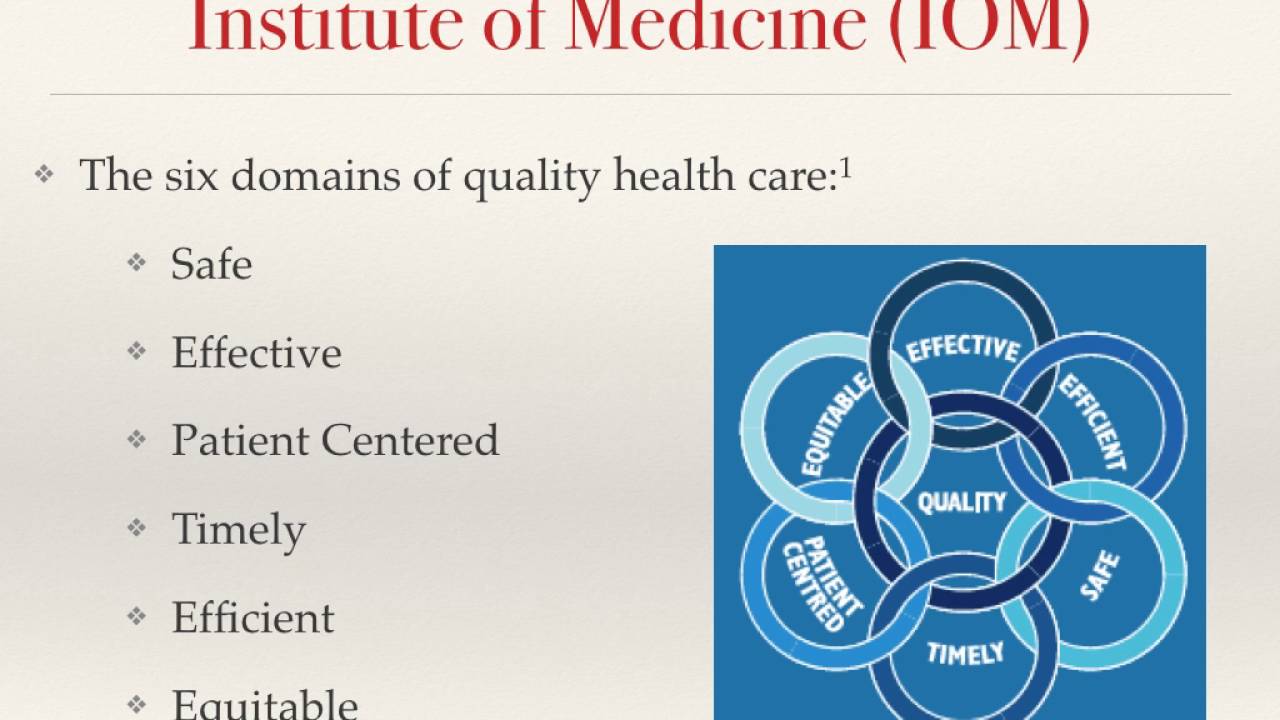
She recommended healthcare organizations take a total systems approach to their safety work, by focusing on the following four, interconnected pillars:
Culture, leadership and governance
Patient and family engagement
Learning systems
Workforce safety
For example, evidence shows workforce safety is an integral part of patient safety, but it’s not an area that’s systematically measured or evaluated, according to Ms. McGaffigan. Leaders should be aware of this connection and consider whether their patient safety reporting systems address workforce safety concerns or, instead, add on extra work and stress for their staff.
Safety performance can slip when team members get busy or burdensome work is added to their plates, according to Ms. McGaffigan. She said leaders should be able to identify and prioritize the essential value-added work that must go on at an organization to ensure patients and families will have safe passage through the healthcare system and that care teams are able to operate in the safest and healthiest work environments.
In short, leaders should ask themselves: “What is the burdensome work people are being asked to absorb and what are the essential elements that are associated with safety that you want and need people to be able to stay on top of,” she said.
To improve both staffing shortages and quality of care, health systems must bring nurses higher up in leadership and into C-suite roles, Ms. Binder said. Giving nurses more authority in hospital decisions will make everything safer. Seattle-based Virginia Mason Hospital recently redesigned its operations around nurse priorities and subsequently saw its quality and safety scores go up, according to Ms. Binder.
“If it’s a good place for a nurse to go, it’s a good place for a patient to go,” Ms. Binder said, noting that the national nursing shortage isn’t just a numbers game; it requires a large culture shift.
Hospitals need to double down on quality improvement efforts, Ms. Binder said. “Many have done the opposite, for good reason, because they are so focused on COVID-19. Because of that, quality improvement efforts have been reduced.”
Ms. Binder urged hospitals not to cut quality improvement staff, noting that this is an extraordinarily dangerous time for patients, and hospitals need all the help they can get monitoring safety. Hospitals shouldn’t start to believe the notion that somehow withdrawing focus on quality will save money or effort.
“It’s important that the American public knows that we are fighting for healthcare quality and safety — and we have to fight for it, we all do,” Ms. Binder concluded. “We all have to be vigilant.”
Conclusion
The true consequences of healthcare’s labor shortage on patient safety and care quality will become clear once more national data is available. If the CDC’s report on rising HAI rates is any harbinger of what’s to come, it’s clear that health systems must place renewed focus and energy on safety work — even during something as unprecedented as a pandemic.
The irony isn’t lost on Ms. Binder: Amid a crisis driven by infectious disease, U.S. hospitals are seeing higher rates of other infections.
“A patient dies once,” she concluded. “They can die from COVID-19 or C. diff. It isn’t enough to prevent one.”
The 340B Drug Pricing Program, designed to increase access to specialty pharmaceuticals for low-income patients, is a perennial area of concern for health policy. The program has grown exponentially since its inception almost 30 years ago: 340B providers increased purchases of discounted drugs from $4B in 2009 to $38B in 2020, five times faster than the overall growth rate of US drug sales. Insurers and drug manufacturers are advocating for significant changes to the program, or even favor eliminating it entirely, claiming that 340B has grown beyond its original intent to help safety net facilities, and simply enriches providers without directly benefiting patients. Indeed, the profits from 340B have become essential for many hospitals’ sustainability; some systems tell us that 340B accounts for their entire margin.
In the graphic above, we outline the basics of revenue and product flow within this complex program. The 340B program is meant to allow hospitals that treat low-income, underserved patients to purchase drugs from manufacturers at a 25 to 50-plus percent discount, but still be reimbursed by payers at standard network rates. The discounts are intended to help hospitals overcome losses they incur in providing uncompensated care, but apply to drugs for all patients, regardless of income and insurance status. 340B providers often partner with independent pharmacies to dispense the drugs, and payers are billed the full list price for the medication. Thus, insured patients pay co-payments on the full price of drugs, leading to criticism that 340B savings are not passed on to patients. 340B providers share an estimated $40B in total annual profit with partner contract pharmacies.
The program has been targeted for overhaul by both the Trump and Biden administrations, and faces another threat later this month, when the US Supreme Court is set to hear a case between the hospital industry and the Department of Health and Human Services (HHS) to decide whether the Centers for Medicare & Medicaid Services (CMS) has the authority to enact payment cuts through rulemaking.
If the court rules in favor of the agency, 340B providers could see significant cuts in payment rates. In our next edition, we’ll dive deeper into the potential impact of that ruling on the industry.
Nonprofit payers have used a variety of strategies to address plan affordability throughout the next year, including reducing premiums by as much as 10% in some instances, finds a new report from the Alliance of Community Health Plans.
ACHP’s inaugural Report on Affordability found that when health plans manage premiums, provide enhanced benefits, smooth the way for access and reduce costs for governments and employers, the system – and outcomes – improve.
This is exemplified by some of the strategies employed by ACHP member plans, which largely reduced insurance premiums or held them flat, with some member companies reducing premiums by as much as 10%.
On top of that, every plan added new health benefits, or expanded existing ones, without increasing costs to consumers, the report found. Some of the additional benefits include free vaccines, transportation, hearing aids, reduced insulin costs, nutrition classes and meal services, smoking cessation programs and $0 co-pays for mental health visits.
Roughly three-quarters of ACPH plans moved acute and recovery services out of the hospital setting, which was deemed too expensive in most cases. By establishing hospital-at-home programs and remote patient monitoring, plans have generated significant savings for both consumers and the health system, plus improved consumer satisfaction, results showed.
Meanwhile, about two-thirds of the plans offered price transparency tools meant to allow consumers to make more-informed choices. They included information on inpatient and outpatient services, behavioral health, prescription drugs, lab and imaging services and other fees, and many provided options for several locations and virtual care, a move intended to reduce travel costs.
Priority Health’s cost estimator has tallied $13.8 million in shared savings and paid out roughly $4.1 million in rewards to members.
In a bid to improve access, all plans expanded telehealth offerings, smoothing access to mental healthcare as well as to specialties such as Medication Assisted Treatment, physical and occupational therapy, medication management, speech therapy and dialysis. Most eliminated co-pays and cost sharing.
WHAT’S THE IMPACT?
In the last year, ACHP members expanded the hospital-at-home care model, attempting to offer more efficient ways to provide acute and recovery care as well as care management in a home setting. The expansion of virtual care, complete with remote monitoring and social support, reduces the risk of infection, keeps patients comfortable at home and alleviates inpatient hospital bed shortages, according to the report.
For example, SelectHealth and its owner system, Utah-based Intermountain Healthcare, launched Connect Care Pro, a virtual hospital meant to enable access for patients in remote locations. The online, digital program connects more than 500 caregivers across the Intermountain system, enabling patients to receive both basic medical and specialty care without making a long journey, including by helicopter.
Presbyterian Health of New Mexico’s Complete Care, on the other hand, is a wrap-around program that combines primary, urgent and home care for patients with complex medical needs, including those with functional decline and at risk of needing long-term institutional care. Patients receive and manage their care from home, 24/7, including acute and palliative care, house-call and same-day visits, as well as medication management. In addition, care coordinators and social workers manage social needs, including transportation and food insecurity.
And the Home Care Recovery program from Wisconsin’s Security Health Plan and Marshfield Clinic Health System brings the elements of acute inpatient recovery to a patient’s home, eliminating fixed-cost allocations associated with traditional hospital-level care and reducing post-acute utilization and readmissions for 150 traditional inpatient conditions such as congestive heart failure, pneumonia and asthma.
THE LARGER TREND
A 2016 report from the Centers for Medicare and Medicaid Services found that nonprofit organizations and health plans tend to receive higher star ratings than their for-profit counterparts.
For Medicare Part Ds, about 70% of the nonprofit contracts received four or more stars compared to 39% of the for-profit MA-Part-Ds. Similarly, roughly 63% of nonprofit prescription drug plans received four or more stars, compared to 24% of the for-profit PDPs.
A recent CMS analysis of its Hospital Readmissions Reduction Program (HRRP) found that 2,500 hospitals will face HRRP penalty reductions and around 18% of hospitals will face penalties of at least 1% of their Medicare reimbursements for fiscal year (FY) 2022, Modern Healthcare reports.
Historically, hospitals received a penalty if their observed readmissions for any one of these conditions exceeded a national standard. However, in response to criticism, CMS in 2019 scrapped the national standard comparison standard. It now compares hospitals’ performance with that of other hospitals serving a similar population of low-income patients.
Under the current methodology, CMS has categorized all participating hospitals into quintiles according to the proportion of dual-eligible patients (patients eligible for Medicare and Medicaid) each hospital serves. Now, each hospital is compared with the median readmissions performance of its cohort, and hospitals with higher-than-cohort-median performance are penalized.
The program does not apply to veterans hospitals, children’s hospitals, psychiatric hospitals, or hospitals in Maryland, which has a federal waiver for how it distributes Medicare funding. In addition, hospitals are not evaluated under the program if they do not treat enough cases of the conditions evaluated.
Fewer hospitals are facing high HRRP penalties
In a recent analysis, CMS looked at HRRP data from July 2017 to December 2019. It found that 2,500 hospitals will face HRRP penalty reductions for FY 2022, and around 18% of hospitals will be penalized more than 1% of their reimbursements, down from 20% from July 2016 through June 2019. The financial value of readmissions reduction
The analysis also found that 80% of hospitals with the highest proportion of Medicare-Medicaid dual-eligible patients will pay penalties, while nearly 72% of hospitals with the lowest proportion of dual-eligible patients will receive penalties.
This likely will be the last set of readmissions data unaffected by the Covid-19 pandemic. Under ordinary circumstances, CMS reviews three years of data in calculating HRRP penalties, so the agency ordinarily would have considered data from July 2017 to June 2020 in calculating the fiscal year 2022 penalties. However, CMS elected to stop its analysis in December 2019 to exclude data gathered during the Covid-19 pandemic.
CMS has not yet said how it will handle readmissions data from the pandemic, Modern Healthcare reports.
Reaction
Akin Demehin, director of policy for the American Hospital Association (AHA), said the drop in hospitals paying high HRRP penalties is a success.
“America’s hospitals and health systems have made substantial progress in reducing unnecessary readmissions, which has improved quality and enhanced care coordination,” Demehin said.
Demehin also praised CMS for excluding data from the Covid-19 pandemic from its analysis.
“We are pleased that CMS heard our concerns and excluded data from the first six months of 2020 to account for the pandemic when calculating performance,” he said. “We will continue to ask CMS to use its discretion to exclude pandemic-affected data in calculating performance in its hospital quality and value programs going forward.”
Demehin also added that CMS should expand its peer-grouping of hospitals by incorporating other social risk factors beyond a hospital’s control.
“Peer grouping provides relief to many hospitals serving the poorest and most vulnerable communities,” he said. “Congress gave CMS the ability to refine its social risk factor adjustment approach over time, and because the research and science on this issue continues to evolve, the AHA has encouraged CMS to consider ongoing refinements.” (Gillespie, Modern Healthcare, 10/1)








 HENRY KOTULA